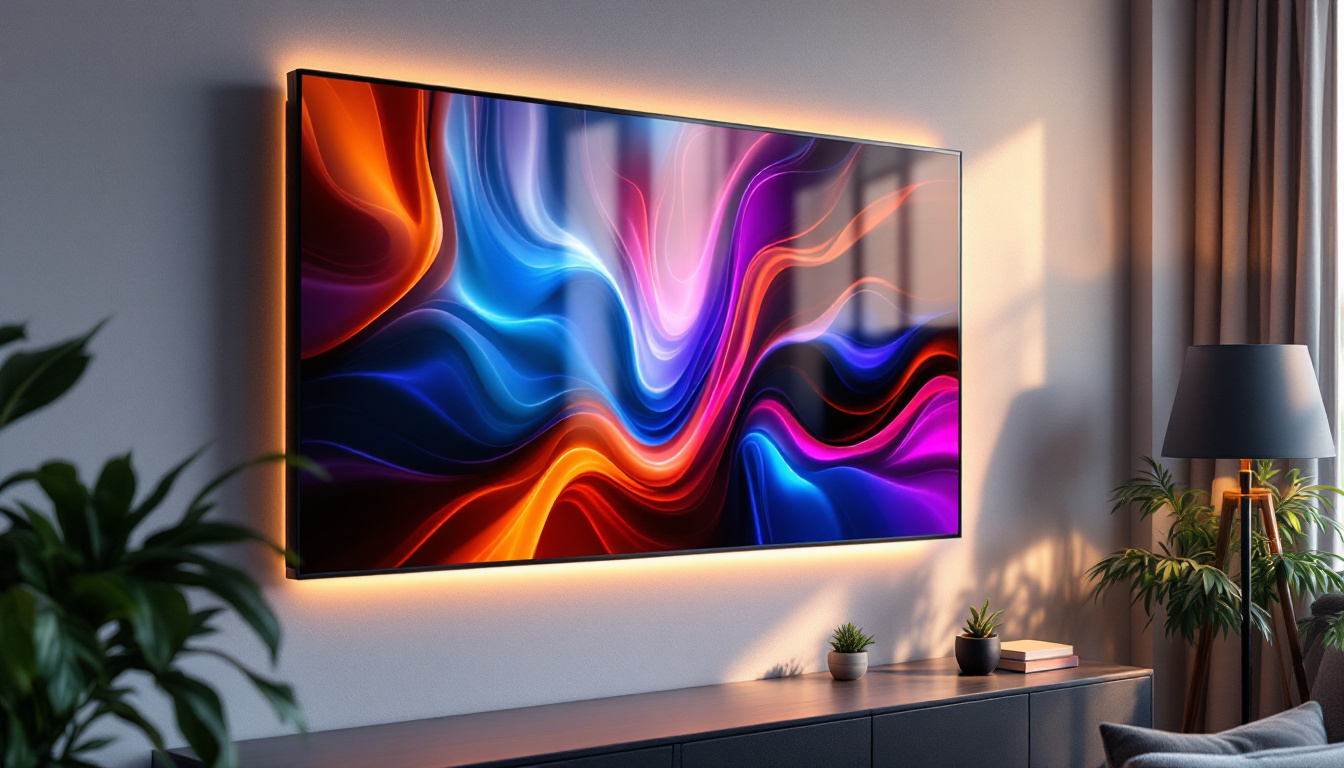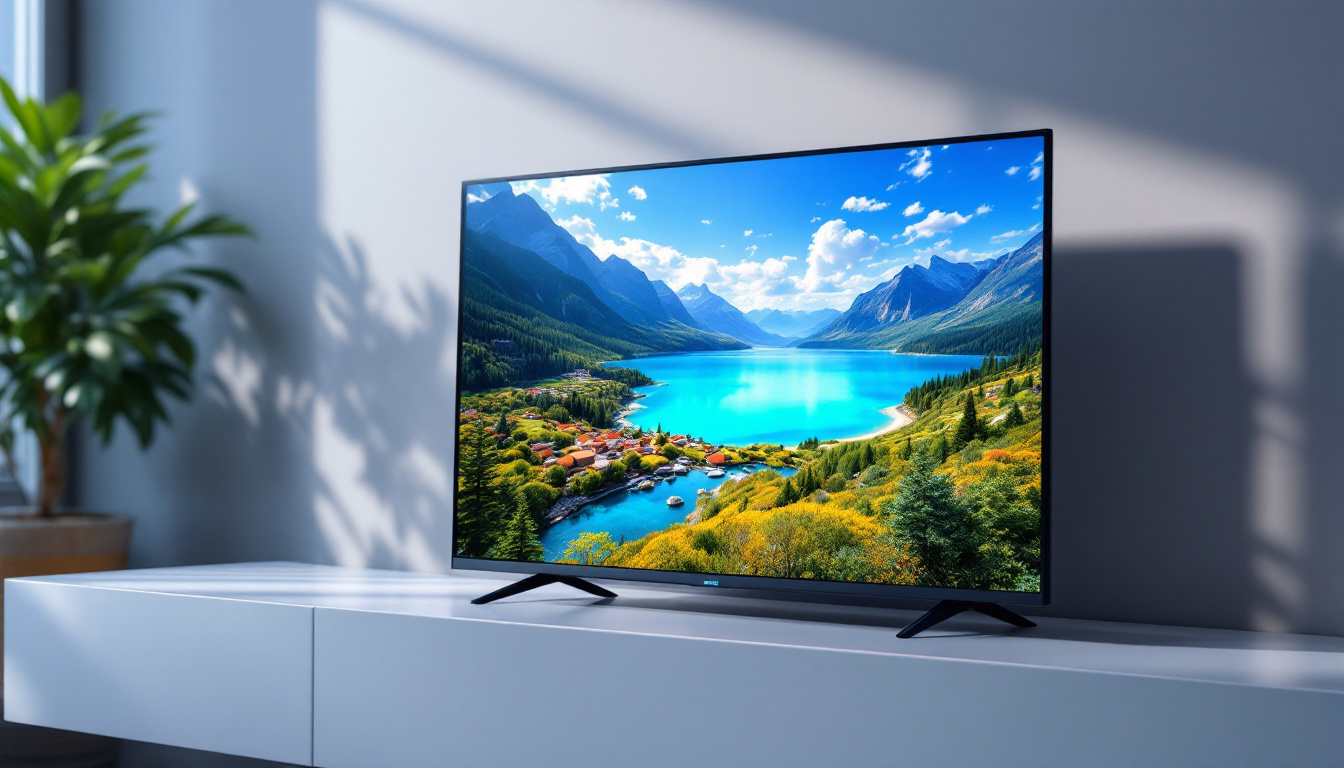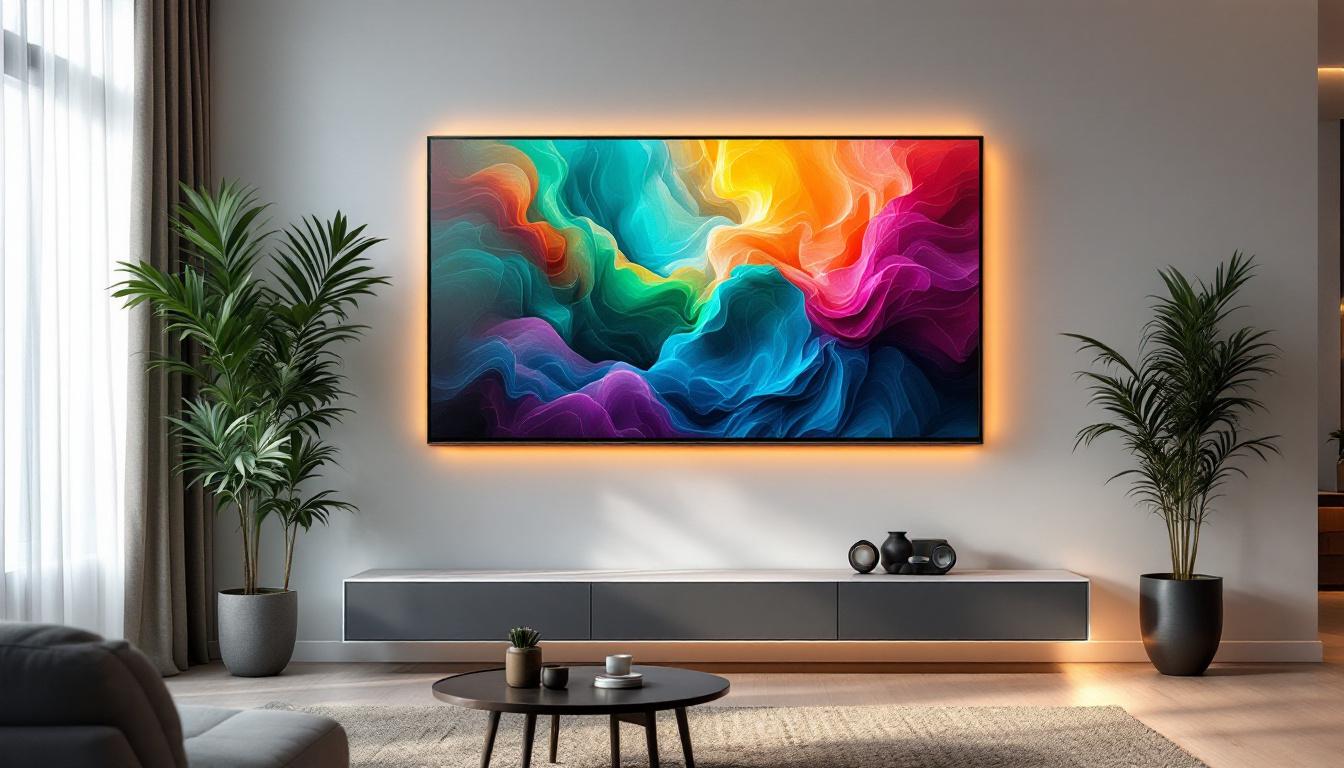
In the rapidly evolving world of display technology, panel wall TVs featuring LED displays have become a cornerstone for both commercial and residential applications. From immersive home theaters to dynamic digital signage, understanding the technology behind LED panel walls is essential for making informed decisions about purchasing, installation, and maintenance. This article delves into the fundamentals of LED display technology, explores the advantages of panel wall TVs, and highlights key considerations for consumers and businesses alike.
Understanding LED Display Technology
LED, or Light Emitting Diode, technology has revolutionized the way images are displayed on screens. Unlike traditional LCD panels that rely on backlighting, LED displays use individual diodes to emit light directly, resulting in brighter images, better contrast, and improved energy efficiency. This innovation has not only enhanced the viewing experience but has also paved the way for new applications in various fields, including advertising, entertainment, and information dissemination.
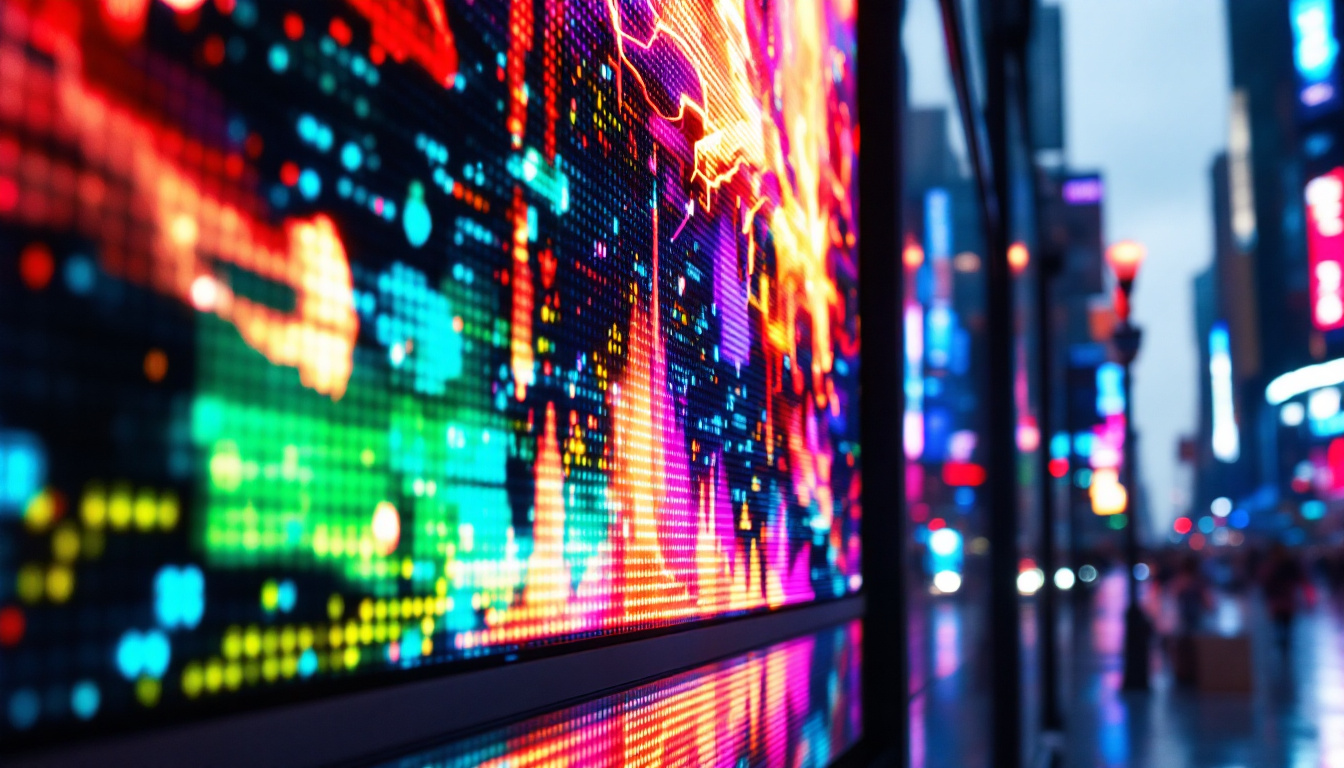
At its core, an LED display consists of thousands to millions of tiny LEDs arranged in a matrix. Each LED acts as a pixel or part of a pixel, capable of producing its own light and color. This direct emission of light allows for deeper blacks and more vibrant colors compared to older display technologies. Additionally, the modular nature of LED displays means they can be easily scaled to fit different sizes and formats, from small screens to massive outdoor billboards, making them incredibly versatile.
Types of LED Displays
LED displays can be broadly categorized into two types: Direct View LED (DVLED) and LED-backlit LCD. Understanding the difference is crucial when considering panel wall TVs. Each type has its unique advantages and applications, catering to different needs and environments.
- Direct View LED (DVLED): In DVLED displays, the LEDs themselves form the image. These are often used in large-scale video walls and outdoor displays due to their brightness and scalability. The ability to create seamless screens without bezels enhances the visual impact, making them ideal for concerts, sporting events, and public displays where attention-grabbing visuals are essential.
- LED-backlit LCD: These are traditional LCD screens where LEDs serve as the backlight source. This technology is common in consumer TVs and monitors, providing improved brightness and color accuracy over older CCFL backlights. While they may not achieve the same level of contrast as DVLED displays, advancements in local dimming technology have significantly improved their performance, allowing for a more dynamic range of colors and deeper blacks.
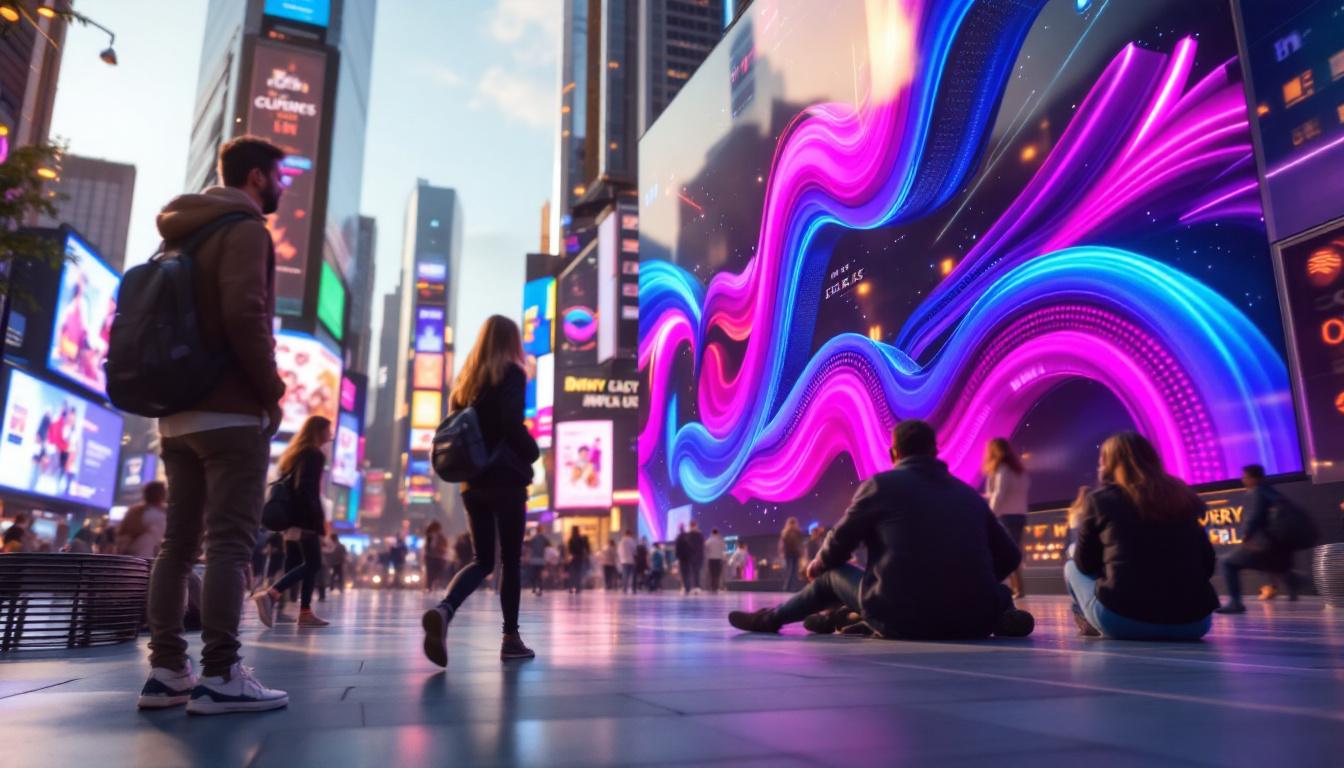
Panel wall TVs typically employ DVLED technology, especially when large seamless displays are required. The flexibility of DVLED systems allows for creative installations, such as curved displays or custom shapes, which can transform a space and enhance the viewer’s experience. Furthermore, the durability and weather resistance of outdoor DVLED displays make them suitable for various environmental conditions, ensuring that content remains vibrant and engaging even in direct sunlight or harsh weather.
Advantages of Panel Wall TVs with LED Displays
Panel wall TVs using LED displays offer several distinct benefits that make them an attractive choice for a variety of applications. These advantages stem from the fundamental properties of LED technology combined with the modular design of panel walls.
Seamless Large-Scale Displays
One of the primary benefits of panel wall TVs is their ability to create expansive, seamless displays by combining multiple LED panels. This modular approach allows for custom sizes and aspect ratios, making them ideal for venues such as conference rooms, control centers, retail environments, and entertainment venues.
Unlike traditional TVs or projectors, panel walls provide consistent brightness and color uniformity across the entire display surface, which is critical for professional-grade presentations and immersive viewing experiences.
Superior Image Quality
LED panel walls excel in delivering high brightness levels, often exceeding 1,000 nits, which ensures visibility even in brightly lit environments. Their native contrast ratios are significantly higher than LCD or plasma displays, enabling true blacks and vivid colors.
Additionally, LED displays offer wide viewing angles, ensuring that the image quality remains consistent regardless of the viewer’s position. This is particularly important in public spaces where audiences may view the screen from various angles.
Energy Efficiency and Longevity
LED technology is inherently energy-efficient, consuming less power than comparable display technologies. This efficiency translates into lower operating costs, especially for installations that run for extended periods.
Moreover, LEDs have a longer lifespan, often rated for 50,000 hours or more, reducing the frequency and cost of replacements. This durability makes LED panel walls a cost-effective investment over time.
Key Components and Design of LED Panel Walls
To appreciate how panel wall TVs function, it is important to understand their key components and design principles. Each element plays a vital role in the overall performance and reliability of the display.
LED Modules and Pixels
The building blocks of an LED panel wall are the LED modules, which contain arrays of individual LEDs. Each LED corresponds to a pixel or sub-pixel, and the density of these LEDs determines the display’s resolution and pixel pitch.
Pixel pitch, measured in millimeters, refers to the distance between the centers of two adjacent pixels. A smaller pixel pitch means higher resolution and sharper images, but also typically increases cost. For indoor panel walls, pixel pitches range from 0.9mm to 2.5mm, while outdoor displays often use larger pitches for visibility at greater distances.
Control Systems and Signal Processing
LED panel walls rely on sophisticated control systems to manage the input signals, color calibration, and synchronization across multiple panels. These systems ensure that the image is rendered accurately and uniformly, preventing issues such as color shifts or misalignment.
Modern controllers support a variety of input sources including HDMI, DisplayPort, and SDI, making them versatile for different use cases. Advanced software tools also enable real-time content management and diagnostics.
Cabinet and Mounting Structure
The physical structure of the panel wall is designed for stability, ease of installation, and maintenance access. Cabinets house the LED modules and electronics, and are engineered to minimize gaps between panels for a seamless visual effect.
Mounting systems vary depending on the installation environment, ranging from wall mounts to ceiling suspensions and floor stands. Proper structural support is critical to ensure safety and optimal viewing angles.
Applications of LED Panel Wall TVs
LED panel walls have become ubiquitous across numerous industries due to their versatility and performance. Understanding their applications helps highlight why they are a preferred display solution.
Corporate and Conference Settings
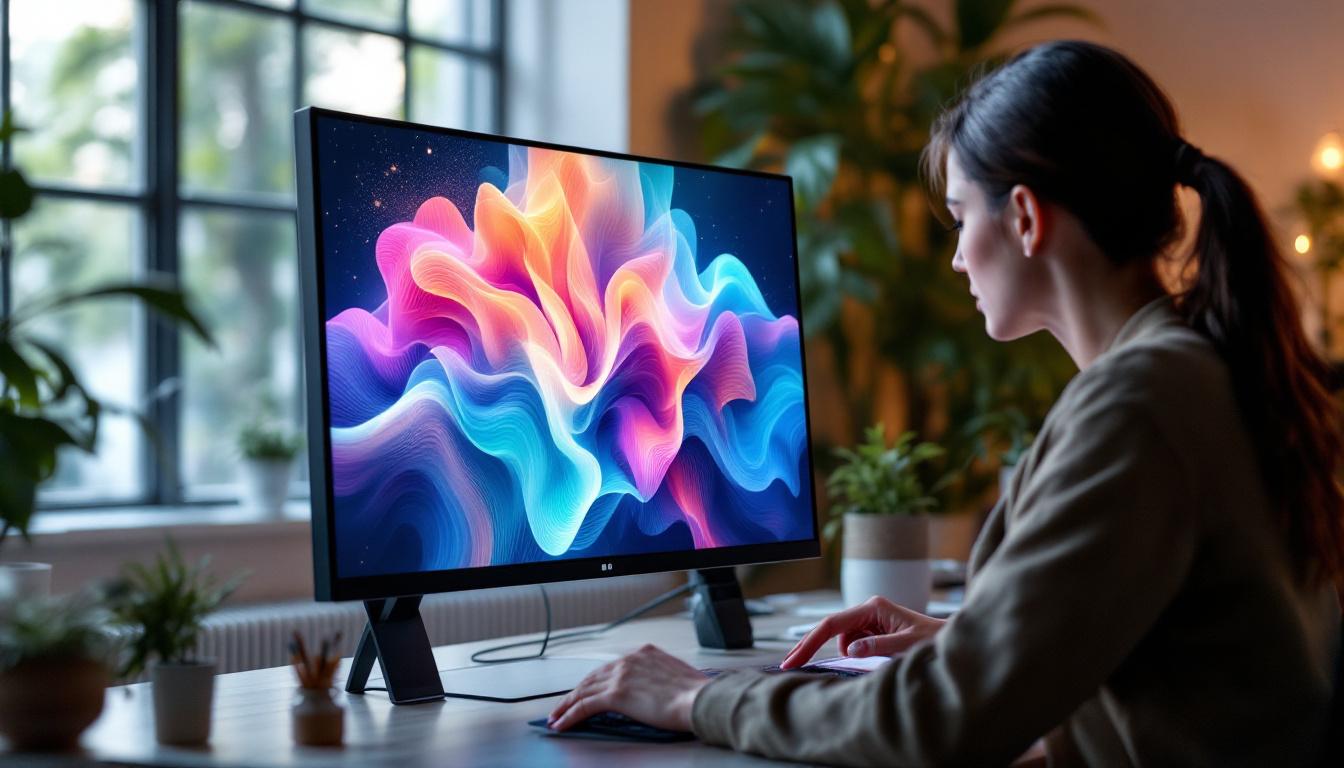
In corporate environments, LED panel walls are used for video conferencing, presentations, and digital signage. Their ability to display high-resolution content clearly to large audiences enhances communication and engagement during meetings and events.
Companies also use these displays in lobbies and public areas to showcase branding, announcements, and interactive content, creating a modern and professional atmosphere.
Broadcast and Control Rooms
Control rooms for utilities, transportation, and emergency services rely on LED panel walls for real-time monitoring and data visualization. The high brightness and clarity enable operators to quickly interpret critical information, improving decision-making and response times.
Broadcast studios use these walls as dynamic backdrops, capable of displaying live feeds, graphics, and virtual sets with impressive visual fidelity.
Retail and Advertising
Retailers leverage LED panel walls to attract customers with vibrant advertisements and promotions. The ability to customize content dynamically allows for targeted marketing and enhanced customer experiences.
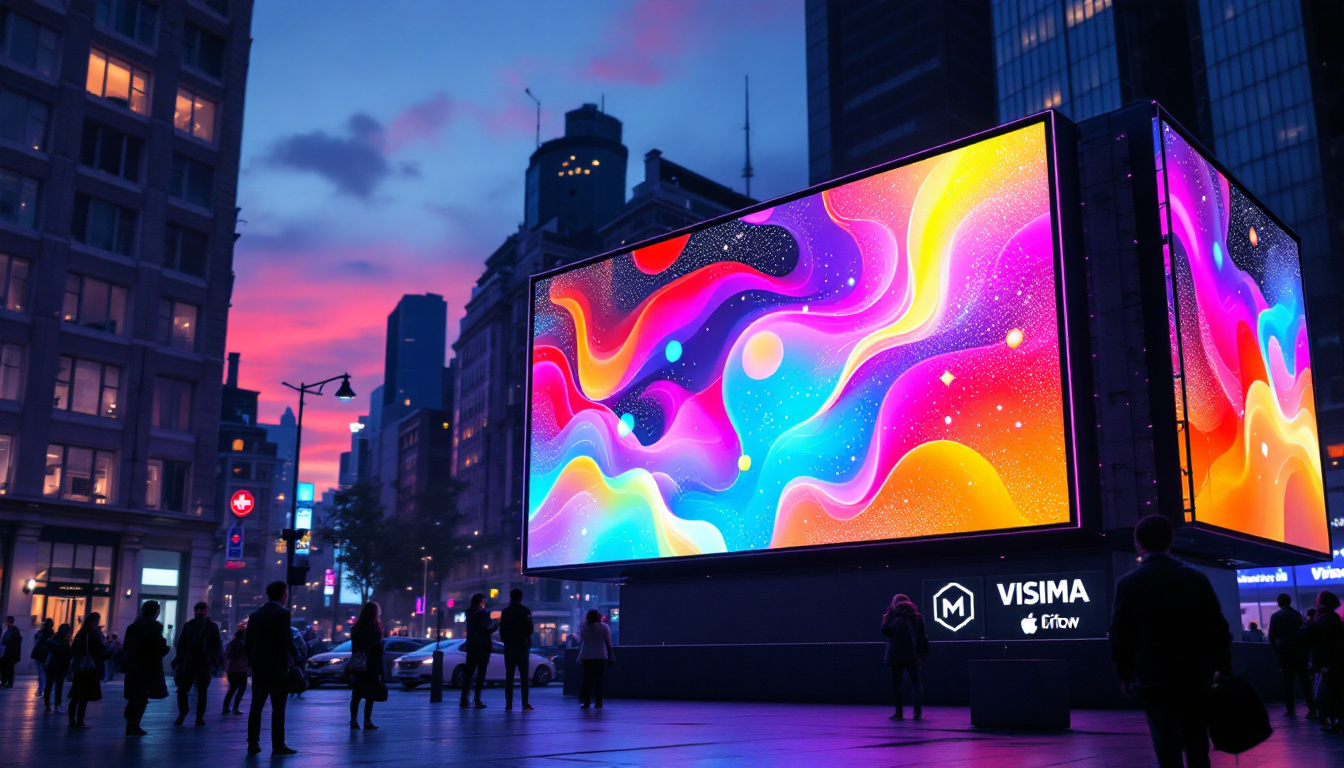
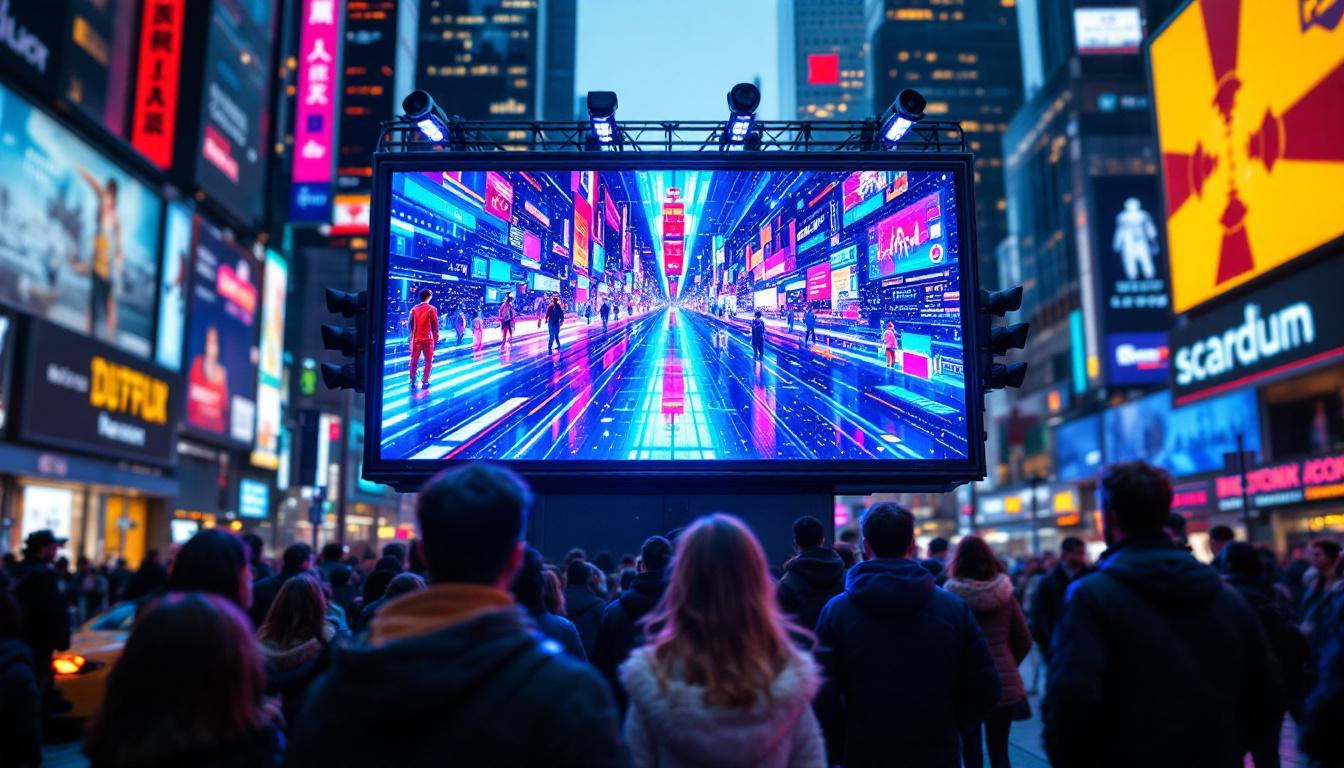
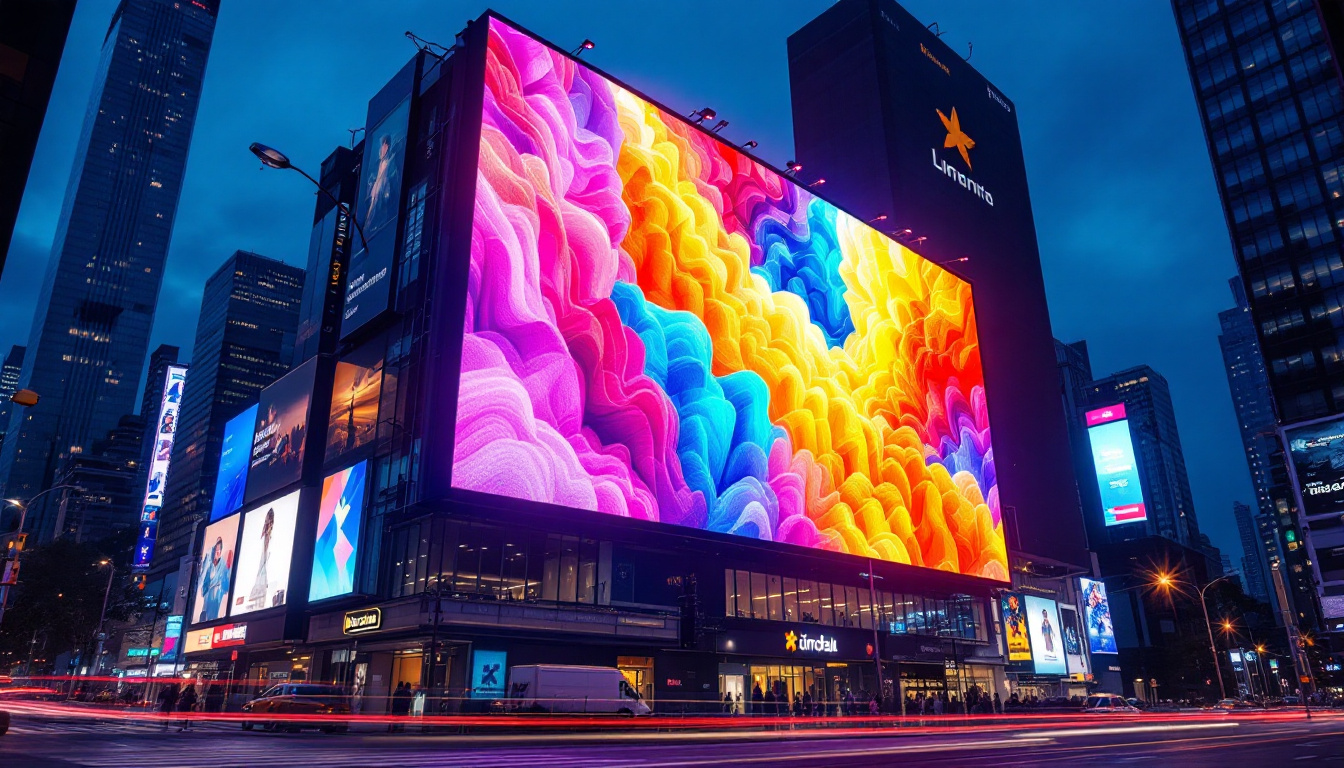
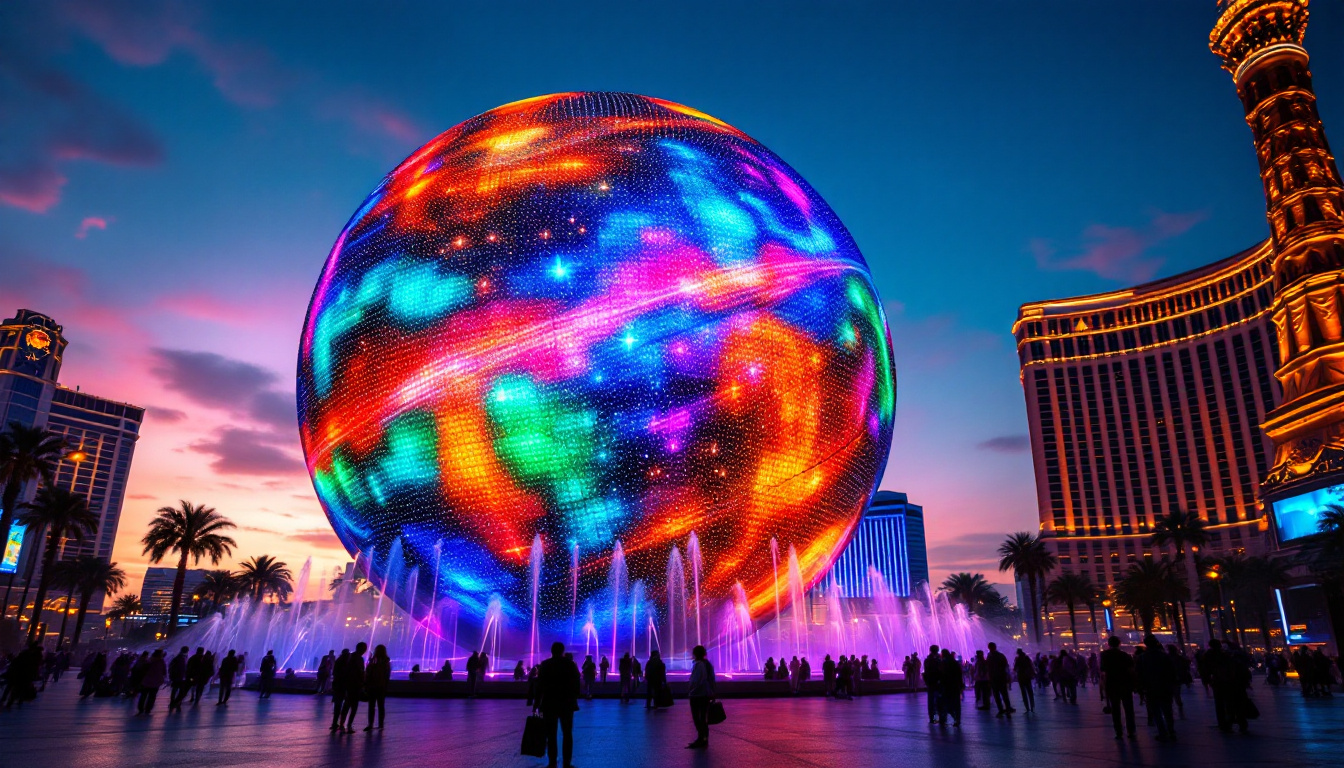
Outdoor LED walls on building facades and billboards are also common, providing high-impact advertising visible from long distances and in various lighting conditions.
Entertainment and Events
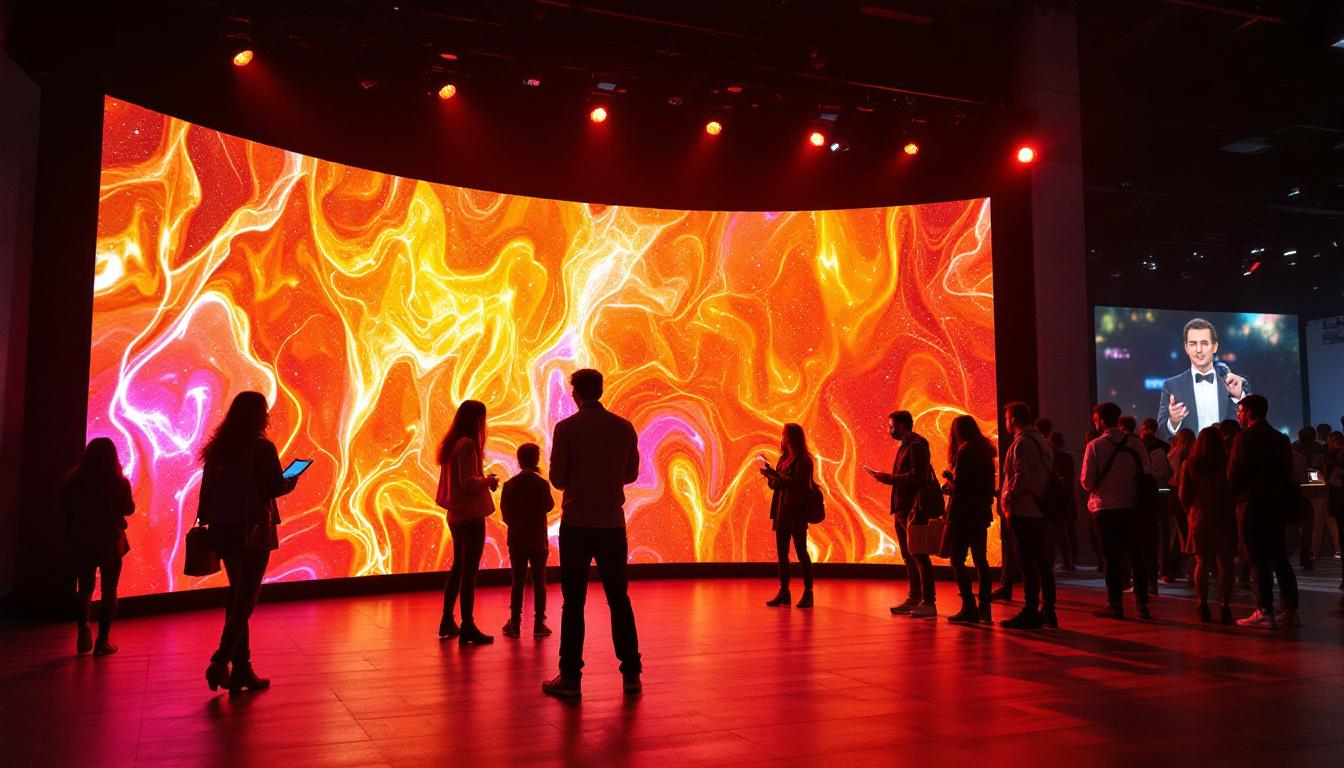
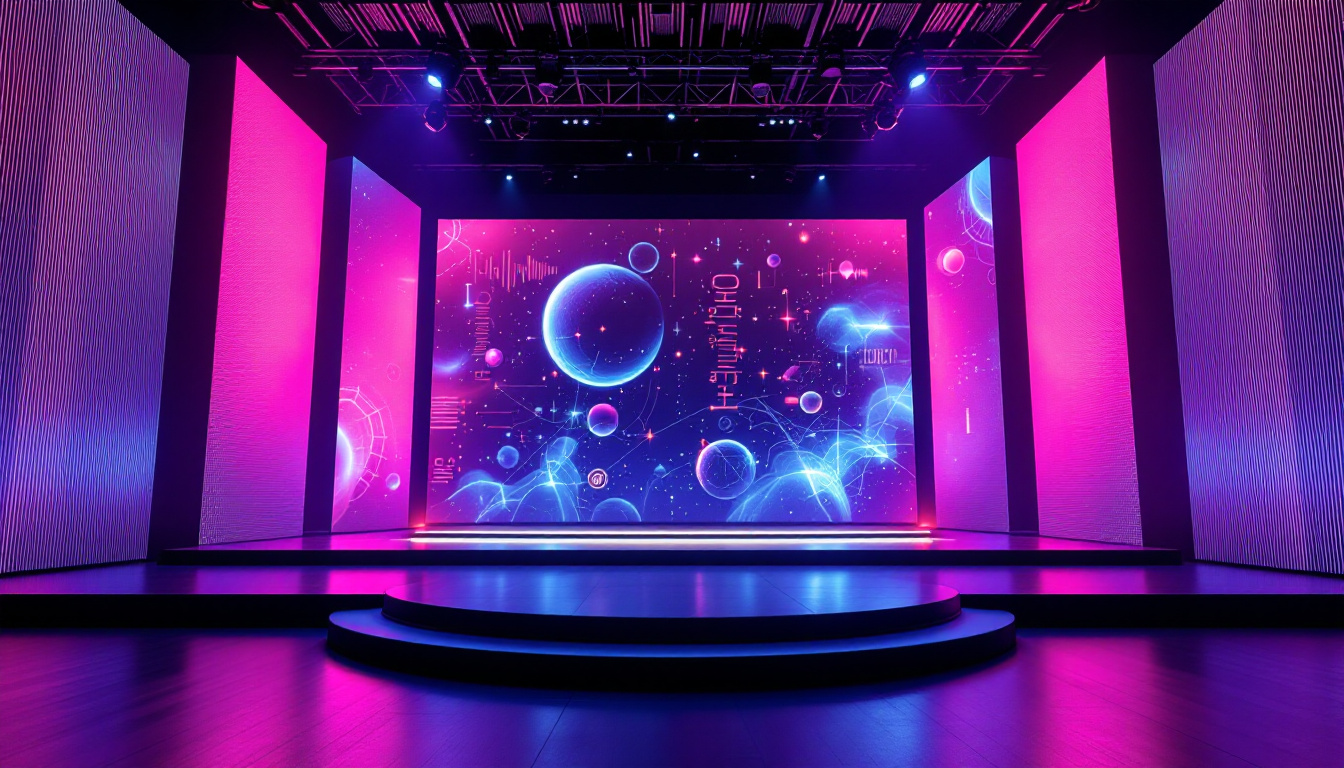
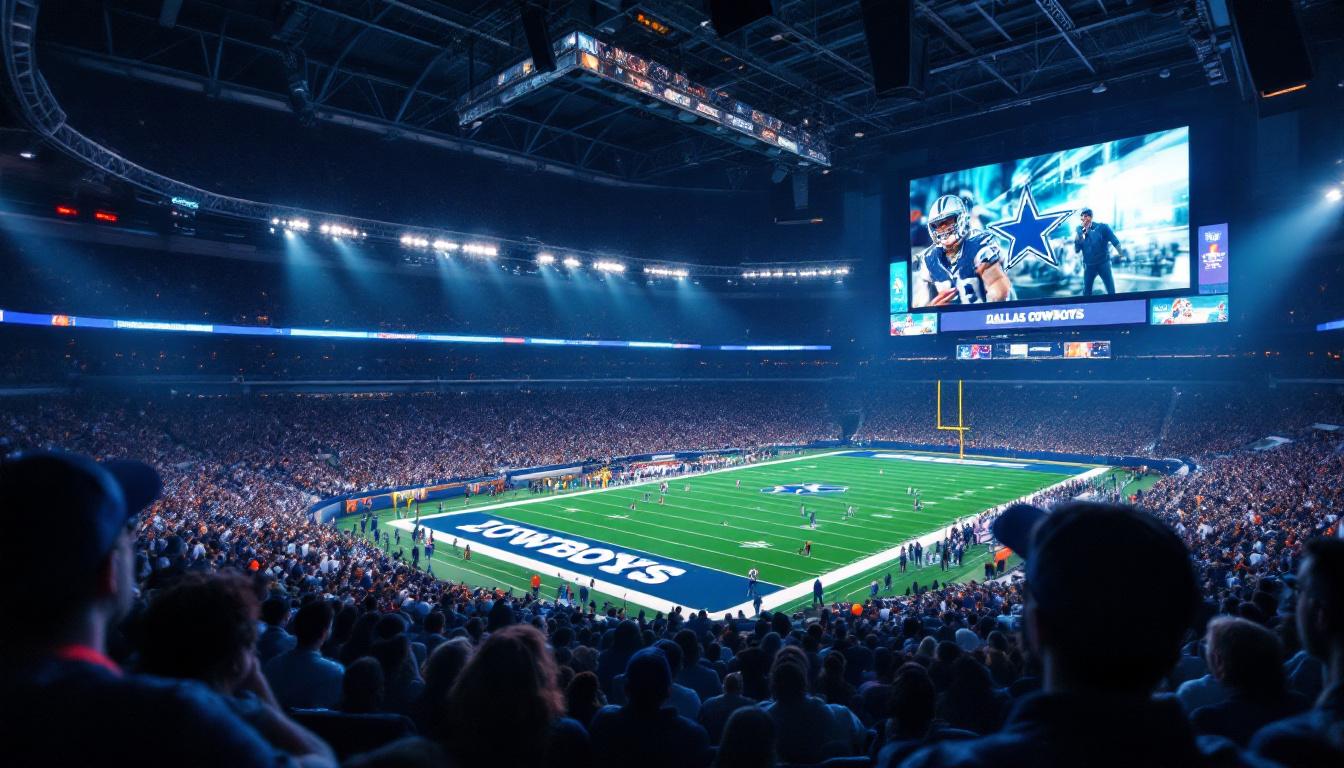
Concerts, sports arenas, and theaters utilize LED panel walls to create immersive visual experiences. These displays support live video feeds, graphics, and special effects, elevating the overall production quality.
The scalability of LED walls makes them suitable for both small venues and massive stadiums, adapting to different spatial and audience requirements.
Choosing the Right LED Panel Wall TV
Selecting the ideal LED panel wall TV involves evaluating several factors to ensure that the display meets specific needs and budget constraints.
Resolution and Pixel Pitch
Determining the appropriate resolution depends on the viewing distance and content type. For close-up viewing, such as in control rooms or conference rooms, a smaller pixel pitch is essential for crisp images. For large venues or outdoor applications, a larger pixel pitch is acceptable since viewers are farther away.
Brightness and Contrast Requirements
Consider the ambient lighting conditions where the panel wall will be installed. High brightness levels are necessary for environments with strong natural or artificial light, while lower brightness may suffice for darker rooms.
Contrast ratio impacts the depth and richness of the image, so higher contrast is preferable for applications requiring detailed visuals.
Installation Environment and Durability
Indoor and outdoor installations have different requirements. Outdoor LED panel walls must be weatherproof, resistant to dust and moisture, and capable of operating across a wide temperature range.
Indoor panels prioritize slim profiles and aesthetic integration with the surrounding architecture.
Budget and Maintenance
Initial costs for LED panel walls can be significant, but long-term savings from energy efficiency and reduced maintenance should be factored in. Additionally, consider the availability of local technical support and warranty terms.
Future Trends in LED Panel Wall Technology
The LED display industry continues to innovate, driven by demands for higher resolution, better energy efficiency, and enhanced user experiences.
MicroLED and MiniLED Advances
Emerging technologies like MicroLED and MiniLED promise even greater pixel density and brightness with lower power consumption. These advances could lead to thinner, more flexible panel walls with unprecedented image quality.
Integration with Smart Technologies
Integration of LED panel walls with IoT and AI technologies is enabling smarter content management, predictive maintenance, and interactive features. This convergence enhances functionality and user engagement.
Environmental Sustainability
Manufacturers are increasingly focusing on sustainable materials and production processes to reduce the environmental footprint of LED displays. Energy-efficient designs and recyclable components are becoming standard considerations.
Conclusion
Panel wall TVs utilizing LED display technology represent a powerful and versatile solution for a wide range of visual communication needs. Their superior image quality, scalability, and energy efficiency make them ideal for applications spanning corporate environments, entertainment venues, retail spaces, and control centers.
By understanding the underlying technology, key features, and application-specific requirements, consumers and businesses can make informed decisions that maximize the benefits of LED panel walls. As the technology continues to advance, LED displays will undoubtedly play an increasingly central role in the future of visual media.
Discover LumenMatrix’s Innovative LED Solutions
Ready to elevate your visual experience with cutting-edge LED technology? LumenMatrix offers a comprehensive range of LED display solutions tailored to meet your specific needs. From captivating Indoor LED Wall Displays to dynamic Outdoor LED Wall Displays, and from mobile Vehicle LED Displays to interactive Floor LED Displays, our products are designed to transform your space and engage your audience. Embrace the future of visual communication with LumenMatrix’s custom and all-in-one LED display options, including the stunning LED Transparent Display. Check out LumenMatrix LED Display Solutions today and see how we can help you make a lasting impression with clarity and impact.