In today’s visually driven world, LED display walls have become a cornerstone of digital communication. From stadiums and retail stores to corporate lobbies and control rooms, LED display walls offer unparalleled brightness, flexibility, and impact. But what exactly are LED display walls, how do they work, and why have they become the preferred choice for large-scale digital displays? This article delves into the technology behind LED display walls, their advantages, applications, and future trends.
Understanding LED Display Walls
What Is an LED Display Wall?
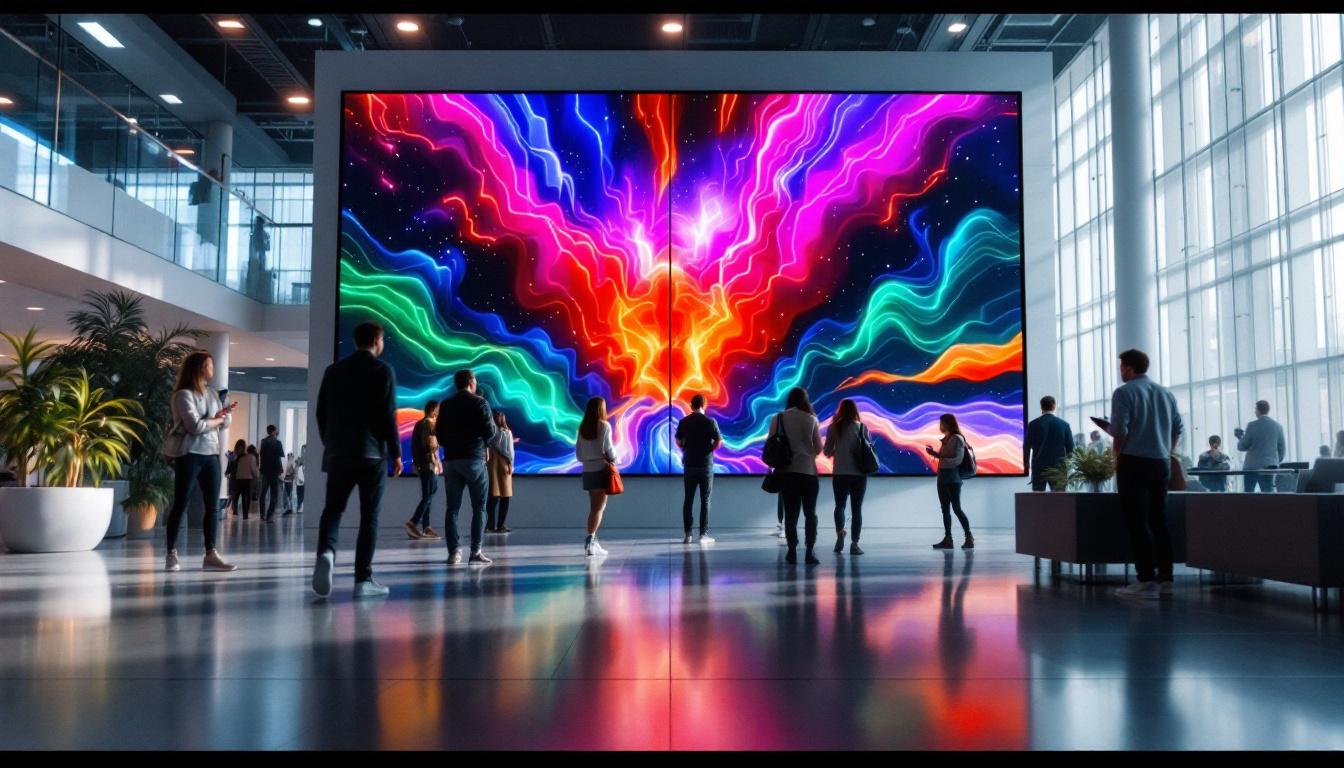
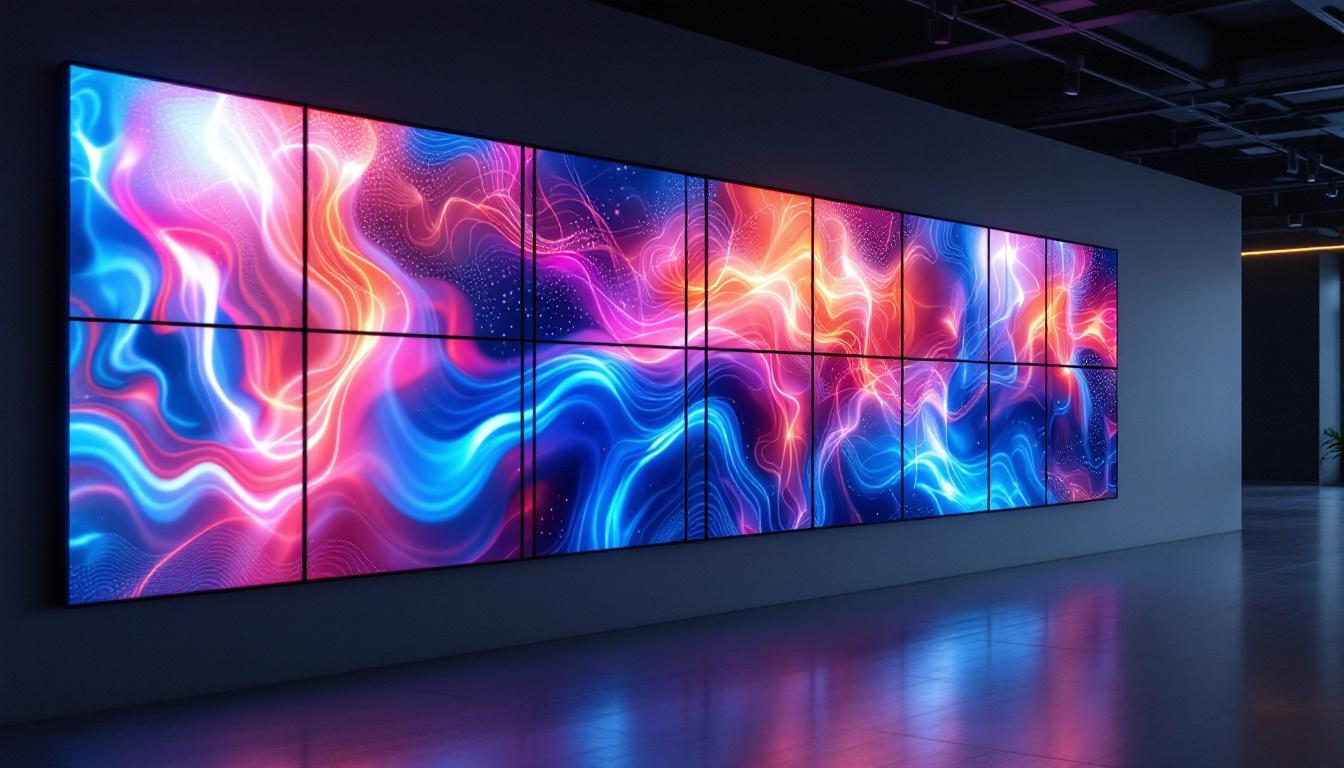
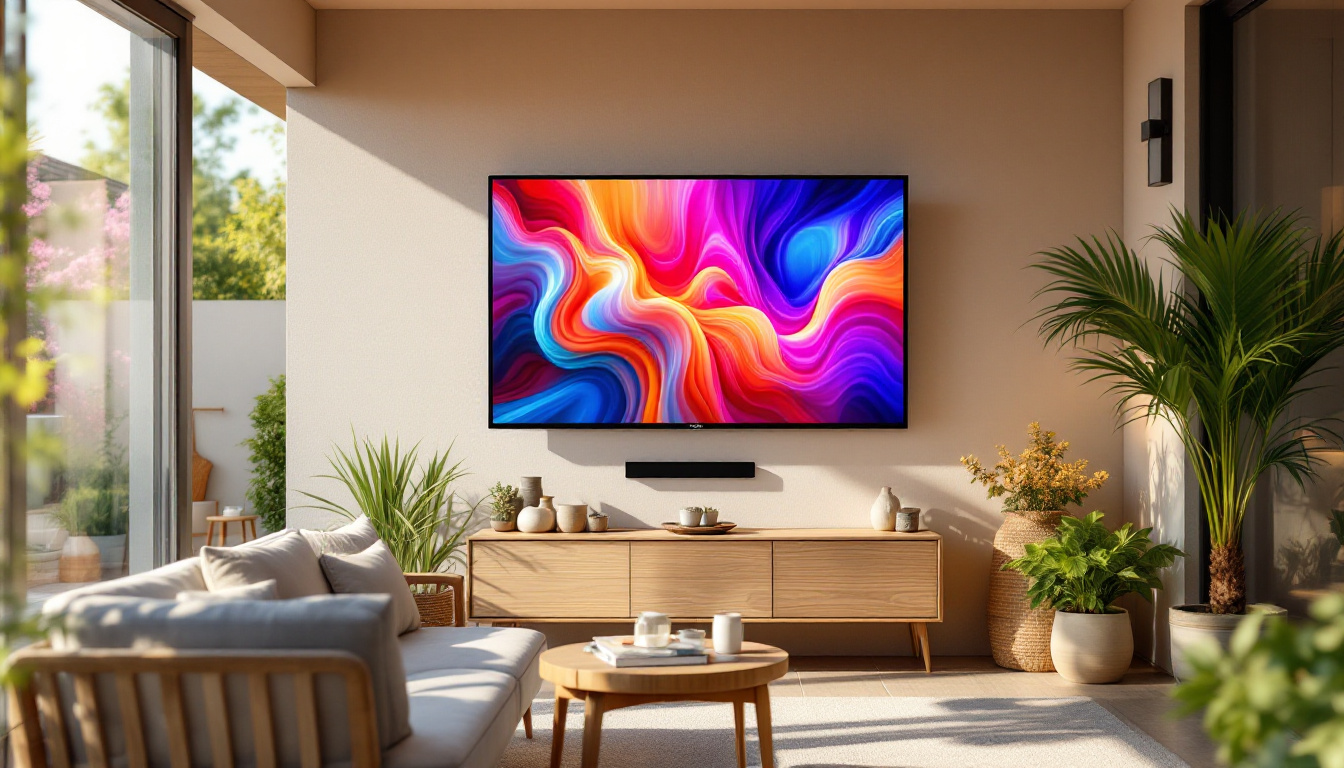
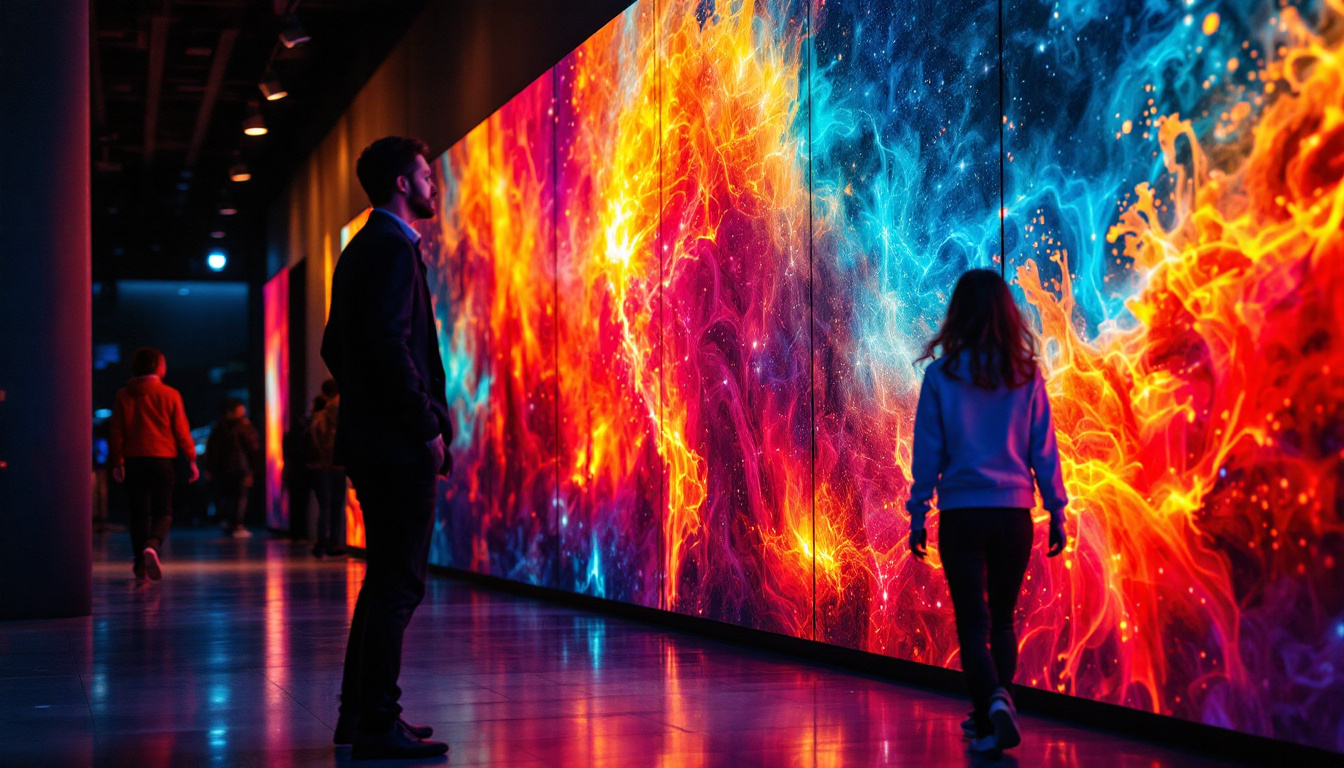
An LED display wall is a large-scale screen composed of multiple LED panels seamlessly tiled together to create one continuous, high-resolution display. Each panel consists of thousands of tiny light-emitting diodes (LEDs) that produce vivid colors and bright images. Unlike traditional LCD or projection screens, LED walls emit their own light, resulting in superior brightness and contrast.
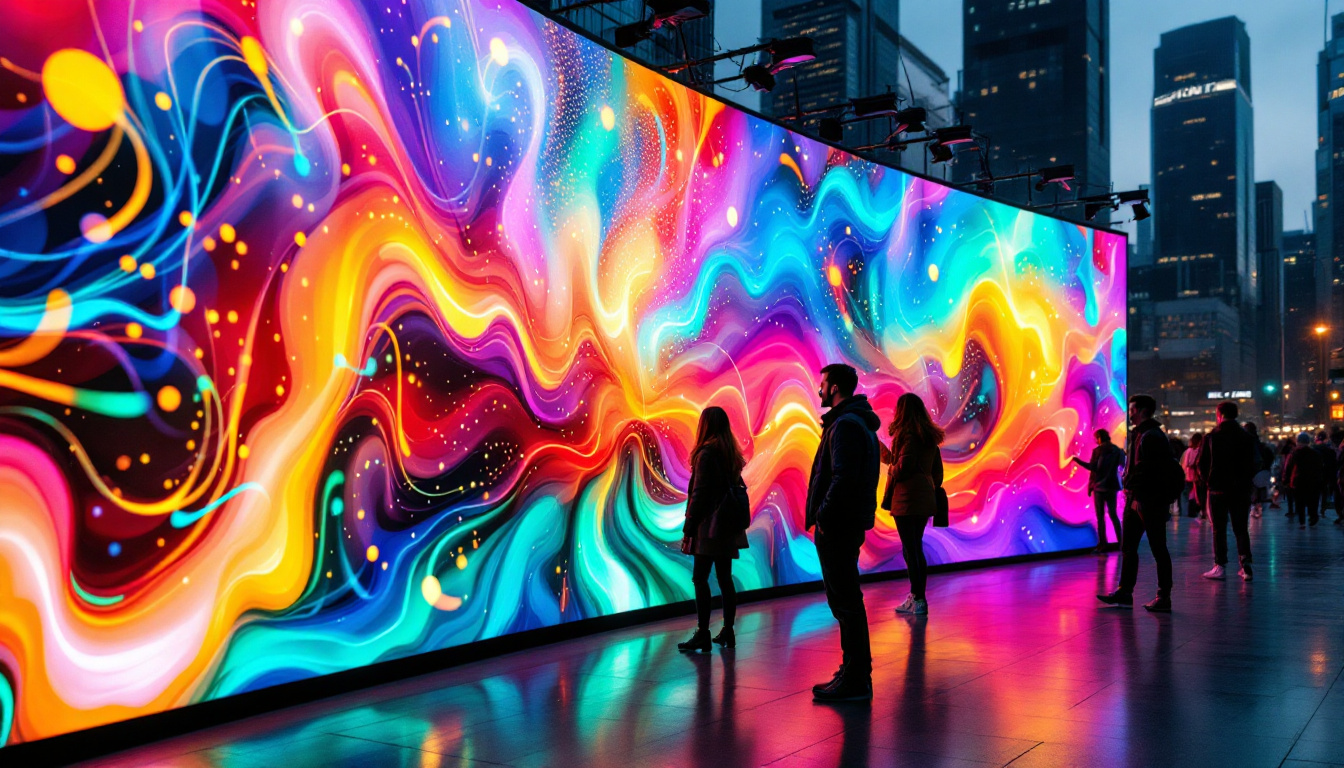
These walls can range from just a few square feet to hundreds of square feet, making them highly scalable. The modular nature of LED panels allows for custom configurations tailored to specific spaces and viewing distances. This adaptability makes LED display walls ideal for a variety of applications, from large concerts and sporting events to corporate presentations and retail displays. Their ability to create immersive environments has transformed how brands engage with audiences, allowing for dynamic content that captures attention and enhances the viewer experience.
How Do LED Display Walls Work?
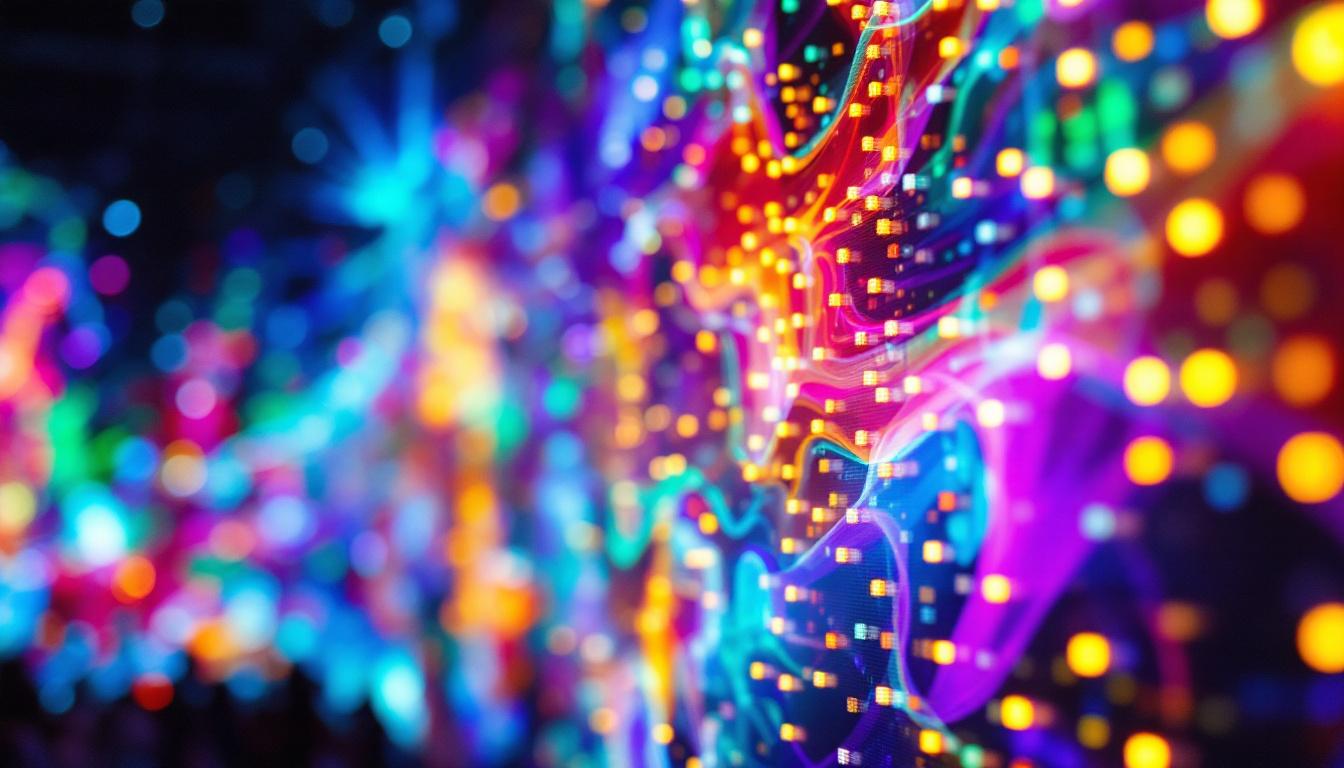
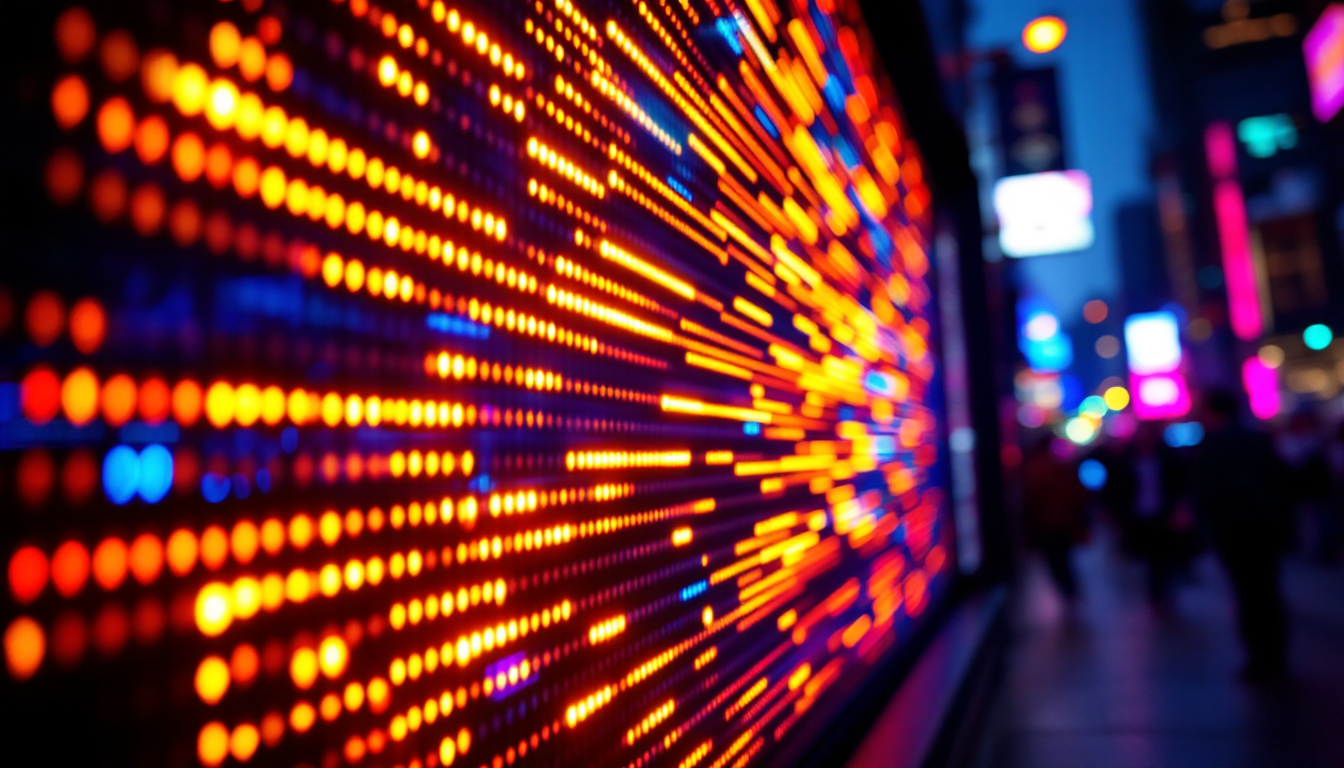
At the core of an LED display wall are the individual LED pixels. Each pixel is made up of red, green, and blue diodes that combine to produce a full spectrum of colors. By controlling the intensity of each diode, the display can render millions of colors with remarkable accuracy.
The panels are connected to a central processing system that manages image rendering, synchronization, and brightness control. This system ensures that the image is seamless across all panels, with no visible borders or gaps. Advanced calibration techniques are employed to maintain color consistency and uniform brightness across the entire display. Furthermore, many modern LED walls incorporate smart technology, allowing for real-time adjustments based on ambient lighting conditions or content requirements. This feature not only enhances the visual quality but also optimizes energy consumption, making LED display walls a more sustainable choice in the long run. As technology continues to evolve, we can expect even greater advancements in LED display capabilities, including improved resolution and innovative interactive features that engage viewers in new and exciting ways.
Key Advantages of LED Display Walls
Exceptional Brightness and Visibility
One of the primary advantages of LED display walls is their exceptional brightness. Unlike LCD screens that rely on backlighting, LEDs emit light directly, allowing them to reach brightness levels upwards of 1,000 to 5,000 nits or more. This makes them ideal for environments with high ambient light, such as outdoor advertising billboards or indoor venues with large windows.
High brightness ensures that content remains clear and vibrant even in direct sunlight or brightly lit rooms, which is a critical factor for advertisers and event organizers aiming to capture attention. Furthermore, the ability to adjust brightness levels dynamically means that LED displays can optimize visibility based on the surrounding light conditions, ensuring that viewers always have the best experience regardless of the time of day or weather conditions.
Superior Color Accuracy and Contrast
LED technology offers remarkable color accuracy and contrast ratios. The ability to turn off individual LEDs completely results in true blacks and vibrant colors, enhancing image depth and realism. This is especially important for applications such as digital art displays, live event backdrops, and broadcast studios where image quality is paramount. The wide color gamut provided by LED displays allows for a more immersive viewing experience, making them perfect for showcasing high-definition video content and intricate graphics.
Moreover, advancements in LED technology have led to improved color calibration techniques, allowing for consistent color reproduction across multiple screens. This is particularly beneficial for large installations where uniformity is crucial, such as in concert venues or sports arenas, where the audience should enjoy the same visual experience from every angle. The result is a stunning visual feast that captivates audiences and enhances the overall atmosphere of any event.
Scalability and Customization
LED display walls are highly modular, allowing users to create custom sizes and shapes. Whether it’s a curved display wrapping around a retail space or a massive rectangular video wall in a stadium, LED panels can be arranged to fit the design requirements perfectly. This flexibility not only caters to aesthetic preferences but also allows for innovative designs that can transform spaces and engage viewers in unique ways.
This scalability also means that maintenance is simplified. Individual panels can be replaced or serviced without dismantling the entire wall, reducing downtime and maintenance costs. Additionally, the modular nature of LED displays allows for easy upgrades; as technology evolves, older panels can be swapped out for newer, more advanced models without the need for a complete overhaul of the existing setup. This adaptability ensures that businesses can keep their displays current and effective in a fast-paced digital landscape.
Energy Efficiency and Longevity
Modern LED panels are designed to be energy efficient, consuming significantly less power than traditional lighting and display technologies. Advances in LED chip technology have also extended the lifespan of these displays, often exceeding 100,000 hours of operation before noticeable brightness degradation occurs. This efficiency not only contributes to lower energy bills but also aligns with growing sustainability initiatives, making LED displays an environmentally friendly choice for businesses.
This longevity translates into lower total cost of ownership, making LED walls a cost-effective investment over time. Furthermore, many manufacturers are incorporating smart technology into their LED displays, enabling features such as automatic brightness adjustment and energy monitoring. These innovations not only enhance user experience but also provide valuable data that can help organizations optimize their energy usage and further reduce operational costs. As a result, investing in LED display walls is not just a step towards modernizing visual communication but also a commitment to sustainable practices in the digital age.
Common Applications of LED Display Walls
Advertising and Digital Signage
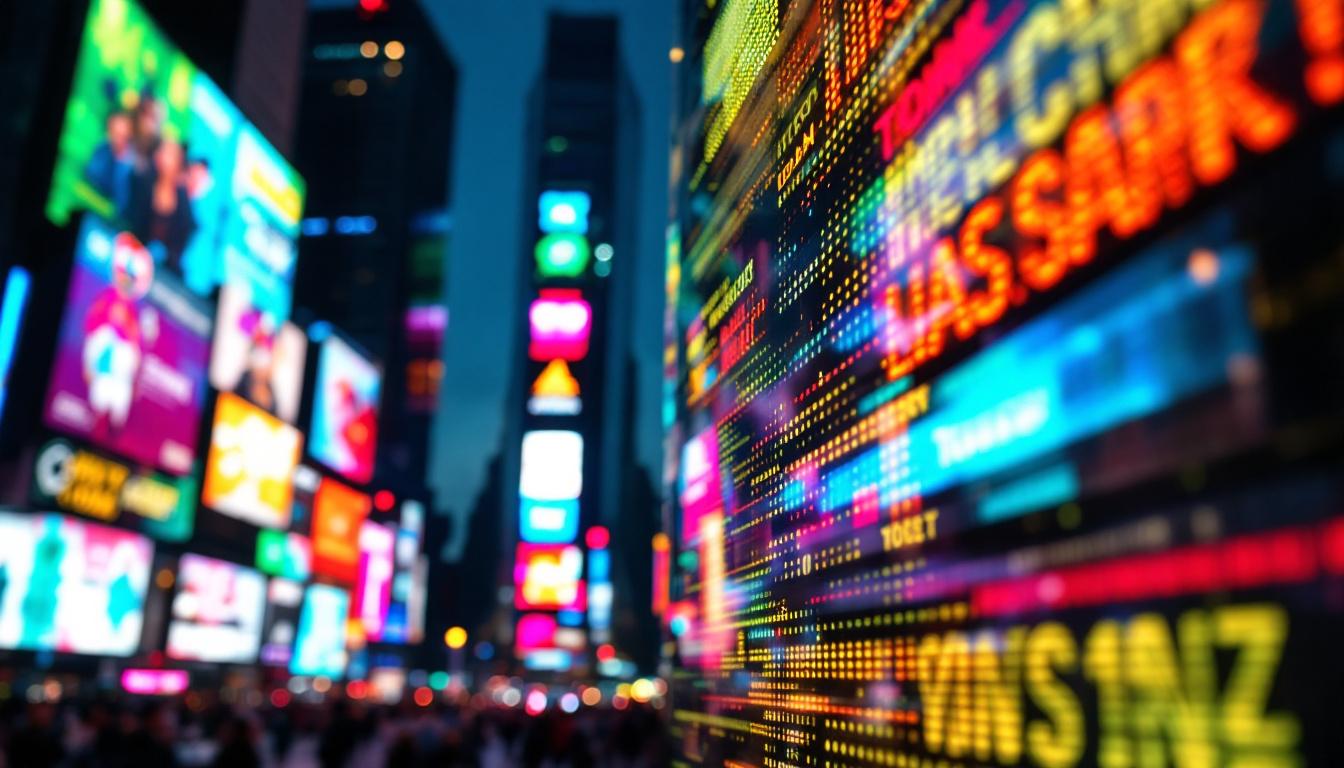
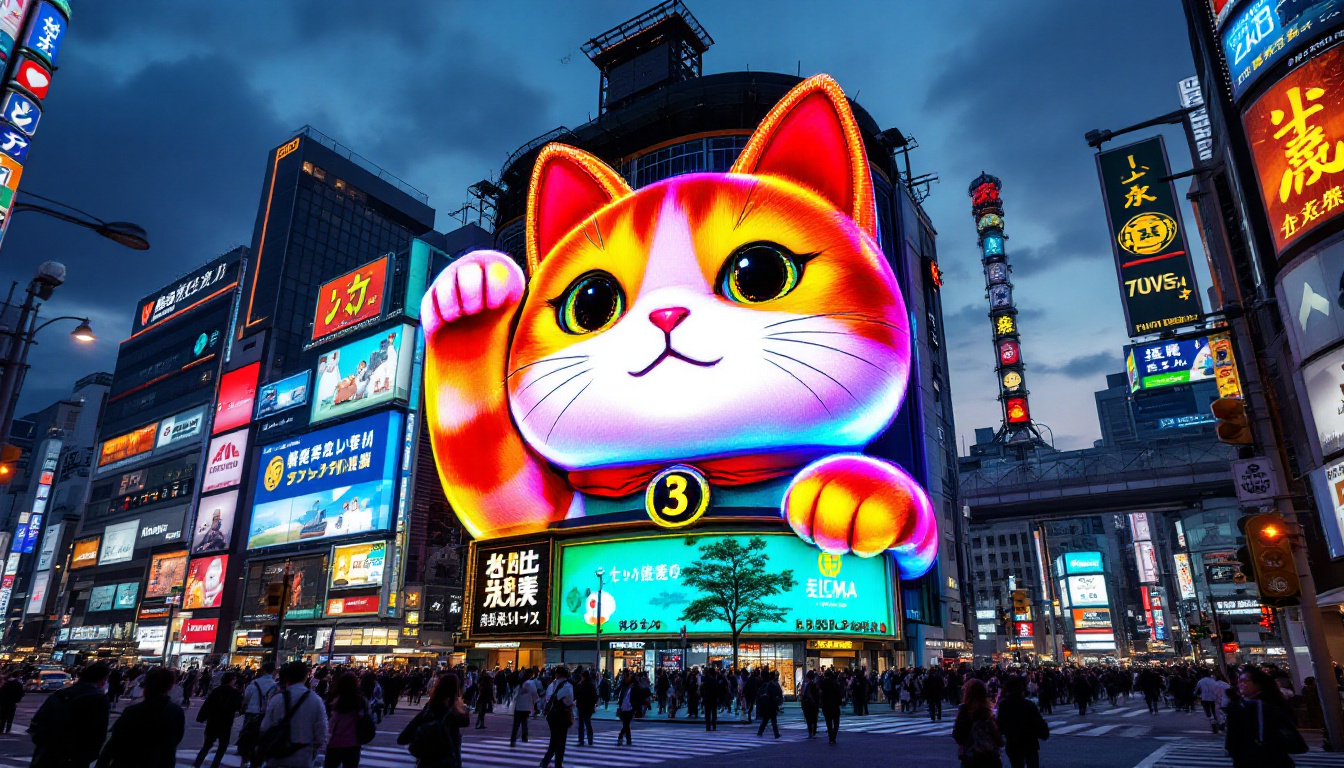
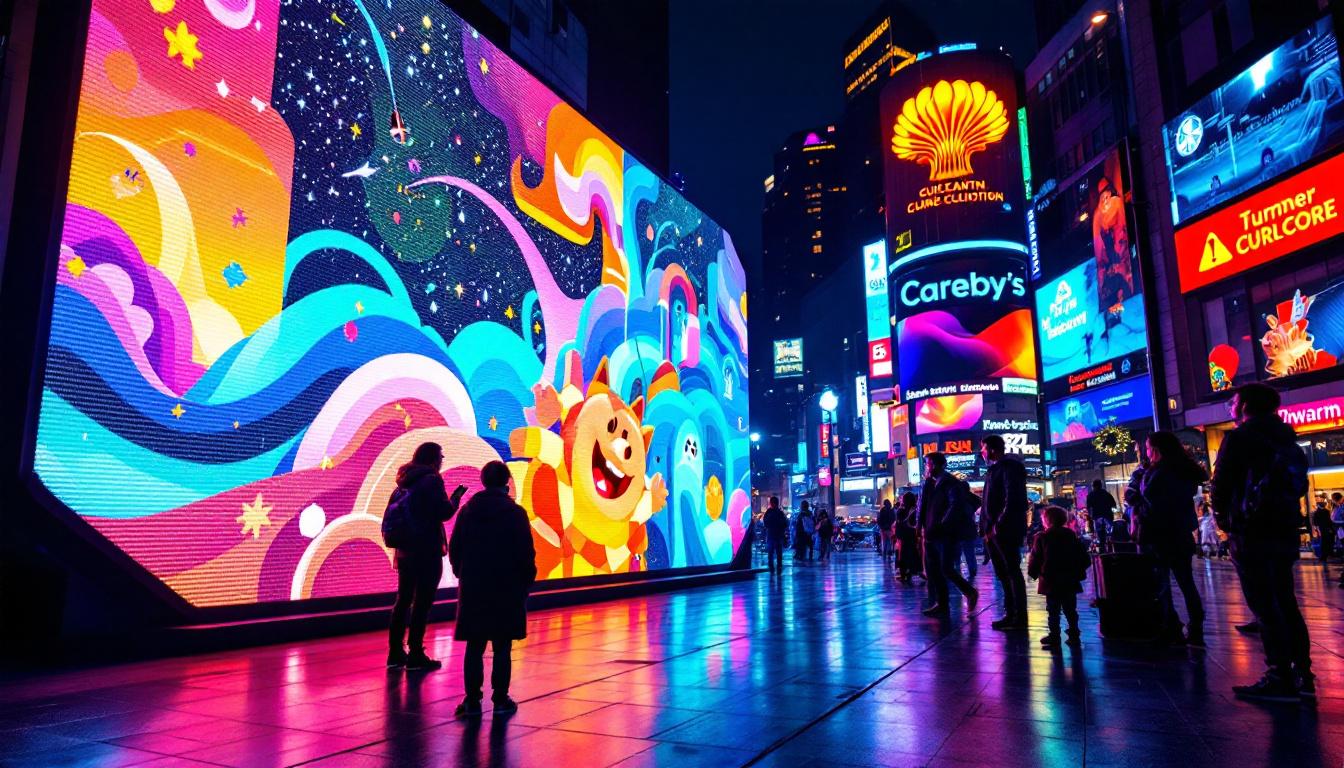
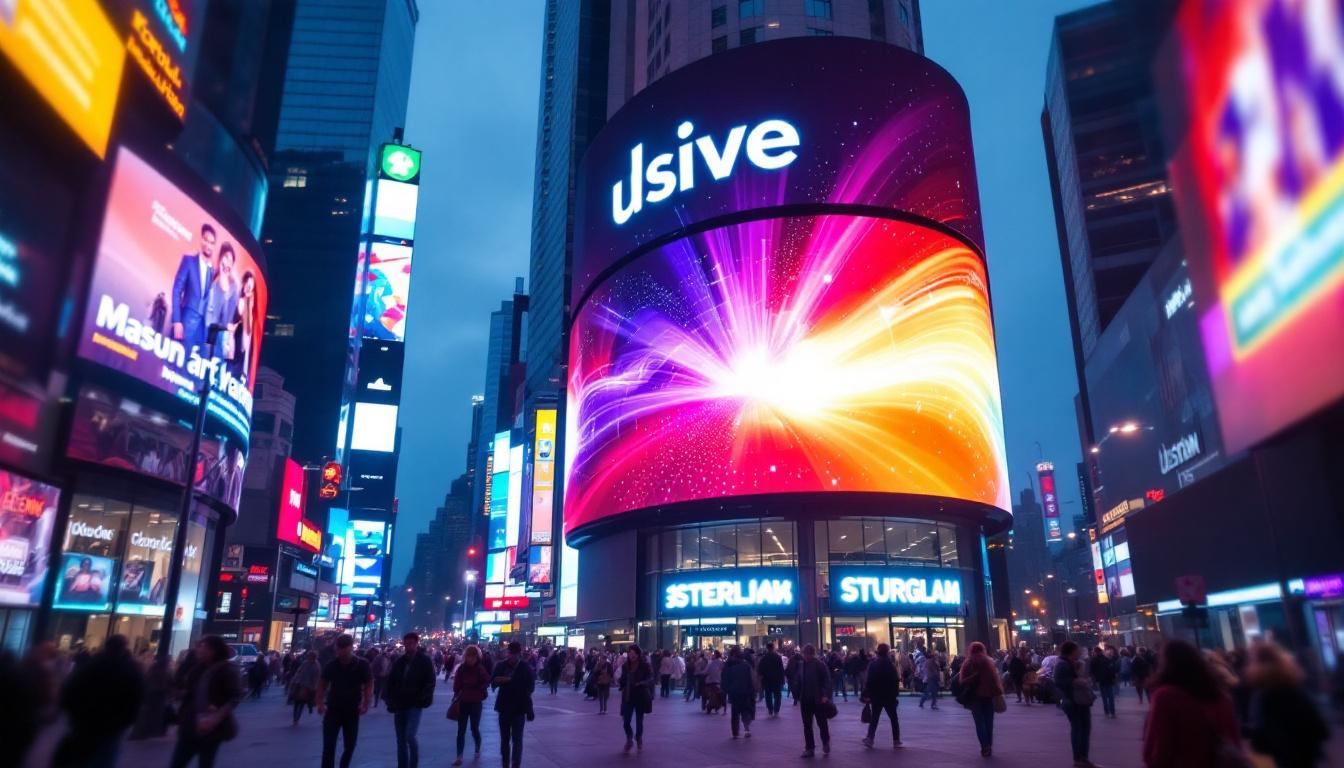
Outdoor and indoor advertising has been revolutionized by LED display walls. Their ability to display dynamic, eye-catching content 24/7 makes them invaluable for brands seeking to engage customers. According to recent market research, the global digital signage market is expected to surpass $30 billion by 2027, with LED walls playing a significant role in this growth.
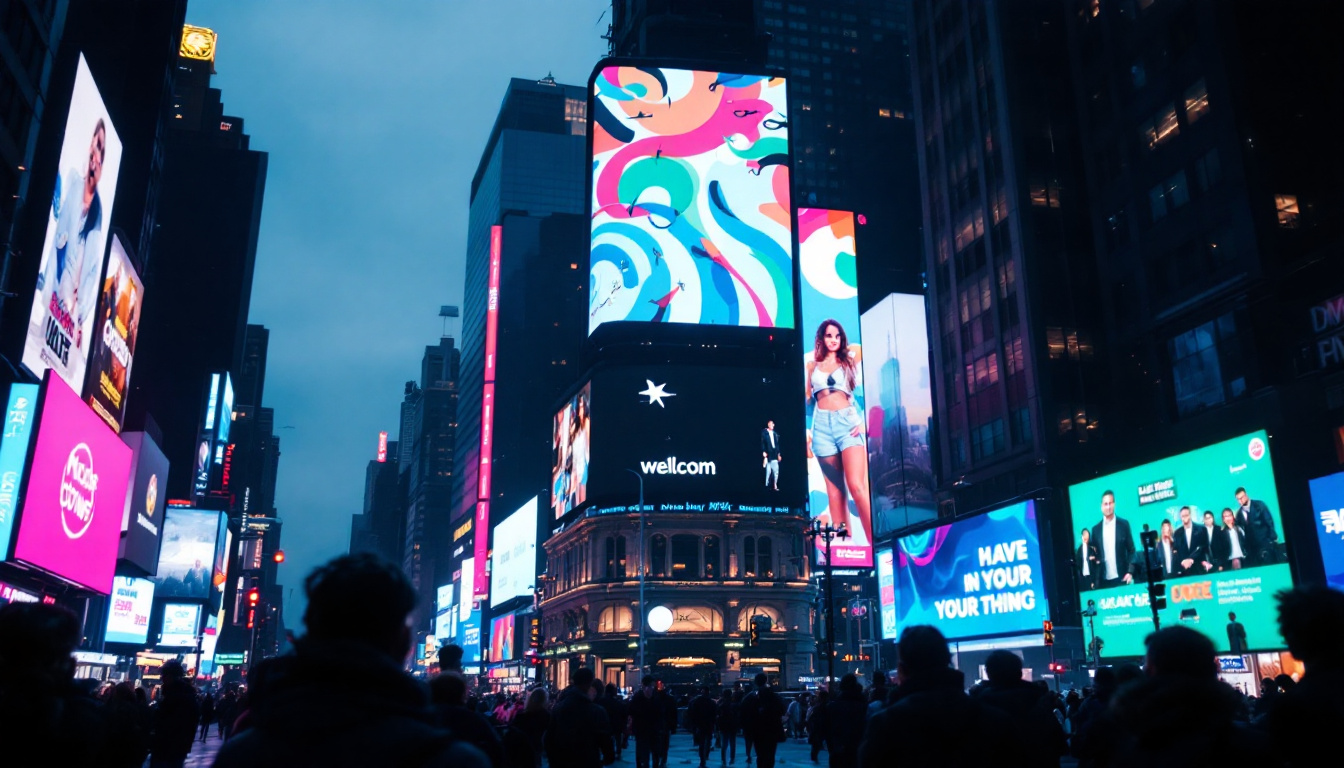
From Times Square in New York to shopping malls worldwide, LED walls deliver high-impact advertisements that can be updated in real-time, allowing marketers to tailor messages to specific audiences or events.
Entertainment and Events
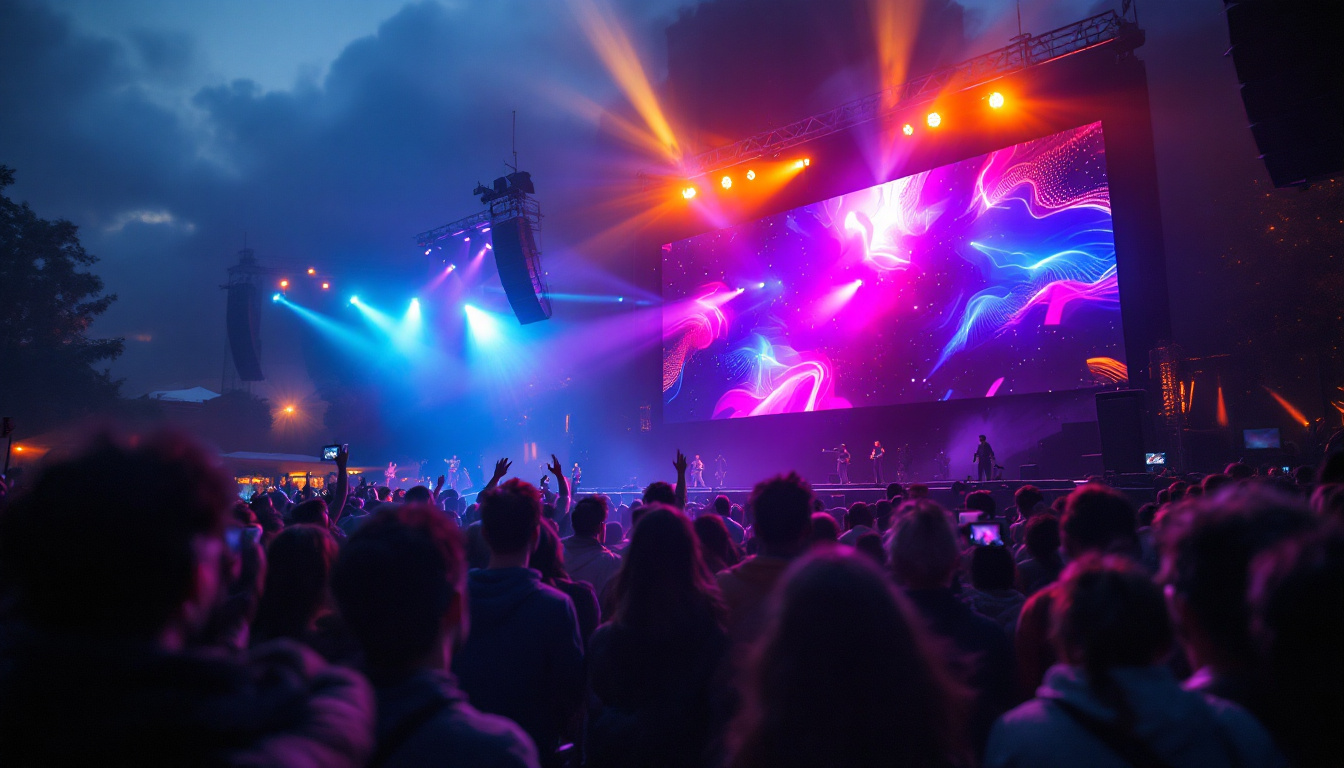
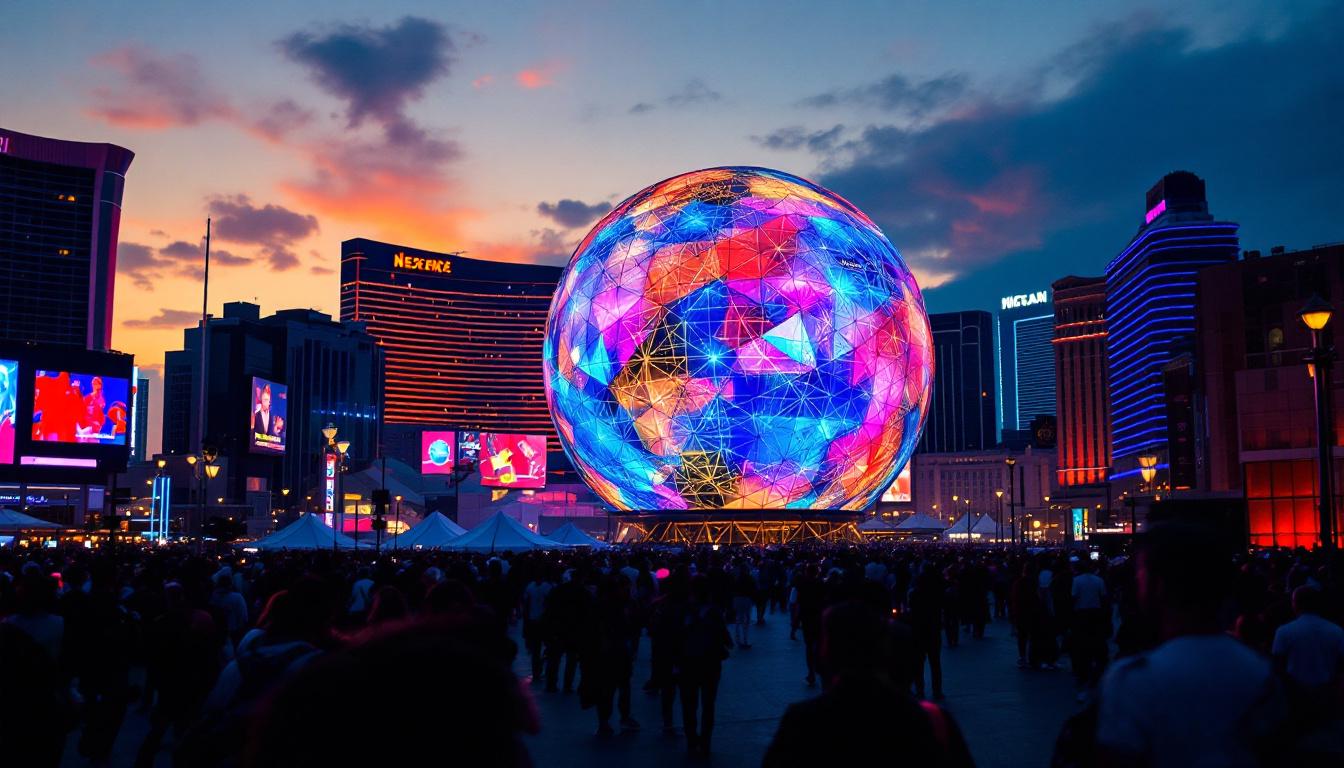
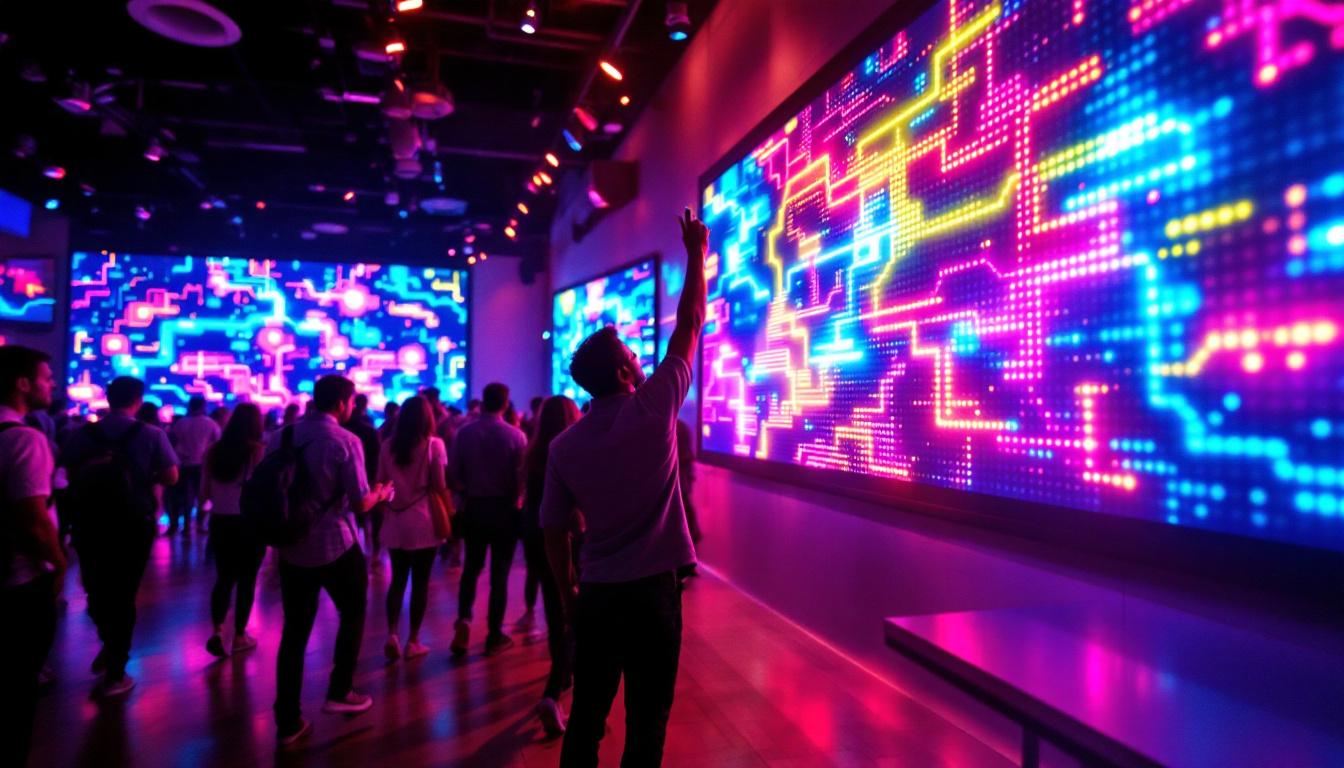
Concerts, festivals, and sporting events frequently employ LED display walls to enhance the audience experience. These walls serve as dynamic backdrops, live video feeds, or interactive elements that engage attendees. The ability to produce bright, high-resolution images visible from great distances makes LED walls ideal for large venues.
For example, the Super Bowl halftime show often features massive LED walls that synchronize with performances, creating immersive visual spectacles.
Corporate and Control Rooms
In corporate environments, LED display walls are used for presentations, video conferencing, and brand messaging. Control rooms for utilities, transportation, and security rely on LED walls to display critical data and real-time monitoring information. The clarity and flexibility of LED displays improve situational awareness and decision-making.
Retail and Hospitality
Retailers use LED walls to create engaging in-store experiences, showcasing products, promotions, and interactive content. Hotels and casinos incorporate LED walls into lobbies and entertainment areas to enhance ambiance and provide information to guests.
Technical Considerations When Choosing an LED Display Wall
Pixel Pitch and Resolution
Pixel pitch, the distance between the centers of adjacent pixels, is a key factor in determining image sharpness. Smaller pixel pitches (e.g., 1.2mm to 2.5mm) are suited for close viewing distances, such as indoor corporate settings, while larger pitches (e.g., 6mm to 20mm) are appropriate for outdoor or large venue applications where viewers are farther away.
Choosing the right pixel pitch ensures that images appear crisp and legible without unnecessary cost.
Brightness and Viewing Angle
Brightness requirements depend on the installation environment. Outdoor displays require higher brightness to combat sunlight, while indoor displays can operate at lower levels. Viewing angle is also critical; LED walls should offer wide horizontal and vertical viewing angles to accommodate audiences viewing from different positions.
Refresh Rate and Color Depth
A high refresh rate (typically 3,000 Hz or higher) is important for smooth video playback and reducing flicker, especially for broadcast applications. Color depth determines the range of colors the display can produce; higher bit depths result in more accurate and vibrant images.
Installation and Maintenance
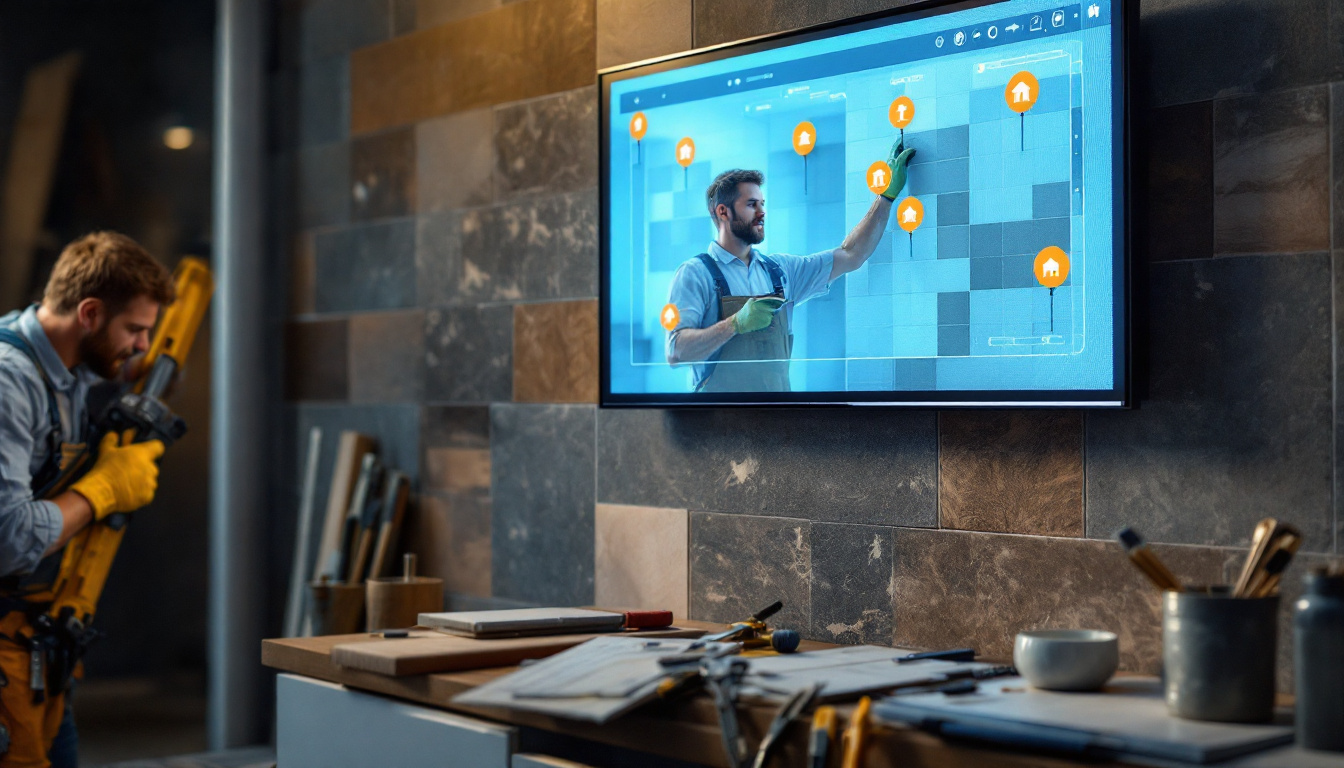
Proper installation is essential for optimal performance. Factors such as mounting structure, ventilation, and access for maintenance must be considered. Many LED panels feature front or rear serviceability, enabling technicians to perform repairs or replacements without disassembling the entire wall.
Future Trends in LED Display Wall Technology
MicroLED and MiniLED Innovations
Emerging technologies like MicroLED and MiniLED promise even higher resolution, improved energy efficiency, and thinner displays. MicroLEDs, which are smaller than traditional LEDs, enable displays with pixel pitches below 1mm, opening new possibilities for ultra-high-definition video walls.
Integration with AI and Interactive Technologies
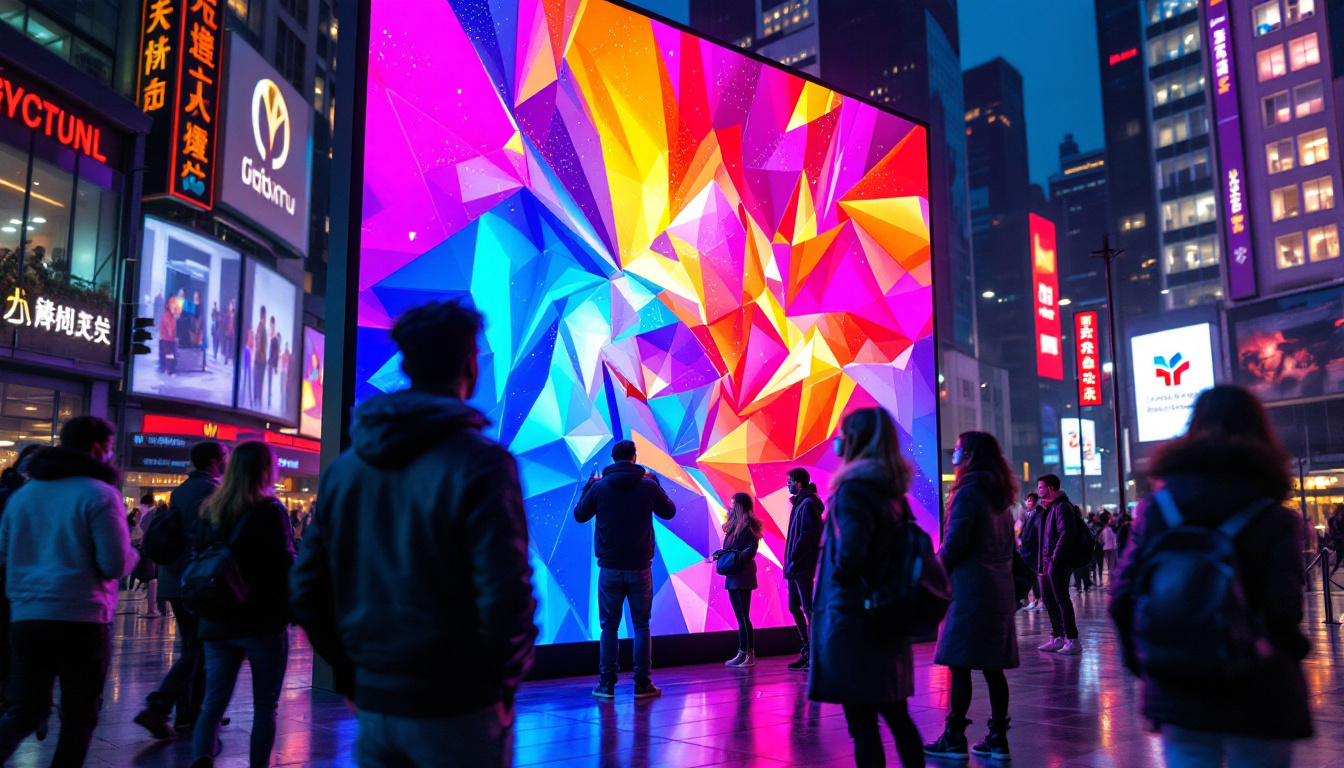
Artificial intelligence is increasingly integrated with LED walls to enable dynamic content adaptation based on audience behavior, environmental conditions, or real-time data. Interactive LED walls equipped with touch or gesture recognition are transforming retail and event experiences.
Sustainability and Eco-Friendly Designs
As environmental concerns grow, manufacturers are focusing on sustainable materials, energy-saving features, and recyclability. LED display walls with lower power consumption and longer lifespans contribute to greener operations.
Conclusion
LED display walls represent a powerful medium for visual communication, combining brightness, flexibility, and durability. Their ability to deliver stunning, large-scale imagery in a variety of environments has made them indispensable across industries. Understanding the technology, benefits, and considerations behind LED display walls equips businesses and organizations to make informed decisions that maximize impact and return on investment.
As LED technology continues to evolve, the future promises even more immersive and intelligent display solutions that will redefine how audiences engage with digital content.
Explore Cutting-Edge LED Displays with LumenMatrix
Ready to elevate your visual communication with the latest in LED technology? LumenMatrix is at the forefront of innovation, offering a diverse range of LED display solutions tailored to your needs. From captivating Indoor and Outdoor LED Wall Displays to dynamic Vehicle and Sports LED Displays, our products are designed to make your brand stand out. Discover the possibilities with our LED Poster Displays, Floor LED Displays, Custom configurations, All-in-One solutions, and Transparent Displays. Experience how our mission-driven approach can transform your space and engage your audience. Check out LumenMatrix LED Display Solutions today and step into the future of digital signage.