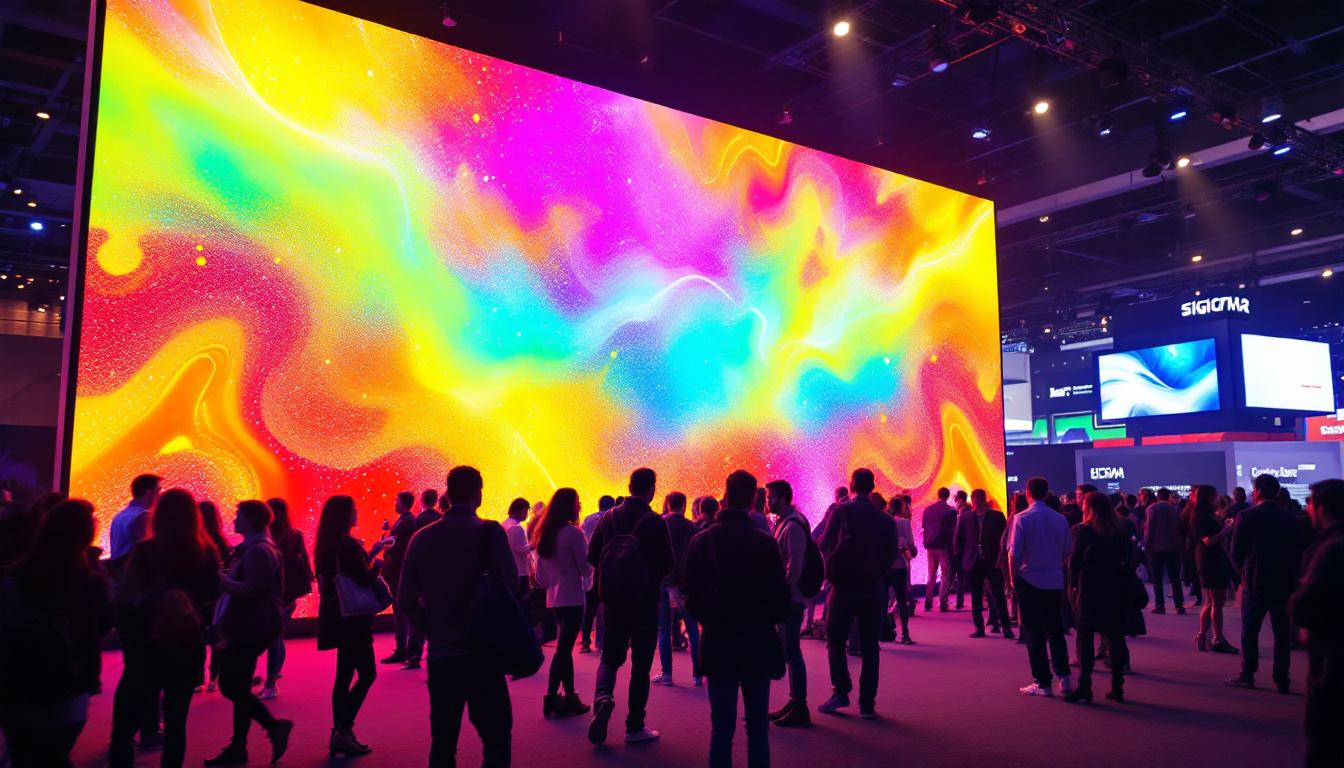
In the dynamic world of trade displays, LED technology has become a cornerstone for businesses aiming to capture attention and communicate effectively. From retail environments to large-scale trade shows, LED displays offer unparalleled versatility, brightness, and engagement. This article delves deep into what LED displays are, their benefits, types, and how they are revolutionizing trade displays across industries.
Understanding LED Displays: The Basics
LED stands for Light Emitting Diode, a semiconductor device that emits light when an electric current passes through it. Unlike traditional lighting or display technologies, LEDs are highly energy-efficient, long-lasting, and capable of producing vivid colors with high brightness levels.
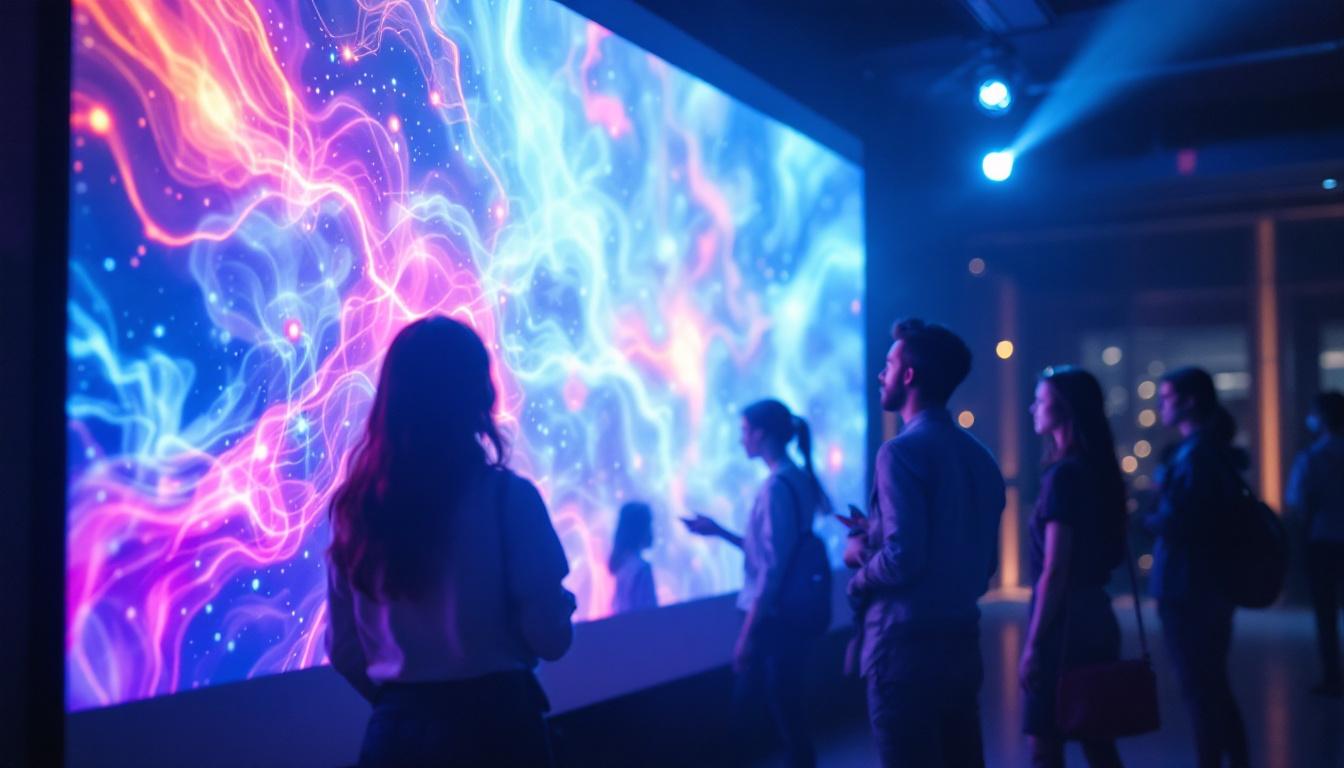
In the context of trade displays, LED technology is used to create screens or panels that can display images, videos, text, and animations. These displays range from small, portable units to massive video walls, making them adaptable to various trade environments and marketing needs.
One of the key advantages of LED displays is their ability to function effectively in different lighting conditions, including direct sunlight, which is often a challenge for other display types like LCD or projection screens.
How LED Displays Work
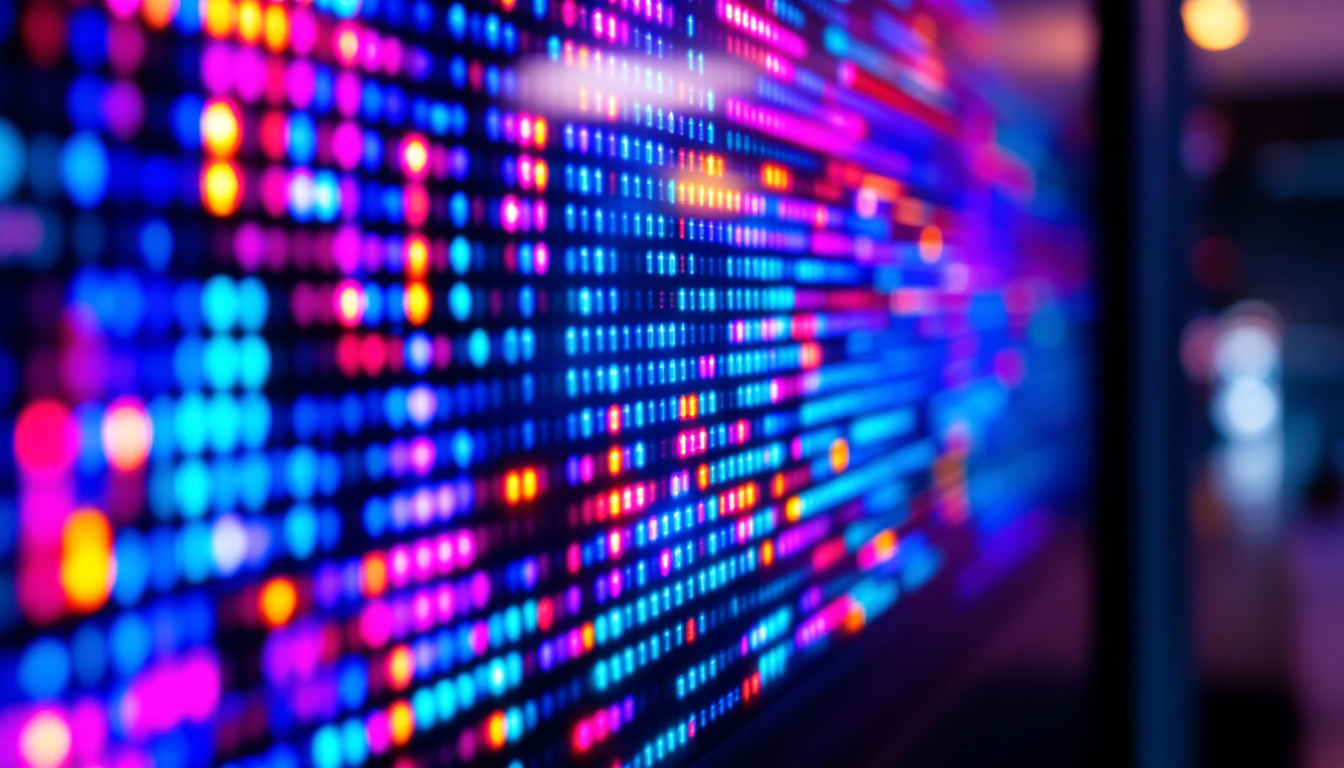
LED displays consist of numerous tiny diodes arranged in a grid pattern, each acting as a pixel. These pixels can be individually controlled to emit different colors and intensities, creating a complete image or video. The most common configurations include single-color, dual-color, and full-color LEDs, with full-color being the standard for most trade display applications.
The resolution and clarity of an LED display depend on the pixel pitch — the distance between the centers of two adjacent pixels. A smaller pixel pitch means higher resolution and sharper images, which is crucial for close-up viewing at trade shows and exhibitions.
Why LED Displays Are Ideal for Trade Displays
Trade shows and exhibitions are competitive environments where businesses need to stand out quickly and effectively. LED displays offer several advantages that make them particularly suited for these settings.
High Visibility and Brightness
LED displays are renowned for their brightness, often reaching up to 5,000 nits or more, which ensures visibility even in brightly lit or outdoor environments. This brightness level is significantly higher than that of LCD screens, making LED displays ideal for attracting attention from across a crowded trade floor or outdoor venue.
Dynamic and Engaging Content
Static banners and posters are no longer enough to captivate modern audiences. LED displays allow for dynamic content such as videos, animations, and real-time updates, creating a more engaging experience for visitors. This interactivity can increase dwell time and improve message retention, which is critical for lead generation and brand awareness.
Durability and Longevity
Trade shows often involve setup and teardown processes that can be rough on equipment. LED displays are built to withstand these demands, with robust construction and resistance to shocks and vibrations. Additionally, LEDs have a long operational lifespan, often exceeding 50,000 hours, reducing the need for frequent replacements or repairs.
Energy Efficiency and Cost-Effectiveness
Although the initial investment in LED displays can be higher than traditional signage, their low power consumption and minimal maintenance costs make them cost-effective over time. This efficiency aligns well with the sustainability goals many companies are adopting today.
Types of LED Displays Used in Trade Shows
The LED display market offers a variety of options tailored to different trade show needs, budgets, and spaces. Understanding these types helps businesses choose the right solution for their specific goals.
Indoor LED Displays
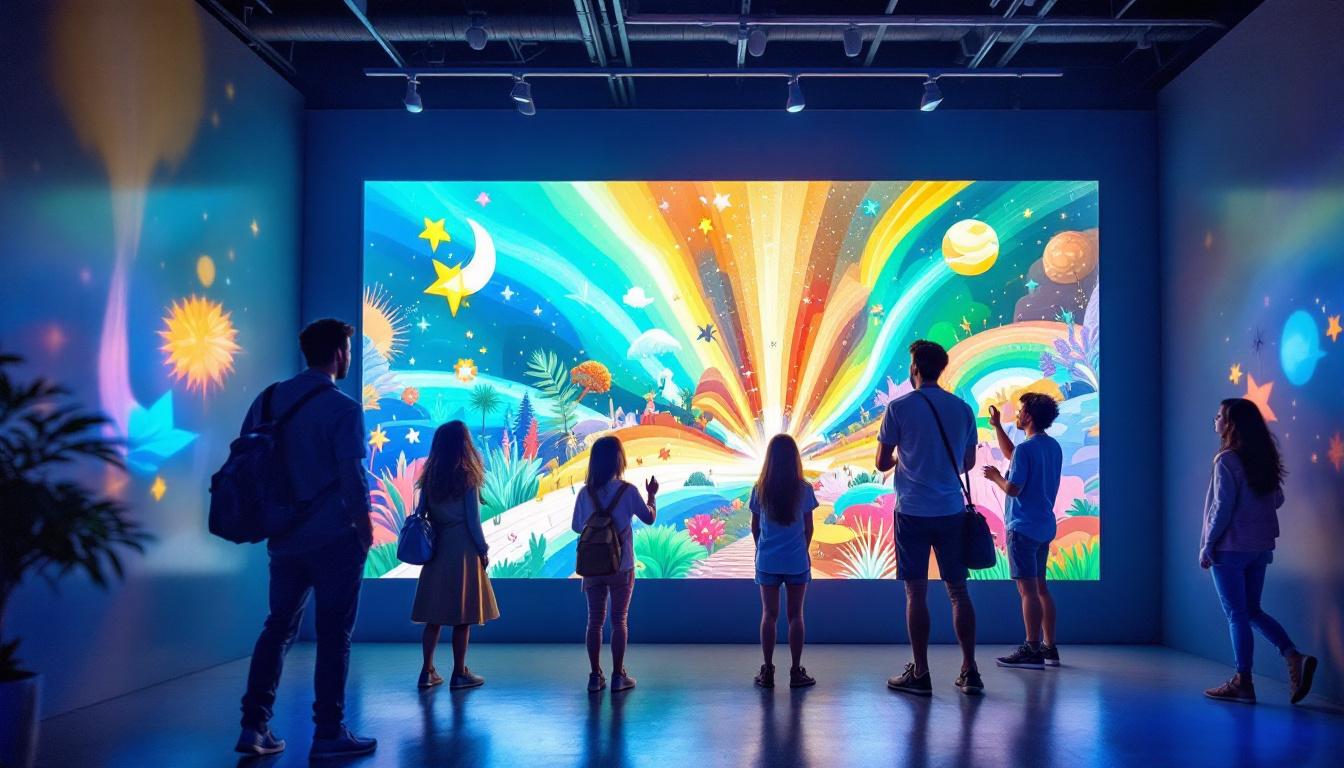
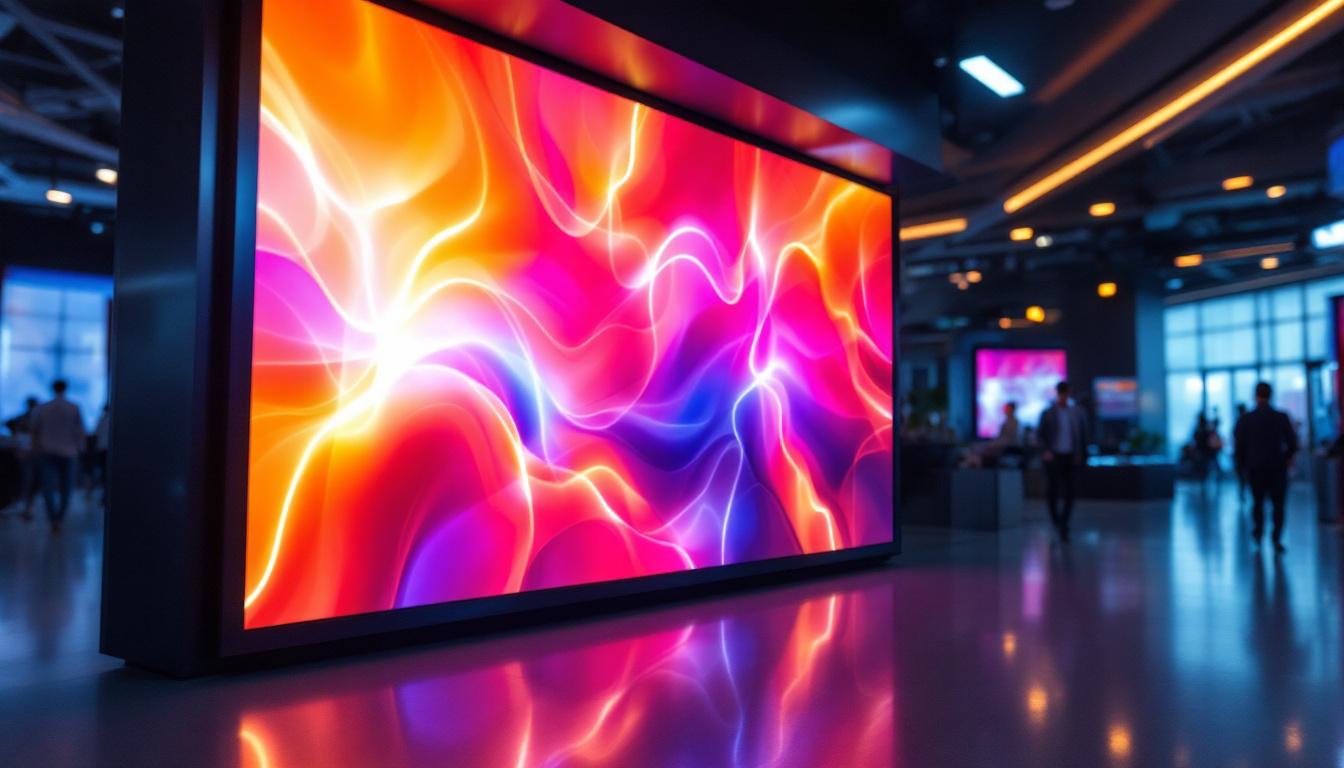
Indoor LED displays are designed for controlled environments like convention centers and exhibition halls. They typically have a smaller pixel pitch (ranging from 1.2mm to 4mm), offering high resolution for close viewing distances. These displays are perfect for product presentations, branding, and interactive kiosks.
For example, a technology company showcasing new gadgets might use an indoor LED video wall to demonstrate product features in vivid detail, ensuring visitors can see every nuance even from a few feet away.
Outdoor LED Displays
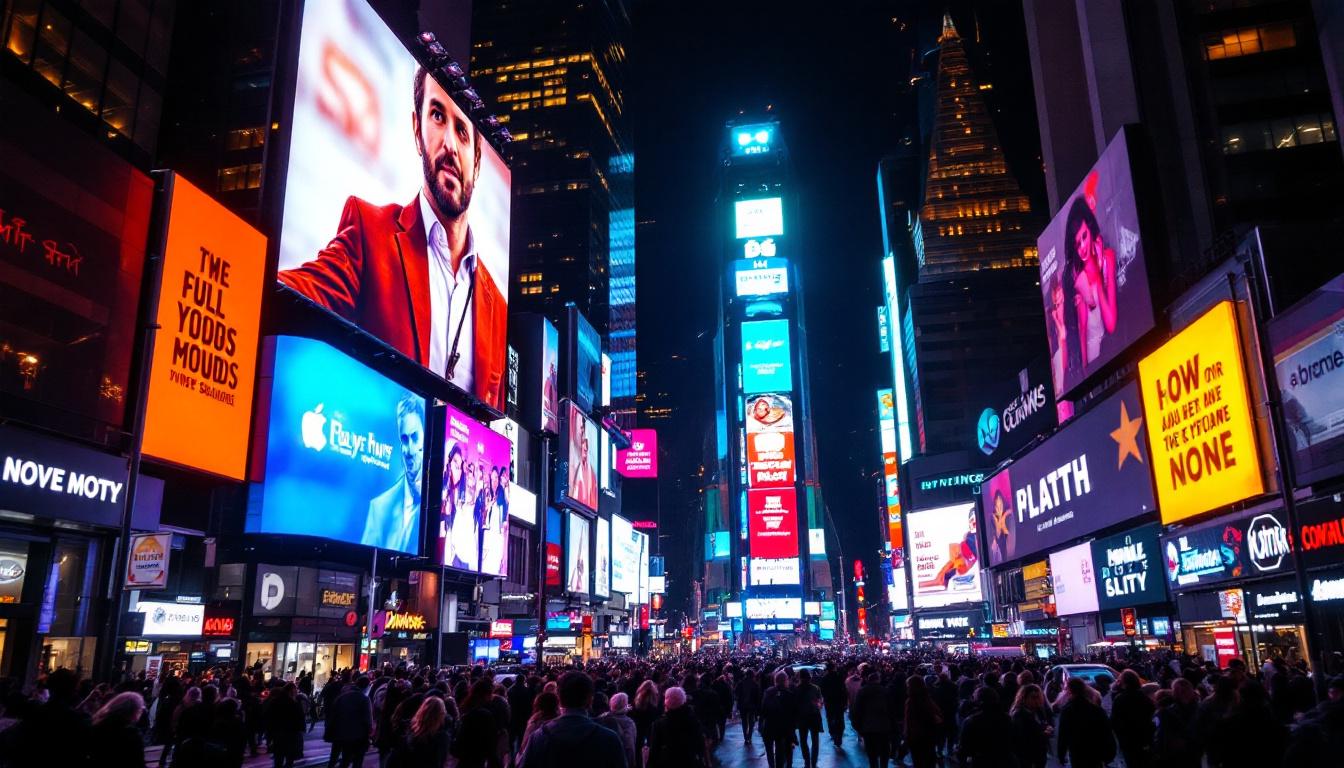
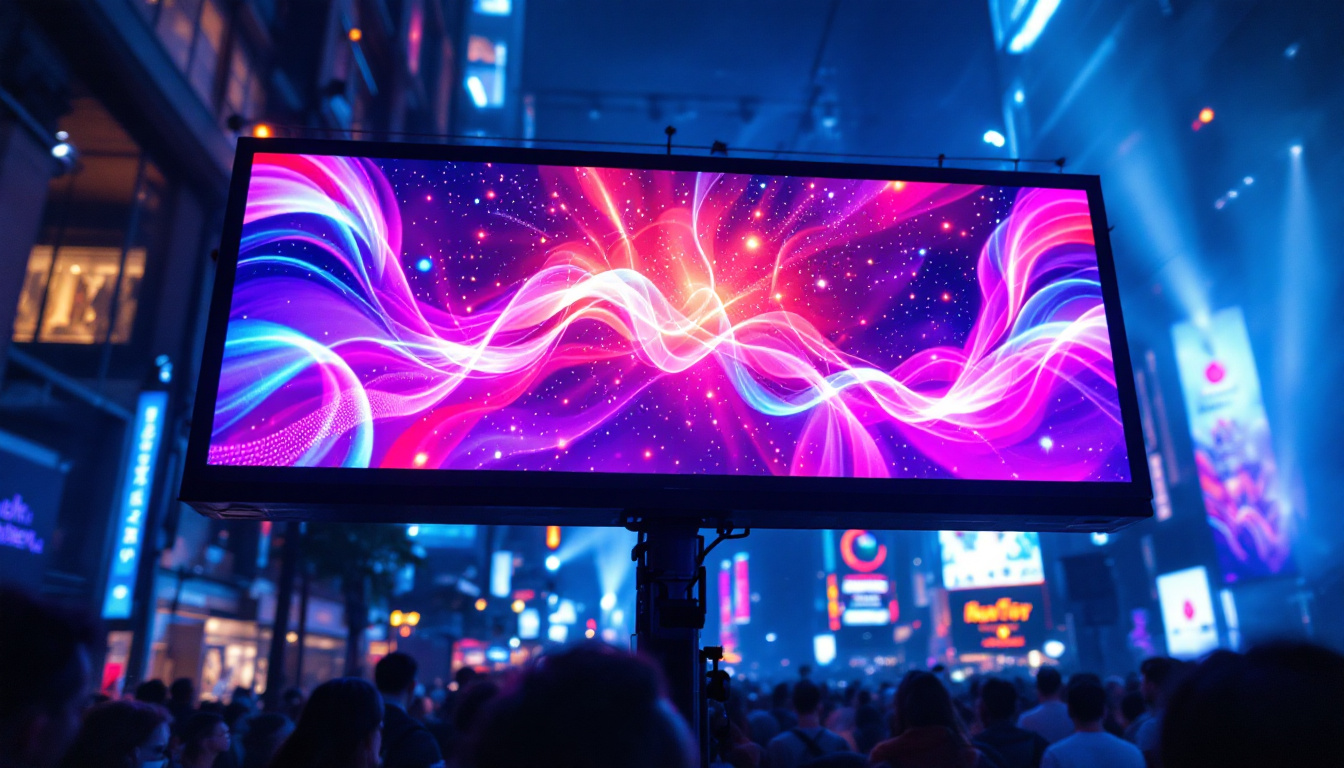
Outdoor LED displays are built to withstand weather conditions such as rain, wind, and extreme temperatures. They usually have a larger pixel pitch (from 4mm to 20mm or more), as viewing distances tend to be greater outdoors. These displays are ideal for trade shows held in open-air venues or for storefront promotions during events.
Retailers participating in outdoor festivals or fairs often use outdoor LED billboards to broadcast promotional videos and attract foot traffic from a distance.
Flexible and Curved LED Displays
Recent advancements have introduced flexible LED panels that can be curved or shaped to fit unique booth designs. This innovation allows for creative and immersive trade display setups that break away from traditional flat screens.
For instance, automotive companies might use curved LED displays to mimic the sleek lines of a car, enhancing brand storytelling and visual appeal.
Transparent LED Displays
Transparent LED displays are a cutting-edge solution that allows light to pass through the screen, making them perfect for glass storefronts or windows. They enable businesses to maintain visibility into their space while simultaneously displaying vibrant digital content.
This technology is increasingly popular in retail trade shows where maintaining an open and inviting booth atmosphere is important without sacrificing digital engagement.
Key Considerations When Choosing an LED Display for Trade Shows
Selecting the right LED display involves balancing technical specifications with practical trade show requirements. Several factors should be carefully evaluated before making a purchase or rental decision.
Pixel Pitch and Resolution
As mentioned earlier, pixel pitch directly impacts image clarity. For trade shows where visitors will be close to the display, a smaller pixel pitch is essential to avoid pixelation. Conversely, larger pixel pitches may be acceptable for displays intended to be viewed from a distance.
Size and Aspect Ratio
The physical size of the LED display should complement the booth space and the intended viewing distance. Larger displays create a stronger visual impact but require more space and potentially higher costs. Aspect ratio, such as 16:9 or custom formats, should align with the content being shown to avoid distortion.
Brightness and Contrast
Brightness is crucial for visibility, especially in well-lit environments. Contrast ratio affects how well the display can show details in both bright and dark areas of the image. High-quality LED displays offer excellent contrast, enhancing the overall visual experience.
Installation and Portability
Trade shows often require quick setup and breakdown. Modular LED panels that are lightweight and easy to assemble can save time and reduce labor costs. Additionally, rental options might be preferable for businesses that participate in multiple events annually.
Content Management and Connectivity
Modern LED displays come with sophisticated content management systems (CMS) that allow users to schedule, update, and control content remotely. Compatibility with various input sources and wireless connectivity can streamline operations during busy trade events.
Emerging Trends in LED Trade Displays
The LED display industry continues to evolve, driven by technological innovations and changing market demands. Staying informed about these trends can help businesses maintain a competitive edge at trade shows.
Integration with Augmented Reality (AR) and Interactive Technologies
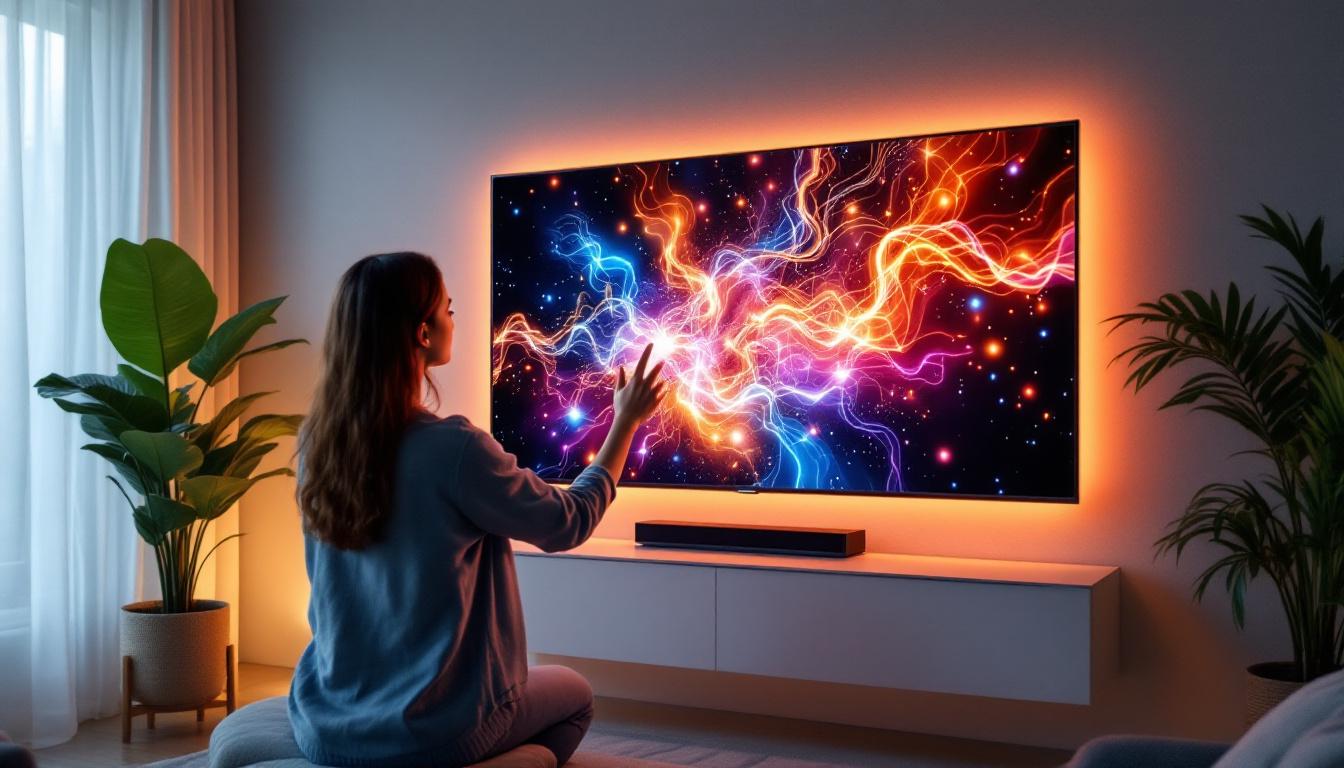
Combining LED displays with AR and interactive sensors creates immersive experiences that engage visitors more deeply. For example, touch-sensitive LED walls or gesture-controlled displays allow attendees to explore products or services in a hands-on manner, increasing engagement and memorability.
Mini-LED and Micro-LED Technologies
Mini-LED and Micro-LED are next-generation display technologies that promise higher brightness, better color accuracy, and thinner form factors. These advancements are expected to enhance LED trade displays by delivering even more stunning visuals in compact designs.
Sustainability and Eco-Friendly Solutions
With growing emphasis on sustainability, manufacturers are developing LED displays with recyclable materials, lower power consumption, and longer lifespans. Trade show organizers and exhibitors are increasingly prioritizing eco-friendly options to align with corporate social responsibility goals.
Case Studies: Successful Use of LED Displays in Trade Shows
Examining real-world examples illustrates how LED displays can transform trade show presence and outcomes.
Consumer Electronics Expo
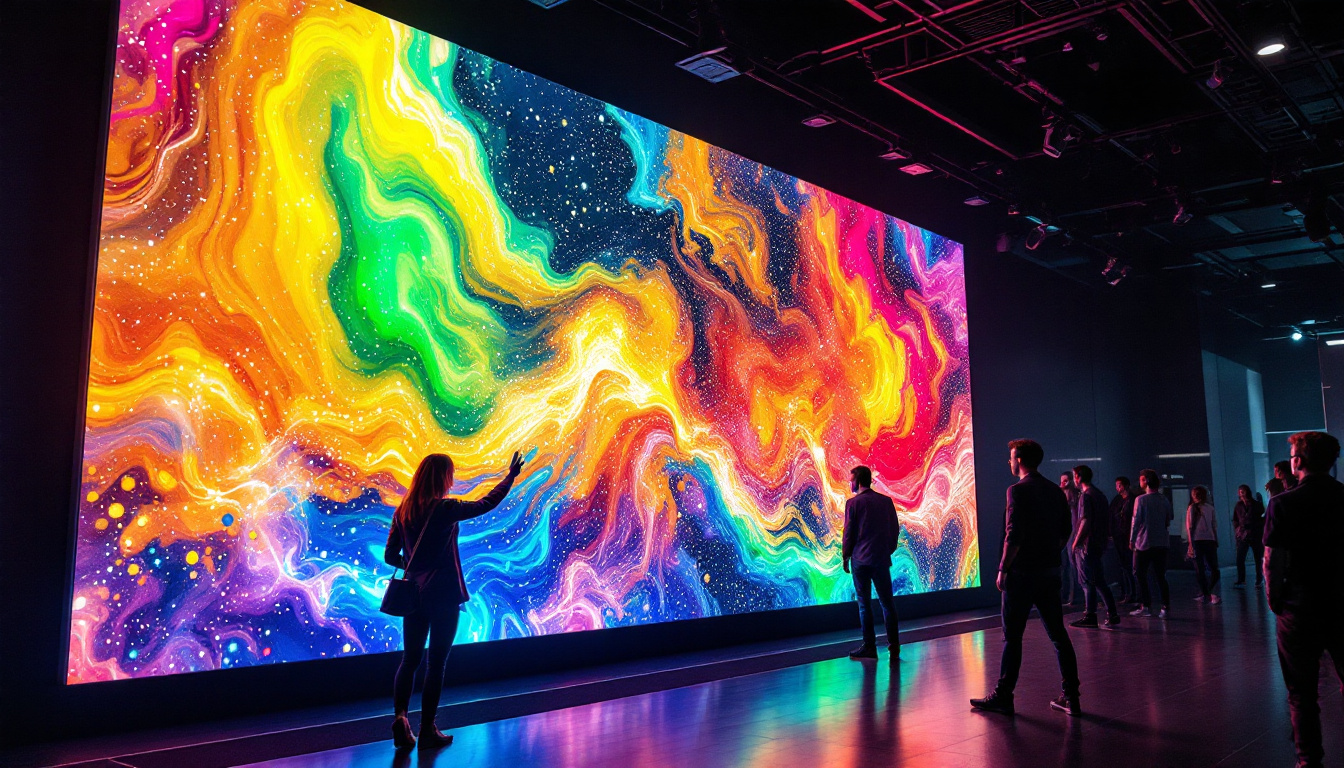
At a recent international consumer electronics expo, a leading smartphone manufacturer deployed a massive indoor LED video wall with a 1.5mm pixel pitch. The display showcased product demos, live social media feeds, and interactive content. This setup attracted thousands of visitors, resulting in a 30% increase in booth traffic compared to previous years.
Automotive Industry Trade Fair
An automotive brand used curved LED displays to create an immersive environment that highlighted the aerodynamic design of their latest vehicle. The flexible LED panels wrapped around the booth, providing a 360-degree visual experience. This innovative use of LED technology earned the company a trade show innovation award and significantly boosted brand recall.
Outdoor Food and Beverage Festival
A beverage company utilized outdoor LED billboards with high brightness levels to promote their products during a summer festival. The displays featured vibrant videos and real-time event updates, effectively increasing on-site sales by 25% compared to the previous year.
Conclusion: The Future of Trade Displays is LED
LED displays have firmly established themselves as an essential tool for businesses looking to make a strong impression at trade shows and exhibitions. Their superior brightness, flexibility, and ability to deliver dynamic content make them invaluable for engaging audiences and driving brand visibility.
As technology advances, LED displays will continue to evolve, offering even more creative possibilities and improved performance. For companies aiming to stay ahead in competitive trade environments, investing in LED display technology is not just an option but a strategic imperative.
Whether opting for indoor high-resolution video walls, outdoor billboards, or innovative transparent and flexible panels, LED displays provide a powerful platform to tell compelling brand stories and connect with customers in meaningful ways.
Illuminate Your Brand with LumenMatrix
Ready to elevate your trade display to the next level? Discover LumenMatrix’s innovative LED display solutions and harness the power of cutting-edge technology to captivate your audience. From vibrant Indoor LED Walls to dynamic Outdoor Displays and beyond, LumenMatrix offers a wide range of customizable options to bring your brand’s vision to life. Don’t just compete—stand out with displays that engage and inspire. Check out LumenMatrix LED Display Solutions today and transform your trade show presence with brilliance and flair.