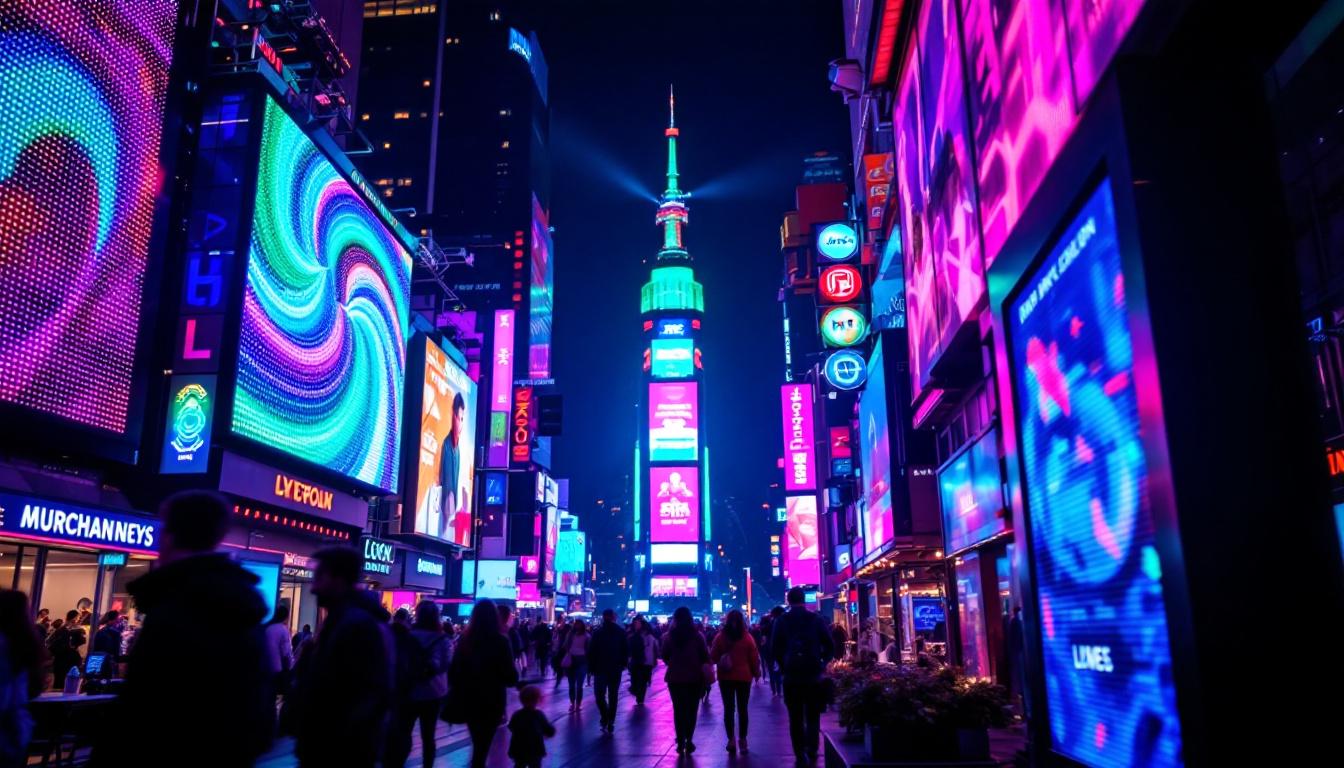
In the rapidly evolving world of digital displays, LED technology has become a cornerstone for delivering vibrant, high-resolution visuals across various industries. Among the many specifications that define LED displays, the term “2.5 Led” often surfaces, particularly in contexts involving pixel pitch and display clarity. This article delves into the concept of 2.5 Led, explaining its significance, how it fits into the broader LED display landscape, and why understanding it matters for businesses and consumers alike.
Understanding LED Display Technology
What is an LED Display?
LED stands for Light Emitting Diode, a semiconductor device that emits light when an electric current passes through it. LED displays utilize thousands to millions of these tiny diodes arranged in a matrix to create images and videos. Unlike traditional LCDs that rely on backlighting, LED displays produce their own light, resulting in brighter images, better contrast, and more energy efficiency. This self-illuminating characteristic allows for deeper blacks and more vivid colors, making LED displays particularly appealing for high-definition content and fast-moving visuals.
LED displays are widely used in applications ranging from large outdoor billboards and stadium screens to indoor video walls and even television sets. Their versatility and scalability make them a preferred choice for delivering dynamic content in various environments. Additionally, advancements in technology have led to the development of flexible LED displays, which can be curved or shaped to fit unconventional spaces, further expanding their use in creative installations and architectural designs. This adaptability has opened new avenues for advertising and entertainment, allowing for immersive experiences that were previously unattainable.
Pixel Pitch: The Key to Clarity
One of the most critical specifications in LED displays is the pixel pitch, which refers to the distance between the centers of two adjacent pixels, typically measured in millimeters. The pixel pitch directly influences the display’s resolution and viewing distance. Smaller pixel pitches mean more pixels per unit area, resulting in sharper images and the ability to view the display up close without noticing individual pixels. This is particularly important in environments where viewers may be close to the screen, such as in retail settings or trade shows, where the clarity of visuals can significantly impact customer engagement.
For example, a display with a 2.5 mm pixel pitch means that each pixel is spaced 2.5 millimeters apart. This specification is crucial when deciding the suitability of an LED display for a particular environment, such as retail stores, corporate lobbies, or outdoor advertising. Moreover, the choice of pixel pitch can also affect the overall cost of the display; finer pixel pitches generally come at a higher price point due to the increased number of diodes required. Understanding the balance between pixel pitch, resolution, and viewing distance is essential for businesses aiming to maximize the effectiveness of their visual communication strategies.
What Does “2.5 Led” Mean?
Decoding the Term “2.5 Led”
The term “2.5 Led” generally refers to an LED display with a pixel pitch of 2.5 millimeters. This measurement indicates the density of the LED pixels on the screen. A 2.5 mm pixel pitch is considered a fine pitch, suitable for indoor environments where viewers are relatively close to the screen.
Fine pitch LED displays like the 2.5 mm variant offer a balance between high resolution and cost-effectiveness. They provide clear, crisp images and videos without the premium price tag associated with ultra-fine pitches below 2 mm.
How 2.5 mm Pixel Pitch Compares to Other Pitches
To put 2.5 mm pixel pitch into perspective, here’s a brief comparison with other common pixel pitches:
- 1.2 mm to 1.5 mm: Ultra-fine pitch LED displays, ideal for close viewing distances such as control rooms and broadcast studios. These displays offer exceptional clarity but come at a higher cost.
- 2.5 mm: Fine pitch, suitable for indoor venues like conference rooms, shopping malls, and corporate environments. Provides excellent image quality for viewers standing a few meters away.
- 4 mm to 6 mm: Mid-range pixel pitch, often used for larger indoor or semi-outdoor displays where viewers are positioned further away.
- 10 mm and above: Coarse pitch, typically reserved for large outdoor billboards and stadium screens where viewing distances are substantial.
Choosing the right pixel pitch depends on the intended use case, viewing distance, and budget constraints. The 2.5 mm pixel pitch is a popular choice for many indoor applications due to its versatility.
Applications and Benefits of 2.5 mm LED Displays
Ideal Environments for 2.5 mm Pixel Pitch Displays
2.5 mm LED displays are predominantly used in indoor settings where viewers are within a few meters of the screen. Some common applications include:
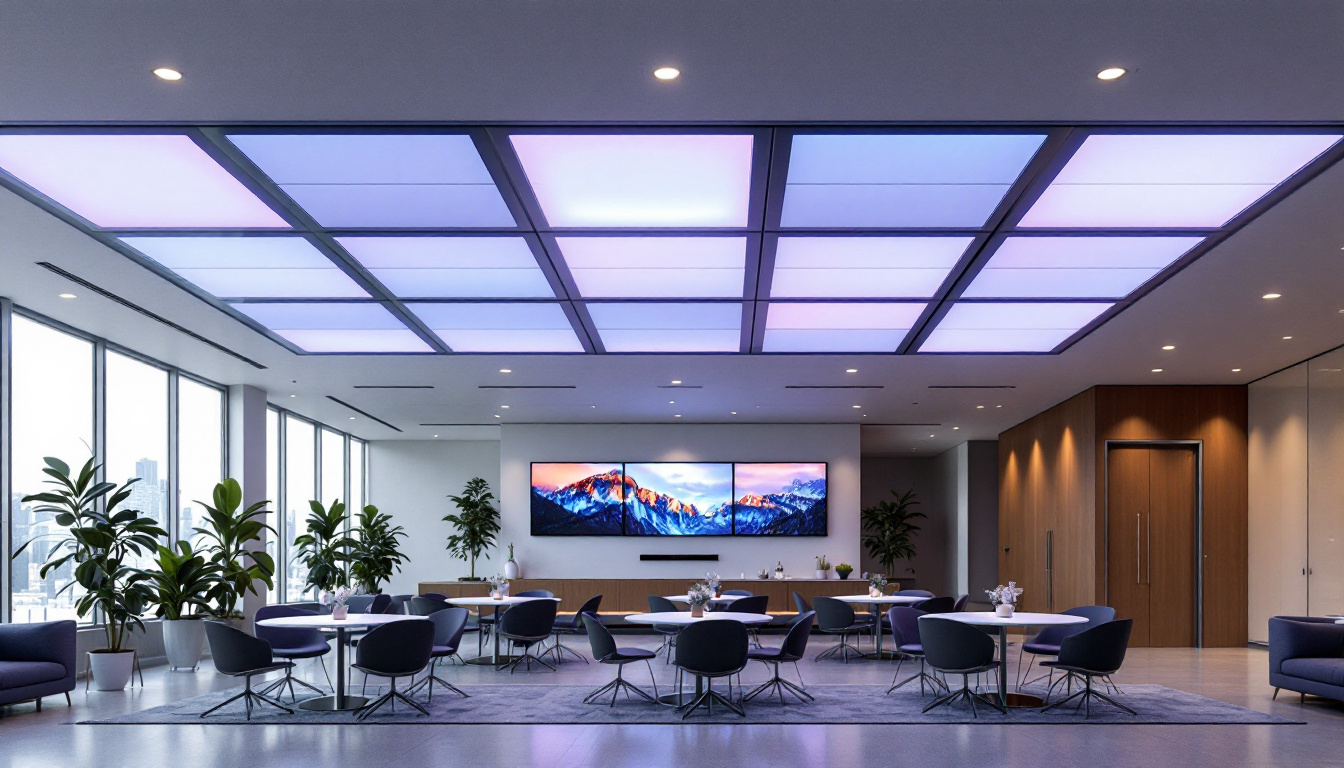
- Corporate and Conference Rooms: For presentations, video conferencing, and digital signage, the 2.5 mm pitch ensures clear text and images.
- Retail Spaces: Engaging customers with high-quality advertisements and interactive content.
- Broadcast Studios: Background displays that require high resolution and color accuracy.
- Event Venues and Theaters: Providing immersive visual experiences for audiences.
Advantages of Using 2.5 mm LED Displays
Opting for a 2.5 mm pixel pitch LED display offers several benefits:
- High Resolution: The fine pixel pitch enables detailed and sharp images, enhancing viewer engagement.
- Improved Viewing Experience: Suitable for close-range viewing without visible pixelation, making it ideal for indoor applications.
- Energy Efficiency: LED technology is known for lower power consumption compared to traditional display technologies.
- Durability and Longevity: LED displays generally have a long lifespan and can operate continuously with minimal maintenance.
- Flexible Installation: These displays can be configured in various sizes and shapes to fit specific venue requirements.
Technical Considerations When Choosing a 2.5 mm LED Display
Resolution and Screen Size
The resolution of a 2.5 mm LED display depends on the overall size of the screen. For example, a 2-meter by 1-meter display with a 2.5 mm pixel pitch will have a higher pixel count than a larger display with the same pitch. It is essential to calculate the total number of pixels to ensure the display meets the desired resolution requirements.
When planning an installation, consider the typical viewing distance. The general rule of thumb is that the minimum viewing distance (in meters) should be roughly equal to the pixel pitch (in millimeters) multiplied by 1.5 to 2.5. For a 2.5 mm pitch, this translates to a minimum viewing distance of approximately 3.75 to 6.25 meters, ensuring the image appears seamless to viewers.
Brightness and Contrast
Brightness is a critical factor, especially in environments with ambient light. Indoor 2.5 mm LED displays typically offer brightness levels between 800 to 1,200 nits, which is sufficient for most indoor applications. Higher brightness levels may be necessary for spaces with large windows or strong artificial lighting.
Contrast ratio, the difference between the darkest black and brightest white, influences image depth and realism. LED displays generally provide excellent contrast ratios due to their self-emissive nature, outperforming LCDs in this regard.
Color Accuracy and Refresh Rate
Color accuracy is paramount for applications like broadcasting and retail, where brand colors and image fidelity are crucial. Many 2.5 mm LED displays support 16-bit or higher color depth, allowing for smooth gradients and vibrant colors.
The refresh rate, typically ranging from 1,920 Hz to 3,840 Hz or higher, determines how smoothly motion appears on the screen. Higher refresh rates reduce flicker, which is especially important for video recording and live broadcasts.
Installation and Maintenance Insights
Modular Design for Easy Installation
Most modern 2.5 mm LED displays are designed with modular panels that can be easily assembled on-site. This modular approach allows for flexible screen sizes and shapes, simplifies transportation, and reduces installation time.
Additionally, front-serviceable modules enable maintenance without dismantling the entire display, minimizing downtime and maintenance costs.
Maintenance Best Practices
Regular maintenance ensures the longevity and optimal performance of LED displays. Key practices include:
- Cleaning: Dust and dirt can accumulate on LED modules, affecting brightness and image quality. Use soft, dry cloths or specialized cleaning tools to keep the surface clean.
- Software Updates: Firmware and control software updates can improve performance and add new features.
- Environmental Controls: Maintaining stable temperature and humidity levels helps prevent damage to electronic components.
- Routine Inspections: Regular checks for dead pixels, loose connections, or color inconsistencies allow for timely repairs.
Future Trends in LED Display Technology
Advancements in Pixel Pitch and Resolution
As LED technology continues to advance, pixel pitches are becoming increasingly smaller, pushing the boundaries of resolution and image clarity. While 2.5 mm remains a popular choice for many indoor applications, ultra-fine pitches below 1 mm are emerging, enabling displays that rival the sharpness of traditional LCD and OLED screens.
Integration with Smart Technologies
Modern LED displays are increasingly integrated with smart technologies, including AI-driven content management, real-time data analytics, and interactive capabilities. These innovations enhance user engagement and provide businesses with valuable insights into audience behavior.
Sustainability and Energy Efficiency
With growing environmental awareness, manufacturers are focusing on creating more energy-efficient LED displays with recyclable materials and reduced carbon footprints. Innovations in power management and materials science are expected to make LED displays even greener in the near future.
Conclusion
The “2.5 Led” or 2.5 mm pixel pitch LED display represents a sweet spot in the LED display market, offering high resolution, excellent image quality, and versatility for a wide range of indoor applications. Understanding the technical aspects such as pixel pitch, brightness, and refresh rate helps businesses and consumers make informed decisions when selecting an LED display solution.
As LED technology continues to evolve, the 2.5 mm pixel pitch remains a reliable and cost-effective choice for environments requiring crisp visuals and immersive experiences. Whether for corporate communications, retail advertising, or entertainment venues, 2.5 mm LED displays deliver vibrant, engaging content that captures attention and drives impact.
Discover LumenMatrix’s Advanced LED Solutions
Ready to elevate your visual experience with the high-resolution, vibrant displays discussed in this article? LumenMatrix is at the forefront of LED display innovation, offering a comprehensive range of solutions tailored to your unique needs. From Indoor and Outdoor LED Walls to specialized displays for Vehicles, Sports, and even Custom configurations, our mission is to transform your visual communication. Engage your audience and amplify your message with our cutting-edge LED technology. Check out LumenMatrix LED Display Solutions today and see the difference for yourself.