In the evolving world of live events, concerts, theater productions, and corporate presentations, stage design plays a pivotal role in creating immersive and memorable experiences. Among the many elements that have revolutionized stage aesthetics and functionality, LED displays stand out as one of the most dynamic and versatile tools. This article delves into the example of stage design using LED displays, explaining their technology, applications, benefits, and the considerations involved in integrating them effectively.
Understanding LED Displays in Stage Design
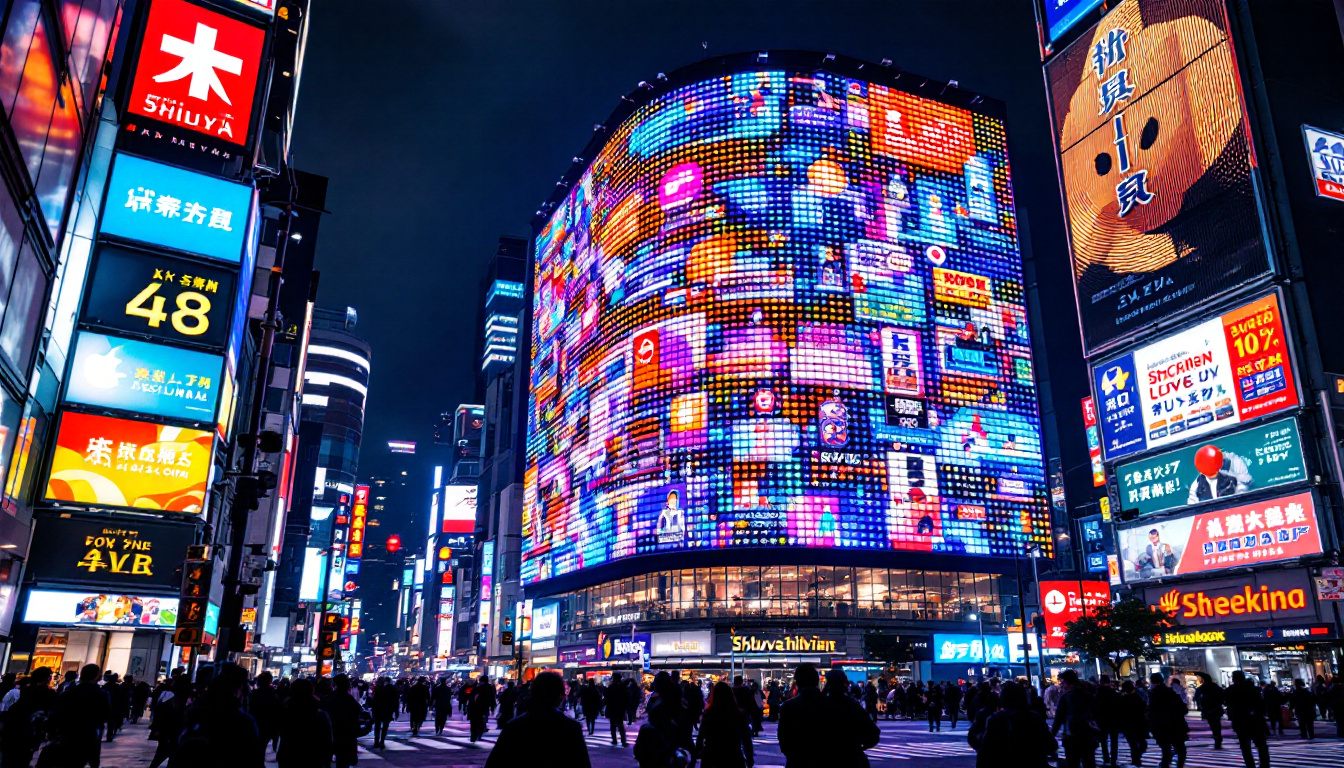
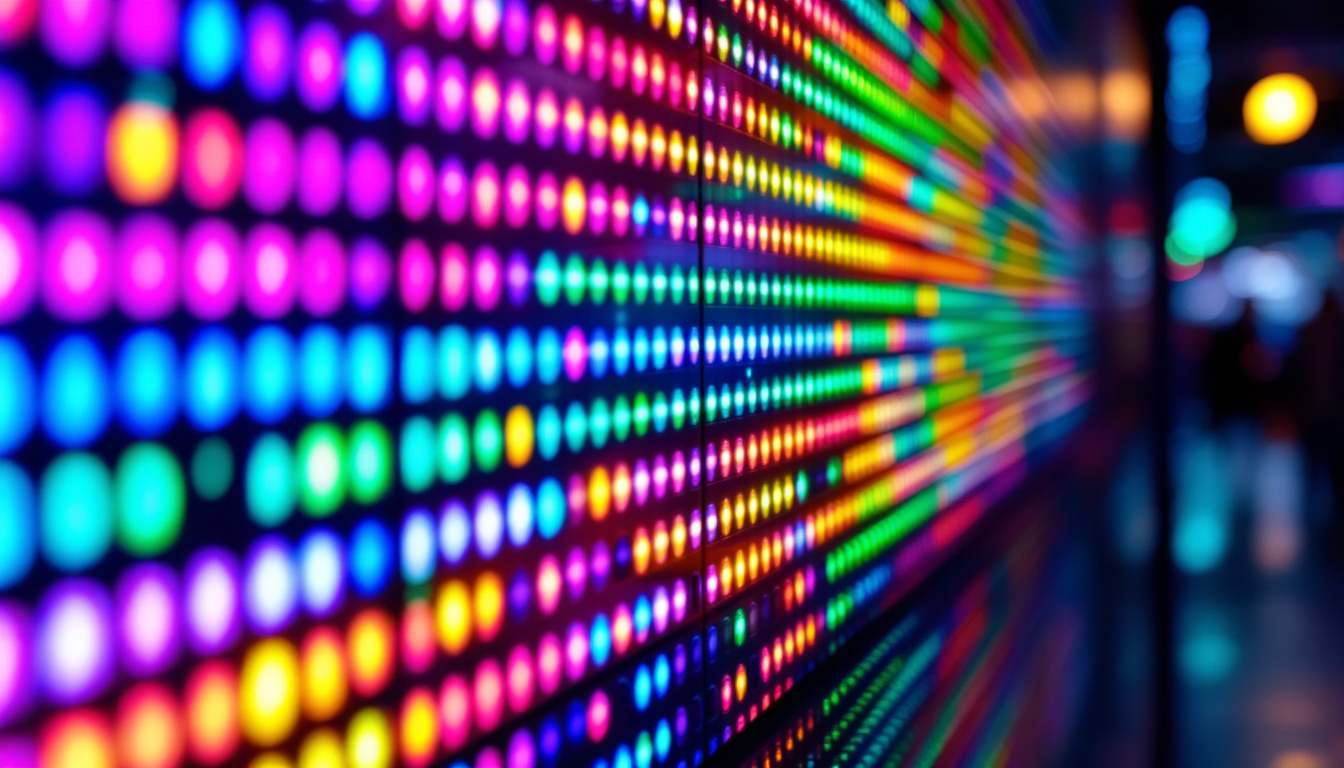
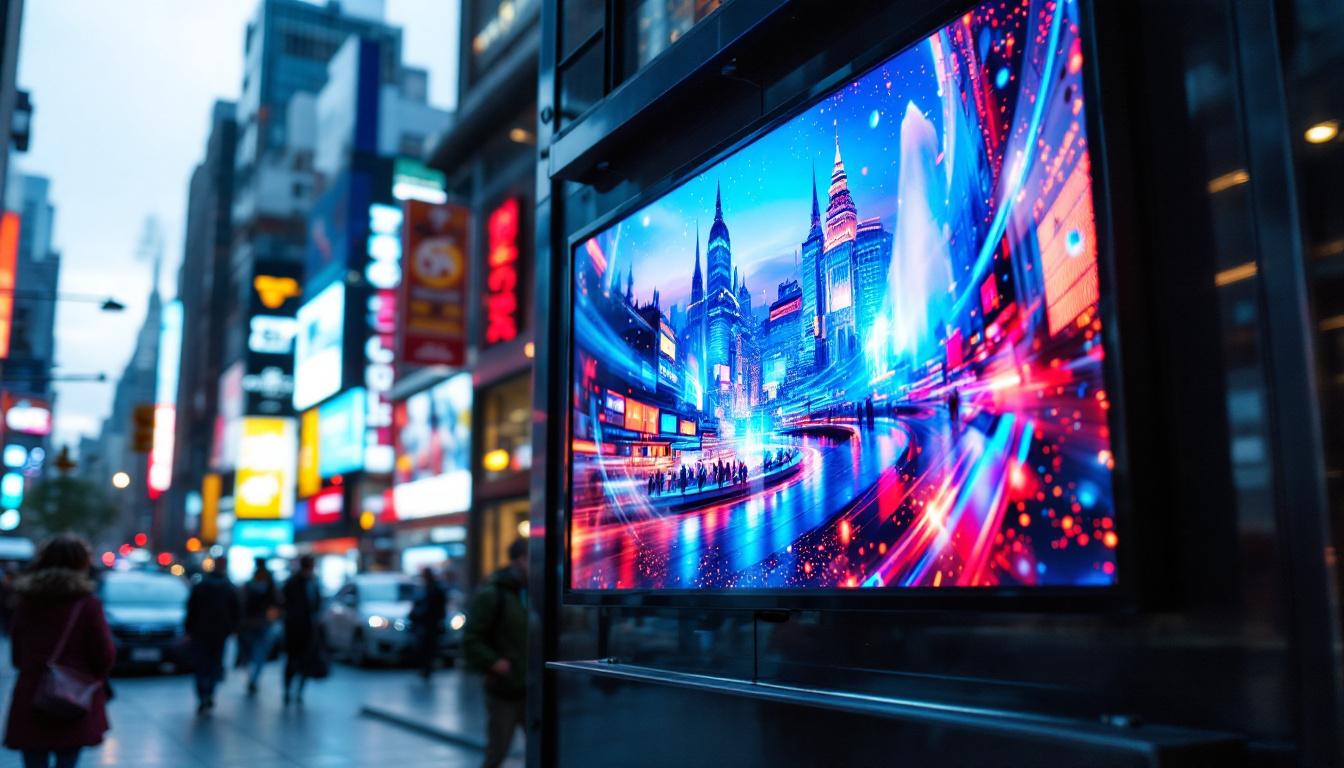
LED (Light Emitting Diode) displays have become a cornerstone of modern stage design due to their brightness, flexibility, and visual impact. Unlike traditional projection systems, LED displays use millions of tiny diodes that emit light directly, resulting in vivid colors and high contrast even in brightly lit environments.
LED displays come in various configurations, including panels, tiles, and strips, which can be combined to create large, seamless video walls or intricate shapes. This modularity allows designers to tailor the display size and shape to fit the specific needs of the production, whether it’s a massive concert backdrop or a smaller, more intimate theater setting. The versatility of LED technology also enables dynamic content changes, allowing for real-time updates and interactive elements that can engage the audience in ways previously unimaginable.
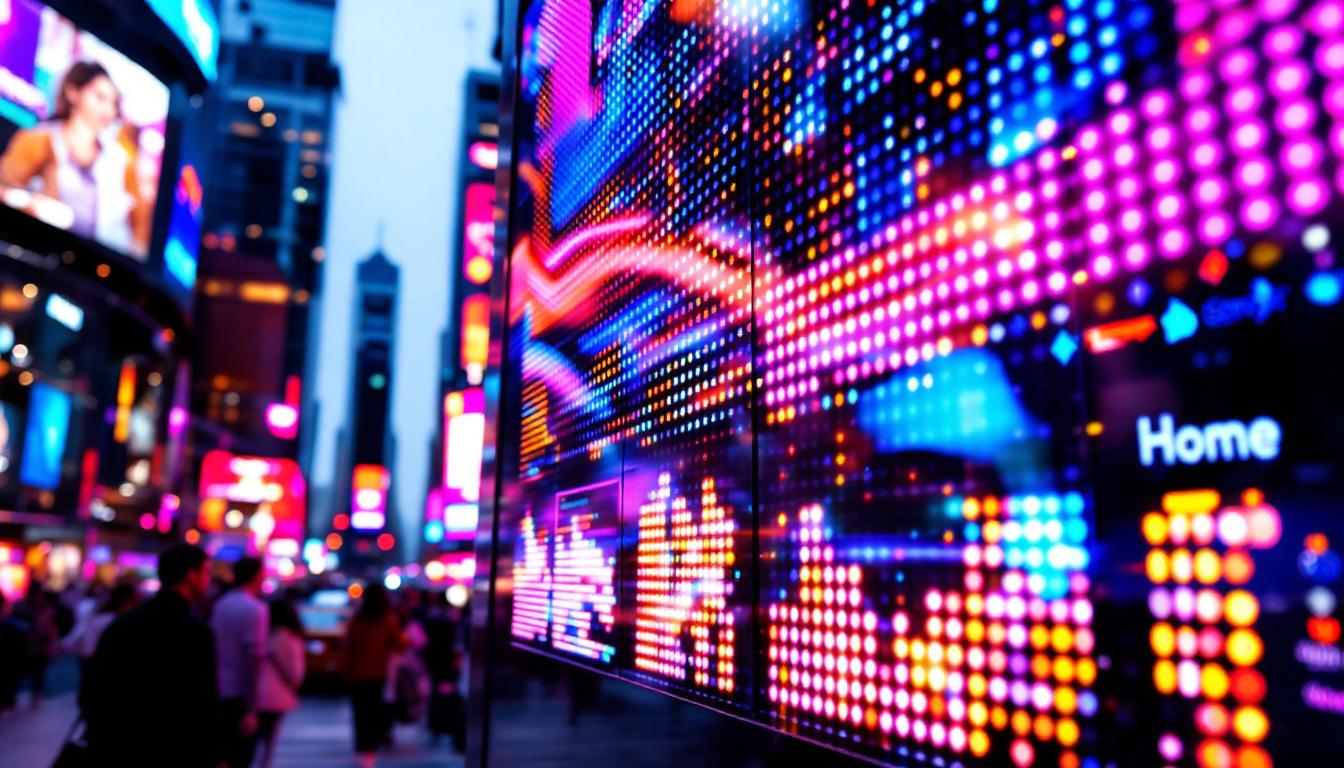
One of the key technical aspects to understand is pixel pitch, which refers to the distance between individual LEDs on the display. A smaller pixel pitch means higher resolution and sharper images, which is crucial for close-up viewing. For large venues where the audience is farther away, a larger pixel pitch may suffice, balancing cost and visual quality. Additionally, the choice of pixel pitch can significantly influence the overall design aesthetic, as it determines how the display integrates with other visual elements on stage, such as lighting and props.
The Evolution of LED Technology in Stage Design
LED technology has advanced rapidly over the past decade. Early LED screens were bulky, had lower resolution, and were expensive. Today’s LED displays are thinner, lighter, and capable of displaying ultra-high-definition content with remarkable color accuracy. Innovations such as flexible LED panels and transparent LED screens have expanded creative possibilities, allowing for curved surfaces and see-through effects that blend seamlessly with physical set pieces. This has led to a new wave of artistic expression, where designers can create immersive environments that captivate audiences and enhance storytelling.
Moreover, improvements in energy efficiency and heat management have made LED displays more sustainable and reliable for long-duration events. This evolution has made LED displays accessible not only to large-scale productions but also to smaller events and touring shows. The integration of smart technology has further enhanced their functionality, enabling remote control, automated adjustments, and synchronization with other multimedia elements. As a result, LED displays are not just tools for visual enhancement; they have become integral components of the overall production design, influencing how narratives are conveyed and experiences are shared with audiences.
Applications of LED Displays in Stage Design
LED displays are incredibly versatile and can be used in numerous ways to enhance stage design. Their ability to display dynamic content, including video, animations, graphics, and live feeds, transforms static sets into interactive environments that respond to the performance.
Concerts and Music Festivals
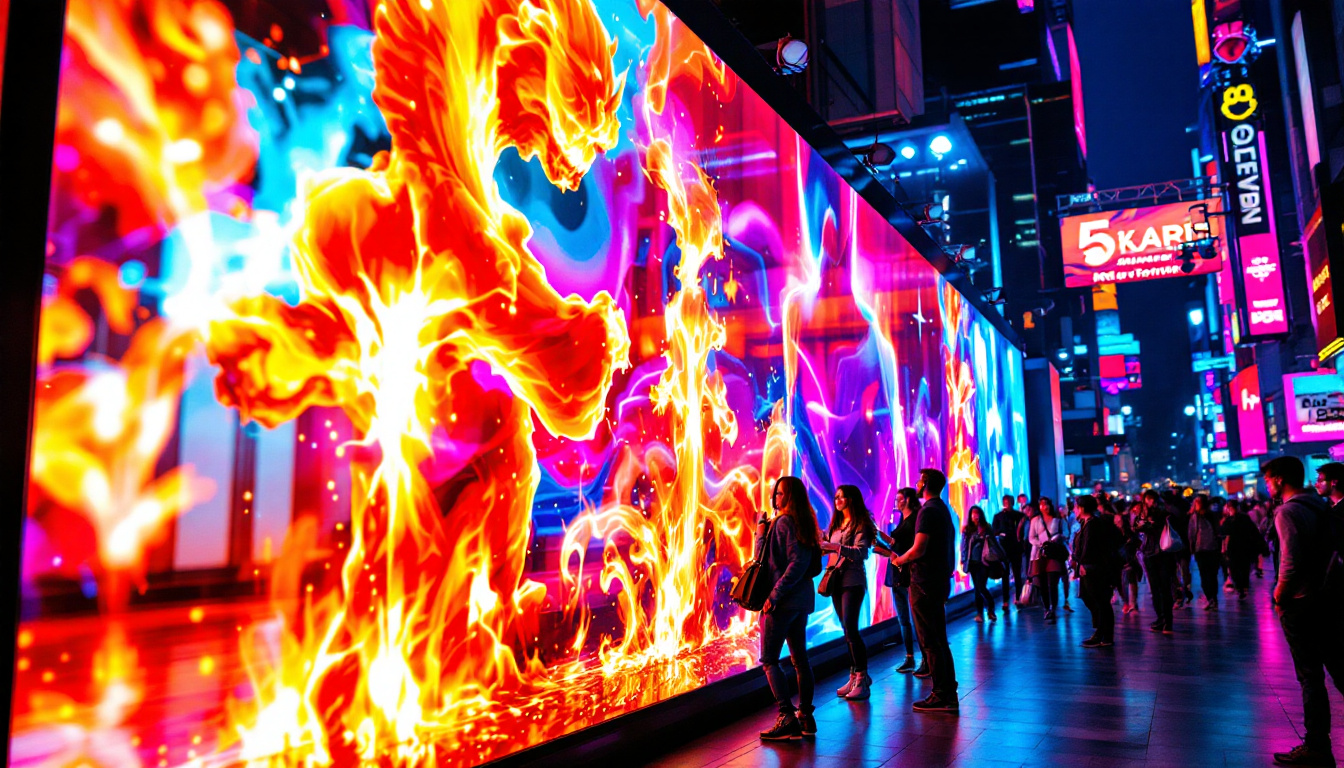
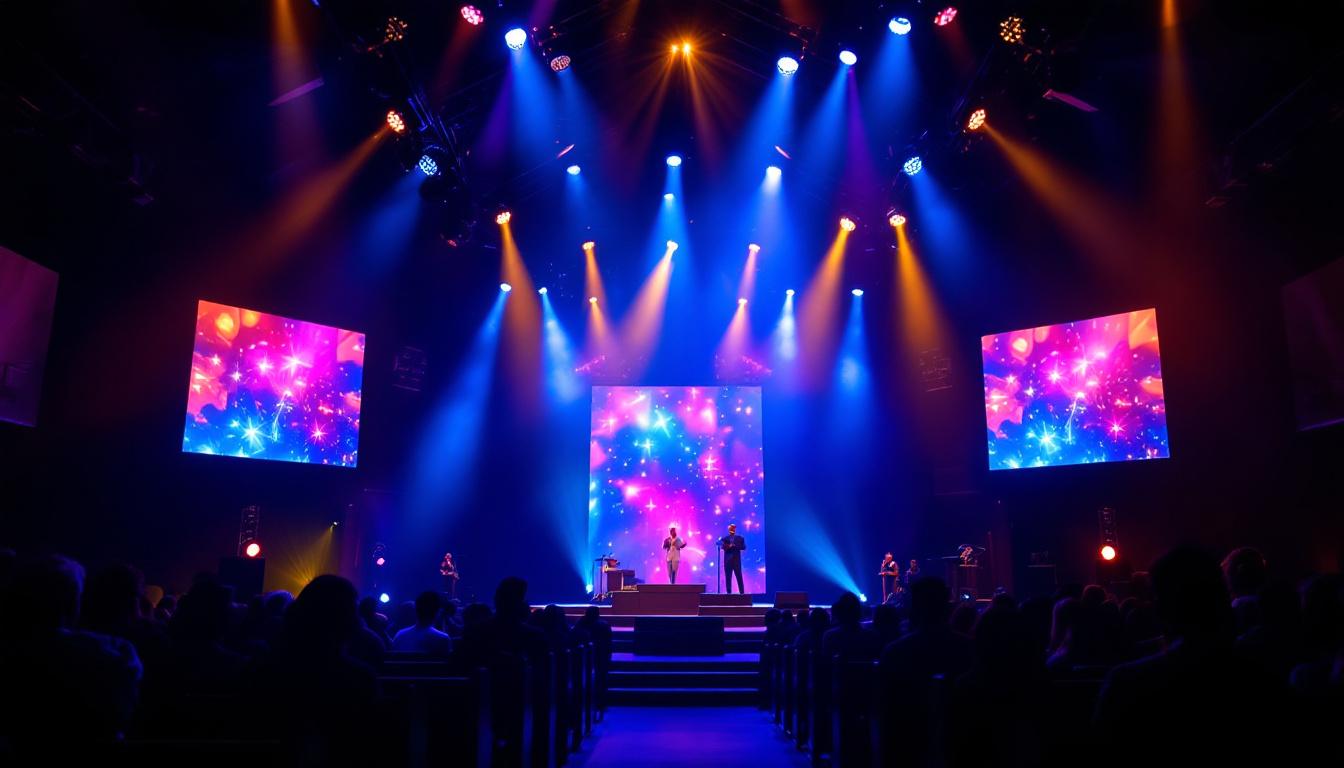
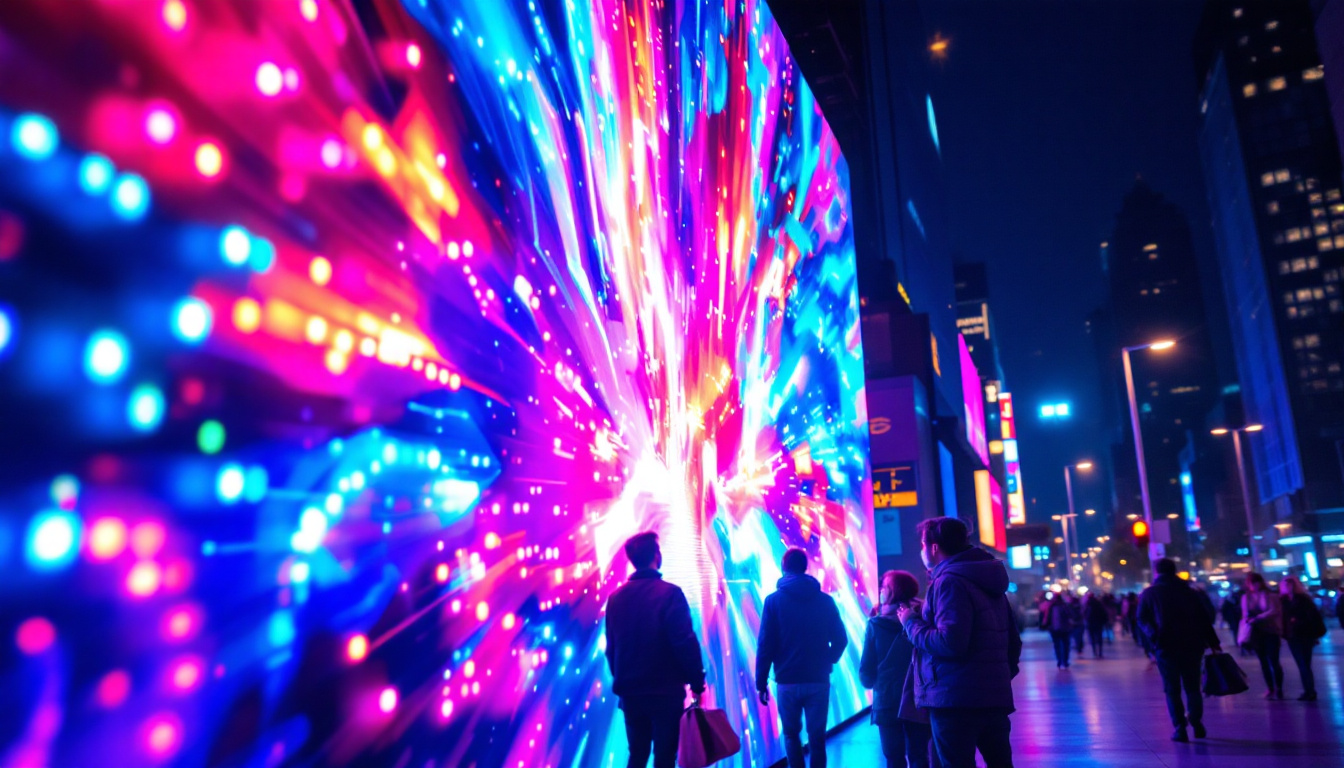
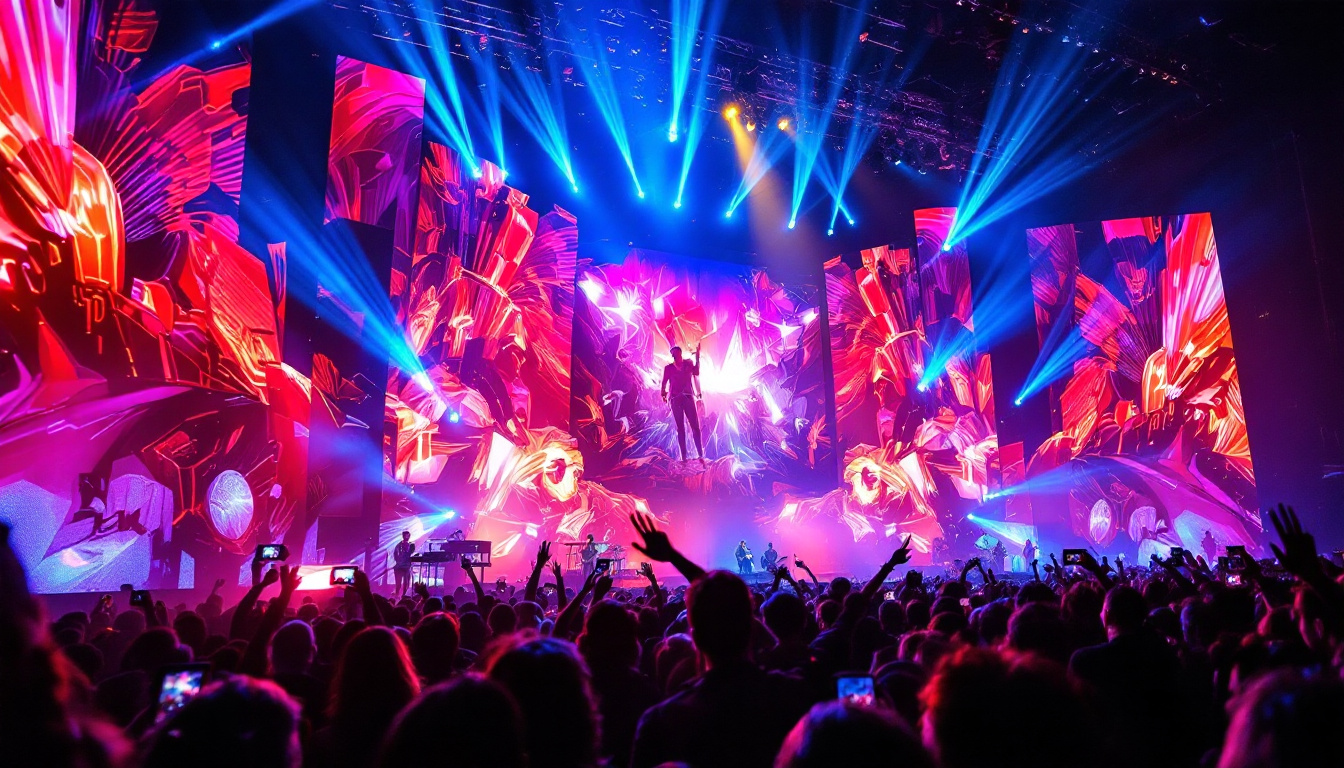
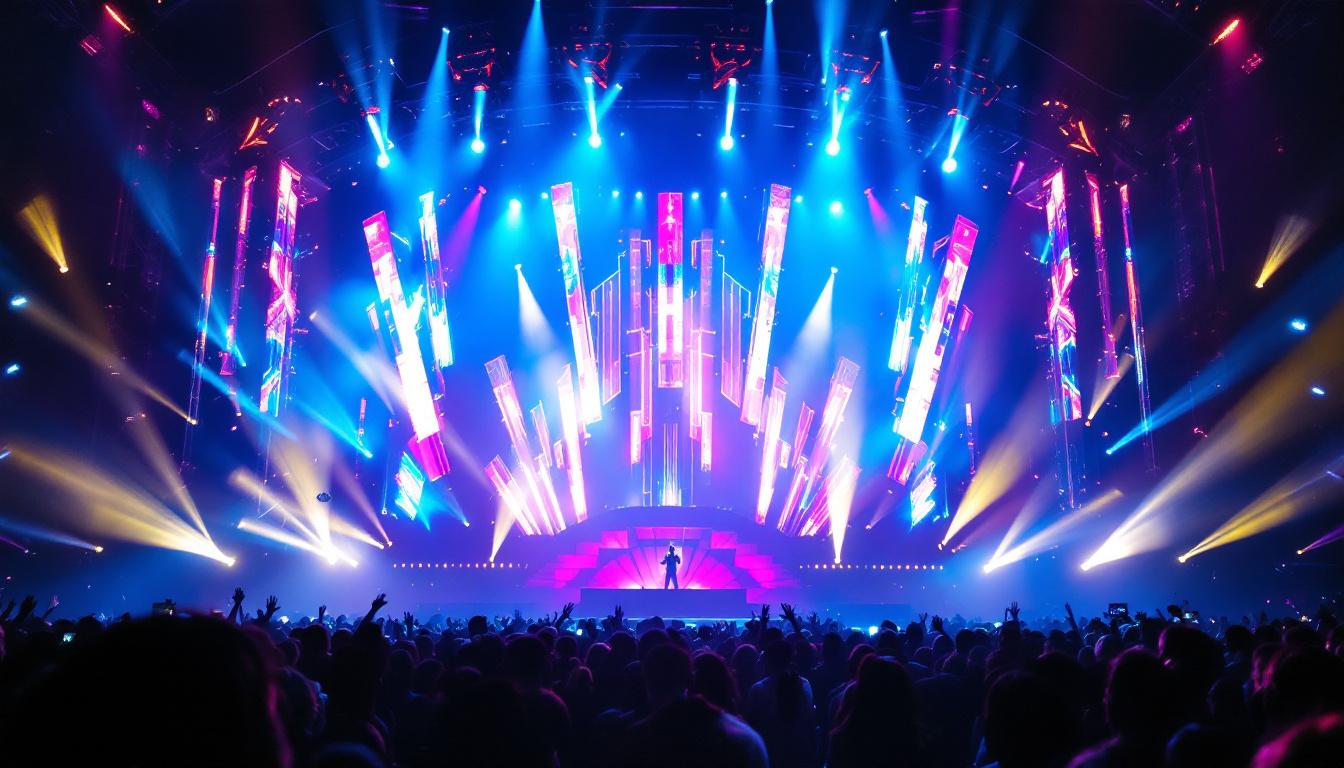
One of the most prominent uses of LED displays is in concerts and music festivals. Large LED video walls serve as backdrops that amplify the energy of live performances. They can display synchronized visuals that complement the music, such as abstract animations, thematic imagery, or live camera feeds of the performers. For instance, major artists like Beyoncé and Coldplay use expansive LED walls to create immersive visual storytelling that elevates the concert experience.
Additionally, LED floors and stage edges are sometimes integrated to extend the visual impact, allowing performers to interact with the visuals directly. This integration requires precise programming and synchronization with lighting and sound systems, highlighting the technical complexity behind these productions.
Theater and Performing Arts
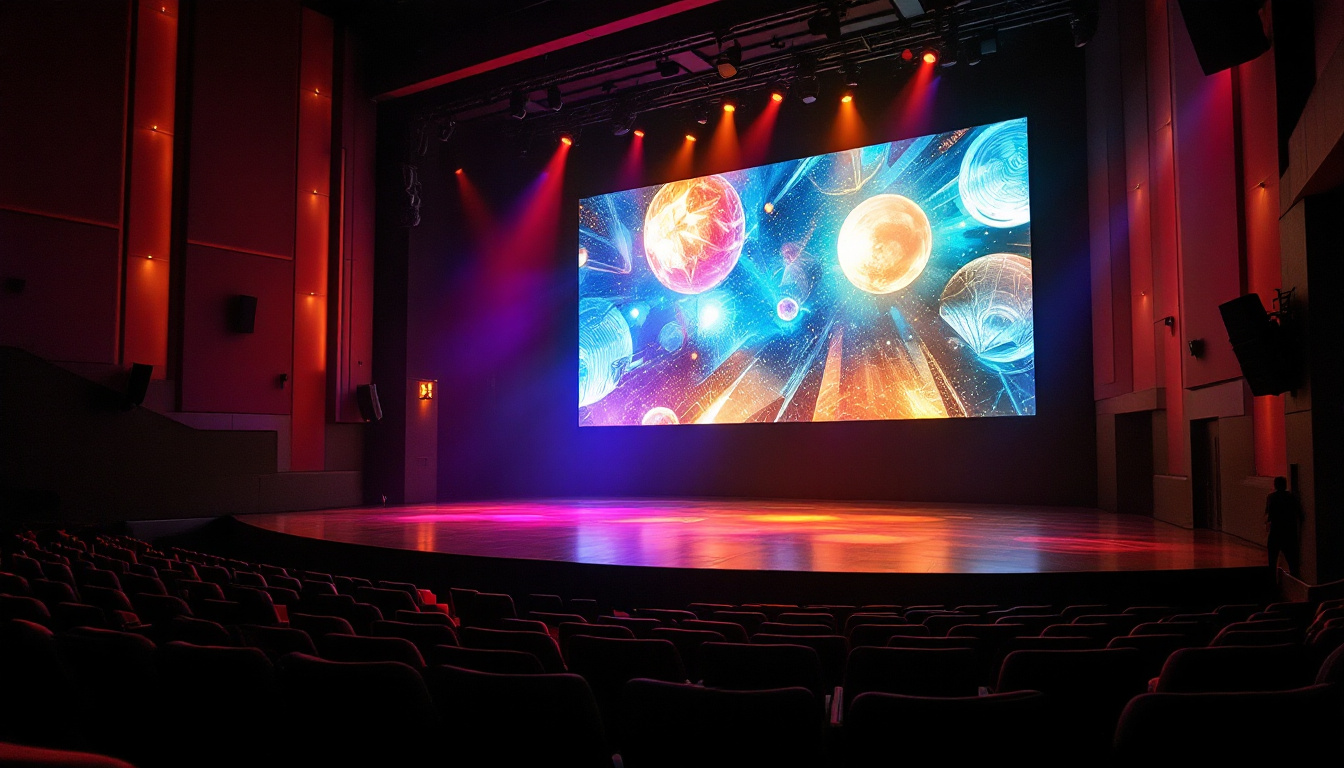
In theater, LED displays offer new storytelling tools by enabling rapid scene changes without physical set rebuilds. Productions can shift from a forest to a cityscape within seconds by changing the displayed background. This flexibility not only reduces production costs but also expands creative possibilities for directors and designers.
Transparent LED screens are particularly useful in theater, as they can create layered visual effects without obstructing the actors or stage elements. This technology supports immersive narratives and can be combined with traditional set pieces to enrich the audience’s visual experience.
Corporate Events and Trade Shows
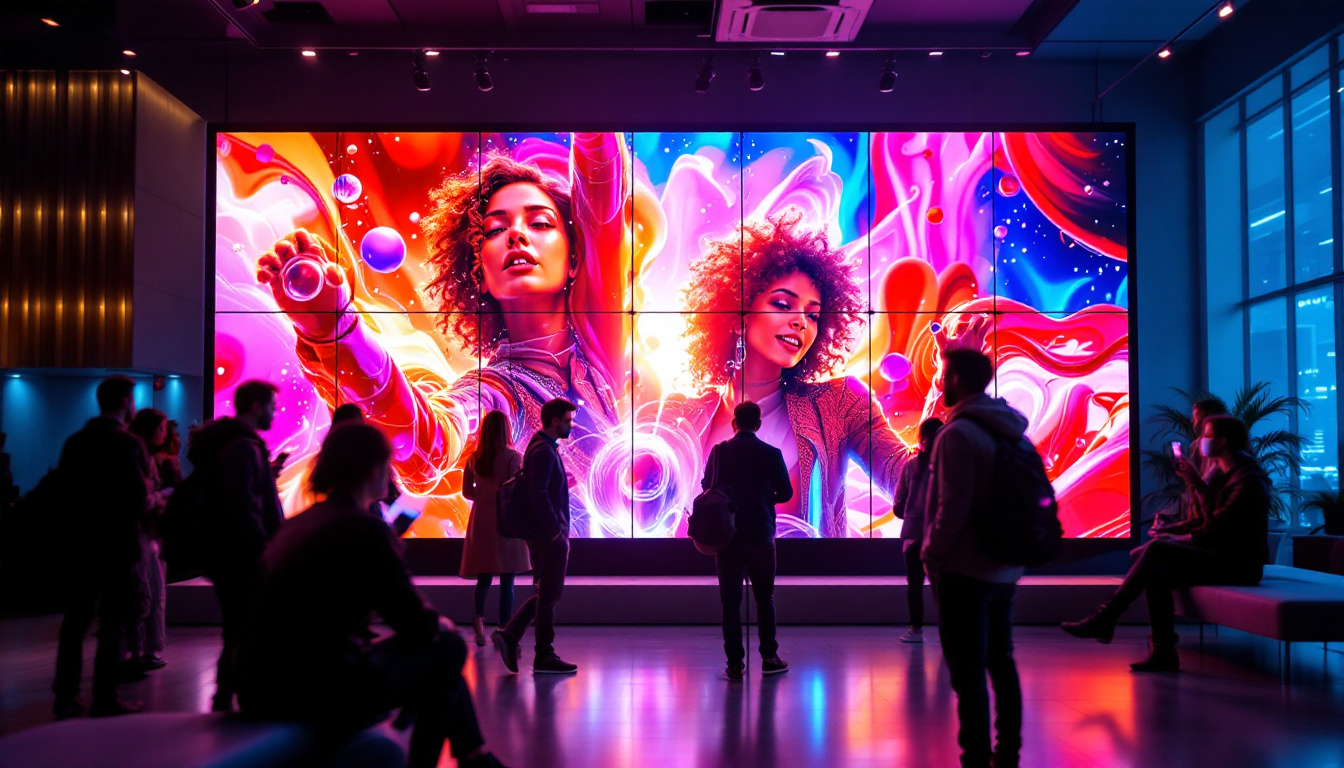
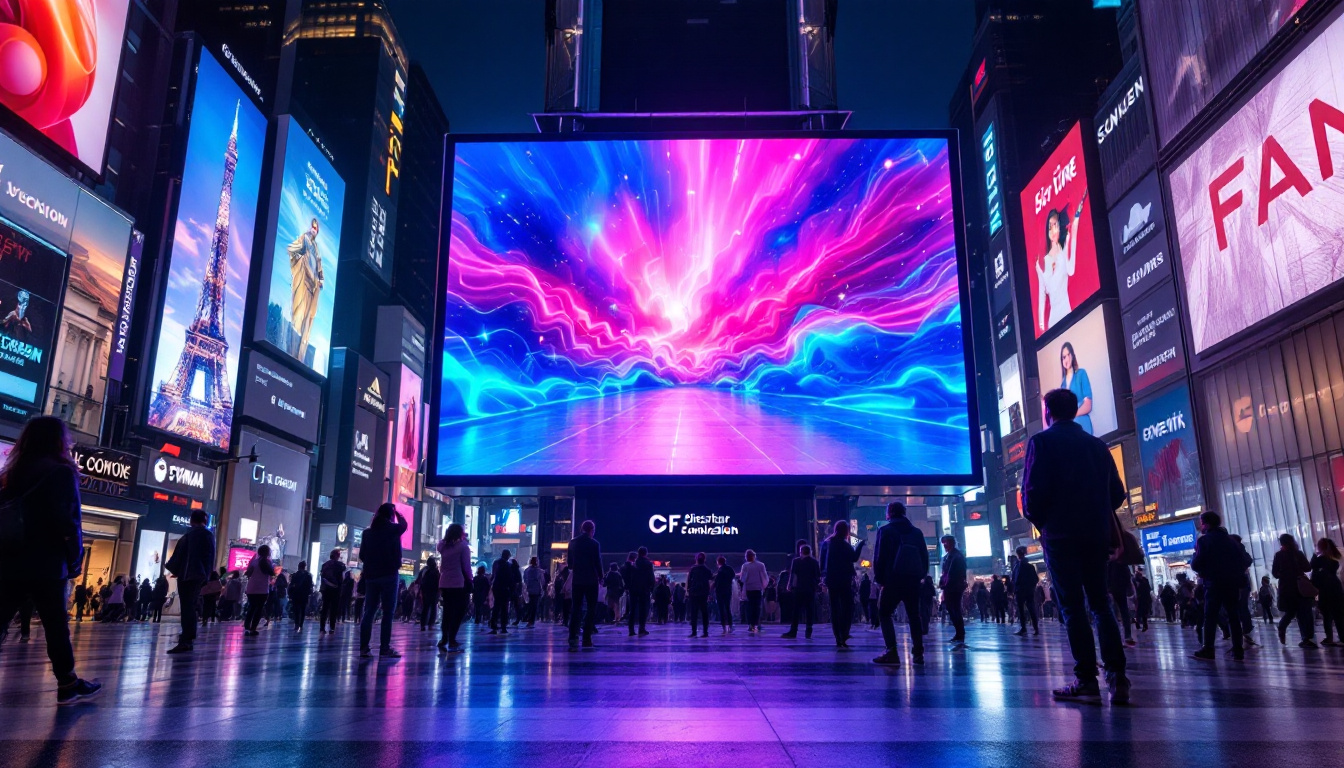
Corporate events leverage LED displays to deliver impactful presentations and branding. Large LED walls can showcase product videos, keynote presentations, and live social media feeds, making the event more engaging. The clarity and brightness of LED displays ensure visibility even in well-lit conference halls.
Trade shows use LED displays to attract attention and communicate messages effectively. Interactive LED walls that respond to touch or motion sensors are becoming increasingly popular, offering visitors an engaging way to explore products and services.
Benefits of Using LED Displays in Stage Design
Incorporating LED displays into stage design brings numerous advantages, making them a preferred choice for event producers and designers worldwide.
Visual Impact and Versatility
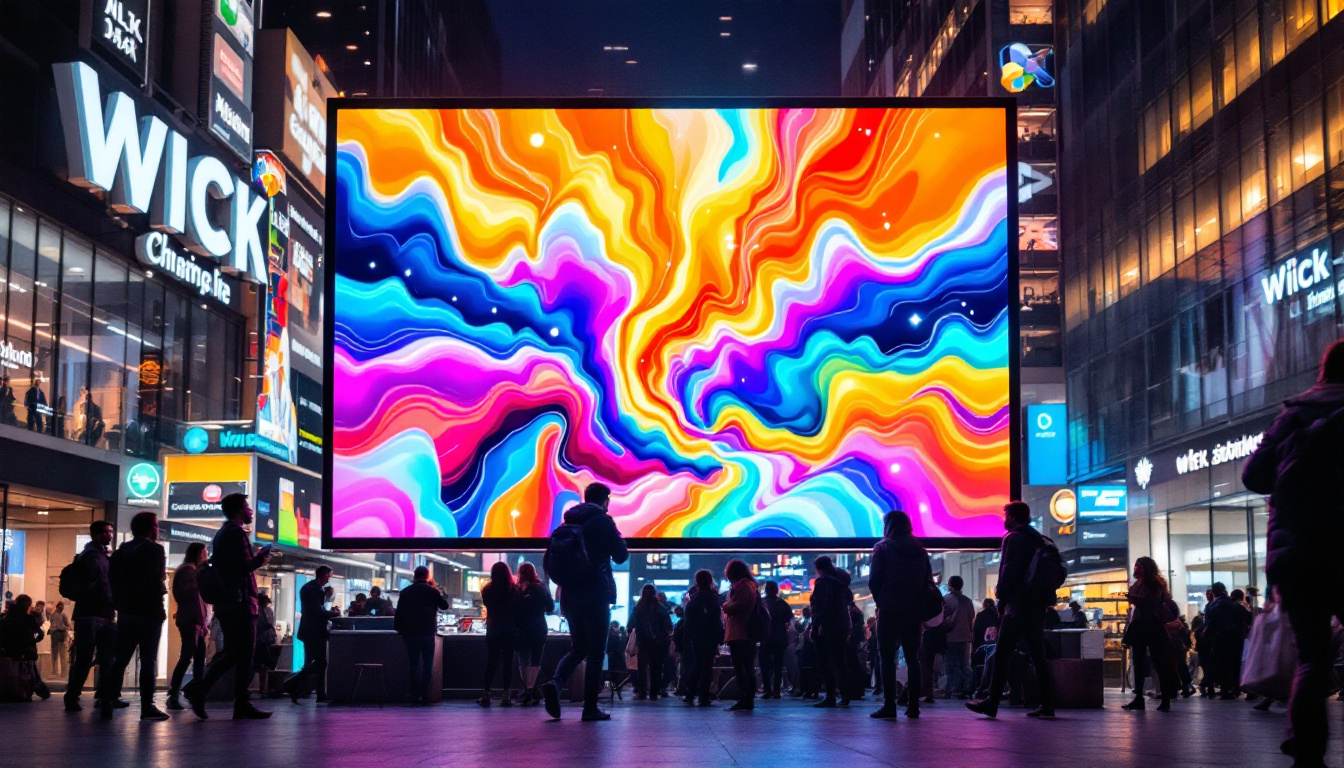
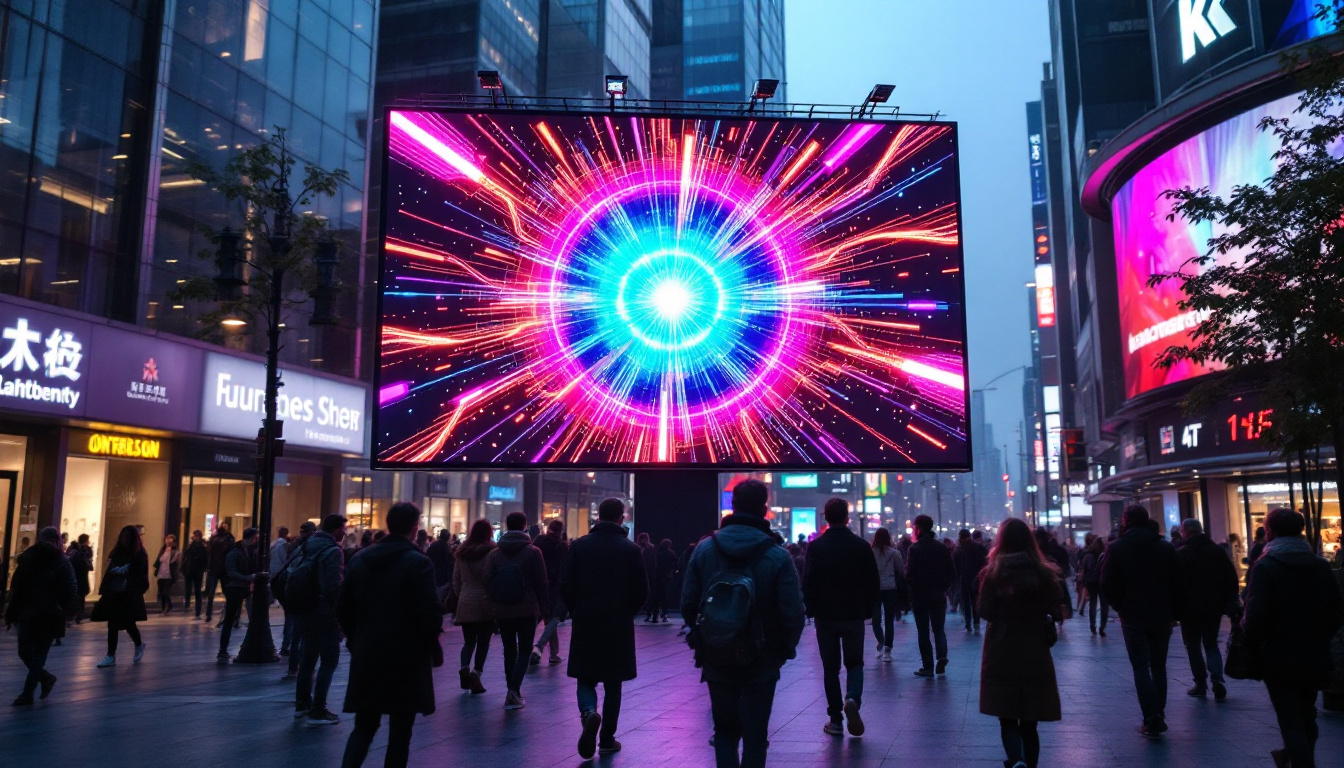
LED displays offer unmatched brightness and color vibrancy, which ensures that visuals remain clear and captivating regardless of ambient lighting conditions. This is especially important for outdoor events or venues with challenging lighting environments.
The modular nature of LED panels allows for creative freedom in stage design. Designers can create custom shapes, curves, and even 3D structures, pushing the boundaries of traditional set design. This versatility supports a wide range of artistic visions and event types.
Durability and Reliability
LED displays are built to withstand the rigors of touring and outdoor use. They are resistant to weather elements such as rain and dust when properly rated, making them suitable for festivals and open-air concerts. Their long lifespan and low maintenance requirements reduce operational costs over time.
Moreover, LED technology offers consistent performance with minimal downtime, which is critical for live events where technical failures can disrupt the entire production.
Energy Efficiency and Sustainability
Compared to traditional lighting and projection systems, LED displays consume less power, contributing to lower energy costs and a reduced carbon footprint. This efficiency aligns with the growing emphasis on sustainability in the events industry.
Many manufacturers now offer LED products designed with eco-friendly materials and recyclable components, further supporting sustainable event practices.
Key Considerations When Integrating LED Displays
While LED displays offer many benefits, successful integration into stage design requires careful planning and expertise.
Resolution and Viewing Distance
Choosing the appropriate pixel pitch and resolution is crucial. For audiences seated close to the stage, a high-resolution display with a small pixel pitch is necessary to avoid visible pixelation. Conversely, for large venues with distant viewers, a larger pixel pitch is more cost-effective without compromising perceived image quality.
Content Creation and Management
LED displays demand high-quality, well-prepared content to maximize their impact. Content creators must consider the display’s resolution, aspect ratio, and brightness to design visuals that look sharp and vibrant. Additionally, content management systems that control playback, synchronization, and live inputs are essential for smooth operation during events.
Installation and Structural Support
LED panels can be heavy and require robust rigging or support structures, especially for large-scale installations. Safety is paramount, so working with experienced riggers and engineers is necessary to ensure secure mounting and compliance with venue regulations.
Furthermore, power supply and cooling systems must be planned to maintain optimal performance and prevent overheating during extended use.
Budget and Logistics
LED displays can represent a significant portion of the event budget. Costs vary based on size, resolution, and additional features like flexibility or transparency. It is important to balance visual ambitions with financial realities and explore rental options if purchasing is not feasible.
Logistical considerations include transportation, setup time, and compatibility with other stage elements. Early coordination among production teams helps avoid last-minute challenges.
Case Study: Iconic Use of LED Displays in Stage Design
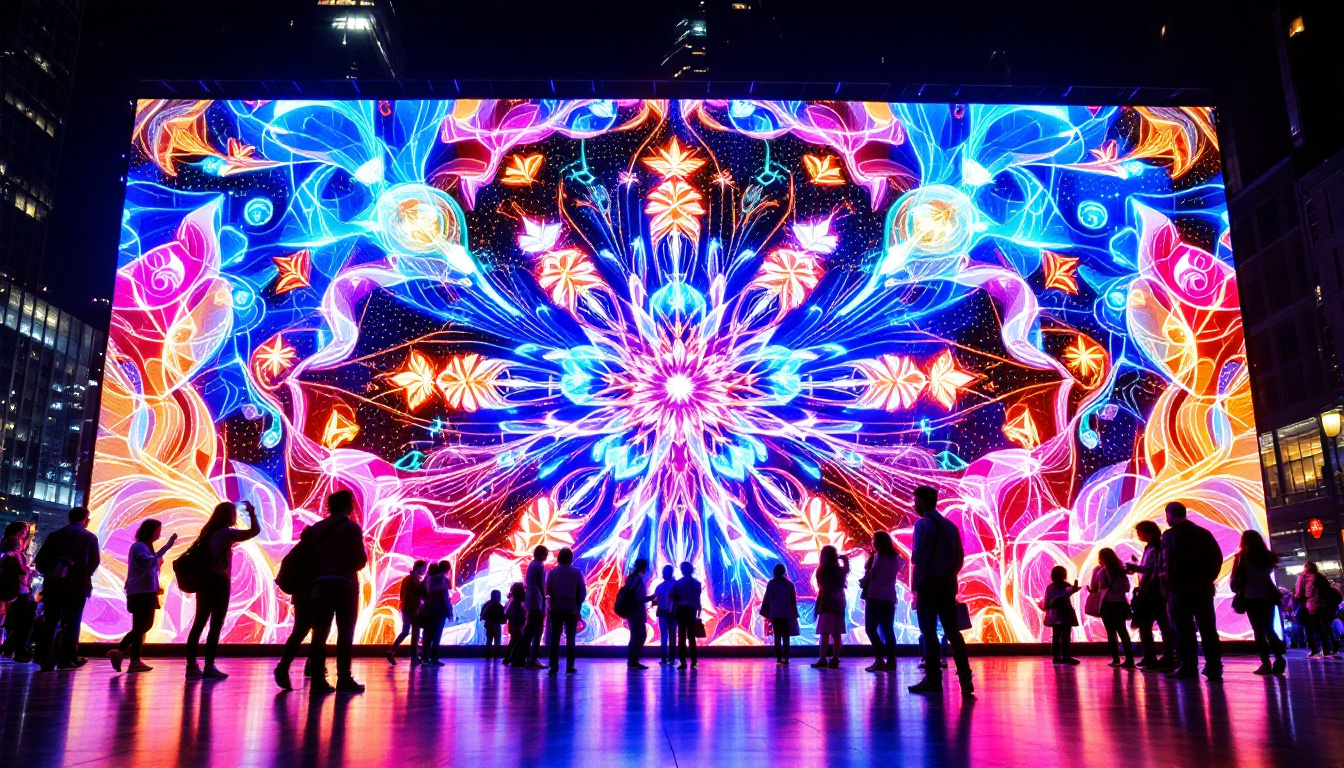
One of the most celebrated examples of LED display integration in stage design is the 2012 London Olympics opening ceremony. The production featured a massive LED floor that transformed the stadium into a dynamic canvas. The floor displayed intricate animations, from blooming flowers to shifting landscapes, synchronized perfectly with the performers’ movements.
This innovative use of LED technology not only enhanced the storytelling but also demonstrated the potential of LED displays to create large-scale immersive environments. The success of this event set a new standard for live production design worldwide.
Future Trends in LED Stage Design
The future of LED displays in stage design is bright, with ongoing advancements promising even greater creative possibilities.
MicroLED and MiniLED Technologies
Emerging MicroLED and MiniLED technologies offer higher pixel densities and improved brightness with lower power consumption. These displays can deliver near-retina quality visuals, opening new avenues for ultra-high-definition stage backdrops and interactive elements.
Augmented Reality and LED Integration
Combining LED displays with augmented reality (AR) can create hybrid environments where physical and digital elements coexist seamlessly. This fusion can enhance audience engagement by blending live performance with virtual enhancements.
AI-Driven Content and Automation
Artificial intelligence is beginning to influence content creation and display management. AI algorithms can generate real-time visuals that adapt to music, audience reactions, or performer movements, making stage design more responsive and personalized.
Conclusion
LED displays have transformed stage design by offering unparalleled visual impact, flexibility, and reliability. Their ability to deliver vibrant, dynamic content in diverse environments makes them indispensable for modern live events. Understanding the technology, applications, and practical considerations is essential for designers and producers aiming to create compelling and innovative stage experiences.
As LED technology continues to evolve, it will undoubtedly inspire new forms of artistic expression and audience engagement, solidifying its role as a fundamental component of stage design for years to come.
Illuminate Your Stage with LumenMatrix
Ready to elevate your next live event with the visual power of LED displays? Discover LumenMatrix’s innovative solutions, from Indoor and Outdoor LED Wall Displays to Custom and All-in-One LED solutions. Whether you’re looking to create an immersive concert experience, a dynamic theater production, or an engaging corporate event, LumenMatrix has the technology to bring your vision to life. Check out LumenMatrix LED Display Solutions today and transform your stage into a captivating visual journey.