The celebration of Easter is a pivotal moment in the Christian calendar, symbolizing renewal, hope, and resurrection. Churches around the world seek to enhance this sacred occasion by creating visually captivating environments that inspire their congregations. In recent years, LED display technology has emerged as a transformative tool in church decorations, blending tradition with innovation. This article explores how LED displays are used in churches during Easter, the benefits they offer, and practical considerations for implementation.
The Evolution of Easter Decorations in Churches
Historically, Easter decorations in churches have centered around natural elements such as lilies, palms, and vibrant floral arrangements. These symbols represent purity, victory, and new life. Stained glass windows and candlelight have traditionally contributed to the ambiance, creating a solemn yet celebratory atmosphere. The use of these elements not only beautifies the space but also serves to remind congregants of the deeper meanings behind the Easter celebration, drawing on centuries of tradition and symbolism.
However, as technology has advanced, churches have incorporated modern elements to engage their congregations more dynamically. The introduction of LED displays marks a significant shift, allowing for versatile, bright, and interactive decorations that can be tailored to the themes of Easter. This evolution reflects a broader trend in worship spaces, where the goal is to create an environment that resonates with both the spiritual and emotional needs of the community.
From Static to Dynamic: The Role of LED Displays
LED (Light Emitting Diode) displays have revolutionized visual communication across many sectors, including places of worship. Unlike static banners or printed materials, LED displays can show a sequence of images, videos, and animations, providing a rich storytelling medium. During Easter, this means churches can visually narrate the Passion, Resurrection, and related biblical stories in an immersive way. The ability to change visuals quickly allows for a more responsive and engaging worship experience, catering to the diverse preferences of congregants.
For example, some churches use large LED screens to project scenes of the empty tomb or the sunrise, symbolizing Christ’s resurrection. Others integrate LED strips along architectural features to highlight crosses, arches, and altar spaces, enhancing the spiritual experience. Additionally, many congregations have begun to incorporate interactive elements, such as QR codes linked to digital devotionals or augmented reality experiences that allow parishioners to explore the Easter story in a more personal and engaging manner. This blend of tradition and innovation not only captivates the younger generation but also enriches the worship experience for all ages, fostering a deeper connection to the Easter narrative.
Benefits of Using LED Displays for Easter Decorations
LED technology offers numerous advantages over traditional decoration methods, making it an increasingly popular choice for Easter celebrations in churches.
Enhanced Visual Impact and Engagement
One of the primary benefits is the ability to captivate and engage congregants through vivid, bright displays. LEDs produce vibrant colors and sharp images that are visible even in well-lit environments, ensuring that the message of Easter reaches everyone in the sanctuary clearly.
Interactive or changing displays can maintain attention throughout services, especially during extended Easter programs that include storytelling, music, and prayer. This dynamic approach helps congregations connect emotionally with the themes of resurrection and hope.
Flexibility and Customization
LED displays allow churches to customize content easily. Whether it’s displaying scripture verses, hymn lyrics, or thematic visuals, content can be updated quickly without the need for new physical materials. This flexibility is particularly useful during the Easter season, which often involves multiple services and events.
Moreover, LED displays can be programmed to match the church’s liturgical colors and symbols, reinforcing the sacred atmosphere. For instance, soft purples and whites can be used during Lent and Easter Sunday, respectively, aligning with traditional Christian symbolism.
Energy Efficiency and Durability
Compared to incandescent or fluorescent lighting, LEDs consume significantly less energy, reducing operational costs for churches. This is an important consideration for many congregations operating on limited budgets.
Additionally, LED displays are durable and have long lifespans, often exceeding 50,000 hours of use. This longevity means that churches can invest in LED technology as a long-term enhancement to their worship spaces, not just a seasonal decoration.
Practical Applications of LED Displays in Easter Church Decor
Understanding how LED displays can be integrated into church spaces helps illustrate their transformative potential. Here are some common applications that churches have successfully implemented during Easter celebrations.
Large-Scale LED Screens for Visual Storytelling
Many churches install large LED screens behind the altar or on side walls to project Easter-themed visuals. These screens can display high-resolution images and videos depicting biblical scenes such as the Last Supper, Crucifixion, and Resurrection.
During sermons or Easter plays, these screens serve as dynamic backdrops, enhancing the narrative and making the stories more accessible, especially for younger congregants or those new to the faith.
LED Lighting to Highlight Architectural Features
LED strips and spotlights can be used to accentuate crosses, stained glass, or altar decorations. For example, programmable LED strips can change colors to reflect the liturgical calendar, moving from the penitential purple of Lent to the joyful white and gold of Easter.
This subtle yet effective use of lighting helps create a contemplative and celebratory mood, reinforcing the spiritual significance of the space.
Interactive LED Displays for Congregational Participation
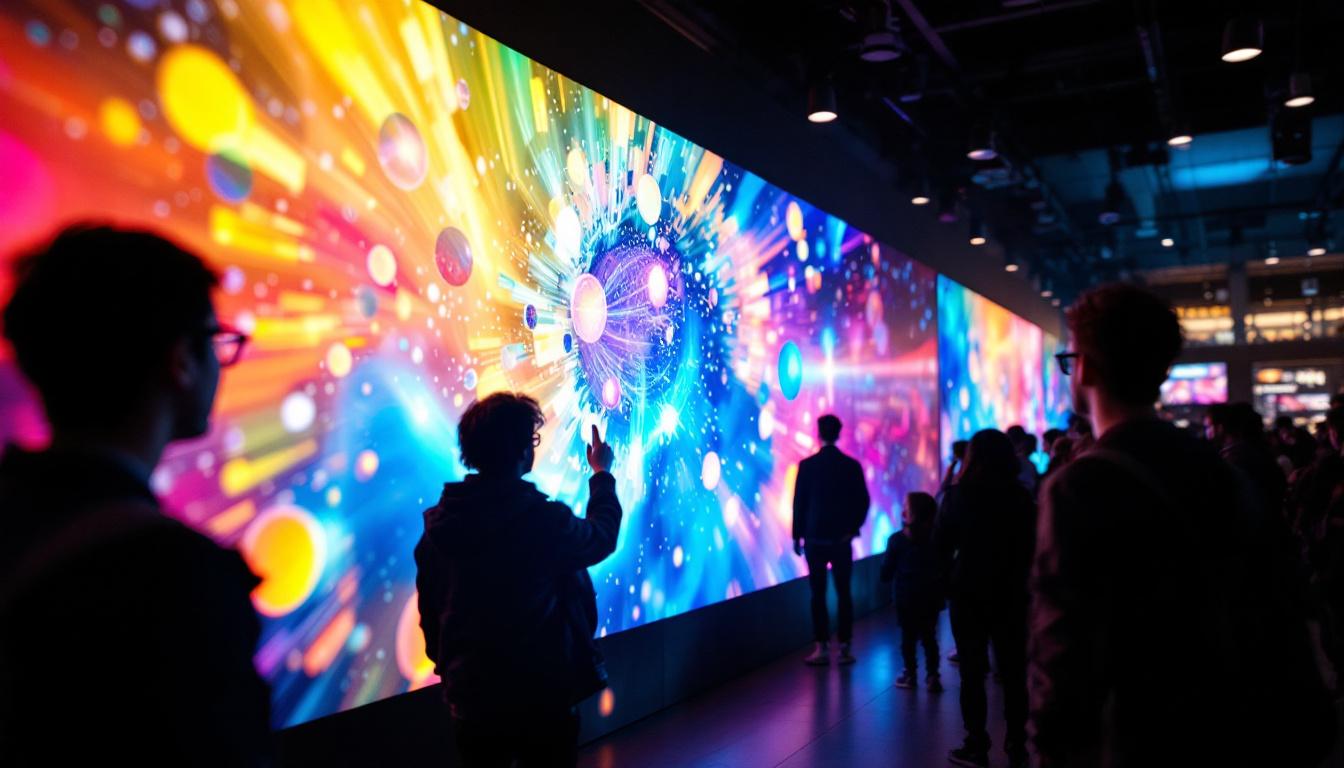
Some churches incorporate interactive LED panels or walls that respond to touch or motion. These can be used during Easter events for activities such as prayer requests, hymn selections, or displaying messages from the congregation.
Such interactivity fosters a sense of community and involvement, making Easter celebrations more inclusive and memorable.
Considerations for Implementing LED Displays in Churches
While LED displays offer many benefits, churches should carefully plan their integration to ensure the technology complements the worship experience rather than distracting from it.
Budget and Cost Management
LED installations can range from affordable small panels to large-scale, high-resolution video walls. Churches should assess their budget constraints and prioritize features that offer the greatest impact for their investment.
Leasing options or phased installations can help manage costs. Additionally, grants and donations specifically for technology upgrades may be available through religious foundations or community programs.
Technical Expertise and Maintenance
Installing and operating LED displays requires technical knowledge. Churches should consider partnering with experienced audiovisual professionals to ensure proper setup, calibration, and ongoing maintenance.
Training for church staff or volunteers is also essential to manage content updates and troubleshoot minor issues, ensuring smooth operation during critical Easter services.
Balancing Tradition and Technology
It is important to maintain the reverence and solemnity of Easter while using modern technology. LED displays should enhance, not overshadow, the spiritual focus of the celebration.
Consulting with clergy and worship leaders when designing content and placement helps strike the right balance, preserving the sacred atmosphere while embracing innovation.
Case Studies: Successful LED Implementations in Easter Celebrations
Several churches have set inspiring examples by integrating LED displays into their Easter decorations effectively.
St. Mary’s Cathedral: Immersive Resurrection Experience
St. Mary’s Cathedral installed a 12-foot-wide LED screen behind the altar to project a sunrise over the empty tomb on Easter Sunday. The display was synchronized with live choir performances, creating an immersive sensory experience that deeply moved attendees.
The church reported a 30% increase in Easter service attendance the following year, attributing part of this growth to the enhanced worship environment created by the LED technology.
Grace Community Church: Interactive Prayer Wall
Grace Community Church introduced an interactive LED wall during their Easter vigil service. Congregants were invited to submit prayer requests via a mobile app, which were then displayed on the wall in real-time.
This initiative fostered a strong sense of community and participation, with many attendees expressing that the visual connection to collective prayers enriched their spiritual experience.
First Baptist Church: Architectural Lighting Transformation
First Baptist Church used programmable LED strips to illuminate the sanctuary’s arches and cross with changing colors throughout Holy Week. The lighting transitioned from somber purples to radiant whites and golds, visually narrating the journey from crucifixion to resurrection.
The church noted that this subtle use of LED lighting helped congregants feel more connected to the liturgical progression, enhancing meditation and worship.
Future Trends in LED Use for Church Decorations
As LED technology continues to evolve, churches are exploring new ways to incorporate it into their worship spaces, especially during significant celebrations like Easter.
Integration with Augmented Reality (AR)
Emerging AR technologies, combined with LED displays, offer possibilities for interactive biblical storytelling. Congregants could use smartphones or AR glasses to see additional layers of content overlaid on LED visuals, creating a deeply engaging worship experience.
Eco-Friendly and Sustainable Solutions
With growing environmental awareness, churches are prioritizing energy-efficient LED systems powered by renewable energy sources. Solar-powered LED installations for outdoor Easter events are becoming more common, aligning ecological stewardship with spiritual values.
Personalized Worship Experiences
Advancements in LED display interactivity may enable more personalized worship experiences, such as displaying individual prayer names or customized scripture verses during services. This personalization can deepen the connection between congregants and the Easter message.
Conclusion
LED displays have become a powerful tool for churches seeking to enrich their Easter celebrations. By combining vivid visuals, flexibility, and energy efficiency, LED technology helps create immersive worship environments that resonate with modern congregations while honoring timeless traditions.
Careful planning, collaboration with technical experts, and sensitivity to liturgical themes ensure that LED decorations enhance the spiritual significance of Easter. As technology advances, the possibilities for creative and meaningful church decorations will continue to expand, offering new ways to celebrate the resurrection and inspire faith communities worldwide.
Illuminate Your Easter Celebrations with LumenMatrix
As you seek to inspire and connect with your congregation this Easter, consider the transformative power of LED displays from LumenMatrix. Our innovative solutions, ranging from Indoor and Outdoor LED Wall Displays to Custom and Transparent LED Displays, are designed to bring your church’s message to life. Embrace the future of visual storytelling and create an unforgettable worship experience with our cutting-edge technology. Check out LumenMatrix LED Display Solutions today and let your Easter celebration shine brighter than ever.