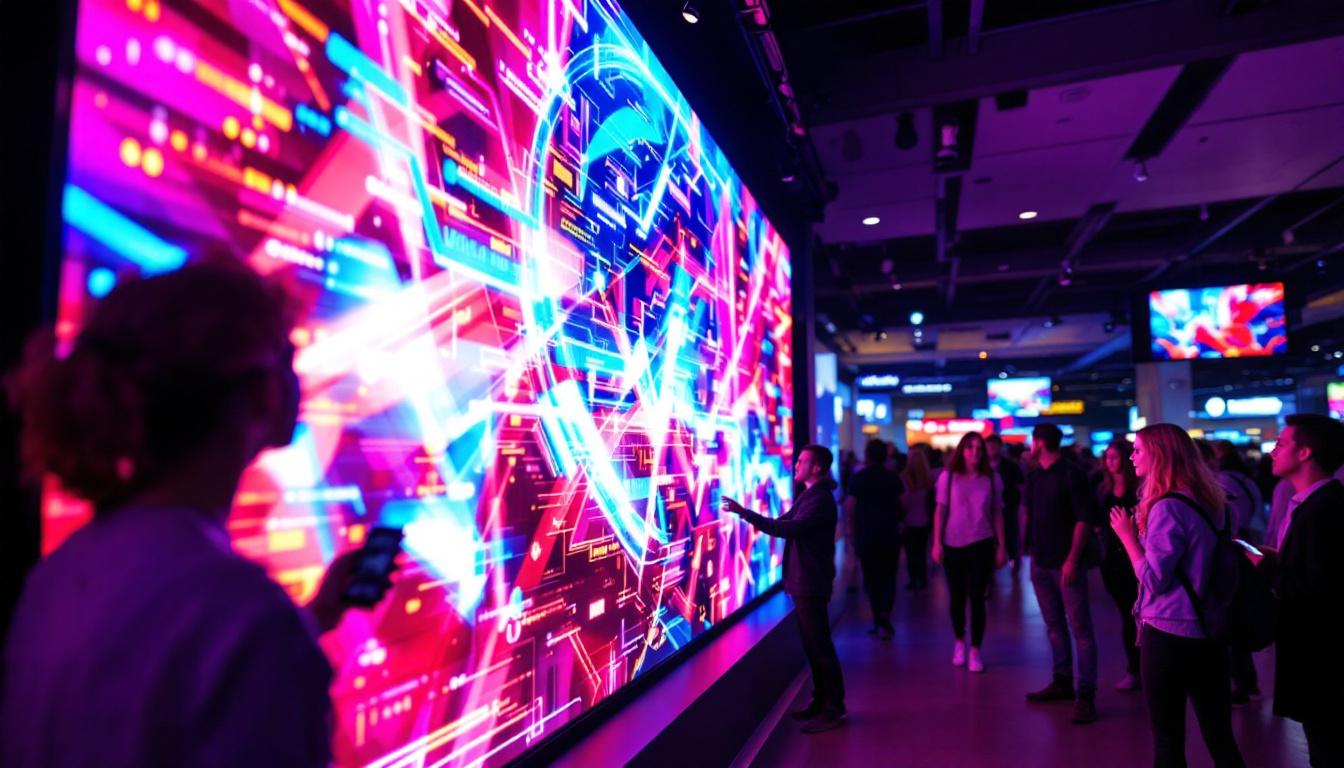
In an era where visual technology continues to evolve at a breakneck pace, LED displays have become central to delivering immersive and impactful visual experiences. From massive stadium screens to colossal advertising billboards, the biggest LED screens in the world captivate audiences with their sheer scale and stunning clarity. This article delves into the technology behind these mammoth displays, explores some of the most impressive examples globally, and explains why LED screens have become the preferred choice for large-format visuals.
Understanding LED Display Technology
What is an LED Display?
LED stands for Light Emitting Diode, a semiconductor device that emits light when an electric current passes through it. An LED display is essentially a matrix of these tiny diodes arranged to form pixels. When combined, these pixels create images, videos, or text that can be seen from great distances. Unlike traditional LCD or projection screens, LED displays are self-illuminating, meaning each pixel produces its own light, resulting in higher brightness and contrast. This self-illuminating feature not only enhances visibility but also allows for more dynamic color ranges, making LED displays particularly appealing for applications where color accuracy is crucial, such as in art installations and digital signage.
Key Components of LED Screens
At the heart of every LED screen is the LED module, which contains multiple LEDs grouped into pixels. These modules are assembled into panels, which are then combined to create the full display. The screen’s resolution depends on the density of LEDs, often referred to as pixel pitch—the distance between the centers of two adjacent pixels. A smaller pixel pitch means higher resolution and sharper images, but this also increases cost and complexity. Moreover, advancements in technology have led to the development of flexible LED displays, which can be curved or shaped to fit unique installations, providing designers with unprecedented creative freedom.
Another critical component is the control system, which processes video input and synchronizes the display output. Modern LED screens use sophisticated processors and software to manage color calibration, brightness, and refresh rates, ensuring smooth and vibrant visuals even under challenging lighting conditions. This control system is often integrated with advanced features such as real-time content management, enabling operators to update displays remotely and schedule content changes seamlessly. As a result, LED displays can be utilized for various applications, from advertising to live event broadcasting, adapting to the specific needs of each environment.
Advantages of LED Displays Over Other Technologies
LED displays offer several advantages that make them ideal for large-scale applications. First, their brightness levels far exceed those of LCD and projection screens, often reaching over 5,000 nits, which allows them to be clearly visible even in direct sunlight. This makes them perfect for outdoor advertising, sports arenas, and public events. Furthermore, the durability of LED technology means that these displays can withstand harsh weather conditions, making them a reliable choice for outdoor installations that require minimal maintenance and long-term performance.
Additionally, LED screens have excellent viewing angles, typically close to 160 degrees both horizontally and vertically, so the image quality remains consistent regardless of where the viewer stands. They also boast longer lifespans, often exceeding 100,000 hours of operation, and are energy-efficient compared to other lighting technologies. This energy efficiency not only reduces operational costs but also aligns with growing environmental concerns, as many businesses seek to lower their carbon footprint. As a result, LED displays are becoming a preferred choice for organizations looking to invest in sustainable technology while delivering high-quality visual experiences.
The Biggest LED Screens in the World: A Showcase of Scale and Innovation
The Fremont Street Experience, Las Vegas
One of the most iconic examples of a massive LED screen is the Fremont Street Experience in Las Vegas, Nevada. This canopy-style display stretches over 1,500 feet long and 90 feet wide, covering the pedestrian mall with a vibrant LED ceiling. It comprises over 12.5 million LEDs, delivering spectacular light shows and immersive entertainment to millions of visitors annually.
What makes this screen remarkable is not just its size but also its integration with sound and interactive elements, creating a multi-sensory experience that redefines urban entertainment spaces. The Fremont Street Experience hosts regular concerts and events, where the LED canopy synchronizes with live performances, enhancing the atmosphere and drawing crowds into the heart of Las Vegas. This innovative approach to public entertainment has transformed the area into a bustling hub of activity, where visitors can enjoy a mix of live music, dazzling visuals, and the vibrant nightlife that Las Vegas is famous for.
The Dubai Mall LED Screen
Dubai is renowned for pushing the boundaries of architectural and technological innovation, and its LED screen at The Dubai Mall is no exception. This massive display spans approximately 20,000 square feet, making it one of the largest indoor LED screens globally. It is used for advertisements, live events, and artistic displays, captivating shoppers with its vivid imagery and dynamic content.
The screen’s high resolution and brightness allow it to display intricate visuals with remarkable clarity, even under the mall’s ambient lighting conditions. Moreover, the LED screen is often utilized for special events, such as holiday celebrations and cultural festivals, where it showcases stunning animations and themed content that resonate with the diverse audience visiting the mall. This not only enhances the shopping experience but also positions The Dubai Mall as a cultural landmark, where art and technology converge to create unforgettable moments for visitors from around the world.
The Abraj Al Bait Clock Tower, Mecca
Another contender for the biggest LED screen title is the clock face on the Abraj Al Bait Clock Tower in Mecca, Saudi Arabia. Each of the four clock faces measures about 141 feet in diameter, and the LED lighting system is integrated to illuminate the faces brilliantly, visible from miles away. This installation combines functional timekeeping with monumental visual impact, symbolizing the fusion of tradition and modern technology. The clock tower, part of a larger complex that includes hotels and shopping areas, serves as a focal point for pilgrims visiting the nearby Masjid al-Haram, making it an essential part of the spiritual journey for millions each year.
Other Noteworthy Large LED Displays
Beyond these headline-grabbing examples, numerous other LED screens stand out for their scale and technological sophistication. For instance, the scoreboard at the AT&T Stadium in Arlington, Texas, measures 160 feet wide by 72 feet tall, offering fans an unparalleled viewing experience during NFL games. This enormous display not only shows instant replays and game statistics but also engages the audience with interactive content, enhancing the overall excitement of the game day experience.
Similarly, the LED facade of the Burj Khalifa in Dubai serves as a canvas for spectacular light shows that transform the world’s tallest building into a giant digital display. The facade is often adorned with breathtaking animations that celebrate cultural events and national holidays, captivating both locals and tourists alike. These displays not only highlight the architectural marvel of the Burj Khalifa but also reflect the city’s commitment to innovation and creativity, making it a central part of Dubai’s identity as a global hub for tourism and entertainment.
Applications and Impact of Massive LED Screens
Advertising and Marketing
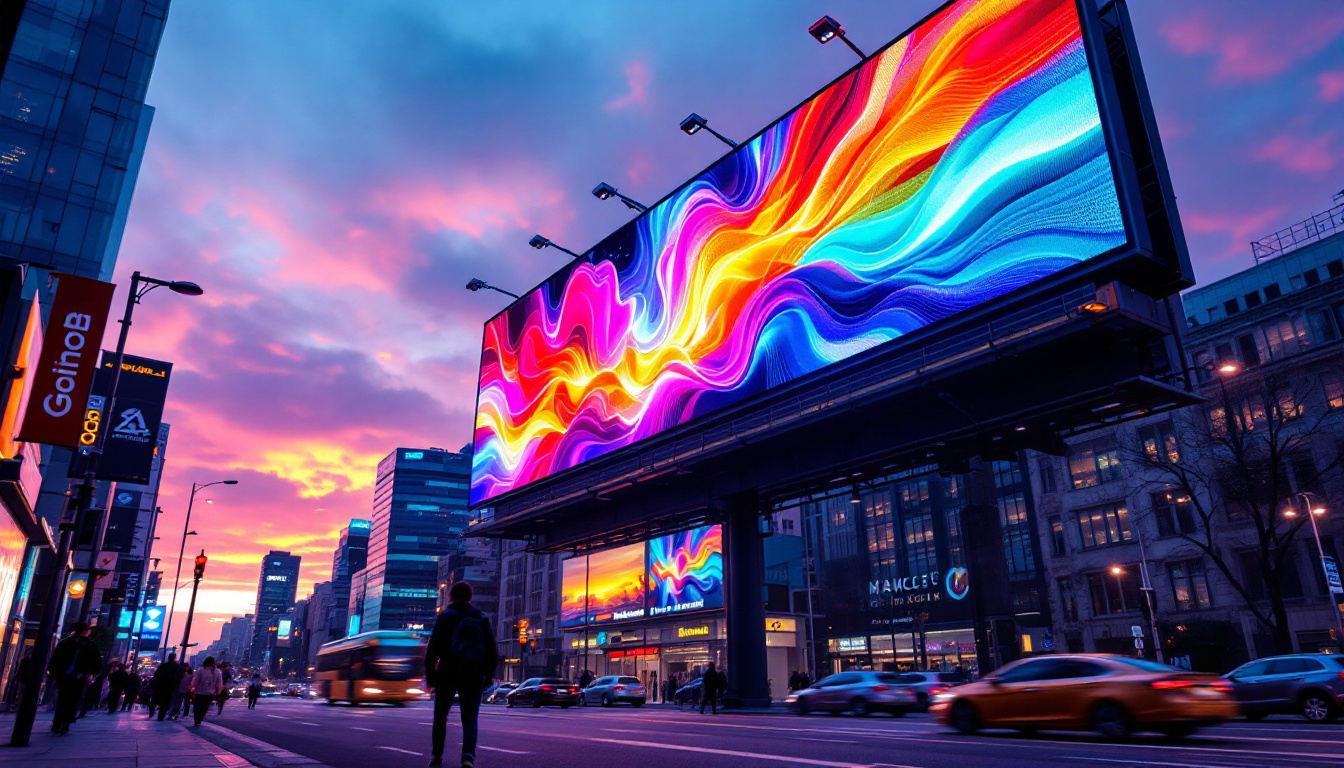
One of the most prominent uses of giant LED screens is in outdoor advertising. Billboards and digital signage in high-traffic areas leverage the brightness and dynamic capabilities of LED technology to capture attention and engage consumers. The ability to display video content, animations, and real-time updates provides advertisers with unprecedented flexibility and creativity.
For brands, investing in large LED displays can significantly boost visibility and brand recall, especially in competitive urban environments where standing out is crucial.
Sports and Entertainment Venues
Stadiums and arenas have embraced massive LED screens to enhance the spectator experience. These screens display live game footage, instant replays, player statistics, and interactive content, making events more engaging and immersive. The clarity and size of LED displays ensure that even fans seated far from the action can enjoy a close-up view.
Moreover, LED screens are often used for pre-game shows, concerts, and ceremonies, adding a visual spectacle that complements the live performances.
Public Information and Cultural Events
Governments and cultural organizations utilize large LED screens for public announcements, festivals, and celebrations. Whether it’s broadcasting important messages during emergencies or showcasing artistic performances during cultural events, these displays serve as powerful communication tools that reach broad audiences effectively.
Challenges and Future Trends in Mega LED Displays
Technical and Logistical Challenges
Constructing and maintaining the world’s biggest LED screens is no small feat. The sheer size requires meticulous engineering to ensure structural stability, weather resistance, and seamless image quality across panels. Managing heat dissipation is critical, as LEDs generate significant heat that can affect performance and longevity.
Additionally, content creation for ultra-large displays demands high-resolution video and graphics, which can be costly and technically complex. Synchronizing multiple panels to display a unified image without latency or distortion is another ongoing challenge.
Energy Consumption and Sustainability
While LED technology is more energy-efficient than many alternatives, the power demands of massive screens remain substantial. As environmental concerns grow, manufacturers and operators are exploring ways to reduce energy consumption through smarter power management, use of renewable energy sources, and improved LED efficiency.
Emerging Innovations
The future of large LED displays is promising, with advancements in microLED and miniLED technologies offering even higher resolution and brightness with lower power consumption. Flexible and transparent LED panels are opening new possibilities for architectural integration, allowing screens to blend seamlessly with building facades or curve around structures.
Artificial intelligence is also beginning to play a role in content optimization, enabling dynamic adjustment of visuals based on audience engagement, ambient light, and other factors.
Conclusion: The Power and Potential of the World’s Biggest LED Screens
The biggest LED screens in the world are more than just technological marvels; they are transformative tools that reshape how people experience information, entertainment, and public spaces. Their combination of scale, brightness, and versatility makes them indispensable in advertising, sports, cultural events, and urban design.
As LED technology continues to advance, these colossal displays will become even more impressive, sustainable, and integrated into daily life. Understanding the technology behind them and appreciating the challenges involved offers valuable insight into one of the most dynamic fields of modern visual communication.
Discover the Future of Visual Experience with LumenMatrix
As you’ve seen, the world’s biggest LED screens offer unparalleled opportunities for engagement and communication. If you’re inspired to elevate your space with the same level of impact and innovation, look no further than LumenMatrix. Our extensive range of LED display solutions, from Indoor and Outdoor LED Walls to Custom and Transparent Displays, is designed to bring your vision to life. Experience the cutting-edge of LED technology and transform your brand’s visibility with displays that captivate and resonate with audiences. Check out LumenMatrix LED Display Solutions today and join the revolution in visual communication.