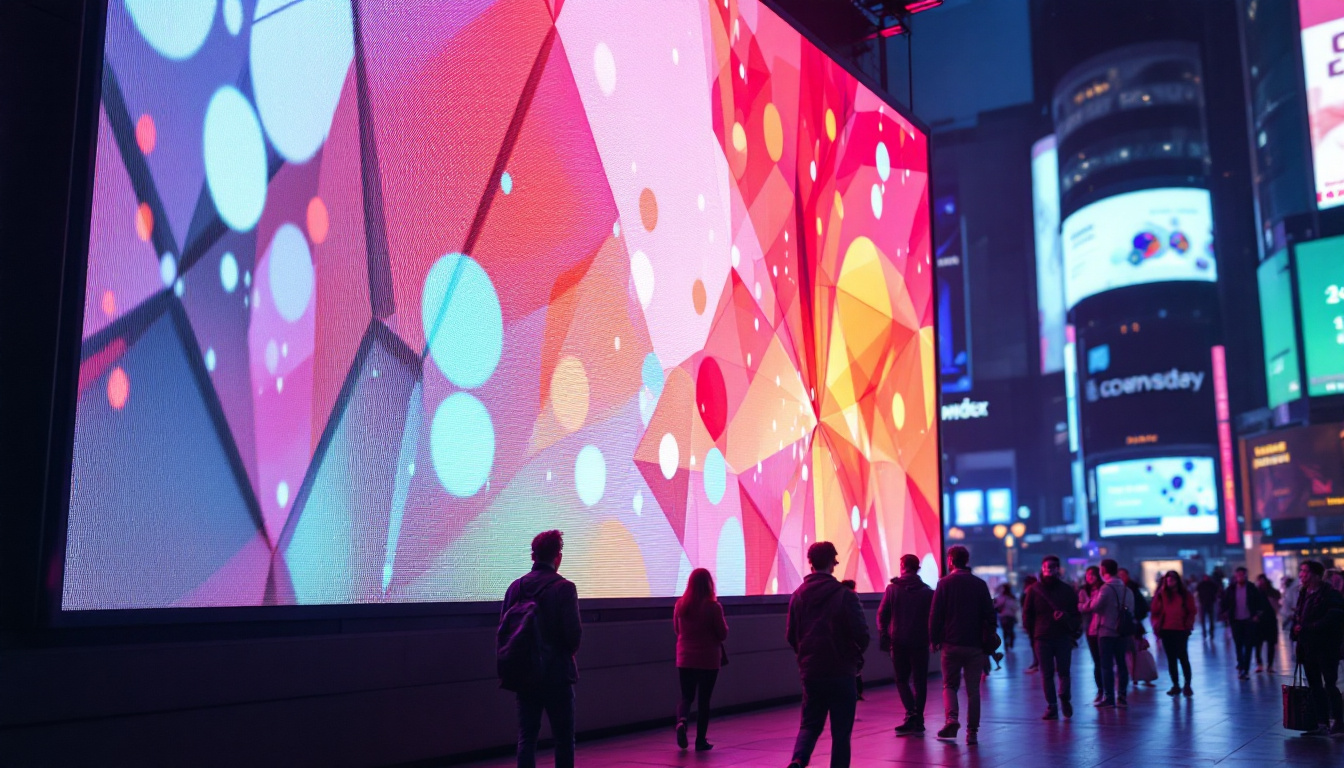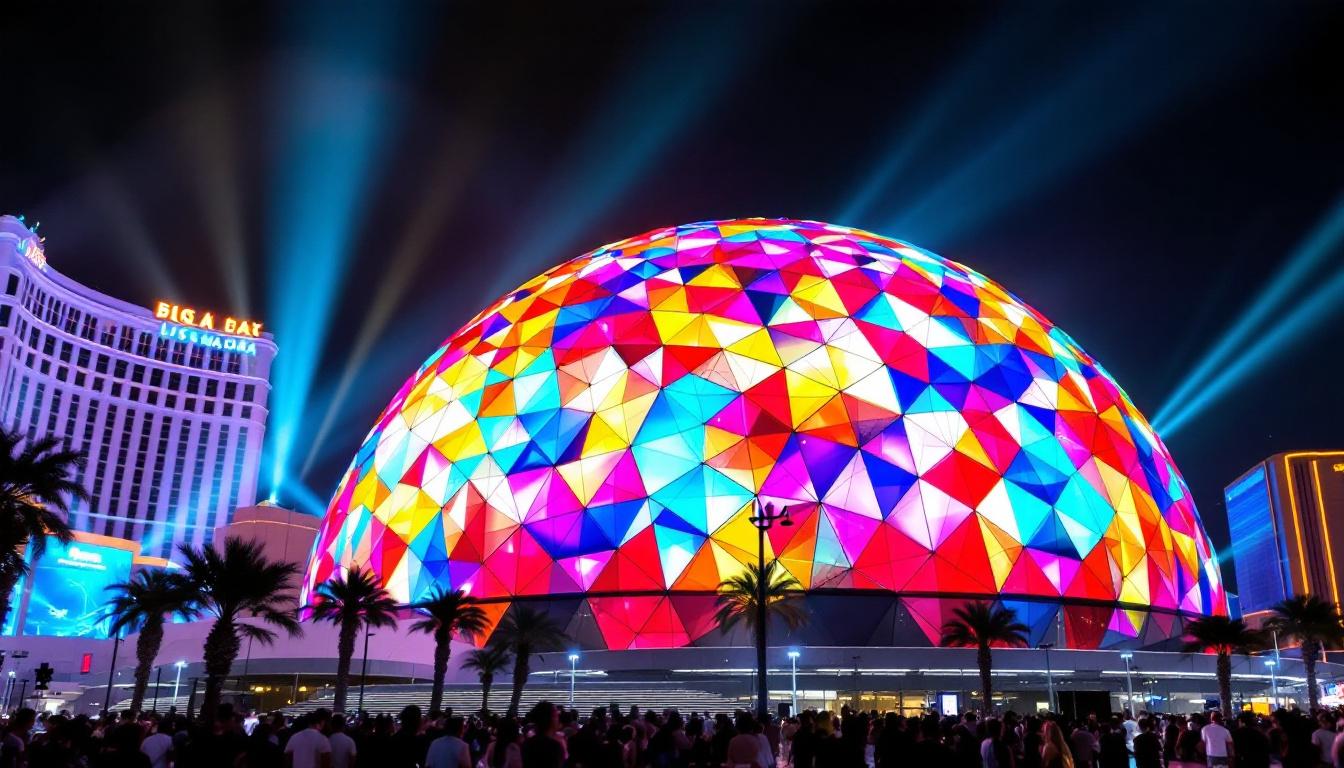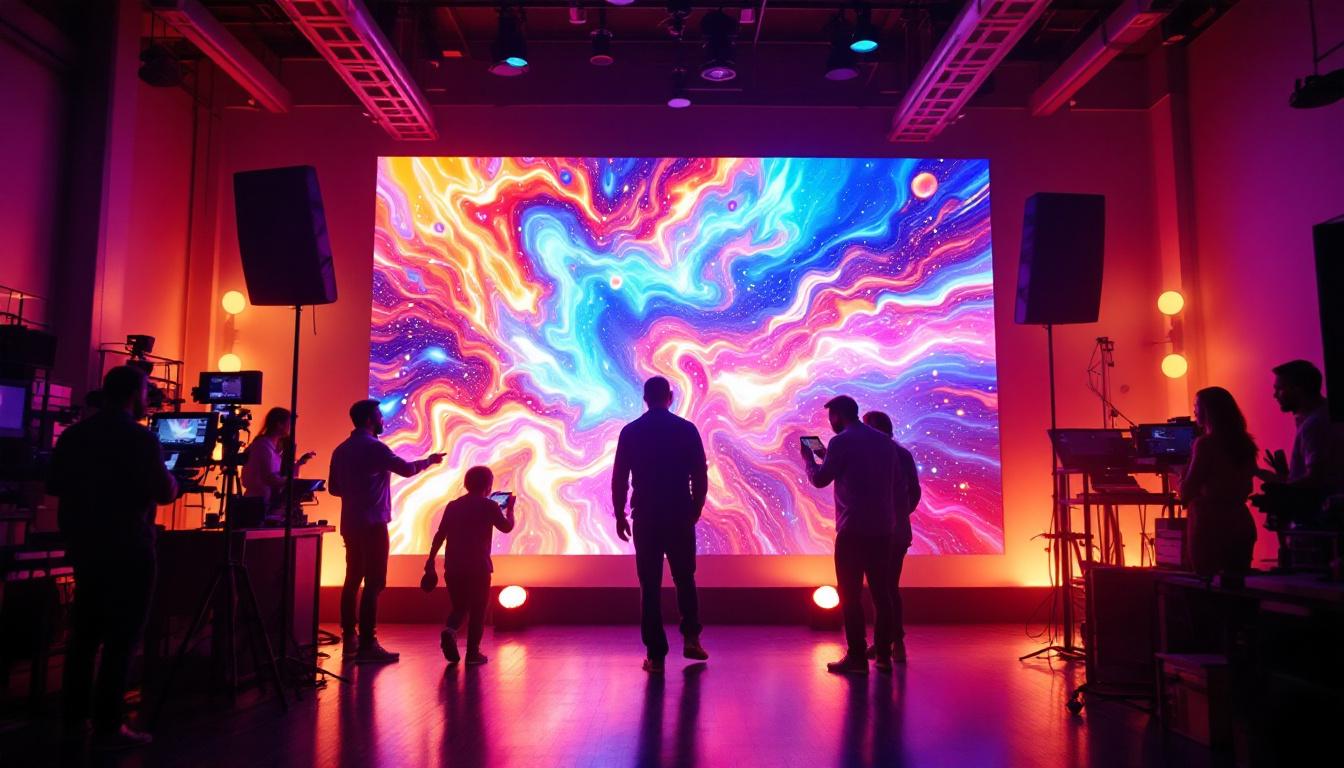
In today’s fast-paced advertising world, digital billboards have become a powerful medium for brands to capture attention and engage audiences. The vibrant, dynamic nature of LED displays offers unparalleled visibility and flexibility compared to traditional static billboards. However, understanding the cost structure behind digital billboards is essential for businesses, advertisers, and property owners considering this investment. This article delves into the various factors influencing the cost of digital billboards, explains the technology behind LED displays, and provides insights into budgeting for a successful digital advertising campaign.
Understanding Digital Billboards and LED Technology
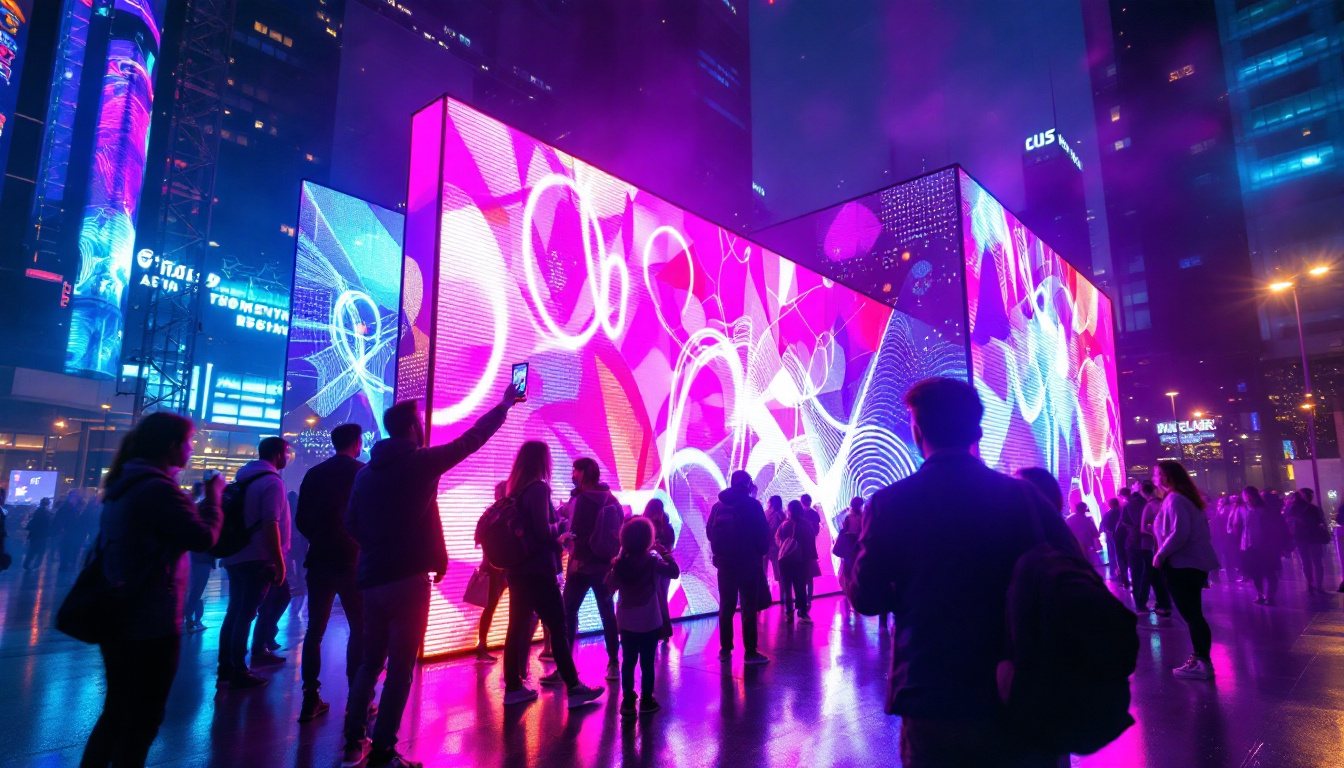
Digital billboards use LED (Light Emitting Diode) technology to display content that can be changed remotely and instantly. Unlike static billboards printed on vinyl or paper, digital billboards offer dynamic content capabilities, including video, animations, and scheduled advertisements. This flexibility makes them highly attractive for advertisers seeking to maximize impact and tailor messages to different audiences or times of day.
LED displays consist of thousands of tiny diodes arranged in a grid. Each diode emits light in red, green, or blue, and by varying the intensity of these colors, the display produces a full spectrum of colors. The resolution of the billboard depends on the pixel pitch—the distance between each LED cluster—affecting image clarity and viewing distance. Higher resolution displays with smaller pixel pitches are more expensive but deliver crisper images, especially for close-range viewing.
Why LED Digital Billboards Are a Game-Changer
One of the biggest advantages of LED digital billboards is their ability to update content in real-time. This capability allows advertisers to run multiple campaigns on the same billboard, target specific demographics at different times, and respond quickly to market trends or events. Additionally, LED billboards are more environmentally friendly than traditional billboards, as they reduce the need for printed materials and can be programmed to adjust brightness based on ambient light, conserving energy.
Breaking Down the Cost Components of Digital Billboards
When evaluating the cost of a digital billboard, it’s important to consider several key components beyond just the price of the LED display itself. These components include manufacturing, installation, permits and regulatory fees, maintenance, and operational costs.
1. LED Display Panel Cost
The LED panel is the core of the digital billboard and typically represents the largest portion of the initial investment. The cost varies widely based on size, resolution, and quality. For example, a standard 14-foot by 48-foot digital billboard with a pixel pitch of 16mm may cost between $100,000 and $250,000 just for the display panel. Higher resolution boards with pixel pitches of 10mm or less can cost significantly more, sometimes exceeding $300,000.
It’s worth noting that technological advancements have gradually reduced LED panel costs over the years, making digital billboards more accessible to a wider range of advertisers and property owners. However, opting for lower-cost panels often means compromising on image quality and durability.
2. Structural and Installation Costs
Installing a digital billboard involves more than just mounting the LED panel. A robust support structure must be engineered to withstand weather conditions, wind loads, and local building codes. Depending on the site, this can include foundations, steel framing, and electrical infrastructure.
Installation costs typically range from $50,000 to $150,000, influenced by factors such as location accessibility, height requirements, and the complexity of electrical hookups. Urban areas may incur higher costs due to permitting challenges and labor rates.
3. Permits and Regulatory Fees
Digital billboards are subject to strict regulations in many jurisdictions, including zoning laws, brightness limits, and content restrictions. Securing permits can be a lengthy and sometimes costly process, with fees ranging from a few thousand dollars to over $20,000 depending on the municipality.
In addition to upfront fees, ongoing compliance costs may include periodic inspections and adjustments to meet evolving regulations. Engaging with local authorities early in the planning process can help mitigate delays and unexpected expenses.
4. Content Management and Software
Managing content on a digital billboard requires specialized software that allows remote scheduling, monitoring, and updating of advertisements. Many LED display manufacturers offer proprietary content management systems, often bundled with the hardware purchase or available as a subscription service.
Costs for software licenses and content management services can range from $500 to $5,000 annually, depending on the complexity and features required. Some providers also offer creative services to help design and optimize digital ads, which can add to the overall budget.
5. Maintenance and Operational Expenses
Maintaining a digital billboard involves routine cleaning, software updates, and repairs to LED modules or electrical components. While LED technology is generally reliable, exposure to weather and environmental factors can lead to wear and tear over time.
Annual maintenance costs typically run between 5% and 10% of the initial hardware investment. This includes labor for inspections, replacement parts, and technical support. Additionally, operational expenses such as electricity consumption must be factored in. Modern LED billboards are energy-efficient, but depending on size and brightness, electricity costs can range from $50 to $300 per month.
Factors Influencing the Overall Cost
Several external factors can significantly impact the total cost of owning and operating a digital billboard. Understanding these can help advertisers and property owners make informed decisions and optimize their investment.
Location and Market Demand
Prime locations with high traffic volumes, such as major highways or urban centers, command premium prices both for installation and advertising leases. The cost to erect a billboard in these areas tends to be higher due to land value, permitting complexity, and demand for advertising space.
Conversely, digital billboards in less trafficked or suburban areas may incur lower installation costs but also generate less advertising revenue. Market demand should be carefully evaluated to balance cost with potential return on investment.
Size and Resolution Requirements
The size and resolution of the billboard directly affect the cost. Larger displays with higher pixel density provide better image quality and visibility but come with increased manufacturing and installation expenses. Advertisers must consider the typical viewing distance and audience demographics to determine the optimal specifications.
Content Strategy and Frequency of Updates
Digital billboards that require frequent content changes or complex animations may necessitate more advanced software and higher bandwidth for remote updates. This can increase operational costs but also enhance advertising effectiveness by keeping content fresh and engaging.
Energy Efficiency and Environmental Considerations
Energy-efficient LED panels and smart brightness controls can reduce electricity costs over time. Some jurisdictions offer incentives or rebates for environmentally friendly digital signage, which can offset initial expenses. Incorporating solar power or other renewable energy sources is also an emerging trend that can influence long-term cost savings.
Cost Comparison: Digital vs. Traditional Billboards
To appreciate the value proposition of digital billboards, it’s helpful to compare their costs with traditional static billboards.
Initial Investment
Traditional billboards generally cost between $3,000 and $15,000 to produce and install, depending on size and location. This is significantly lower than the $150,000 to $400,000 range typical for digital billboards. However, static billboards require physical replacement of printed vinyl every few weeks or months, adding recurring costs.
Advertising Flexibility and Revenue Potential
Digital billboards can display multiple ads in rotation, allowing for higher advertising volume and more dynamic campaigns. This flexibility often translates into greater revenue potential for billboard owners and more effective audience targeting for advertisers. In contrast, traditional billboards are limited to a single static message at a time.
Long-Term Cost Efficiency
While digital billboards have higher upfront costs, they can reduce ongoing expenses related to printing, installation of new vinyls, and labor. Additionally, the ability to update content remotely eliminates downtime and allows for rapid response to market changes, potentially increasing advertising ROI.
Case Studies: Real-World Examples of Digital Billboard Costs
Examining actual projects provides valuable context for understanding the financial commitment involved in digital billboards.
Urban Highway Digital Billboard Installation
A recent project in a major metropolitan area involved installing a 14’ x 48’ digital billboard along a busy highway. The LED panel cost approximately $220,000, with installation and structural work adding another $120,000. Permitting fees and regulatory compliance totaled $15,000. Annual maintenance and operational costs were estimated at $20,000, including electricity and software subscriptions.
The billboard generated significant advertising revenue due to its prime location, with multiple advertisers rotating content daily. The owner recouped the initial investment within three years, demonstrating the financial viability of digital billboards in high-traffic areas.
Suburban Retail Center Digital Signage
In a suburban retail environment, a smaller 10’ x 30’ digital billboard with a 20mm pixel pitch was installed to promote local businesses. The LED display cost $80,000, with installation expenses around $50,000. Permitting was simpler and less costly, totaling $5,000.
The billboard’s content was updated weekly, managed via a cloud-based software platform costing $1,200 annually. Despite lower traffic volumes, the digital sign enhanced customer engagement and increased foot traffic to the retail center, justifying the investment.
Tips for Budgeting and Maximizing ROI on Digital Billboards
Investing in a digital billboard requires careful planning to ensure the best return on investment. Here are some practical tips to consider:
Conduct a Thorough Site Analysis
Evaluate traffic patterns, visibility, and local demographics to select the most effective location. A well-placed billboard attracts higher-quality advertisers and commands premium rates.
Choose the Right Size and Resolution
Match the billboard specifications to the typical viewing distance and advertising goals. Avoid overspending on ultra-high resolution if the audience is primarily viewing from afar.
Plan Content Strategically
Develop a content calendar that leverages the dynamic capabilities of digital billboards. Frequent updates and targeted messaging increase engagement and advertiser interest.
Factor in Maintenance and Operational Costs
Budget for ongoing expenses to avoid surprises. Regular maintenance ensures longevity and consistent performance.
Explore Financing and Incentives
Consider financing options, leasing arrangements, or government incentives for energy-efficient signage to reduce upfront costs.
Conclusion
The cost of a digital billboard is influenced by a variety of factors including LED panel specifications, installation complexity, regulatory requirements, and ongoing operational expenses. While the initial investment is substantial compared to traditional billboards, the benefits of dynamic content, higher revenue potential, and long-term cost savings make digital billboards an increasingly attractive option for advertisers and property owners alike.
By understanding the detailed cost components and carefully planning their digital billboard projects, stakeholders can maximize their advertising impact and achieve a strong return on investment in this evolving medium.
Illuminate Your Advertising with LumenMatrix
Ready to elevate your brand’s presence and captivate your audience with the most advanced LED display technology? LumenMatrix is at the forefront of innovation, offering a wide array of LED display solutions that transform any advertising space into a dynamic visual experience. From Indoor and Outdoor LED Walls to specialized displays for Vehicles, Sports, and even Custom configurations, LumenMatrix tailors to every need. Embrace the future of visual communication and check out LumenMatrix LED Display Solutions today to make a lasting impression in the digital world.