In the fast-paced world of sports, visual communication plays a pivotal role in enhancing the spectator experience, delivering real-time information, and amplifying the excitement of every moment. One of the most transformative technologies in this arena is the LED display. From colossal stadium scoreboards to dynamic advertising panels and instant replay screens, LED displays have revolutionized how sports events are presented and consumed.
This article delves into the intricacies of LED displays in sports, exploring their technology, applications, benefits, and future trends. Whether you are a sports facility manager, event organizer, or simply a sports enthusiast curious about the technology behind the dazzling screens, this comprehensive guide will illuminate the world of LED displays in sports.
Understanding LED Display Technology
What is an LED Display?
LED stands for Light Emitting Diode, a semiconductor device that emits light when an electric current passes through it. An LED display is a flat panel that uses an array of these diodes to produce images, videos, and text. Unlike traditional LCD or projection screens, LED displays are self-emissive, meaning each diode emits its own light, resulting in brighter and more vivid visuals.
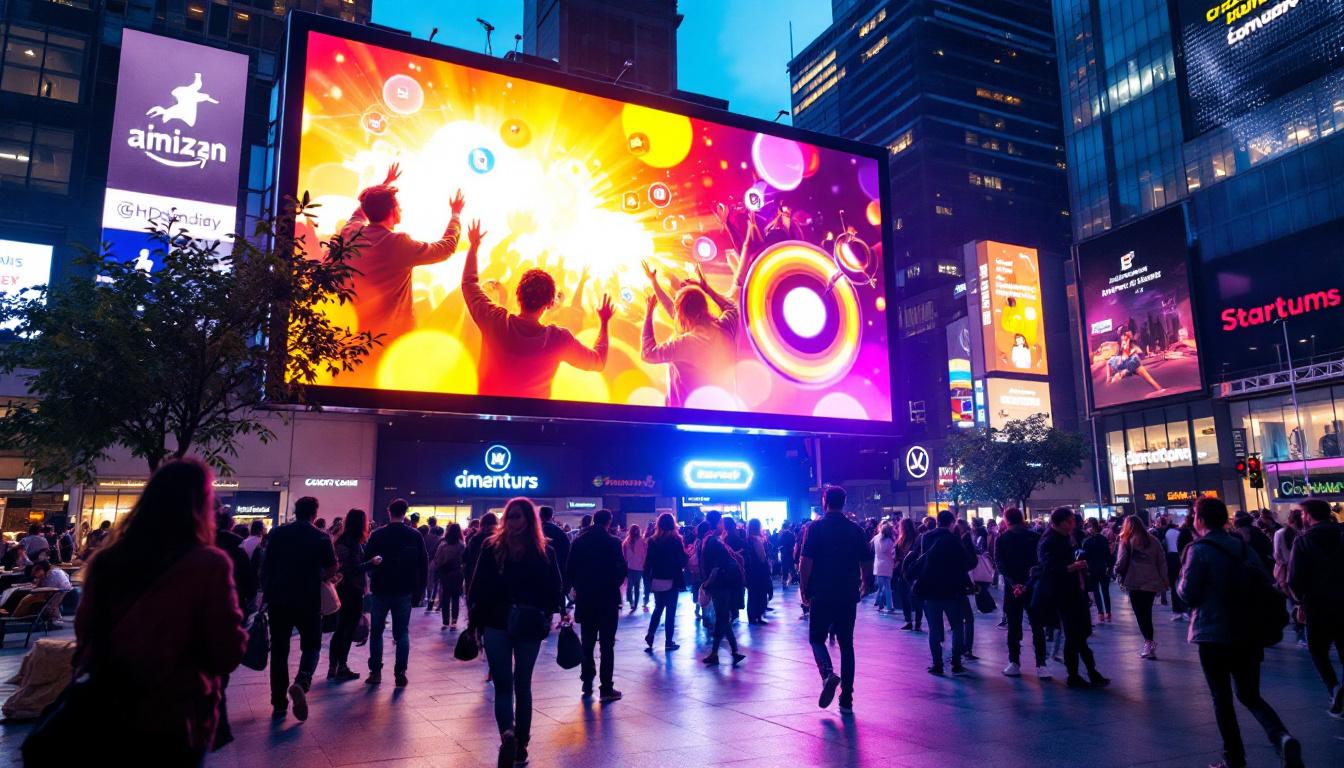
In sports, LED displays are designed to be large, durable, and capable of delivering high-resolution content visible to thousands of spectators, even in direct sunlight. The modular nature of LED panels allows for flexible screen sizes and shapes, accommodating the unique architectural demands of stadiums and arenas. This adaptability not only enhances the viewing experience but also allows for creative installations, such as curved screens that can wrap around the audience or giant displays that can be segmented into multiple sections for different content streams.
How Do LED Displays Work?
Each LED display consists of numerous tiny pixels, each made up of red, green, and blue LEDs. By varying the intensity of these three colors, the display can produce a full spectrum of colors. The control system sends signals to each pixel, dictating the color and brightness required to form the desired image or video. This intricate process ensures that dynamic content, such as live game footage or animated graphics, is rendered smoothly and with stunning clarity.
The density of these pixels, measured in pixel pitch (the distance between the centers of two adjacent pixels), determines the resolution and clarity of the display. A smaller pixel pitch means higher resolution, which is crucial for close-up viewing areas like player benches or VIP boxes. Conversely, larger pixel pitches are suitable for massive displays viewed from a distance, such as stadium scoreboards. Additionally, advancements in technology have led to the development of fine-pitch LED displays that can now be used in outdoor settings, bridging the gap between indoor and outdoor viewing experiences and offering unparalleled clarity in various lighting conditions.
Types of LED Displays Used in Sports
There are primarily two types of LED displays commonly used in sports venues:
- Indoor LED Displays: These have a finer pixel pitch (often 1.2mm to 3mm) to deliver high-definition content suitable for indoor arenas where viewers are closer to the screen. These displays often incorporate advanced features, such as high refresh rates and wide viewing angles, ensuring that every spectator, regardless of their position in the arena, enjoys an optimal viewing experience.
- Outdoor LED Displays: Built to withstand harsh weather conditions, these displays have higher brightness levels (up to 7,000 nits or more) and larger pixel pitches (typically 4mm to 20mm) to ensure visibility under direct sunlight and from greater distances. Furthermore, many outdoor displays are equipped with protective coatings and enhanced cooling systems to maintain performance during extreme temperatures, ensuring they remain operational throughout the event.
Moreover, the integration of LED displays in sports venues extends beyond mere advertising and scorekeeping. They play a pivotal role in enhancing fan engagement through interactive features, such as live social media feeds, instant replays, and augmented reality experiences. This not only enriches the live event atmosphere but also creates a more immersive experience for fans, drawing them deeper into the action and fostering a stronger connection to the teams and athletes they support.
Applications of LED Displays in Sports
Scoreboards and Game Information
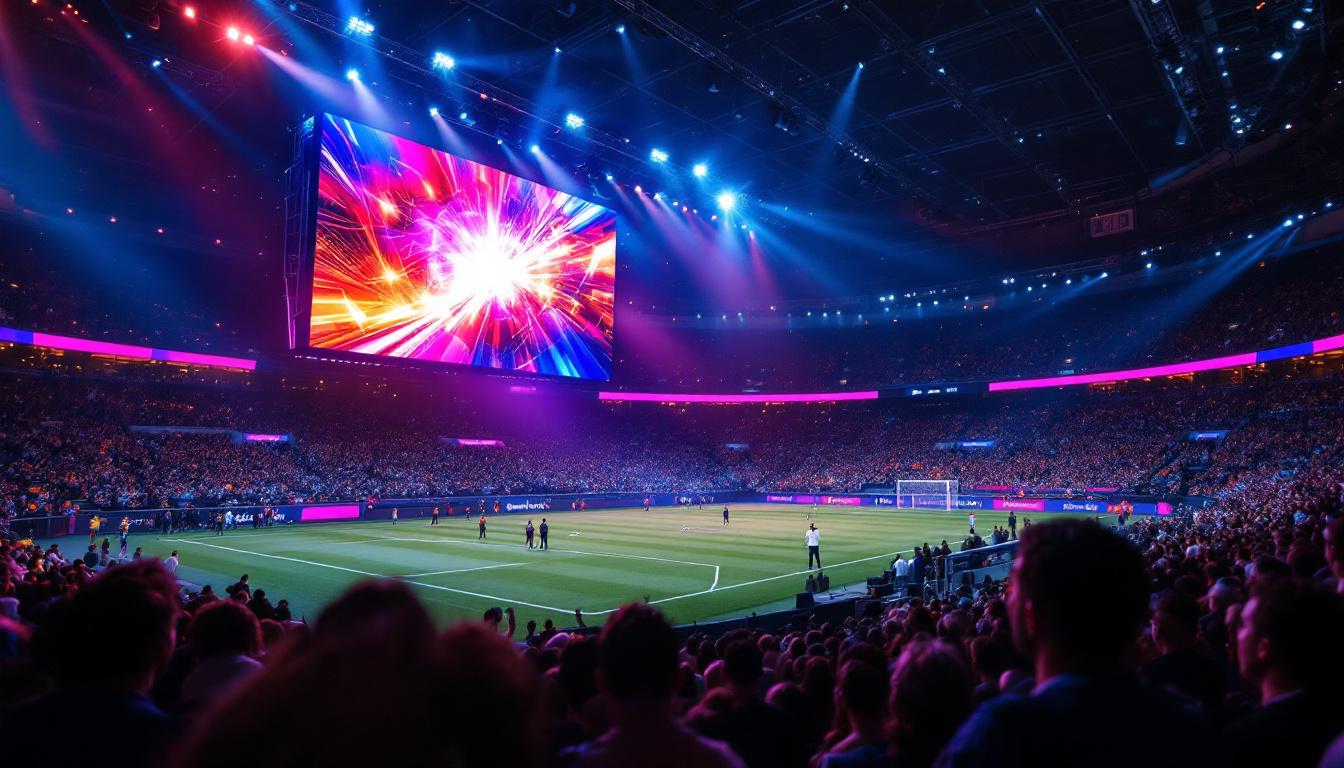
One of the most traditional and critical uses of LED displays in sports is scoreboards. Modern LED scoreboards go beyond just showing scores; they provide real-time statistics, player information, game clocks, and penalty timers. Their ability to update instantly and display dynamic content keeps fans informed and engaged throughout the event.
For example, the AT&T Stadium in Texas features one of the world’s largest high-definition LED displays, measuring 160 feet wide and 72 feet tall. This colossal screen delivers crystal-clear game updates, instant replays, and interactive content, significantly enhancing the fan experience.
Advertising and Sponsorship
LED displays have become a goldmine for advertising in sports. Their brightness and dynamic capabilities allow for eye-catching advertisements that can be changed in real time, maximizing revenue opportunities for venues and event organizers. Perimeter LED boards around the field or court are particularly effective, as they capture the attention of both live audiences and broadcast viewers.
Major sporting events like the FIFA World Cup and the Olympics leverage LED advertising extensively, generating millions in sponsorship revenue. The ability to tailor ads based on the audience, time, or event phase adds a layer of sophistication to sports marketing strategies.
Instant Replays and Video Content
Instant replay screens powered by LED technology enable fans to relive thrilling moments immediately. These displays also show player introductions, halftime entertainment, and crowd engagement activities, making the event more immersive. The high refresh rates and low latency of LED displays ensure smooth, blur-free video playback, which is essential during fast-paced sports.
Fan Engagement and Interactive Displays
Some modern stadiums incorporate interactive LED displays that allow fans to participate in polls, games, or social media interactions during breaks. This not only entertains but also deepens fan loyalty and creates a unique atmosphere. For instance, LED wristbands synchronized with stadium displays have been used in events to create coordinated light shows, turning the audience into part of the spectacle.
Benefits of Using LED Displays in Sports Venues
Superior Visibility and Brightness
LED displays offer unparalleled brightness levels, often exceeding 7,000 nits, which ensures visibility even under direct sunlight. This is crucial for outdoor sports where lighting conditions can vary dramatically. The vivid colors and high contrast ratios make images and text easily readable from great distances, improving the overall viewing experience.
Energy Efficiency and Longevity
Compared to traditional lighting and display technologies, LEDs consume significantly less power, making them an energy-efficient choice for large-scale installations. Additionally, LEDs have a longer lifespan, often exceeding 100,000 hours of operation, reducing maintenance costs and downtime.
Flexibility and Customization
The modular design of LED panels allows for custom shapes and sizes, enabling venues to create unique displays that fit their architectural and branding needs. Content can be updated instantly, allowing for flexible programming and real-time communication with audiences.
Durability and Weather Resistance
Outdoor LED displays are engineered to withstand extreme weather conditions, including rain, snow, wind, and temperature fluctuations. Their robust construction ensures reliable performance throughout the sports season, regardless of environmental challenges.
Challenges and Considerations When Implementing LED Displays
Initial Investment and Installation
While LED technology has become more affordable over the years, the initial cost of purchasing and installing large-scale LED displays can be substantial. This includes not only the panels themselves but also supporting infrastructure such as mounting structures, control systems, and power supplies.
However, many venues consider this a worthwhile investment due to the long-term benefits in fan engagement and advertising revenue.
Content Management and Technical Expertise
Operating LED displays requires specialized software and trained personnel to manage content scheduling, troubleshooting, and maintenance. Ensuring seamless integration with broadcast systems and other venue technologies demands careful planning and coordination.
Pixel Pitch and Viewing Distance
Choosing the appropriate pixel pitch is critical to delivering clear images. A mismatch between pixel pitch and viewing distance can result in pixelation or blurred visuals. Venue designers must analyze seating arrangements and typical audience locations to select the optimal display specifications.
The Future of LED Displays in Sports
Advancements in MicroLED and MiniLED Technologies
Emerging technologies like MicroLED and MiniLED promise even higher resolutions, better contrast ratios, and improved energy efficiency. These advancements could lead to ultra-thin, flexible displays that can be integrated seamlessly into stadium architecture or even athlete uniforms for enhanced visual effects.
Augmented Reality and LED Integration
Combining LED displays with augmented reality (AR) could transform how fans experience sports. For example, LED screens might project AR-enhanced statistics or player trajectories onto the field, providing deeper insights and interactive viewing experiences both in-stadium and through broadcasts.
Sustainability and Smart Energy Management
As sustainability becomes a priority, future LED installations will likely incorporate smart energy management systems that optimize power consumption based on ambient light and usage patterns. This not only reduces operational costs but also aligns with global efforts to minimize environmental impact.
Conclusion
LED displays have become an indispensable component of modern sports venues, elevating the fan experience through vibrant visuals, real-time information, and engaging content. Their technological sophistication, combined with versatility and durability, makes them ideal for the dynamic demands of sports events.
As innovations continue to emerge, LED display technology will further integrate with other digital and interactive media, shaping the future of sports entertainment. For venues and organizers, investing in high-quality LED displays is not just about keeping up with technology—it’s about creating memorable, immersive experiences that resonate with fans long after the final whistle.
Illuminate Your Venue with LumenMatrix
Ready to transform your sports venue into a beacon of excitement and engagement? LumenMatrix is at the forefront of LED display innovation, offering a comprehensive range of solutions tailored to your needs. From the immersive Indoor LED Wall Display to the robust Outdoor LED Wall Display, and from the dynamic LED Sports Display to the versatile All-in-One LED Display, our products are designed to captivate your audience and amplify your message. Elevate your fan experience and brand visibility today. Check out LumenMatrix LED Display Solutions and join the visual revolution.