The cinematic experience has evolved dramatically over the past century, from grainy black-and-white films projected on small screens to immersive digital presentations on colossal displays. Among the most groundbreaking advancements in recent years is the emergence of massive LED theater screens, which are redefining how audiences engage with movies. This article explores the largest theater screen in the world, focusing on the technology behind LED displays, their advantages over traditional projection, and what this means for the future of cinema.
The Rise of LED Screens in Cinemas
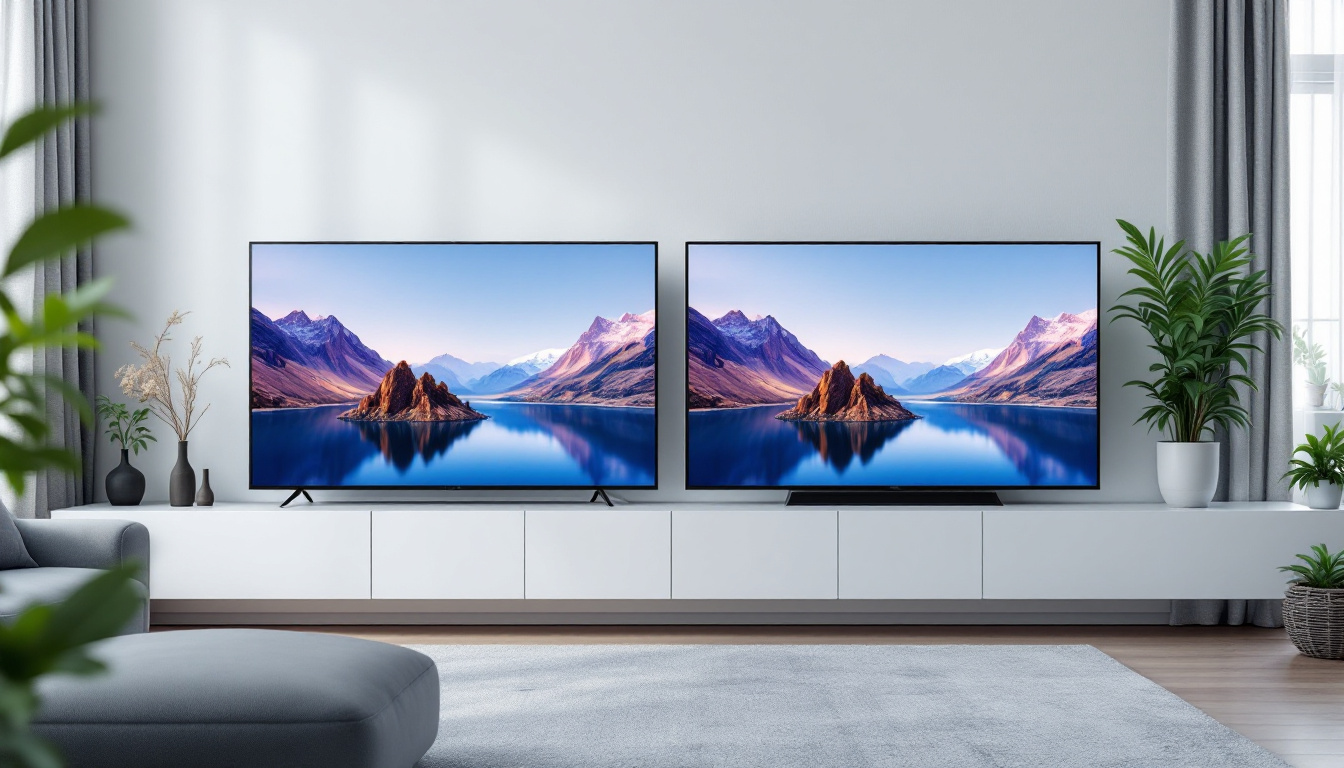
For decades, movie theaters relied primarily on projection technology, using powerful projectors to cast images onto large white or silver screens. While this method has served the industry well, it comes with inherent limitations such as brightness constraints, image degradation over time, and challenges in maintaining uniform picture quality across very large surfaces.
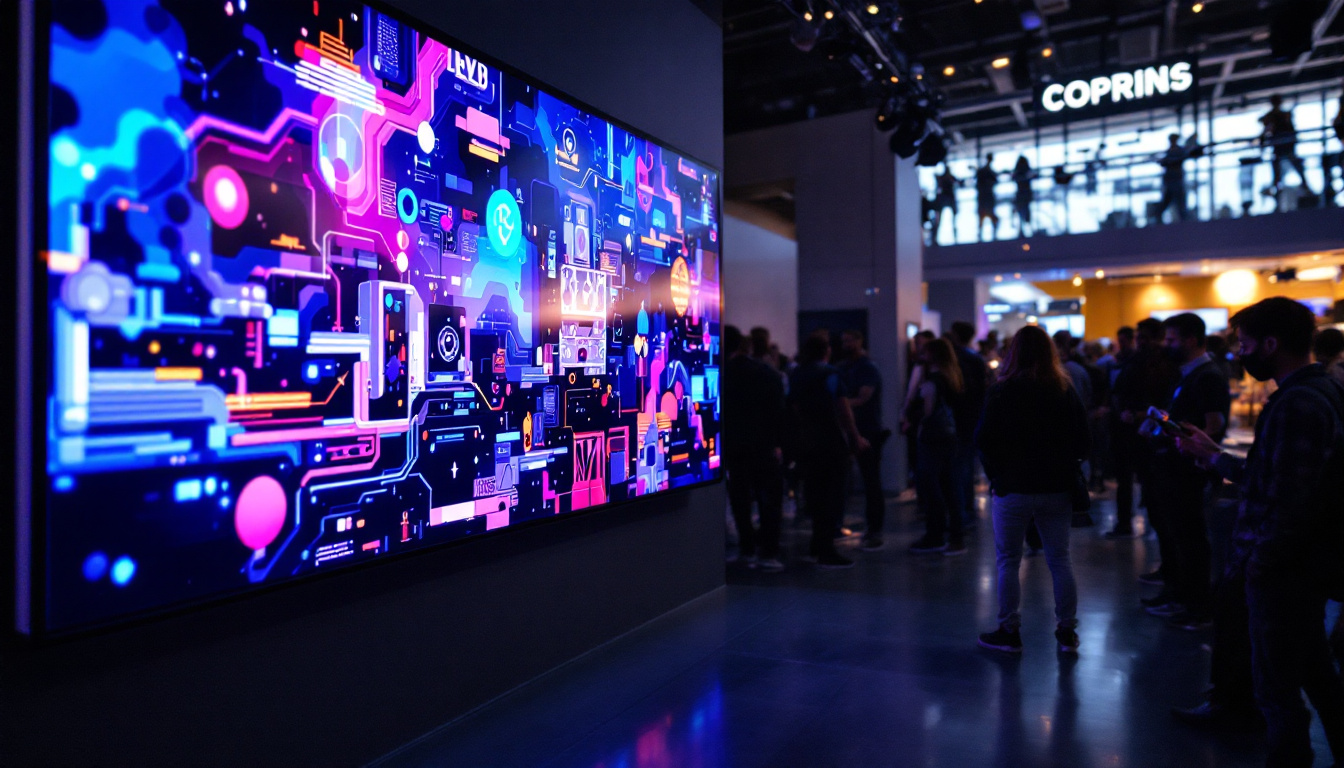
LED (Light Emitting Diode) technology, long used in outdoor billboards and stadium displays, has recently made a significant impact in the cinema world. Unlike projection, LED screens are self-illuminating, meaning each pixel emits its own light. This results in brighter, more vibrant images with superior contrast and color accuracy.
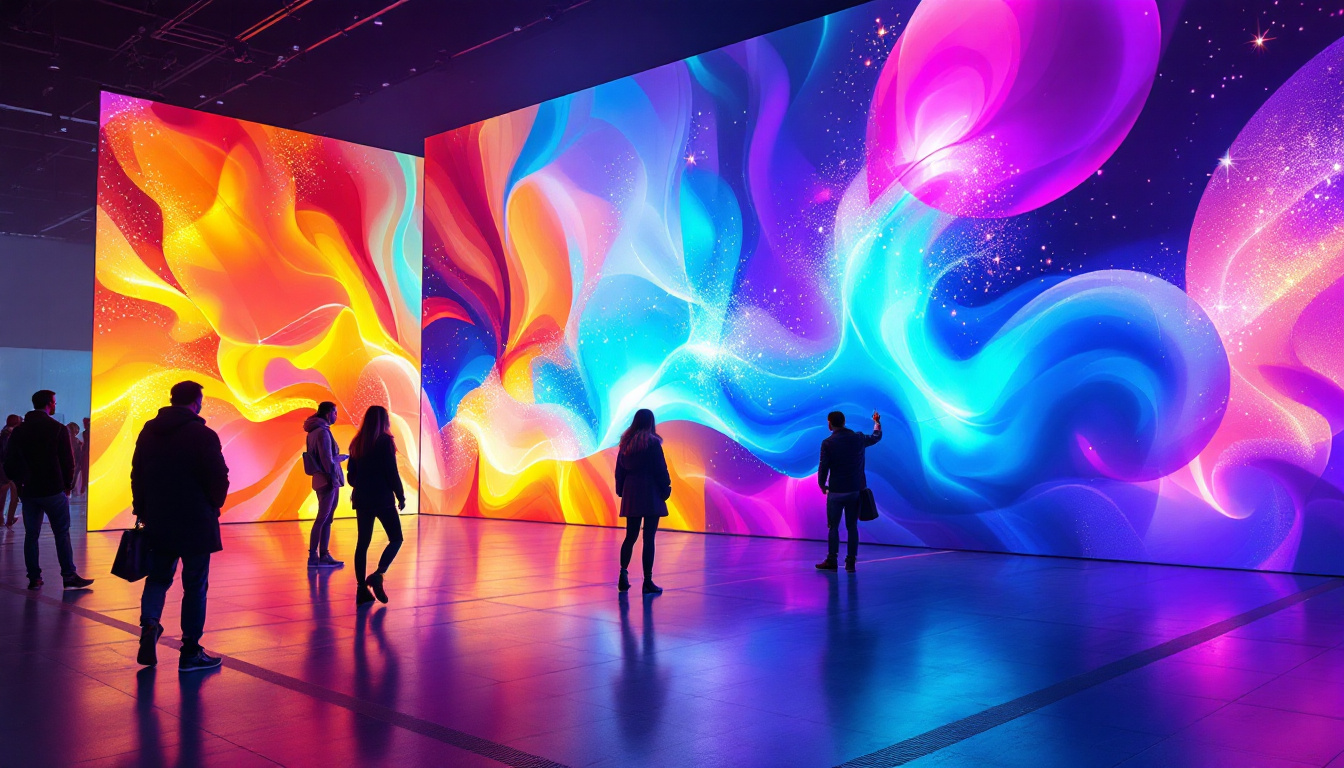
As LED panel manufacturing has advanced, it has become feasible to build extremely large, seamless screens suitable for theater environments. This shift is transforming the way films are presented and experienced. The immersive nature of LED technology allows for a more engaging viewing experience, where audiences can feel as though they are part of the action, rather than merely observers. This is particularly evident in genres such as science fiction and fantasy, where the visual spectacle is paramount.
Why LED Over Projection?
LED displays offer several advantages that make them particularly appealing for theaters:
- Brightness and Contrast: LED screens can achieve much higher brightness levels than projectors, allowing for clearer images even in rooms with ambient light. Their contrast ratios are also superior, enhancing the depth and realism of the picture.
- Color Accuracy: The color gamut of LED displays is broader, enabling more precise and vivid color reproduction, which is crucial for filmmakers aiming to preserve their artistic vision.
- Longevity and Maintenance: Unlike projection screens that can wear out or require frequent cleaning, LED panels are durable and maintain consistent quality over time.
- Uniformity: LED screens provide uniform brightness and color across the entire surface, eliminating hotspots or dim areas common in projection setups.
Moreover, the integration of LED technology has opened up new creative avenues for filmmakers. With the ability to manipulate light and color so precisely, directors can experiment with visual storytelling in ways that were previously unimaginable. For instance, the use of dynamic backgrounds and real-time visual effects can enhance the narrative, creating a more immersive environment for the audience. Additionally, as theaters adopt this technology, they are also exploring innovative formats such as 360-degree viewing experiences, which further blur the lines between cinema and interactive media.
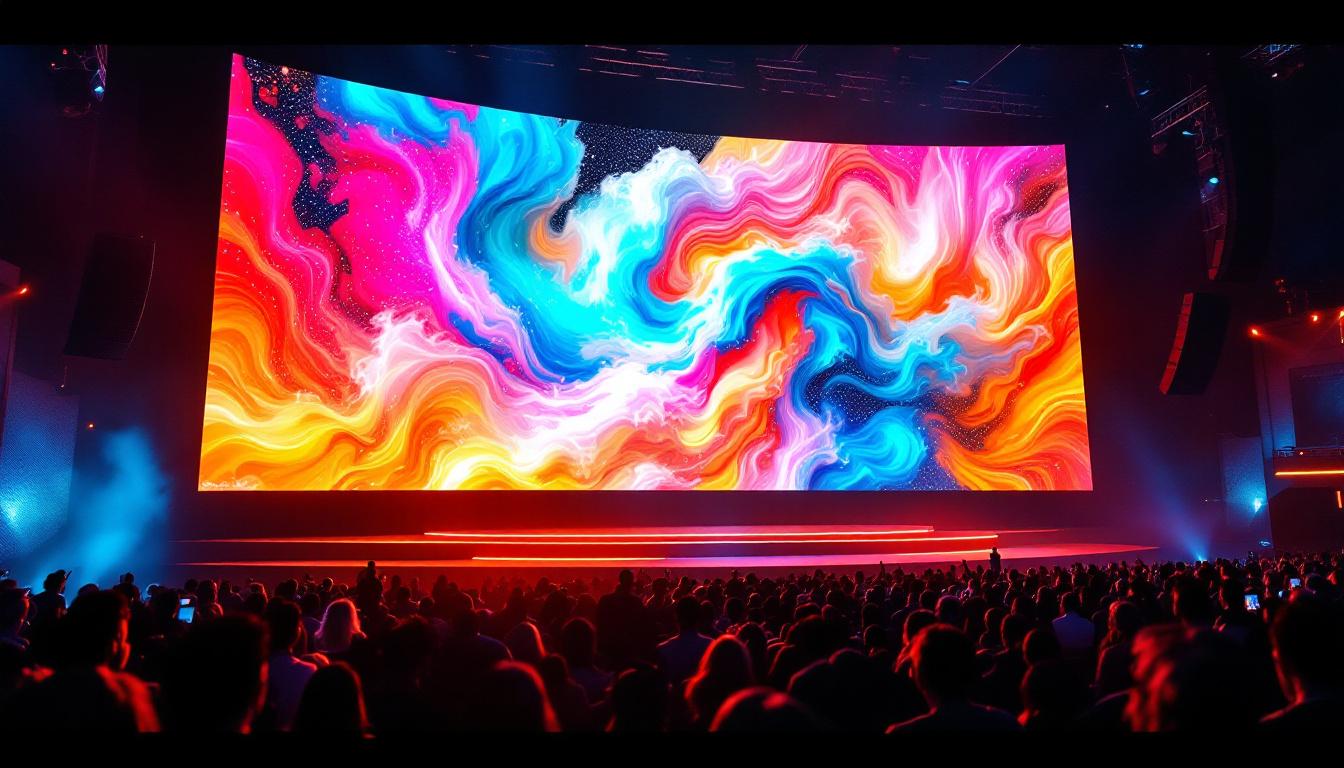
As the industry continues to evolve, the potential for LED screens extends beyond traditional film screenings. Events such as live concerts, eSports tournaments, and immersive art installations are beginning to utilize this technology, showcasing its versatility and adaptability. The ability to deliver high-quality visuals in various settings not only enhances the audience’s experience but also paves the way for new business models within the entertainment sector. As we look to the future, it is clear that LED technology will play a pivotal role in shaping the cinematic landscape, offering both filmmakers and audiences a richer, more engaging experience.
The Largest Theater Screen in the World: An Overview
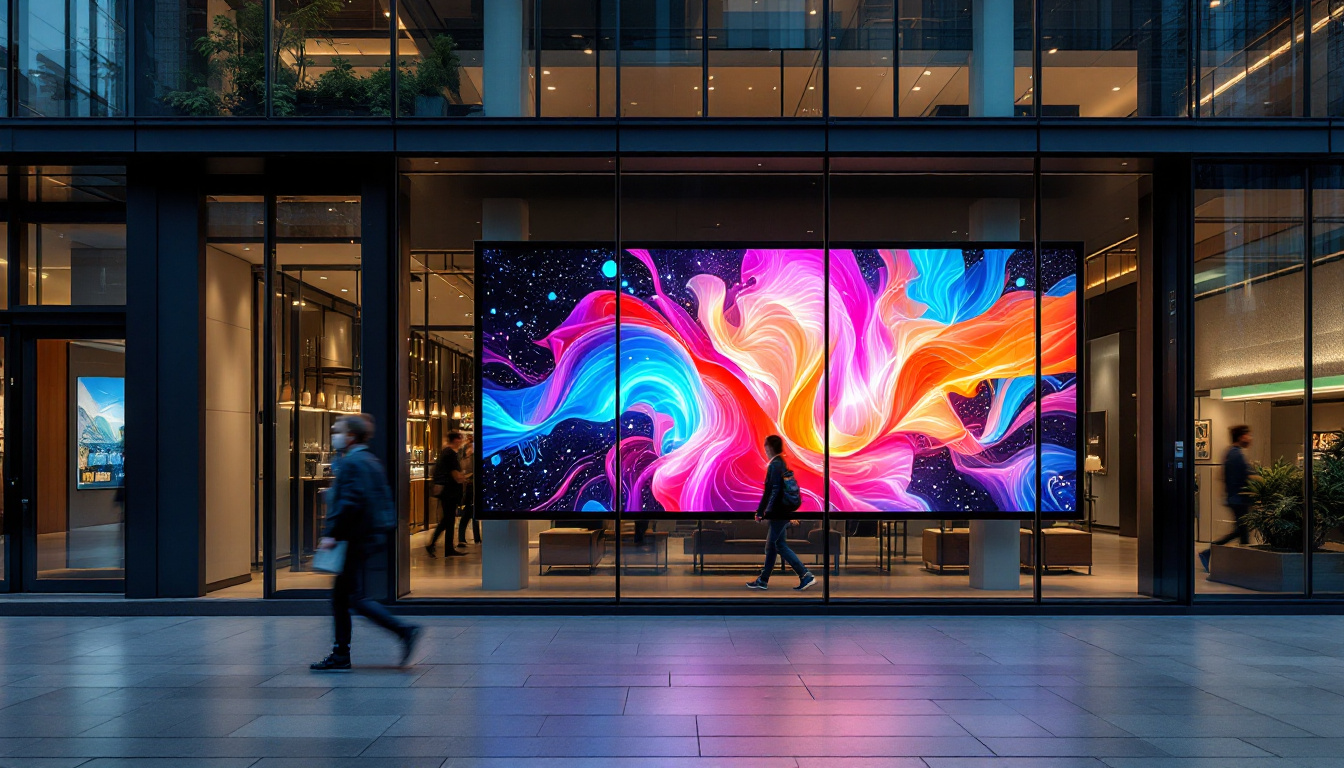
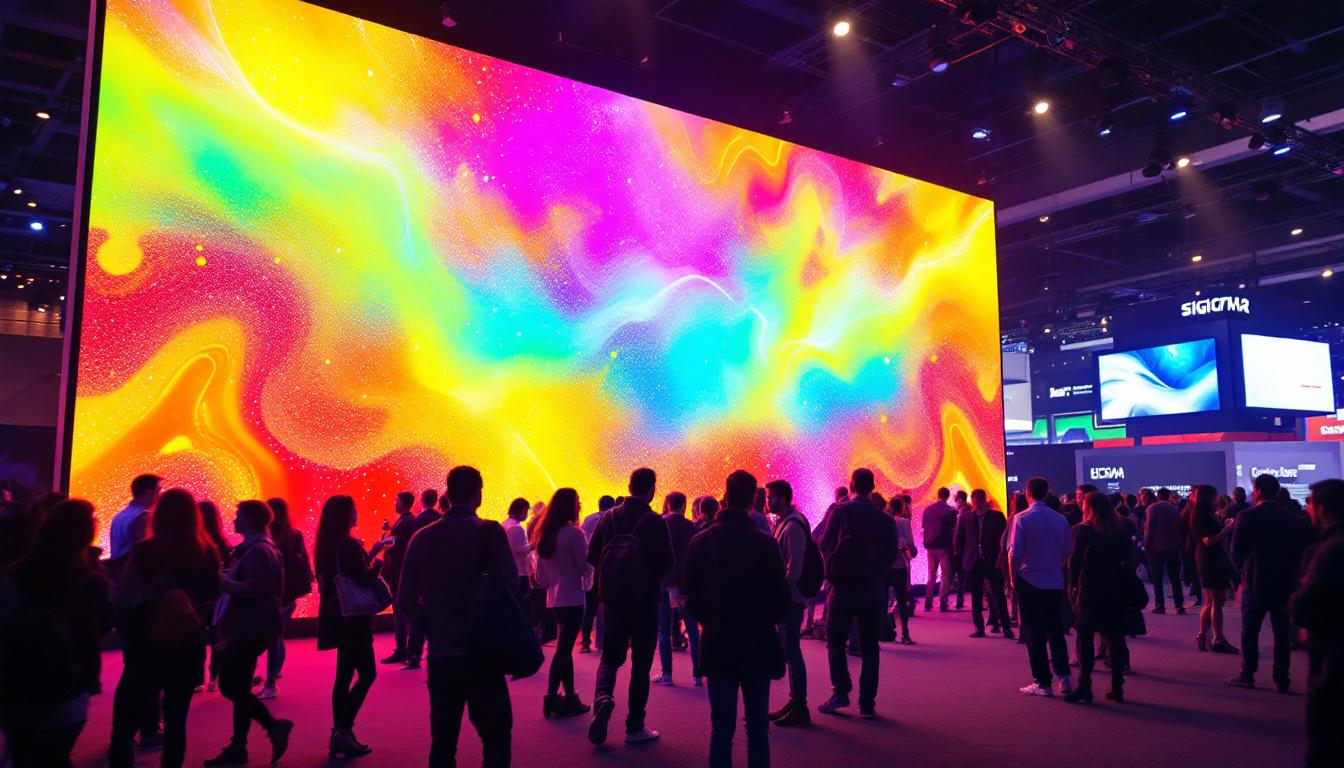
As of 2024, the largest theater screen in the world is an LED display installed at the Kinepolis Madrid Ciudad de la Imagen multiplex in Spain. This screen measures an astonishing 26 meters wide by 13 meters high (approximately 85 feet by 43 feet), covering an area of 338 square meters (3,639 square feet). The display uses cutting-edge MicroLED technology, offering unparalleled image quality and immersion.
This installation marked a milestone in cinema technology, showcasing the potential of LED screens to replace traditional projection in large-scale theaters. The screen’s pixel pitch—the distance between the centers of adjacent pixels—is just 1.2 millimeters, ensuring razor-sharp images even from close viewing distances.
Technical Specifications and Features
The Kinepolis LED screen boasts several impressive technical features:
- Resolution: The screen supports 4K resolution (3840 x 2160 pixels), delivering crystal-clear images that meet the demands of modern digital cinema content.
- Brightness: It achieves peak brightness levels exceeding 600 nits, far surpassing the typical 48-80 nits of traditional cinema projectors, ensuring vivid visuals even in well-lit environments.
- HDR Support: The screen supports High Dynamic Range (HDR) content, enhancing the contrast and color depth to create lifelike images.
- Refresh Rate: With a refresh rate of 120 Hz, the display reduces motion blur, providing smooth and fluid motion ideal for fast-paced scenes.
- Viewing Angles: The LED panels maintain consistent brightness and color accuracy across wide viewing angles, ensuring every seat in the theater offers a premium experience.
How LED Screens Are Built for Theaters
Creating a massive LED screen suitable for cinema use requires careful engineering and design. Unlike outdoor LED billboards, theater screens must meet stringent requirements for pixel density, color accuracy, and seamlessness.
Modular Panel Construction
Large LED screens are constructed from multiple smaller panels that fit together like puzzle pieces. Each panel contains thousands of tiny LEDs arranged in a grid. The panels are meticulously calibrated and aligned to ensure the entire screen functions as a single, continuous display without visible seams or color inconsistencies.
For cinema applications, the pixel pitch is critical. Smaller pixel pitches mean higher resolution and finer detail, which is essential given the proximity of viewers to the screen compared to outdoor displays. Advances in MicroLED technology have enabled pixel pitches as small as 0.7 millimeters, though 1.2 millimeters is currently standard for the largest theater screens.
Integration with Theater Audio and Lighting
LED screens are integrated into the overall theater design, including audio systems and ambient lighting controls. The screens’ brightness can be adjusted dynamically to complement the sound environment and prevent eye strain during long viewing sessions. Additionally, the thin profile of LED displays allows for innovative theater layouts and acoustics, enhancing the immersive experience.
Impact on the Movie-Going Experience
The introduction of giant LED screens in theaters is more than just a technological upgrade; it fundamentally changes how audiences perceive and enjoy films.
Immersive Visuals and Enhanced Storytelling
With brighter images and richer colors, filmmakers can present their work closer to their original vision. The enhanced contrast and HDR support bring out details in shadows and highlights that were previously lost, deepening emotional engagement. Scenes set in dark environments or bright outdoor settings are rendered with unprecedented clarity and realism.
Moreover, the sheer size of these screens envelops viewers, making them feel part of the narrative rather than passive observers. This immersive quality is especially impactful for genres like science fiction, fantasy, and action, where visual spectacle is paramount.
Accessibility and Comfort
LED screens’ uniform brightness and color accuracy mean that every seat in the theater offers a premium viewing experience. This reduces the need for premium pricing based on seating location and makes high-quality cinema more accessible to a broader audience.
Additionally, the reduced flicker and higher refresh rates contribute to viewer comfort, minimizing eye fatigue during long movies.
Challenges and Considerations
Despite their advantages, LED theater screens come with challenges that cinemas must consider.
Cost and Installation Complexity
Building and installing a massive LED screen is significantly more expensive than traditional projection systems. The cost of high-resolution LED panels, along with the necessary control electronics and calibration, can run into millions of dollars for a single screen.
Installation requires precise engineering and often involves retrofitting existing theaters or designing new venues specifically to accommodate the screen’s dimensions and weight.
Content Compatibility and Distribution
To fully leverage the capabilities of LED screens, content must be mastered in formats that support their high brightness, resolution, and HDR capabilities. This requires collaboration between studios, post-production houses, and theater operators to ensure films are optimized for LED presentation.
Additionally, the distribution infrastructure must support large file sizes and advanced metadata to deliver HDR and high frame rate content effectively.
The Future of Cinema Screens
The success of the largest LED theater screens signals a broader trend towards digital, modular, and customizable cinema displays. As LED technology continues to improve, pixel pitches will shrink further, costs will decrease, and more theaters worldwide will adopt LED screens.
Future innovations may include curved or wrap-around LED screens that enhance immersion even more, integration with augmented reality (AR) elements, and dynamic lighting systems synchronized with on-screen content.
For moviegoers, this means richer, more engaging experiences that rival or exceed home theater setups, reinforcing the unique appeal of the cinema.
Conclusion
The largest theater screen in the world, exemplified by the massive LED display at Kinepolis Madrid, represents a transformative leap in cinema technology. By harnessing the power of LED technology, these screens deliver unparalleled brightness, color accuracy, and immersion, elevating the movie-going experience to new heights.
While challenges remain in terms of cost and content adaptation, the benefits of LED theater screens are compelling. As the technology matures and becomes more widespread, audiences can look forward to a future where every film is presented with stunning clarity and vibrancy, making the magic of cinema more vivid than ever before.
Experience the Future of Visual Storytelling with LumenMatrix
As you’ve seen, the future of cinema is illuminated by the brilliance of LED technology. If you’re inspired to bring this level of clarity, vibrancy, and immersion to your own venue, LumenMatrix is at the forefront of this revolution. Offering a comprehensive range of LED display solutions, from Indoor and Outdoor LED Walls to innovative Transparent Displays, LumenMatrix is dedicated to transforming spaces with captivating visual experiences. Whether for advertising, live events, or creating immersive environments, our displays are designed to engage and captivate. Check out LumenMatrix LED Display Solutions and step into the future of visual communication.