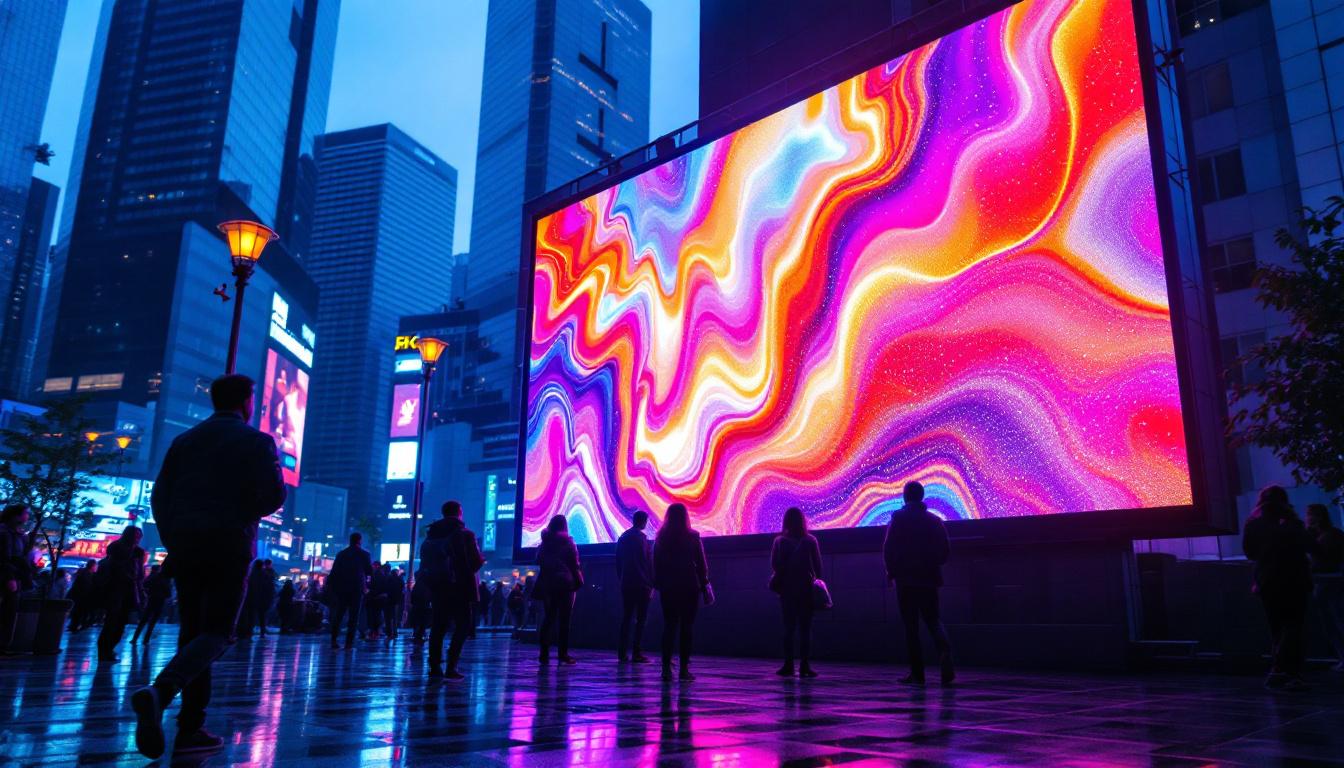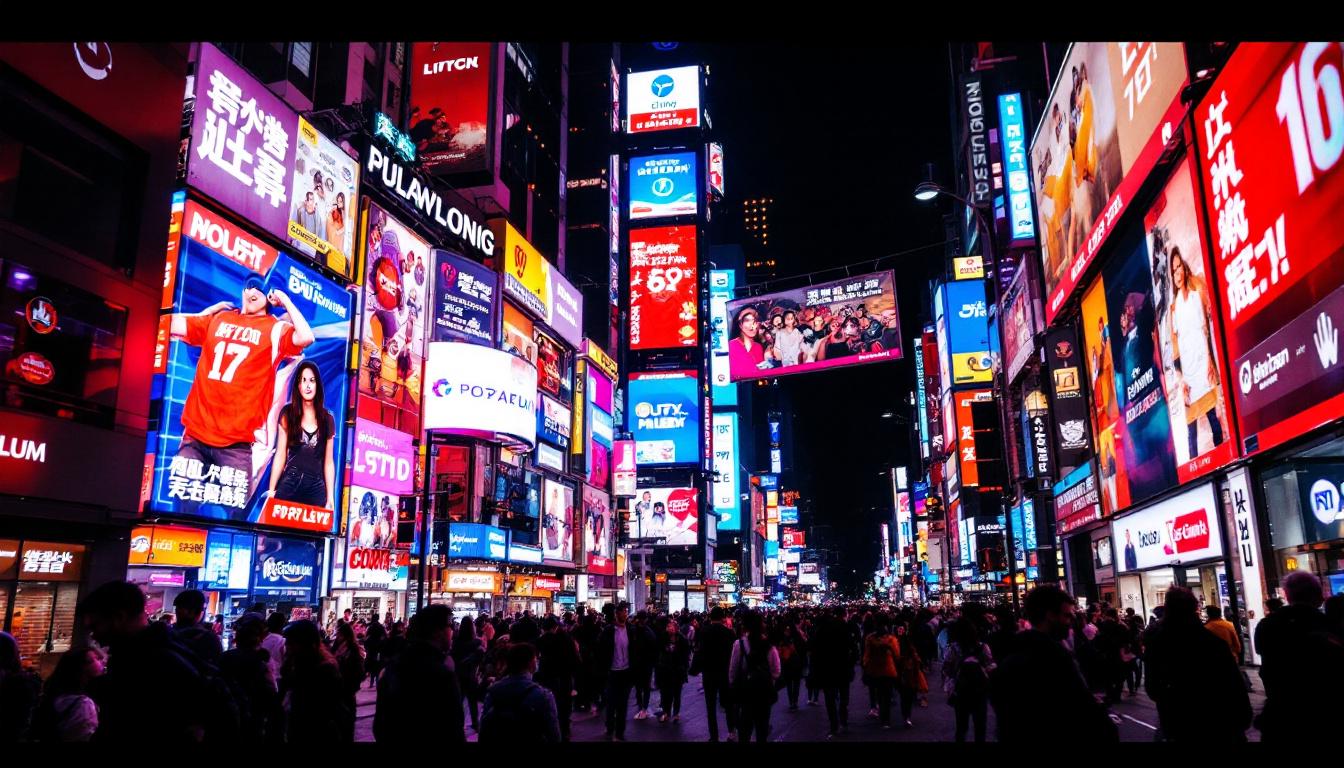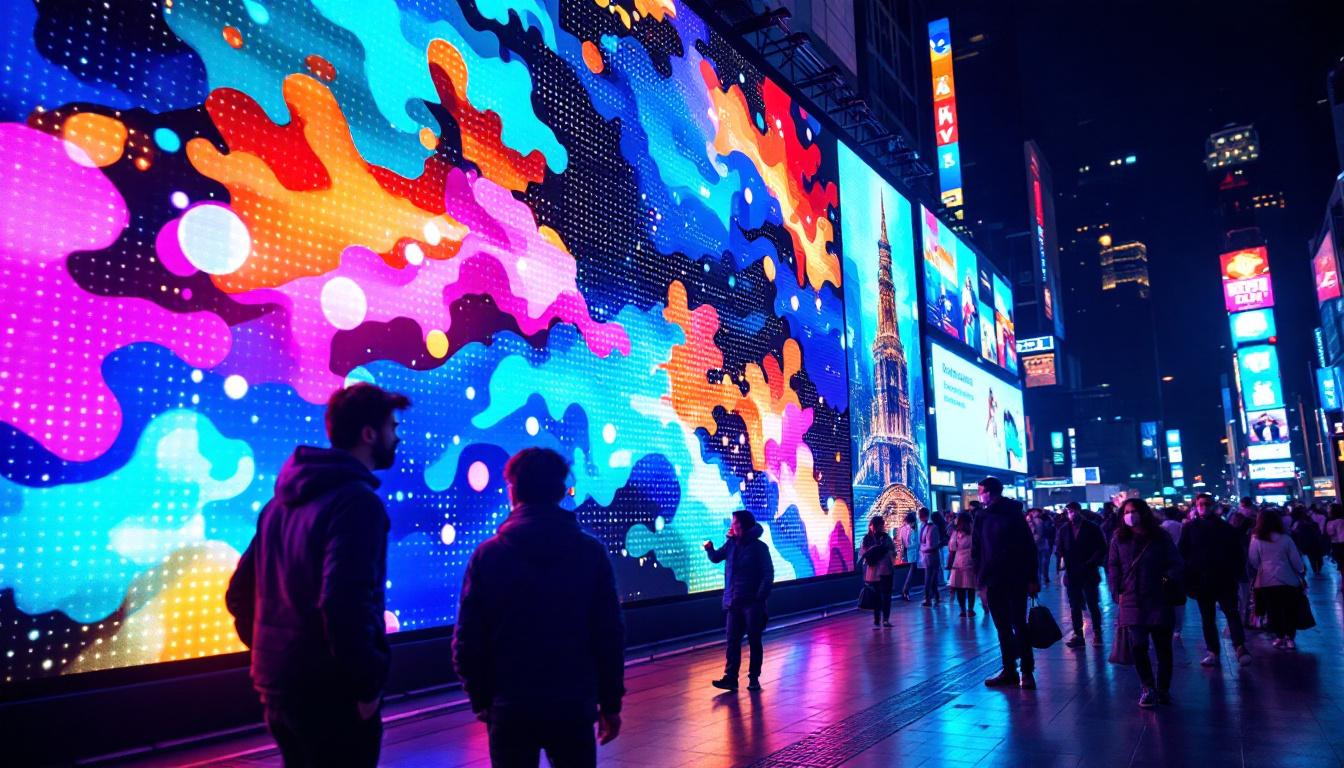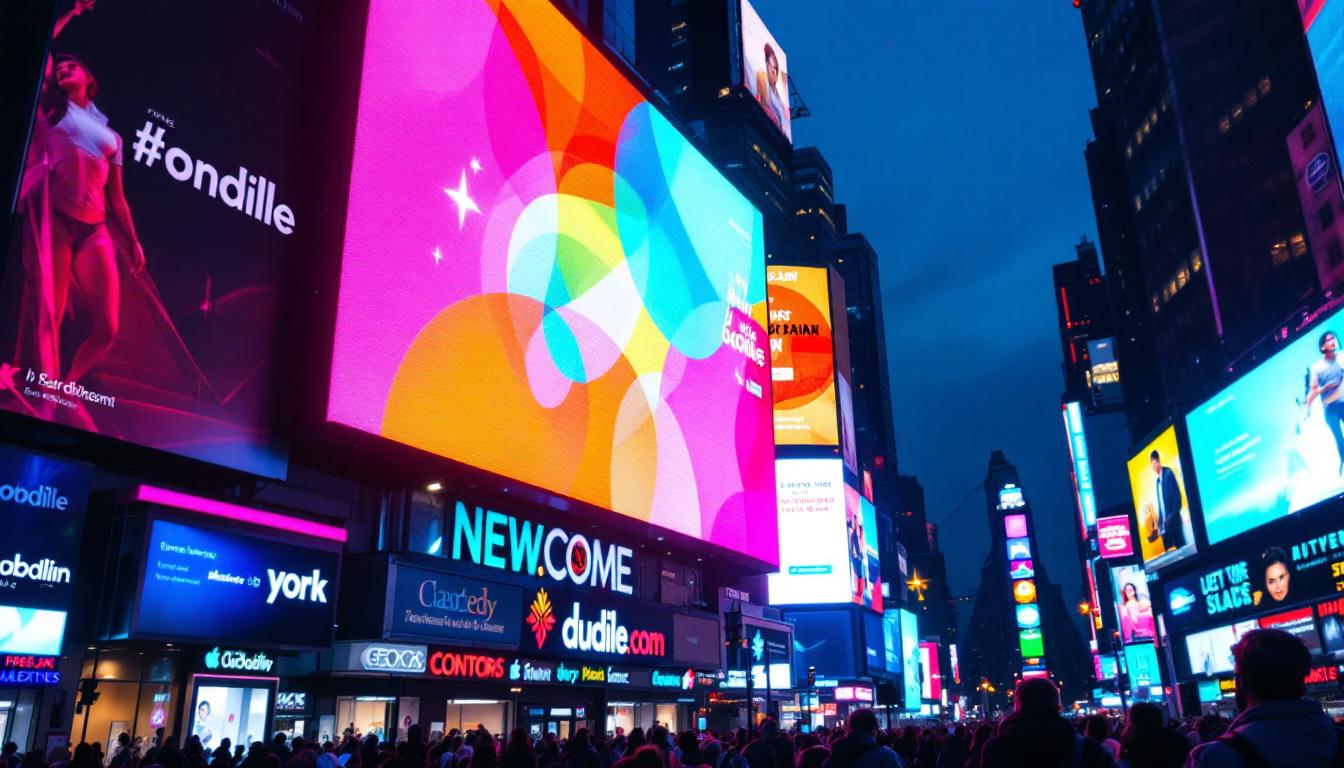
New York City is synonymous with bright lights, bustling streets, and iconic billboards that capture the attention of millions daily. Among these, LED displays have revolutionized the way advertisers communicate with audiences in this vibrant metropolis. This article explores the technology behind LED billboards in New York, their impact on advertising, and why they have become an indispensable part of the city’s urban landscape.
The Evolution of Billboard Advertising in New York
Billboard advertising in New York has a rich history dating back to the early 20th century. Traditional billboards, often painted or printed on large vinyl sheets, dominated the skyline for decades. However, the advent of digital technology brought a dramatic shift in how advertisers engage with the public.
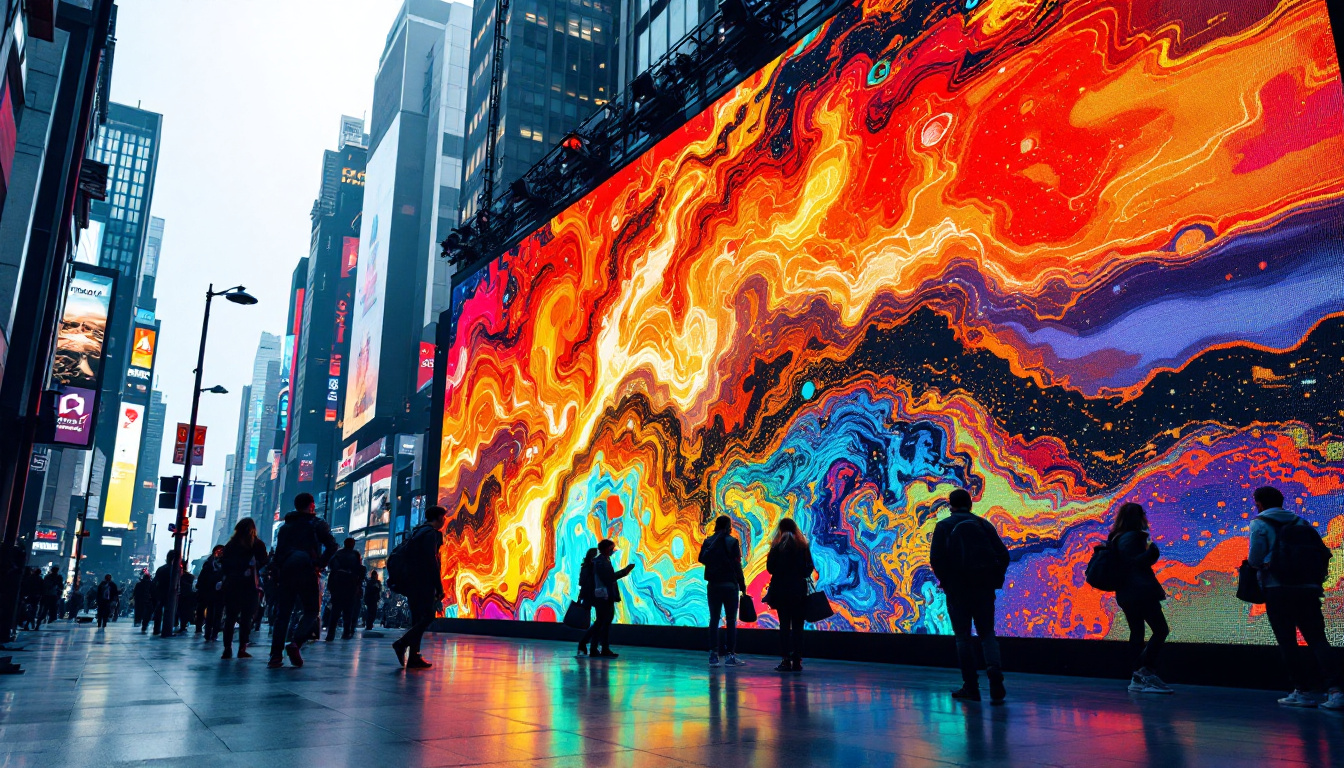
By the early 2000s, LED (Light Emitting Diode) technology began to replace static billboards, offering dynamic, vibrant, and versatile displays. Times Square, arguably the world’s most famous advertising hub, became the epicenter for this transformation. LED displays allowed advertisers to showcase multiple messages in rotation, incorporate motion graphics, and even interact with real-time data.
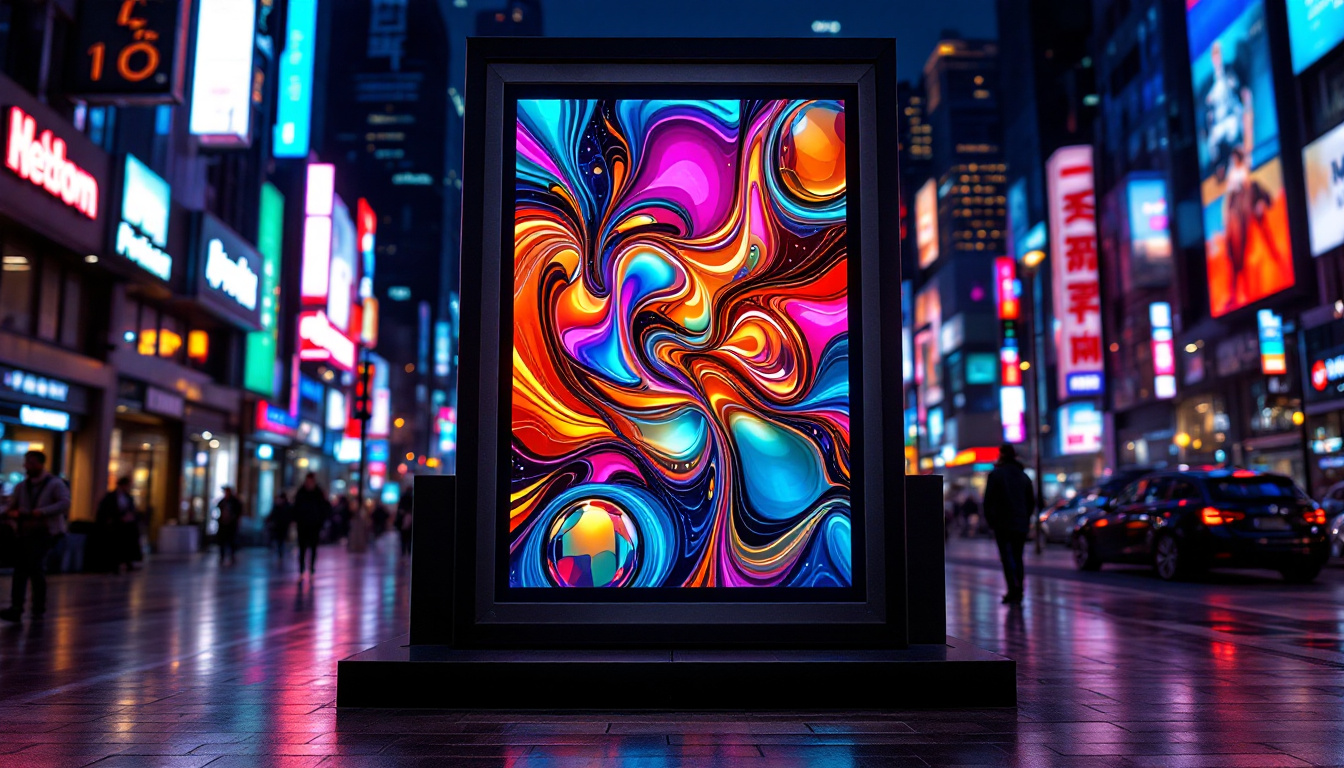
Today, New York boasts some of the largest and most technologically advanced LED billboards globally, setting a standard for cities worldwide. These digital canvases have not only changed the aesthetic of the city but also revolutionized the advertising landscape, allowing brands to reach audiences in innovative ways. For instance, many billboards now utilize augmented reality (AR) technology, inviting passersby to engage with the advertisements through their smartphones, creating an immersive experience that blurs the lines between the physical and digital worlds.
Moreover, the strategic placement of these billboards plays a crucial role in their effectiveness. Locations such as the intersection of Broadway and Seventh Avenue, where foot traffic is at its peak, have become prime real estate for advertisers looking to capture the attention of millions. This has led to a competitive market where brands vie for the most eye-catching designs and creative content, often collaborating with renowned artists and designers to create visually stunning displays that resonate with the diverse audience of New York City. As a result, these billboards have evolved into cultural landmarks, reflecting the city’s vibrant spirit and ever-changing trends.
What Is an LED Display?
Understanding the Technology
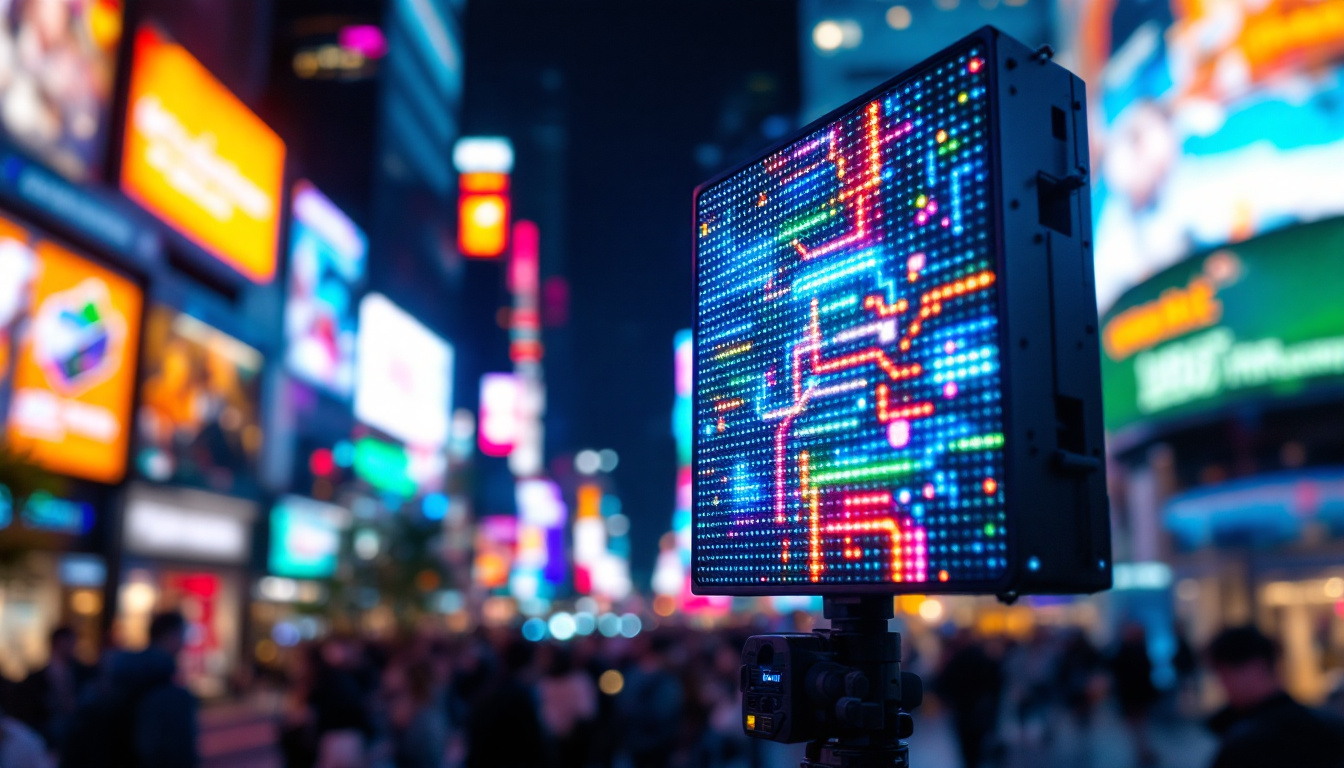
LED displays are composed of thousands of tiny light-emitting diodes that can be individually controlled to produce images, videos, and animations. Unlike traditional lighting, LEDs are energy-efficient, long-lasting, and capable of producing bright, vivid colors visible even in direct sunlight.
The core components of an LED display include:
- LED Modules: Small panels containing multiple LEDs arranged in a grid.
- Control System: Hardware and software that manage the display content and timing.
- Power Supply: Provides the necessary electrical power for the LEDs.
- Protective Enclosure: Shields the display from weather and physical damage.
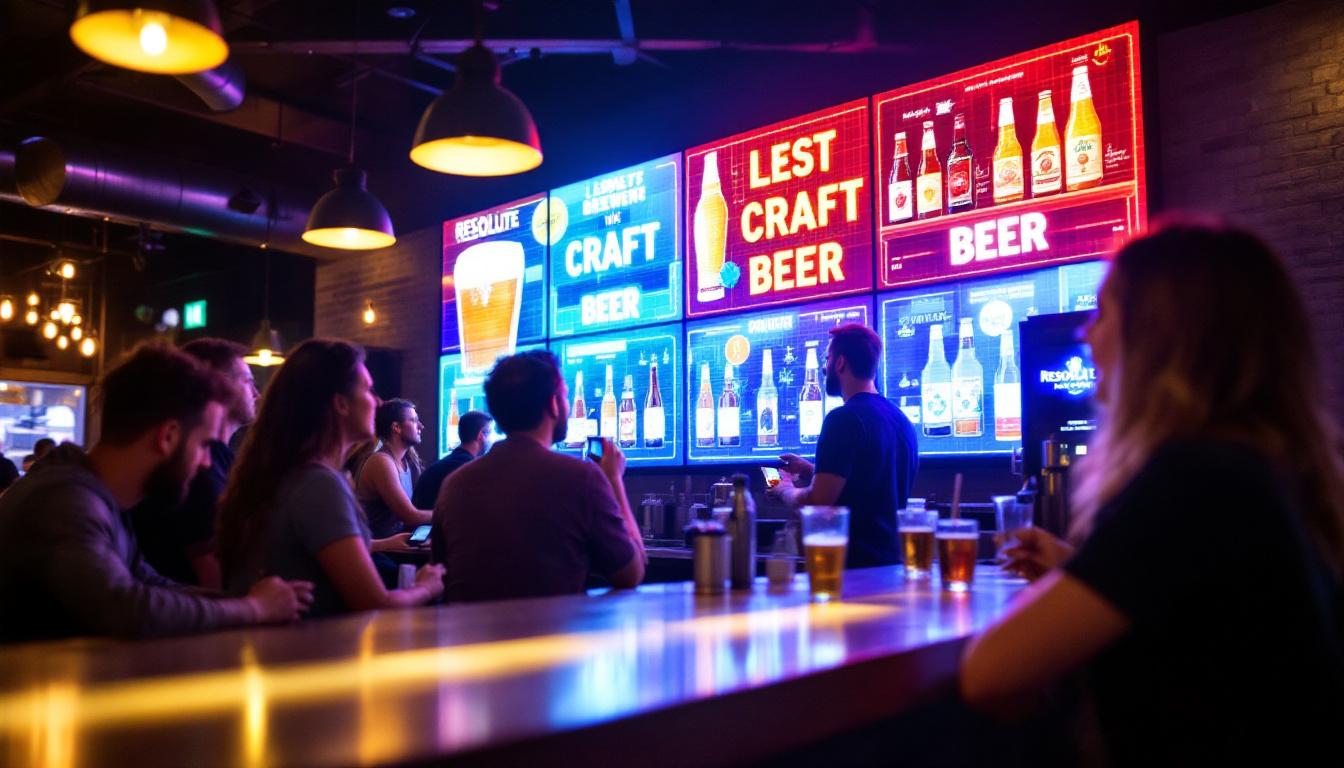
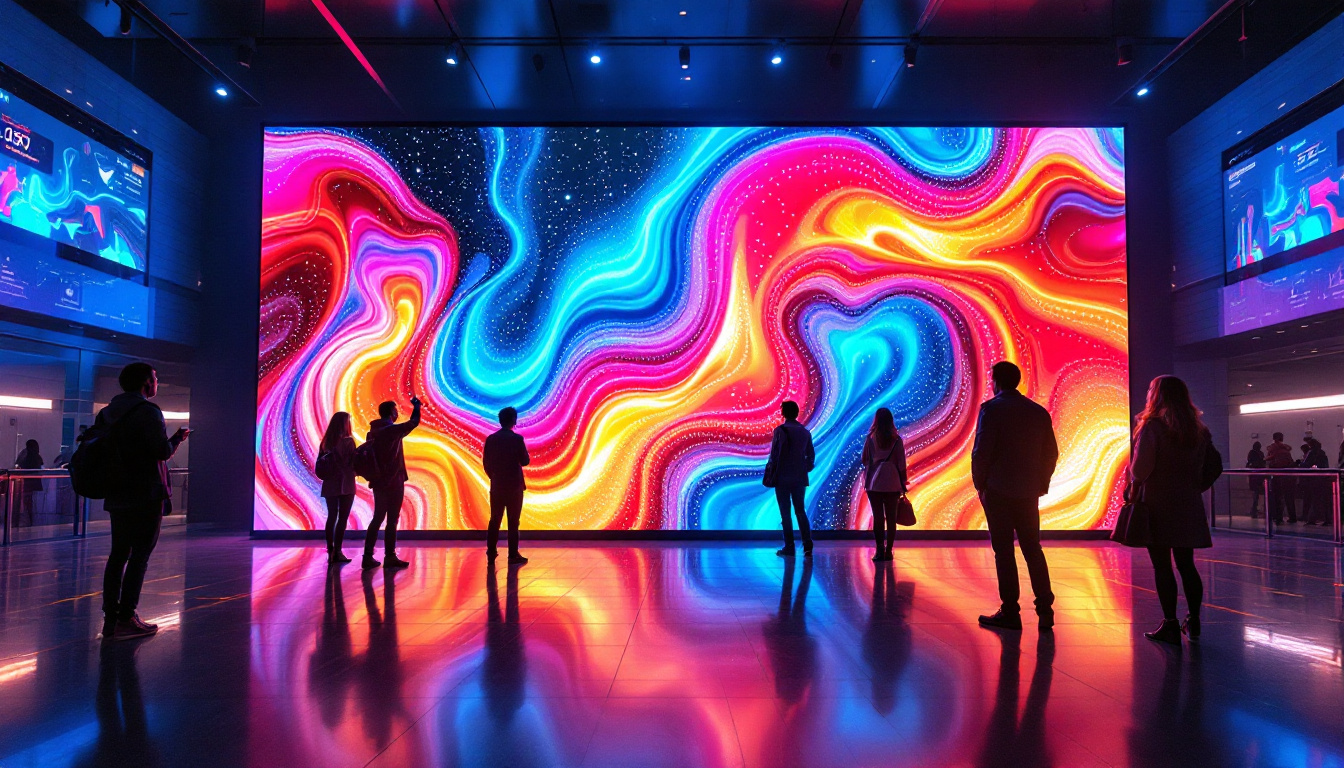
These elements work together seamlessly to create large-scale, high-resolution images that can be updated instantly. The versatility of LED displays allows them to be used in a variety of settings, from vibrant advertising billboards to dynamic stage backdrops at concerts. Their adaptability makes them a popular choice for both permanent installations and temporary events, ensuring that they can meet the specific needs of any project.
Pixel Pitch and Resolution
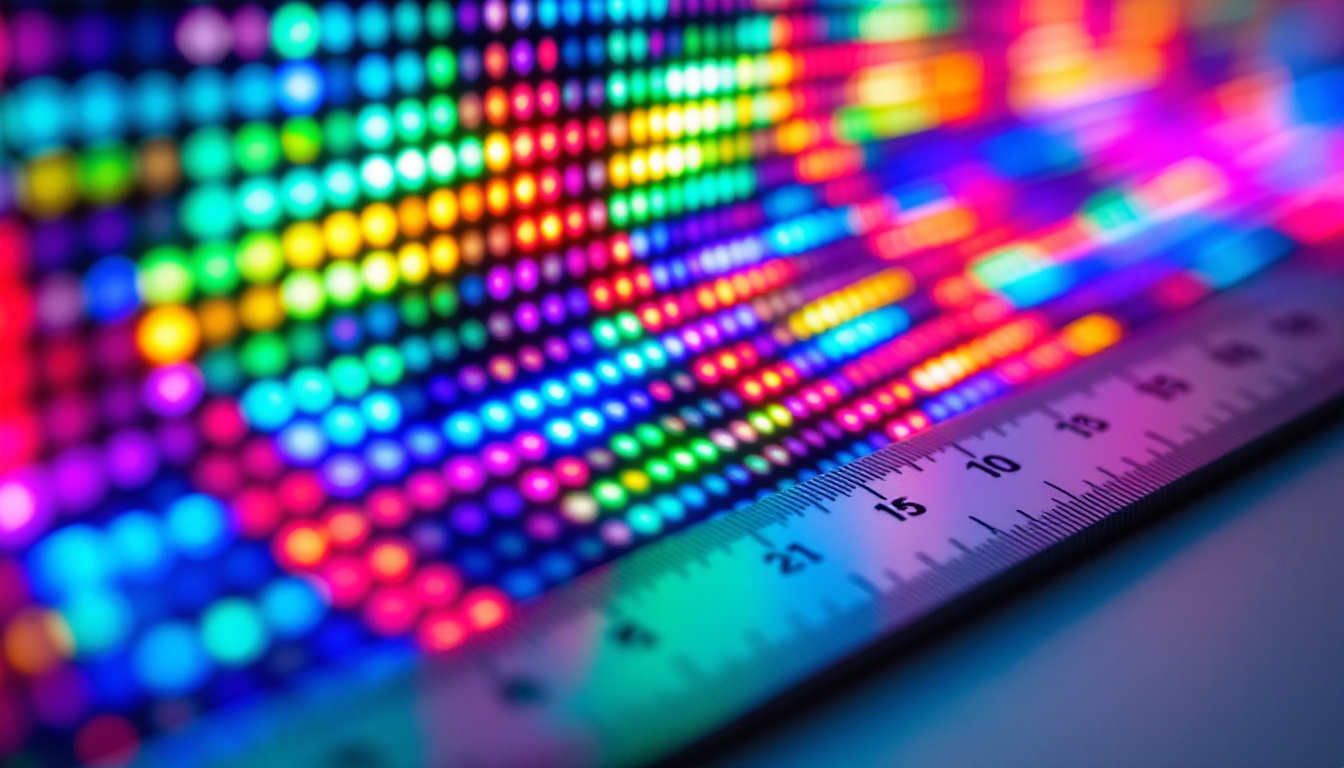
One of the critical technical specifications of LED displays is the pixel pitch — the distance between the centers of two adjacent LEDs. A smaller pixel pitch means higher resolution and sharper images, which is especially important for displays viewed up close, such as those in Times Square.
For example, a pixel pitch of 10mm is common for large outdoor billboards, offering a balance between cost and visual clarity. In contrast, indoor LED displays or those viewed from a short distance may have pixel pitches as low as 1.5mm, providing near-retina quality images. This level of detail not only enhances the viewing experience but also allows for more intricate designs and sharper text, making them ideal for environments where communication is key, such as retail spaces and corporate presentations.
Moreover, advancements in LED technology have led to the development of flexible and transparent displays, expanding the possibilities for creative applications. These innovations allow for unique architectural integrations, enabling buildings to incorporate LED screens into their facades or windows, thus transforming urban landscapes into dynamic visual experiences. As the technology continues to evolve, we can expect even more exciting developments in how LED displays are utilized across various industries.
Why LED Billboards Are Ideal for New York
High Visibility in a Dynamic Environment
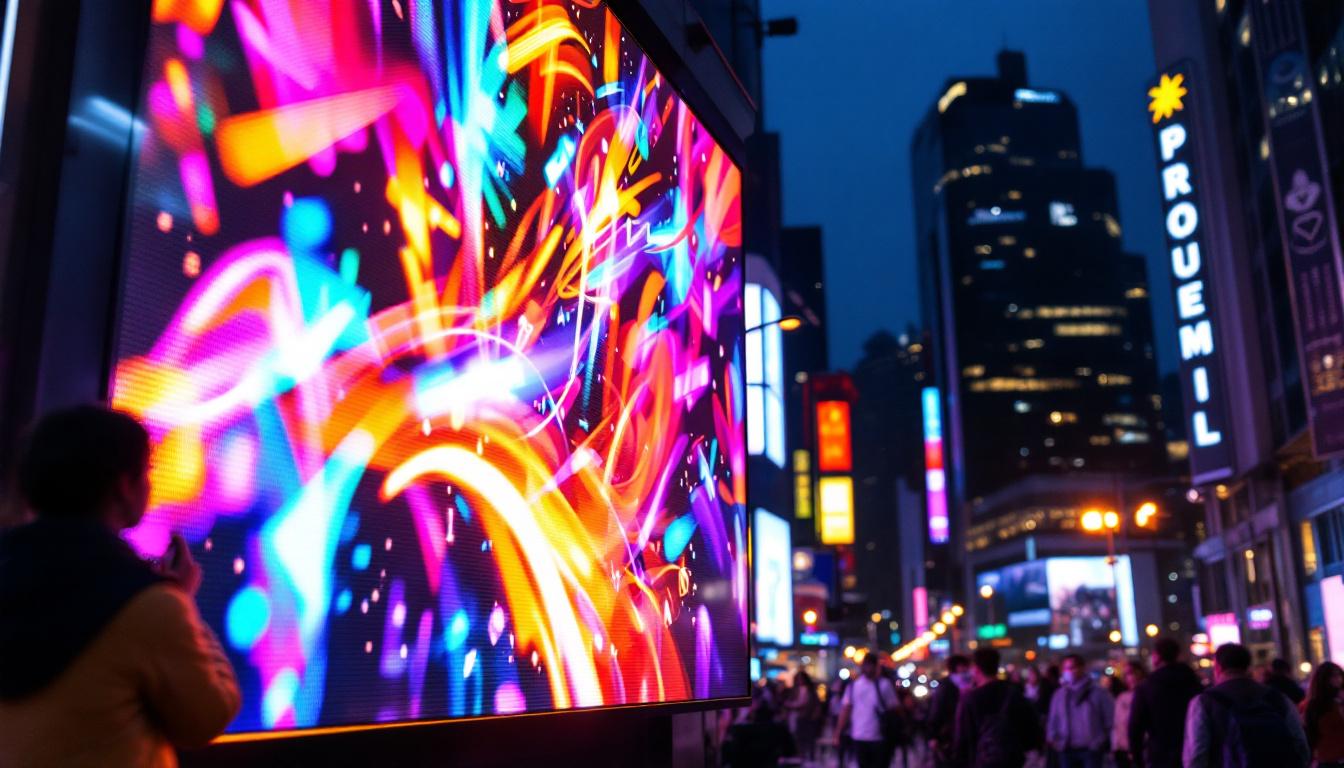
New York’s urban environment is characterized by constant movement and sensory overload. LED billboards stand out due to their brightness and ability to display motion, capturing attention even amidst the city’s visual noise. Their ability to operate 24/7 with consistent luminosity ensures messages remain visible during day and night, rain or shine.
Moreover, LED displays can adjust brightness automatically based on ambient light conditions, preventing glare while maintaining visibility. This adaptability is crucial in a city where lighting conditions change rapidly from dawn to dusk. The vibrant colors and dynamic animations of LED billboards not only draw the eye but also create a sense of excitement and urgency, making them perfect for promoting events, sales, or new product launches. As pedestrians and drivers navigate the bustling streets, these eye-catching displays become integral parts of the urban landscape, often sparking conversations and social media shares that amplify their reach.
Flexibility and Real-Time Content Updates
Traditional billboards require physical replacement of printed materials, which can be costly and time-consuming. LED billboards, however, allow advertisers to update content instantly, enabling dynamic campaigns that can change multiple times a day.
This flexibility is particularly valuable in New York, where events, weather, and news cycles move quickly. Advertisers can tailor messages to specific times of day, target demographics, or even respond to current events in real-time, maximizing relevance and engagement. For instance, a restaurant can promote lunch specials during midday foot traffic and switch to dinner deals as evening approaches, all while incorporating local happenings such as concerts or festivals into their messaging. This level of responsiveness not only enhances customer engagement but also fosters a deeper connection between brands and the vibrant New York community.
Environmental and Economic Benefits
LED technology is more energy-efficient than traditional incandescent or neon lighting, reducing power consumption significantly. This efficiency aligns with New York City’s sustainability goals, which emphasize reducing carbon footprints and promoting green technologies.
Additionally, the durability and long lifespan of LEDs reduce maintenance costs and waste, making LED billboards a more economical choice over time despite the higher initial investment. The longevity of LED technology means fewer replacements and less material waste, contributing to a more sustainable advertising ecosystem. Furthermore, as businesses increasingly prioritize corporate social responsibility, utilizing LED billboards can enhance their public image, showcasing a commitment to innovation and environmental stewardship. This not only attracts eco-conscious consumers but also positions brands as leaders in the shift towards sustainable urban advertising practices.
Iconic LED Billboards in New York City
Times Square: The Heart of LED Advertising
Times Square is home to some of the most famous LED billboards globally, including the massive Nasdaq MarketSite display and the towering Coca-Cola sign. These displays not only advertise products but have become cultural landmarks, contributing to the area’s identity as “The Crossroads of the World.”
One standout example is the Reuters News Billboard, which streams live news and financial data in real-time, showcasing the capability of LED technology to deliver dynamic, up-to-the-minute content.
One Times Square and the New Year’s Eve Ball Drop
The New Year’s Eve celebration at One Times Square incorporates LED technology extensively. The iconic ball drop is accompanied by LED displays that light up the building’s facade with vibrant colors and animations, enhancing the spectacle for millions of viewers worldwide.
Other Notable Locations
Beyond Times Square, LED billboards are prevalent throughout Manhattan and other boroughs. Locations such as Herald Square, the Flatiron District, and the Brooklyn Bridge area feature large LED installations that cater to both local businesses and global brands.
The Future of LED Billboard Technology in New York
Integration with Smart City Initiatives
New York is increasingly integrating LED billboards with smart city technologies. This includes using sensors and data analytics to optimize content delivery based on traffic patterns, weather conditions, and audience demographics.
For instance, some LED displays now incorporate facial recognition and demographic analysis to tailor advertisements dynamically, enhancing engagement and effectiveness.
Augmented Reality and Interactive Displays
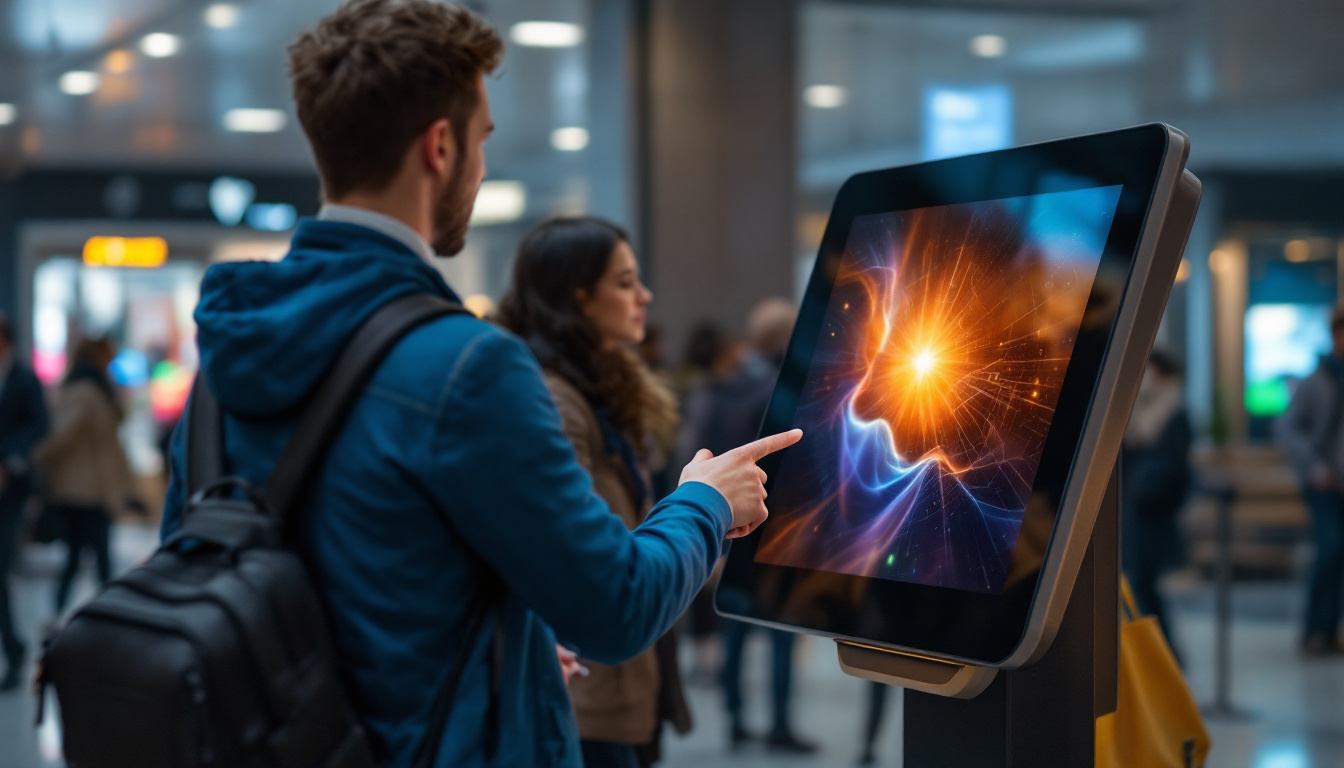
Emerging trends include the integration of augmented reality (AR) with LED billboards, allowing passersby to interact with advertisements via their smartphones or other devices. This interactivity transforms passive viewing into an immersive experience, opening new avenues for brand storytelling.
Sustainability and Energy Innovations
Future LED displays are expected to incorporate even more energy-saving technologies, such as solar power integration and advanced materials that reduce heat generation. These innovations will further align billboard advertising with New York City’s ambitious environmental targets.
Conclusion: The Significance of LED Billboards in New York’s Urban Landscape
LED billboards have become an integral part of New York City’s visual and cultural identity. Their technological sophistication, combined with the city’s dynamic environment, creates a unique platform for advertisers to connect with diverse audiences.
As technology continues to evolve, LED displays will likely become even more interactive, intelligent, and sustainable, reinforcing New York’s reputation as a global leader in innovation and urban advertising.
For businesses and marketers, understanding the capabilities and advantages of LED billboards is essential to leveraging this powerful medium effectively in one of the world’s most competitive advertising markets.
Illuminate Your Brand with LumenMatrix
Ready to elevate your advertising to new heights in the heart of New York’s electrifying urban canvas? Discover how LumenMatrix’s innovative LED display solutions can transform your brand’s presence. From the vibrant streets of Times Square to the bustling corners of Manhattan, our range of Indoor and Outdoor LED Wall Displays, Vehicle LED Displays, and more, are designed to captivate and engage. Experience the future of visual communication with our Custom LED Displays and All-in-One LED solutions that promise to leave a lasting impression. Check out LumenMatrix LED Display Solutions and join the revolution of impactful and sustainable advertising today.