In the rapidly evolving world of digital signage and display technology, understanding the nuances of LED displays is crucial for businesses, advertisers, and tech enthusiasts alike. Among the many technical specifications that define LED displays, the term “49/55 Grade” often appears, yet it remains somewhat obscure to many. This article aims to demystify the concept of the 49/55 grade in LED displays, exploring what it means, why it matters, and how it impacts the performance and quality of LED screens.
Understanding LED Display Grades: What Does 49/55 Mean?
LED displays are graded based on various quality parameters, including brightness, color accuracy, pixel pitch, and overall durability. The “49/55 Grade” specifically refers to a classification system used to denote the quality and performance level of LED modules or panels. Typically, these numbers relate to the brightness levels measured in nits and the color rendering capabilities of the display.
To break it down, the “49” and “55” in the grade often correspond to specific brightness thresholds or quality benchmarks that the LED display meets or exceeds. For instance, a 49-grade LED panel might offer a brightness level of around 4900 nits, while a 55-grade panel could reach approximately 5500 nits. These brightness levels are critical, especially for outdoor displays where sunlight can significantly impact visibility.
However, the grading system is not standardized globally, and manufacturers may use these figures differently. Therefore, it is essential to understand the context in which the 49/55 grade is applied, often detailed in product specifications or industry standards documentation.
The Role of Brightness in LED Display Quality
Brightness is one of the most vital factors in LED display performance. Measured in nits (candelas per square meter), it determines how well the display can be seen under various lighting conditions. For outdoor advertising, higher brightness levels are necessary to combat direct sunlight and ensure the content remains clear and vibrant.
Displays with a 49/55 grade typically fall into the mid-to-high brightness category, making them suitable for a wide range of applications, from indoor retail signage to outdoor billboards. The higher the brightness, the more energy the display consumes, so balancing brightness with energy efficiency is a key consideration for manufacturers and users alike.
Technical Specifications Behind the 49/55 Grade
Beyond brightness, the 49/55 grade encompasses other technical aspects that contribute to overall display quality. These include pixel pitch, color gamut, refresh rate, and viewing angle. Understanding these specifications helps in assessing whether a particular LED display meets the needs of a specific application.
Pixel Pitch and Resolution
Pixel pitch refers to the distance between the centers of two adjacent pixels, typically measured in millimeters. It directly affects the resolution and clarity of the display. A smaller pixel pitch means higher resolution and sharper images, which is particularly important for close-viewing environments such as indoor displays.
In the context of 49/55 grade LED displays, pixel pitch values usually range from 1.2mm to 4mm. This range allows for flexibility in application, with finer pitches used indoors for detailed content and larger pitches suited for outdoor displays where viewers are farther away.
Color Gamut and Accuracy
The color gamut defines the range of colors a display can reproduce. A wider color gamut ensures more vibrant and true-to-life images. Displays graded as 49/55 typically support a color gamut covering 70% to 90% of the NTSC standard, which is sufficient for most commercial and advertising purposes.
Color accuracy is equally important, especially for brand-sensitive content where consistent color representation is necessary. Advanced calibration techniques and high-quality LED chips contribute to maintaining color fidelity in these grades.
Refresh Rate and Viewing Angle
The refresh rate, measured in hertz (Hz), indicates how many times the display updates its image per second. Higher refresh rates reduce flickering and motion blur, enhancing the viewing experience, particularly for video content. A 49/55 grade LED display typically offers refresh rates of 1920Hz or higher, ensuring smooth and stable images even in dynamic environments.
Viewing angle determines how far off-center a viewer can be while still seeing a clear image. Wide viewing angles, often up to 160 degrees horizontally and vertically, are standard in these grades, allowing for flexible placement and multiple viewers without quality degradation.
Applications of 49/55 Grade LED Displays
The 49/55 grade LED displays strike a balance between performance and cost, making them popular in various sectors. Their versatility allows them to be used effectively in both indoor and outdoor environments, catering to different audience sizes and viewing distances.
Outdoor Advertising and Public Displays
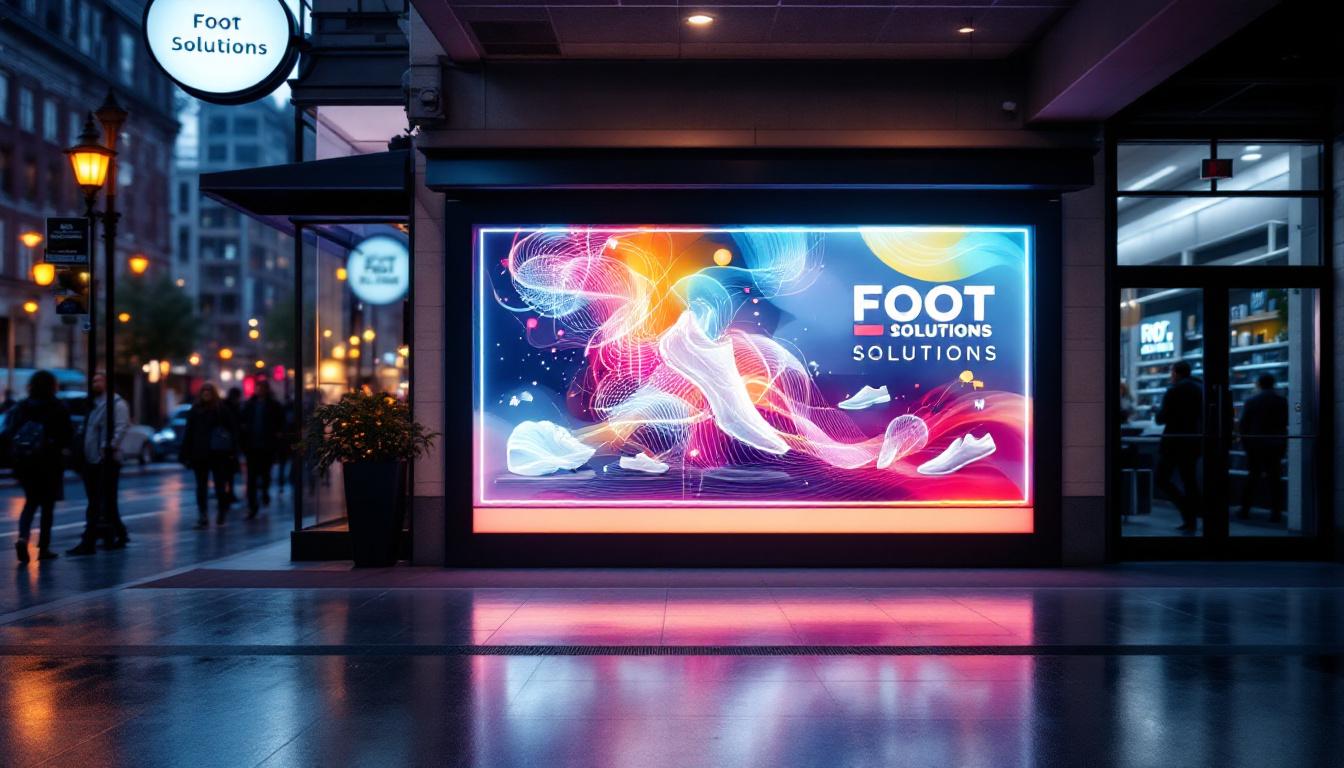
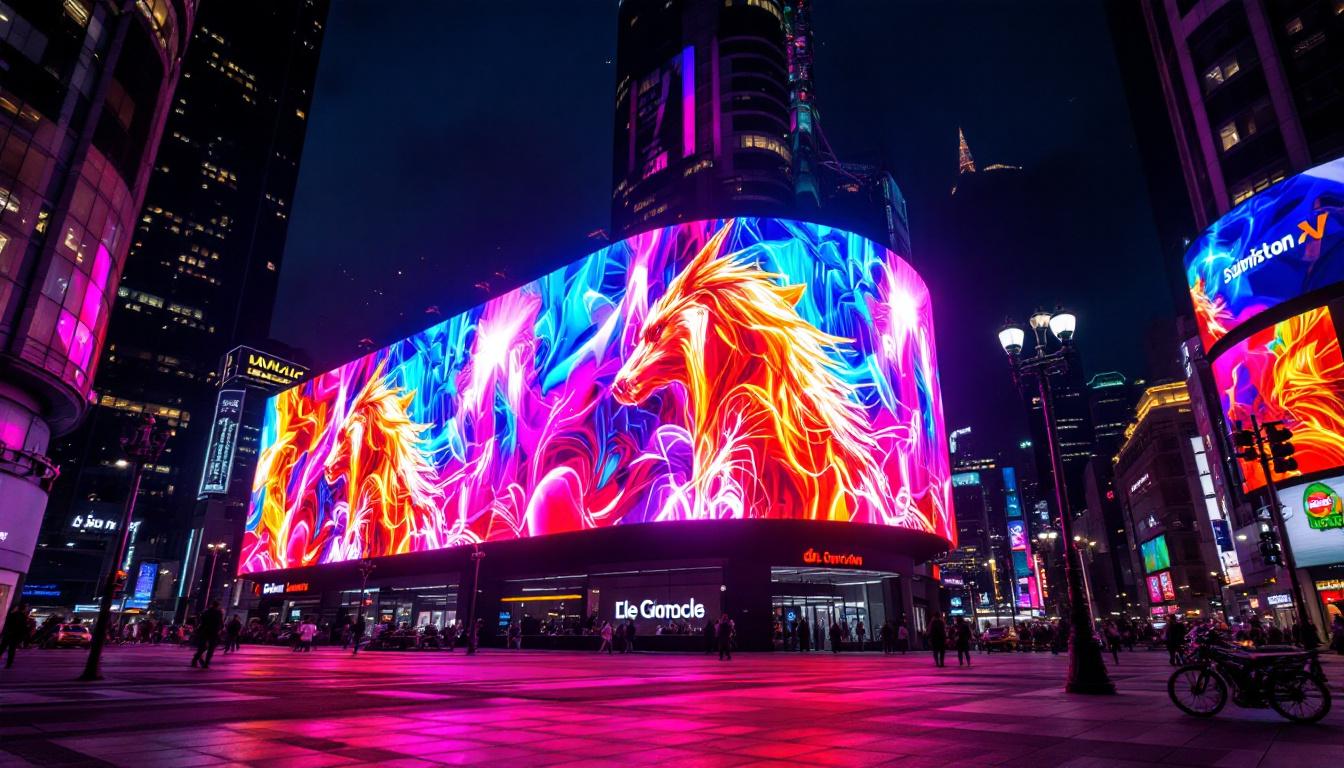
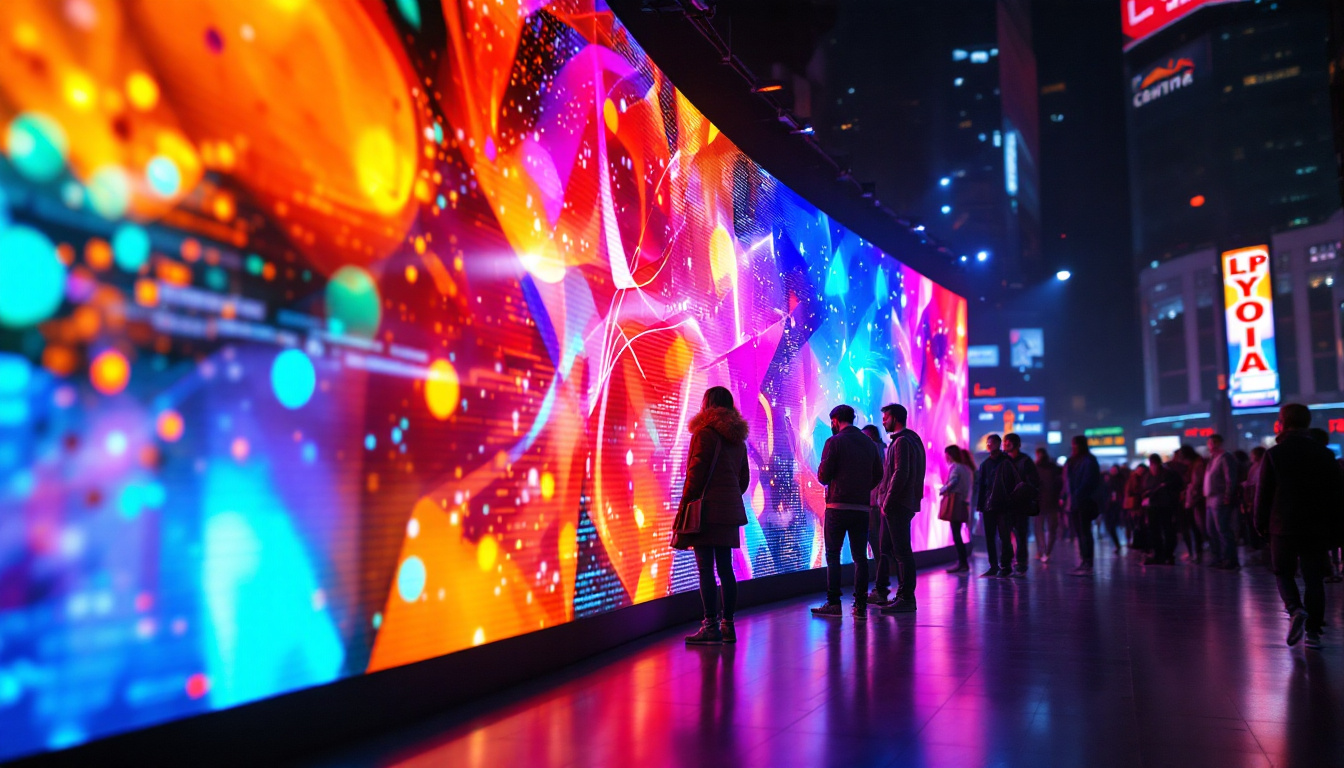
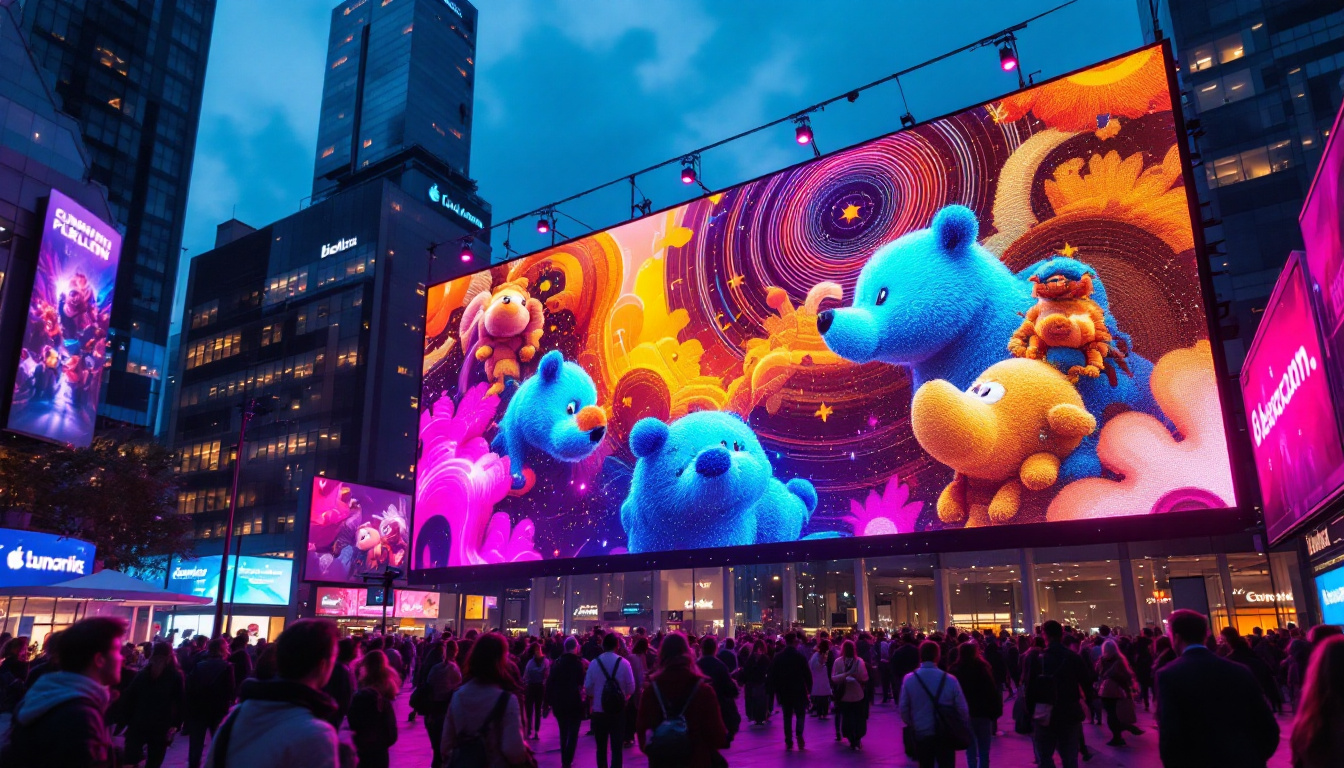
One of the most common uses of 49/55 grade LED displays is in outdoor advertising, such as billboards, transit shelters, and stadium screens. Their high brightness and robust build quality enable them to withstand harsh weather conditions and maintain visibility in direct sunlight.
For example, a 55-grade LED billboard in a busy urban area can attract attention with vivid, bright images that remain clear throughout the day. The durability of these displays also reduces maintenance costs and downtime, which is crucial for continuous advertising campaigns.
Retail and Corporate Environments
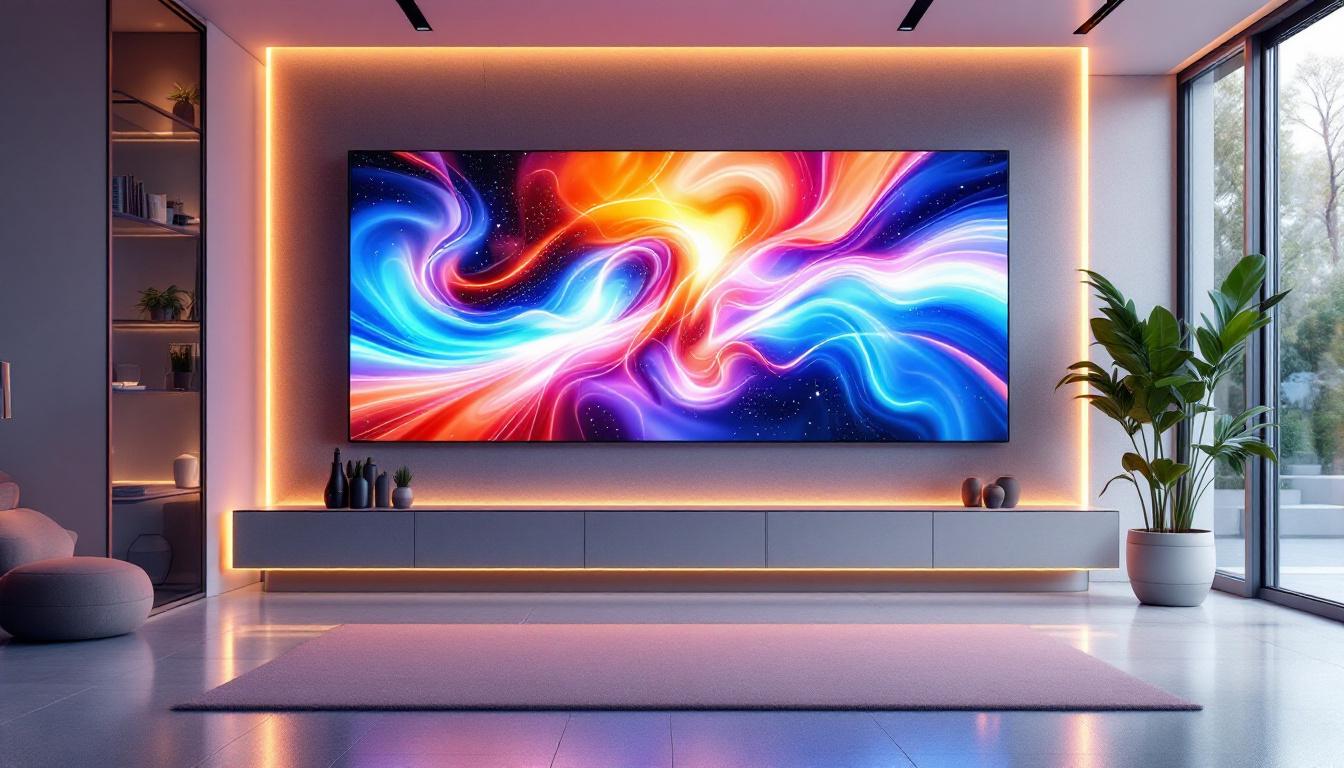
Indoor applications benefit from the fine pixel pitch and excellent color accuracy of 49/55 grade LED displays. Retail stores use these screens to showcase products, promotions, and interactive content, enhancing customer engagement and driving sales.
In corporate settings, these displays serve as digital notice boards, presentation screens, or video walls in lobbies and conference rooms. Their sleek design and high image quality contribute to a professional atmosphere and effective communication.
Events and Entertainment
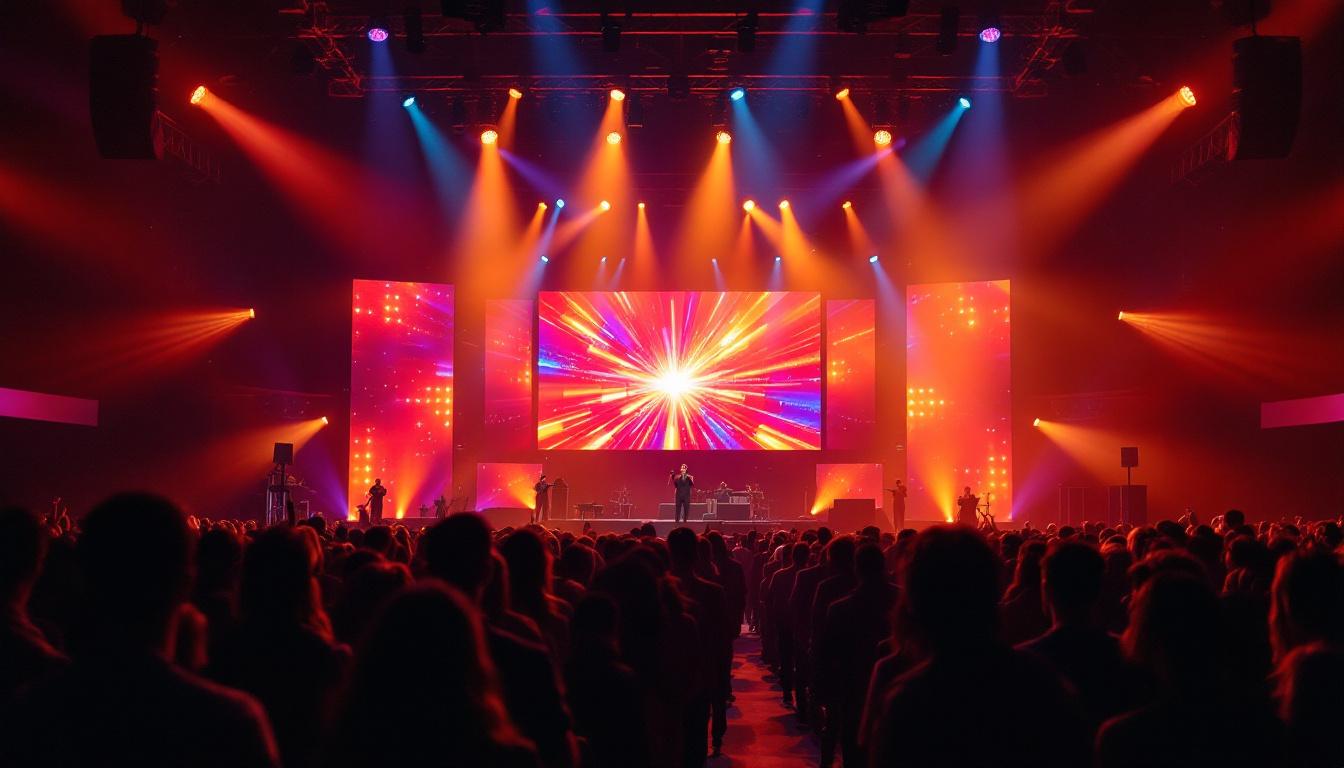
Temporary installations for concerts, exhibitions, and sports events often rely on 49/55 grade LED displays due to their portability, brightness, and image quality. These screens can be configured into various shapes and sizes, providing immersive visual experiences for attendees.
High refresh rates and wide viewing angles ensure that dynamic content such as live video feeds and animations are displayed smoothly, enhancing the overall event atmosphere.
Factors Influencing the Choice of 49/55 Grade LED Displays
Choosing the right LED display grade depends on several factors, including budget, environment, intended use, and technical requirements. Understanding these considerations helps stakeholders make informed decisions that maximize the value and effectiveness of their digital signage investments.
Environmental Conditions and Durability
Outdoor installations require displays that can resist water, dust, temperature fluctuations, and UV exposure. The 49/55 grade LED displays typically come with IP65 or higher ratings, ensuring protection against these elements. This durability is essential for maintaining performance and longevity in challenging environments.
Indoor environments, while less demanding in terms of weather resistance, still require displays that can operate efficiently over long periods without overheating or color degradation. The 49/55 grade panels are designed with effective heat dissipation and stable power management to meet these needs.
Energy Efficiency and Operational Costs
Energy consumption is a critical factor, especially for large-scale installations. While higher brightness levels generally mean increased power usage, advancements in LED technology have improved energy efficiency significantly.
Displays within the 49/55 grade range often incorporate energy-saving features such as automatic brightness adjustment based on ambient light and low-power standby modes. These capabilities help reduce operational costs without compromising display quality.
Installation and Maintenance Considerations
Ease of installation and maintenance can influence the choice of LED display grade. Modular designs with front and rear access simplify repairs and upgrades, minimizing downtime. The 49/55 grade LED displays often feature such user-friendly designs.
Moreover, the availability of technical support and warranty terms should be factored into the decision-making process to ensure long-term reliability and peace of mind.
Future Trends and Innovations in LED Display Technology
The LED display industry continues to innovate rapidly, with emerging technologies poised to enhance the capabilities of 49/55 grade displays even further. Staying informed about these trends can help businesses and consumers anticipate future opportunities and challenges.
MicroLED and MiniLED Advancements
MicroLED and MiniLED technologies offer higher brightness, better color accuracy, and improved energy efficiency compared to traditional LED displays. These advancements are gradually being integrated into mid-range grades like 49/55, promising even better performance for a similar price point.
MicroLED displays, in particular, provide exceptional contrast ratios and longevity, making them ideal for premium applications in both indoor and outdoor settings.
Artificial Intelligence and Smart Display Features
Incorporating AI-driven content management and adaptive brightness control is becoming more common. These smart features allow LED displays to optimize content delivery based on viewer demographics, environmental conditions, and real-time analytics.
For 49/55 grade LED displays, such intelligent systems can enhance engagement and operational efficiency, providing a competitive edge in the digital signage market.
Sustainability and Eco-Friendly Materials
Environmental concerns are driving the development of eco-friendly LED displays that use recyclable materials and reduce hazardous substances. Energy-efficient designs also contribute to lowering the carbon footprint of digital signage installations.
Manufacturers of 49/55 grade LED displays are increasingly adopting these sustainable practices, aligning with global efforts to promote green technology.
Conclusion: Why Understanding the 49/55 Grade Matters
The 49/55 grade classification in LED displays represents a critical benchmark for quality, performance, and suitability across various applications. By comprehending what this grade entails—from brightness and color accuracy to durability and energy efficiency—stakeholders can make better-informed decisions that align with their specific needs and objectives.
Whether for outdoor advertising, retail environments, corporate communications, or entertainment events, 49/55 grade LED displays offer a compelling balance of features and value. As technology advances, these displays will continue to evolve, delivering richer visual experiences and greater operational benefits.
Investing time in understanding the technical and practical aspects of LED display grades ensures that users harness the full potential of this versatile technology, achieving impactful and lasting results in their digital signage endeavors.
Discover the LumenMatrix Difference
Ready to elevate your visual communication with top-tier LED displays? LumenMatrix is at the forefront of LED display innovation, offering a diverse range of solutions tailored to your unique needs. From vibrant Indoor LED Wall Displays to dynamic Outdoor LED Wall Displays, and from versatile Vehicle LED Displays to sleek LED Poster Displays, our products are designed to captivate and engage your audience. Experience the future of digital signage with our LED Sports Displays, interactive Floor LED Displays, and the revolutionary All-in-One LED Display. Embrace transparency with our LED Transparent Display and let your creativity run wild with our Custom LED Display options. Take the first step towards transforming your brand’s visibility and Check out LumenMatrix LED Display Solutions today!