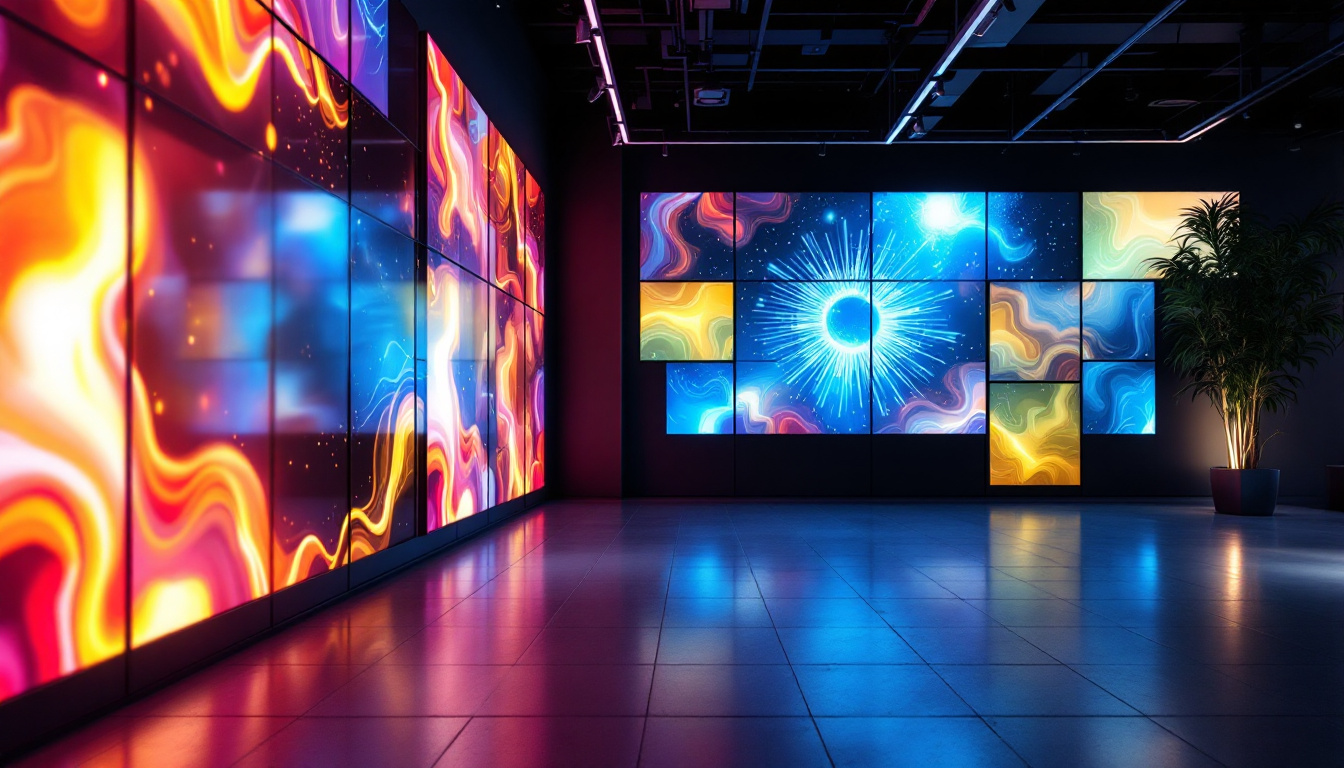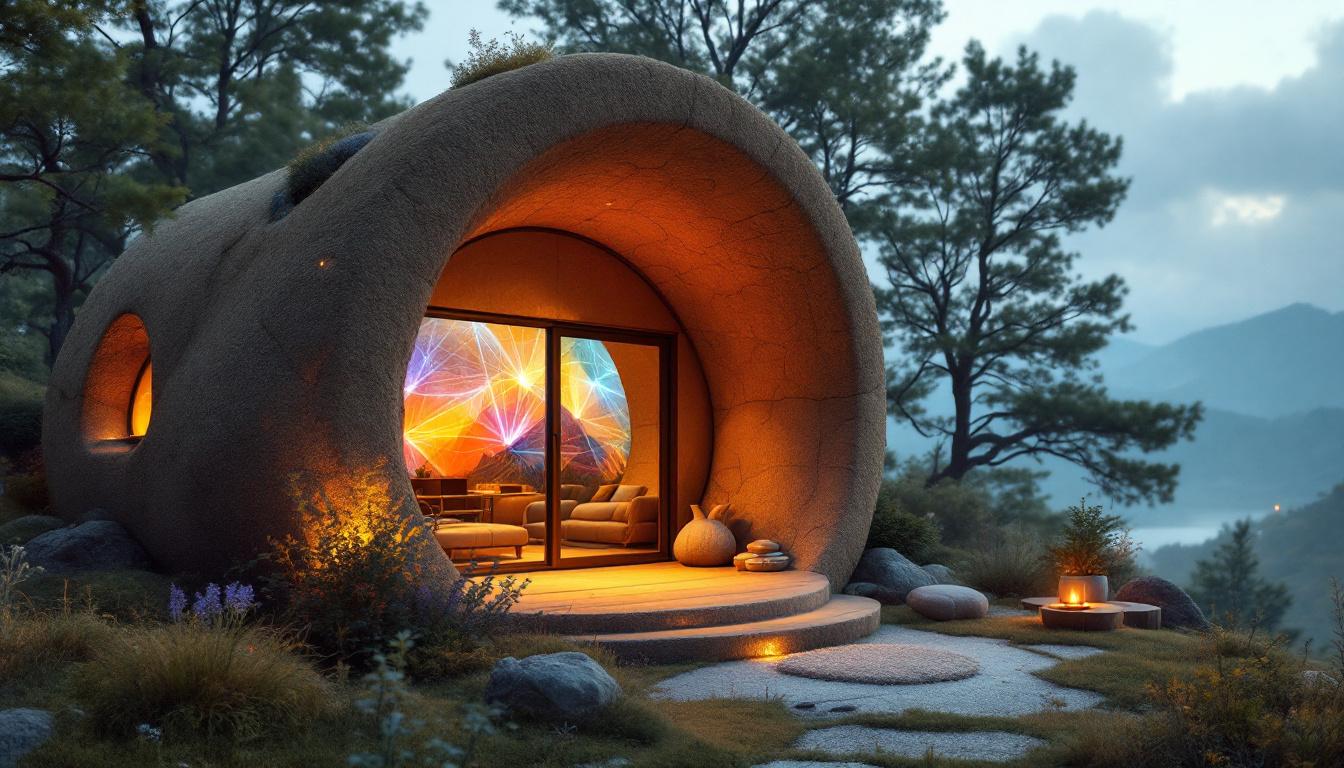
In recent years, sustainable living and eco-friendly housing options have gained significant traction. Among these, cob homes stand out for their natural materials, energy efficiency, and unique aesthetic appeal. As the market for cob homes expands, innovative technologies such as LED displays are being integrated into these homes for enhanced functionality and modern living experiences. This article explores the intersection of cob homes and LED display technology, providing a comprehensive guide for prospective buyers and enthusiasts alike.
Understanding Cob Homes: A Sustainable Housing Choice
Cob homes are built using a natural building material composed primarily of clay, sand, straw, and water. This mixture is hand-sculpted to form walls that are thick, durable, and highly insulating. Originating from ancient building traditions, cob construction has experienced a resurgence due to its low environmental impact and the comfort it provides.
One of the most compelling reasons for choosing a cob home is its sustainability. Unlike conventional homes that rely heavily on processed materials and energy-intensive manufacturing, cob homes utilize locally sourced, natural ingredients. This reduces the carbon footprint associated with construction. Furthermore, the thermal mass of cob walls helps regulate indoor temperatures, reducing the need for artificial heating and cooling.
In addition to environmental benefits, cob homes offer aesthetic flexibility. Each structure is unique, often featuring organic shapes, rounded corners, and artistic details. This artisanal quality appeals to those seeking a home that is both functional and a work of art.
Moreover, the construction process of cob homes fosters a deep connection between the builder and the environment. As individuals mix and mold the cob, they engage in a tactile experience that enhances their appreciation for natural materials. This hands-on approach can also be a communal activity, with families and friends coming together to participate in the building process, thus strengthening social bonds and creating lasting memories. The use of natural materials means that cob homes can blend seamlessly into their surroundings, often enhancing the beauty of the landscape rather than detracting from it.
Another noteworthy aspect of cob homes is their resilience and longevity. When properly maintained, cob structures can last for centuries, standing strong against the elements. The breathability of cob also contributes to a healthier indoor environment by preventing moisture buildup and reducing the risk of mold. As more people become aware of the benefits of sustainable living, cob homes represent a viable alternative that not only meets the needs of modern living but also honors traditional craftsmanship and ecological stewardship.
The Growing Market for Cob Homes For Sale
As awareness of sustainable living grows, so does the market for cob homes. Real estate listings featuring cob homes have increased steadily over the past decade, particularly in regions with supportive zoning laws and a culture of environmental consciousness. For example, areas in the Pacific Northwest and parts of Europe have seen a notable rise in cob home sales.
According to recent data from the National Association of Home Builders, eco-friendly homes, including cob constructions, account for approximately 5% of new home sales in the United States, a figure expected to grow as consumer preferences shift. Buyers are often motivated by the desire to reduce their ecological footprint, lower utility costs, and invest in homes with longevity and character.
However, purchasing a cob home requires careful consideration. Prospective buyers should assess factors such as local building codes, the availability of skilled builders, and the home’s maintenance requirements. Cob walls, while durable, need protection from excessive moisture, so roofing and foundation design are critical.
In addition to the practical aspects of buying a cob home, many owners find joy in the unique aesthetic and tactile qualities of cob construction. The natural materials used, such as clay, sand, and straw, create a warm and inviting atmosphere that resonates with those seeking a connection to the earth. Each cob home is often a one-of-a-kind creation, reflecting the personal style and creativity of its builder. This individuality is a significant draw for many buyers, as they seek homes that tell a story and offer a sense of place.
Furthermore, the cob building community is vibrant and supportive, often hosting workshops and gatherings that foster a sense of camaraderie among enthusiasts. These events provide opportunities for learning and sharing knowledge about sustainable practices, building techniques, and the benefits of living in harmony with nature. As more individuals and families choose to invest in cob homes, they are not only contributing to a growing market but also participating in a larger movement towards ecological responsibility and community resilience.
Integrating LED Displays in Cob Homes: A Modern Twist
While cob homes are rooted in traditional building methods, modern technology is increasingly being incorporated to enhance their livability. LED displays represent one such innovation, offering a range of applications from functional lighting to interactive home automation interfaces.
LED (Light Emitting Diode) technology is celebrated for its energy efficiency, longevity, and versatility. In cob homes, LED displays can be seamlessly integrated to complement the natural aesthetics while providing modern conveniences. For instance, LED panels can be embedded into walls or ceilings to create ambient lighting that highlights the home’s organic textures.
Moreover, LED displays serve as control hubs for smart home systems. Touchscreen panels can be installed to manage lighting, temperature, security, and multimedia, all while maintaining the home’s rustic charm. The low heat emission and customizable brightness of LEDs make them particularly suitable for the thick, insulating walls of cob homes.
Benefits of LED Displays in Sustainable Homes
LED technology aligns well with the sustainability goals of cob homes. Compared to traditional incandescent or fluorescent lighting, LEDs consume up to 80% less energy and can last 25 times longer. This efficiency reduces both environmental impact and energy costs, complementing the energy-saving properties of cob construction.
Additionally, LED displays offer design flexibility. They can be programmed to change colors, dim automatically based on ambient light, or display information such as weather updates and security alerts. This adaptability enhances the user experience while preserving the natural ambiance of the home.
Incorporating LED displays also opens up opportunities for creative expression within the cob home environment. Homeowners can utilize programmable displays to showcase digital art or family photos, adding a personal touch that can evolve over time. This dynamic feature contrasts beautifully with the static nature of cob walls, allowing for a blend of tradition and modernity that can be tailored to the homeowner’s evolving tastes.
Furthermore, the integration of LED technology can significantly improve safety and security in cob homes. Smart LED lighting can be programmed to simulate occupancy when homeowners are away, deterring potential intruders. Motion-sensor lights can illuminate pathways and entrances, providing both convenience and peace of mind. This combination of aesthetic appeal and enhanced security makes LED displays an invaluable addition to the cob home experience, ensuring that these dwellings remain not only beautiful but also functional and safe.
Practical Considerations When Buying Cob Homes With LED Displays
For buyers interested in cob homes equipped with LED display technology, several practical factors must be considered to ensure a successful purchase and long-term satisfaction.
Assessing Electrical Infrastructure
Cob homes, traditionally built without modern wiring, require careful planning to integrate LED systems. Prospective buyers should verify that the home’s electrical infrastructure supports LED technology, including adequate wiring, power supply, and compatibility with smart home devices. Consulting with an electrician experienced in sustainable homes is advisable.
Maintenance and Durability
While LED displays are low maintenance, the unique environment of a cob home necessitates attention to installation methods. Moisture control is paramount to prevent damage to electrical components. Buyers should inquire about waterproofing measures and protective housings for LED installations.
Customization and Upgradability
Technology evolves rapidly, so buyers should consider the ease of upgrading LED systems. Modular designs that allow for component replacement or software updates can extend the lifespan of the display technology and maintain compatibility with emerging smart home standards.
Case Studies: Cob Homes Featuring LED Displays
Several innovative projects showcase the successful fusion of cob construction and LED technology, illustrating the potential of this combination.
The Green Haven Residence
Located in Oregon, the Green Haven Residence is a 1,500-square-foot cob home that incorporates LED lighting embedded within its thick walls. The homeowners installed programmable LED strips that highlight architectural features and provide mood lighting. Additionally, a central LED touchscreen controls heating, ventilation, and security systems, demonstrating how technology can enhance comfort without compromising sustainability.
EcoArt Studio
In the United Kingdom, the EcoArt Studio is a cob-built workspace that uses LED displays as interactive art installations. The LED panels respond to ambient sound and light, creating a dynamic environment that blends natural materials with cutting-edge technology. This project exemplifies how LED displays can serve both functional and aesthetic purposes in cob homes.
Future Trends: The Role of LED Displays in Sustainable Housing
As smart home technology continues to advance, the integration of LED displays in sustainable housing like cob homes is expected to grow. Innovations such as flexible OLED panels, energy-harvesting LEDs, and AI-driven lighting systems promise to enhance energy efficiency and user interaction further.
Moreover, as building codes evolve to encourage green construction, the combination of natural materials and smart technology could become a standard in eco-friendly housing. This trend will likely increase the availability of cob homes with integrated LED displays on the market, making them more accessible to a broader audience.
In conclusion, cob homes represent a harmonious blend of tradition and sustainability, while LED display technology introduces modern functionality and energy efficiency. Together, they offer a compelling option for environmentally conscious buyers seeking homes that are both beautiful and intelligent.
Illuminate Your Cob Home with LumenMatrix
Embrace the future of sustainable living with a modern twist by incorporating LumenMatrix’s innovative LED display technology into your cob home. As a leader in creating visually stunning and energy-efficient LED solutions, LumenMatrix offers a diverse range of products including Indoor and Outdoor LED Wall Displays, Vehicle LED Displays, LED Poster Displays, and more, all designed to integrate seamlessly with the natural beauty and eco-friendly ethos of cob homes. Enhance your living space and experience the perfect blend of tradition and technology. Check out LumenMatrix LED Display Solutions today and take the first step towards a brighter, smarter home.