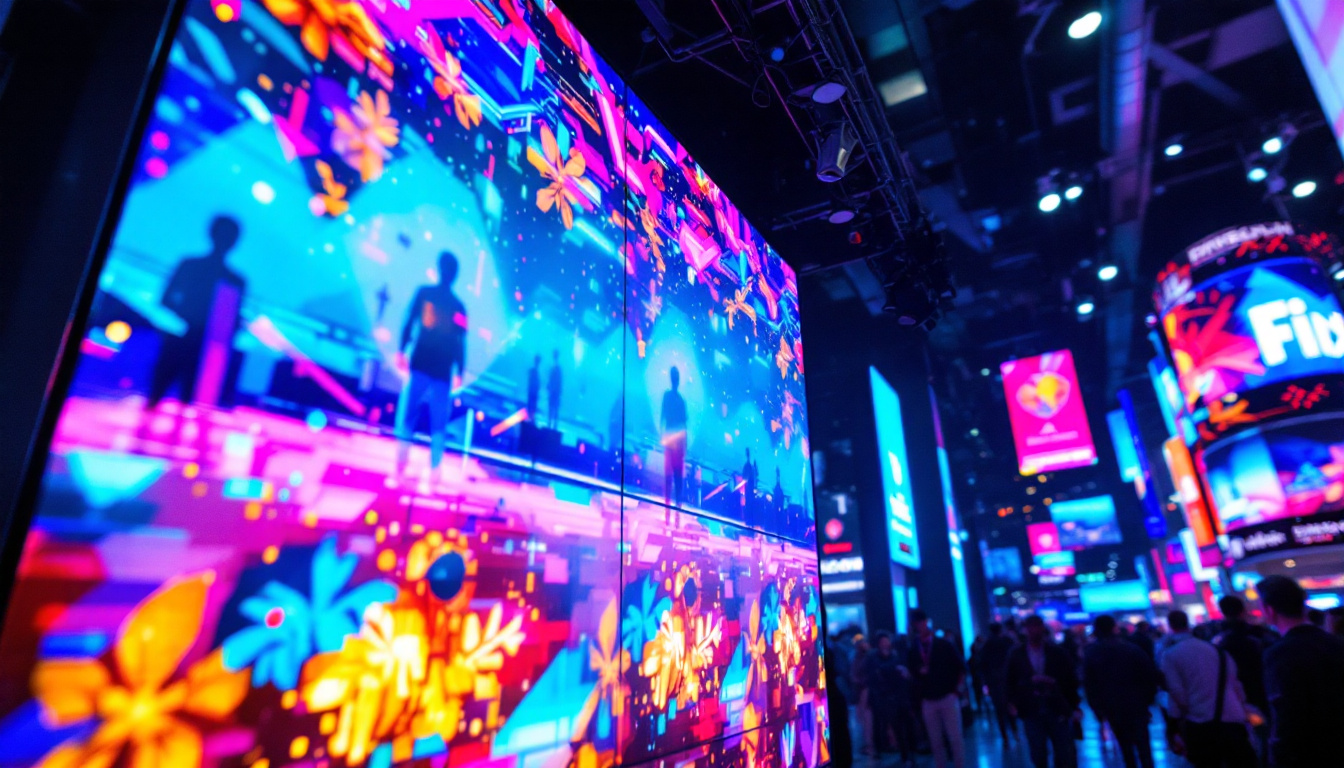
In today’s fast-paced world, small flat screen TVs have become increasingly popular for their convenience, portability, and modern design. Among the various types of displays available, LED technology stands out as a leading choice for small TVs, offering a blend of vivid picture quality, energy efficiency, and sleek form factors. This article dives deep into the world of LED displays in small flat screen TVs, explaining how they work, their benefits, and what consumers should consider when purchasing one.
Understanding LED Display Technology
LED, or Light Emitting Diode, displays have revolutionized the way images are presented on screens. Unlike traditional LCDs that rely on cold cathode fluorescent lamps (CCFLs) for backlighting, LED TVs use light-emitting diodes to illuminate the screen. This shift has brought about significant improvements in picture quality, energy consumption, and overall design. The transition to LED technology has not only enhanced the viewing experience but also contributed to a more sustainable approach to display technology, as LED lights consume less power and have a longer lifespan compared to their fluorescent counterparts.
How LED Displays Work
At the core, LED TVs are still LCD (Liquid Crystal Display) panels that use LEDs as a backlight source instead of fluorescent lamps. The LCD panel itself does not emit light; it manipulates light passing through it to create images. The LEDs provide the necessary illumination behind or around the screen, allowing the liquid crystals to block or allow light to form the picture. This manipulation of light is crucial for achieving vibrant colors and sharp images, making LED displays a popular choice for both home entertainment and professional applications.
There are two main types of LED backlighting: edge-lit and direct-lit (or full-array). Edge-lit LEDs are positioned around the edges of the screen, shining light across the display, which allows for thinner TV designs. This design choice has led to sleeker, more aesthetically pleasing televisions that can fit seamlessly into modern living spaces. On the other hand, direct-lit or full-array LED TVs have LEDs spread evenly behind the entire screen, providing better contrast and uniform brightness. This technology is particularly advantageous for watching movies in dark environments, where the enhanced contrast can significantly elevate the viewing experience.
Mini-LED and Micro-LED Innovations
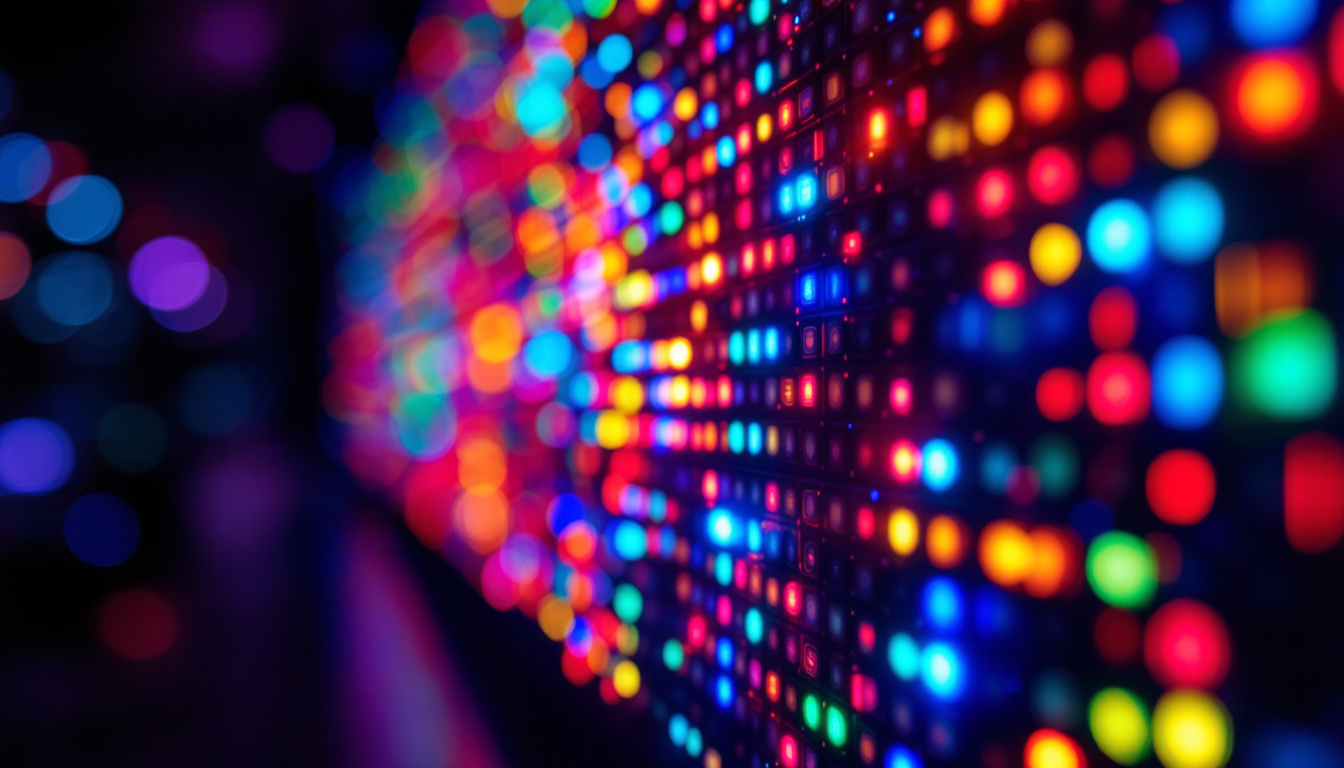
Recent advancements have introduced Mini-LED and Micro-LED technologies, which use significantly smaller LEDs to enhance picture quality further. Mini-LEDs, for example, allow for thousands of tiny LEDs to be packed behind the screen, enabling finer control over local dimming zones. This results in deeper blacks and higher contrast ratios, features typically found in premium TVs. The increased number of dimming zones means that bright and dark areas of the image can be displayed more accurately, reducing the halo effect that sometimes occurs with traditional backlighting methods.
Micro-LED technology, still emerging in the market, uses microscopic LEDs that serve as both the light source and the pixel itself, eliminating the need for an LCD panel. This promises even better brightness, color accuracy, and longevity but remains costly and primarily found in large, high-end displays. The modular nature of Micro-LED technology also allows for customizable screen sizes and shapes, paving the way for innovative applications in both consumer electronics and commercial displays. As this technology matures, it could redefine how we think about screens, offering unprecedented flexibility and performance for a variety of uses, from immersive gaming to stunning digital art installations.
Advantages of LED Displays in Small Flat Screen TVs
Small flat screen TVs equipped with LED displays offer several compelling benefits, making them a preferred choice for many consumers, especially those seeking portability and quality in compact devices.
Energy Efficiency and Longevity
One of the key advantages of LED backlighting is its energy efficiency. LEDs consume less power compared to CCFL backlights, which is particularly beneficial for smaller TVs often used in bedrooms, kitchens, or as secondary screens. This efficiency translates into lower electricity bills and a reduced environmental footprint.
Additionally, LEDs have a longer lifespan, often exceeding 50,000 hours of usage. This durability ensures that small flat screen TVs maintain their brightness and color quality over many years without significant degradation.
Improved Picture Quality
LED displays provide brighter images and better contrast ratios than older LCD technologies. This means that even in well-lit rooms, small LED TVs can deliver clear and vibrant pictures. The ability to incorporate local dimming in full-array LED TVs enhances black levels, making movies, games, and TV shows more immersive.
Color accuracy is another area where LED displays excel. Many modern small flat screen TVs support wide color gamuts and HDR (High Dynamic Range), which expands the range of colors and brightness levels visible on the screen, resulting in more lifelike images.
Compact and Lightweight Design
Because LEDs are smaller and more efficient than fluorescent lamps, LED-backlit TVs can be designed to be thinner and lighter. This is especially important for small TVs intended for tight spaces or portable use. The slim profile allows for easy wall mounting or placement on narrow shelves, enhancing the versatility of these devices.
Choosing the Right Small Flat Screen LED TV
When selecting a small flat screen TV with an LED display, several factors should be considered to ensure the device meets your needs and expectations.
Screen Size and Resolution
Small TVs typically range from 19 inches to 32 inches diagonally. The choice depends on the intended use—whether as a secondary TV in a kitchen or bedroom, or as a portable screen for travel. Resolution is equally important; many small TVs now come with Full HD (1080p) resolution, which offers sharp images. Some models even support 4K UHD, though the benefits of 4K on very small screens may be less noticeable to the average viewer.
Refresh Rate and Response Time
For users interested in gaming or watching fast-paced sports, the refresh rate and response time of the TV are crucial. A higher refresh rate (60Hz or above) ensures smoother motion, while a lower response time reduces motion blur. Many small LED TVs offer these features, but it’s essential to check the specifications to match your viewing habits.
Connectivity Options
Modern small flat screen TVs come with a variety of input options, including HDMI, USB ports, and sometimes even Wi-Fi and Bluetooth. HDMI ports allow connection to streaming devices, gaming consoles, and Blu-ray players, while USB ports enable media playback from external drives. Smart TVs with built-in Wi-Fi provide access to popular streaming platforms, adding convenience without needing additional hardware.
Price and Brand Reputation
Price is often a deciding factor, especially for small TVs that are considered secondary or budget-friendly options. However, investing in a reputable brand can provide better build quality, customer support, and software updates. Brands like Samsung, LG, Sony, TCL, and Vizio offer reliable small LED TVs with a range of features and price points.
Common Applications of Small Flat Screen LED TVs
Small flat screen LED TVs serve a variety of roles beyond traditional living room entertainment, making them versatile devices in many settings.
Secondary TVs and Compact Spaces
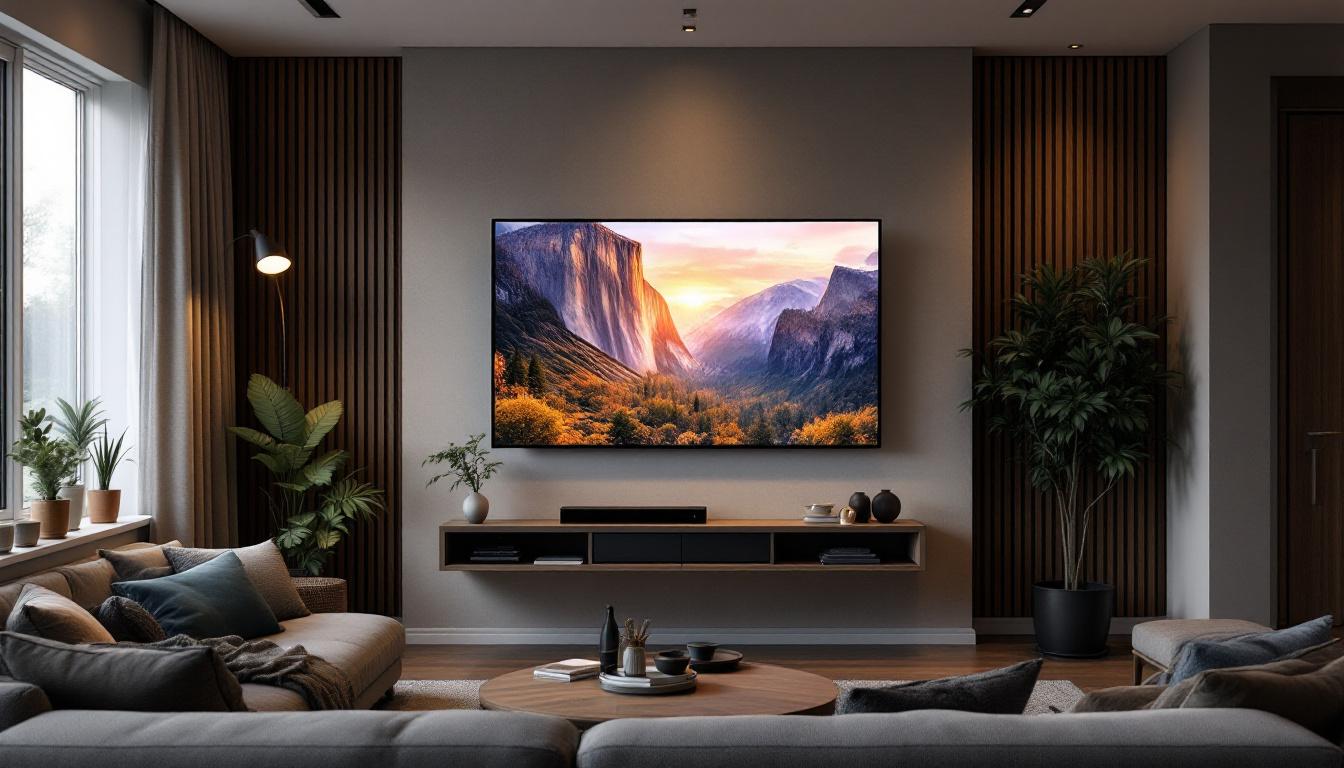
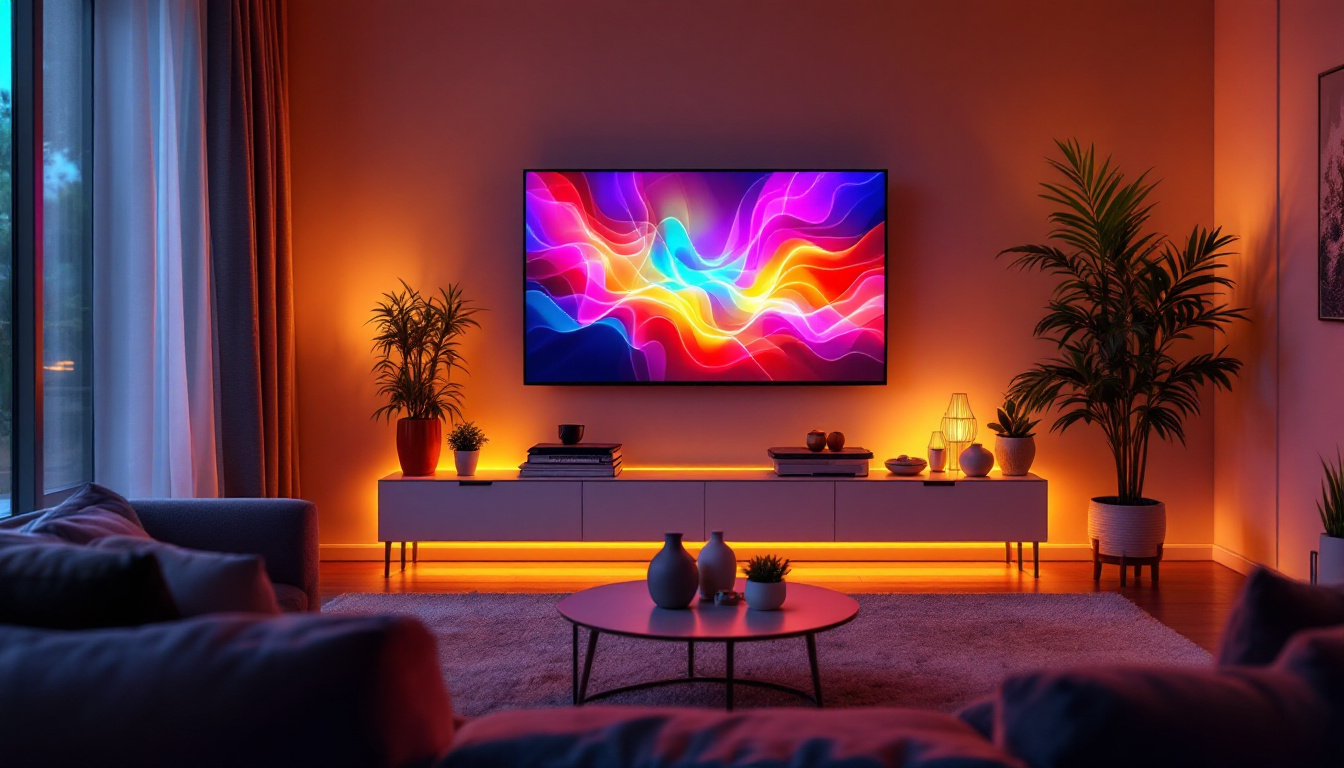
In homes with limited space, small LED TVs fit perfectly in kitchens, bedrooms, or home offices. Their compact size allows them to be mounted on walls or placed on small stands without occupying much room. They provide entertainment or background noise without overwhelming the space.
Portable and Travel Use
Some small flat screen TVs are designed with portability in mind, featuring lightweight builds and even built-in rechargeable batteries. These models are ideal for RV trips, camping, or use in dorm rooms, where access to large TVs is impractical. The LED display ensures good visibility even in varying lighting conditions.
Commercial and Professional Settings
Small LED TVs are also used in commercial environments such as hotels, waiting rooms, and retail displays. Their ability to deliver clear images in compact sizes makes them suitable for information kiosks, digital signage, or customer entertainment. The energy efficiency and long lifespan reduce maintenance costs in these settings.
Maintaining and Caring for Your Small LED TV
Proper care can extend the lifespan and maintain the performance of your small flat screen LED TV.
Cleaning and Handling
Use a soft, lint-free cloth to clean the screen, avoiding harsh chemicals that can damage the display. Gently wipe the screen to remove dust and fingerprints. When handling the TV, avoid applying pressure to the screen to prevent damage to the delicate LED and LCD layers.
Optimal Placement
Place the TV away from direct sunlight or heat sources to prevent overheating and screen damage. Ensure adequate ventilation around the device to maintain optimal operating temperatures. Positioning the TV at eye level can also improve viewing comfort and reduce strain.
Software Updates and Calibration
If your TV is a smart model, regularly check for firmware updates from the manufacturer. These updates can improve performance, fix bugs, and add new features. Additionally, calibrating the picture settings according to your viewing environment can enhance image quality, making colors more accurate and blacks deeper.
Conclusion
Small flat screen TVs with LED displays offer a compelling combination of portability, energy efficiency, and high-quality visuals. Whether used as a secondary screen, for travel, or in professional settings, LED technology ensures bright, vibrant images with a sleek, compact design. Understanding the nuances of LED backlighting, from standard edge-lit to advanced Mini-LED, helps consumers make informed decisions tailored to their needs. By considering factors such as screen size, resolution, refresh rate, and connectivity, buyers can select the perfect small LED TV that balances performance and budget. Proper maintenance further ensures that these devices continue to deliver excellent viewing experiences for years to come.
Discover the Future of LED Displays with LumenMatrix
As you consider upgrading to a small flat screen TV with the latest LED display technology, why not experience the pinnacle of innovation with LumenMatrix? Our commitment to excellence in LED display modules means you get not only a TV but a piece of advanced visual technology. Whether you’re looking for an Indoor LED Wall Display for your living room, an Outdoor LED Wall Display for your business, or even specialized solutions like Vehicle LED Displays and LED Sports Displays, LumenMatrix has you covered. Embrace the future of visual communication and let LumenMatrix enhance your viewing experience with displays that captivate and engage. Check out LumenMatrix LED Display Solutions today and see the difference for yourself.