In the rapidly evolving world of digital signage and visual communication, LED displays have emerged as a dominant technology. From vibrant billboards in bustling city centers to high-definition screens in sports arenas, LED displays are transforming how information is shared and experiences are created. This article delves into the fundamentals of LED displays, exploring their technology, applications, benefits, and future trends to provide a comprehensive understanding for businesses, marketers, and technology enthusiasts alike.
Understanding LED Display Technology
What is an LED Display?
An LED (Light Emitting Diode) display is a flat panel display that uses an array of light-emitting diodes as pixels to create images, videos, and text. Unlike traditional LCD screens that rely on backlighting, LED displays emit their own light, resulting in brighter, more vibrant visuals. This self-illumination allows for superior contrast ratios and color accuracy, making LED displays ideal for both indoor and outdoor environments. The versatility of LED technology has led to its widespread adoption in various applications, from large-scale billboards to small electronic devices, showcasing its adaptability in meeting diverse visual needs.
How Do LED Displays Work?
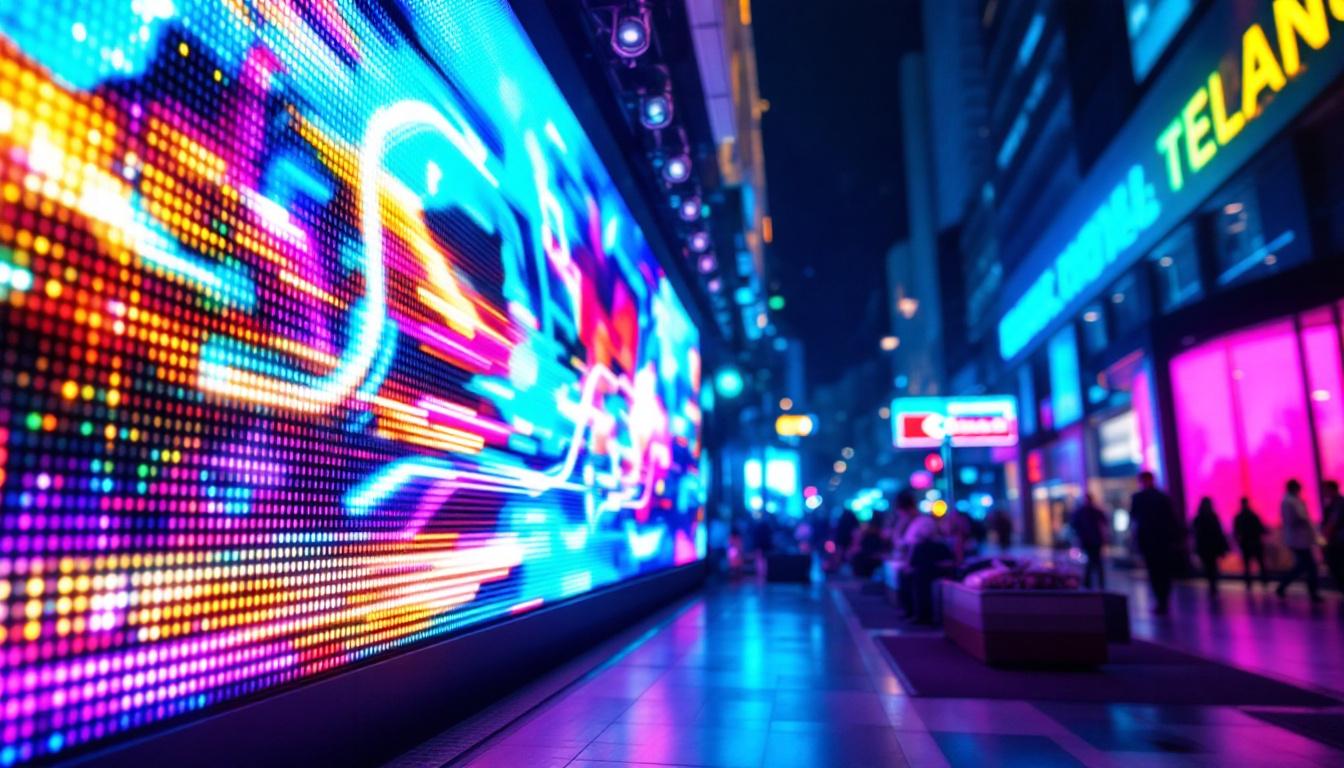
Each pixel on an LED display consists of tiny diodes that emit red, green, and blue light. By adjusting the intensity of these diodes, the display can produce a full spectrum of colors. The pixels are arranged in a grid, and the screen controller processes input signals to illuminate the appropriate diodes in each pixel, forming the desired image. This precise control over each pixel allows for dynamic content that can change rapidly, making LED displays particularly effective for advertising and live event broadcasting.
Modern LED displays often use SMD (Surface Mounted Device) technology, where red, green, and blue diodes are packaged together in a single unit. This design enables higher pixel density and better viewing angles compared to older DIP (Dual In-line Package) LEDs, which had separate diodes for each color. Furthermore, advancements in LED technology have led to improvements in energy efficiency, allowing these displays to operate with lower power consumption while still delivering exceptional brightness and clarity. As a result, LED displays are not only visually appealing but also environmentally friendly, contributing to a reduction in overall energy usage.
Types of LED Displays
LED displays come in various forms based on their construction and intended use:
- Indoor LED Displays: Designed for close viewing distances, these displays have a fine pixel pitch (the distance between pixels), often less than 2 millimeters. They offer high resolution and brightness suitable for conference rooms, retail stores, and control centers. The clarity of indoor LED displays makes them perfect for presentations and digital signage, where detailed visuals are crucial for effective communication.
- Outdoor LED Displays: Built to withstand weather conditions, these displays have larger pixel pitches, typically ranging from 4mm to 20mm or more. Their brightness levels can exceed 5,000 nits, ensuring visibility even in direct sunlight. Outdoor LED displays are commonly used for advertising billboards, sports arenas, and public events, where they can capture the attention of passersby and convey messages effectively in a variety of lighting conditions.
- Transparent LED Displays: These innovative screens allow light to pass through, making them perfect for storefront windows and architectural installations where maintaining natural light is important. Transparent LED displays offer a unique blend of functionality and aesthetics, enabling businesses to showcase products while still allowing visibility into their spaces, thus enhancing the shopping experience.
- Flexible and Curved LED Displays: Utilizing bendable substrates, these displays can be shaped into curves or other forms, opening creative possibilities for advertising and immersive environments. The flexibility of these displays allows for unique installations that can fit into unconventional spaces, making them popular in artistic applications and modern architecture.
Applications of LED Displays
Advertising and Digital Signage
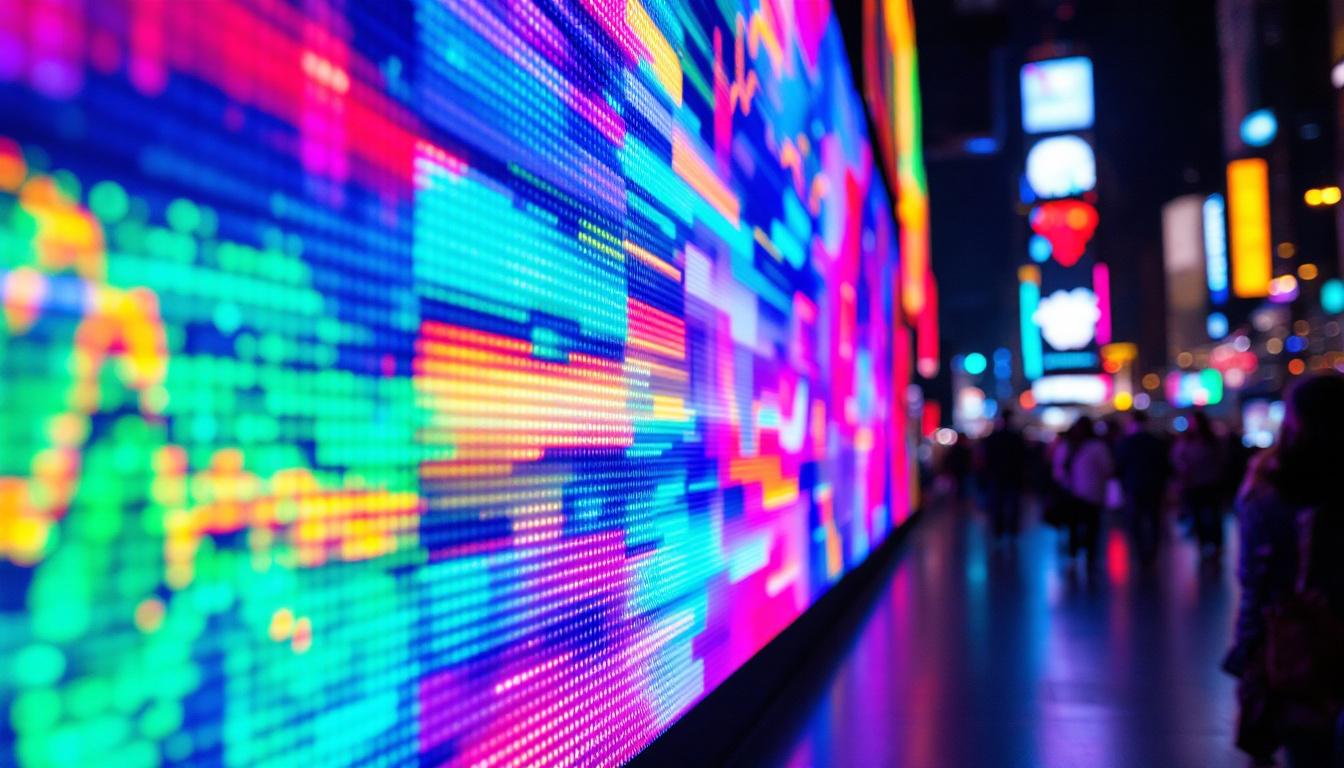
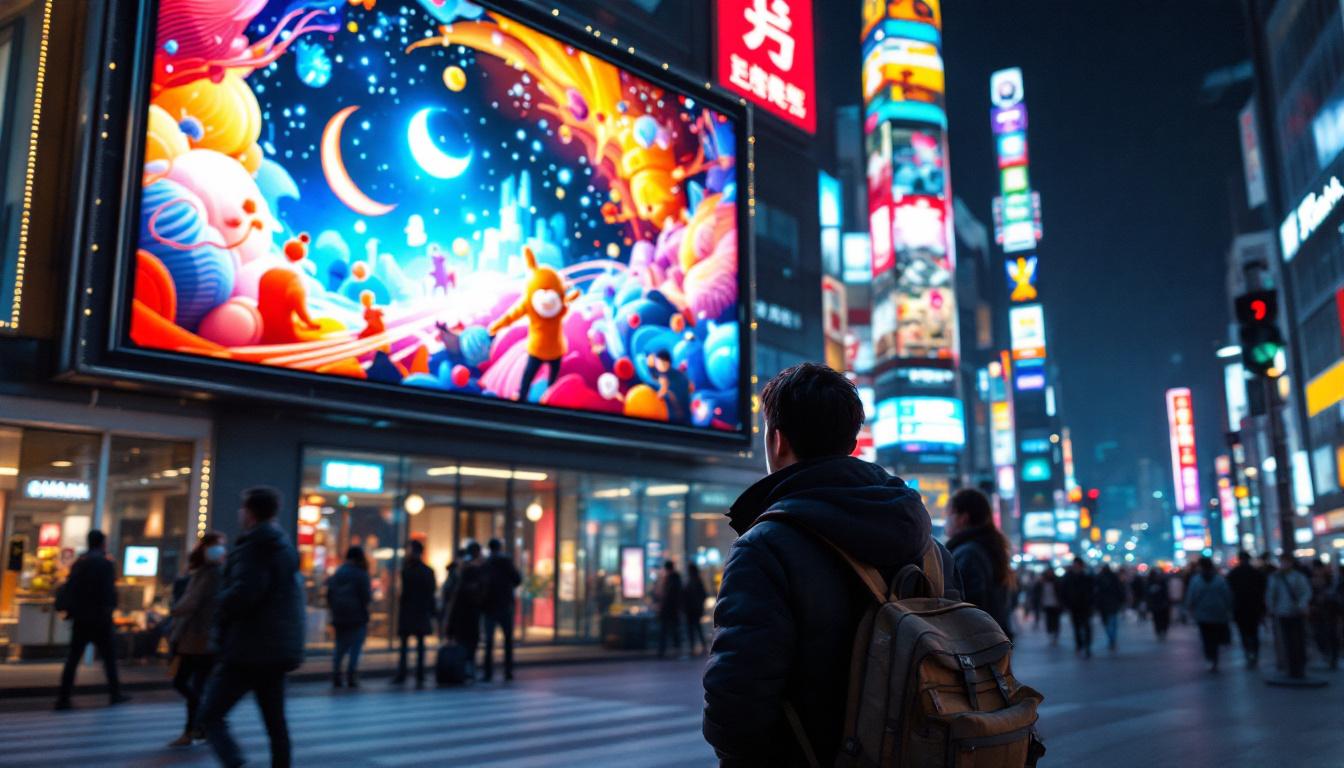
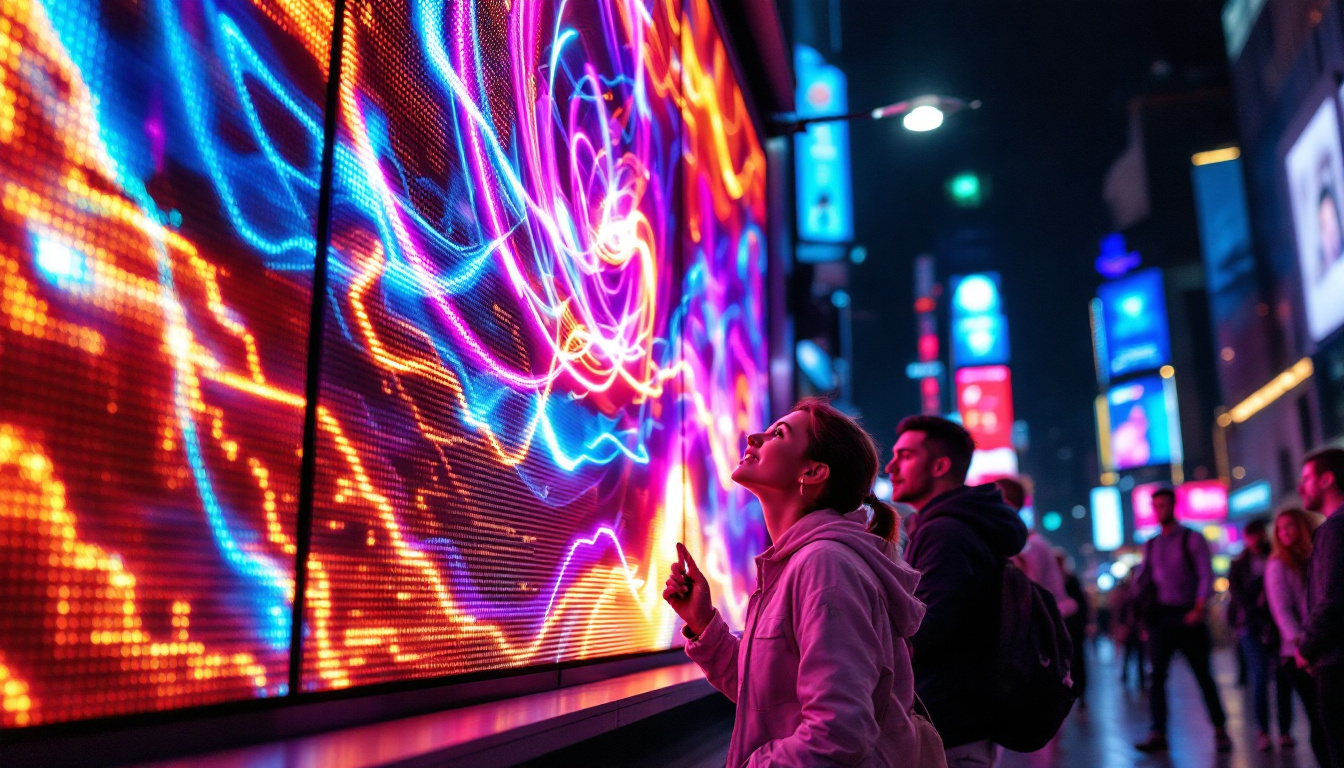
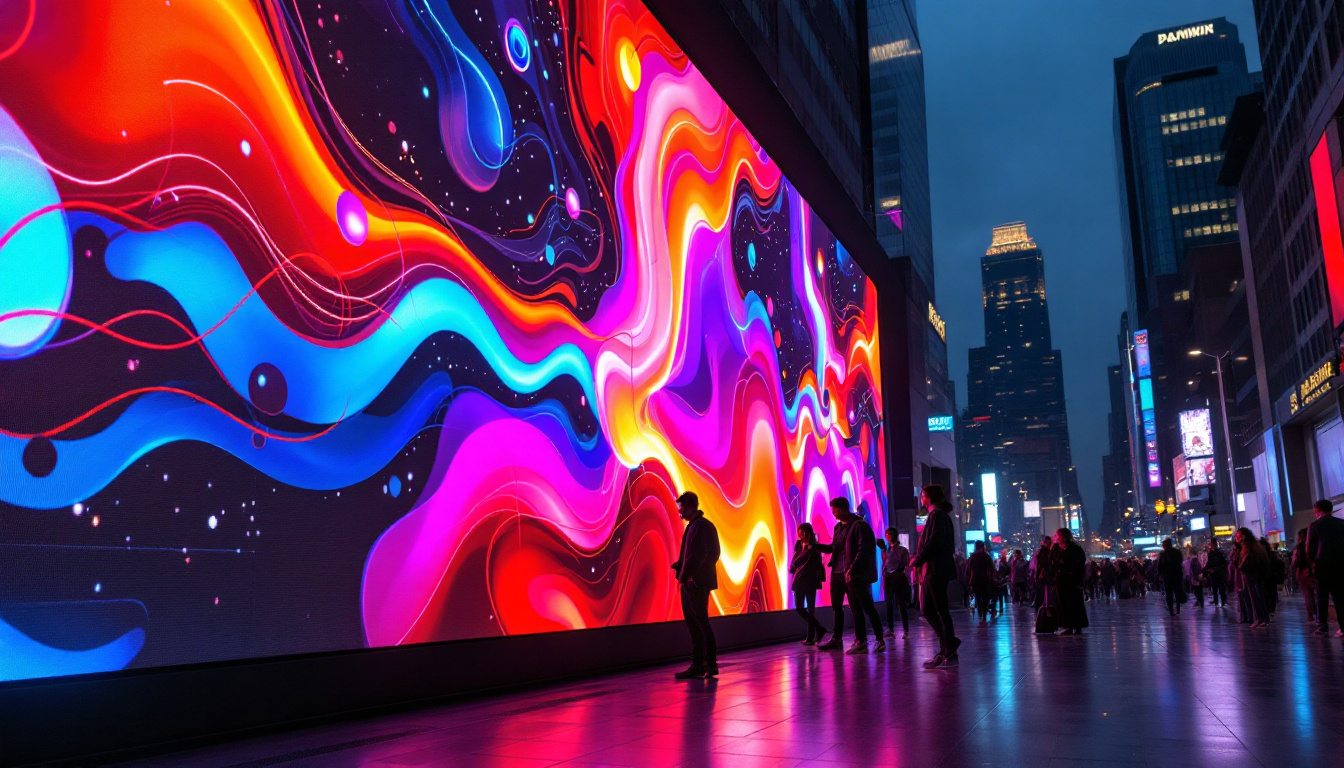
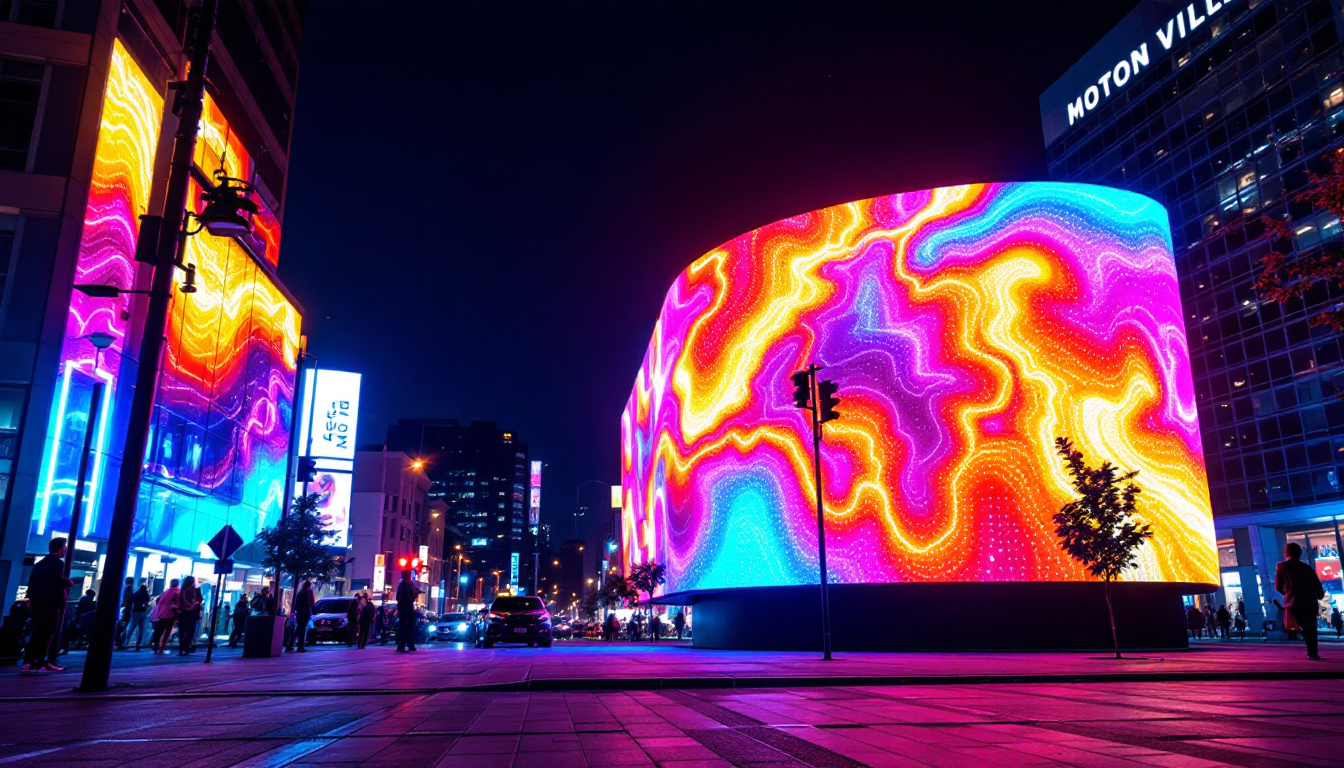
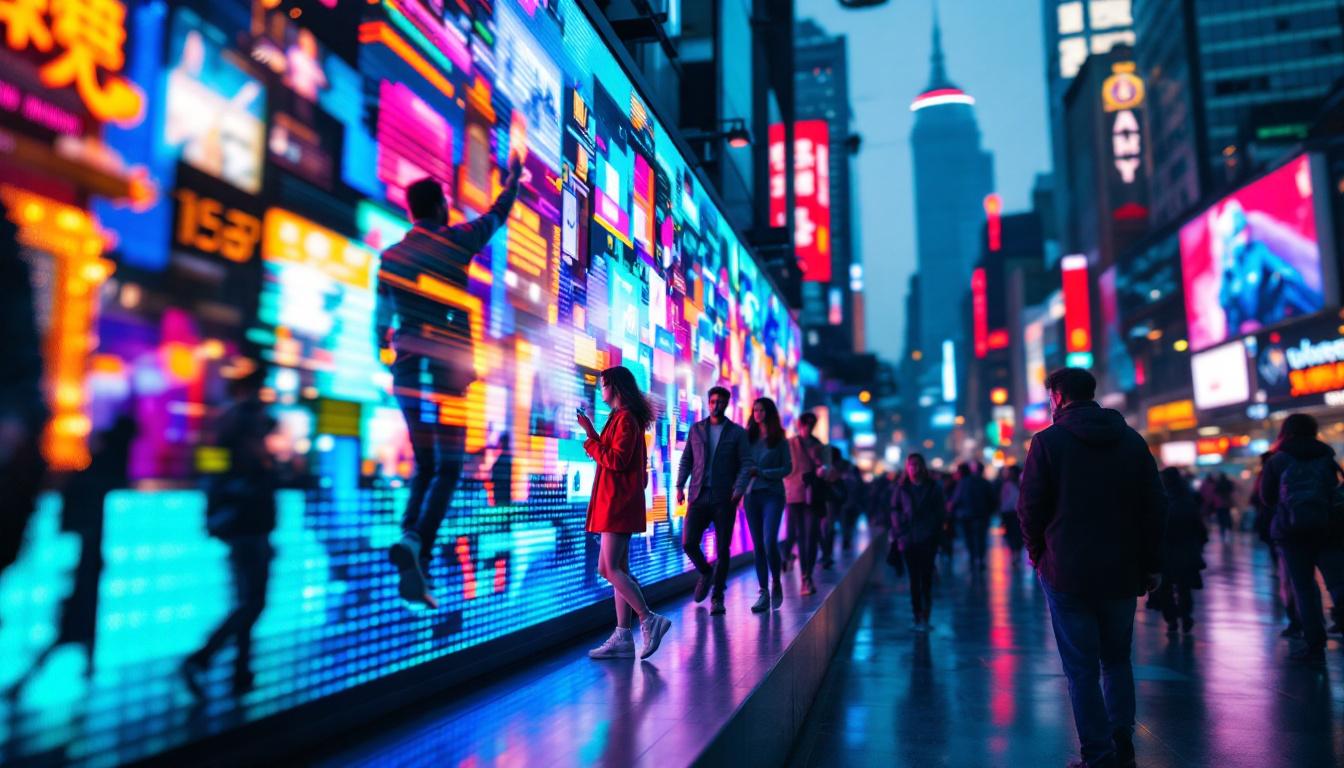
One of the most widespread uses of LED displays is in advertising. Their brightness, color vibrancy, and ability to display dynamic content make them highly effective for capturing attention in busy urban areas. Iconic locations like Times Square in New York City and Shibuya Crossing in Tokyo showcase massive LED billboards that deliver advertisements, news, and entertainment around the clock.
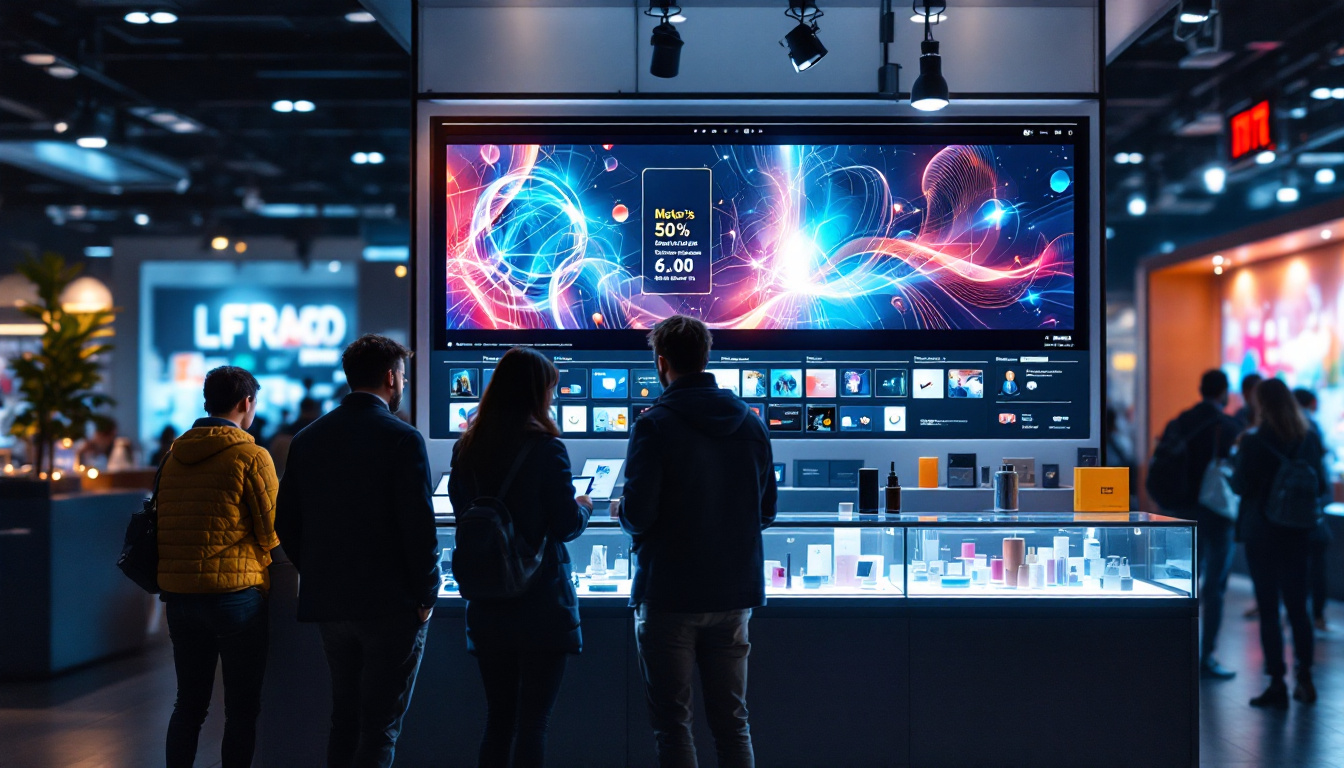
Businesses leverage LED displays for in-store promotions, event marketing, and brand storytelling. The flexibility to update content remotely and in real-time enhances engagement and allows for targeted campaigns based on time of day or audience demographics.
Sports and Entertainment Venues
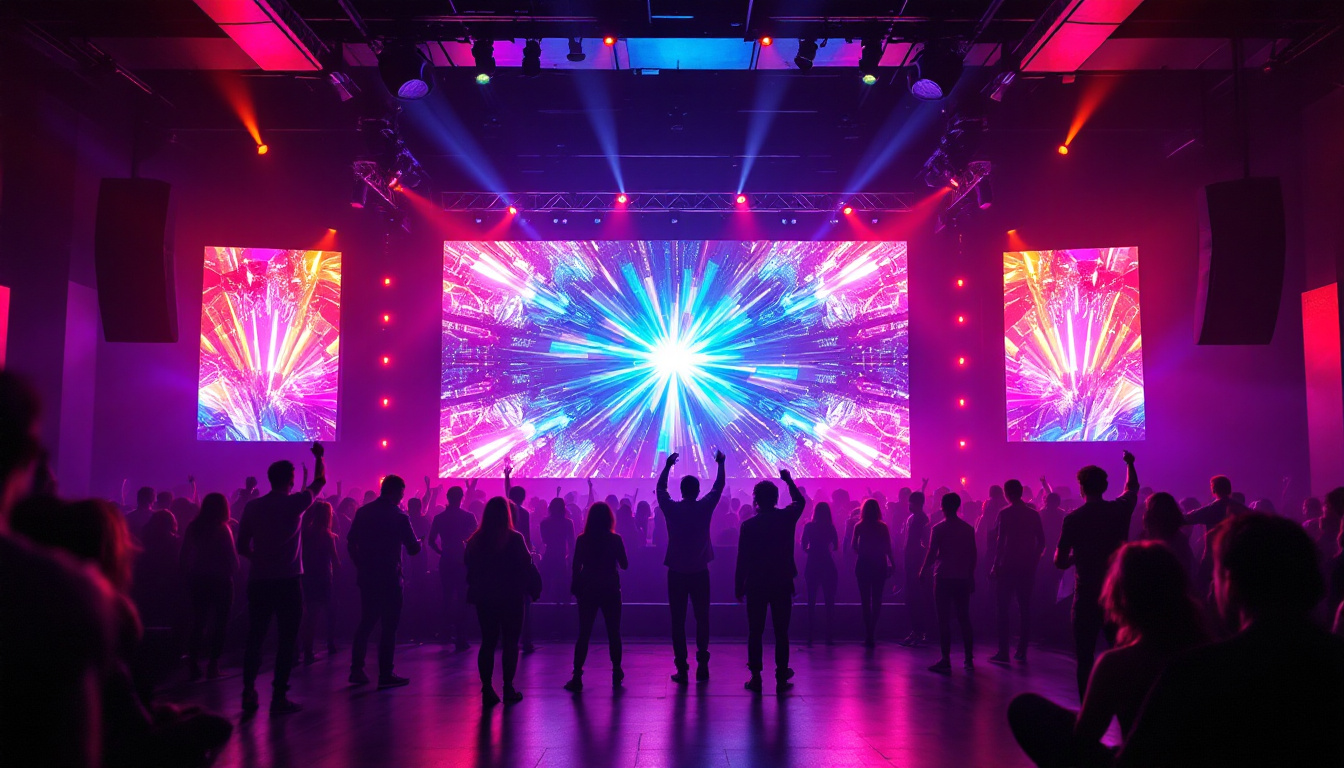
Sports arenas, concert halls, and theaters use LED displays to enhance the spectator experience. Large-scale LED screens provide instant replays, live statistics, and immersive visuals that keep audiences engaged. For instance, the AT&T Stadium in Texas features one of the world’s largest high-definition LED video boards, measuring approximately 160 feet wide and 72 feet tall, delivering crystal-clear images to tens of thousands of fans.
Corporate and Control Room Displays
In corporate environments, LED video walls are increasingly popular for presentations, video conferencing, and data visualization. Control rooms in industries such as transportation, utilities, and security rely on LED displays for real-time monitoring and decision-making. The clarity and scalability of LED walls enable operators to view complex information simultaneously, improving operational efficiency.
Transportation and Public Information Systems
Airports, train stations, and bus terminals utilize LED displays to provide travelers with timely information about schedules, delays, and safety announcements. Their high visibility and reliability make them essential tools for managing large crowds and ensuring smooth transit operations.
Advantages of LED Displays Over Other Technologies
Brightness and Visibility
LED displays are renowned for their exceptional brightness, often reaching levels that far surpass traditional LCD or projection screens. This high luminance ensures that content remains visible even in direct sunlight or brightly lit environments, which is critical for outdoor advertising and public information systems.
Energy Efficiency and Longevity
Compared to older display technologies like plasma or incandescent lighting, LEDs consume significantly less power. Advances in LED manufacturing have further improved energy efficiency, reducing operational costs for businesses. Additionally, LED displays boast long lifespans—often exceeding 100,000 hours of use—minimizing maintenance and replacement expenses.
Color Accuracy and Contrast
Because LEDs emit light directly, they achieve superior contrast ratios with true blacks and vibrant colors. This capability enhances image quality and viewer experience, particularly for high-definition video content and detailed graphics.
Flexibility and Scalability
LED panels can be combined seamlessly to create displays of virtually any size or shape. This modularity allows for customized installations tailored to specific spatial and aesthetic requirements, from small retail signs to massive stadium screens.
Durability and Weather Resistance
Outdoor LED displays are engineered to withstand harsh weather conditions, including rain, wind, and extreme temperatures. Their robust construction ensures reliable performance and reduces downtime, which is crucial for continuous public-facing applications.
Key Considerations When Choosing an LED Display
Pixel Pitch and Resolution
The pixel pitch determines the viewing distance and image clarity of an LED display. A smaller pixel pitch means higher resolution and better detail, suitable for close-range viewing. For example, indoor displays often have pixel pitches between 1mm and 2.5mm, while outdoor displays typically range from 4mm to 20mm depending on the intended viewing distance.
Brightness Levels
Brightness is measured in nits, and selecting the appropriate level depends on the installation environment. Indoor displays generally require 800 to 1,500 nits, while outdoor displays may need 5,000 nits or more to remain visible under direct sunlight.
Viewing Angle
A wide viewing angle ensures that content is visible from various positions without color distortion or brightness loss. SMD LED technology typically offers viewing angles of 140 degrees or more horizontally and vertically, making it suitable for public spaces.
Installation and Maintenance
Consideration should be given to the ease of installation and access for maintenance. Front-service LED displays allow servicing from the front, which is beneficial in tight spaces, while rear-service designs may require more room but can be more cost-effective.
Control Systems and Content Management
Modern LED displays come with sophisticated control systems that support real-time content updates, scheduling, and integration with various media sources. Choosing a system with user-friendly software and remote management capabilities enhances operational efficiency.
Future Trends in LED Display Technology
MicroLED and MiniLED Innovations
MicroLED and MiniLED technologies represent the next generation of LED displays, offering even higher pixel densities, improved brightness, and better energy efficiency. MicroLEDs, in particular, enable ultra-thin, flexible displays with exceptional image quality, poised to revolutionize consumer electronics and digital signage.
Integration with AI and IoT
Artificial intelligence and the Internet of Things (IoT) are increasingly integrated with LED displays to create interactive and context-aware experiences. For example, AI-driven content can adapt in real-time based on audience demographics or environmental conditions, enhancing engagement and advertising effectiveness.
Eco-Friendly and Sustainable Solutions
As sustainability becomes a priority, manufacturers are focusing on eco-friendly materials, energy-saving designs, and recycling programs for LED displays. Innovations in this area aim to reduce the environmental impact of digital signage while maintaining performance.
Conclusion
LED displays have transformed the landscape of digital communication by offering unparalleled brightness, color accuracy, and versatility. Their applications span advertising, entertainment, corporate environments, and public information systems, making them indispensable tools in today’s visual world. Understanding the technology, benefits, and key considerations when selecting LED displays empowers businesses and organizations to make informed decisions that maximize impact and return on investment.
As LED technology continues to advance with innovations like MicroLED and AI integration, the future promises even more dynamic and immersive visual experiences. Staying informed about these developments ensures that users can harness the full potential of LED displays in their respective fields.
Discover Cutting-Edge LED Display Solutions with LumenMatrix
Ready to elevate your visual communication strategy with the latest in LED display technology? Look no further than LumenMatrix, a pioneer in crafting LED display modules that bring your brand to life. Whether you’re seeking to captivate with an Indoor LED Wall Display, make a statement with an Outdoor LED Wall Display, or innovate with Custom LED Display solutions, LumenMatrix has you covered. Our mission is to revolutionize your visual storytelling with digital signage that engages, captivates, and delivers your message with unparalleled impact. Don’t miss out on the opportunity to transform your space. Check out LumenMatrix LED Display Solutions today and step into the future of visual engagement.