55 Inch LCD: LED Display Explained
In today’s world of home entertainment and digital signage, the 55 inch LCD LED display has become a popular choice for consumers and businesses alike. Offering a perfect balance between screen size, picture quality, and affordability, these displays are versatile enough for living rooms, conference rooms, and retail environments. This article delves deep into what makes a 55 inch LCD LED display unique, how the technology works, and what to consider when choosing one for your needs.
Understanding the Basics: What is a 55 Inch LCD LED Display?
The term “55 inch LCD LED display” refers to a flat-panel screen that measures 55 inches diagonally and uses Liquid Crystal Display (LCD) technology with LED (Light Emitting Diode) backlighting. This combination has become the industry standard for TVs, monitors, and digital signage due to its superior image quality and energy efficiency compared to older technologies like plasma or CCFL-backlit LCDs.
To clarify, the LCD panel itself does not emit light. Instead, it uses liquid crystals to control the passage of light. The “LED” part refers to the backlighting system behind the LCD panel, which illuminates the screen. This distinction is important because it affects picture quality, energy consumption, and the overall design of the display.
Why 55 Inches?
The 55 inch size strikes a sweet spot for many users. It is large enough to provide an immersive viewing experience without overwhelming a typical living room or office space. According to market research, 55 inch TVs have consistently ranked among the top-selling sizes worldwide, especially in regions like North America and Europe. Their popularity is driven by a combination of affordability, screen real estate, and compatibility with 4K resolution content.
Moreover, the 55 inch display is particularly well-suited for various activities, from binge-watching movies and TV shows to playing video games and hosting presentations. The size allows for a comfortable viewing distance, typically ranging from 6 to 10 feet, making it ideal for both intimate gatherings and larger family rooms. Additionally, many modern 55 inch displays come equipped with smart technology, enabling users to stream content directly from platforms like Netflix, Hulu, and YouTube, thereby enhancing the overall entertainment experience.
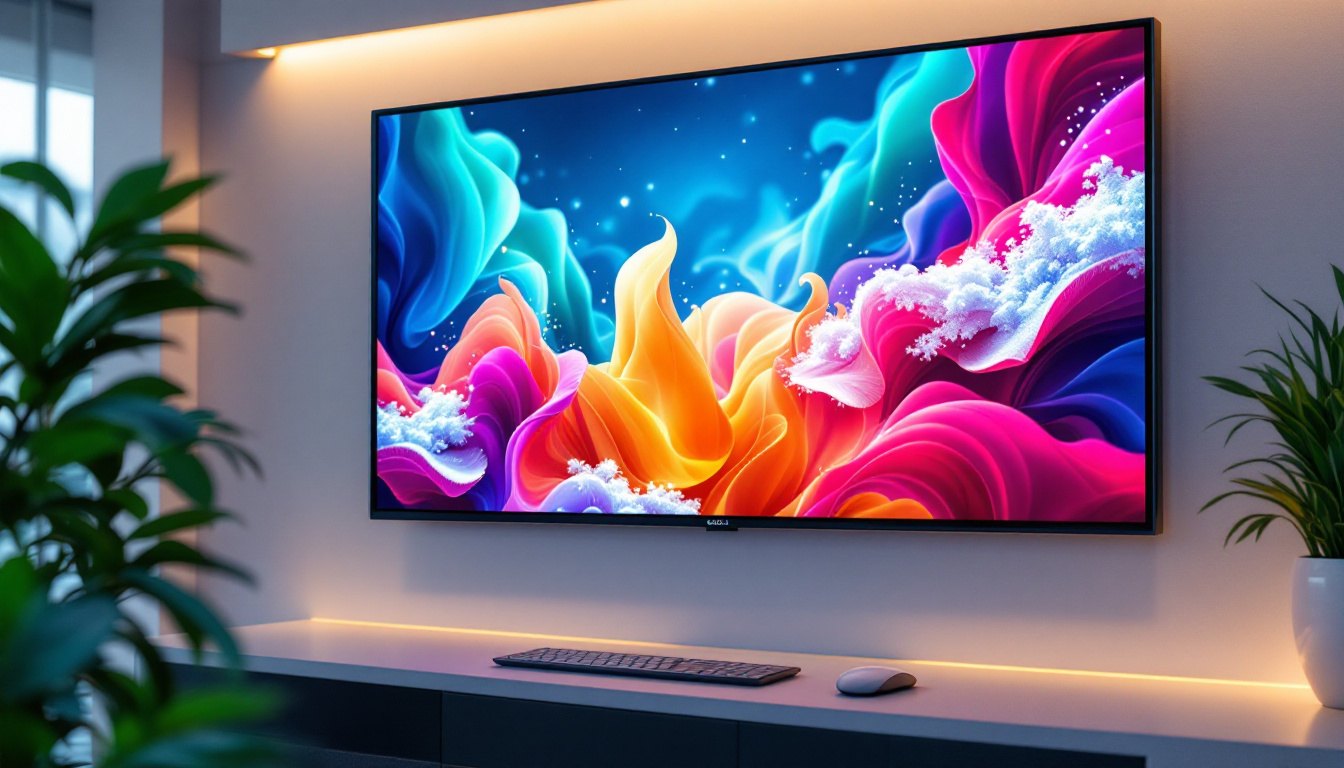
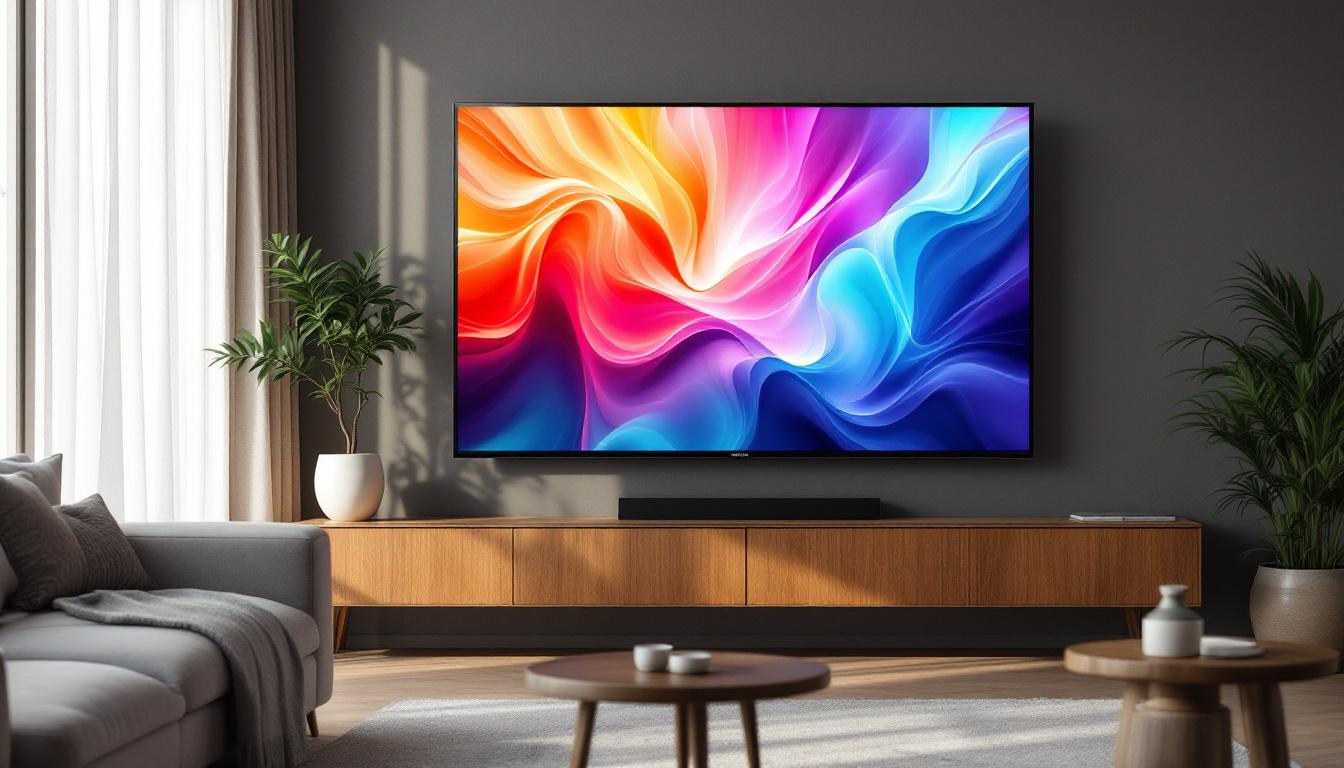
In terms of design, the sleek profile of a 55 inch LCD LED display can complement any modern decor. Manufacturers often focus on creating ultra-thin bezels and lightweight constructions, allowing the screens to blend seamlessly with wall mounts or entertainment centers. This aesthetic appeal, combined with high-definition picture quality and vibrant colors, makes the 55 inch display not just a functional device but also a stylish addition to any space.
How LCD and LED Technologies Work Together
To appreciate the advantages of a 55 inch LCD LED display, it’s crucial to understand how the two technologies function in tandem.
Liquid Crystal Display (LCD) Technology
LCD technology relies on liquid crystals that can change orientation when an electric current is applied. These crystals do not emit light but manipulate the light passing through them to create images. The display is composed of millions of pixels, each containing sub-pixels with red, green, and blue filters. By adjusting the alignment of the liquid crystals, the display controls the intensity of light passing through each sub-pixel, producing the desired colors and images.
LED Backlighting
Since LCD panels are not self-illuminating, they require a light source behind them. Early LCDs used Cold Cathode Fluorescent Lamps (CCFLs) for backlighting, which were bulkier and less energy-efficient. Modern displays use LEDs as the backlight source, which offer several advantages:
- Energy Efficiency: LEDs consume less power than CCFLs, reducing electricity costs and environmental impact.
- Thinner Panels: LED backlighting enables slimmer designs, making 55 inch displays more aesthetically pleasing and easier to mount.
- Better Brightness and Contrast: LEDs can produce brighter images and support local dimming, enhancing contrast ratios.
There are two main types of LED backlighting used in 55 inch LCD displays:
- Edge-lit LED: LEDs are positioned around the edges of the screen, and light is diffused across the panel. This allows for ultra-thin designs but can sometimes result in uneven brightness.
- Full-array LED: LEDs are placed directly behind the screen in a grid pattern. This enables local dimming, where specific zones can be dimmed or brightened independently, improving black levels and contrast.
Key Features to Consider in a 55 Inch LCD LED Display
When shopping for a 55 inch LCD LED display, it’s important to evaluate several features that impact performance and user experience.
Resolution and Picture Quality
Resolution is a critical factor in image clarity. The most common resolution for 55 inch displays today is 4K Ultra HD (3840 x 2160 pixels), which provides four times the number of pixels found in Full HD (1920 x 1080). This higher pixel density results in sharper images, especially noticeable on larger screens like 55 inches.
In addition to resolution, consider the display’s color accuracy, brightness, and contrast ratio. Technologies such as HDR (High Dynamic Range) support can significantly enhance picture quality by expanding the range of colors and brightness levels displayed.
Refresh Rate and Response Time
For users interested in gaming or watching fast-paced sports, refresh rate and response time are important. The refresh rate, measured in Hertz (Hz), indicates how many times per second the screen updates. A 60 Hz refresh rate is standard, but some displays offer 120 Hz or higher for smoother motion.
Response time refers to how quickly a pixel can change from one color to another. Lower response times reduce motion blur and ghosting effects, enhancing the viewing experience during action scenes or gameplay.
Connectivity Options
A 55 inch LCD LED display should offer a variety of input ports to connect devices such as gaming consoles, Blu-ray players, soundbars, and streaming devices. Common ports include HDMI, USB, DisplayPort, and sometimes legacy connections like VGA or component inputs.
Smart TV functionality is also a popular feature, providing built-in Wi-Fi and streaming apps. This can reduce the need for external devices and simplify the user experience.
Energy Efficiency and Environmental Impact
Energy consumption is an increasingly important consideration. LED-backlit LCDs are generally more energy-efficient than older technologies, but specifications can vary. Look for displays with Energy Star certification or similar ratings to ensure lower power usage.
Some manufacturers also use eco-friendly materials and packaging, which can be a deciding factor for environmentally conscious buyers.
Applications of 55 Inch LCD LED Displays
The versatility of 55 inch LCD LED displays makes them suitable for a wide range of applications beyond just home entertainment.
Home Entertainment
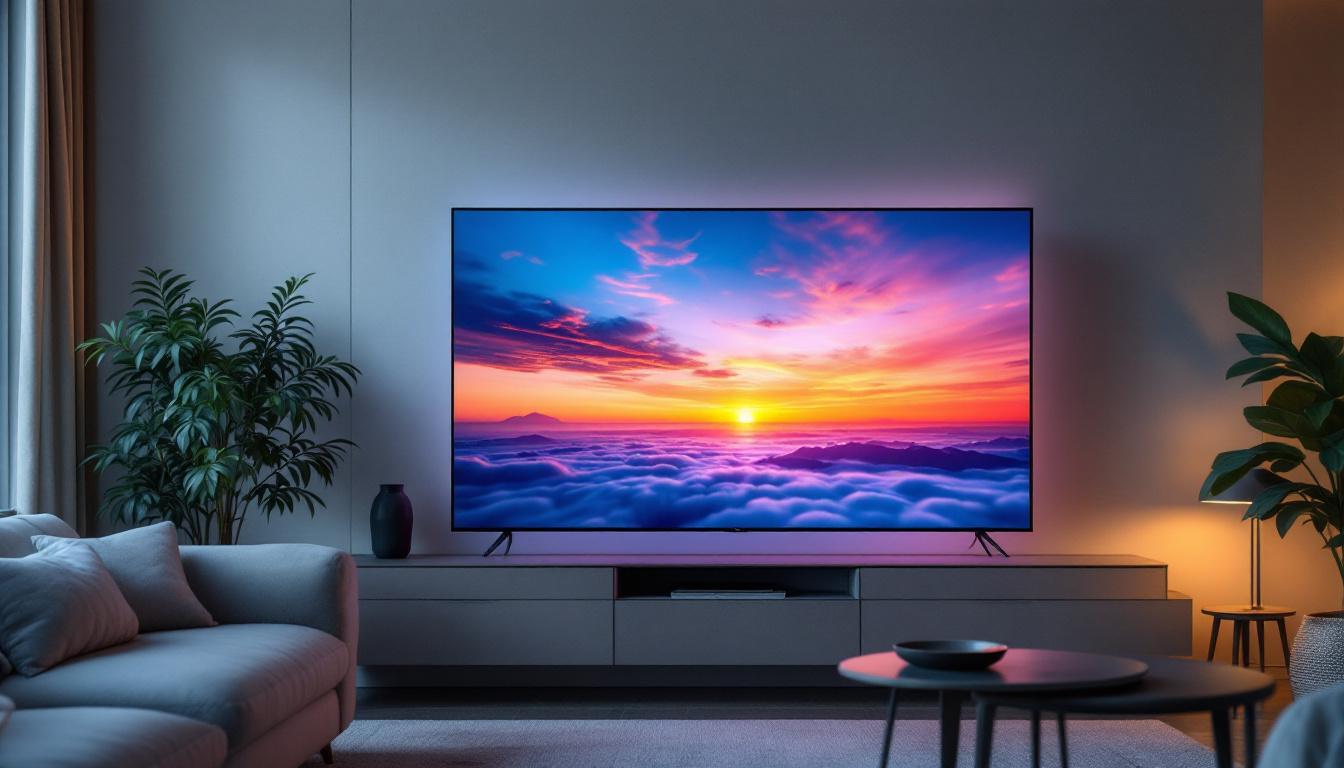
In residential settings, 55 inch displays are ideal for living rooms, media rooms, and bedrooms. Their size is large enough to deliver a cinematic experience without dominating the space. With the rise of 4K streaming services and gaming consoles, these displays provide excellent value for immersive viewing.
Office and Conference Rooms
Many businesses use 55 inch LCD LED displays for presentations, video conferencing, and digital whiteboarding. The size is large enough for groups without requiring a dedicated auditorium screen. Features like high resolution and multiple input options facilitate seamless collaboration.
Retail and Digital Signage
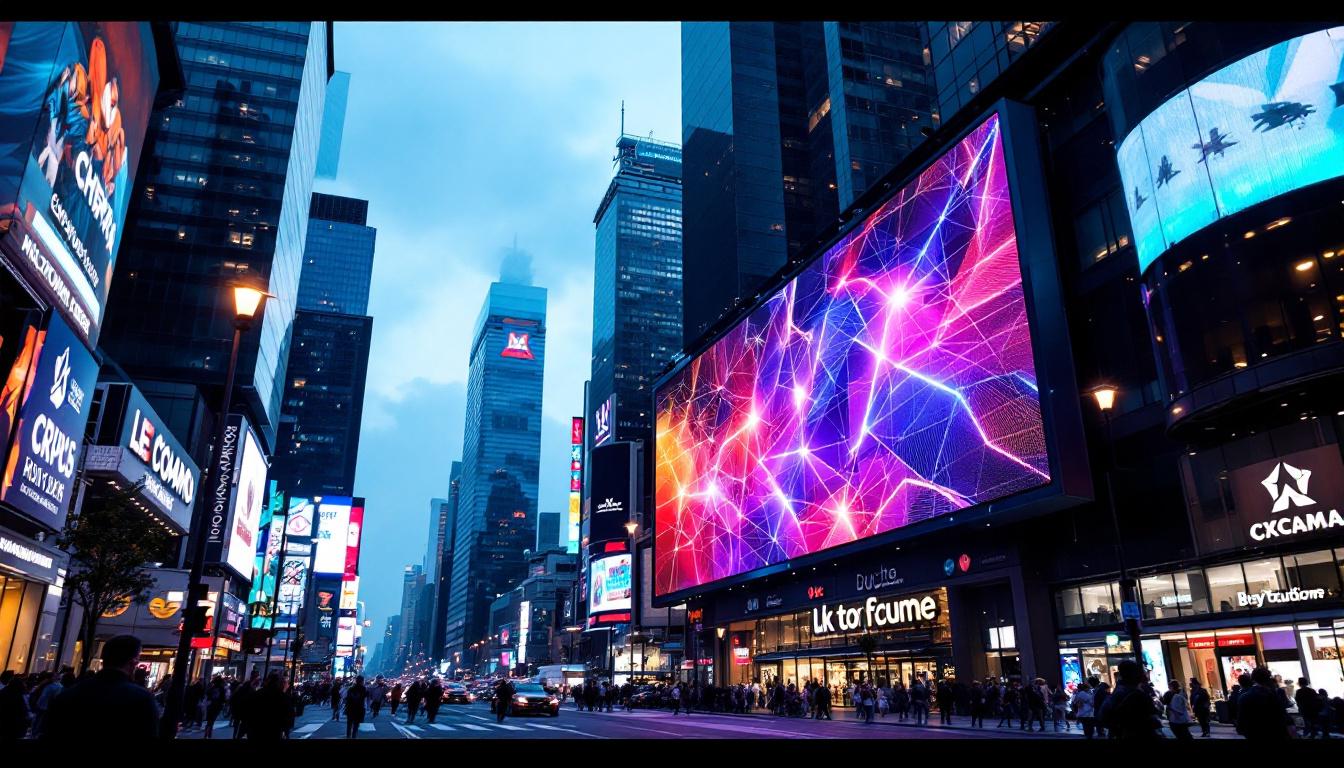
Retailers and advertisers leverage 55 inch displays for digital signage due to their bright, vivid images and ability to attract attention. These displays can be mounted in storefront windows, malls, or trade shows to showcase promotions, product information, or interactive content.
Choosing the Right 55 Inch LCD LED Display for Your Needs
With so many options available, selecting the right 55 inch display can be overwhelming. Here are some practical tips to guide your decision-making process:
Assess Your Viewing Environment
Consider the room size, lighting conditions, and viewing distance. A 55 inch display is best viewed from about 7 to 11 feet away for optimal clarity. If your room is very bright, look for displays with higher brightness levels and anti-reflective coatings.
Define Your Primary Use Case
Are you primarily watching movies, gaming, or using the display for work? Different uses prioritize different features such as HDR support, refresh rate, or color accuracy. For gaming, low input lag and high refresh rates are essential, whereas for movies, color fidelity and contrast matter more.
Budget Considerations
Prices for 55 inch LCD LED displays vary widely, from budget models under $400 to premium units exceeding $1,500. Determine your budget upfront and look for models that offer the best balance of features within that range. Keep in mind that investing in a quality display can enhance longevity and satisfaction.
Check Reviews and Brand Reputation
Reading expert and user reviews can provide insights into real-world performance and reliability. Established brands often offer better customer support and warranty options, which can be valuable in case of issues.
Future Trends in LCD LED Displays
The display industry is constantly evolving, and several emerging trends are shaping the future of 55 inch LCD LED technology.
Mini-LED and Micro-LED Backlighting
Mini-LED technology uses thousands of tiny LEDs for backlighting, enabling even more precise local dimming and improved contrast ratios. This technology is gaining traction in high-end displays and is expected to become more mainstream in the coming years.
Micro-LED, a newer innovation, involves self-emissive LEDs that eliminate the need for an LCD panel altogether. While currently expensive, Micro-LED promises superior brightness, color accuracy, and lifespan.
Improved Smart Features and AI Integration
Smart displays are becoming more intelligent with AI-driven picture optimization, voice control, and content recommendations. These features enhance user convenience and personalize the viewing experience.
Higher Refresh Rates and Variable Refresh Rate (VRR)
For gamers, displays with refresh rates above 120 Hz and VRR support are becoming more common. These technologies reduce screen tearing and provide smoother gameplay, even on larger screens like 55 inches.
Conclusion
The 55 inch LCD LED display offers an excellent combination of size, image quality, and versatility, making it a top choice for a wide range of applications. Understanding the underlying technology, key features, and future trends can help consumers and businesses make informed decisions when selecting a display.
Whether for immersive home entertainment, professional presentations, or dynamic digital signage, a well-chosen 55 inch LCD LED display can significantly enhance the visual experience. As technology continues to advance, these displays will only become more capable, efficient, and accessible.
Discover LumenMatrix’s Advanced LED Display Solutions
Ready to elevate your visual experience with the latest in LED display technology? Look no further than LumenMatrix. As a pioneer in the industry, we offer a comprehensive range of LED display modules designed to bring your content to life. From vibrant Indoor and Outdoor LED Wall Displays to innovative solutions like Vehicle LED Displays and LED Transparent Displays, our mission is to transform your visual communication. Experience the difference with LumenMatrix and let us help you captivate your audience, enhance your brand visibility, and deliver your message with unparalleled clarity. Check out LumenMatrix LED Display Solutions today and step into the future of digital signage.