Understanding the relationship between physical dimensions and pixel density is crucial when working with LED displays. Whether you are designing digital signage, video walls, or any LED-based visual system, knowing how to convert measurements like inches to pixels can profoundly impact image quality and viewer experience.
This article delves into the intricacies of converting 1/2 inch to pixels in the context of LED displays, exploring pixel pitch, resolution, and practical applications. By the end, readers will have a comprehensive understanding of how these factors interplay to create vivid, sharp images on LED screens.
What Does 1/2 Inch Mean in LED Display Terms?
In LED display technology, measurements like 1/2 inch often refer to the pixel pitch — the distance from the center of one LED cluster (pixel) to the center of the next. Pixel pitch is a critical specification because it directly affects the display’s resolution and viewing distance.
For instance, a 1/2 inch pixel pitch means each pixel is spaced half an inch apart from its neighbor. This spacing determines how many pixels fit within a given area and, consequently, the level of detail the display can render.
Pixel Pitch and Its Importance
Pixel pitch is typically measured in millimeters, but converting it to inches can help visualize the scale more intuitively. Since 1 inch equals 25.4 millimeters, a 1/2 inch pixel pitch equates to approximately 12.7 millimeters.
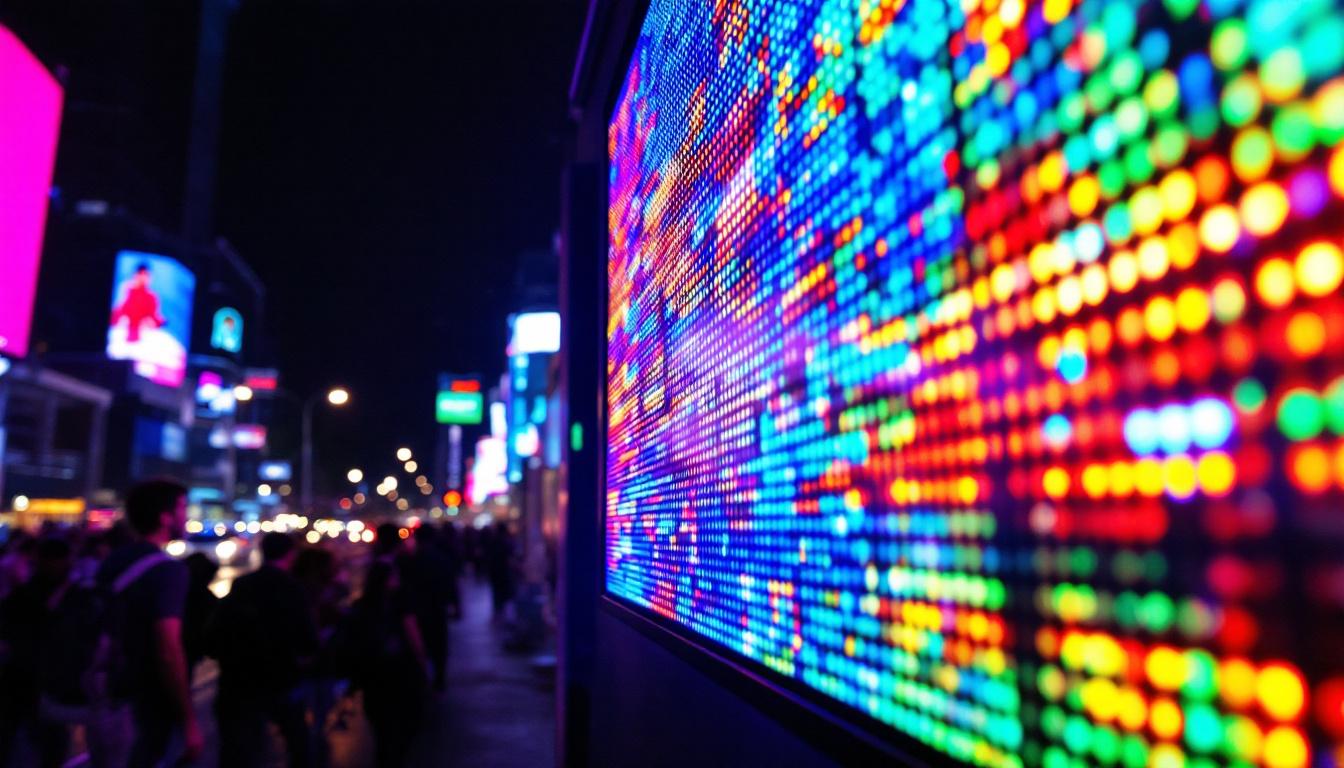
Smaller pixel pitches (e.g., 1.2mm, 2.5mm) mean pixels are packed more tightly, resulting in higher resolution and sharper images. Conversely, larger pixel pitches like 12.7mm are common in outdoor or large-format displays where viewers stand farther away.
Why Pixel Pitch Matters for Viewing Distance
The pixel pitch determines the optimal viewing distance for an LED display. A general rule of thumb is that the minimum viewing distance (in meters) should be roughly equal to the pixel pitch (in millimeters) divided by 1,000. For a 12.7mm pixel pitch, the ideal viewing distance is about 12.7 meters (around 41 feet).
At closer distances, individual pixels become visible, causing a “screen door” effect that reduces image quality. At longer distances, the eye perceives a seamless image. Therefore, understanding the 1/2 inch pixel pitch helps designers choose the right display for the intended environment.
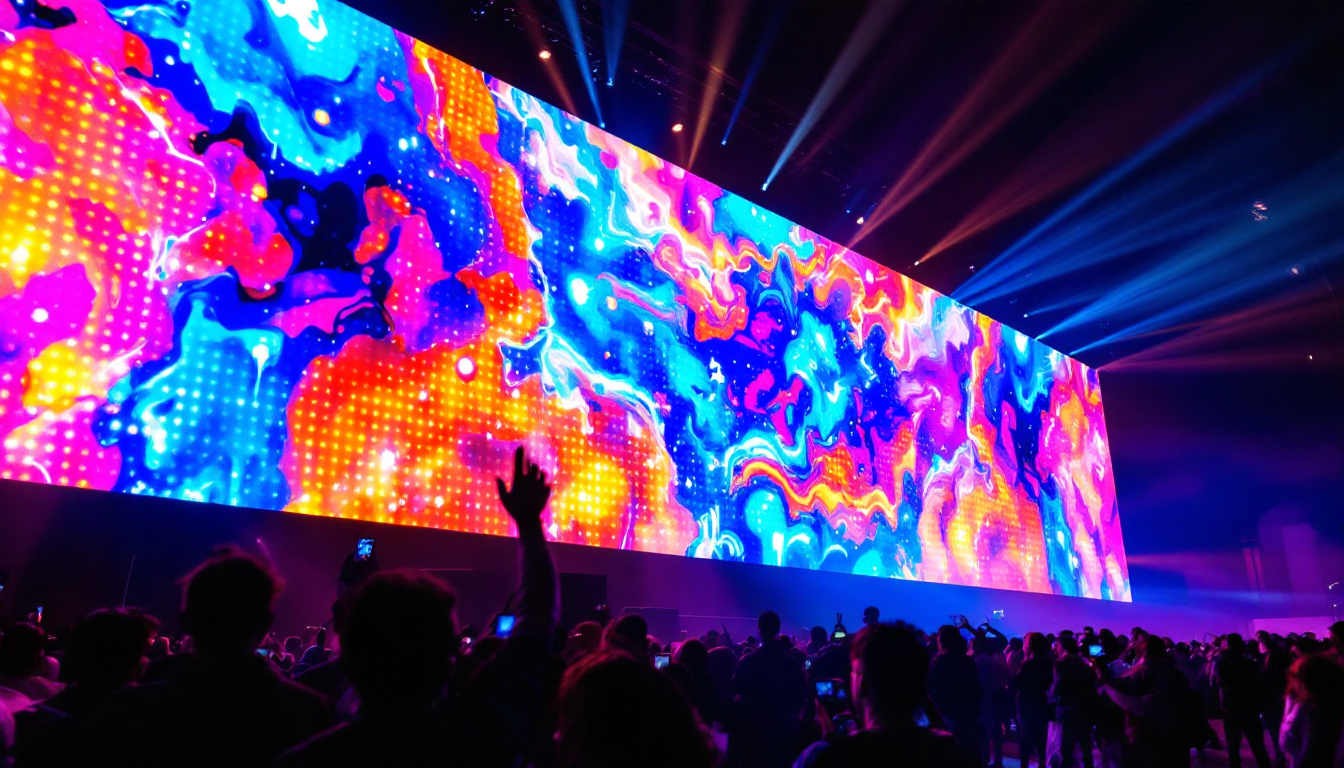
Moreover, the choice of pixel pitch can also influence the overall experience of the audience. For example, in environments such as concert venues or sports arenas, where the audience is often moving and viewing the display from various angles, a smaller pixel pitch can provide a more consistent and immersive viewing experience. This is particularly important for dynamic content, such as video feeds or live broadcasts, where clarity and detail are paramount. Additionally, advancements in LED technology have led to the development of flexible displays that can adapt to different shapes and sizes, further enhancing the versatility of pixel pitch in various applications.
In commercial settings, the pixel pitch can also impact the effectiveness of advertising. Displays with smaller pixel pitches are often used in retail spaces where customers are likely to be closer to the screen, allowing for high-definition visuals that can capture attention and convey messages more effectively. On the other hand, larger pixel pitches may be more suitable for billboards or large outdoor displays, where the primary goal is visibility from a distance rather than intricate detail. Understanding these nuances helps businesses optimize their display strategies to achieve the best results in engaging their audience.
Converting 1/2 Inch to Pixels: The Calculation Process
Converting a physical measurement like 1/2 inch to pixels requires knowing the pixel density or pixels per inch (PPI) of the LED display. Unlike traditional monitors, LED displays are often specified by pixel pitch rather than PPI, but the two are closely related.
Calculating Pixels Per Inch (PPI) from Pixel Pitch
Pixels per inch can be calculated by dividing one inch by the pixel pitch (in inches). For a 1/2 inch pixel pitch:
PPI = 1 inch / 0.5 inch = 2 pixels per inch
This means that within one inch of the display, there are two pixels horizontally or vertically, depending on the orientation.
Determining Total Pixels for a Given Size
To find out how many pixels fit into a specific dimension, multiply the size in inches by the PPI. For example, if an LED display is 10 inches wide with a 1/2 inch pixel pitch:
Total pixels = 10 inches × 2 PPI = 20 pixels
This calculation applies to both width and height, so a 10×10 inch display would have 20×20 pixels, totaling 400 pixels.
Limitations of Low Pixel Density
A 1/2 inch pixel pitch (2 PPI) is considered very low resolution by modern standards. For comparison, smartphone screens often have PPI values over 300, and high-definition monitors range between 90 and 220 PPI.
Low pixel density means images and text will appear blocky or pixelated when viewed up close. However, for large outdoor LED billboards viewed from hundreds of feet away, this pixel pitch is sufficient.
Practical Applications of 1/2 Inch Pixel Pitch LED Displays
Understanding where a 1/2 inch pixel pitch LED display fits in the market helps clarify its advantages and limitations. These displays are widely used in scenarios where size and viewing distance outweigh the need for ultra-high resolution.
Outdoor Advertising and Billboards
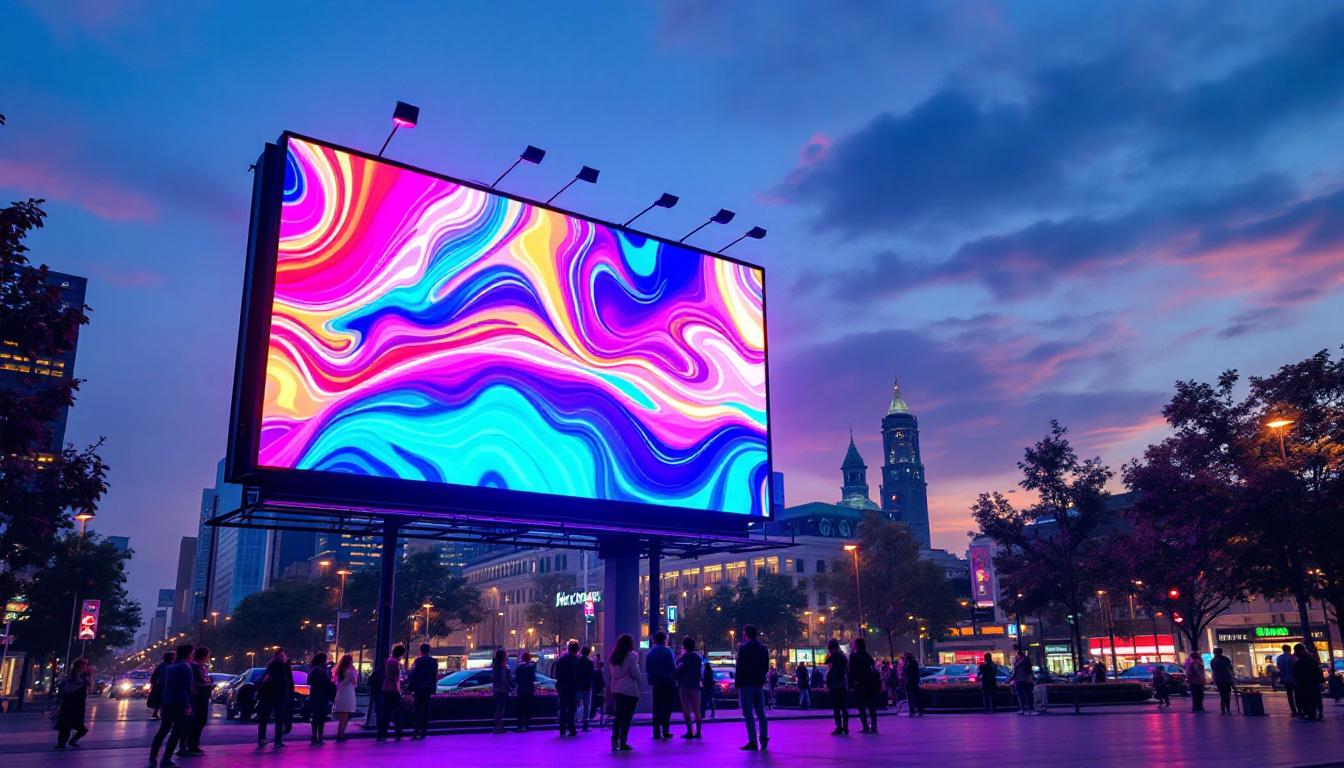
Large-scale outdoor billboards often use pixel pitches ranging from 10mm to 20mm, roughly equivalent to 0.4 to 0.8 inches. A 1/2 inch pixel pitch (12.7mm) is ideal for such applications because it balances cost and visibility.
At distances of 30 feet or more, viewers cannot discern individual pixels, so the image appears smooth and vibrant. Additionally, larger pixel pitches reduce the number of LEDs required, lowering manufacturing and maintenance costs.
Sports Arenas and Stadium Displays
In sports venues, LED screens with a 1/2 inch pixel pitch are common for scoreboards and perimeter advertising. The large size and distance from spectators make this pixel pitch practical and effective.
These displays must be bright enough to compete with sunlight and capable of displaying dynamic content, which is achievable with current LED technology at this pixel density.
Retail and Event Signage
While indoor retail environments typically favor smaller pixel pitches for close-up viewing, some event signage and stage backdrops use 1/2 inch pixel pitch displays. These provide a good balance between image quality and cost for medium-sized venues.
Comparing 1/2 Inch Pixel Pitch to Other Common Pixel Pitches
To fully appreciate the implications of a 1/2 inch pixel pitch, it is helpful to compare it with other common pixel pitches found in LED displays.
Fine Pitch LED Displays (1mm to 4mm)
Fine pitch LED displays with pixel pitches between 1mm and 4mm are designed for close viewing distances, such as indoor advertising, control rooms, and broadcast studios. These displays offer extremely high resolution and image clarity.
For example, a 2mm pixel pitch corresponds to about 127 PPI, which is significantly higher than the 2 PPI of a 1/2 inch pixel pitch. This difference means fine pitch displays can render detailed graphics and small text effectively.
Medium Pitch LED Displays (5mm to 10mm)
Medium pitch displays are often used in indoor arenas, shopping malls, and conference centers. Pixel pitches in this range offer a compromise between cost and image quality, suitable for viewing distances of several meters.
A 10mm pixel pitch equates to roughly 25.4 PPI, still much higher than 2 PPI but less detailed than fine pitch displays.
Coarse Pitch LED Displays (Above 10mm)
Coarse pitch displays, including the 1/2 inch (12.7mm) pitch, are primarily for outdoor use where viewing distances are long. These displays prioritize brightness and durability over pixel density.
They are less suited for applications requiring fine detail but excel in visibility and cost-effectiveness for large-scale installations.
Factors Influencing Pixel Density Beyond Pixel Pitch
While pixel pitch is a primary determinant of resolution, other factors also influence how many pixels fit into a given area and the overall image quality of an LED display.
LED Module and Cabinet Size
LED displays are composed of modules and cabinets, each containing a grid of pixels. The size of these modules affects the total pixel count and the ease of installation and maintenance.
For example, a 1/2 inch pixel pitch module might be 320mm x 160mm with a resolution of 25 x 12 pixels. Multiple modules combine to form the full display.
Display Resolution and Aspect Ratio
The total resolution of an LED display depends on the number of pixels horizontally and vertically. Aspect ratio, the proportional relationship between width and height, also influences how content is displayed.
Designers must consider these factors when selecting pixel pitch and display size to ensure the final product meets content requirements.
Brightness and Color Accuracy
Pixel pitch indirectly affects brightness and color accuracy. Larger pixels can house bigger LEDs, which can produce higher brightness levels necessary for outdoor visibility.
However, advances in LED technology have improved brightness and color performance even in fine pitch displays.
Emerging Trends and Future of Pixel Pitch in LED Displays
LED display technology continues to evolve rapidly, driven by demand for higher resolution, better color accuracy, and more flexible form factors.
Micro LED and Ultra-Fine Pitch Displays
Micro LED technology pushes pixel pitch below 1mm, enabling displays with resolutions rivaling OLED and LCD screens. These ultra-fine pitch displays are ideal for indoor applications requiring exceptional image quality.
While currently expensive, prices are expected to decrease as manufacturing processes improve.
Flexible and Transparent LED Displays
Innovations in flexible and transparent LED displays are expanding the possibilities for digital signage. These displays often use pixel pitches similar to or finer than 1/2 inch, balancing flexibility with visual performance.
Integration with Smart Technologies
Smart LED displays with integrated sensors and AI-driven content management systems optimize image quality based on ambient conditions and viewer distance. Understanding pixel pitch remains fundamental for these systems to function effectively.
Conclusion: The Role of 1/2 Inch Pixel Pitch in LED Display Design
Converting 1/2 inch to pixels in the context of LED displays reveals a pixel density of approximately 2 pixels per inch, corresponding to a 12.7mm pixel pitch. This relatively coarse pitch is well-suited for large-format, outdoor, or distant-view applications where brightness and durability are prioritized over ultra-high resolution.
Designers and engineers must carefully consider pixel pitch alongside viewing distance, display size, and content requirements to select the optimal LED display technology. As LED technology advances, understanding these fundamentals remains essential for creating impactful visual experiences.
Explore Cutting-Edge LED Displays with LumenMatrix
Ready to elevate your visual projects with the latest in LED technology? LumenMatrix offers a comprehensive range of LED display solutions tailored to meet your needs. From vibrant Indoor and Outdoor LED Wall Displays to dynamic Vehicle and Sports LED Displays, and even innovative Custom and All-in-One solutions, our products are designed to captivate and engage. Discover the transformative power of LED displays and how LumenMatrix is pioneering the future of visual communication. Check out LumenMatrix LED Display Solutions today and bring your brand’s message to life with unparalleled clarity and impact.