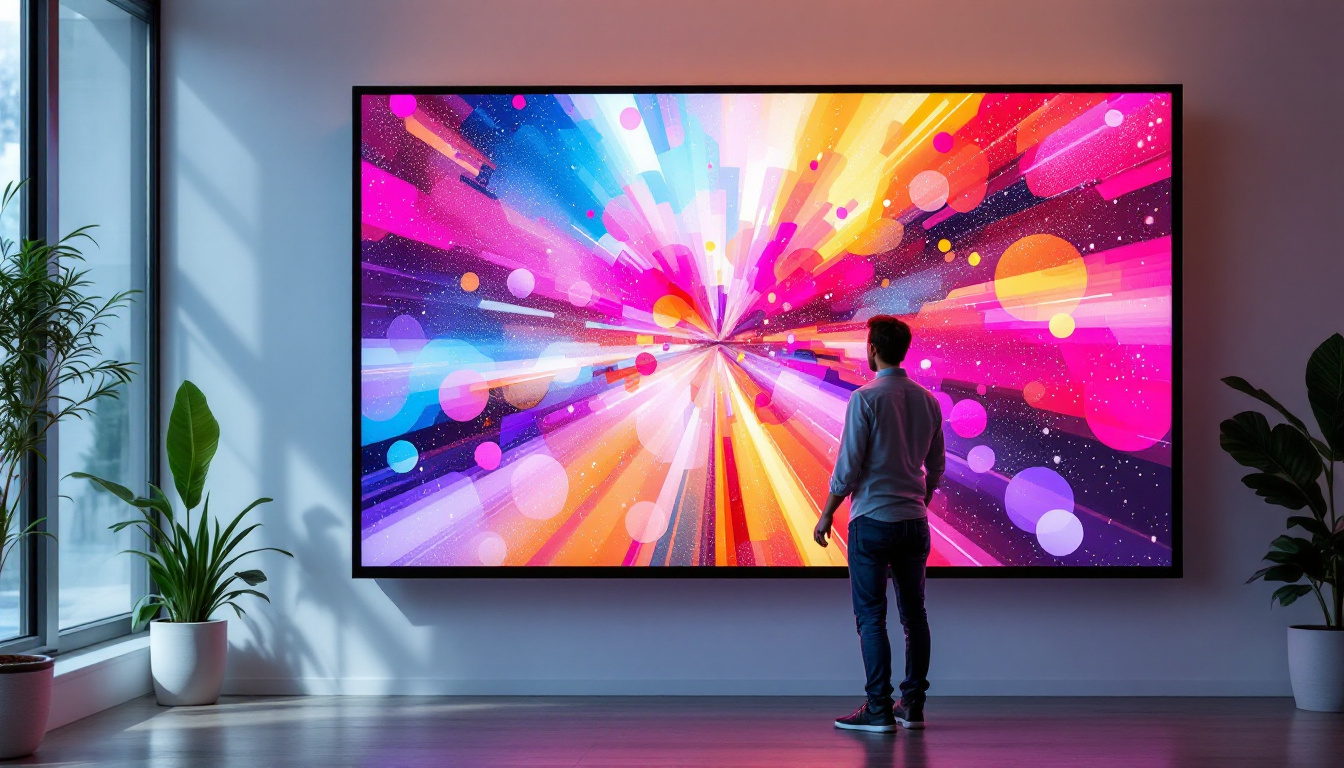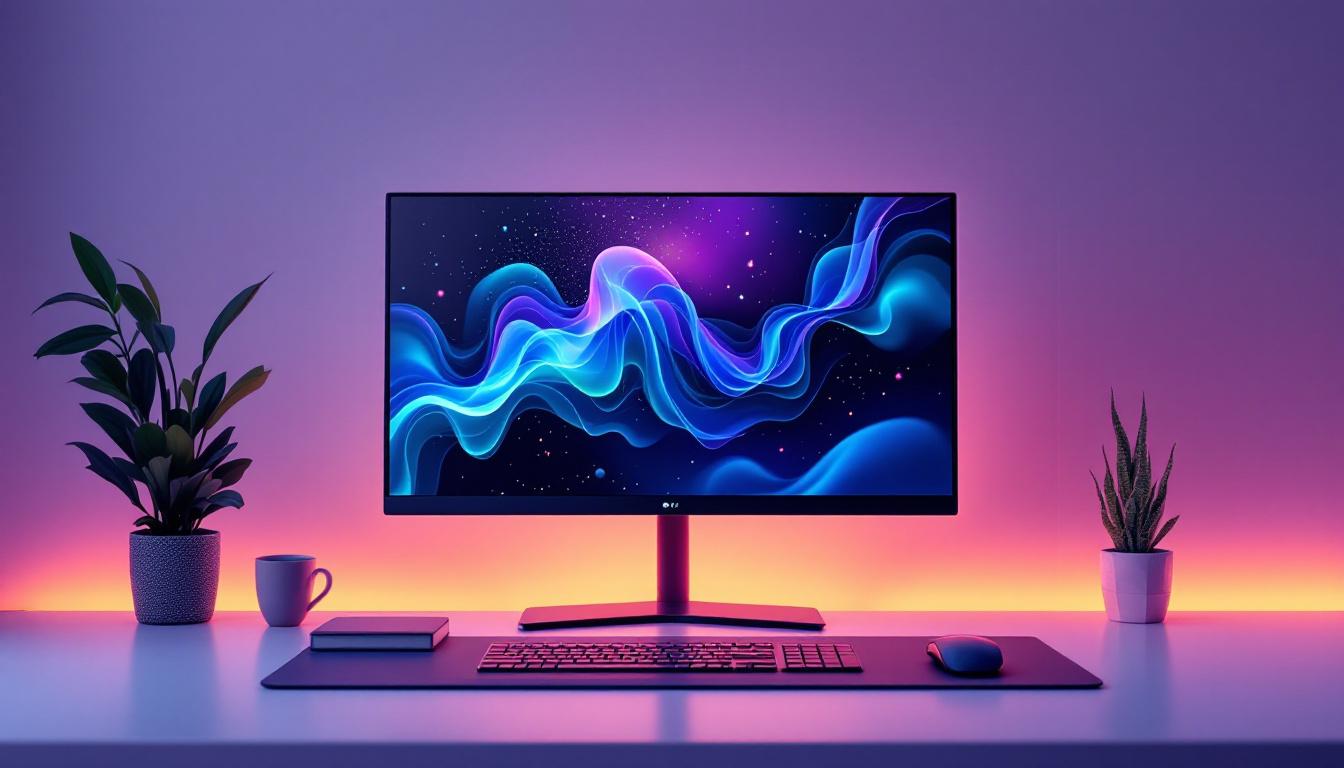
In the rapidly evolving world of computer hardware, display technology plays a pivotal role in enhancing user experience. Among the latest innovations, the edgeless computer monitor with LED display has garnered significant attention for its sleek design and superior visual performance. This article explores the technology behind edgeless LED monitors, their benefits, and what makes them a compelling choice for both professionals and casual users.
Understanding Edgeless Monitors: What Does ‘Edgeless’ Mean?
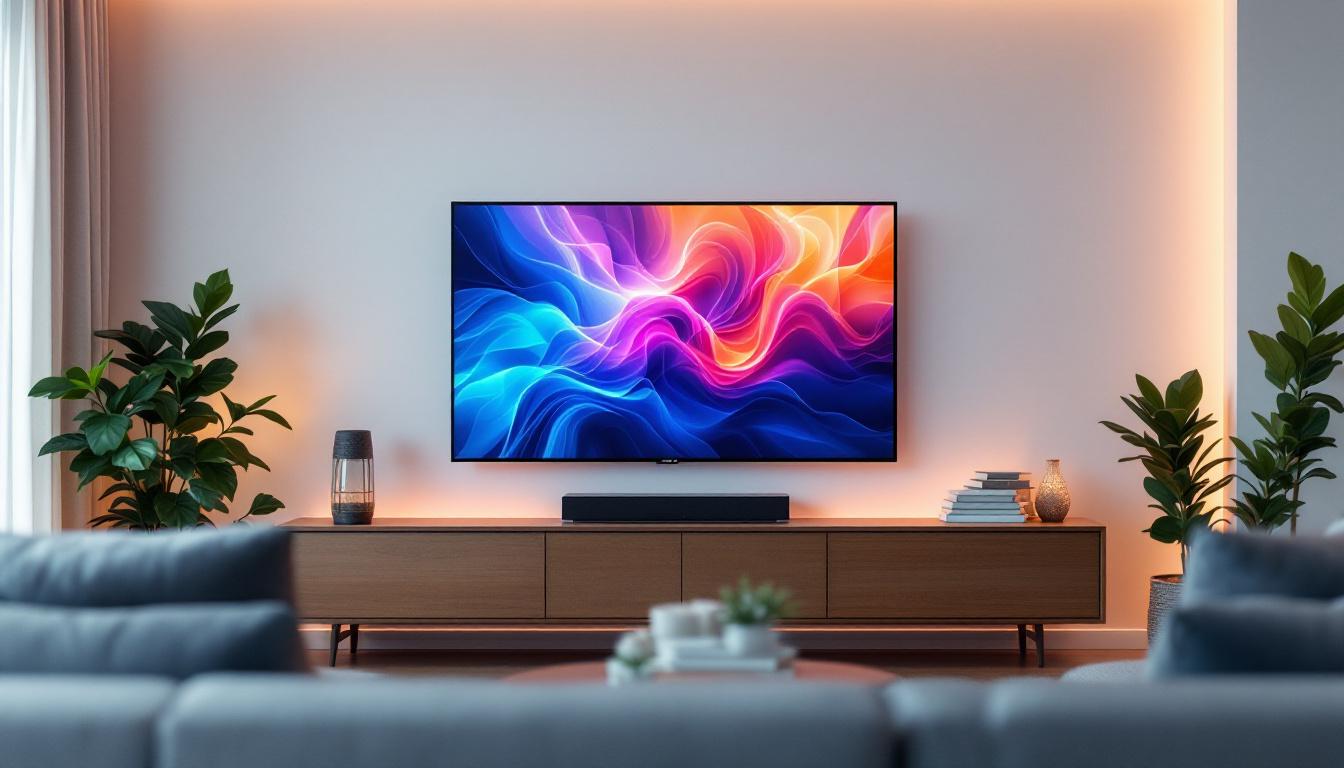
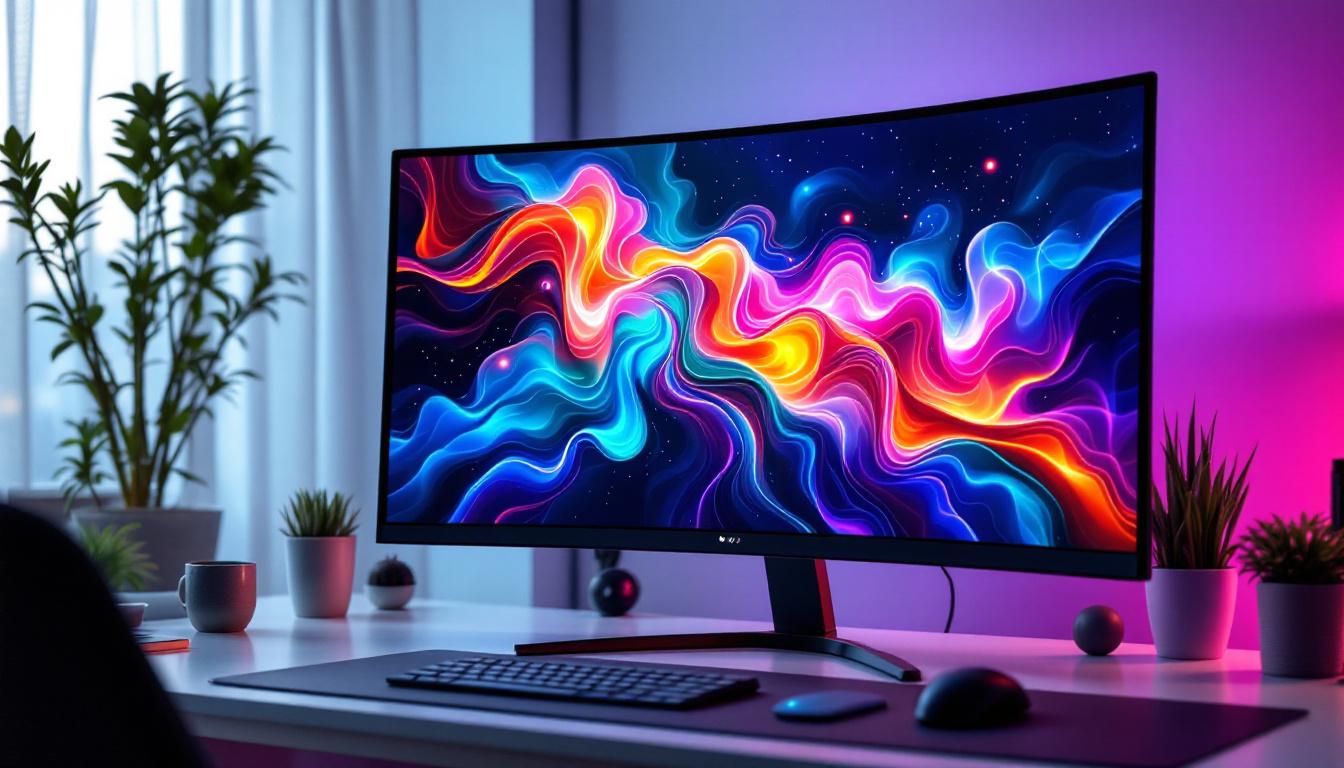
The term “edgeless” in computer monitors refers to screens that feature ultra-thin bezels or virtually no visible borders around the display area. Traditional monitors typically have thick bezels that frame the screen, which can be distracting and limit the seamlessness of multi-monitor setups. Edgeless monitors, by contrast, maximize the screen-to-body ratio, offering a more immersive viewing experience.
Manufacturers achieve this effect by minimizing the physical frame around the LCD or LED panel. In many cases, the bezel is reduced to just a few millimeters or is hidden behind the glass surface, creating the illusion that the display extends to the very edge of the device. This design trend aligns with the broader consumer demand for minimalist aesthetics and functional elegance in technology products.
The Evolution of Monitor Bezels
Monitor bezels have shrunk considerably over the past decade. Early LCD monitors often had bezels measuring over an inch thick. With advancements in manufacturing and materials, bezel widths have steadily decreased. Today’s edgeless monitors typically feature bezels as narrow as 1-2 millimeters. This evolution not only improves aesthetics but also enhances practical usability, especially in professional environments requiring multiple displays.
Moreover, the shift towards edgeless designs has been fueled by the rise of immersive gaming and content creation. Gamers, for instance, benefit from the uninterrupted visuals that edgeless monitors provide, allowing them to become fully engrossed in their virtual environments. Similarly, graphic designers and video editors appreciate the expanded workspace that comes with a larger viewing area, enabling them to work more efficiently without the distraction of a bulky bezel. As technology continues to advance, we can expect even more innovative designs that push the boundaries of what monitors can achieve.
In addition to aesthetics and functionality, the manufacturing process of edgeless monitors also reflects a commitment to sustainability. Many brands are now focusing on eco-friendly materials and energy-efficient technologies, ensuring that their products not only look good but also contribute positively to the environment. This trend is particularly appealing to consumers who are increasingly conscious of their ecological footprint, making edgeless monitors a popular choice among those looking to combine style with sustainability.
LED Display Technology: The Core of Edgeless Monitors
At the heart of most edgeless monitors is LED (Light Emitting Diode) display technology. Understanding how LED displays work is essential to appreciating why they are favored for edgeless designs.
How LED Displays Work
LED monitors are essentially LCD (Liquid Crystal Display) screens that use LEDs as their backlighting source. Unlike older CCFL (Cold Cathode Fluorescent Lamp) backlights, LEDs provide brighter illumination, better color accuracy, and improved energy efficiency. The LED backlight shines through a layer of liquid crystals that modulate light to form images on the screen.
There are two main types of LED backlighting: edge-lit and direct-lit. Edge-lit LED monitors place LEDs along the edges of the screen, allowing for thinner panels and contributing to the edgeless design. Direct-lit monitors have LEDs positioned directly behind the screen, which can improve uniformity but often results in thicker bezels.
Advantages of LED Displays in Edgeless Monitors
LED technology offers several benefits that complement the edgeless design:
- Thin Profile: Edge-lit LED backlights enable manufacturers to create ultra-thin monitors with minimal bezels.
- Energy Efficiency: LEDs consume less power than traditional backlighting, reducing energy costs and heat output.
- Improved Brightness and Contrast: LED displays can achieve higher brightness levels and better contrast ratios, enhancing image quality.
- Color Accuracy: Modern LED monitors support wide color gamuts and advanced color calibration, which is crucial for creative professionals.
Why Choose an Edgeless LED Monitor? Key Benefits and Use Cases
Edgeless LED monitors are more than just a design trend; they offer tangible benefits that improve both aesthetics and functionality. Here are some of the key reasons why users are increasingly opting for edgeless monitors.
Enhanced Visual Immersion
One of the most noticeable advantages of an edgeless monitor is the immersive viewing experience. By eliminating thick bezels, the display feels larger and more expansive. This is particularly beneficial for gaming, video editing, and multimedia consumption, where an uninterrupted field of view enhances engagement and enjoyment.
Seamless Multi-Monitor Setups
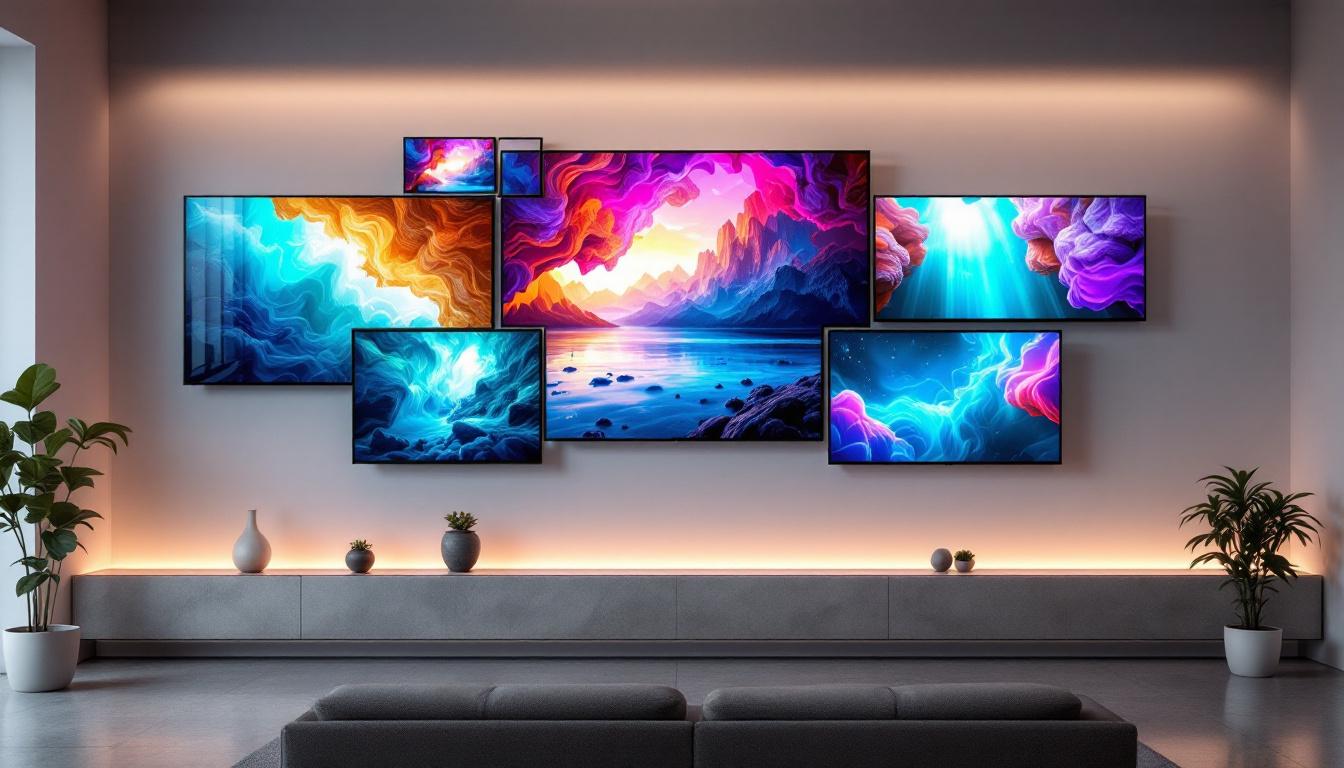
For professionals who rely on multiple monitors—such as programmers, financial analysts, and graphic designers—the thin bezels of edgeless monitors reduce the visual gap between screens. This creates a near-continuous workspace, improving productivity by making it easier to track information across multiple windows without distraction.
Modern Aesthetic Appeal
Minimalist design is a hallmark of contemporary technology. Edgeless monitors contribute to a clean, modern workspace that looks professional and uncluttered. This aesthetic is highly valued in corporate environments, design studios, and home offices alike.
Space Efficiency
With thinner bezels and slimmer profiles, edgeless monitors often take up less physical space on a desk. This can be a significant advantage in compact or shared work environments where maximizing desk area is important.
Technical Considerations When Choosing an Edgeless LED Monitor
While the benefits of edgeless monitors are clear, it’s important to consider technical factors to ensure the monitor meets your specific needs.
Panel Type and Viewing Angles
Most edgeless monitors use IPS (In-Plane Switching) panels, which offer superior color accuracy and wide viewing angles compared to TN (Twisted Nematic) panels. IPS panels are ideal for tasks requiring precise color representation, such as photo editing and graphic design. However, they may come at a higher price point.
Resolution and Screen Size
Edgeless monitors are available in a variety of sizes and resolutions, from compact 24-inch Full HD displays to large 32-inch 4K UHD models. Higher resolutions provide sharper images and more screen real estate, which is beneficial for multitasking and detailed work. Consider your workspace and usage patterns when selecting size and resolution.
Refresh Rate and Response Time
For gamers and video editors, refresh rate and response time are critical. Many edgeless LED monitors now offer refresh rates of 75Hz, 120Hz, or even 144Hz and above, providing smoother motion and reduced blur. Response times as low as 1ms are available on some models, minimizing ghosting effects during fast-paced action.
Connectivity Options
Modern edgeless monitors typically include a variety of ports such as HDMI, DisplayPort, USB-C, and USB hubs. USB-C is particularly valuable for users who want to connect laptops or mobile devices with a single cable that handles video, data, and power delivery.
Popular Edgeless LED Monitors in the Market
The market for edgeless LED monitors has expanded rapidly, with many manufacturers offering models that cater to different budgets and use cases. Here are a few notable examples:
Dell UltraSharp U2723QE
This 27-inch 4K monitor features an IPS panel with ultra-thin bezels on three sides. It offers excellent color accuracy, making it a favorite among creative professionals. The USB-C port supports power delivery, and the monitor includes a wide range of ergonomic adjustments.
LG 27GN950-B
Designed for gamers, this 27-inch 4K monitor combines an edgeless design with a 144Hz refresh rate and a 1ms response time. The Nano IPS panel delivers vibrant colors and wide viewing angles, while the slim bezels enhance immersion during gameplay.
ASUS ProArt PA32UCX
For high-end professional use, the ASUS ProArt series offers edgeless monitors with exceptional color accuracy and HDR support. The PA32UCX model features a 32-inch 4K display with ultra-thin bezels and is calibrated for color-critical workflows in photography, video production, and design.
Future Trends and Innovations in Edgeless LED Displays
The trajectory of edgeless monitor technology is closely tied to broader advancements in display innovation. Several emerging trends are poised to shape the future of edgeless LED monitors.
MicroLED and OLED Technologies
While LED-backlit LCDs currently dominate the market, MicroLED and OLED displays represent the next frontier. MicroLED offers the benefits of LED technology with self-emissive pixels, enabling even thinner panels with perfect blacks and infinite contrast ratios. OLED monitors, although still costly, provide unparalleled color fidelity and flexibility in design, potentially allowing for truly borderless displays.
Flexible and Curved Edgeless Displays
Curved monitors are gaining popularity for their ability to reduce eye strain and enhance immersion. Future edgeless monitors may combine ultra-thin bezels with flexible or curved panels, creating wrap-around displays that further blur the boundary between screen and environment.
Integration with Smart Technologies
Smart monitors with built-in AI features, voice control, and seamless connectivity to cloud services are becoming more common. Edgeless designs will likely integrate these technologies in a way that maintains a clean, minimalist look without compromising functionality.
Conclusion
Edgeless computer monitors with LED displays represent a significant leap forward in both design and technology. By minimizing bezels and leveraging advanced LED backlighting, these monitors offer an immersive viewing experience, enhanced productivity, and a modern aesthetic that appeals to a wide range of users. Whether for professional creative work, gaming, or everyday computing, edgeless LED monitors provide a compelling combination of style and performance.
As display technology continues to evolve, the edgeless trend is expected to grow, incorporating innovations like MicroLED, OLED, and smart features. For anyone looking to upgrade their workspace or gaming setup, understanding the benefits and technical considerations of edgeless LED monitors is essential to making an informed choice.
Discover the Future of Visual Display with LumenMatrix
Ready to experience the ultimate edgeless viewing experience? LumenMatrix is at the forefront of LED display innovation, offering a wide array of solutions that bring your visual communication to life. From immersive Indoor LED Wall Displays to dynamic Outdoor LED Wall Displays, and from sleek All-in-One LED Displays to crystal-clear LED Transparent Displays, LumenMatrix has the technology to transform your space. Elevate your brand visibility and captivate your audience with our cutting-edge LED display modules. Check out LumenMatrix LED Display Solutions today and join the revolution in visual technology.