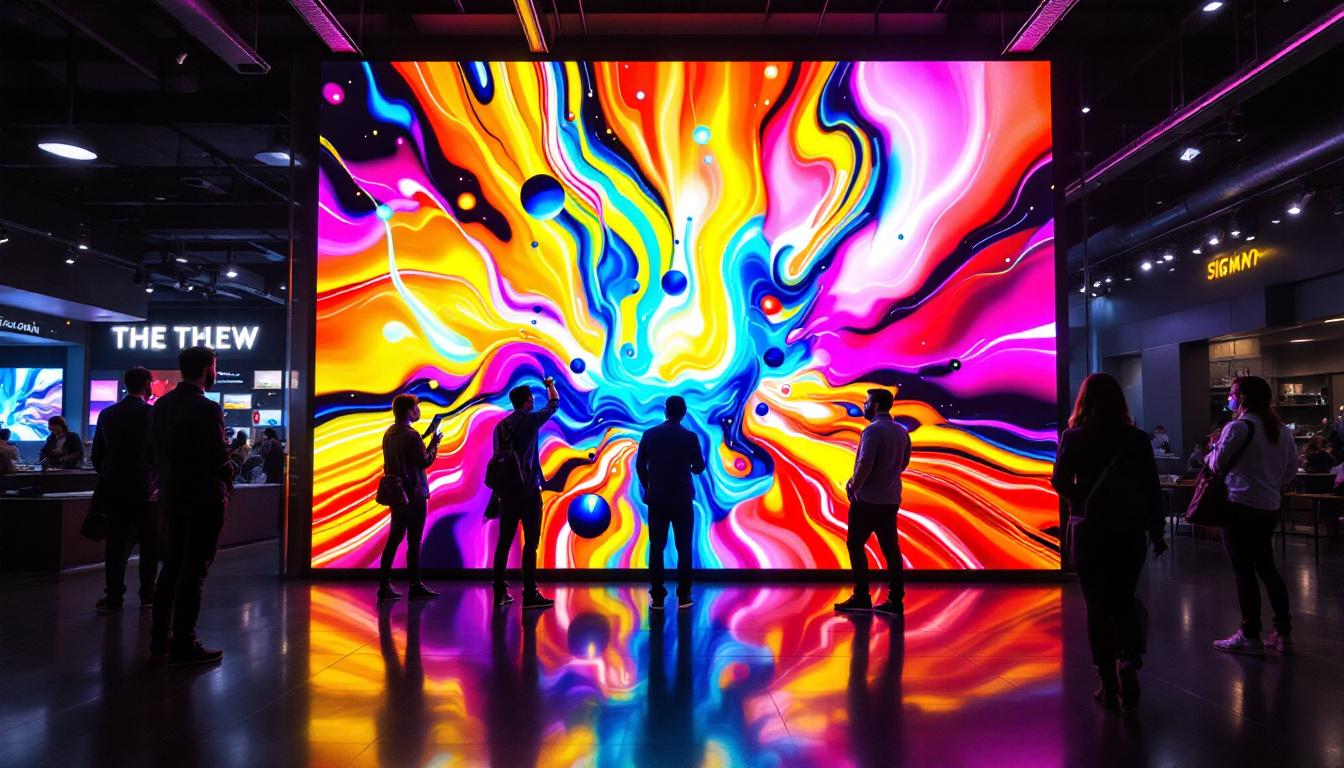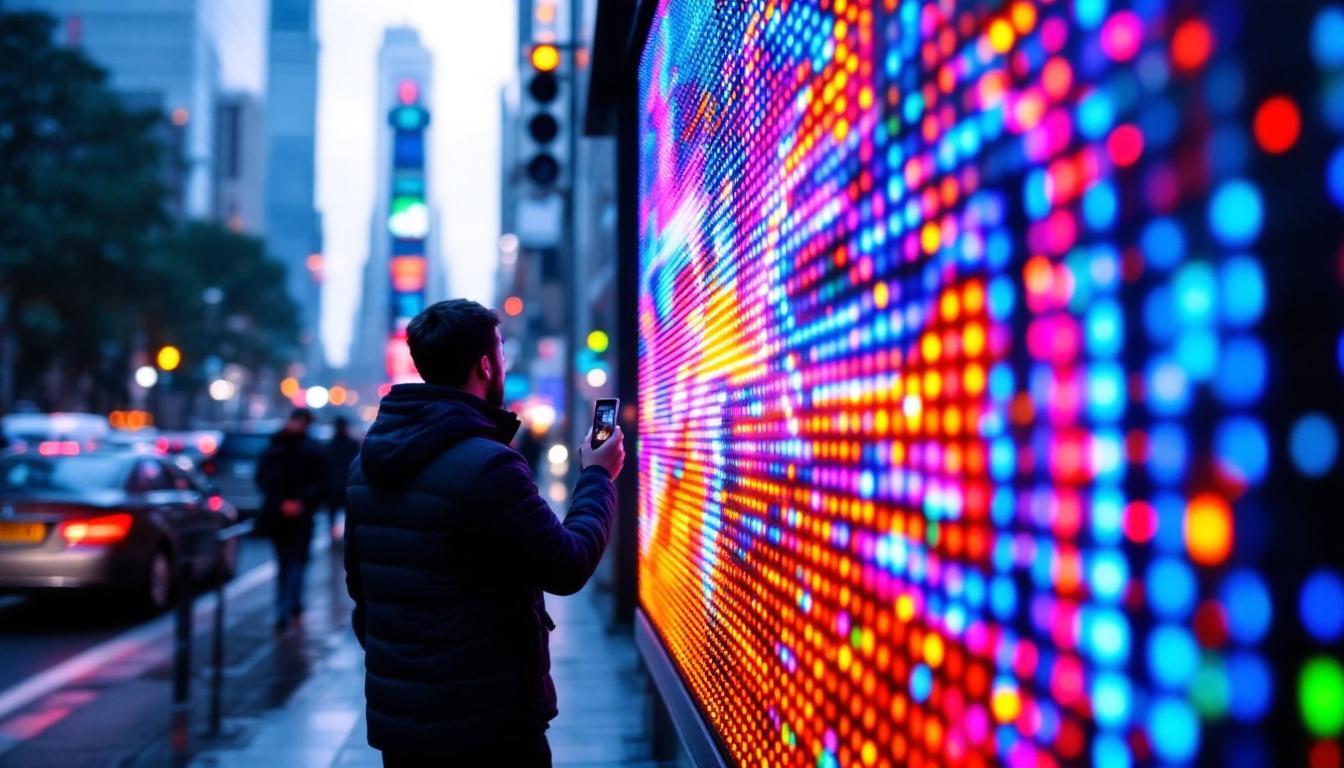
In today’s digital era, LED displays have become ubiquitous, transforming the way information is presented across various industries. From vibrant billboards in bustling city centers to the dynamic screens in sports arenas, LED displays offer unparalleled clarity and versatility. Central to understanding these systems is the concept of the “cabinet” — a fundamental building block of LED display technology. This article delves into the simple definition of a cabinet in the context of LED displays, explaining its significance, construction, and role in delivering stunning visual experiences.
What Is an LED Display Cabinet?
An LED display cabinet is essentially a modular enclosure that houses a segment of an LED screen. Think of it as a single tile in a large mosaic; when multiple cabinets are assembled together, they form a complete LED display of any size or shape. Each cabinet contains the LED modules, power supplies, control circuits, and structural framework necessary to operate a portion of the screen independently.
These cabinets are designed to be lightweight yet durable, allowing for easy installation, maintenance, and scalability. Their modular nature means that LED displays can be customized to fit various dimensions and resolutions, making them ideal for both indoor and outdoor applications. For instance, in a bustling shopping mall, these displays can be configured to create eye-catching advertisements that wrap around corners or hang from ceilings, drawing in customers from all angles.
Why Modular Cabinets Matter
The modular design of LED display cabinets offers several advantages. Firstly, it simplifies manufacturing and logistics; instead of producing a single large display, manufacturers create standardized cabinets that can be combined as needed. Secondly, it facilitates maintenance — if one cabinet malfunctions, it can be replaced or repaired without dismantling the entire screen. This not only saves time but also minimizes downtime, ensuring that businesses can maintain their visual communications without significant interruptions. Lastly, modularity enables flexibility in design, allowing for creative configurations and curved or irregular shapes.
Moreover, the versatility of these cabinets extends beyond mere aesthetics. They can be equipped with advanced features such as high dynamic range (HDR) capabilities and enhanced color accuracy, making them suitable for high-end applications like live event broadcasting or art installations. Additionally, many LED display cabinets are designed with energy efficiency in mind, utilizing innovative technologies that reduce power consumption while maintaining vibrant display quality. This combination of performance and sustainability makes LED display cabinets a smart choice for businesses looking to make a lasting impression while being mindful of their environmental impact.
Components Inside an LED Display Cabinet
Understanding what goes inside a cabinet helps clarify its role in the overall LED display system. Each cabinet is a self-contained unit equipped with several critical components that work in harmony to produce vibrant images.
LED Modules
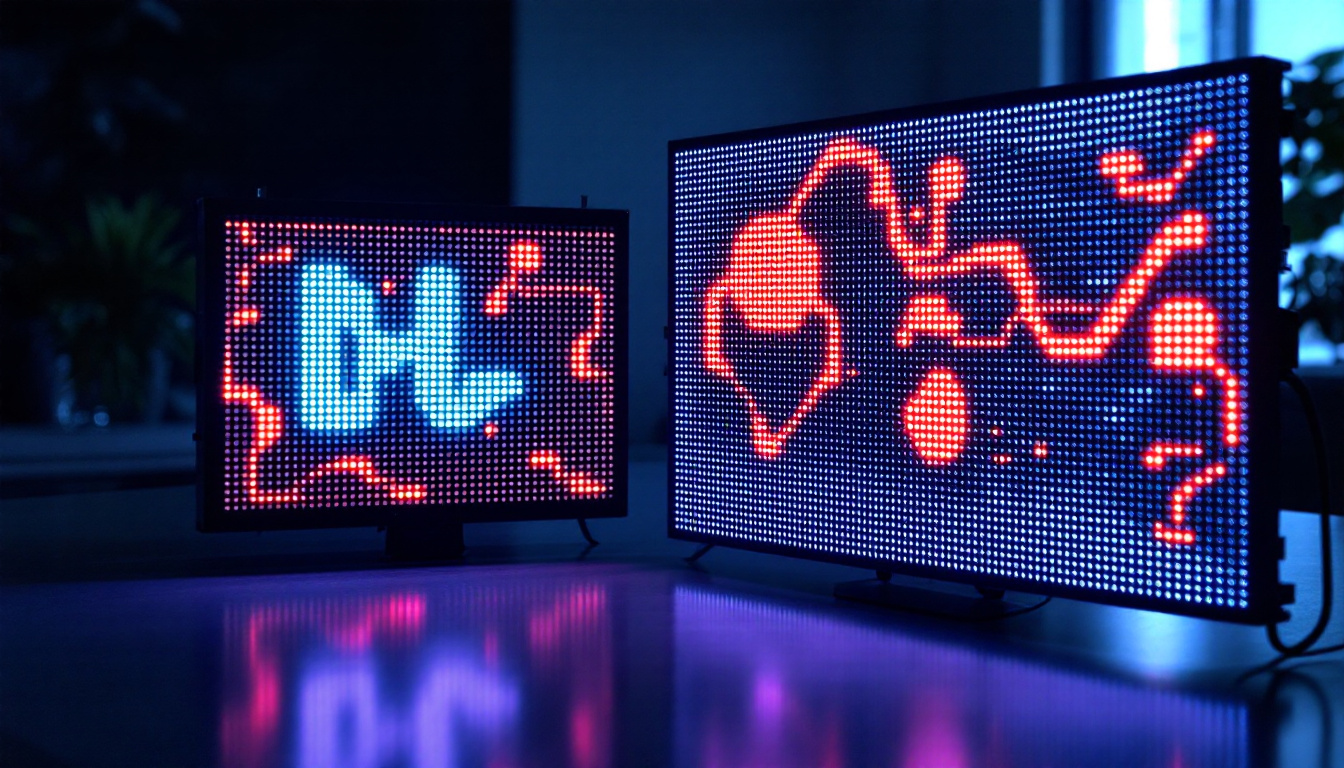
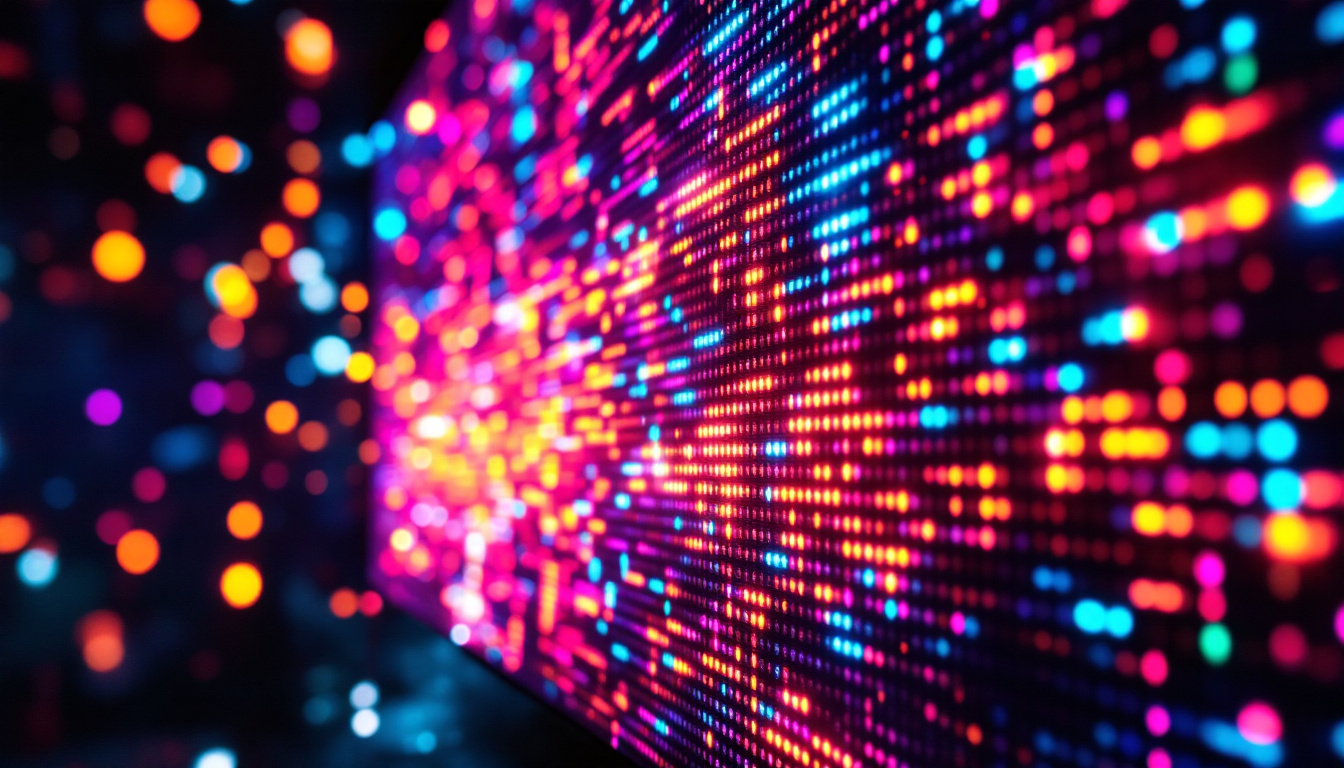
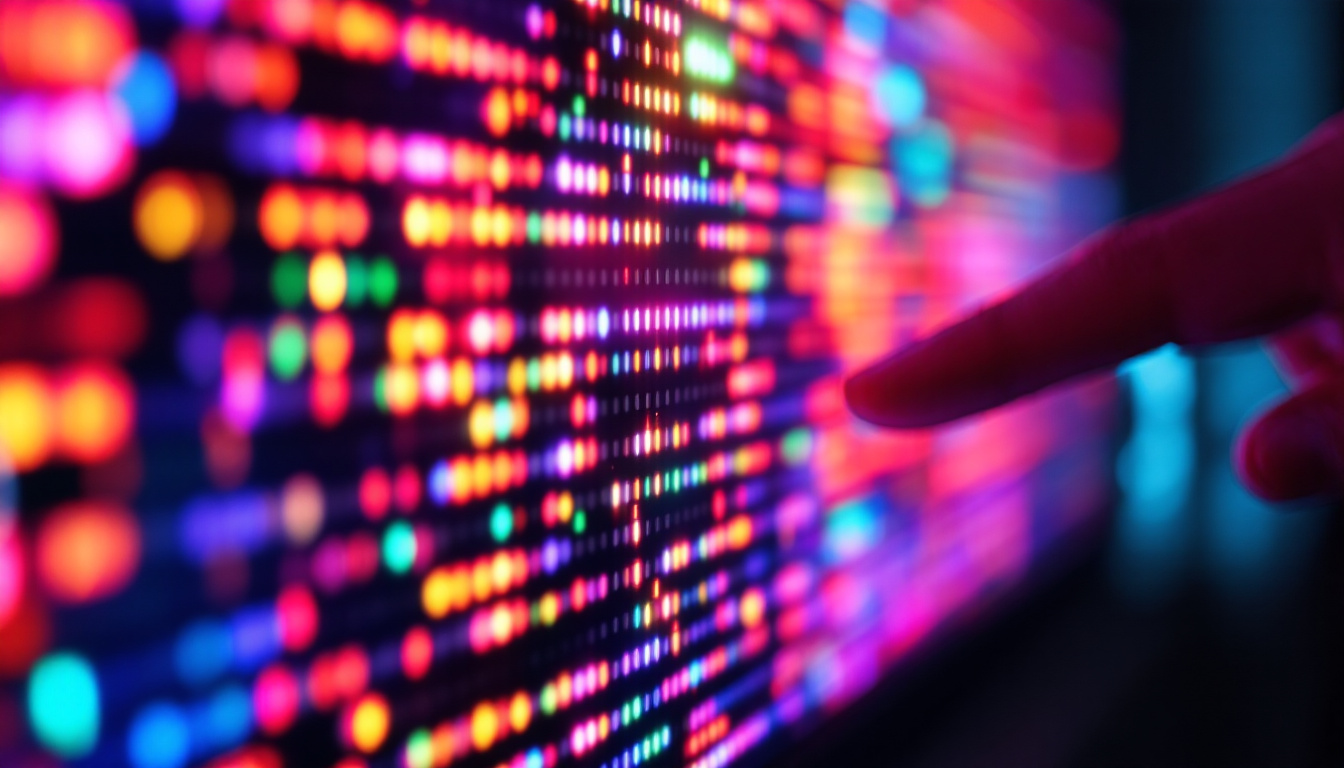
At the heart of the cabinet are the LED modules. These modules consist of an array of tiny light-emitting diodes (LEDs) arranged in a grid. Each LED acts as a pixel, emitting light in red, green, or blue colors. By varying the brightness of these LEDs, the modules can produce a full spectrum of colors and display images, videos, or text with high fidelity.
The pixel pitch — the distance between the centers of two adjacent LEDs — determines the resolution and viewing distance of the display. Smaller pixel pitches result in higher resolution and are typically used for indoor displays where viewers are closer. Conversely, larger pixel pitches are more common in outdoor displays, where the viewing distance is greater, allowing for a more cost-effective solution without sacrificing visual quality.
Power Supply and Control Boards
Each cabinet contains power supplies that convert electrical power to the specific voltages required by the LED modules. Reliable power management ensures consistent brightness and color accuracy across the display. These power supplies are often equipped with advanced features such as surge protection and thermal management systems, which help safeguard the components against voltage spikes and overheating, ensuring longevity and reliability.
Control boards within the cabinet receive data signals from the display controller and distribute them to the LED modules. These boards synchronize the LEDs to display the correct images in real-time, enabling smooth video playback and dynamic content changes. Additionally, many modern control boards support various communication protocols, allowing for seamless integration with content management systems and remote monitoring tools, which enhance the overall functionality of the display.
Cabinet Frame and Protective Housing
The structural frame provides mechanical support, ensuring that the cabinet maintains its shape and alignment when connected with other cabinets. The housing protects sensitive electronic components from environmental factors such as dust, moisture, and physical impact. This robust construction is vital, particularly in high-traffic areas where accidental bumps and jostles are common.
For outdoor LED displays, cabinets are often designed with weatherproof ratings like IP65 or higher, guaranteeing resistance to rain and dust, which is crucial for long-term durability. Furthermore, some cabinets feature additional protective elements, such as anti-glare coatings and UV-resistant materials, which help maintain image quality and prevent degradation from prolonged exposure to sunlight. These enhancements ensure that the display remains vibrant and effective, even in challenging environmental conditions, making them ideal for advertising, events, and public information displays.
How LED Display Cabinets Are Assembled and Installed
One of the key strengths of LED display technology lies in its scalability and adaptability, largely due to the cabinet-based design. The process of assembling and installing these cabinets involves precise engineering and coordination. Each cabinet is designed to be modular, allowing for easy upgrades and replacements, which is a significant advantage in a rapidly evolving digital landscape.
Connecting Cabinets to Form a Display
LED display cabinets are connected side-by-side using mechanical fasteners and alignment pins to ensure a seamless visual surface. Electrical connectors link the power and data signals across cabinets, enabling them to operate as a unified screen. This interconnectivity is crucial in maintaining the integrity of the display, as any disruption in the signal can lead to flickering or color inconsistencies that detract from the viewer’s experience.
The alignment process is critical to avoid visible gaps or misalignments that can degrade image quality. Advanced mounting systems allow for fine adjustments in three dimensions, ensuring a perfectly flat or curved display surface depending on design requirements. Additionally, some installations incorporate calibration software that automatically adjusts brightness and color across the entire display, further enhancing visual uniformity and ensuring that the content appears vibrant and engaging from all angles.
Installation Environments and Considerations
Cabinets can be installed in a variety of settings, from permanent fixtures on building facades to temporary setups for concerts or trade shows. Indoor installations prioritize lightweight and slim cabinets for aesthetic integration, while outdoor installations emphasize robust, weather-resistant cabinets. For outdoor environments, cabinets are often equipped with protective coatings and reinforced structures to withstand harsh weather conditions, including rain, snow, and extreme temperatures, ensuring longevity and reliability.
Installation teams must also consider factors such as ventilation and heat dissipation, as LED modules generate heat during operation. Proper airflow and cooling mechanisms extend the lifespan of the display and maintain optimal performance. Furthermore, the positioning of the display is crucial; it should be strategically placed to minimize glare from sunlight and maximize visibility for the intended audience. This often involves conducting site surveys and light studies to determine the best angles and heights for installation, ensuring that the display not only functions well but also captivates viewers effectively.
Applications of LED Display Cabinets
The versatility of LED display cabinets has led to their widespread adoption across numerous industries. Their modular nature allows for custom solutions tailored to specific needs.
Advertising and Digital Signage
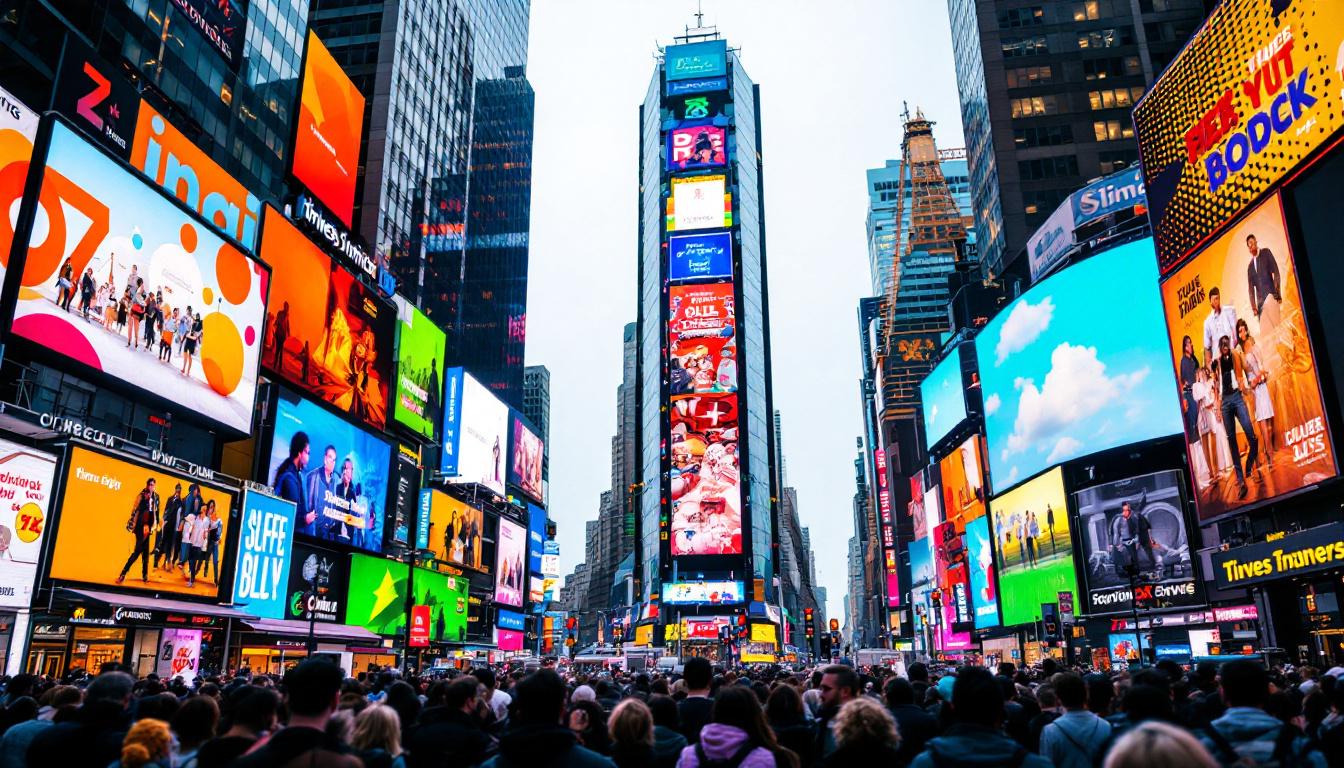
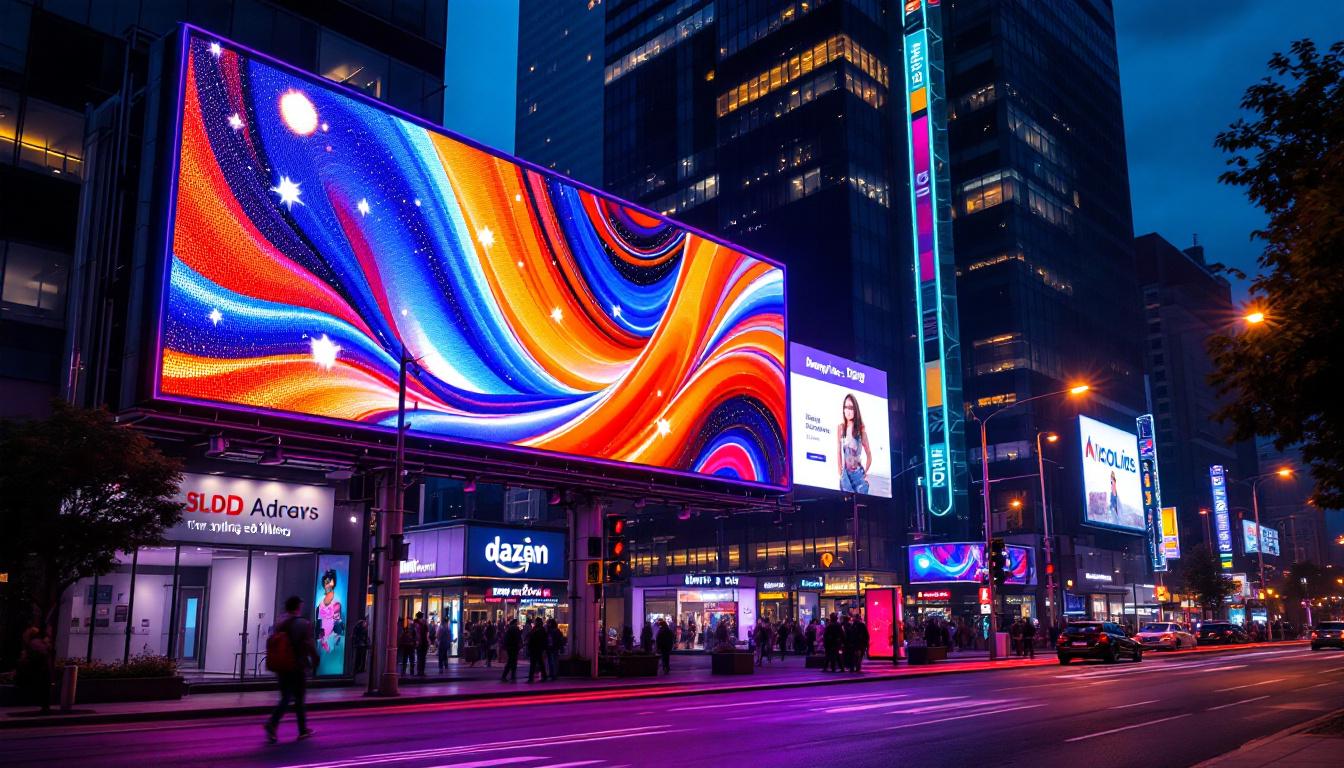
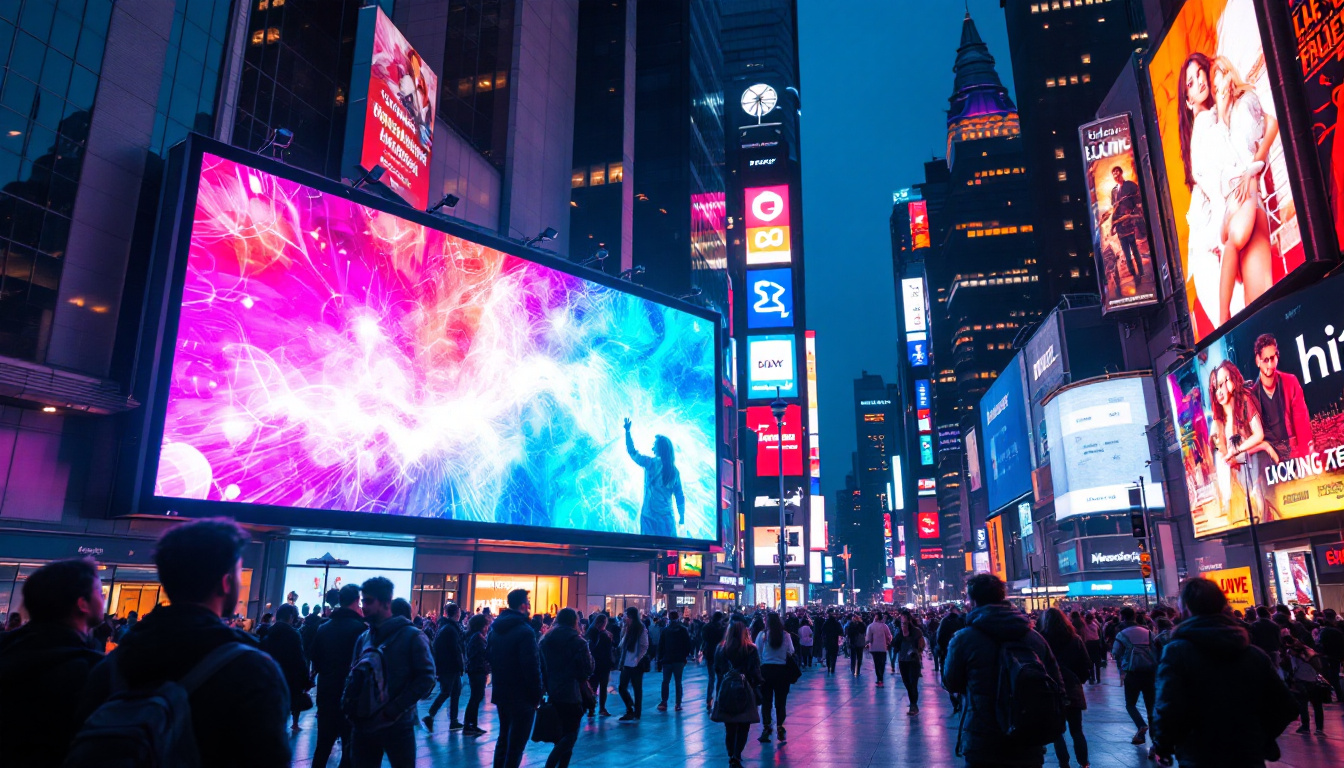
Outdoor advertising is one of the most visible applications of LED display cabinets. Large-scale billboards composed of hundreds of cabinets deliver eye-catching, dynamic content that can be updated remotely. According to recent market research, the global digital signage market is expected to grow at a CAGR of over 8% through 2027, driven largely by advances in LED technology.
Indoor digital signage in retail stores, airports, and malls also relies on LED cabinets to create engaging customer experiences with vivid imagery and video.
Sports and Entertainment Venues
Stadiums and arenas utilize massive LED displays made from cabinets to provide live game footage, replays, and interactive content. These displays must be bright enough to be visible in daylight and robust enough to withstand outdoor conditions.
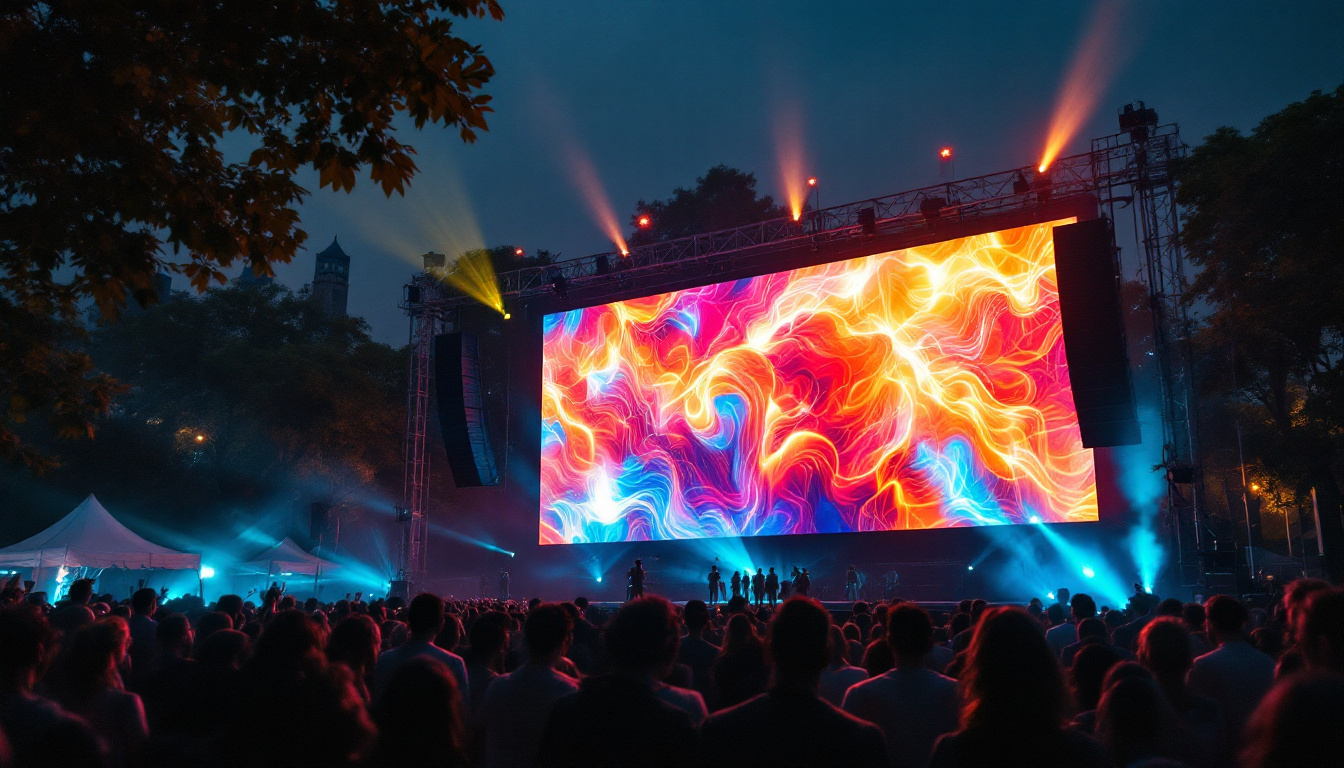
Concerts and events often employ LED video walls constructed from cabinets for immersive stage backdrops, enhancing audience engagement.
Corporate and Control Room Displays
In corporate environments and control rooms, LED display cabinets form large video walls used for presentations, monitoring, and data visualization. The high resolution and reliability of these displays support critical decision-making processes.
Future Trends in LED Display Cabinets
As LED technology continues to evolve, so do the capabilities and designs of LED display cabinets. Several trends are shaping the future landscape of this technology.
Higher Resolution and Smaller Pixel Pitch
Advancements in LED manufacturing have enabled smaller pixel pitches, allowing cabinets to deliver ultra-high-definition images even at close viewing distances. This trend is particularly significant for indoor applications such as retail and corporate displays.
Lightweight and Flexible Cabinets
Innovations in materials and structural design are producing lighter cabinets that are easier to install and transport. Flexible LED cabinets capable of bending or curving open new creative possibilities for architectural integration and immersive experiences.
Energy Efficiency and Smart Features
Energy-efficient LEDs and intelligent control systems reduce power consumption and operational costs. Smart cabinets with embedded sensors can monitor temperature, humidity, and performance, enabling predictive maintenance and enhanced reliability.
Conclusion
Understanding the simple definition of an LED display cabinet reveals the complexity and ingenuity behind modern digital displays. These modular units serve as the foundation for creating scalable, high-resolution screens adaptable to countless applications. From their internal components to their assembly and installation, LED display cabinets exemplify the blend of technology and design that powers today’s vibrant visual communications.
As LED technology progresses, cabinets will continue to evolve, offering even greater flexibility, durability, and image quality. Whether for advertising, entertainment, or corporate use, the cabinet remains a critical element in delivering compelling LED display experiences worldwide.
Explore Cutting-Edge LED Display Solutions with LumenMatrix
Ready to elevate your visual communication strategy with the latest in LED display technology? LumenMatrix is at the forefront of innovation, offering a diverse range of LED display solutions tailored to your unique needs. From stunning Indoor and Outdoor LED Wall Displays to dynamic Vehicle and Sports LED Displays, our products are designed to captivate your audience and amplify your message. Discover the transformative power of our LED Poster Displays, Floor LED Displays, Custom LED Displays, All-in-One LED Displays, and LED Transparent Displays. Experience the future of digital signage with LumenMatrix and create unforgettable visual experiences. Check out LumenMatrix LED Display Solutions today and see your vision come to life.