In the rapidly evolving world of display technology, pedestal monitors equipped with LED displays have become a popular choice for a variety of applications, ranging from control rooms and broadcast studios to retail environments and public information kiosks. Understanding what a pedestal monitor is, how LED displays function within these devices, and why they are favored can help businesses and consumers make informed decisions when selecting display solutions.
What Is a Pedestal Monitor?
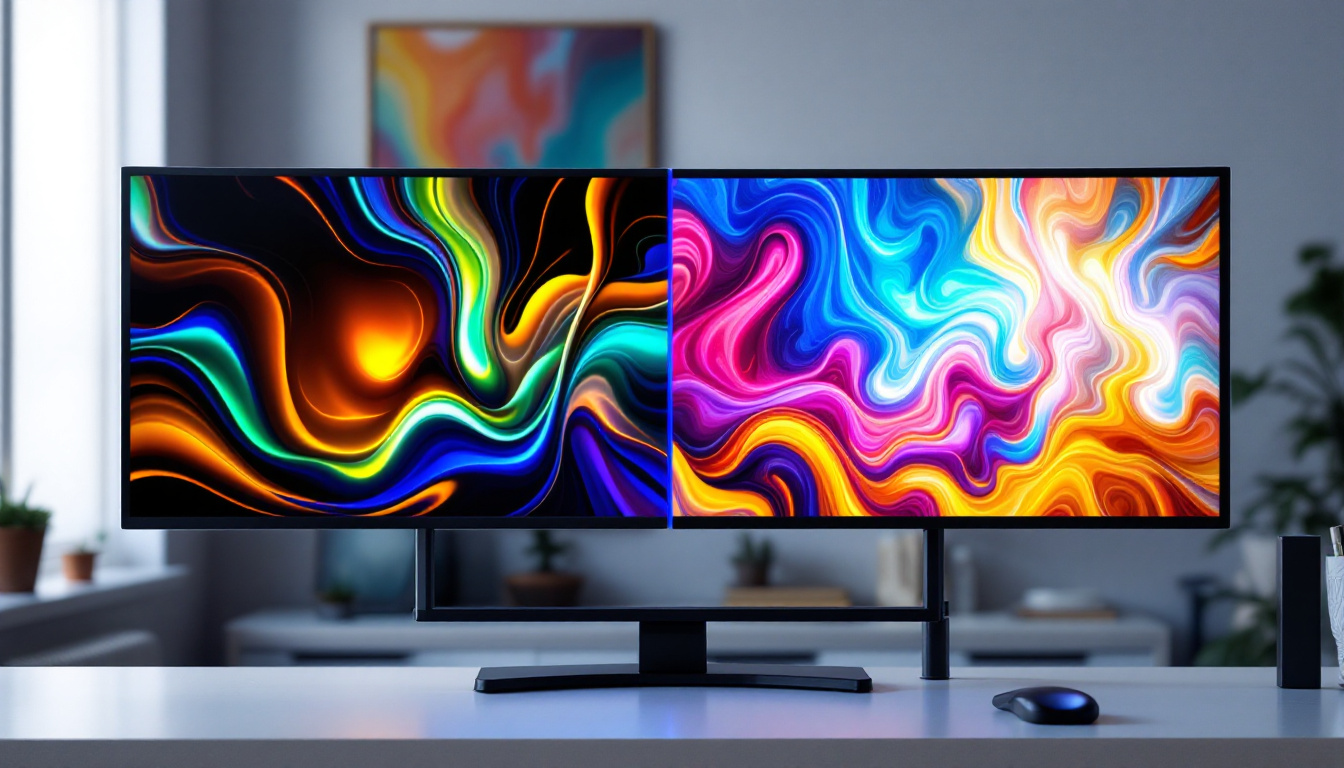
A pedestal monitor is a type of display device mounted on a sturdy, often adjustable stand or “pedestal,” designed to provide ergonomic viewing and versatile placement options. Unlike traditional monitors that typically rest on desks or attach to walls, pedestal monitors offer enhanced mobility and stability, making them ideal for environments where the display needs to be frequently repositioned or viewed from different angles.
These monitors are commonly used in professional settings such as control centers, medical facilities, and industrial environments where operators require reliable, high-quality visual feedback. The pedestal stand often includes features like height adjustment, tilt, swivel, and sometimes even rotation, allowing users to customize the viewing experience based on their specific needs. This adaptability not only enhances comfort but also improves productivity, as users can quickly adjust the monitor to suit their tasks, whether they are analyzing data, conducting virtual meetings, or monitoring equipment.
Furthermore, the aesthetic design of pedestal monitors often aligns with modern workspace trends, blending functionality with style. Many models come with sleek finishes and customizable options that can match the decor of a professional environment, contributing to a cohesive look in offices, labs, and other settings. This attention to design ensures that while functionality is prioritized, the visual appeal of the workspace is not compromised.
Key Features of Pedestal Monitors
Pedestal monitors distinguish themselves through several defining characteristics:
- Ergonomic Design: Adjustable stands reduce strain on the neck and eyes by enabling optimal positioning.
- Robust Construction: Designed to withstand demanding environments, often with durable materials and secure bases.
- Versatility: Suitable for a wide range of applications, from industrial control panels to interactive kiosks.
- Connectivity Options: Often equipped with multiple input ports to support various video sources.
In addition to these features, many pedestal monitors are designed with energy efficiency in mind, incorporating LED backlighting and low power consumption technologies. This not only reduces operational costs but also aligns with sustainability goals that many organizations are striving to achieve. Some models even come with built-in energy-saving modes that automatically adjust brightness based on ambient light conditions, further enhancing their eco-friendly credentials. Moreover, the integration of advanced display technologies, such as high-definition resolution and wide color gamut, ensures that users receive crisp and vibrant visuals, which are essential for tasks that require precise detail and clarity.
Understanding LED Displays in Pedestal Monitors
At the heart of many pedestal monitors lies the LED (Light Emitting Diode) display technology, which has revolutionized the way images and videos are presented. LED displays are known for their vibrant colors, energy efficiency, and long lifespan, making them a preferred choice over older LCD or plasma technologies. As technology continues to advance, the integration of LED displays in various applications—from digital signage to interactive kiosks—has become increasingly prevalent, underscoring their versatility and adaptability in different environments.
How LED Displays Work
LED displays use an array of tiny light-emitting diodes to produce images. Each pixel on the screen consists of red, green, and blue LEDs that combine to create a full spectrum of colors. Unlike traditional LCDs that rely on a backlight, LED displays emit their own light, resulting in better contrast and deeper blacks. This self-emissive nature of LED technology allows for more dynamic range in image quality, making it ideal for applications that require high fidelity, such as video production and gaming.
There are two main types of LED displays used in pedestal monitors:
- Edge-Lit LED: LEDs are positioned along the edges of the screen, with light diffused across the panel. This design allows for thinner displays but can sometimes result in uneven brightness.
- Direct-Lit or Full-Array LED: LEDs are placed directly behind the screen in a grid pattern, providing more uniform brightness and improved contrast through local dimming capabilities.
Advantages of LED Displays in Pedestal Monitors
LED technology offers several benefits that enhance the performance and user experience of pedestal monitors:
- Energy Efficiency: LED displays consume significantly less power compared to older technologies, reducing operational costs and environmental impact.
- Brightness and Visibility: High brightness levels make LED displays suitable for use in well-lit environments, including outdoor or brightly lit indoor spaces.
- Color Accuracy and Range: LEDs provide rich and accurate colors, essential for applications requiring precise image reproduction such as medical imaging or graphic design.
- Longevity: LED displays typically have longer lifespans, often exceeding 50,000 hours of use, minimizing maintenance and replacement costs.
- Thin and Lightweight: The compact nature of LEDs allows for sleek, lightweight monitor designs that enhance portability and ease of installation.
Moreover, the rapid response time of LED displays contributes to smoother motion rendering, which is particularly beneficial for video playback and fast-paced gaming. This responsiveness helps to eliminate motion blur, providing a clearer and more enjoyable viewing experience. Additionally, advancements in LED technology have led to the development of OLED (Organic LED) displays, which take the benefits of traditional LED displays even further by offering even deeper blacks and a wider color gamut, further enhancing the visual experience.
As the demand for high-quality visual displays continues to grow, the integration of LED technology into pedestal monitors is becoming increasingly sophisticated. Features such as touchscreen capabilities, high refresh rates, and enhanced connectivity options are now commonplace, allowing users to interact with content in more engaging ways. This evolution not only enhances user experience but also opens up new possibilities for applications in education, retail, and entertainment, where dynamic content presentation is key to capturing audience attention.
Applications of Pedestal Monitors with LED Displays
Pedestal monitors equipped with LED displays serve a broad spectrum of industries and use cases. Their adaptability and superior display quality make them indispensable in scenarios where clear, reliable visual communication is critical.
Control Rooms and Command Centers
In mission-critical environments such as air traffic control, emergency response centers, and security monitoring stations, pedestal monitors provide operators with clear, real-time data visualization. The ergonomic design helps reduce fatigue during long shifts, while the LED display ensures crisp images even under varying lighting conditions.
Broadcast and Production Studios
Broadcast professionals rely on pedestal monitors for video editing, live production monitoring, and quality control. The color accuracy and high resolution of LED displays are vital for ensuring that content meets broadcast standards before it reaches audiences.
Medical and Healthcare Settings
Medical imaging requires displays that can render fine details with precision. Pedestal monitors with LED displays are used for viewing X-rays, MRIs, and other diagnostic images, where clarity can directly impact patient outcomes.
Retail and Public Information Kiosks
In retail environments, pedestal monitors serve as interactive digital signage or self-service kiosks. The bright, vivid LED displays attract customer attention and facilitate engagement, improving the overall shopping experience.
Industrial and Manufacturing Facilities
Industrial operators use pedestal monitors to monitor machinery, control processes, and access vital data. The rugged construction combined with LED display durability makes these monitors well-suited to harsh factory conditions.
Choosing the Right Pedestal Monitor with LED Display
Selecting the appropriate pedestal monitor involves considering several factors to ensure the display meets the specific requirements of the intended application.
Screen Size and Resolution
The size of the monitor should correspond to the viewing distance and the amount of detail required. For example, control rooms may benefit from larger screens with 4K resolution to display multiple data streams simultaneously, while retail kiosks might use smaller, more compact displays.
Brightness and Contrast Ratio
Brightness levels measured in nits determine how well the display performs in bright environments. A higher contrast ratio enhances image depth and readability, particularly important for detailed graphics or text-heavy content.
Adjustability and Ergonomics
Since pedestal monitors are often used for extended periods, ergonomic features like height adjustment, tilt, and swivel are crucial for user comfort and productivity.
Connectivity and Compatibility
Ensuring the monitor supports the necessary input types—such as HDMI, DisplayPort, or USB-C—is essential for seamless integration with existing hardware.
Durability and Environmental Resistance
For industrial or outdoor use, selecting monitors with robust enclosures, dust and water resistance, and temperature tolerance can prevent premature failure and reduce downtime.
Future Trends in Pedestal Monitor and LED Display Technology
The display industry continues to innovate, and pedestal monitors are evolving alongside these advancements to meet growing demands for performance and versatility.
Mini-LED and Micro-LED Technologies
Emerging LED technologies like Mini-LED and Micro-LED promise even greater brightness, contrast, and energy efficiency. These advancements allow for thinner panels with superior image quality, potentially transforming pedestal monitors used in professional settings.
Integration with Touch and Interactive Features
Increasingly, pedestal monitors incorporate touchscreens and interactive capabilities, enabling more dynamic user engagement. This is particularly relevant in retail, education, and healthcare sectors where user interaction enhances functionality.
AI-Enhanced Display Management
Artificial intelligence is being integrated into display systems to optimize brightness, color calibration, and power consumption automatically based on ambient conditions and usage patterns, improving both user experience and operational efficiency.
Sustainability and Eco-Friendly Designs
Manufacturers are focusing on reducing the environmental impact of displays by using recyclable materials, improving energy efficiency, and designing for easier repair and recycling at end-of-life.
Conclusion
Pedestal monitors with LED displays represent a sophisticated blend of ergonomic design and cutting-edge display technology. Their adaptability across various industries, combined with the superior visual performance of LED technology, makes them an excellent choice for environments demanding reliable, high-quality visual output.
Understanding the nuances of LED display types, ergonomic considerations, and application-specific requirements can guide users and organizations in selecting the right pedestal monitor solution. As technology continues to advance, these monitors will likely become even more versatile, efficient, and integral to professional and commercial settings worldwide.
Explore Cutting-Edge LED Display Solutions with LumenMatrix
As you consider the benefits and applications of pedestal monitors with LED displays, LumenMatrix stands at the forefront of this technology, offering a wide array of innovative LED display solutions. From enhancing brand visibility to creating immersive environments, our products—including Indoor and Outdoor LED Wall Displays, Vehicle LED Displays, and Custom LED Solutions—are designed to meet the diverse needs of modern visual communication. Embrace the future of display technology and check out LumenMatrix LED Display Solutions to discover how our state-of-the-art modules can transform your space and captivate your audience.