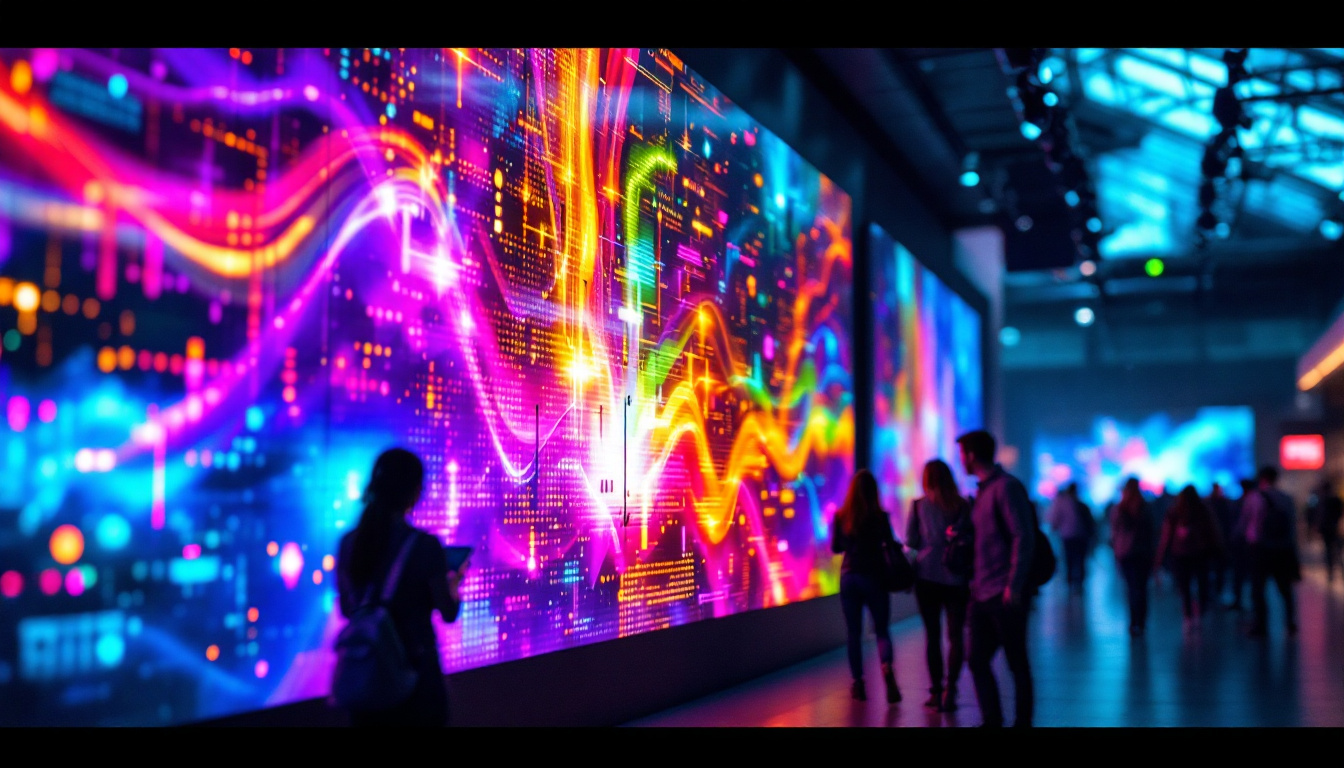
In today’s fast-paced digital world, LED displays have become an essential medium for communication, advertising, and information dissemination. The term “Taa Application” often surfaces in discussions about LED technology, particularly in contexts involving advanced display systems and smart city infrastructure. This article delves into the intricacies of LED displays, their applications under the Taa framework, and why understanding this technology is crucial for businesses, urban planners, and technology enthusiasts alike.
Understanding LED Display Technology
What is an LED Display?
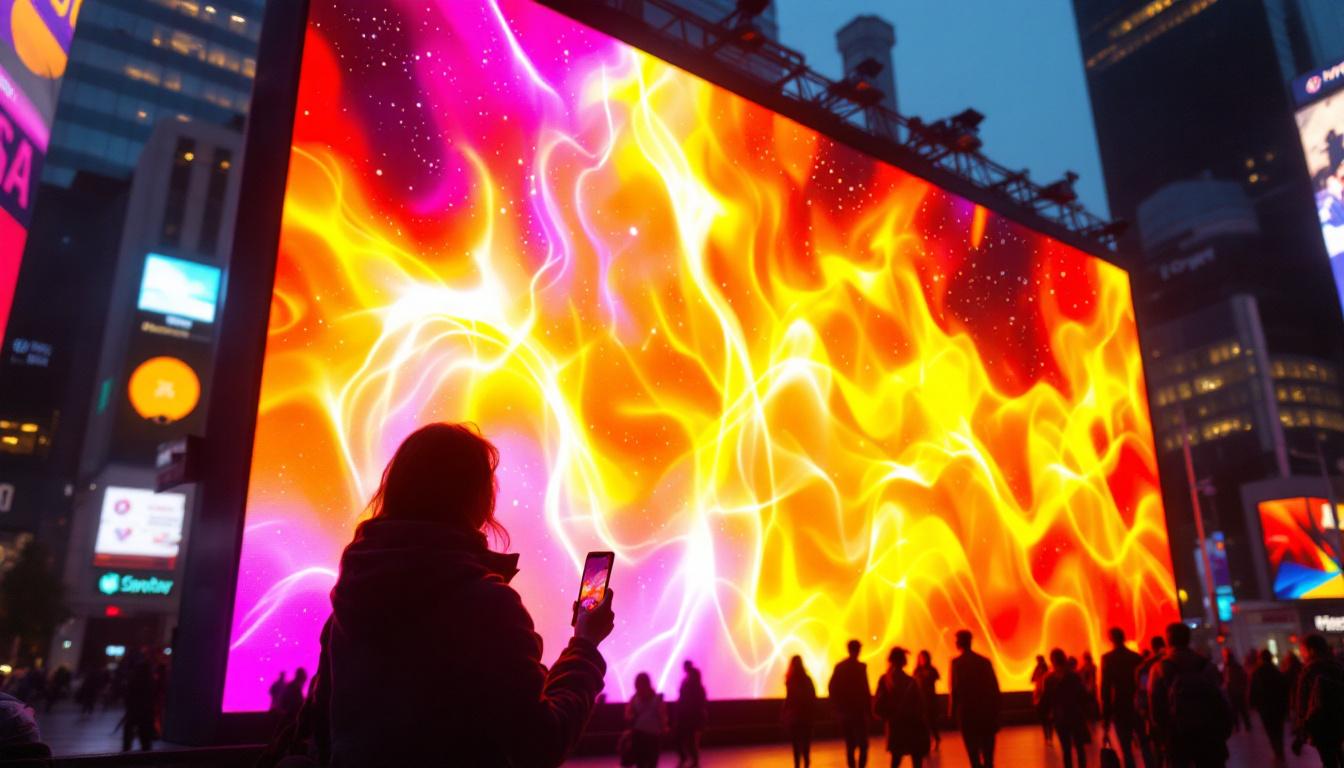
LED, or Light Emitting Diode, displays are screens that use tiny light-emitting diodes as pixels to create images, videos, and text. Unlike traditional LCD or plasma screens, LED displays offer superior brightness, contrast, and energy efficiency. These characteristics make them ideal for both indoor and outdoor use, ranging from small digital signage to massive stadium screens.
The core advantage of LED technology lies in its ability to produce vibrant colors and high visibility even under direct sunlight. This is achieved through the self-illuminating nature of LEDs, which do not require a backlight, unlike LCDs. Additionally, LED displays can be configured in various shapes and sizes, offering flexibility in design and application. The advancements in LED technology have also led to the development of high dynamic range (HDR) displays, which enhance the color depth and contrast even further, providing viewers with a more immersive experience.
Types of LED Displays
LED displays come in several forms, primarily categorized by their pixel pitch—the distance between individual LEDs. The most common types include:
- Indoor LED Displays: These have a smaller pixel pitch (typically 1-4 mm), providing high resolution and clarity suitable for close viewing distances.
- Outdoor LED Displays: Featuring larger pixel pitches (4-20 mm), these displays prioritize brightness and durability to withstand harsh weather conditions and long viewing distances.
- Flexible LED Displays: Made with bendable materials, these displays can curve around surfaces, enabling innovative architectural applications.
- Transparent LED Displays: Designed to allow light to pass through, these are often used on glass facades for a futuristic look without blocking natural light.
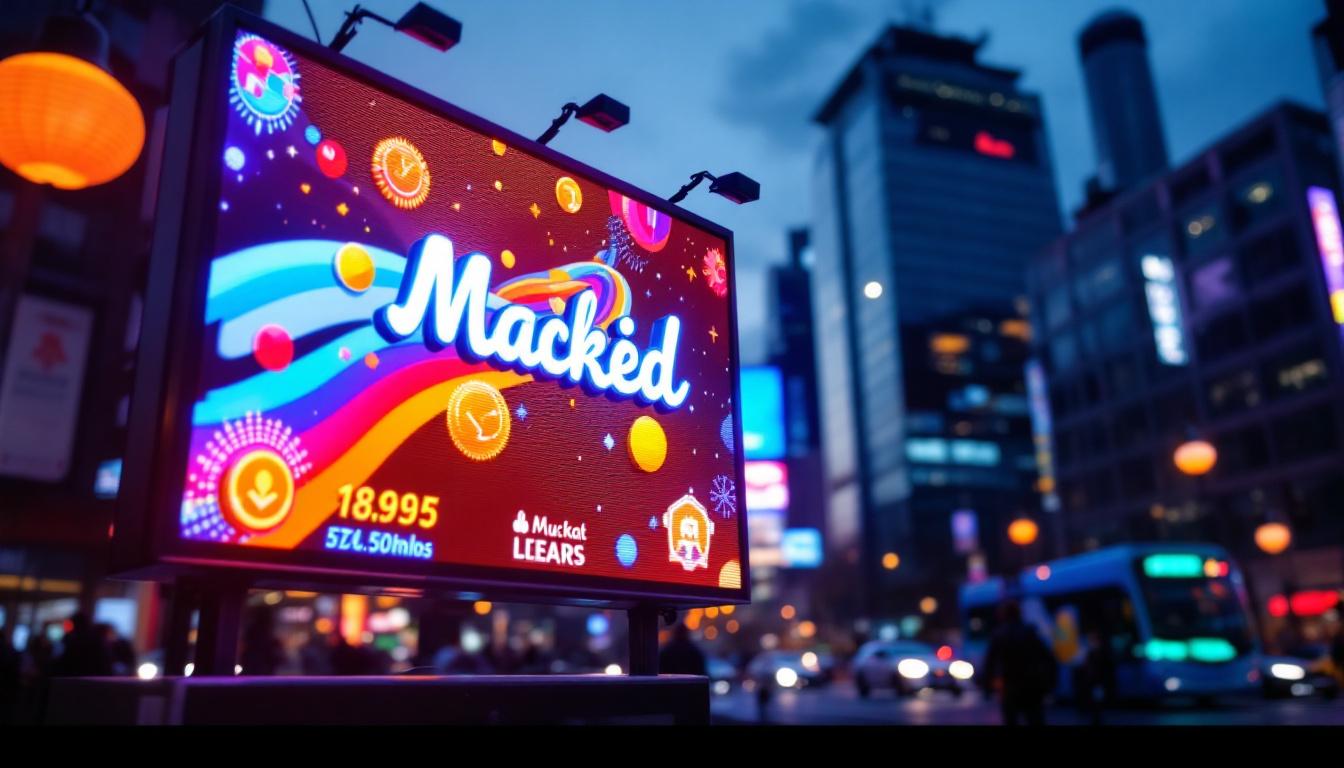
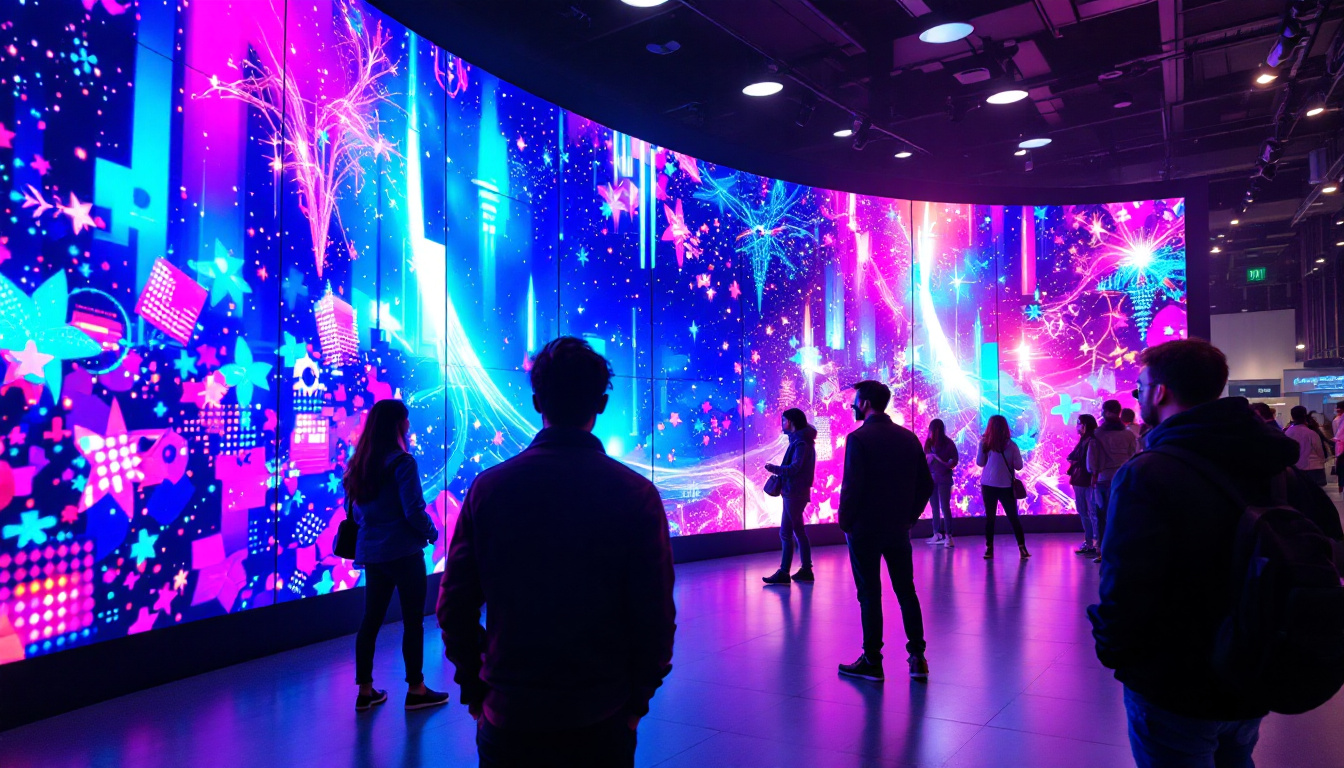
Each type serves specific use cases, and choosing the right LED display depends on factors such as location, viewing distance, and content type. For instance, indoor displays are often employed in retail environments to capture customer attention with dynamic advertisements, while outdoor displays are commonly seen in public spaces, such as billboards and sports arenas, where visibility from afar is crucial. Furthermore, the rise of digital art installations has led to the creative use of flexible and transparent displays, allowing artists to push the boundaries of traditional media and engage audiences in new ways.
What is Taa Application in the Context of LED Displays?
Defining Taa Application
Taa, short for “Technology as a Application,” refers to the integration of advanced technologies into practical applications that enhance user experience and operational efficiency. Within the LED display realm, Taa Application signifies the use of LED technology combined with software, data analytics, and connectivity to create intelligent display solutions.
This concept extends beyond simply showing static images or videos. It involves interactive, real-time, and data-driven displays that can adapt content dynamically based on audience behavior, environmental conditions, or business objectives. For instance, a digital billboard can change its advertisements based on the time of day or the demographics of the people nearby, ensuring that the content is always relevant and engaging.
How Taa Enhances LED Display Functionality
By leveraging Taa principles, LED displays evolve into smart devices capable of:
- Real-Time Content Management: Content can be updated instantly from centralized systems, allowing for timely promotions, alerts, or information dissemination.
- Interactive Engagement: Integration with sensors, cameras, or mobile devices enables interactive experiences, such as touch responses or personalized advertisements.
- Data-Driven Insights: Analytics gathered from viewer interactions or environmental sensors help optimize content strategy and measure campaign effectiveness.
- Remote Monitoring and Maintenance: IoT connectivity allows operators to monitor display health, perform diagnostics, and schedule maintenance proactively, reducing downtime.
These capabilities make Taa Application a game-changer in sectors like retail, transportation, public safety, and entertainment. In retail, for example, Taa-enabled displays can analyze foot traffic patterns and adjust advertisements in real-time, targeting specific demographics that pass by. This not only enhances customer engagement but also increases the likelihood of conversions by presenting tailored offers that resonate with the audience.
Moreover, in the realm of public safety, Taa Applications can be utilized to display emergency alerts or real-time traffic updates, ensuring that critical information reaches the public promptly. By integrating with city-wide data systems, these displays can provide timely warnings about severe weather conditions or road closures, thereby improving community safety and responsiveness. The versatility of Taa Applications in LED displays illustrates their potential to transform various industries, making them not just tools for communication but vital components of smart infrastructure.
Key Applications of Taa-Enabled LED Displays
Smart Cities and Urban Infrastructure
Modern cities are increasingly adopting smart technologies to improve urban living. Taa-enabled LED displays play a pivotal role in this transformation by serving as dynamic information hubs. Examples include:
- Traffic Management: LED displays integrated with traffic sensors provide real-time updates on congestion, accidents, or detours, helping drivers make informed decisions.
- Public Safety Alerts: Emergency notifications, weather warnings, and public health messages can be broadcast instantly across multiple displays citywide.
- Environmental Monitoring: Displays can show air quality indices and encourage eco-friendly behaviors based on sensor data.
According to a 2023 report by the International Data Corporation (IDC), smart city investments related to digital signage and information systems are expected to grow by 18% annually through 2027, underscoring the rising importance of Taa-enabled LED displays.
Retail and Advertising
In the retail sector, LED displays powered by Taa applications revolutionize customer engagement. Digital signage can be tailored to specific audiences using demographic data and purchasing patterns, resulting in higher conversion rates.
For instance, a clothing store might use facial recognition technology to identify age groups and display targeted promotions accordingly. Interactive LED walls also invite customers to explore product catalogs or participate in branded games, enhancing the shopping experience.
Market research indicates that digital signage can increase sales by up to 30%, with Taa-driven personalization playing a significant role in this uplift.
Transportation Hubs
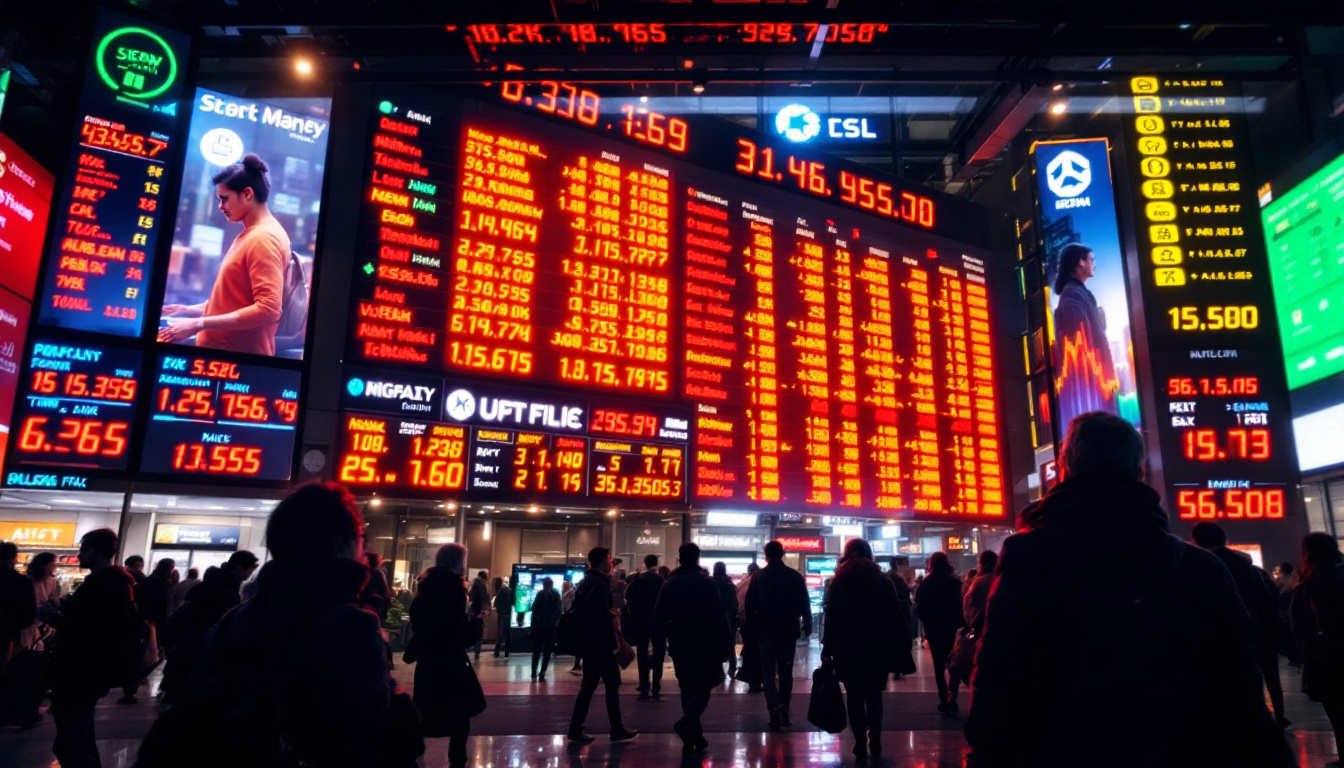
Airports, train stations, and bus terminals benefit immensely from Taa-enabled LED displays. These installations provide travelers with up-to-the-minute schedules, gate changes, and service alerts. Additionally, interactive wayfinding displays help passengers navigate complex terminals efficiently.
Integration with mobile apps and ticketing systems further streamlines the travel experience, reducing stress and improving operational flow.
Technical Considerations for Implementing Taa Applications in LED Displays
Hardware Requirements
Deploying Taa applications on LED displays necessitates robust hardware capable of handling high data throughput and processing demands. Key components include:
- High-Resolution LED Panels: To ensure crisp visuals, especially for indoor or close-range viewing.
- Powerful Processors: For real-time data processing and content rendering.
- Connectivity Modules: Such as Wi-Fi, 5G, or Ethernet for seamless communication with cloud services and control centers.
- Sensors and Input Devices: Cameras, motion detectors, and touch interfaces to facilitate interactivity.
Software and Integration
The software layer is critical for managing content, analytics, and device health. Modern LED display systems often rely on cloud-based platforms that offer:
- Content Management Systems (CMS): User-friendly interfaces to schedule and customize display content.
- Data Analytics Tools: To interpret viewer engagement and environmental data.
- API Integration: Enabling connectivity with third-party applications like weather services, social media feeds, or emergency alert systems.
Security is also paramount, as connected displays can be vulnerable to cyber threats. Implementing encryption, authentication protocols, and regular software updates helps safeguard the system.
Installation and Maintenance
Proper installation ensures optimal performance and longevity of LED displays. Factors to consider include:
- Environmental Protection: Weatherproof casings and temperature regulation for outdoor units.
- Structural Support: Secure mounting to withstand wind loads and vibrations.
- Accessibility: For routine maintenance and repairs without disrupting operations.
Predictive maintenance, enabled by IoT sensors, can alert operators to potential issues before failures occur, minimizing downtime and repair costs.
The Future of Taa Applications in LED Displays
Emerging Trends
The convergence of LED technology with artificial intelligence (AI), augmented reality (AR), and 5G connectivity is set to redefine the capabilities of Taa applications. Some promising developments include:
- AI-Powered Content Personalization: Leveraging machine learning to tailor advertisements and information in real-time based on audience behavior and preferences.
- AR-Enhanced Displays: Combining physical LED screens with AR overlays to create immersive experiences in retail, entertainment, and education.
- Ultra-Low Latency Networks: Utilizing 5G to enable instantaneous content updates and interactive features even in high-traffic public spaces.
These innovations will not only enhance user engagement but also open new revenue streams for businesses and municipalities.
Challenges and Considerations
Despite the exciting prospects, several challenges must be addressed for widespread adoption:
- Cost: High initial investment for advanced hardware and software integration can be a barrier, especially for small businesses or developing regions.
- Privacy Concerns: Use of sensors and data collection raises ethical and legal questions regarding user consent and data protection.
- Technical Complexity: Managing and maintaining sophisticated Taa-enabled systems requires skilled personnel and continuous training.
Addressing these issues through thoughtful design, regulation, and education will be crucial to realizing the full potential of Taa applications in LED displays.
Conclusion
LED displays have transcended their traditional roles, evolving into intelligent platforms through Taa applications that blend hardware, software, and data analytics. This transformation enables dynamic, interactive, and context-aware content delivery that benefits a wide range of sectors, from smart cities and retail to transportation and public safety.
Understanding the technical foundations, practical applications, and future trends of Taa-enabled LED displays equips stakeholders to make informed decisions and harness the power of this technology effectively. As advancements continue, the synergy between LED displays and Taa applications promises to shape the digital landscape in profound and exciting ways.
Explore the Future of Visual Communication with LumenMatrix
As you consider the transformative impact of Taa-enabled LED displays on various industries, imagine the possibilities for your own business or project. LumenMatrix is at the forefront of this innovation, offering a comprehensive range of LED display solutions tailored to meet your unique needs. From captivating Indoor LED Walls to robust Outdoor LED Displays and beyond, our products are designed to elevate your brand and engage your audience like never before. Check out LumenMatrix LED Display Solutions today and step into the future of dynamic visual storytelling.