In the rapidly evolving world of digital signage and visual communication, the TV media wall has emerged as a powerful tool for businesses, broadcasters, and event organizers alike. Central to this technology is the LED display, which offers unparalleled brightness, flexibility, and visual impact. This article delves into the intricacies of TV media walls powered by LED displays, exploring their technology, applications, benefits, and future trends.
Understanding TV Media Walls and LED Displays
What is a TV Media Wall?
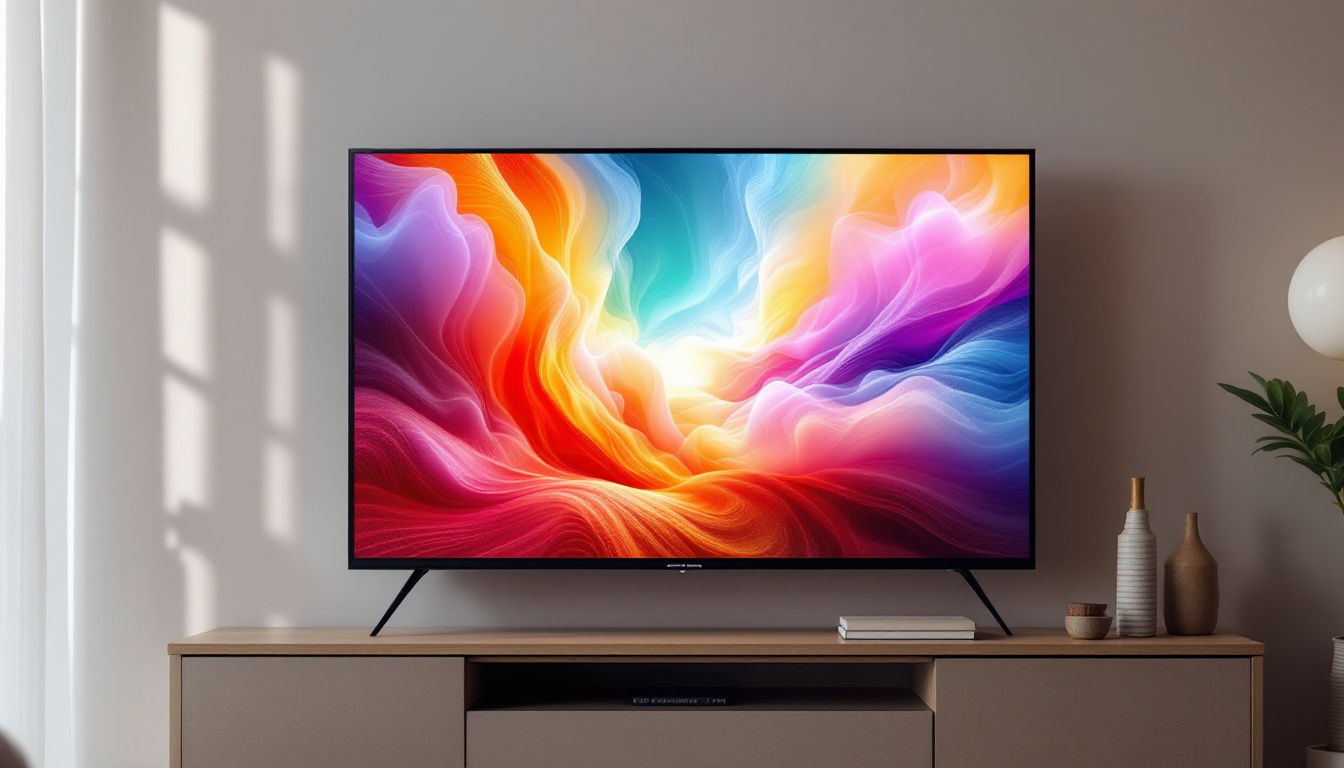
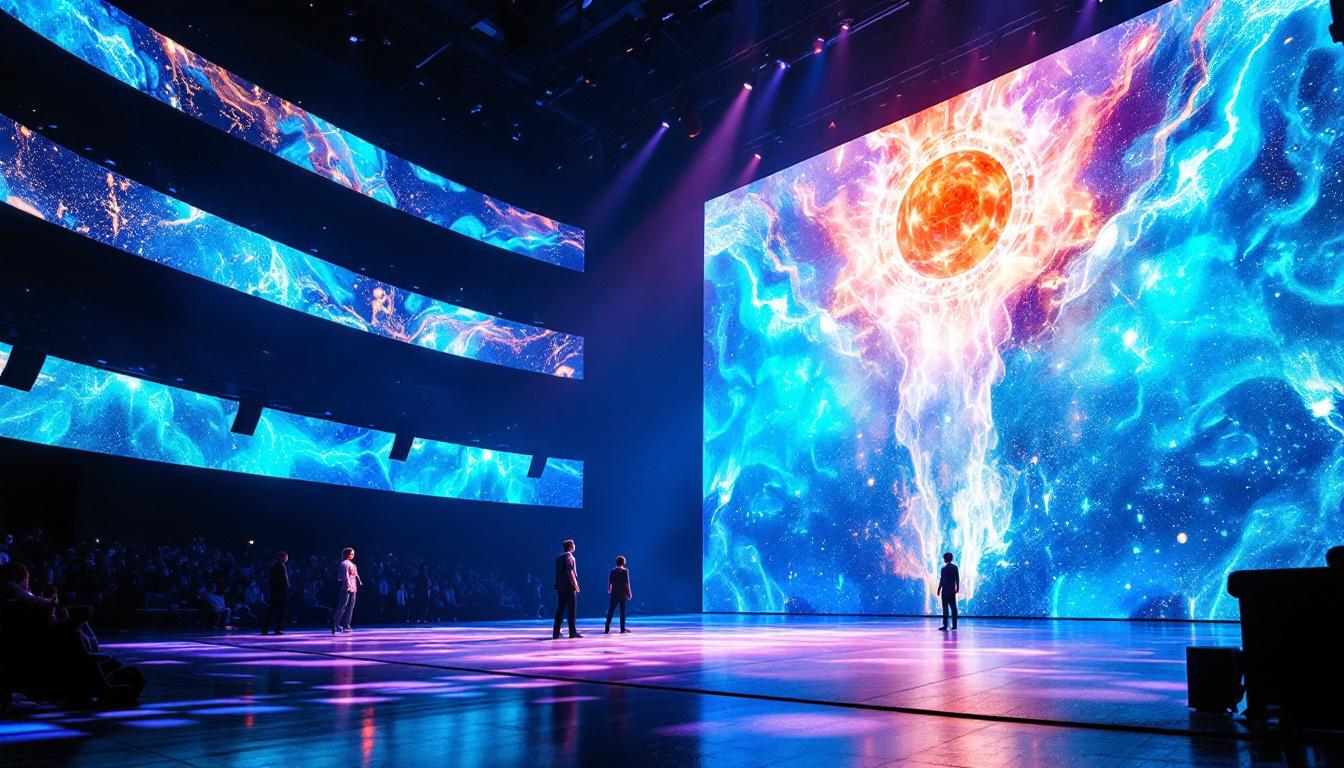
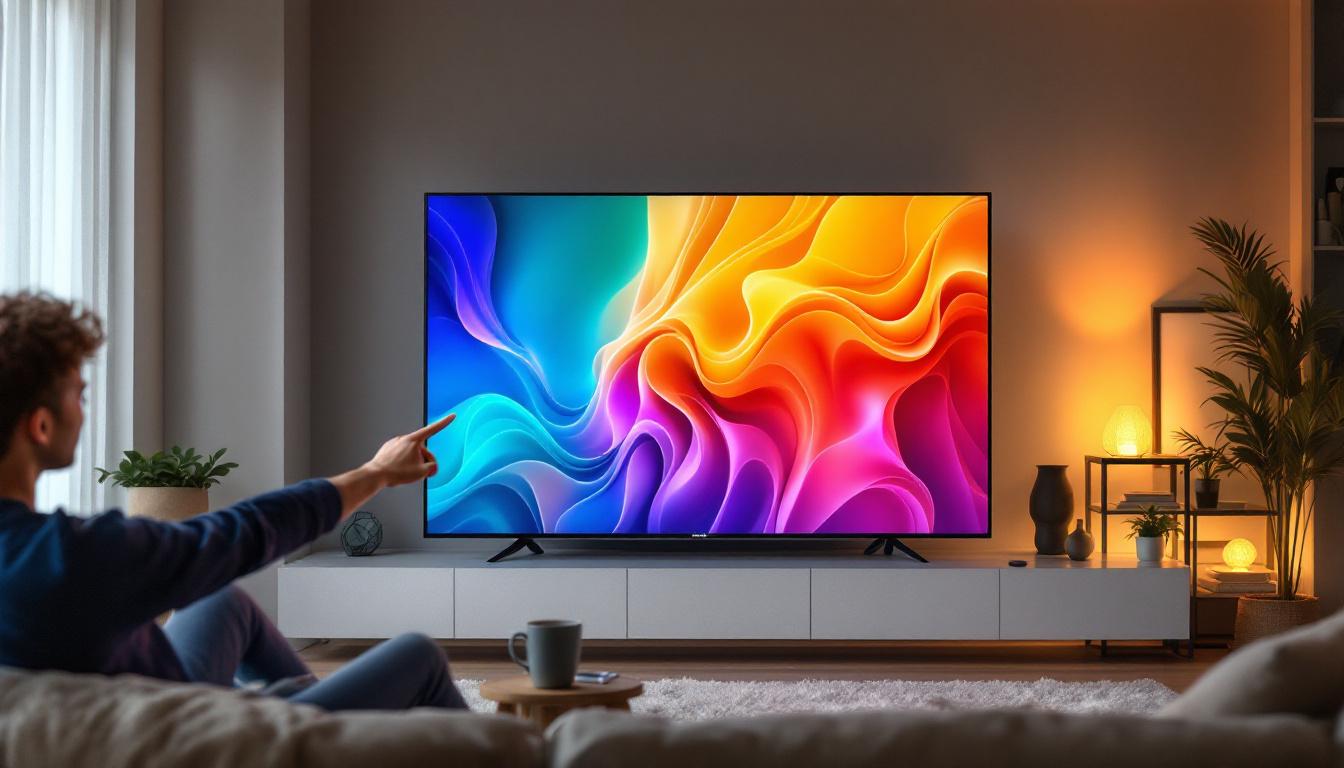
A TV media wall is essentially a large-scale video display system composed of multiple screens or panels arranged to form one continuous, seamless visual surface. These walls are designed to showcase high-definition content such as videos, graphics, advertisements, or live broadcasts. Unlike traditional single-screen TVs, media walls provide a much larger canvas, making them ideal for environments where impactful visual communication is critical.
Media walls can be constructed using various display technologies, but LED (Light Emitting Diode) displays have become the dominant choice due to their superior brightness, color accuracy, and durability. They are commonly found in control rooms, retail stores, stadiums, corporate lobbies, and broadcast studios. The versatility of media walls allows them to be utilized in a variety of settings, from enhancing the customer experience in shopping malls to serving as dynamic information hubs in corporate environments. As technology continues to evolve, the applications for media walls expand, making them an essential tool for modern communication strategies.
How LED Displays Work in Media Walls
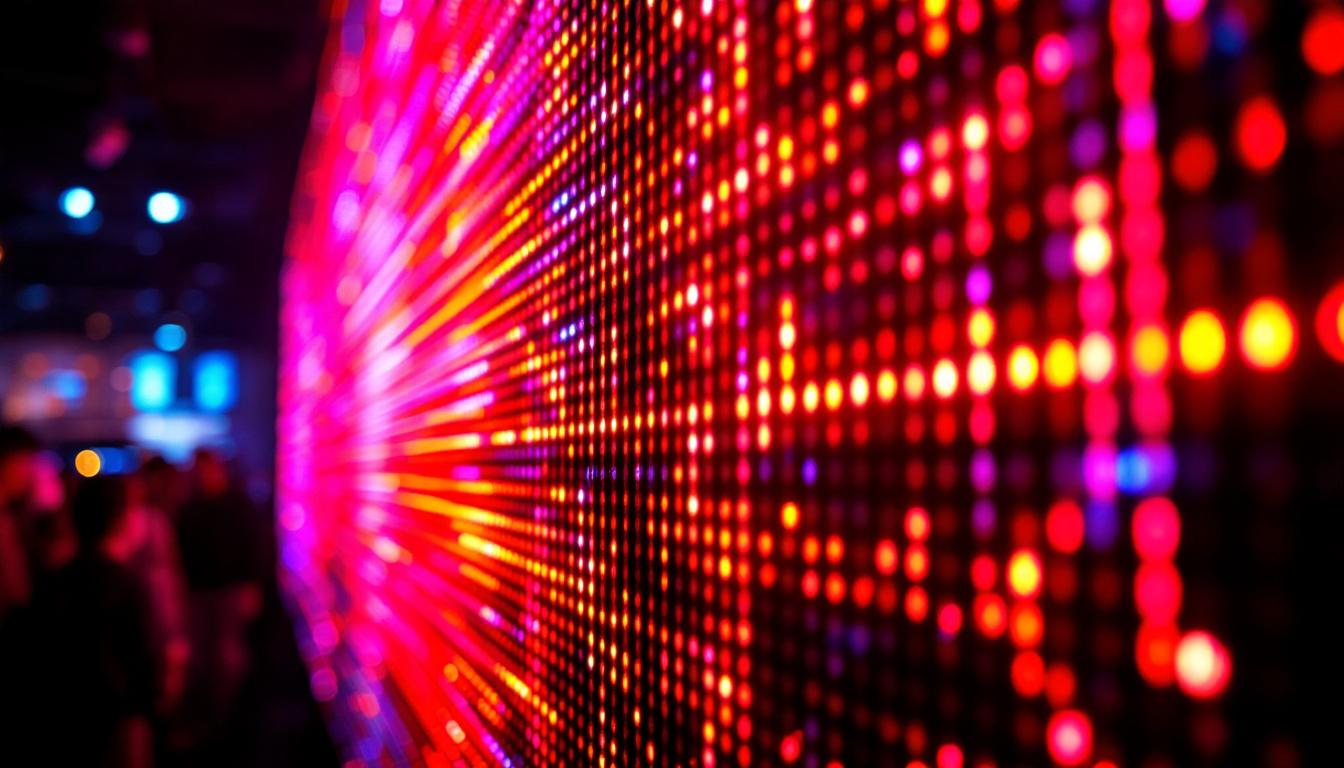
LED displays consist of tiny light-emitting diodes arranged in a grid to form pixels. Each pixel contains red, green, and blue diodes that combine to produce a wide spectrum of colors. When these pixels are illuminated in different intensities, they create the images and videos seen on the screen.
In the context of a media wall, multiple LED panels are tiled together with minimal gaps, often referred to as “narrow bezel” or “bezel-less” designs, to produce a large, cohesive display. The modular nature of LED panels allows for scalability, enabling walls to be customized in size and shape according to specific needs. Additionally, advancements in LED technology have led to improvements in energy efficiency and lifespan, making them not only a visually striking option but also a cost-effective one over time. Furthermore, many LED displays now come equipped with smart technology that allows for remote management and real-time content updates, providing businesses with the flexibility to adapt their messaging quickly and effectively.
Key Features and Advantages of LED Media Walls
Brightness and Visibility
One of the standout features of LED displays is their exceptional brightness, often exceeding 1,000 nits and sometimes reaching up to 5,000 nits or more. This high brightness ensures clear visibility even in brightly lit environments or outdoor settings where sunlight can wash out other types of displays.
For example, in retail environments or public spaces like airports, LED media walls maintain crisp and vibrant visuals regardless of ambient lighting conditions, making them highly effective for advertising and information dissemination. The ability to capture attention in such competitive environments is crucial for brands looking to stand out. Moreover, the brightness of LED displays can be adjusted dynamically, allowing for optimal viewing experiences at different times of the day or in varying weather conditions, ensuring that the content remains engaging and effective.
Color Accuracy and Contrast
LED technology offers remarkable color reproduction and contrast ratios. Thanks to the precise control over individual diodes, LED displays can produce deep blacks and vivid colors, enhancing the overall viewing experience. This is particularly important for applications such as broadcast studios or art galleries where color fidelity is paramount.
In addition to the stunning visuals, the advanced color calibration techniques used in LED technology allow for consistent color performance across different panels. This is especially beneficial for large-scale installations where uniformity is key. With the ability to display a broader color spectrum, LED media walls can accurately represent brand colors, making them an ideal choice for corporate events and promotional displays where brand identity is crucial.
Durability and Longevity
LED panels are known for their robustness and long operational life, often rated for 50,000 to 100,000 hours of use. Unlike LCD or plasma screens, LEDs are less prone to screen burn-in and can withstand harsh environmental conditions, including temperature fluctuations and humidity, making them suitable for both indoor and outdoor installations.
This durability not only reduces maintenance costs but also ensures that the displays remain operational during critical events or campaigns. Furthermore, many LED panels are designed with weather-resistant features, allowing them to function effectively in diverse climates, from scorching heat to heavy rain. This resilience makes them a favored choice for outdoor advertising, concerts, and sporting events, where reliability is essential for maintaining audience engagement.
Flexibility and Customization
The modular design of LED media walls allows for extensive customization. Panels can be arranged in various configurations—curved, angled, or even irregular shapes—to fit architectural features or design preferences. This flexibility enables creative expression and functional design tailored to specific venues or branding requirements.
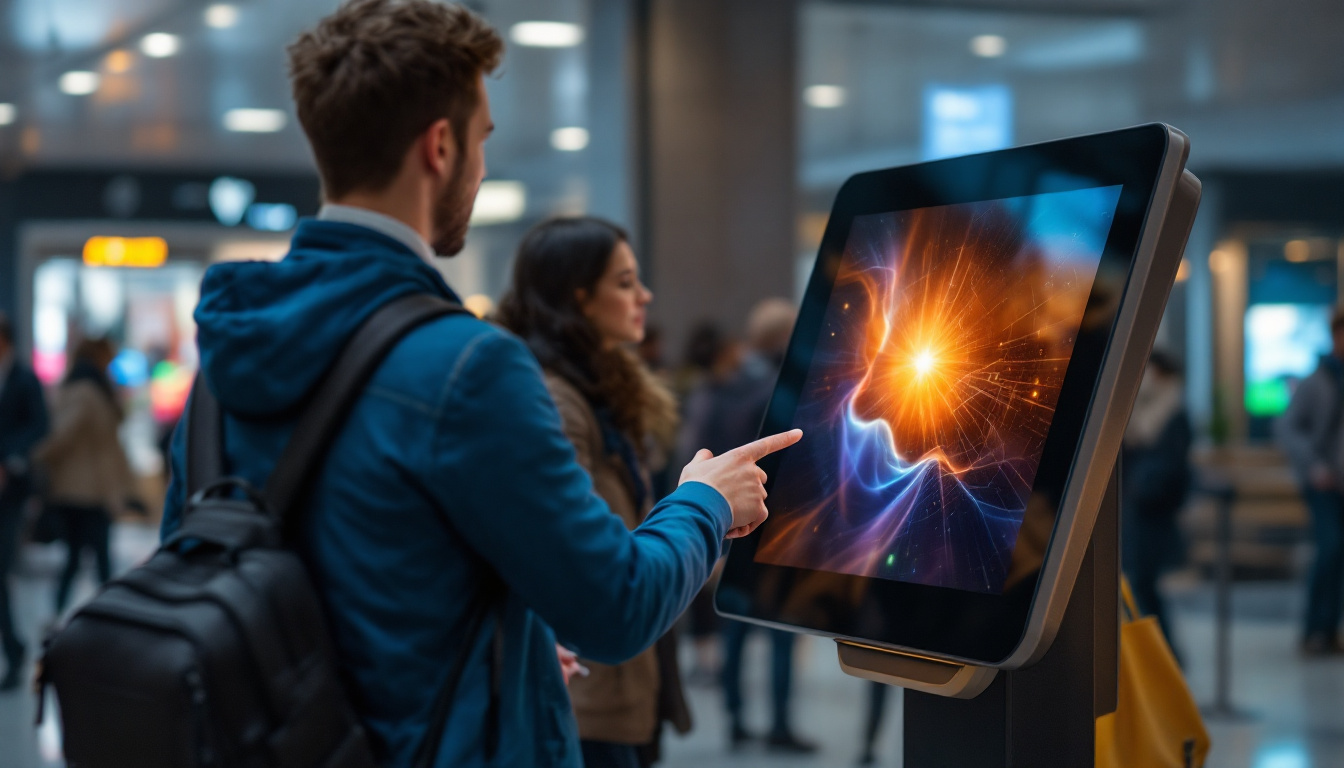
Additionally, the integration of advanced technology such as interactive features and augmented reality can further enhance the user experience. For instance, LED media walls can be paired with touch-sensitive technology, allowing viewers to interact with the content displayed. This level of interactivity not only captivates audiences but also encourages engagement, making it a powerful tool for marketing campaigns and immersive experiences in museums or exhibitions. The possibilities for customization and innovation with LED media walls are virtually limitless, paving the way for unique and memorable visual storytelling.
Applications of TV Media Walls with LED Displays
Corporate and Commercial Environments
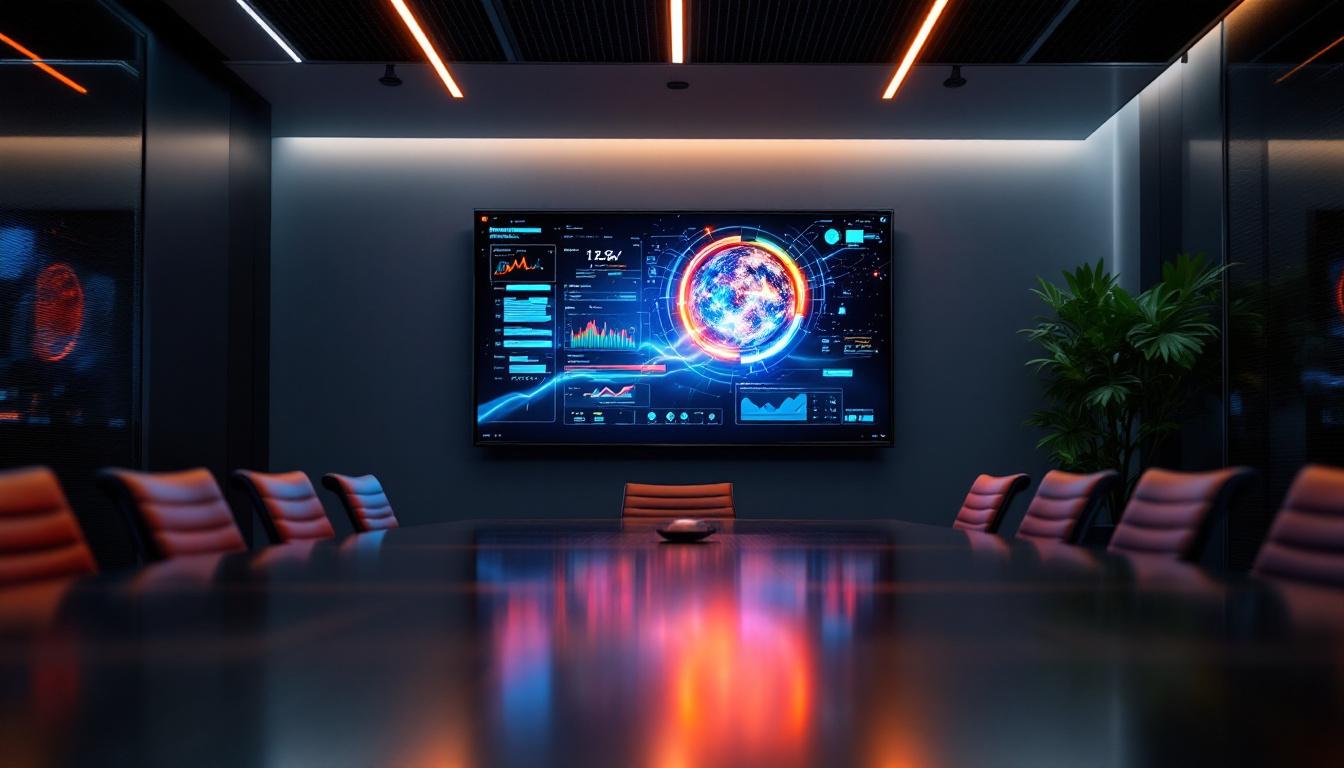
In corporate settings, LED media walls serve as dynamic communication tools in lobbies, conference rooms, and auditoriums. They can display company branding, real-time data dashboards, or live video feeds, enhancing engagement and professionalism. For instance, multinational corporations often use media walls in their headquarters to showcase global operations and achievements.
Broadcast and Control Rooms
Broadcast studios and control centers rely heavily on media walls for monitoring multiple video feeds simultaneously. The high resolution and seamless display capabilities of LED walls allow operators to manage complex information streams efficiently. This is critical in newsrooms, traffic control centers, and emergency response facilities where timely and accurate data visualization is essential.
Retail and Advertising
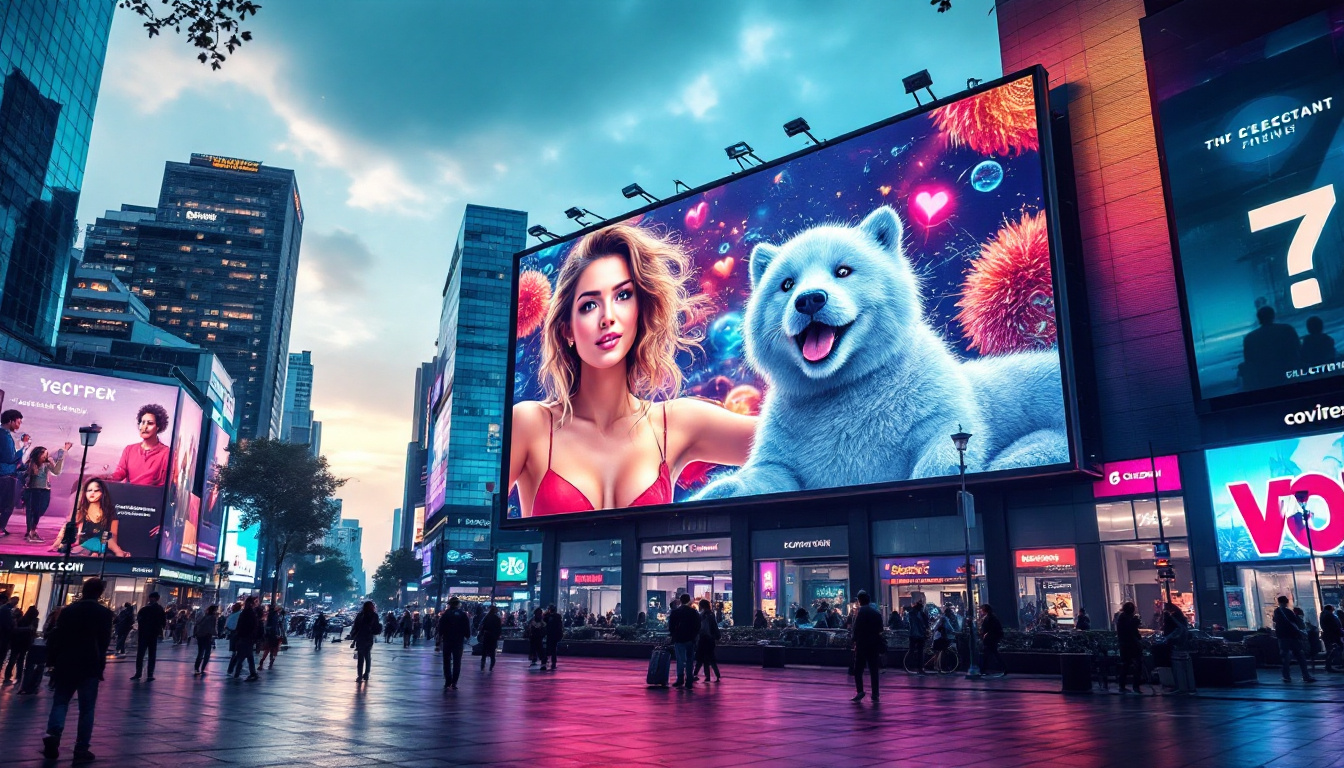
Retailers leverage LED media walls to create immersive shopping experiences and deliver targeted advertisements. Large-format LED displays attract customer attention and can be updated remotely to reflect promotions, new products, or seasonal campaigns. According to a 2023 study by the Digital Signage Federation, businesses that use digital signage report up to a 30% increase in customer engagement.
Entertainment and Events
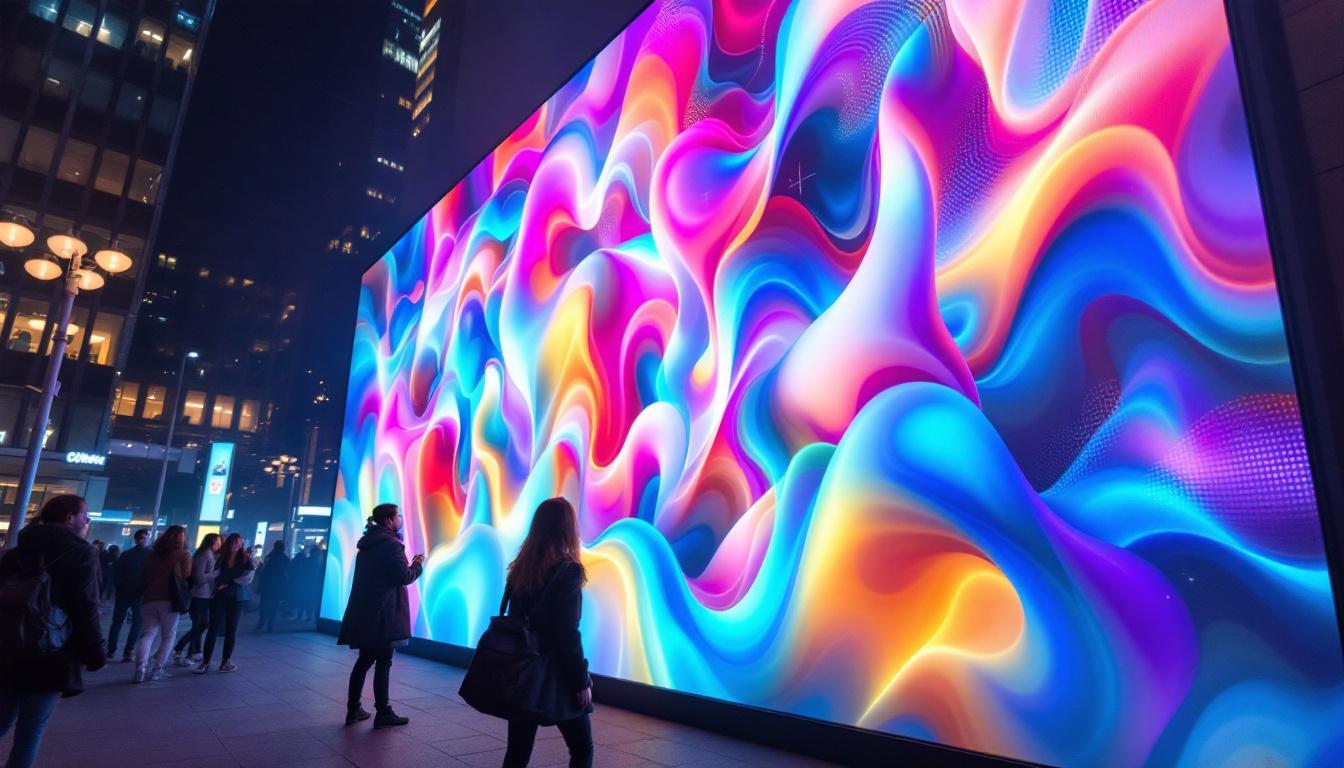
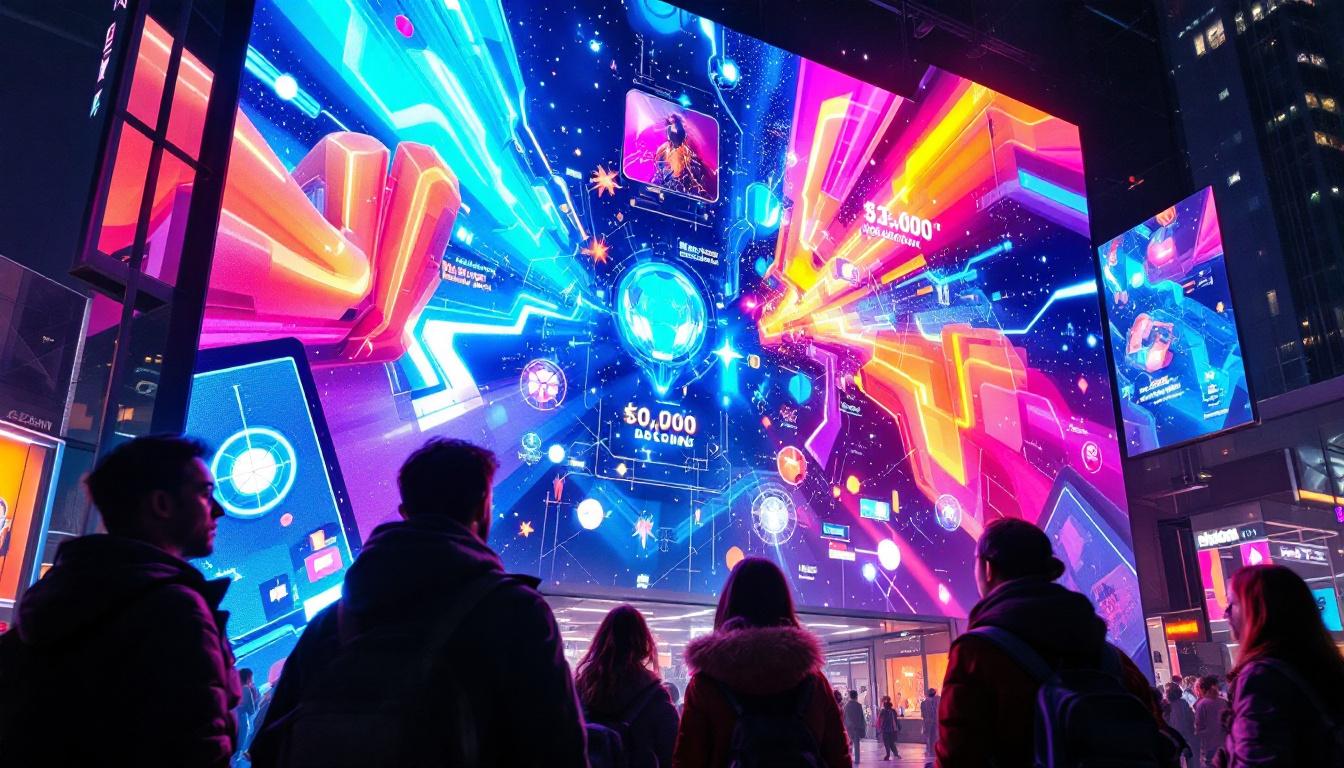
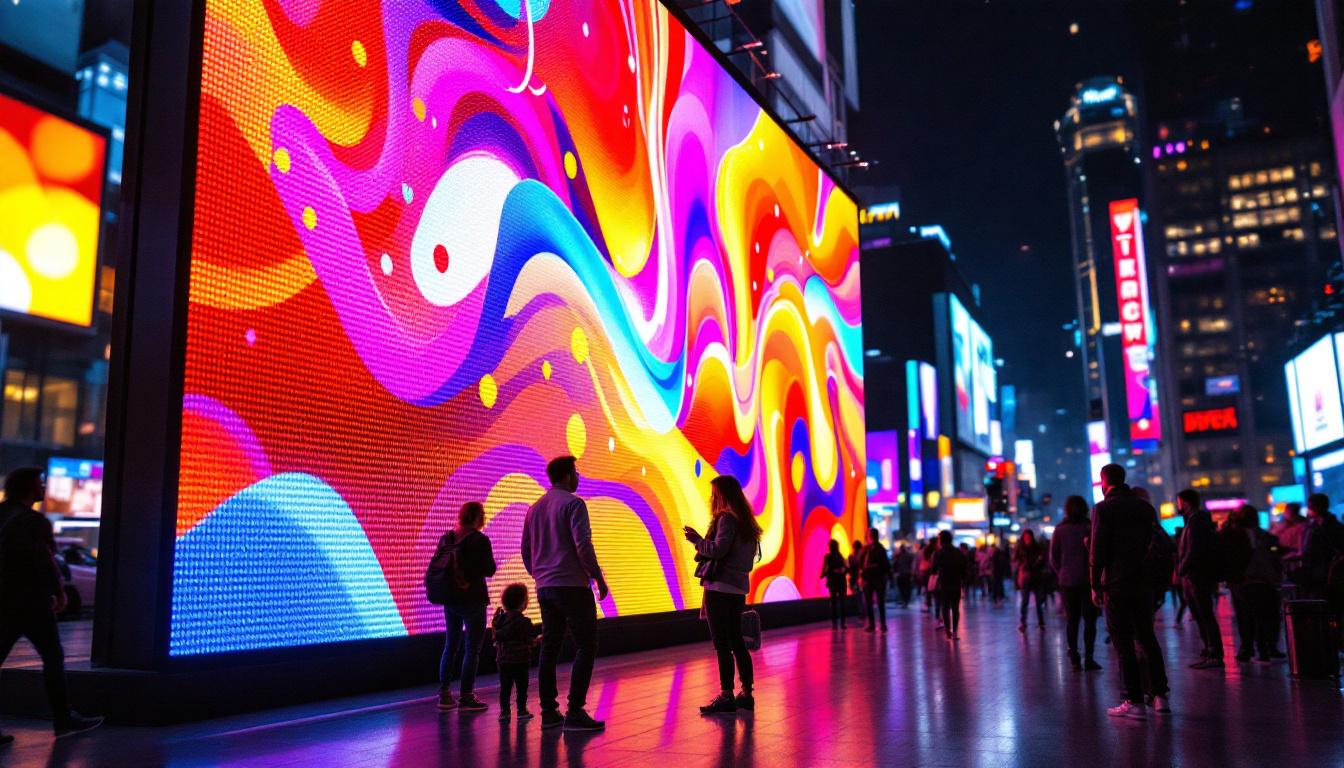
Concerts, sports arenas, and exhibitions utilize LED media walls to provide spectators with enhanced viewing experiences. These walls can display live footage, interactive content, and dynamic graphics that amplify the atmosphere and audience participation. The 2022 FIFA World Cup, for example, featured massive LED displays in stadiums and fan zones, contributing to the event’s global appeal.
Technical Considerations When Choosing an LED Media Wall
Pixel Pitch and Resolution
Pixel pitch refers to the distance between the centers of adjacent pixels, measured in millimeters. It directly affects the display’s resolution and viewing distance. Smaller pixel pitches (e.g., 1.2mm to 2.5mm) provide higher resolution and are ideal for close-up viewing, such as in conference rooms or retail stores. Larger pixel pitches (e.g., 4mm and above) are suitable for bigger venues where viewers are farther away.
Choosing the right pixel pitch is crucial to ensure the content appears sharp and clear without unnecessary costs associated with ultra-high resolution panels where they are not needed.
Brightness and Ambient Light Conditions
Understanding the ambient lighting conditions of the installation site helps determine the required brightness level. Indoor environments typically require lower brightness levels (500 to 1,000 nits), while outdoor or high-ambient-light areas demand much higher brightness to maintain visibility.
Installation and Maintenance
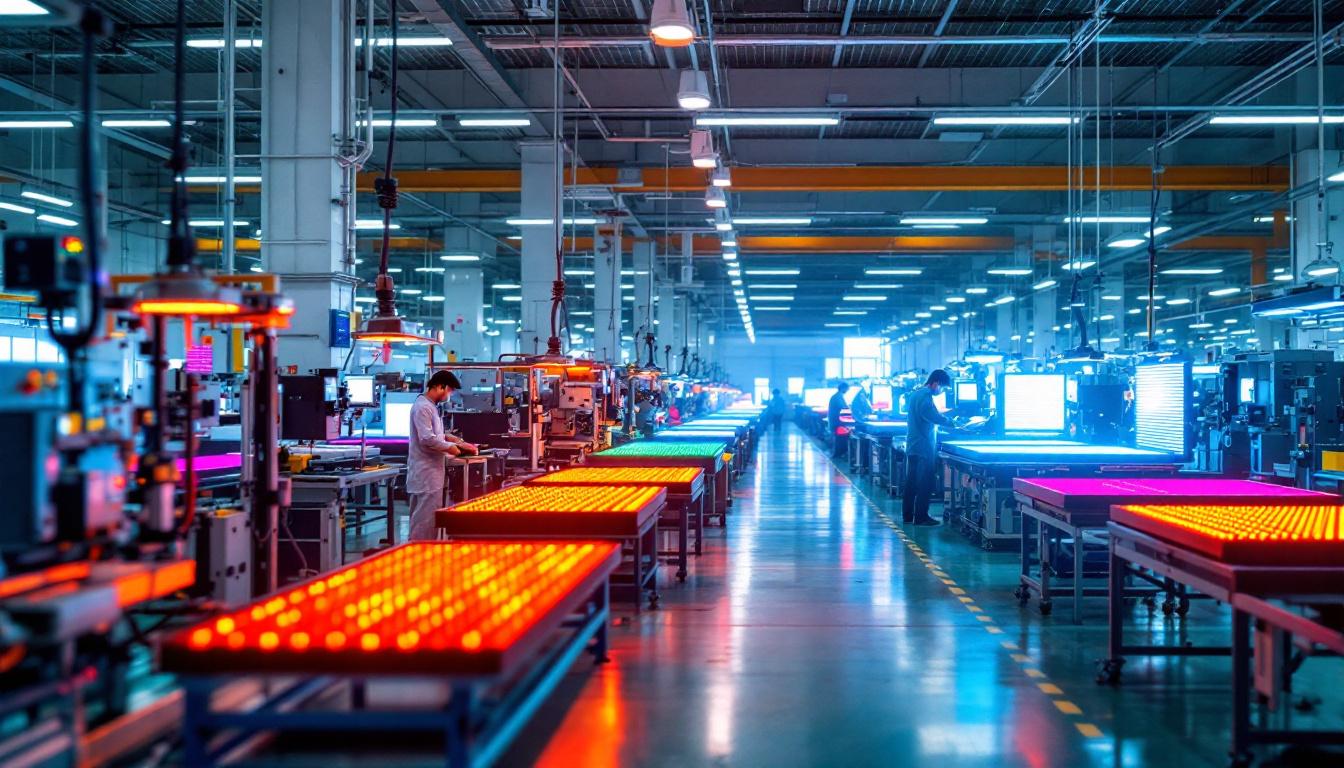
LED media walls require precise installation to ensure panel alignment and electrical connectivity. Front-serviceable designs allow for easier maintenance without dismantling the entire wall, reducing downtime and operational costs. Additionally, considerations such as ventilation and heat dissipation are important to maintain optimal performance and longevity.
Content Management Systems (CMS)
A robust CMS is essential for managing the content displayed on media walls. Modern CMS platforms offer features like scheduling, remote updates, and real-time content adjustments. Integration with data sources and social media feeds can further enhance the interactivity and relevance of displayed content.
Future Trends in LED Media Walls
MicroLED Technology
MicroLED is an emerging display technology that promises even higher brightness, improved energy efficiency, and better color accuracy compared to traditional LEDs. MicroLED panels consist of microscopic LEDs that can be individually controlled, allowing for ultra-high resolution and flexible form factors. While still in the early stages of commercial adoption, MicroLED is expected to revolutionize media walls within the next decade.
Interactive and Touch-Enabled Walls
Interactivity is becoming a key feature in media walls, especially in retail and public spaces. Touch-enabled LED walls allow users to engage directly with content, providing personalized experiences and enhanced engagement. Advances in sensor technology and software are making these interactive solutions more affordable and reliable.
AI-Driven Content Personalization
Artificial intelligence is increasingly being integrated into content management systems to deliver personalized and context-aware content. By analyzing viewer demographics, behaviors, and environmental factors, AI can optimize the content displayed on media walls to maximize impact and relevance.
Conclusion
TV media walls powered by LED displays represent a significant advancement in visual communication technology. Their brightness, durability, and flexibility make them suitable for a wide range of applications, from corporate environments to large-scale entertainment venues. As technology continues to evolve, innovations like MicroLED and AI-driven content management will further enhance the capabilities and effectiveness of media walls.
For businesses and organizations looking to make a bold visual statement, investing in an LED media wall offers a compelling combination of impact, versatility, and future-proofing. Understanding the technical aspects and application possibilities is essential to selecting the right solution that aligns with specific goals and environments.
Discover LumenMatrix LED Display Solutions
Ready to elevate your visual communication strategy with a cutting-edge TV media wall? LumenMatrix is at the forefront of LED display innovation, offering a diverse range of solutions tailored to your unique needs. From vibrant Indoor and Outdoor LED Wall Displays to dynamic Vehicle and Sports LED Displays, our technology is designed to captivate and engage your audience. Experience the future of digital signage with our All-in-One LED Displays, LED Transparent Displays, and more. Check out LumenMatrix LED Display Solutions today and transform your space into a visual spectacle that leaves a lasting impression.