In recent years, the display technology landscape has witnessed remarkable innovation, with flexible LED screens emerging as a game-changer in visual communication. Known in Spanish as “pantalla led flexible,” these displays offer unprecedented versatility and design freedom, transforming how brands, artists, and event organizers engage audiences. This article explores the technology behind flexible LED displays, their applications, advantages, and future potential.
Understanding Pantalla Led Flexible: What Is a Flexible LED Display?
A pantalla led flexible is essentially an LED display panel that can bend, curve, or roll without damaging the internal components or compromising image quality. Unlike traditional rigid LED screens, these flexible displays use advanced materials and innovative engineering to provide adaptability in shape and installation.
At the core, flexible LED displays consist of tiny light-emitting diodes (LEDs) arranged on a pliable substrate. This substrate can be made from materials such as flexible printed circuit boards (FPCBs) or other polymer-based films, allowing the display to maintain electrical connectivity while bending.
Technical Composition and Working Principle
The key to flexibility lies in the design of the LED modules and the circuitry. Each LED pixel is mounted on a flexible base, and the wiring is designed to tolerate mechanical stress. Modern flexible LED screens often use surface-mount technology (SMT) LEDs, which are smaller and lighter than traditional LEDs, contributing to the screen’s overall flexibility.
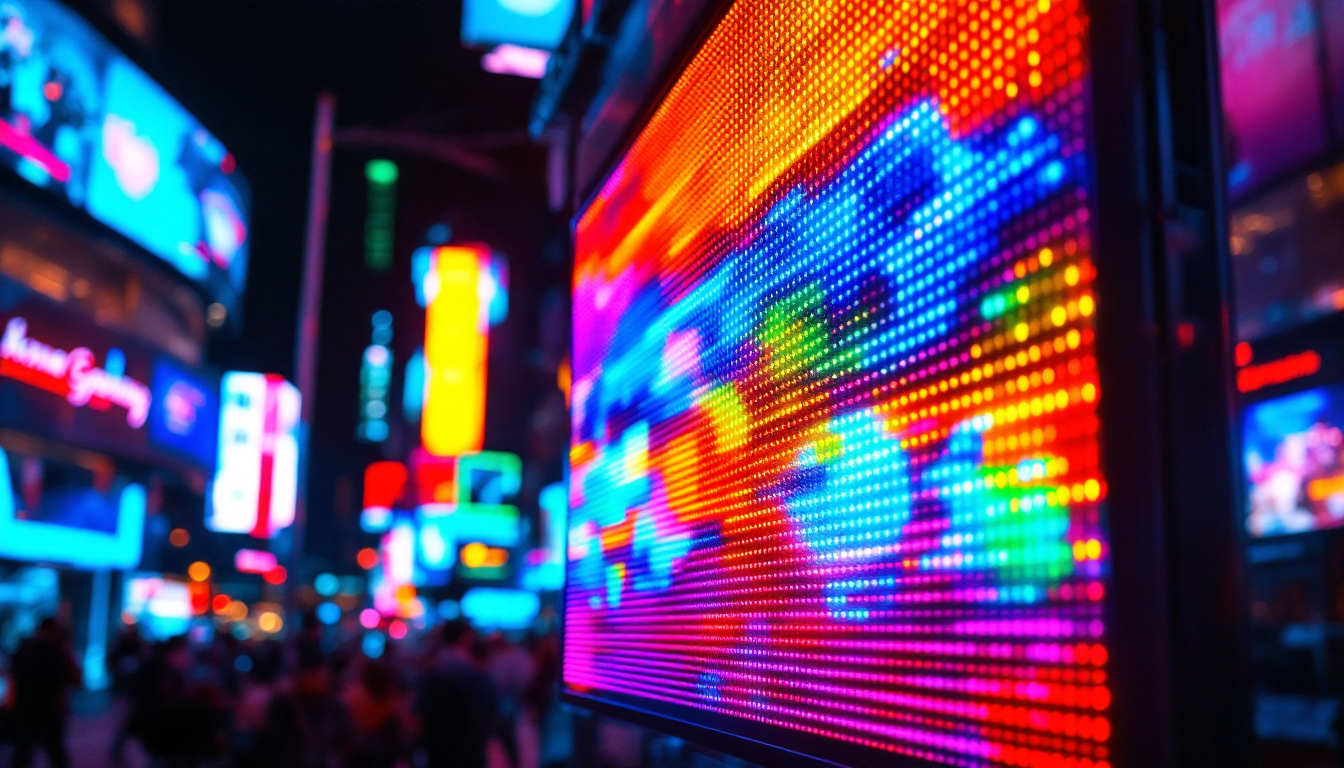
These displays are typically classified by pixel pitch—the distance between the centers of two adjacent LEDs—which affects resolution and viewing distance. Flexible LED screens can range from outdoor-grade panels with larger pixel pitches (e.g., 10mm) to high-definition indoor displays with pitches as low as 1.5mm.
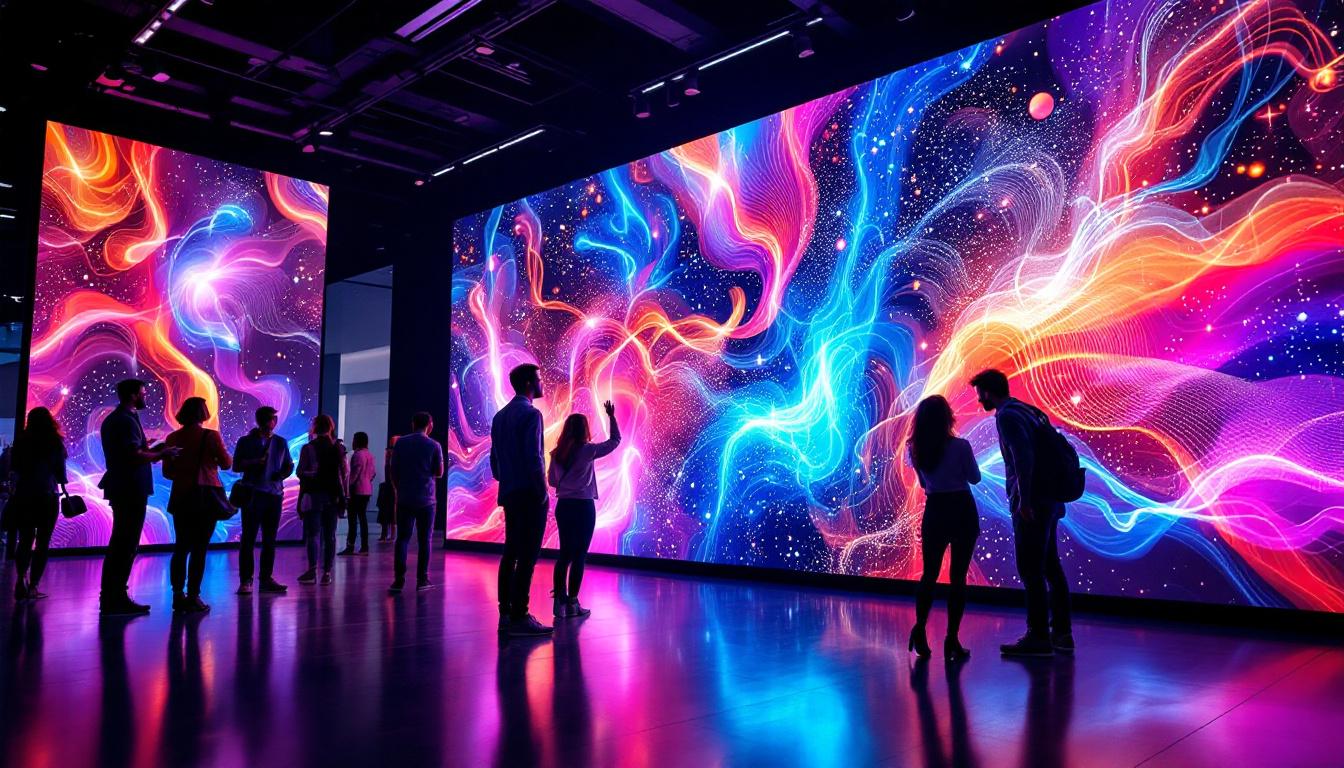
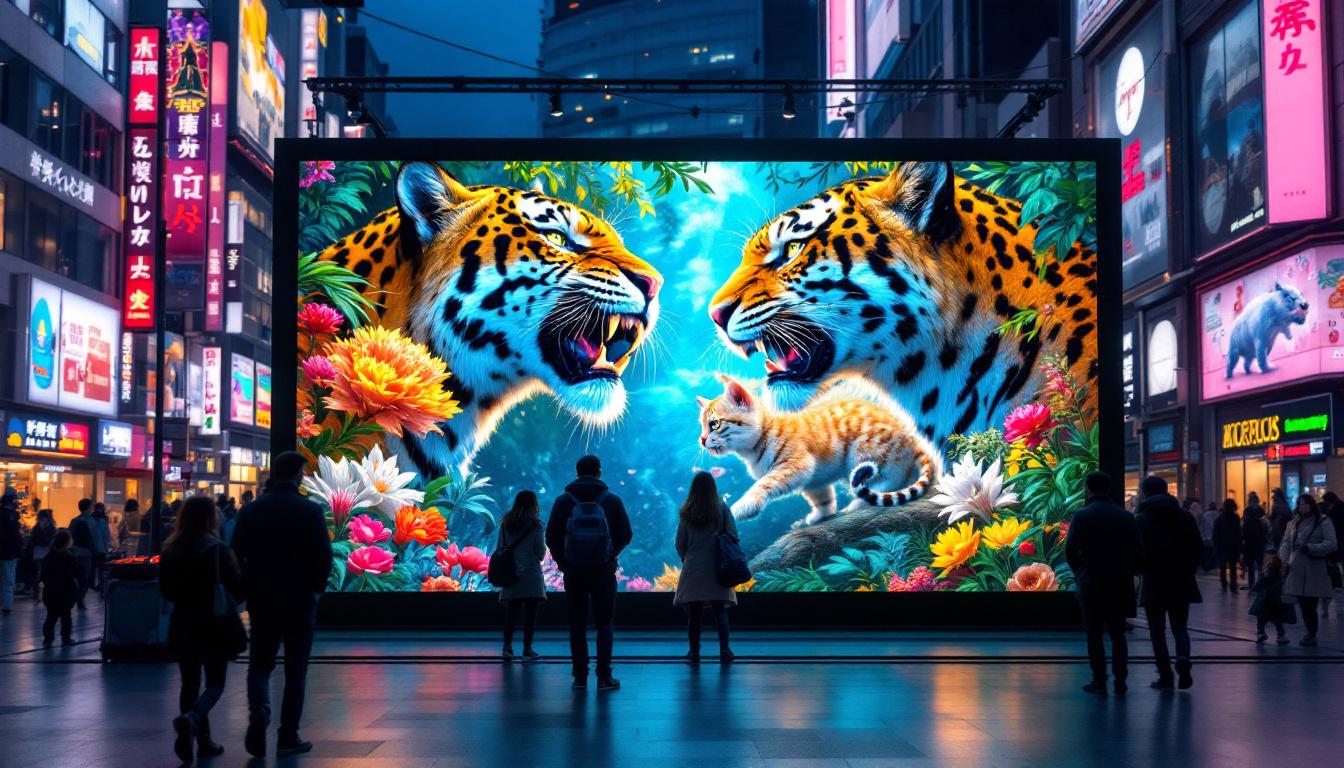
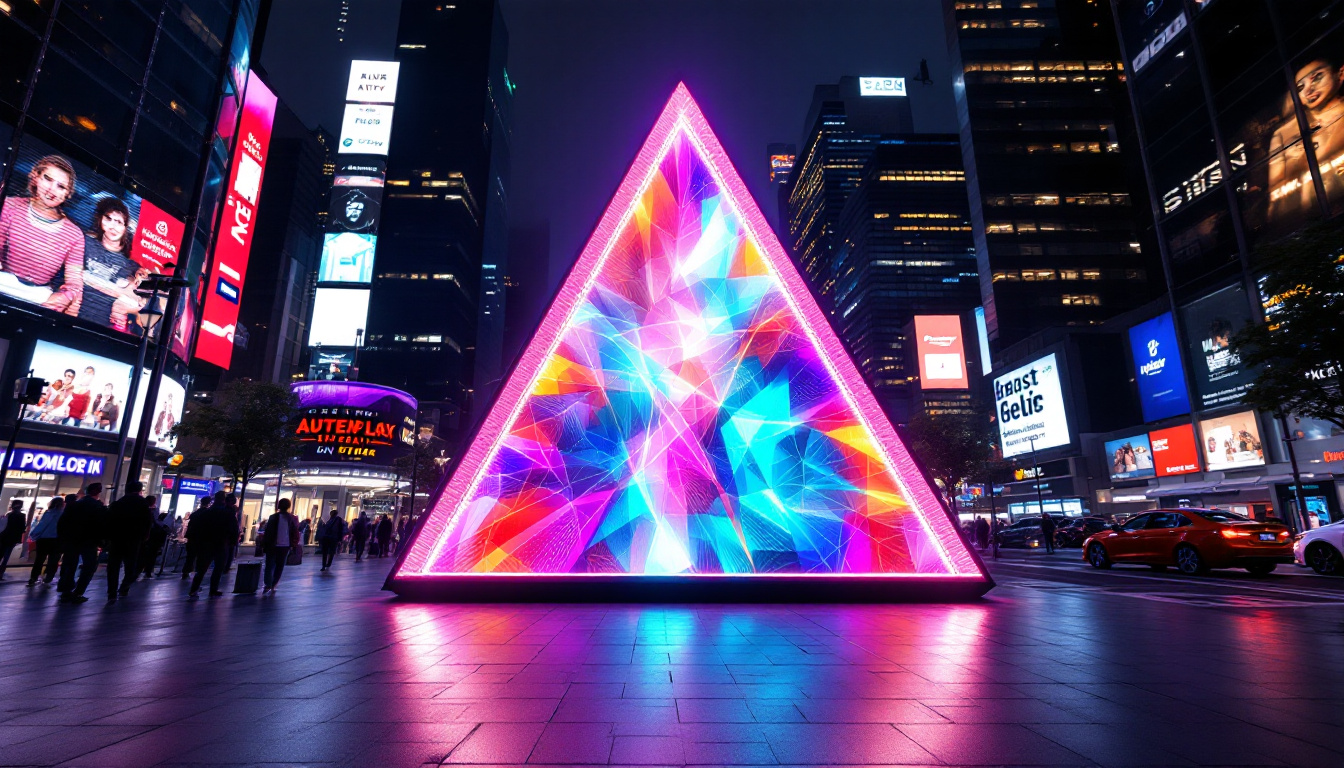
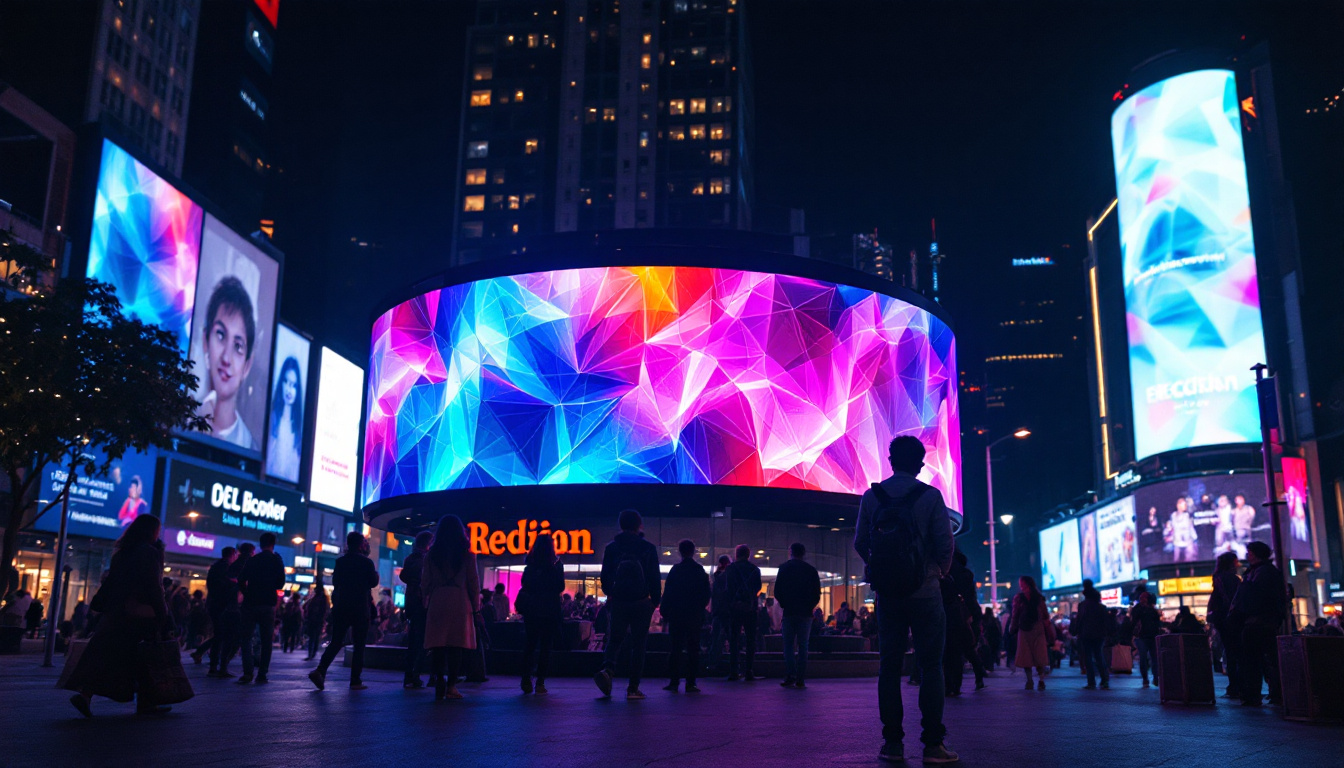
One of the most exciting applications of flexible LED displays is in the realm of creative advertising and immersive environments. Brands are increasingly utilizing these displays to create eye-catching installations that can wrap around columns, corners, or even entire buildings. This capability not only enhances the visual experience but also allows for dynamic content that can change based on the audience or time of day, making advertising more engaging and effective.
Moreover, flexible LED technology is paving the way for innovations in architecture and interior design. Designers are experimenting with flexible displays to create stunning visual backdrops in retail spaces, galleries, and even homes. The ability to seamlessly integrate these displays into various surfaces opens up new possibilities for artistic expression and interactive experiences, transforming static environments into vibrant, living canvases that can adapt to different themes or events.
Advantages of Flexible LED Displays Over Traditional Screens
Flexible LED technology offers several compelling benefits that make it an attractive choice for a wide range of applications.
Design Versatility and Creative Freedom
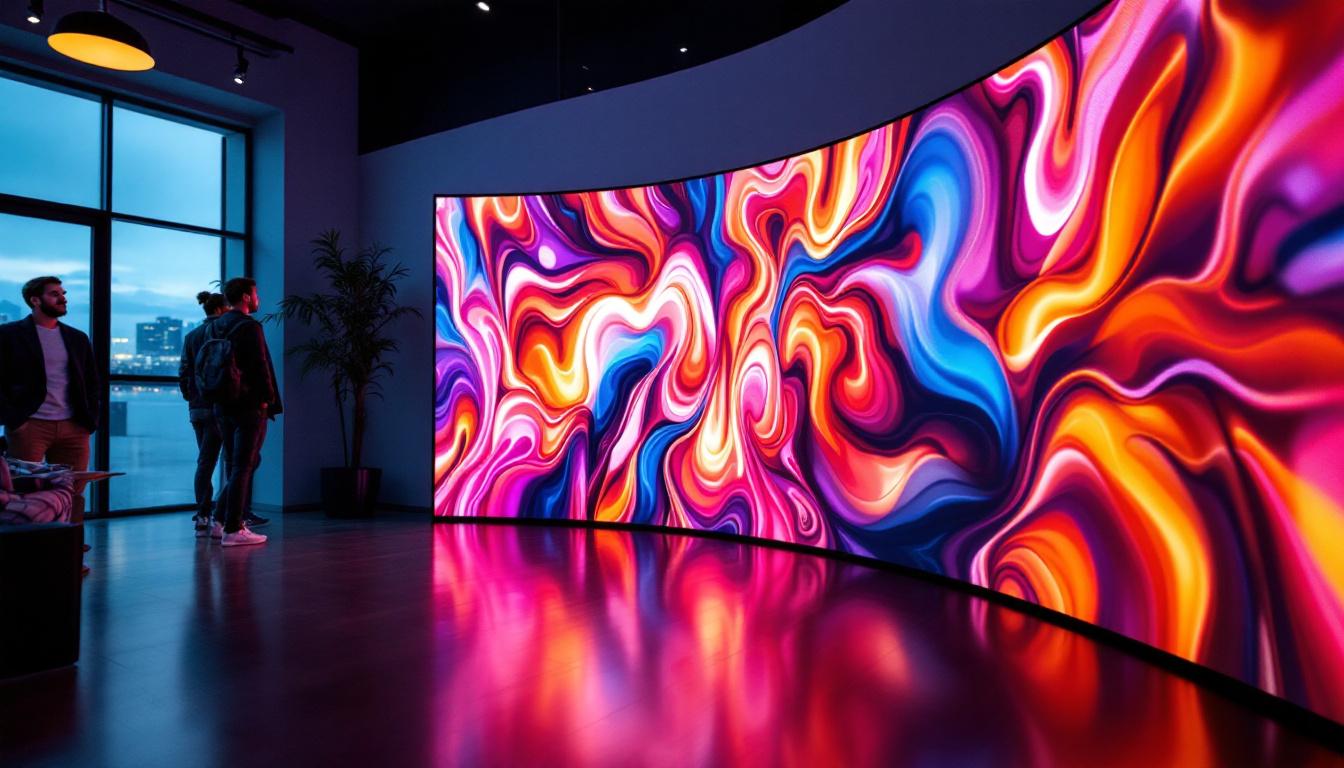
One of the most significant advantages is the ability to create curved, cylindrical, or even spherical displays. This opens up new possibilities for architects, advertisers, and event planners to integrate dynamic visuals into unconventional spaces and structures. For example, flexible LED panels can wrap around columns, form wave-like shapes on building facades, or be rolled up for easy transport and storage. This flexibility not only enhances the visual impact of displays but also allows for innovative storytelling through immersive environments, where the audience can engage with content in a more interactive manner. Such creativity can transform mundane spaces into captivating experiences, making them memorable for viewers.
Lightweight and Thin Form Factor
Compared to traditional LED walls, flexible LED displays are much lighter and thinner. This reduces the structural support requirements and simplifies installation, especially in locations where weight is a critical factor. The slim profile also enhances aesthetic appeal by minimizing the screen’s physical footprint. Moreover, this lightweight nature enables the use of these displays in temporary setups, such as exhibitions or pop-up events, where quick assembly and disassembly are essential. The ease of transport means that businesses can also repurpose their displays for various events, maximizing their investment while maintaining a fresh look each time.
Durability and Energy Efficiency
Flexible LED screens are built to withstand various environmental conditions, including humidity and temperature fluctuations. Many models come with IP65 or higher ratings, making them suitable for both indoor and outdoor use. Additionally, LED technology is inherently energy-efficient, consuming less power than LCD or projection systems, which translates into lower operational costs. This durability extends the lifespan of the displays, reducing the frequency of replacements and maintenance. Furthermore, the lower energy consumption not only benefits the environment by reducing carbon footprints but also appeals to businesses looking to enhance their sustainability initiatives. As companies increasingly prioritize eco-friendly practices, adopting flexible LED technology can significantly contribute to their green goals.
Applications of Pantalla Led Flexible in Various Industries
The adaptability of flexible LED displays has led to their adoption across multiple sectors, each leveraging the technology’s unique capabilities to enhance user experience and engagement.
Advertising and Marketing
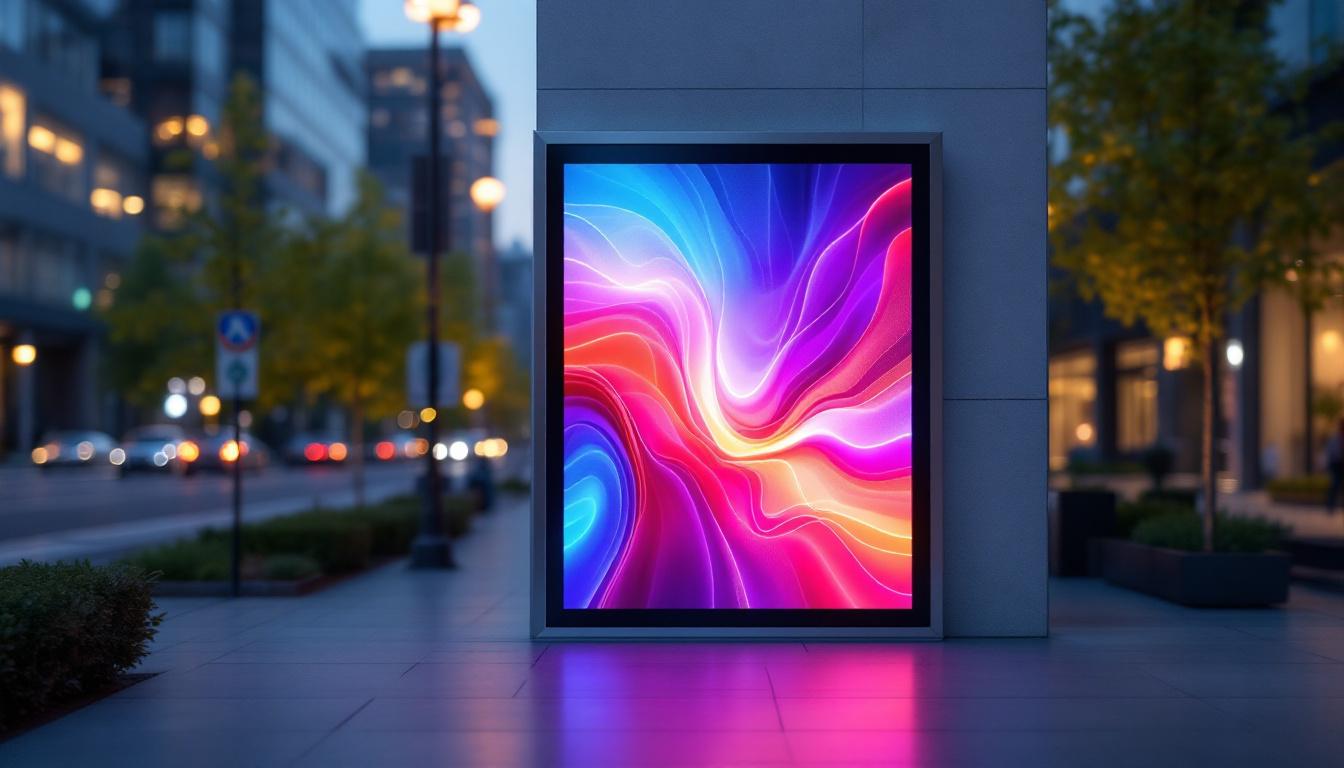
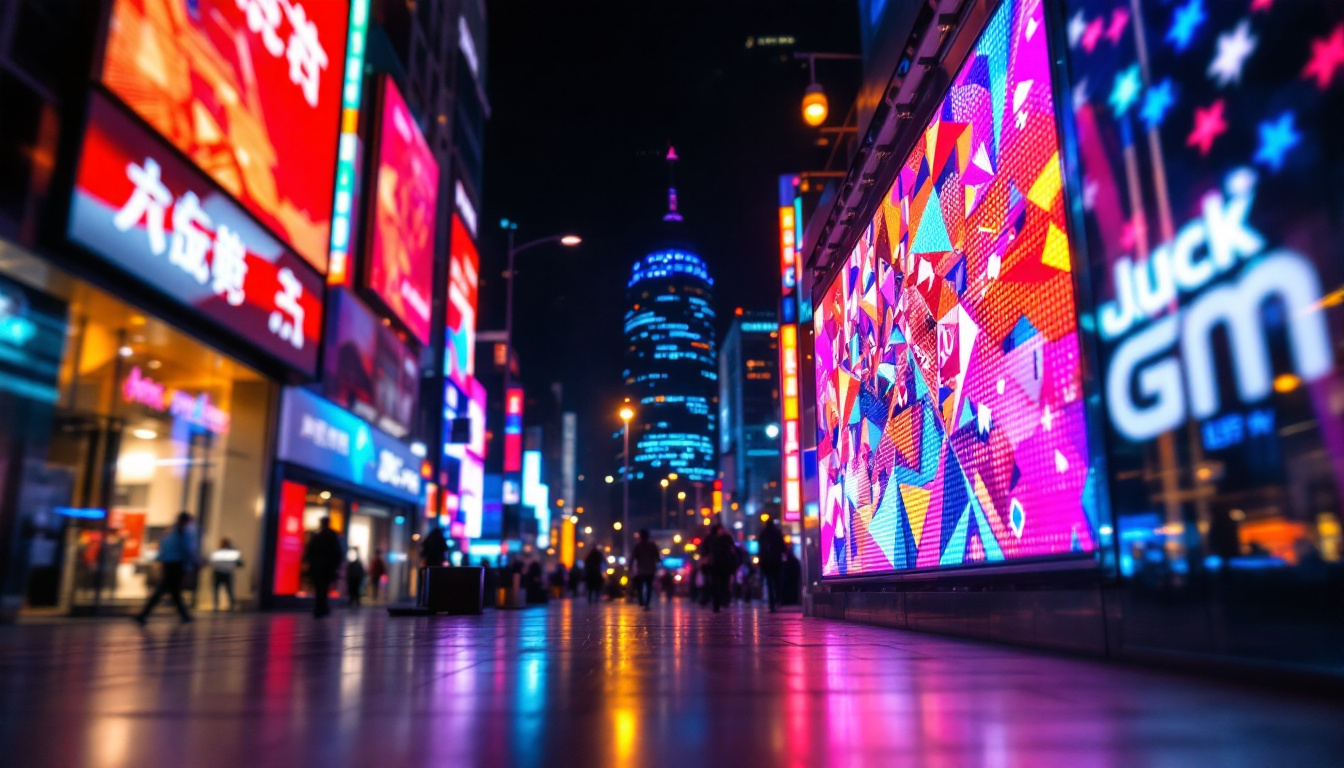
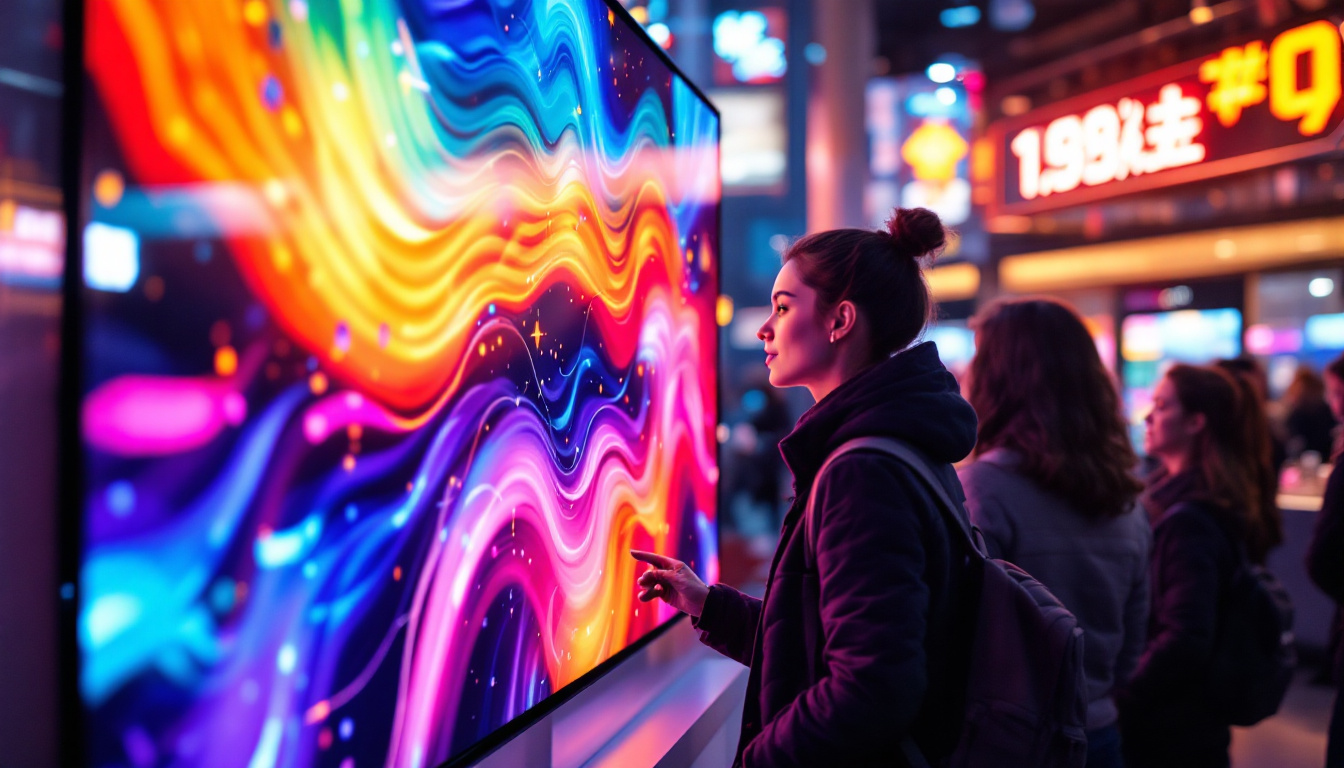
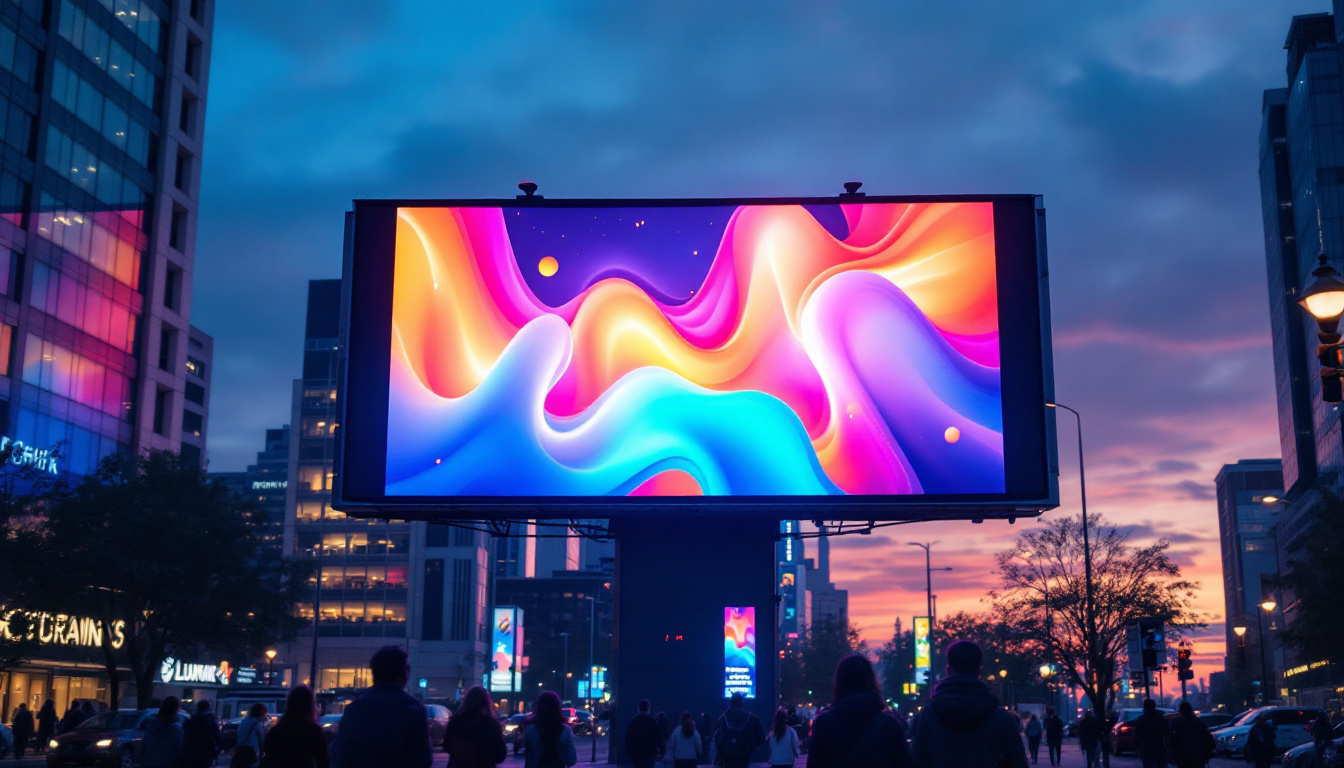
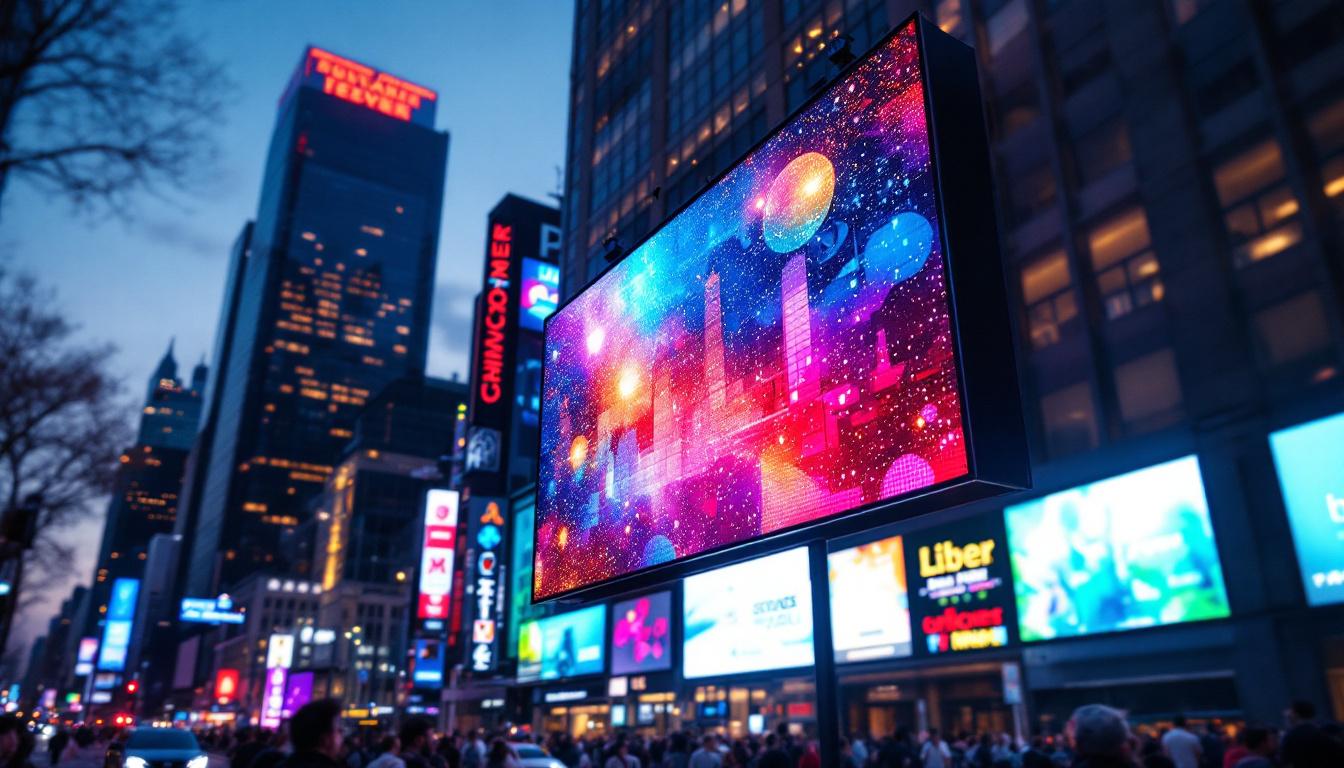
Brands are increasingly using flexible LED screens to create eye-catching installations in shopping malls, airports, and urban centers. The ability to curve displays around architectural elements enables advertisers to deliver immersive and memorable campaigns. For instance, a retail store might use a flexible LED display wrapped around a pillar to showcase promotional videos and product highlights. This innovative approach not only grabs the attention of passersby but also allows for a more dynamic storytelling experience, where brands can convey their messages in a visually striking manner. Moreover, the interactivity of these displays can be enhanced through touch-sensitive technology, allowing consumers to engage directly with the content, further increasing brand recall and customer engagement.
Entertainment and Events
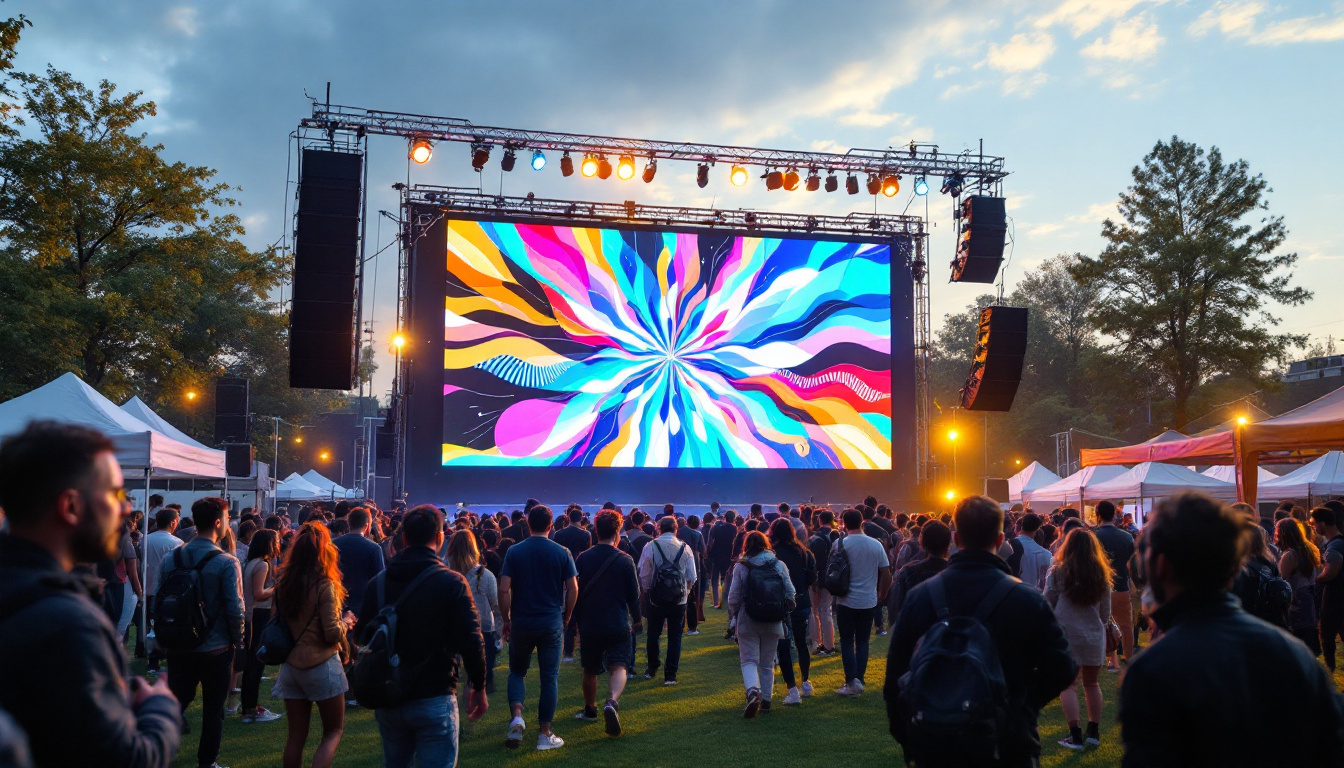
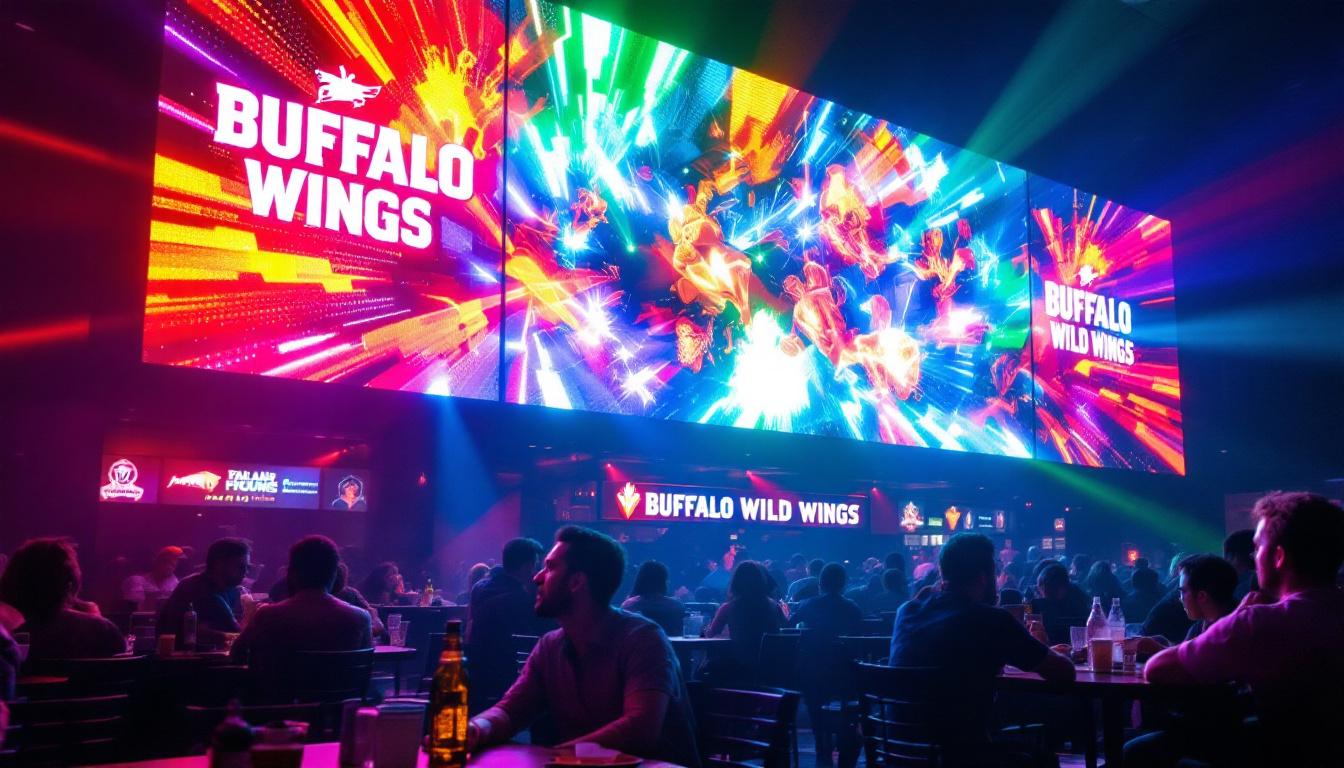
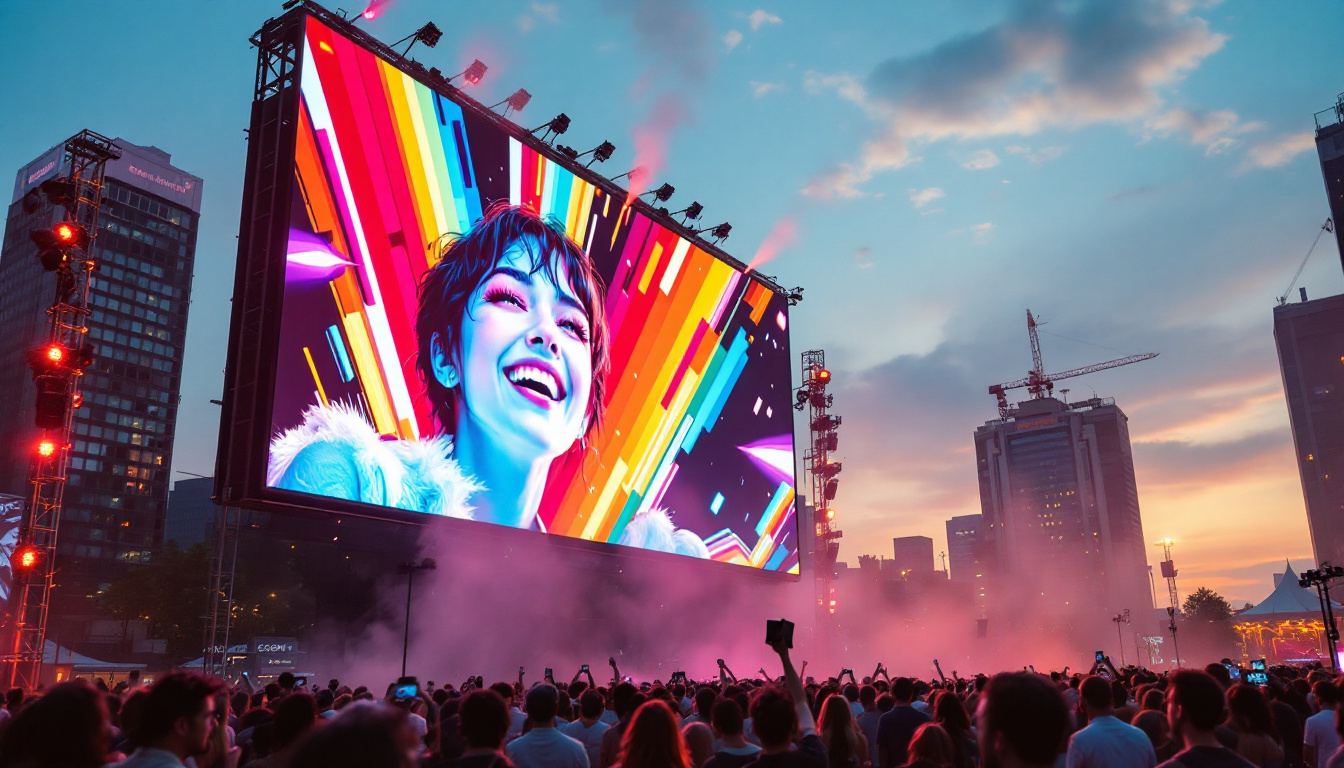
Concerts, festivals, and exhibitions benefit from flexible LED screens by incorporating them into stage designs and interactive installations. The technology allows for dynamic backdrops that can change shape and size according to the event’s needs. Rolling up and transporting flexible LED panels also simplifies logistics for touring productions. Additionally, these screens can be programmed to synchronize with music and performances, creating a cohesive audio-visual experience that captivates audiences. For example, during a live concert, a flexible LED display can morph into various shapes, enhancing the visual narrative of the performance and making each show unique. This versatility not only elevates the entertainment value but also provides artists with a canvas to express their creativity in ways that traditional screens cannot match.
Architecture and Interior Design
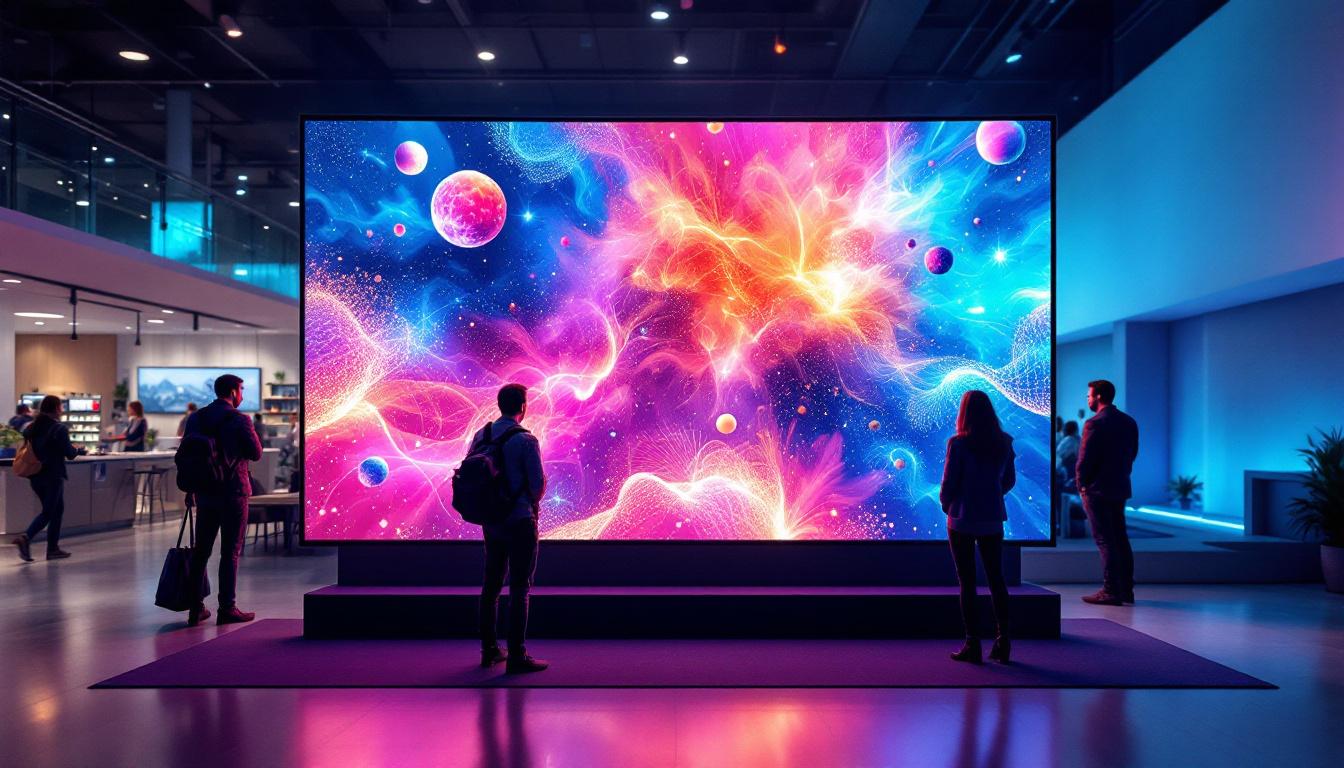
Architects and interior designers use flexible LED displays to integrate digital art and information into building interiors and exteriors. Curved LED walls can serve as both functional signage and aesthetic elements, enhancing the ambiance of spaces such as hotel lobbies, corporate offices, and museums. These displays can also be programmed to change throughout the day, adapting to different moods or themes, thus creating an evolving environment that keeps visitors engaged. Furthermore, the use of flexible LED technology allows for the incorporation of interactive elements, where guests can touch or gesture to influence the display, making the experience more personal and memorable. This fusion of technology and design not only transforms the way spaces are utilized but also redefines the relationship between architecture and digital media.
Transportation and Public Spaces
Flexible LED screens are increasingly used in public transportation hubs, such as train stations and airports, where curved or irregular surfaces are common. These displays provide real-time information, advertisements, and wayfinding assistance, improving the passenger experience. By utilizing flexible LED technology, transit authorities can create visually appealing information boards that blend seamlessly with the architecture of the space. Additionally, these screens can be updated instantaneously to reflect changes in schedules or alerts, ensuring that travelers have access to the most current information. The integration of flexible LED displays in public spaces not only enhances functionality but also contributes to a more vibrant urban landscape, as these screens can showcase local art, events, and community messages, fostering a sense of connection among residents and visitors alike.
Challenges and Considerations When Choosing Flexible LED Screens
Despite their many advantages, flexible LED displays come with certain challenges that potential users should consider before investing.
Cost and Budgeting
Flexible LED technology is generally more expensive than traditional rigid LED panels due to the complexity of manufacturing and materials involved. While prices have been decreasing as the technology matures, budgeting for initial purchase, installation, and maintenance remains a crucial factor.
Resolution and Pixel Pitch Limitations
Achieving ultra-high resolution on flexible LED screens can be challenging, especially for very small pixel pitches. The flexibility requirement sometimes limits the density of LEDs per unit area, which affects image sharpness. For applications demanding extremely detailed visuals, this trade-off needs to be carefully evaluated.
Installation and Maintenance Complexity
Installing flexible LED displays requires specialized expertise to ensure proper handling and mounting without damaging the panels. Maintenance can also be more complex compared to rigid screens, as the flexible materials may be more susceptible to wear over time if not properly cared for.
The Future of Pantalla Led Flexible: Trends and Innovations
The flexible LED display market is poised for significant growth, driven by continuous technological advancements and expanding applications.
Integration with Smart Technologies
Future flexible LED screens are expected to incorporate smart features such as touch interactivity, sensors, and AI-driven content management. This will enable more personalized and engaging user experiences, especially in retail and public information systems.
Improved Materials and Manufacturing Techniques
Research into new flexible substrates, such as graphene and other nanomaterials, promises to enhance durability, flexibility, and energy efficiency. Advances in manufacturing processes will also reduce costs, making flexible LED displays accessible to a broader range of users.
Expansion into Wearables and Consumer Electronics
Beyond large-scale installations, flexible LED technology is making inroads into wearable devices, foldable smartphones, and other consumer electronics. This miniaturization trend highlights the versatility and potential of flexible LED displays in everyday life.
Conclusion
Pantalla led flexible technology represents a significant leap forward in display innovation, offering unparalleled design freedom, durability, and energy efficiency. Its applications span advertising, entertainment, architecture, and public spaces, transforming how information and visuals are presented. While challenges such as cost and resolution remain, ongoing advancements promise to make flexible LED displays an even more integral part of the visual communication landscape. For businesses and creatives seeking to captivate audiences with dynamic and adaptable displays, flexible LED technology offers a compelling solution that is both cutting-edge and practical.
Discover the Future of Visual Communication with LumenMatrix
Ready to elevate your visual storytelling and captivate your audience with the most innovative and flexible LED display solutions? Look no further than LumenMatrix, a pioneer in LED display technology. From immersive Indoor LED Wall Displays to dynamic Outdoor LED Wall Displays, and from versatile Vehicle LED Displays to eye-catching LED Poster Displays, LumenMatrix offers a comprehensive range of products designed to revolutionize your visual communication. Whether you’re enhancing a sports venue with LED Sports Displays, creating interactive experiences with Floor LED Displays, or seeking Custom LED Display solutions, LumenMatrix is your partner in creating impactful and memorable visual engagements. Don’t miss the opportunity to transform your space with our All-in-One LED Display or LED Transparent Display options. Check out LumenMatrix LED Display Solutions today and step into the future of digital signage.