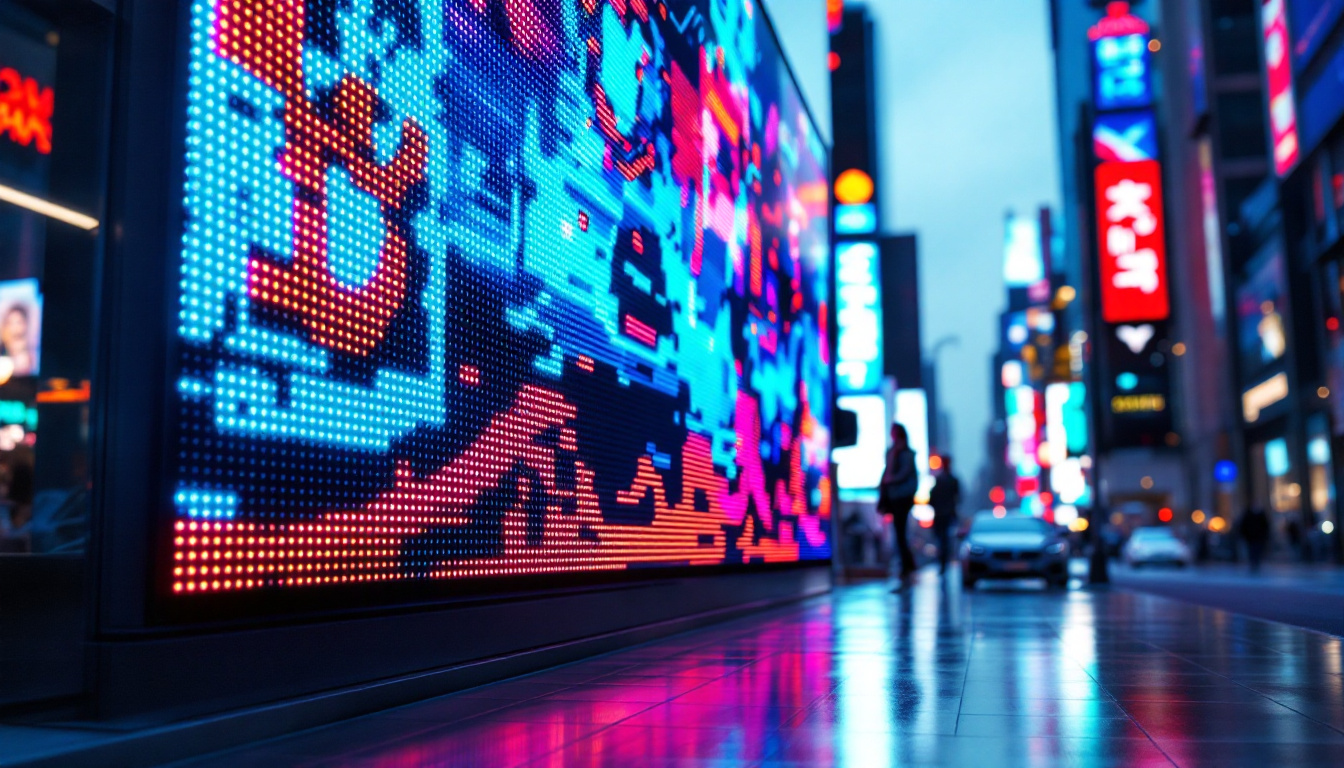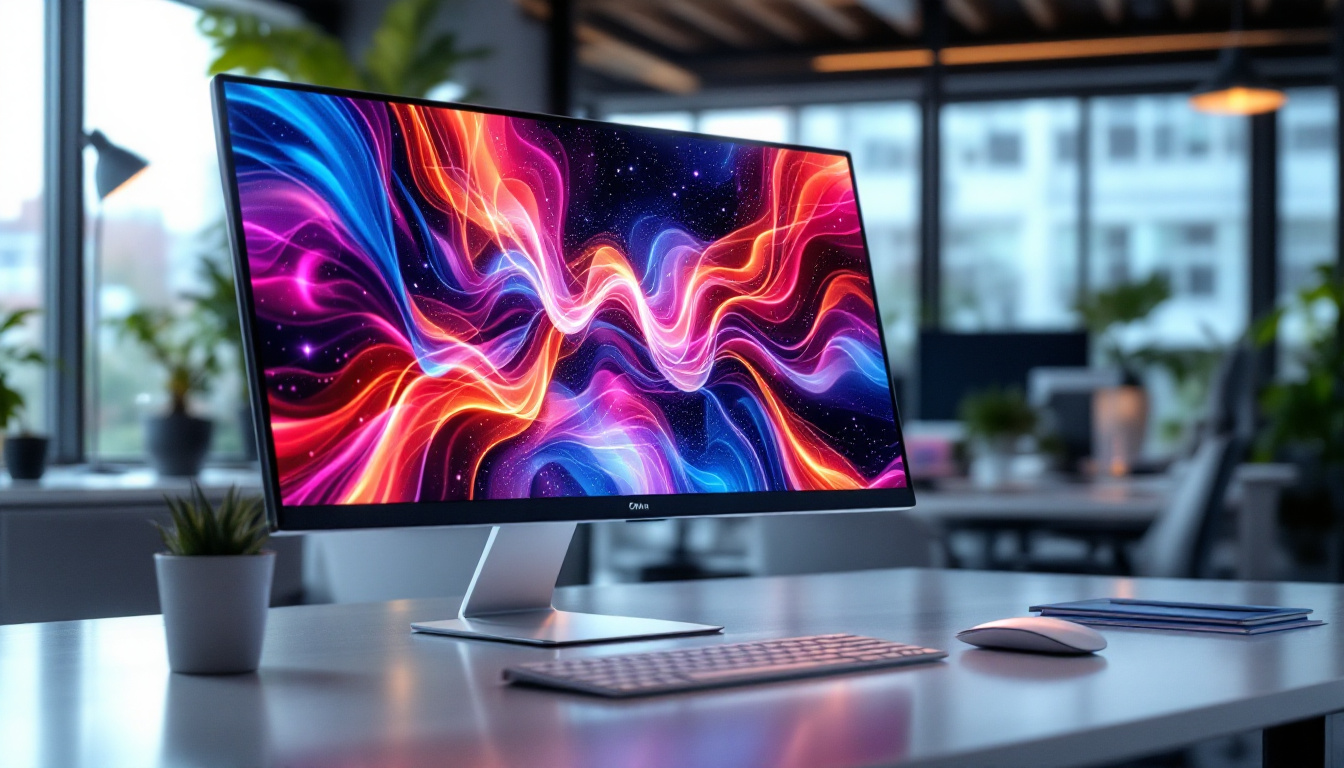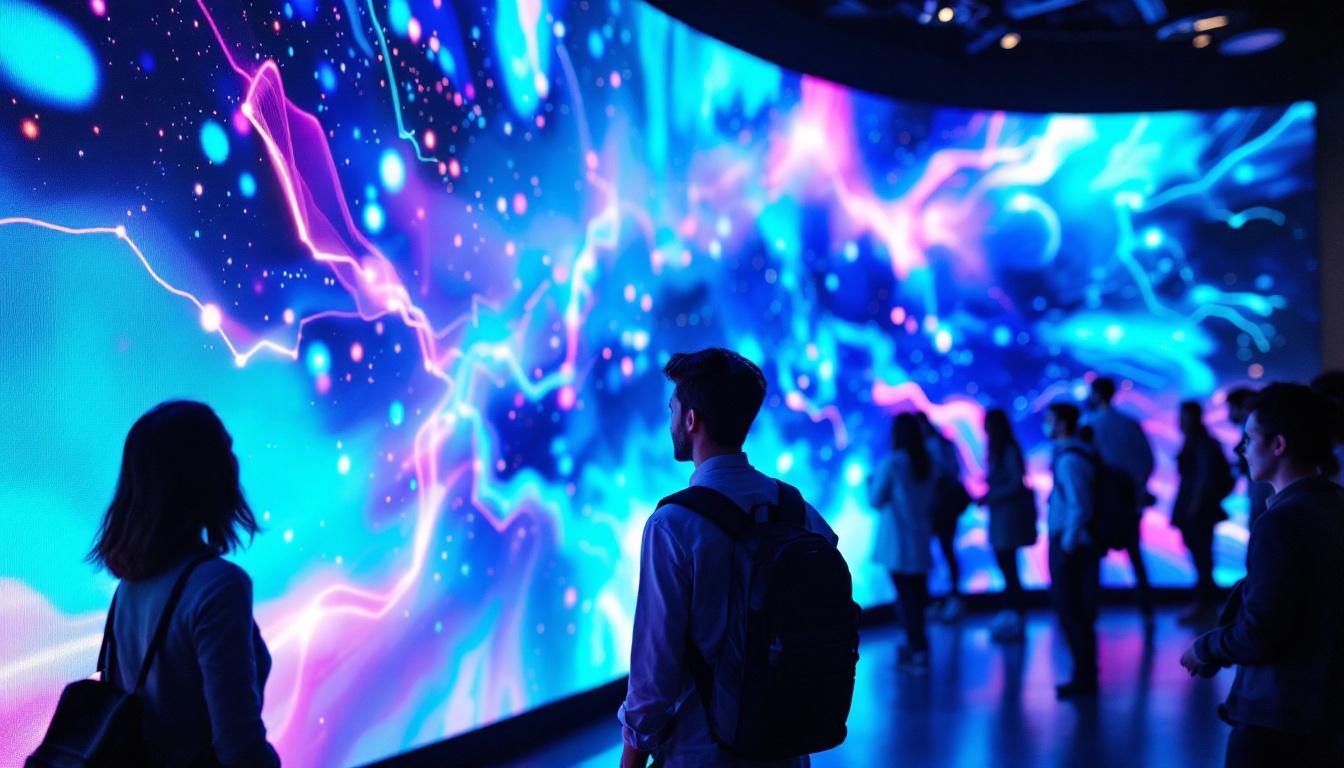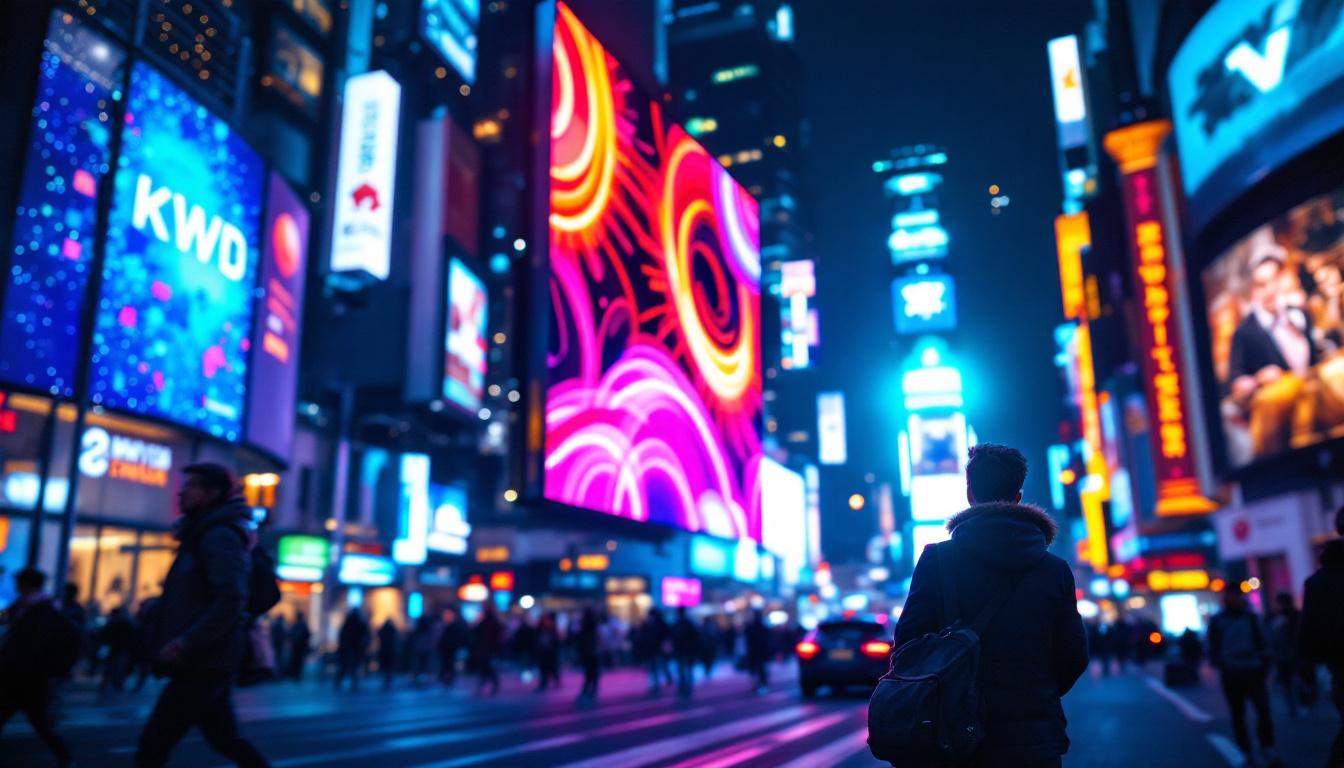
In the rapidly evolving world of digital displays, LED technology stands at the forefront, powering everything from massive outdoor billboards to the latest ultra-high-definition televisions. Among the various factors that determine the quality and clarity of these displays, pixel density—or the number of pixels packed into a given area—plays a crucial role. This article dives deep into the concept of high pixel LED displays, explaining what they are, how they work, and why they matter in today’s visual communication landscape.
Understanding LED Displays: The Basics
LED, or Light Emitting Diode, displays consist of tiny light sources that illuminate to form images. Unlike traditional LCD screens that rely on backlighting, LED displays generate their own light, resulting in superior brightness, contrast, and color accuracy. These qualities make LED technology ideal for a wide range of applications, from indoor signage to stadium screens.
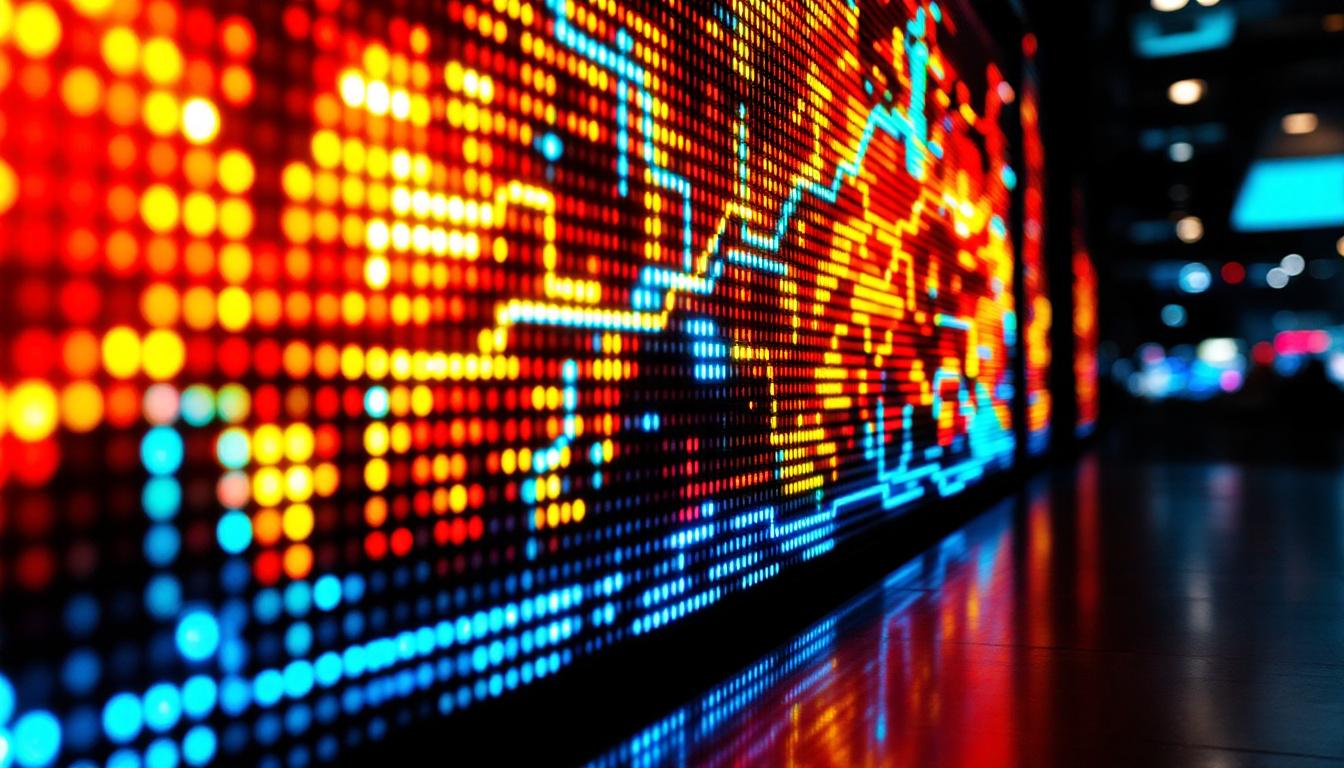
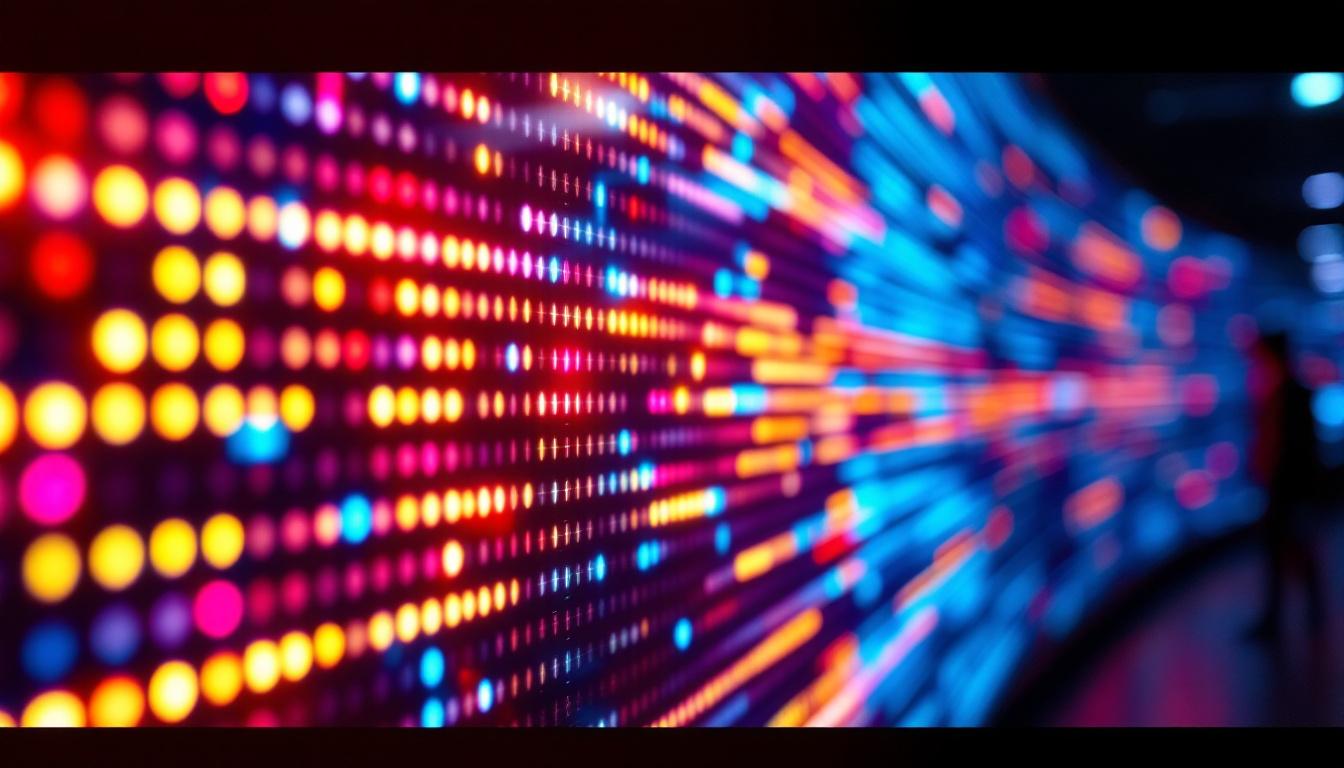
At the heart of every LED display is a grid of pixels. Each pixel is composed of one or more LEDs that emit red, green, and blue light. By varying the intensity of these LEDs, the display can produce millions of colors, creating vivid and dynamic images. The resolution of an LED display depends on the number of pixels arranged horizontally and vertically.
Pixel Pitch and Pixel Density
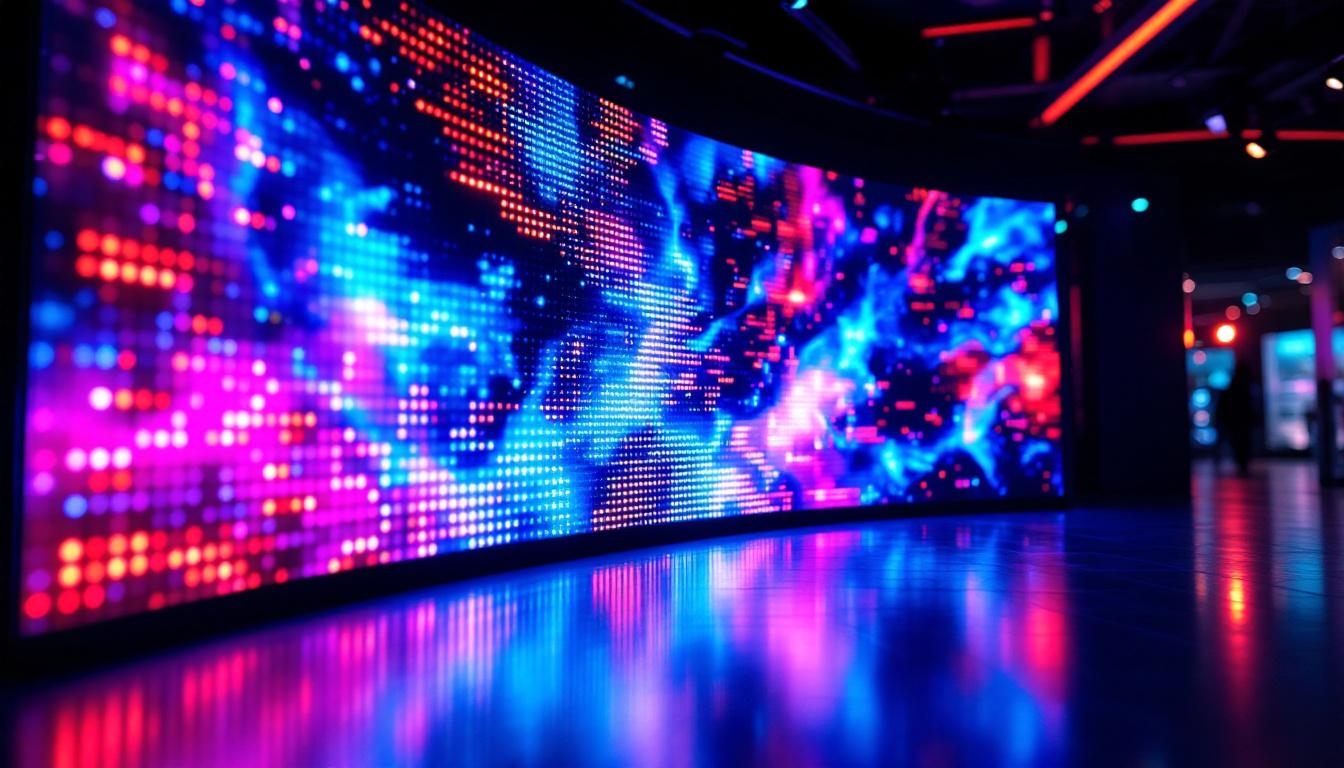
Pixel pitch is a key specification in LED displays, referring to the distance between the centers of two adjacent pixels, usually measured in millimeters. A smaller pixel pitch means more pixels per unit area, leading to higher pixel density and sharper image quality. For example, a pixel pitch of 1.25mm indicates a very fine pixel spacing, suitable for close viewing distances, such as indoor retail displays or control rooms.
Conversely, larger pixel pitches, such as 10mm or more, are common in large outdoor billboards where viewers stand far away. The choice of pixel pitch balances cost, resolution, and viewing distance to optimize the display’s effectiveness. Furthermore, advancements in technology have led to the development of flexible LED displays that can be curved or shaped to fit unique environments, enhancing their versatility. These innovations allow for creative installations that can adapt to various architectural designs, making LED displays not just functional but also a significant aspect of modern aesthetics.
In addition to pixel pitch, another important factor to consider is the refresh rate of an LED display, which measures how often the image is updated per second. A higher refresh rate results in smoother motion, making it crucial for applications such as video walls and live event broadcasting. Displays with refresh rates of 60Hz or higher are often preferred for dynamic content, as they minimize flicker and ensure that fast-moving images are rendered clearly. This is particularly beneficial in environments where real-time information is critical, such as in transportation hubs or during sports events, where every detail matters for viewer engagement.
The Evolution of High Pixel LED Displays
LED technology has advanced significantly over the past decade. Early LED displays featured large pixel pitches, limiting their use to outdoor environments where viewers were far from the screen. However, demand for higher resolution and more versatile applications has driven innovation toward smaller pixel pitches and higher pixel densities.
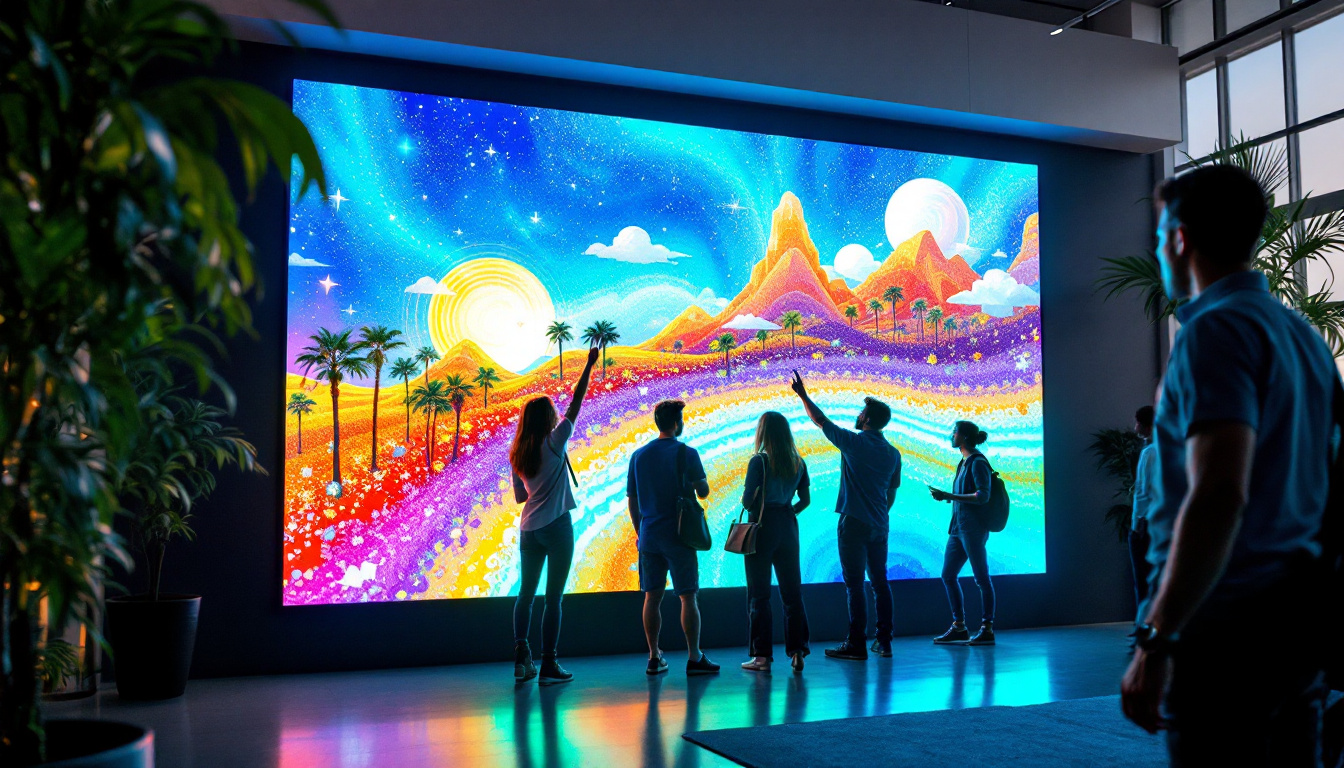
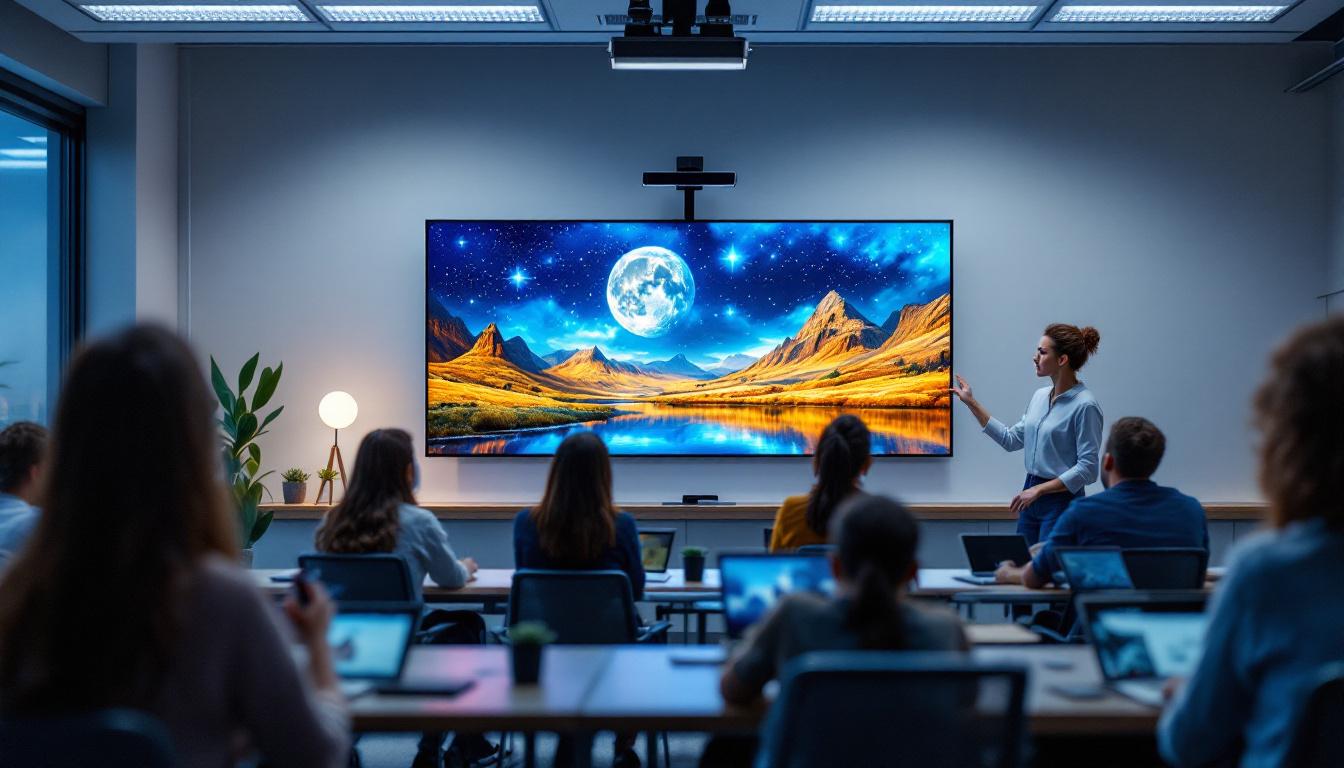
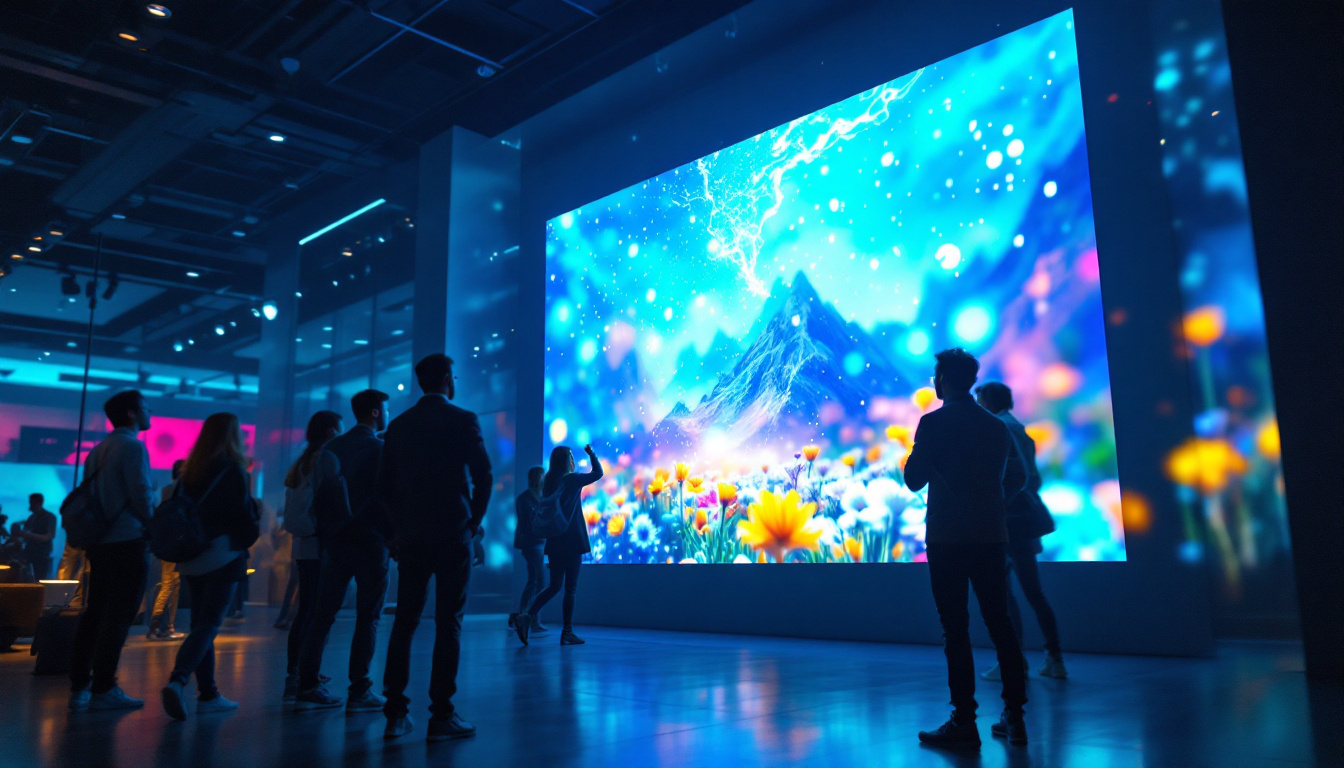
Today, high pixel LED displays with pitches below 2mm are widely available, enabling ultra-high-definition visuals in indoor environments. These advancements have been fueled by improvements in LED manufacturing, miniaturization, and control electronics. The ability to create seamless video walls and immersive environments has transformed not just advertising but also entertainment, education, and corporate presentations, making high pixel LED displays a staple in modern visual communication.
Mini-LED and Micro-LED Technologies
Two emerging technologies pushing the boundaries of LED display resolution are Mini-LED and Micro-LED. Mini-LED displays use thousands of tiny LEDs as backlighting for LCD panels, enhancing contrast and brightness. Micro-LED, on the other hand, employs microscopic LEDs as individual pixels, offering self-emissive displays with exceptional color accuracy and energy efficiency.
Micro-LED displays promise resolutions rivaling or exceeding OLED and LCD technologies, with superior lifespan and no burn-in issues. While still in early commercial stages, Micro-LED is poised to revolutionize high pixel density displays in the coming years. The scalability of Micro-LED technology allows for flexible designs, enabling curved and even transparent displays that can adapt to various architectural environments. As manufacturers continue to refine the production process, we can expect to see Micro-LED technology integrated into everything from smartphones to large-scale public displays, further blurring the lines between digital and physical spaces.
Applications of High Pixel LED Displays
High pixel LED displays have transformed numerous industries by providing crisp, vibrant visuals that capture attention and convey information effectively. Their versatility and scalability allow deployment across diverse settings. From retail spaces to large public venues, these displays have become essential tools for communication and engagement in the modern world.
Advertising and Digital Signage
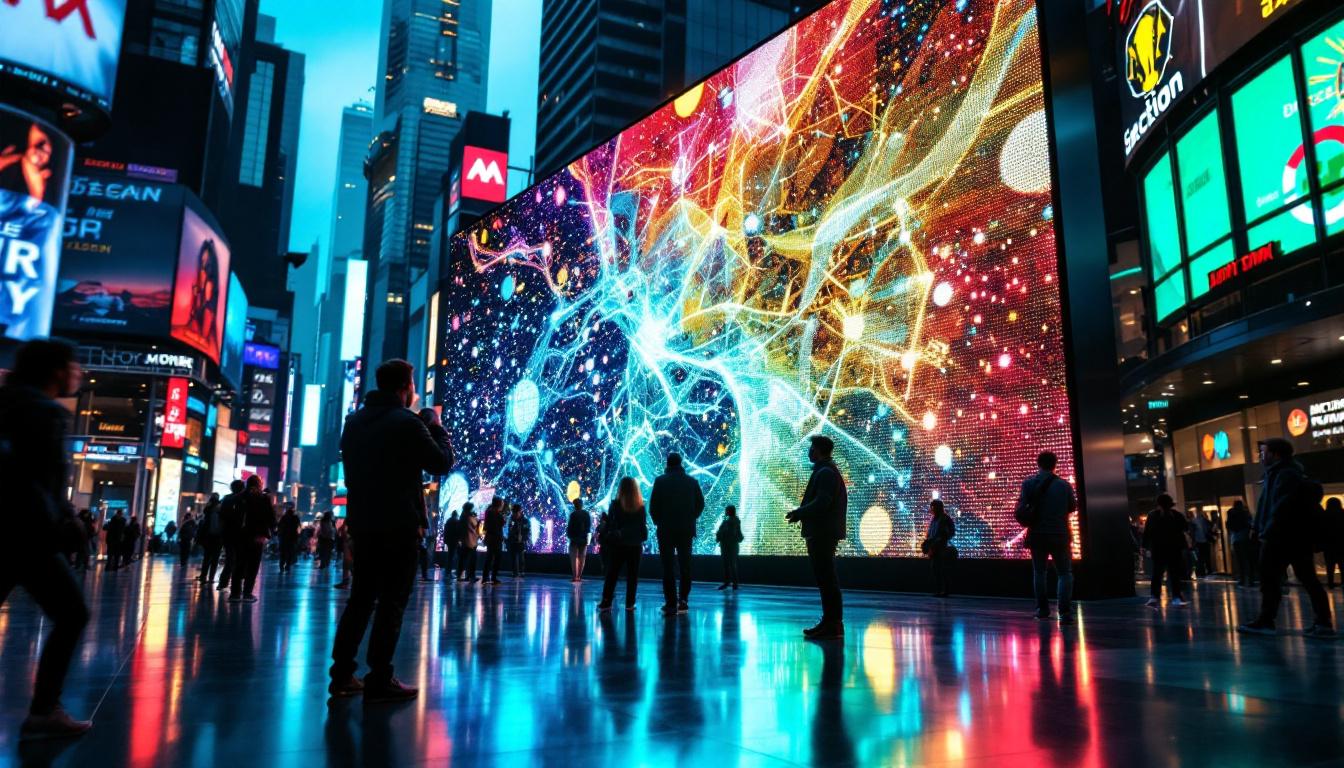
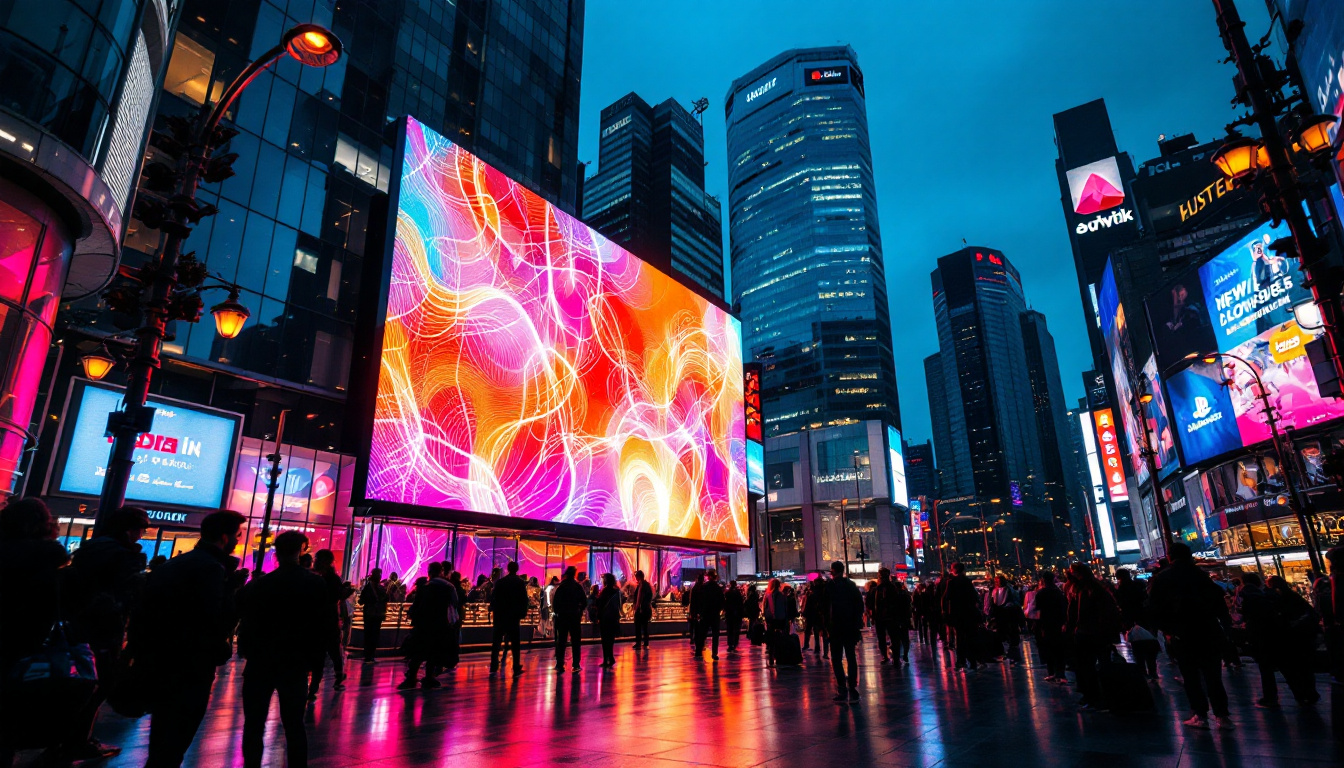
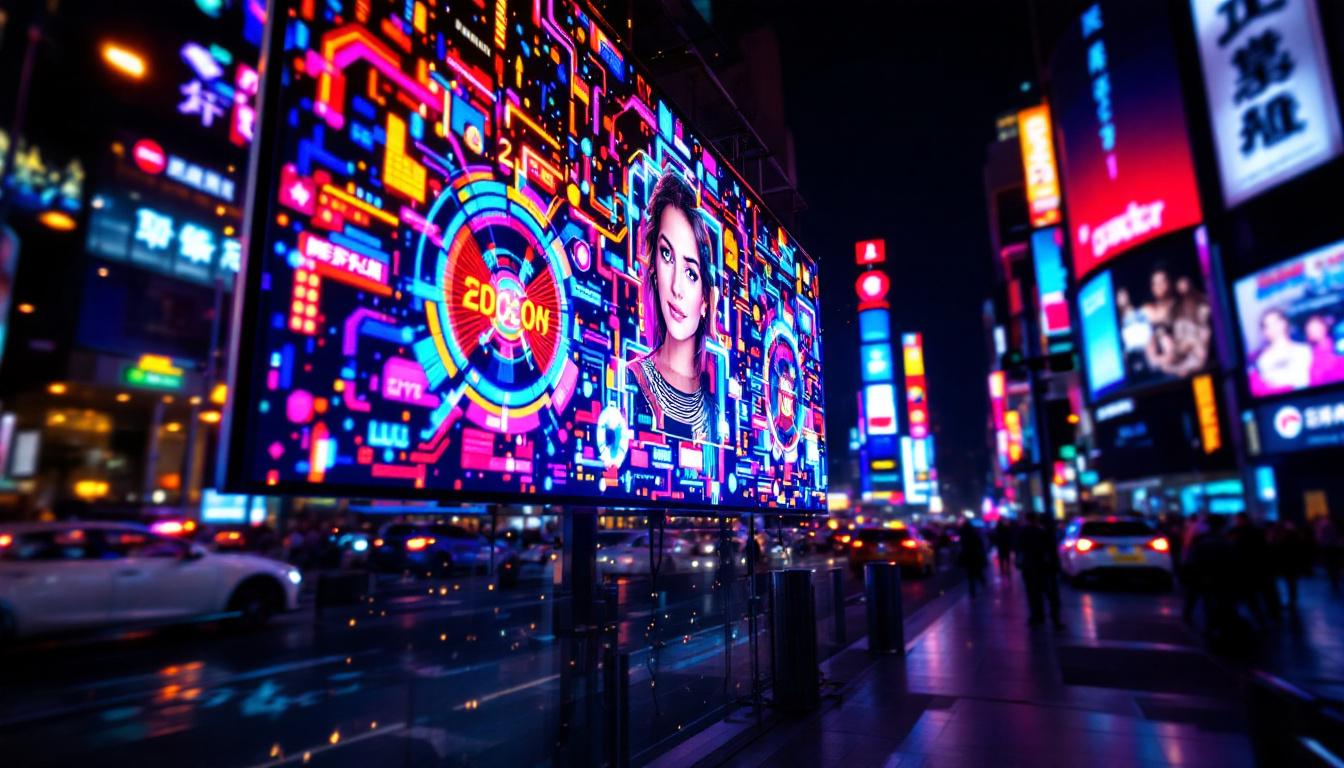
Outdoor and indoor advertising benefits immensely from high pixel LED displays. In retail environments, ultra-high-resolution screens attract customers with sharp images and dynamic content. For outdoor billboards, high pixel density ensures legibility and impact even from considerable distances.
According to a 2023 report by the Digital Signage Federation, LED-based digital signage has seen a 15% annual growth rate globally, driven by demand for more engaging and interactive advertising solutions. High pixel displays enable advertisers to deliver stunning visuals that improve brand recognition and consumer engagement. Furthermore, the ability to update content in real-time allows businesses to respond quickly to market trends or promotions, making their advertising strategies more agile and effective.
Sports and Entertainment Venues
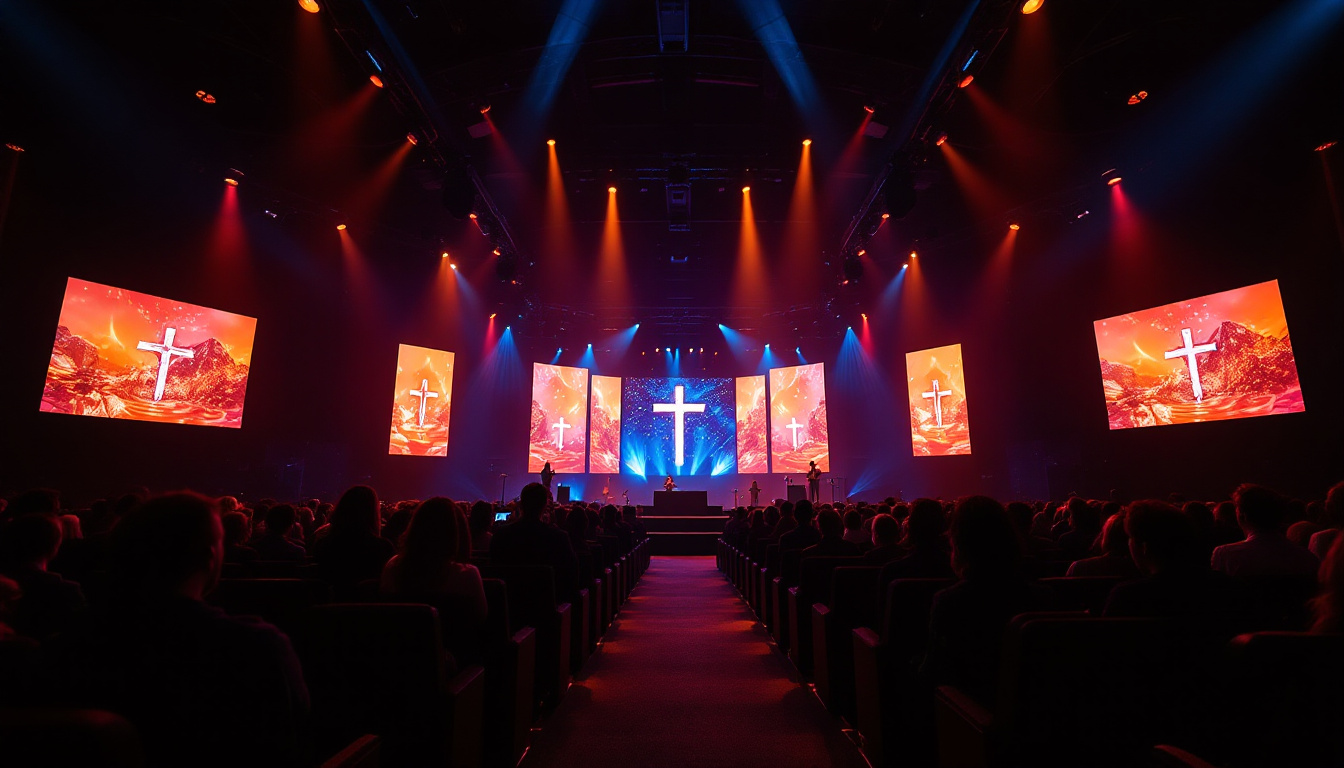
Stadiums and arenas increasingly rely on high pixel LED screens for scoreboards, instant replays, and immersive fan experiences. These displays must balance size, brightness, and resolution to perform well in varied lighting conditions and viewing angles.
For example, the AT&T Stadium in Texas features a massive center-hung LED display with a pixel pitch of 6mm, delivering clear images visible from all seating areas. As pixel pitches continue to shrink, future venues will offer even more detailed and vibrant visuals. Additionally, these screens are often integrated with augmented reality features, enhancing the fan experience by providing interactive content that engages spectators during games and events.
Corporate and Control Room Environments
In corporate boardrooms and control centers, high pixel LED displays facilitate data visualization and real-time monitoring. The fine pixel pitch allows for detailed graphics and multiple information streams to be displayed simultaneously without loss of clarity.
Industries such as transportation, utilities, and emergency services utilize these displays to enhance situational awareness and decision-making capabilities. The ability to customize screen size and resolution makes LED displays ideal for these critical applications. Moreover, the integration of advanced software solutions allows for seamless collaboration among team members, enabling them to analyze complex data sets and respond to challenges more efficiently. As organizations continue to embrace digital transformation, the role of high pixel LED displays in fostering communication and operational effectiveness will only grow.
Technical Considerations When Choosing High Pixel LED Displays
Selecting the right high pixel LED display involves evaluating several technical factors beyond just resolution and pixel pitch. Understanding these considerations helps ensure the display meets specific needs and delivers optimal performance.
Brightness and Contrast Ratio
Brightness, measured in nits, determines how well a display performs in various lighting conditions. Outdoor LED displays often exceed 5,000 nits to remain visible under direct sunlight, while indoor displays typically require 800 to 1,500 nits.
Contrast ratio—the difference between the darkest black and brightest white—affects image depth and realism. High contrast ratios enhance the viewing experience, especially in environments with controlled lighting.
Refresh Rate and Color Accuracy
A high refresh rate reduces flicker and motion blur, essential for video playback and dynamic content. Modern LED displays often support refresh rates of 60Hz or higher, with some specialized applications requiring even faster rates.
Color accuracy is critical for applications like digital art, broadcasting, and medical imaging. Advanced calibration techniques and high-quality LEDs ensure faithful color reproduction, enhancing the display’s visual fidelity.
Viewing Angle and Uniformity
Wide viewing angles ensure consistent image quality from different perspectives, important in public spaces and collaborative environments. Uniform brightness and color across the entire display surface prevent distracting visual inconsistencies.
Future Trends and Innovations in High Pixel LED Displays
The LED display industry continues to innovate, driven by consumer demand for better image quality, energy efficiency, and flexible form factors. Several trends are shaping the future of high pixel LED technology.
Flexible and Transparent LED Displays
Flexible LED panels enable curved or irregularly shaped displays, opening new possibilities for architectural integration and creative installations. Transparent LED displays allow content to be displayed on glass surfaces without obstructing views, ideal for retail windows and automotive applications.
AI-Enhanced Display Management
Artificial intelligence is increasingly used to optimize LED display performance, adjusting brightness, color balance, and content dynamically based on ambient conditions and viewer preferences. AI-driven analytics also provide insights into audience engagement and content effectiveness.
Sustainability and Energy Efficiency
With growing environmental awareness, manufacturers focus on reducing the energy consumption and carbon footprint of LED displays. Innovations in LED materials, power management, and recycling practices contribute to more sustainable display solutions.
Conclusion
High pixel LED displays represent a significant leap forward in visual technology, combining brightness, resolution, and versatility to meet the demands of modern communication and entertainment. Understanding the technical aspects, applications, and emerging trends of these displays empowers businesses and consumers to make informed choices that maximize impact and value.
As LED technology continues to evolve, the future promises even more immersive, efficient, and adaptable display solutions that will redefine how people experience digital content across the globe.
Discover Cutting-Edge LED Displays with LumenMatrix
Ready to elevate your visual experience with the latest in high pixel LED display technology? LumenMatrix is at the forefront of innovation, offering a diverse range of LED display solutions tailored to your needs. From captivating Indoor LED Wall Displays to dynamic Outdoor LED Wall Displays, and from versatile Vehicle LED Displays to stunning LED Transparent Displays, our mission is to revolutionize your visual communication. Engage and captivate your audience with unparalleled clarity and impact. Check out LumenMatrix LED Display Solutions today and transform the way you share your message with the world.