In today’s digital era, LED screens have become an integral part of computing and display technology. From laptops and monitors to large-scale video walls, LED displays offer vibrant visuals, energy efficiency, and durability. Understanding the technology behind LED screens and how they function in computer displays can help consumers and professionals make informed decisions when selecting devices or designing digital signage solutions.
What is an LED Screen?
LED stands for Light Emitting Diode, a semiconductor device that emits light when an electric current passes through it. An LED screen is a flat panel display that uses an array of these diodes to produce images. Unlike traditional LCD screens that rely on backlighting, LED screens use these tiny light sources to illuminate pixels directly or indirectly, resulting in brighter and more energy-efficient displays.
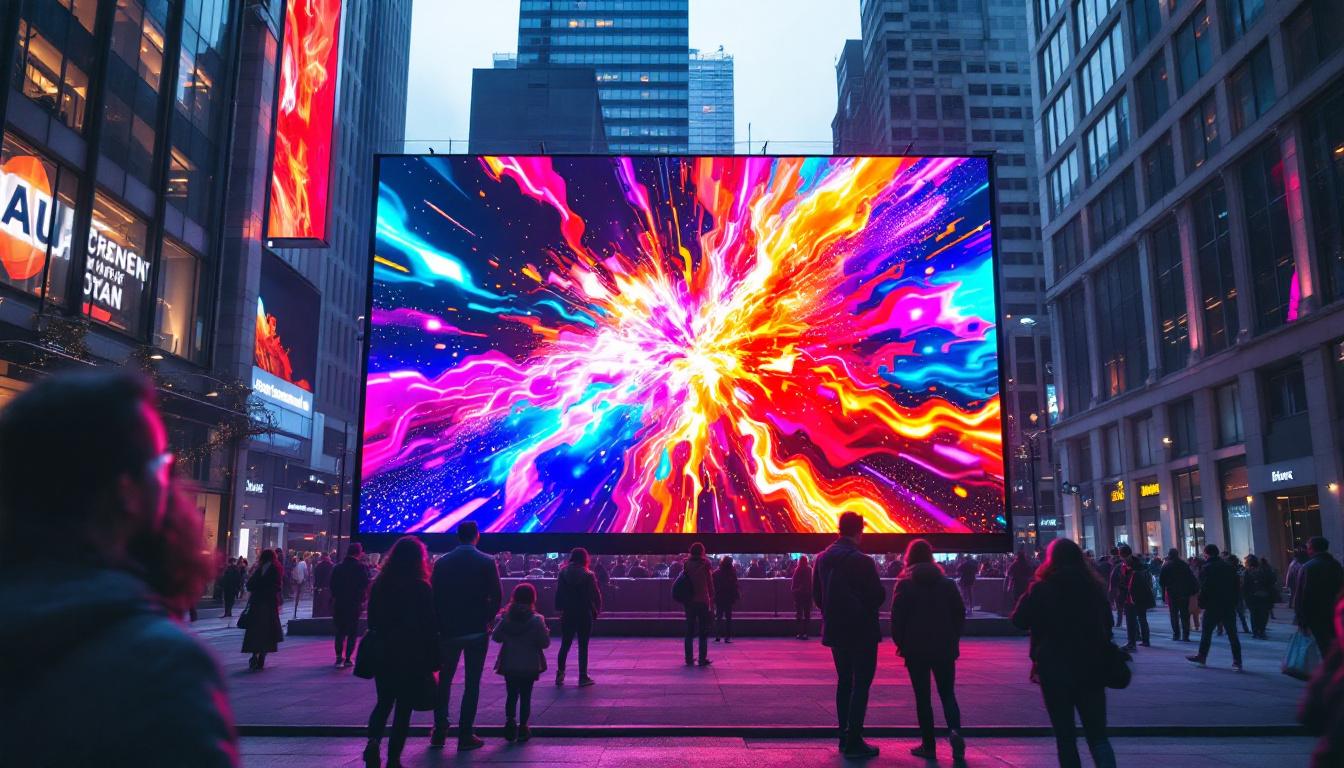
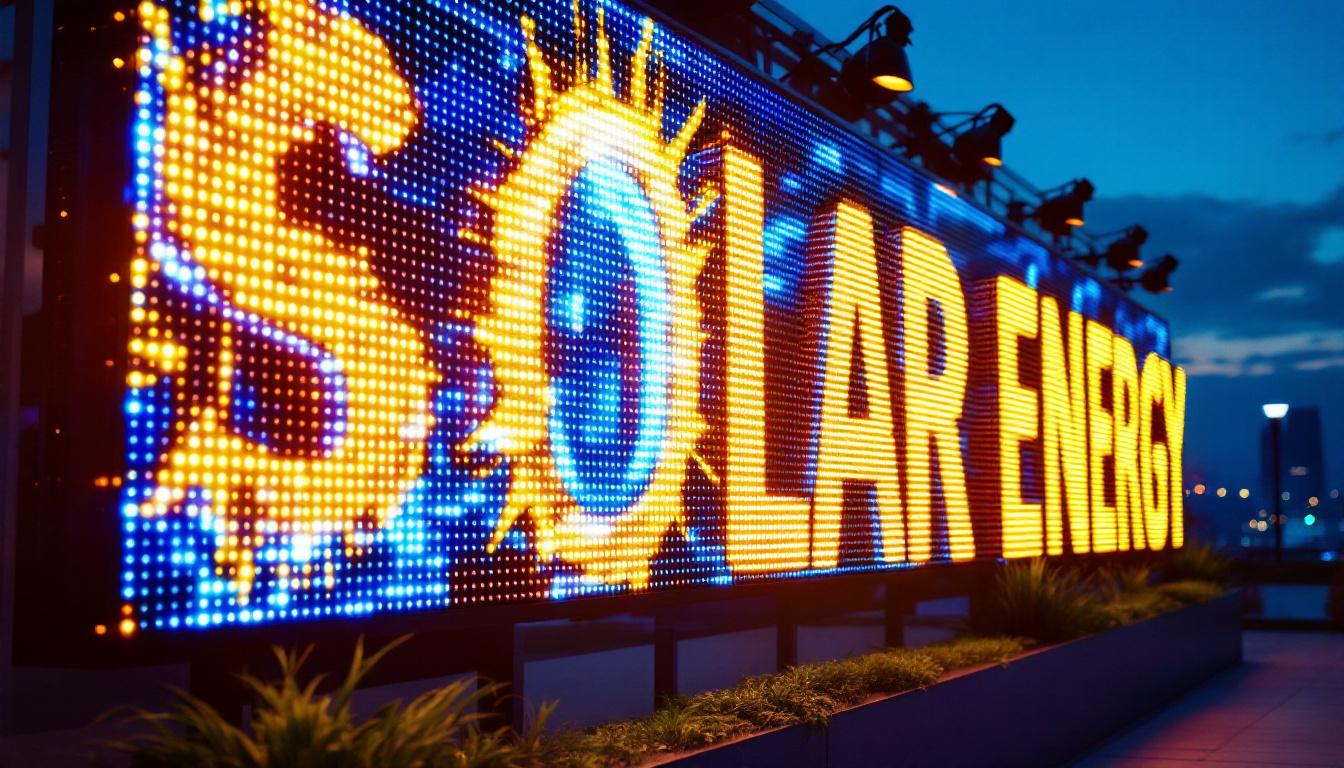
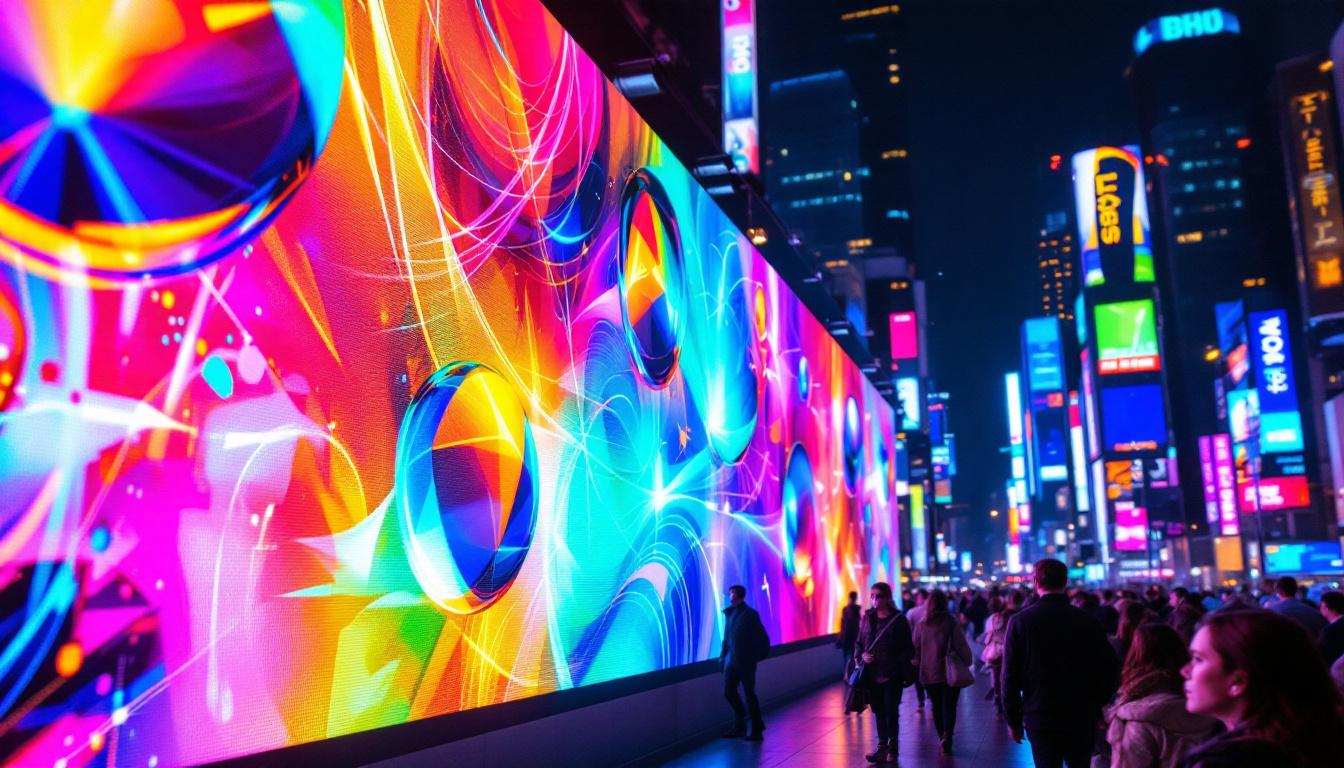
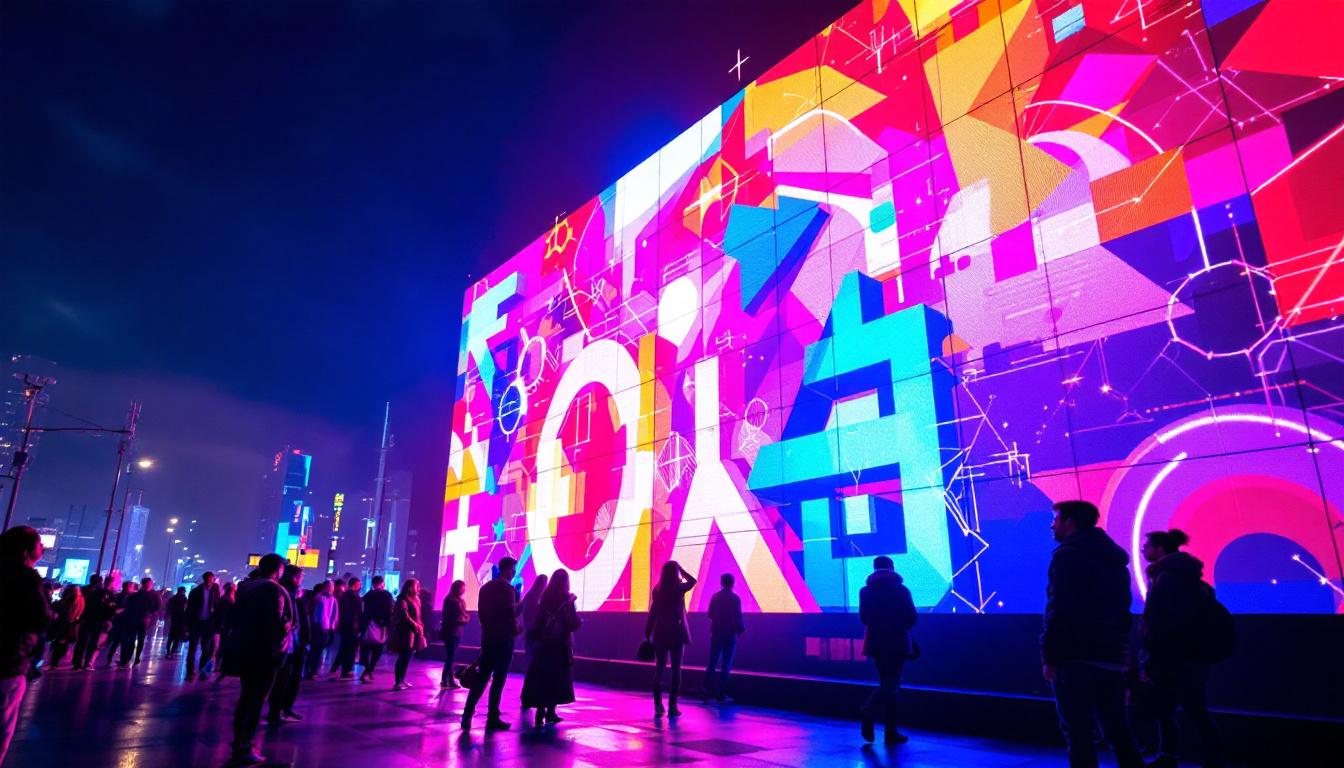
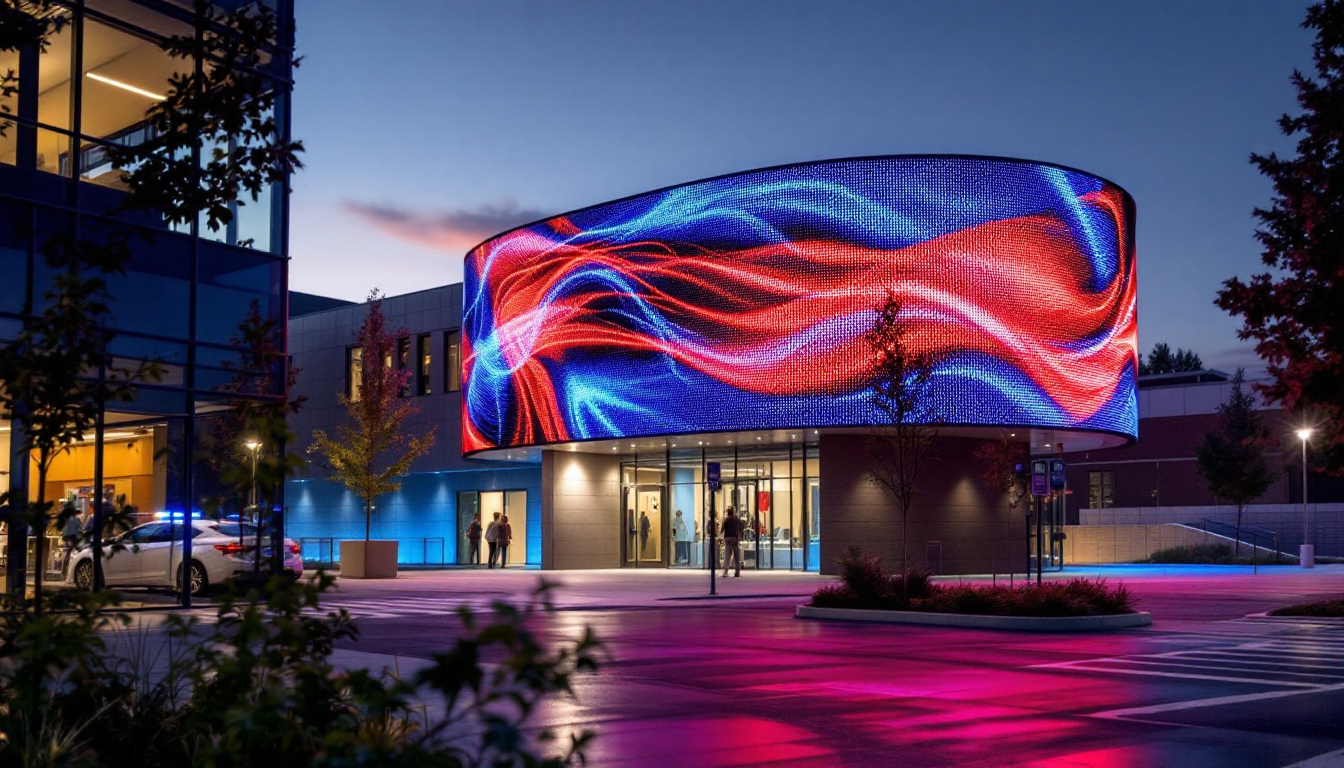
LED screens come in various forms, including direct-view LED panels and LED-backlit LCDs. Direct-view LED displays are composed entirely of LEDs that serve as individual pixels, commonly used in large outdoor billboards and stadium screens. On the other hand, LED-backlit LCDs use LEDs as a backlight behind an LCD panel, which modulates the light to create images. This distinction is crucial when discussing LED screens in the context of computers.
One of the most significant advantages of LED technology is its ability to produce vibrant colors and deep contrasts. The individual diodes can be finely tuned to emit specific wavelengths of light, allowing for a broader color gamut compared to traditional displays. This capability makes LED screens particularly appealing for applications in photography, graphic design, and gaming, where color accuracy is paramount. Furthermore, the rapid response time of LEDs minimizes motion blur, enhancing the viewing experience during fast-paced action scenes or competitive gaming.
In addition to their visual benefits, LED screens are also known for their durability and longevity. Unlike older display technologies that may suffer from burn-in or fading over time, LED screens can last tens of thousands of hours with minimal degradation in quality. This resilience makes them ideal for both commercial and residential use, as they require less frequent replacement and maintenance. Additionally, the energy efficiency of LED technology contributes to lower electricity costs, making them a more sustainable choice for consumers and businesses alike. As technology continues to advance, the applications for LED screens are expanding, paving the way for innovations in virtual reality, augmented reality, and interactive displays.
How LED Displays Work in Computers
LED-Backlit LCD Monitors
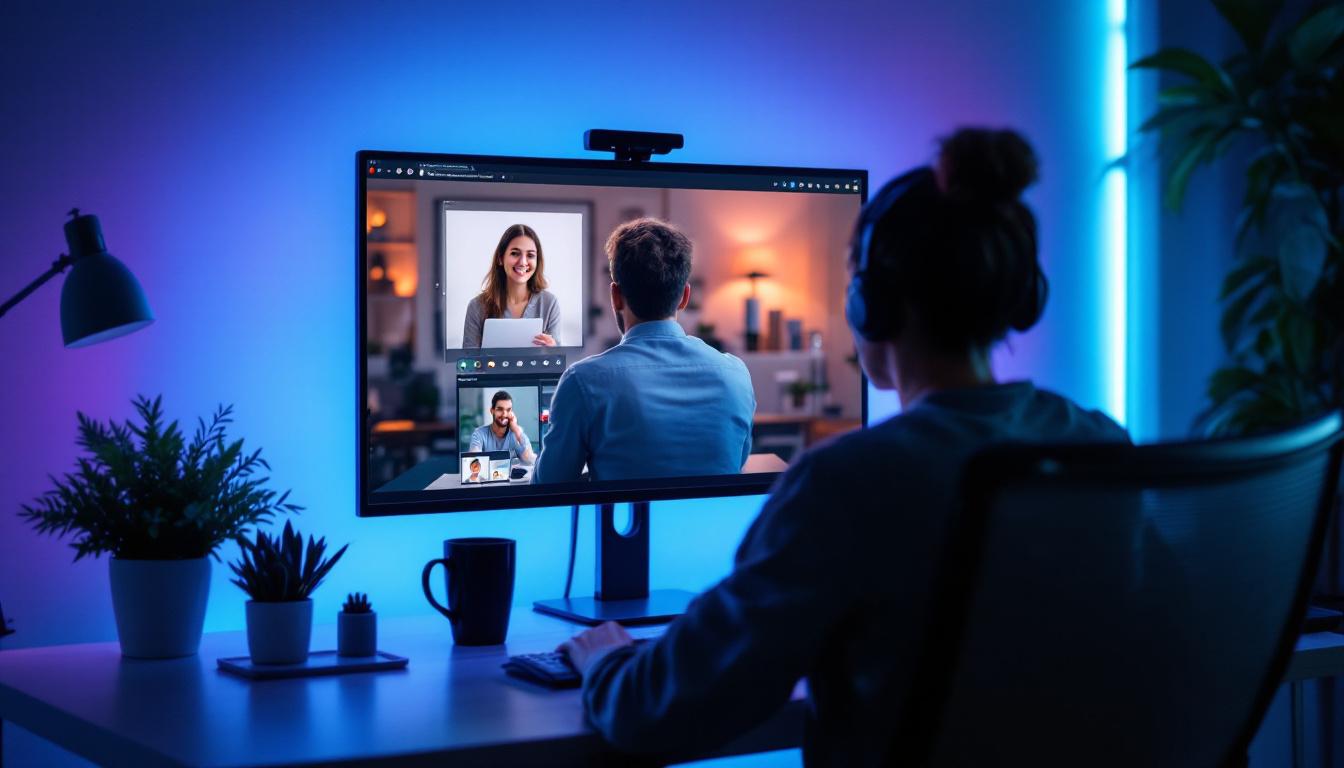
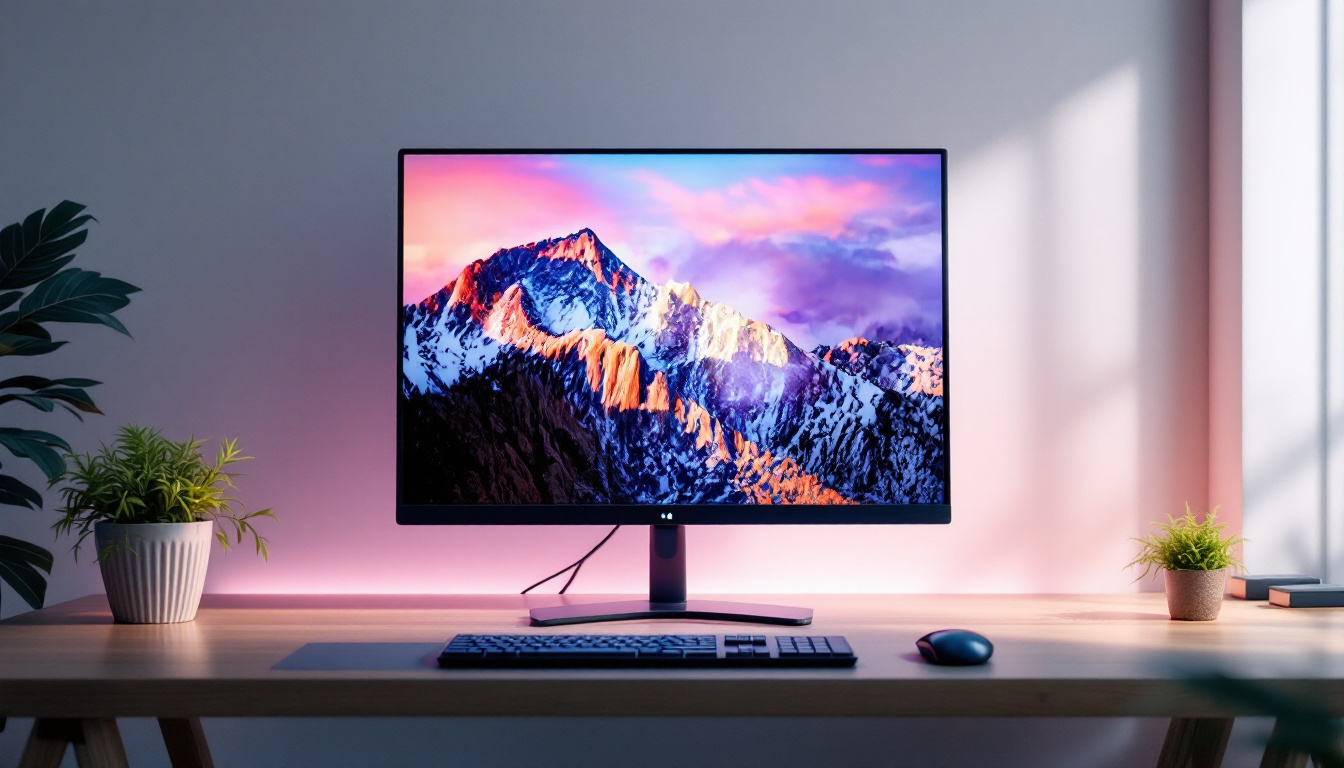
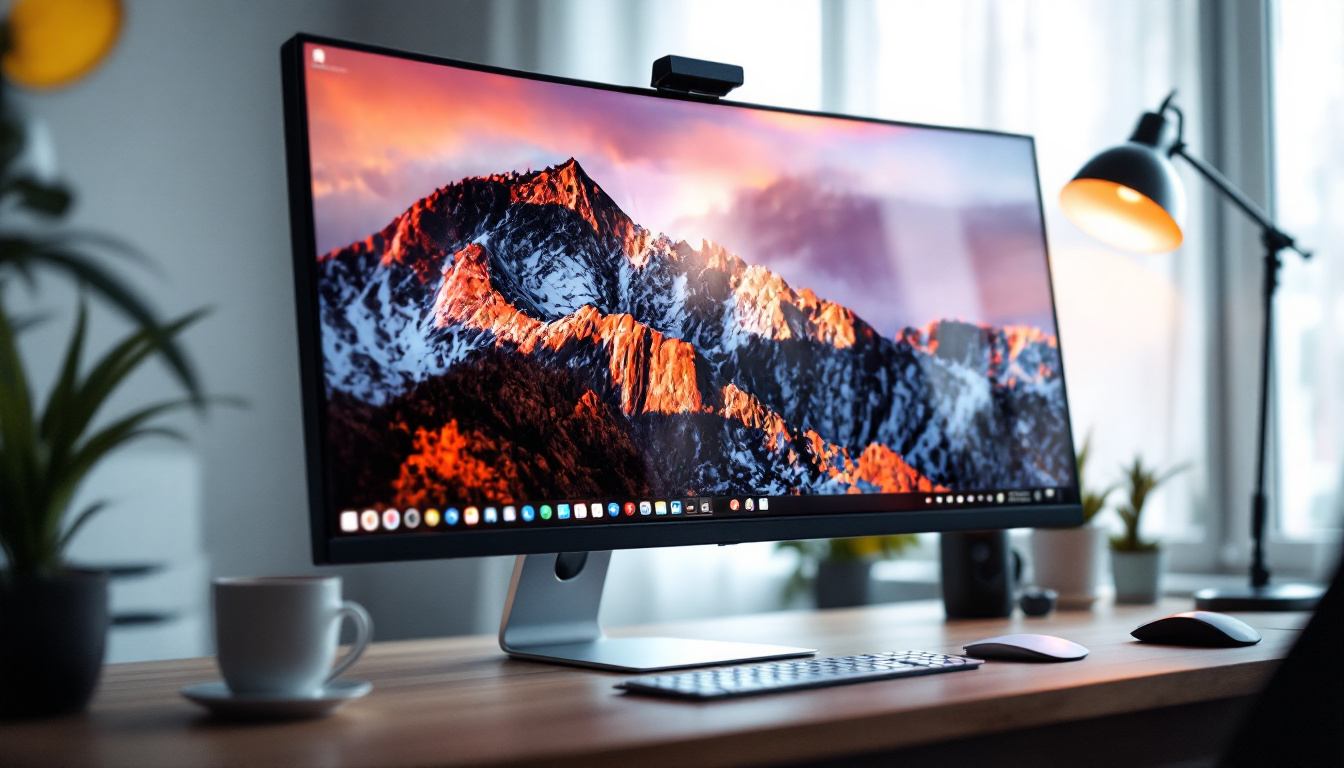
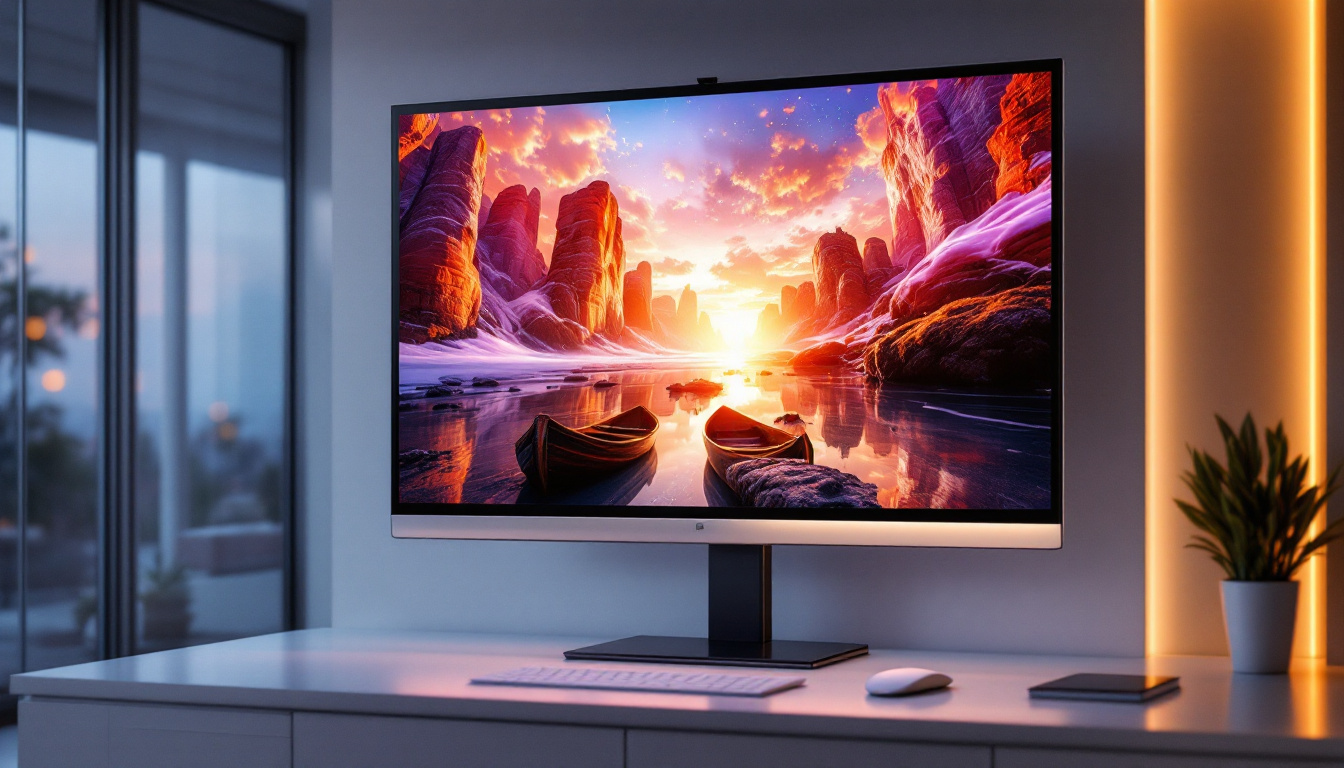
The majority of computer monitors and laptop screens today are LED-backlit LCDs. These displays combine liquid crystal technology with LED backlighting to produce sharp and vivid images. The LCD layer controls the color and intensity of each pixel by manipulating light passing through it, while the LED backlight provides the illumination required for the image to be visible.
This technology offers several advantages over older CCFL (cold cathode fluorescent lamp) backlit LCDs, including lower power consumption, thinner panel designs, and improved color accuracy. For instance, LED backlighting can be arranged in edge-lit or full-array configurations, with full-array providing more uniform brightness and better contrast ratios.
Direct-View LED Displays
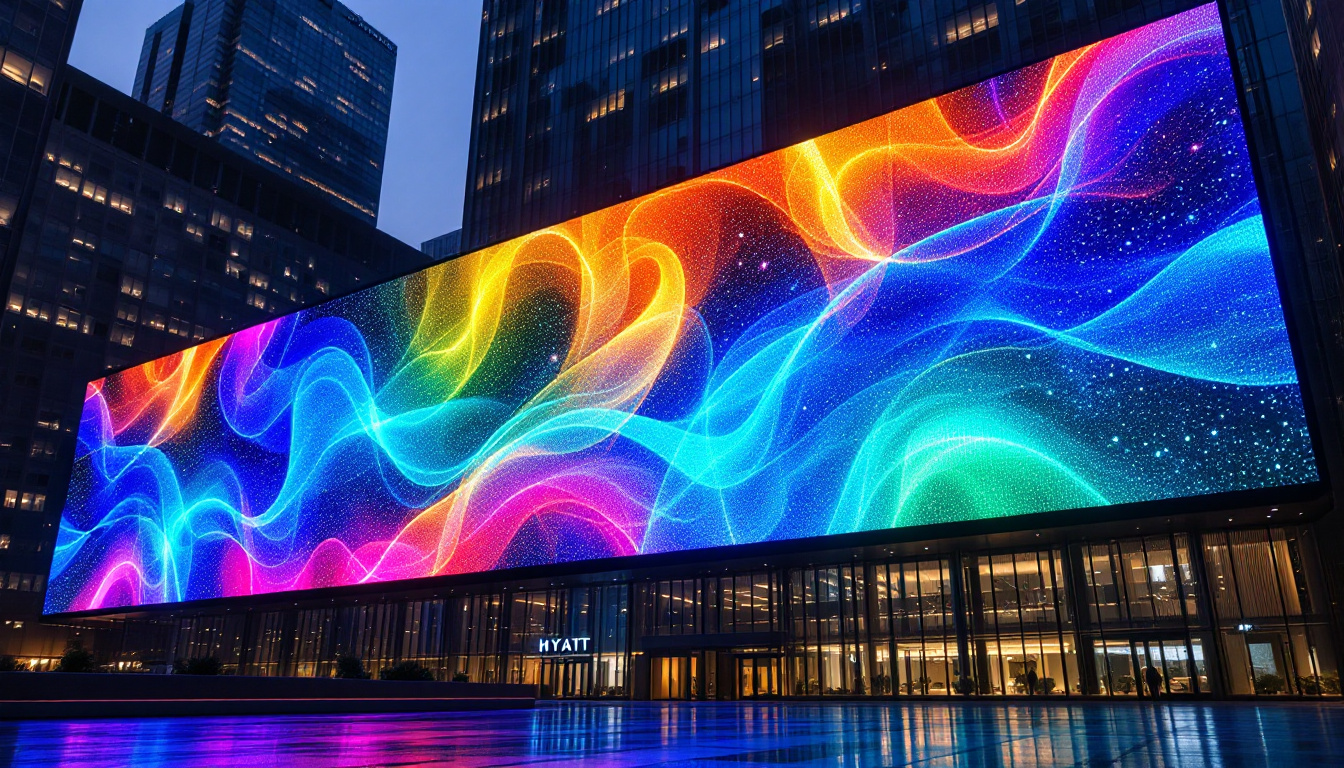
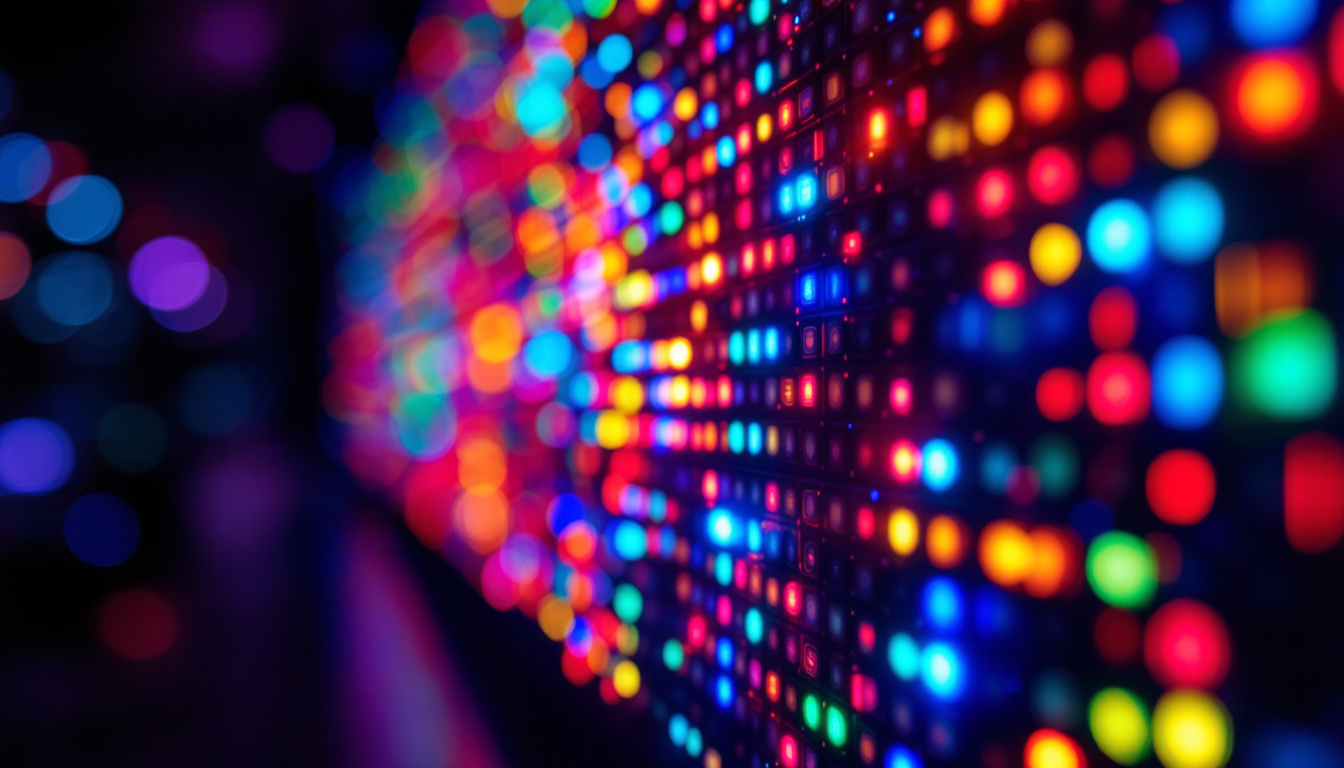
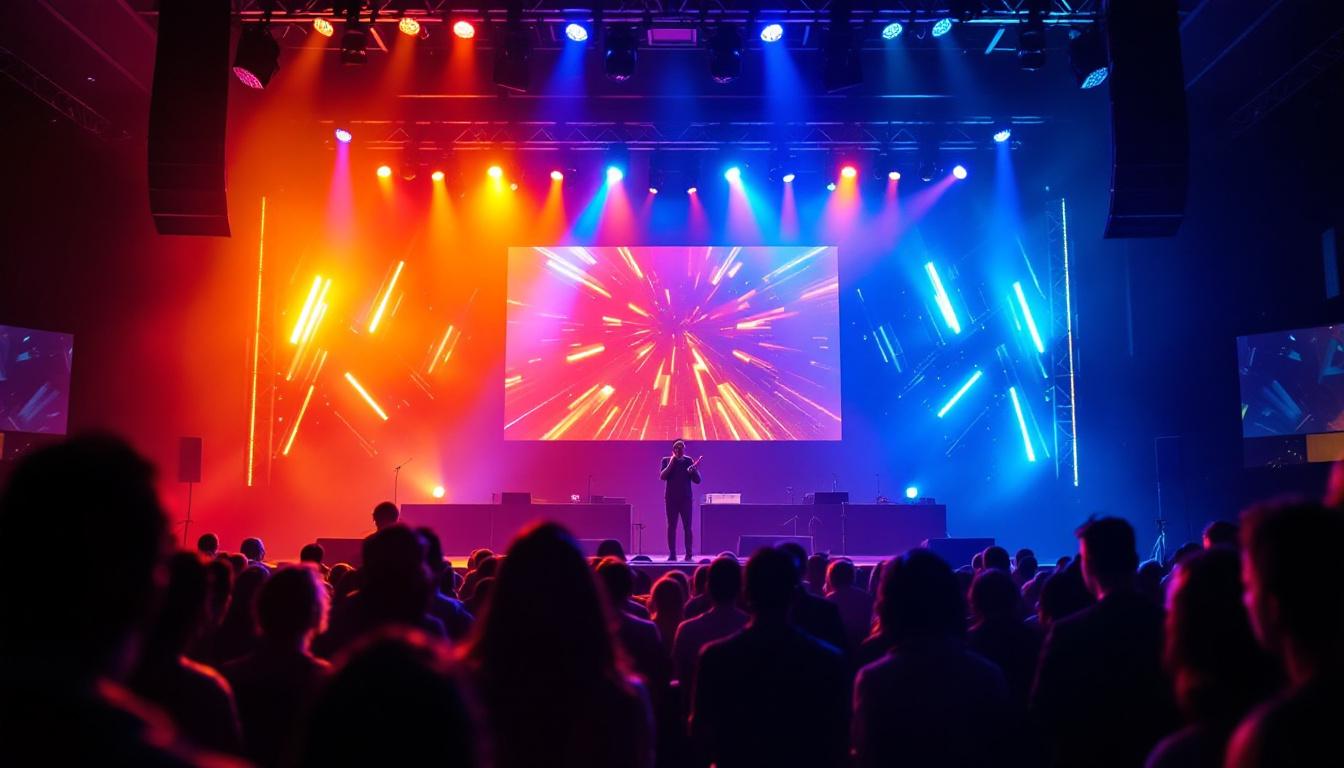
While less common for personal computers, direct-view LED displays are gaining traction in specialized computing environments. These displays consist of millions of tiny LEDs arranged in a grid, each acting as a pixel that emits its own light. This allows for exceptional brightness, contrast, and viewing angles, making them ideal for control rooms, digital signage, and high-end gaming setups.
One notable example is the use of microLED technology, a cutting-edge form of direct-view LED display that promises even higher resolution and energy efficiency. Although still emerging, microLEDs are poised to revolutionize computer displays by combining the best attributes of OLED and traditional LED screens without some of their limitations.
Advantages of LED Screens in Computing
Energy Efficiency and Longevity
LED technology is renowned for its energy efficiency. Compared to older display technologies, LED-backlit monitors consume significantly less power, which translates into longer battery life for laptops and lower electricity costs for desktop setups. This is particularly important for businesses managing large fleets of computers or public displays.
Additionally, LEDs have a longer operational lifespan than CCFLs and many other lighting technologies. Typical LED-backlit monitors can last upwards of 50,000 hours, reducing the need for frequent replacements and maintenance.
Improved Visual Performance
LED screens deliver superior brightness and contrast ratios, enhancing the overall viewing experience. High dynamic range (HDR) support, increasingly common in LED-backlit displays, allows for more vivid colors and deeper blacks. This is especially beneficial for creative professionals working with color grading, video editing, and graphic design, where color accuracy is paramount.
Moreover, LED technology supports faster refresh rates and lower response times, which are critical for gaming and multimedia applications. Many modern LED monitors offer refresh rates of 120Hz or higher, reducing motion blur and providing smoother visuals.
Thin and Lightweight Design
The compact size of LEDs enables manufacturers to produce thinner and lighter displays. This has been a key factor in the evolution of ultra-portable laptops and sleek desktop monitors. The reduced thickness not only improves aesthetics but also enhances portability and ergonomics.
Applications of LED Screens in Computing
Consumer Electronics
LED-backlit LCDs dominate the consumer market for laptops, desktop monitors, and all-in-one PCs. Brands like Dell, HP, Apple, and Lenovo utilize LED technology to deliver high-quality displays that balance performance, power consumption, and cost. For example, Apple’s Retina displays use LED backlighting combined with IPS panels to achieve wide color gamut and high brightness levels.
Gaming monitors also heavily rely on LED technology to meet the demands of fast-paced visuals and immersive experiences. Models with adaptive sync technologies such as NVIDIA G-Sync or AMD FreeSync often feature LED backlighting to complement their high refresh rates.
Professional and Industrial Use
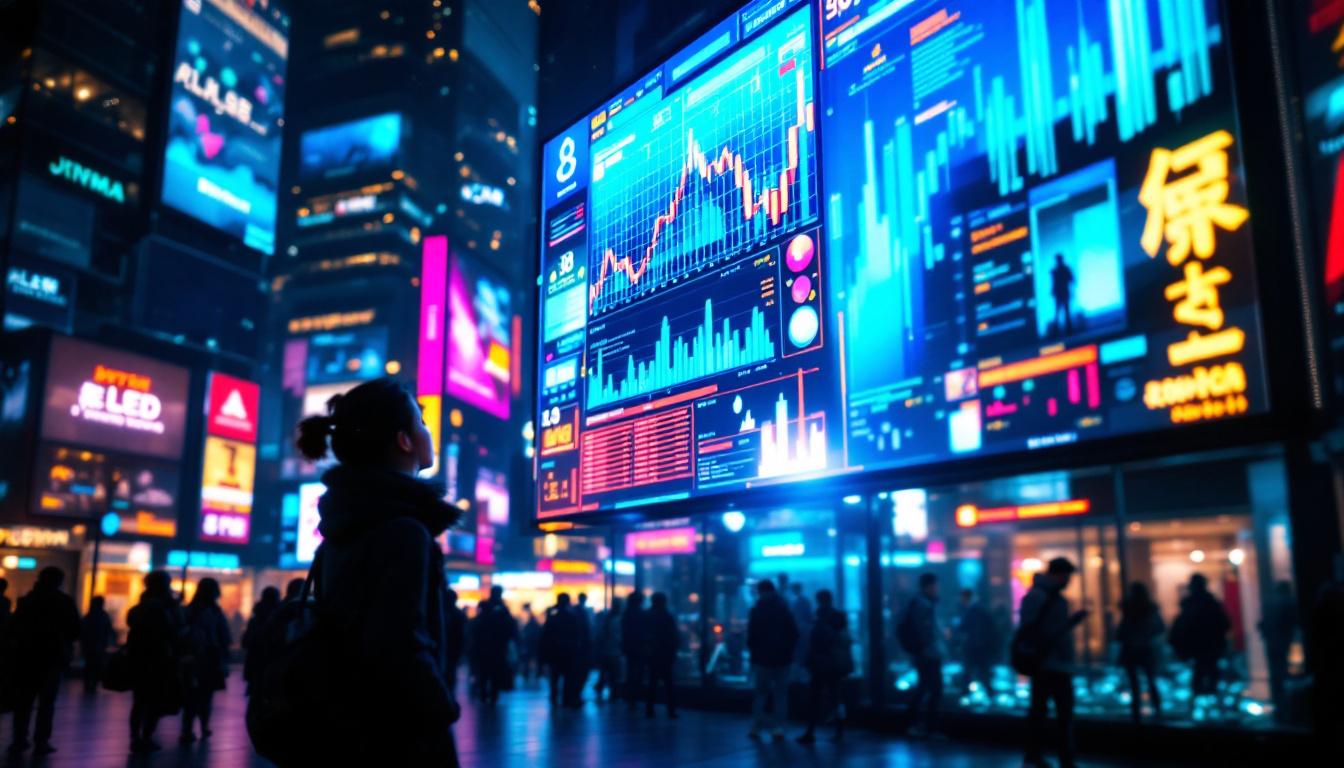
In professional environments, LED displays are used in control rooms, video editing suites, and digital signage. Large LED video walls provide scalable solutions for monitoring multiple data streams or broadcasting high-resolution content. Industries such as transportation, healthcare, and manufacturing benefit from the reliability and clarity of LED screens for critical applications.
Emerging technologies like microLED and OLED displays are also being explored for specialized computing tasks, including augmented reality (AR) and virtual reality (VR) headsets, where display quality and power efficiency are crucial.
Public and Commercial Displays
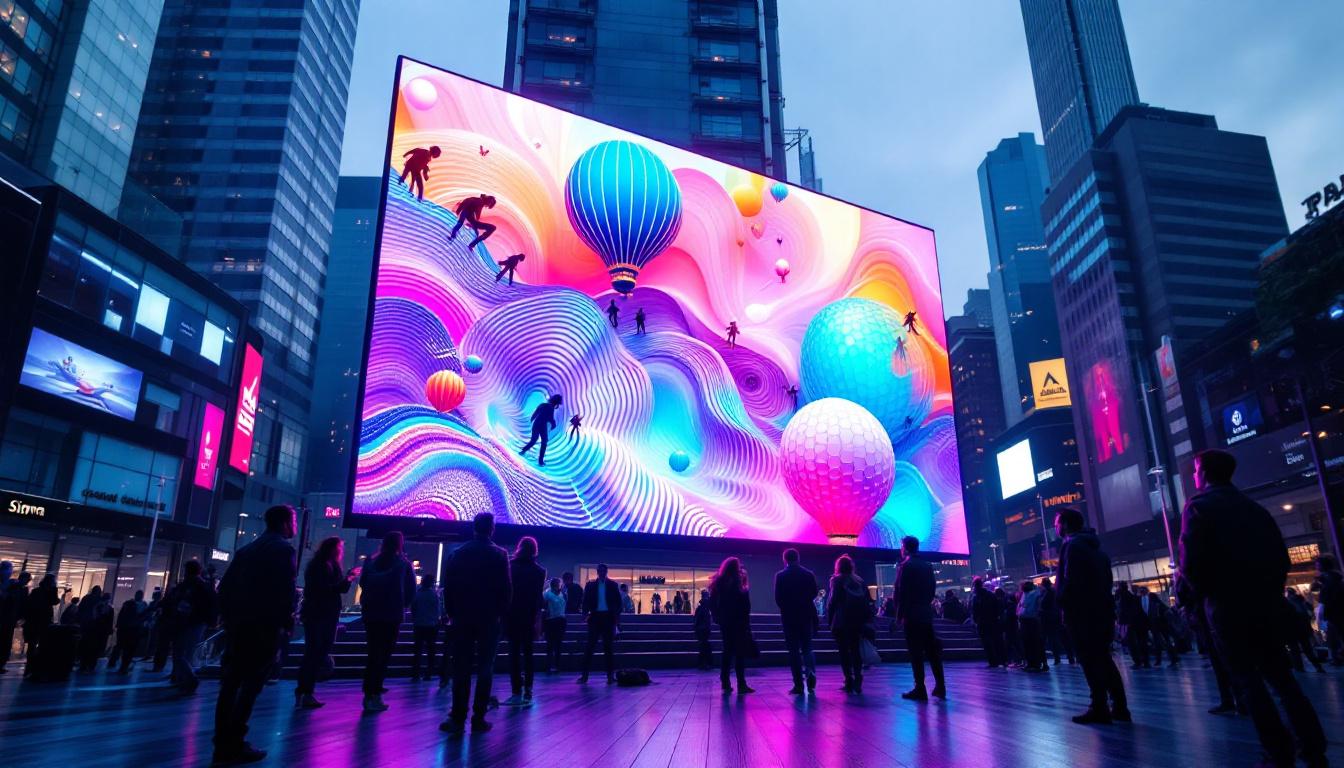
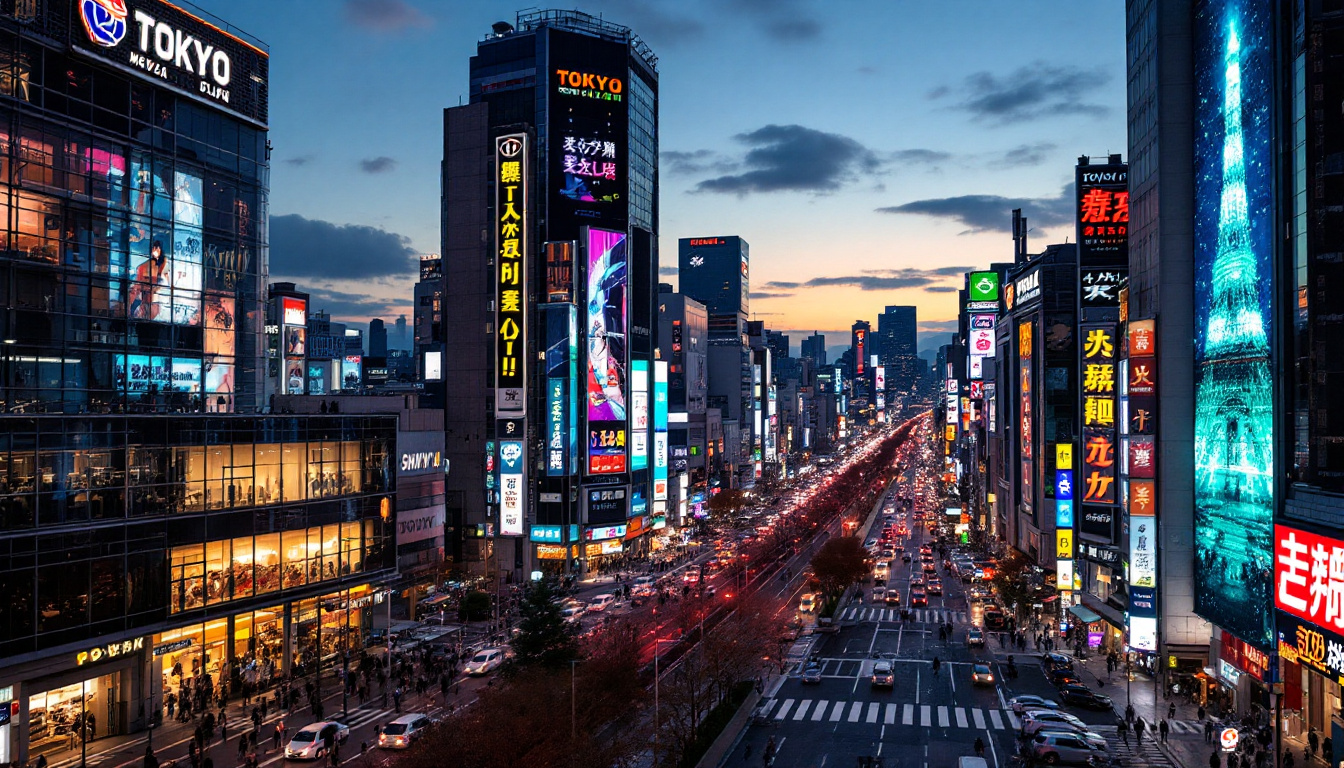
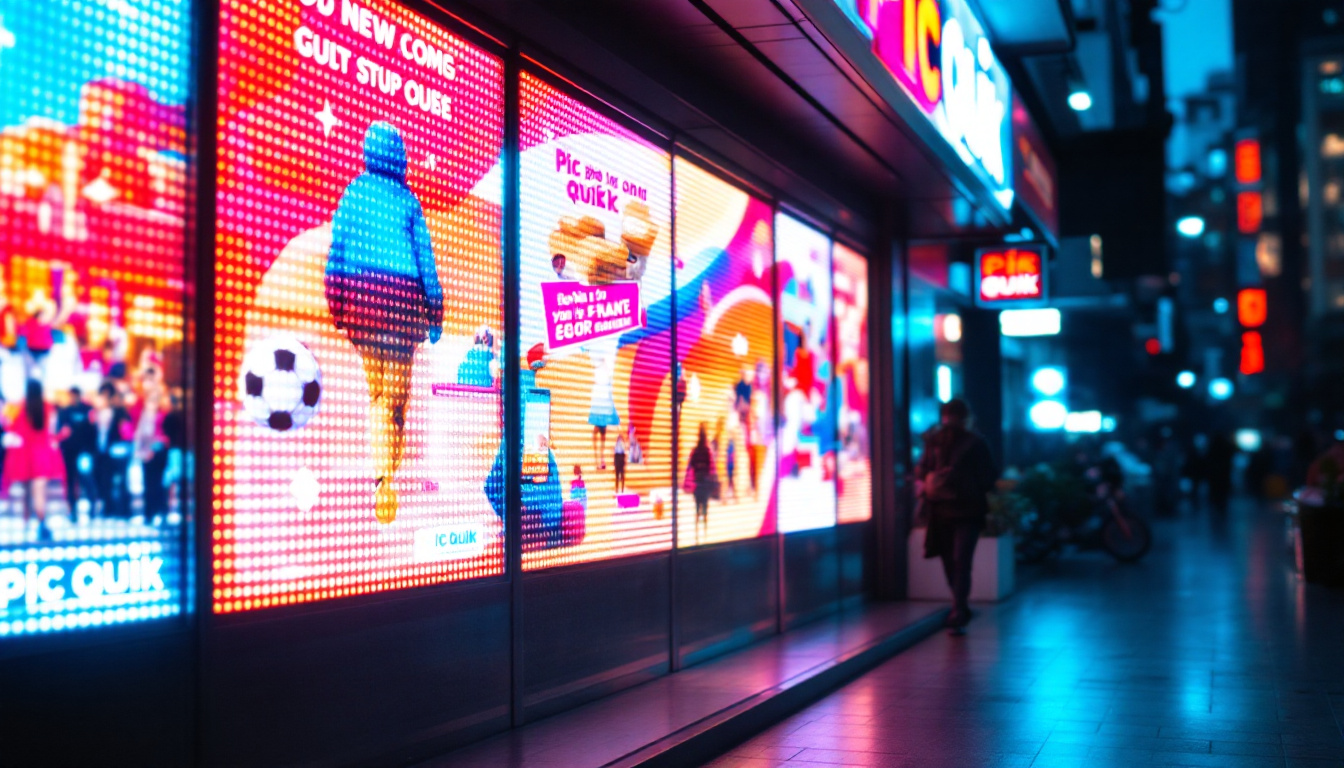
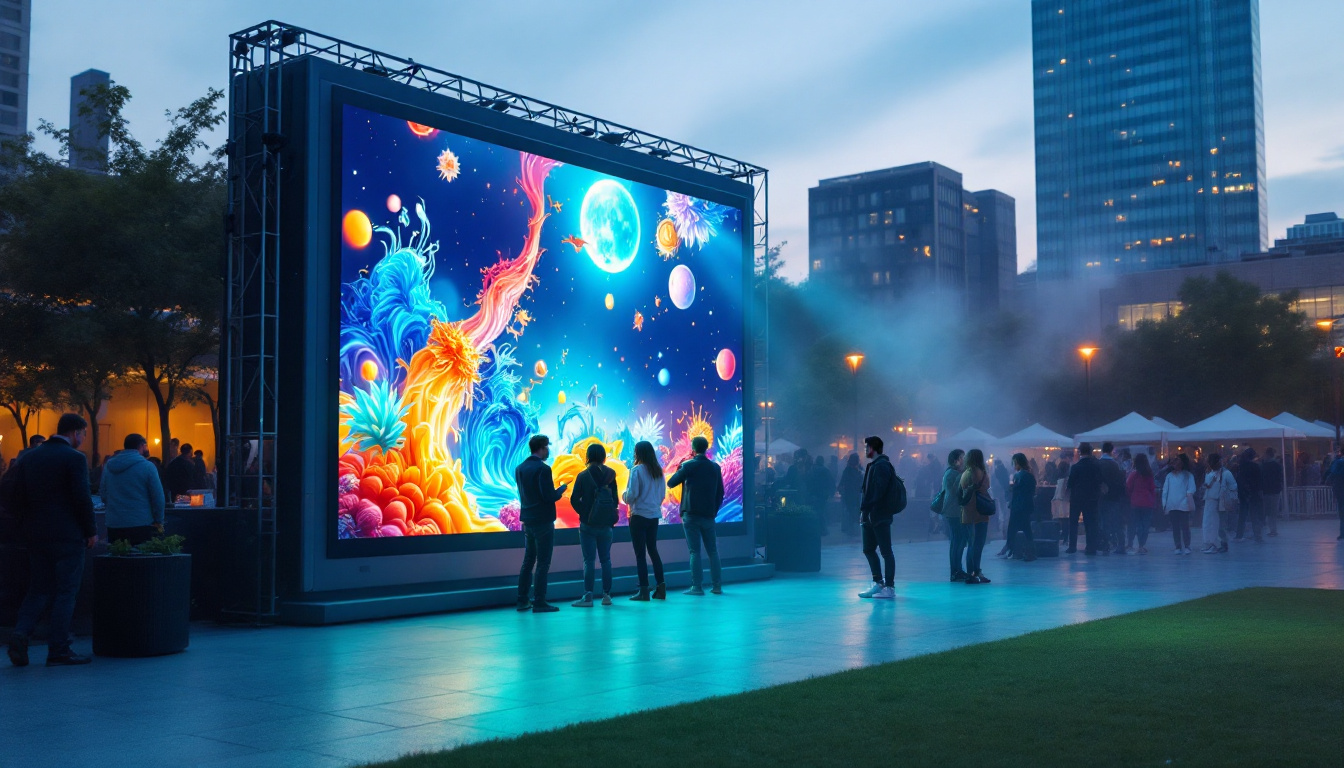
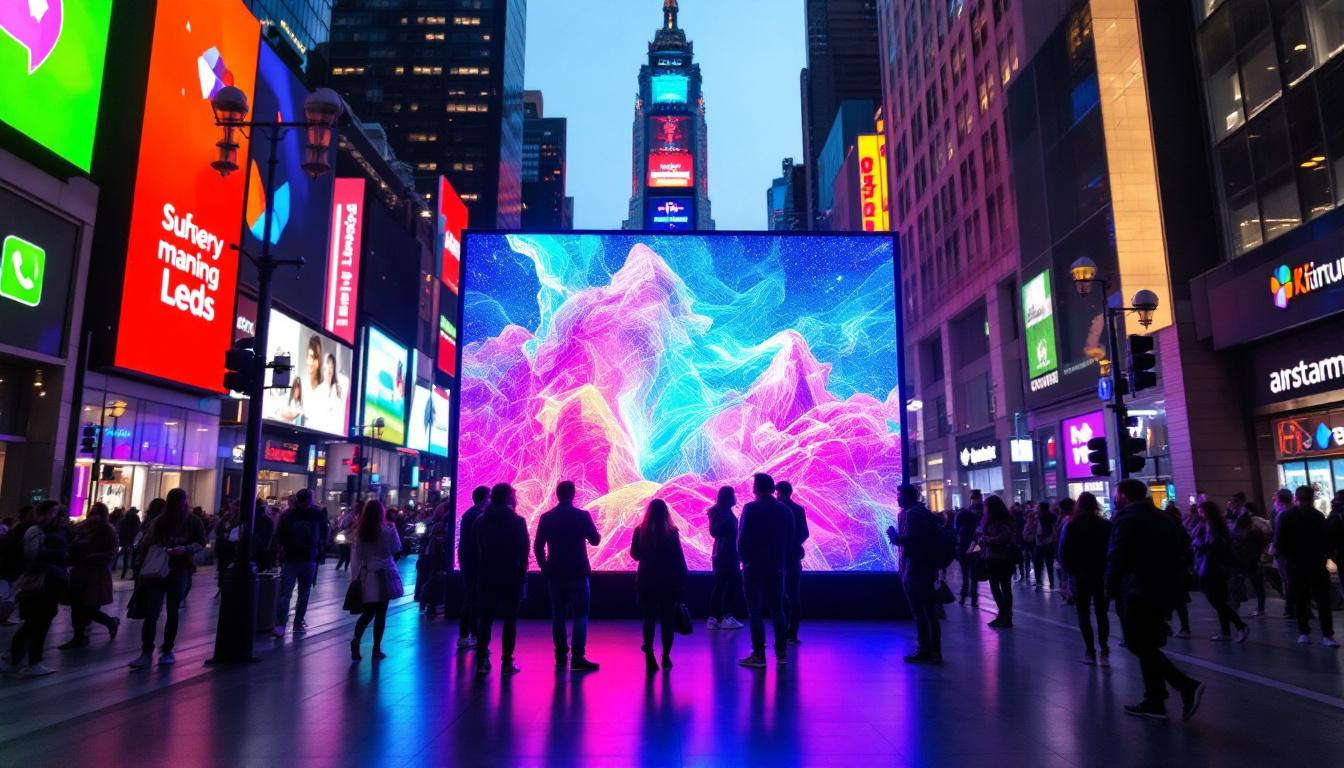
Beyond personal computing, LED screens are extensively used in public spaces for advertising, information dissemination, and entertainment. Airports, shopping malls, and sports arenas utilize large-format direct-view LED displays to engage audiences with dynamic content. These displays often interface with computer systems to manage content scheduling and real-time updates.
Choosing the Right LED Display for Your Computer
Consider Your Use Case
Selecting an LED display depends heavily on the intended application. For everyday office work and web browsing, a standard LED-backlit monitor with good color accuracy and ergonomic features will suffice. For gaming or media consumption, prioritize high refresh rates, low response times, and HDR support.
Creative professionals should look for displays with wide color gamut coverage (such as Adobe RGB or DCI-P3) and factory calibration to ensure color fidelity. For industrial or commercial applications, factors like screen size, brightness, and durability become more important.
Resolution and Screen Size
The resolution of an LED display affects the sharpness and clarity of images. Common resolutions include Full HD (1920×1080), Quad HD (2560×1440), and 4K UHD (3840×2160). Higher resolutions provide more screen real estate and finer detail but require more powerful graphics hardware.
Screen size should be balanced with resolution to avoid pixelation or excessive scaling. For example, a 27-inch monitor with 4K resolution offers a crisp image, while a smaller screen may not benefit as much from ultra-high resolutions.
Connectivity and Features
Modern LED monitors come equipped with various connectivity options such as HDMI, DisplayPort, USB-C, and Thunderbolt. These interfaces support high bandwidth for video and data transfer, enabling seamless integration with computers and peripherals.
Additional features like adjustable stands, blue light filters, flicker-free technology, and built-in speakers can enhance user comfort and productivity, especially during long hours of use.
Future Trends in LED Display Technology
MicroLED and MiniLED Innovations
MicroLED technology represents the next frontier in LED displays, offering self-emissive pixels that combine the brightness and longevity of LEDs with the color accuracy and contrast of OLEDs. MicroLED displays promise higher resolutions, lower power consumption, and improved durability without the burn-in issues associated with OLEDs.
MiniLED is another emerging technology that uses thousands of tiny LEDs for backlighting, enabling more precise local dimming and enhanced contrast ratios. This technology is already appearing in premium monitors and laptops, providing a noticeable upgrade over traditional LED-backlit LCDs.
Integration with AI and Smart Technologies
Future LED displays are expected to integrate more intelligent features powered by artificial intelligence (AI). These may include adaptive brightness and color adjustments based on ambient lighting, content-aware image enhancement, and predictive maintenance alerts to prolong display lifespan.
Smart displays with touch capabilities and voice control are also becoming more common, blurring the lines between traditional monitors and interactive devices.
Conclusion
LED screen technology has revolutionized computer displays by offering superior brightness, energy efficiency, and design flexibility. Whether through LED-backlit LCDs or emerging direct-view LED technologies, these displays continue to enhance user experiences across consumer, professional, and commercial applications.
Understanding the differences between LED display types, their advantages, and appropriate use cases empowers users to select the best screens for their needs. As innovations like microLED and AI integration advance, the future of LED displays promises even greater performance and versatility in computing environments.
Discover the Future of LED Displays with LumenMatrix
Ready to experience the pinnacle of LED display technology? LumenMatrix is at the forefront of innovation, offering a diverse range of LED display solutions tailored to your unique needs. From captivating Indoor LED Walls to dynamic Outdoor LED Displays, and from versatile Vehicle LED Displays to sleek LED Posters, our products are designed to elevate your brand and engage your audience. Embrace the future of visual communication with our cutting-edge LED Sports Displays, interactive Floor LED Displays, and the revolutionary All-in-One and Transparent LED Displays. Don’t just take our word for it; check out LumenMatrix LED Display Solutions today and transform your space into a mesmerizing visual experience.