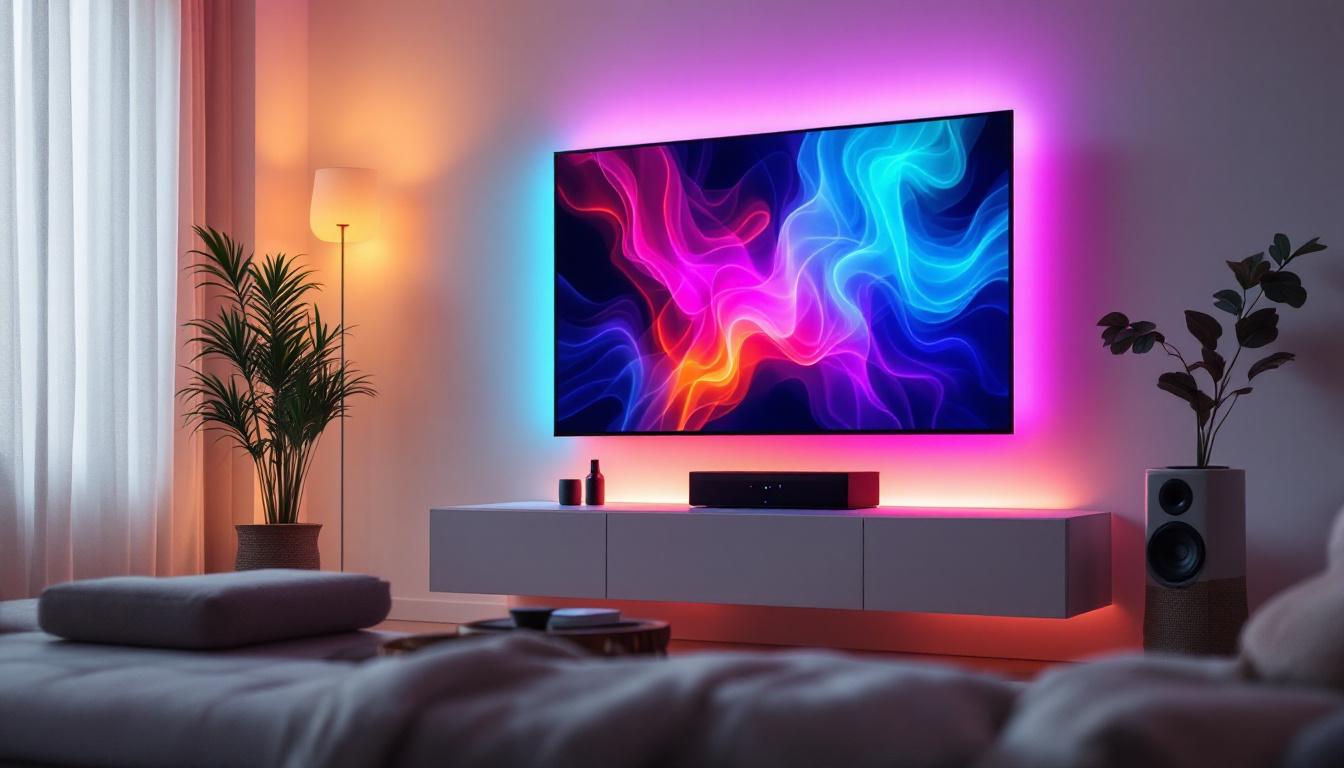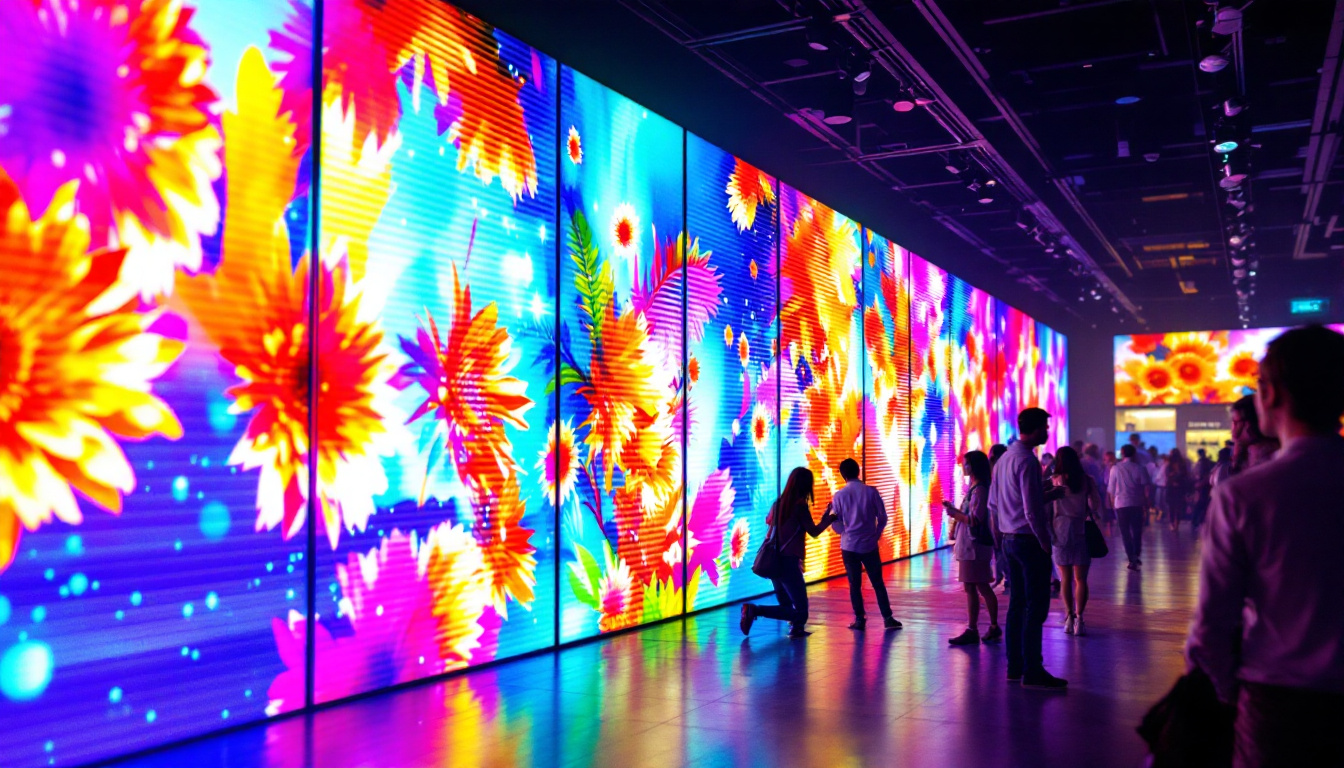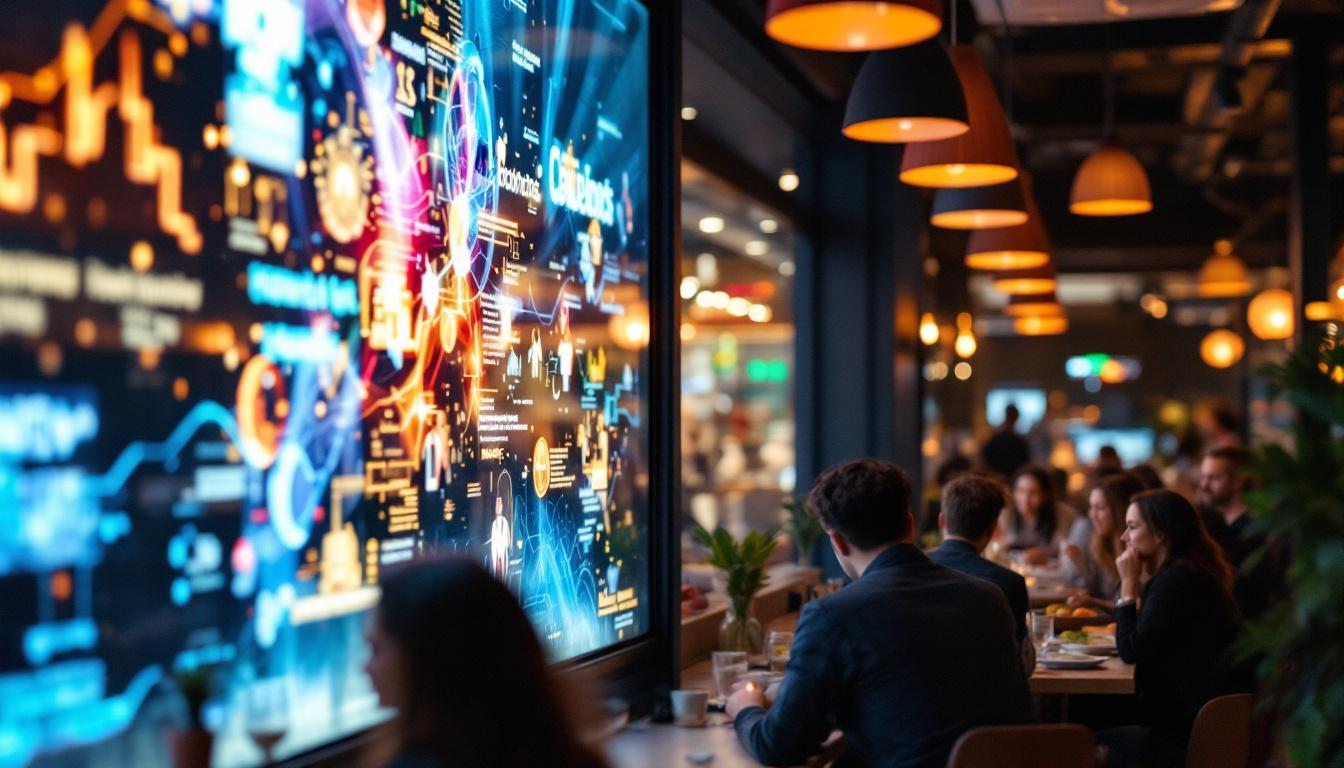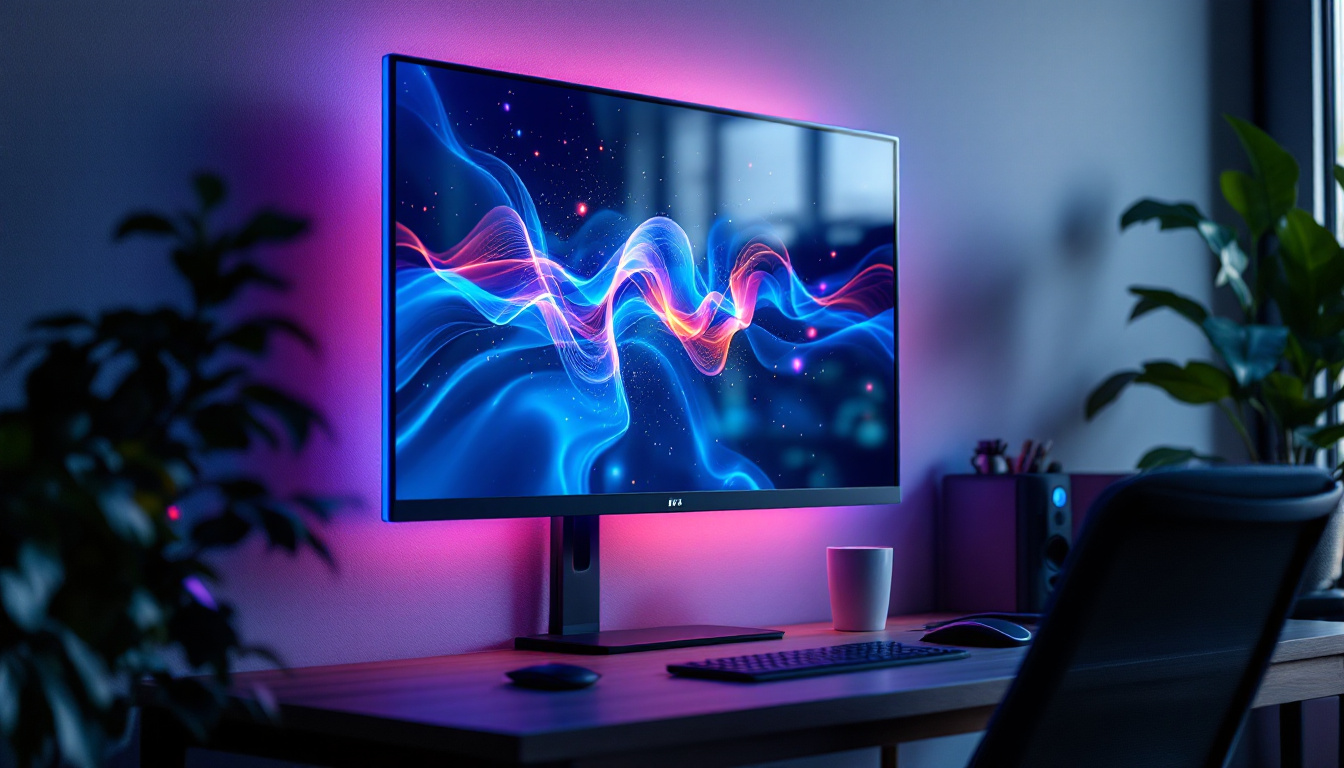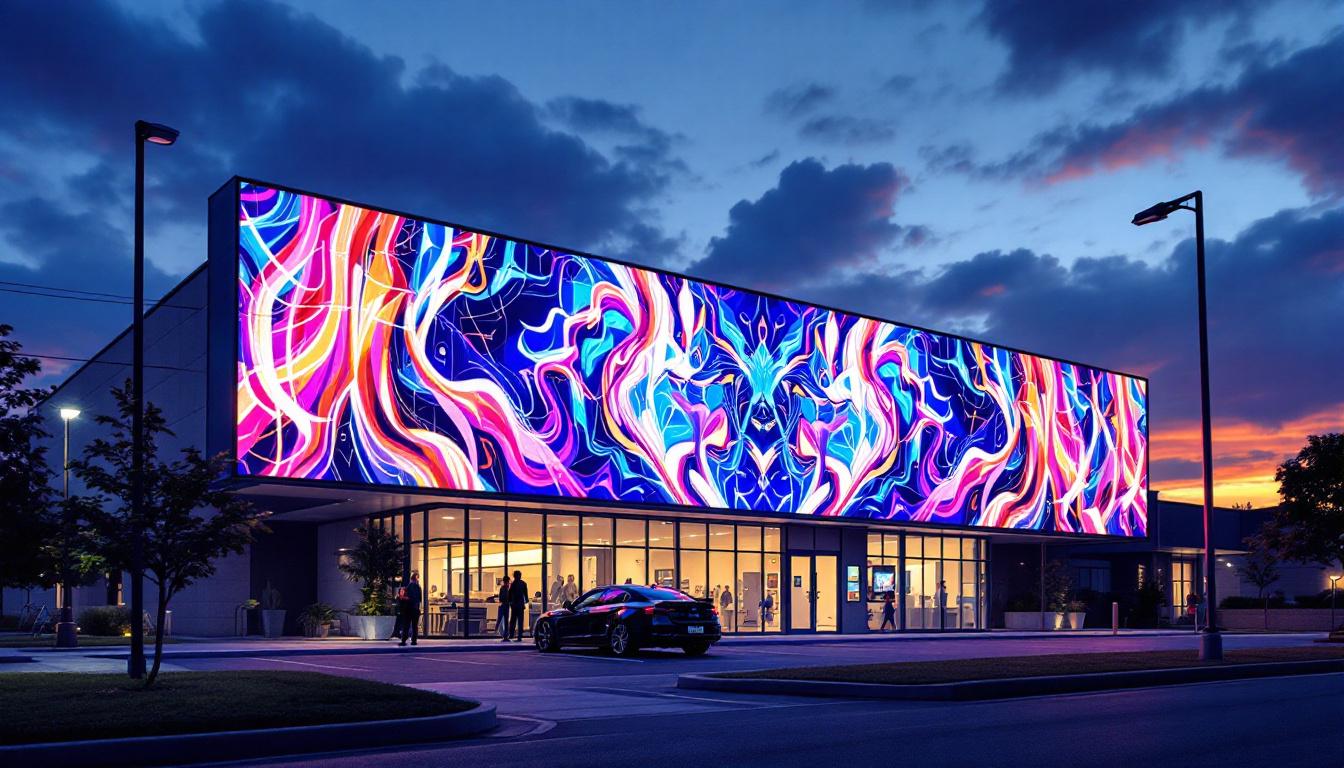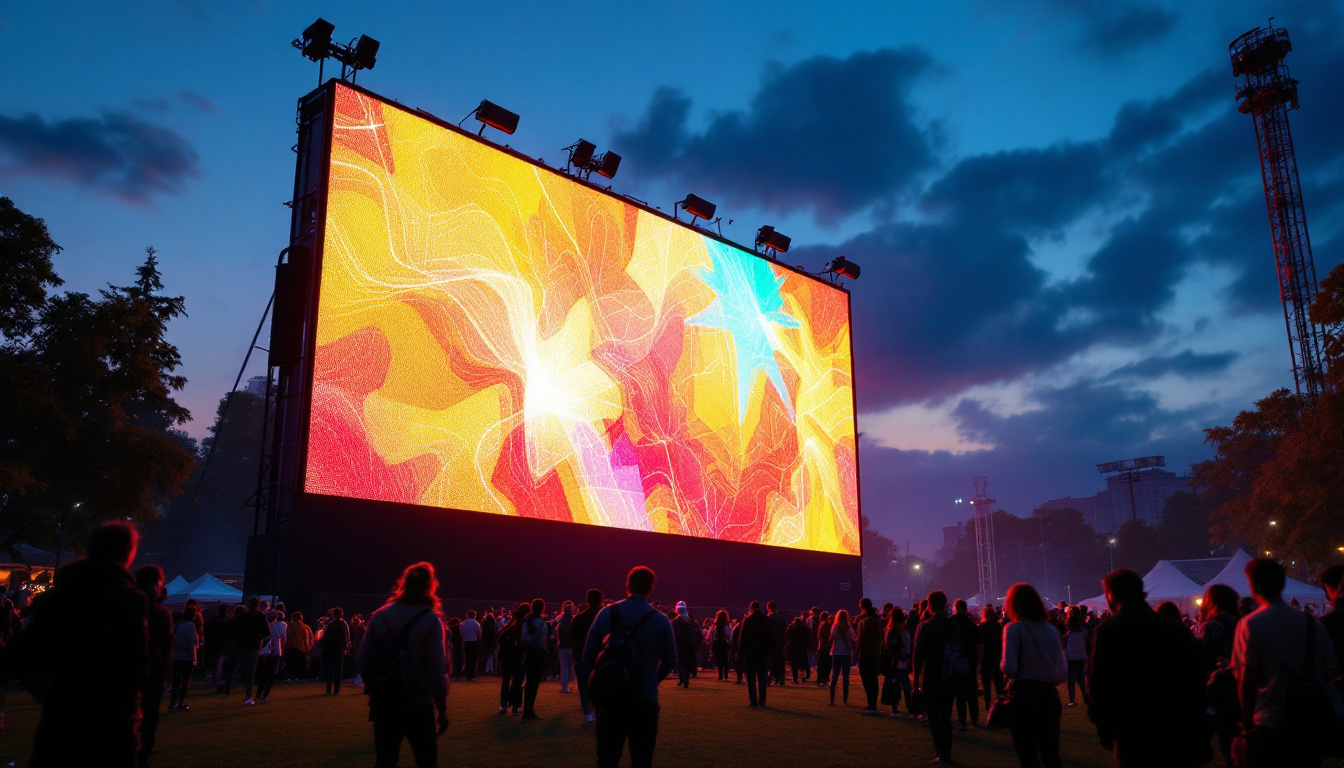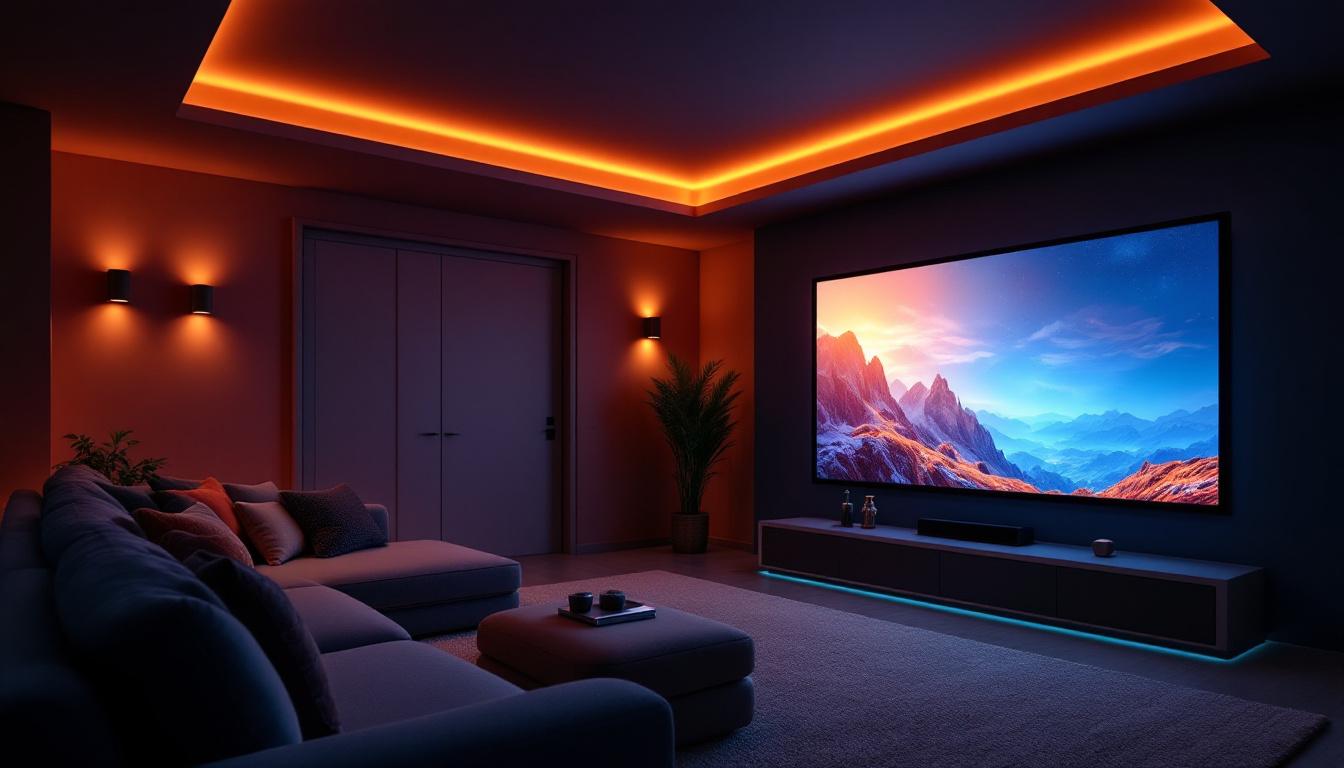
In today’s fast-evolving digital landscape, LED displays have become a cornerstone of modern visual communication. From vibrant outdoor billboards to immersive indoor video walls, LED technology is revolutionizing how brands, businesses, and venues engage their audiences. This article delves into the fundamentals of LED displays, exploring their technology, applications, benefits, and future trends, with a particular focus on the innovative Rock Display series that is setting new standards in the industry.
Understanding LED Display Technology
What is an LED Display?
LED stands for Light Emitting Diode, a semiconductor device that emits light when an electric current passes through it. An LED display is a flat panel display that uses an array of these tiny diodes to produce images, videos, and text. Unlike traditional LCD or plasma screens, LED displays are self-illuminating, meaning each diode emits its own light, which results in brighter, more vivid visuals with superior contrast.
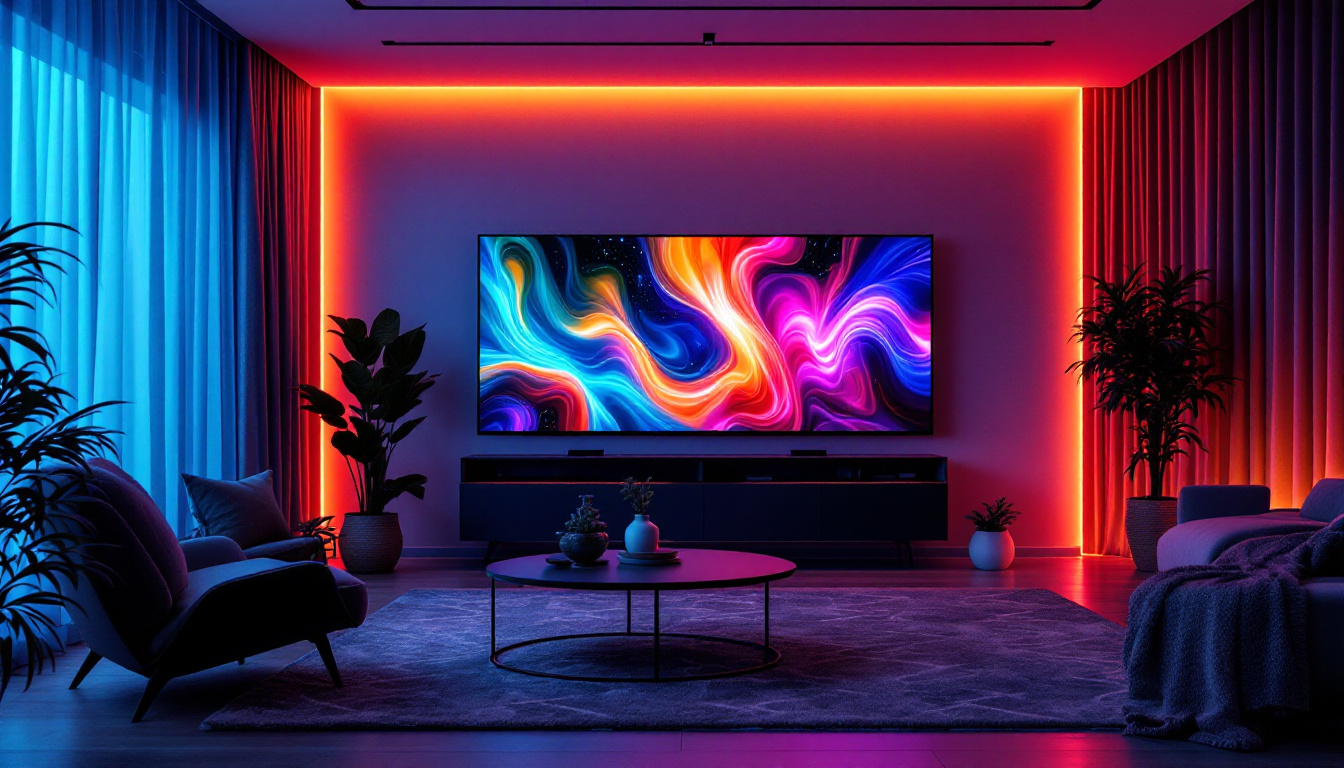
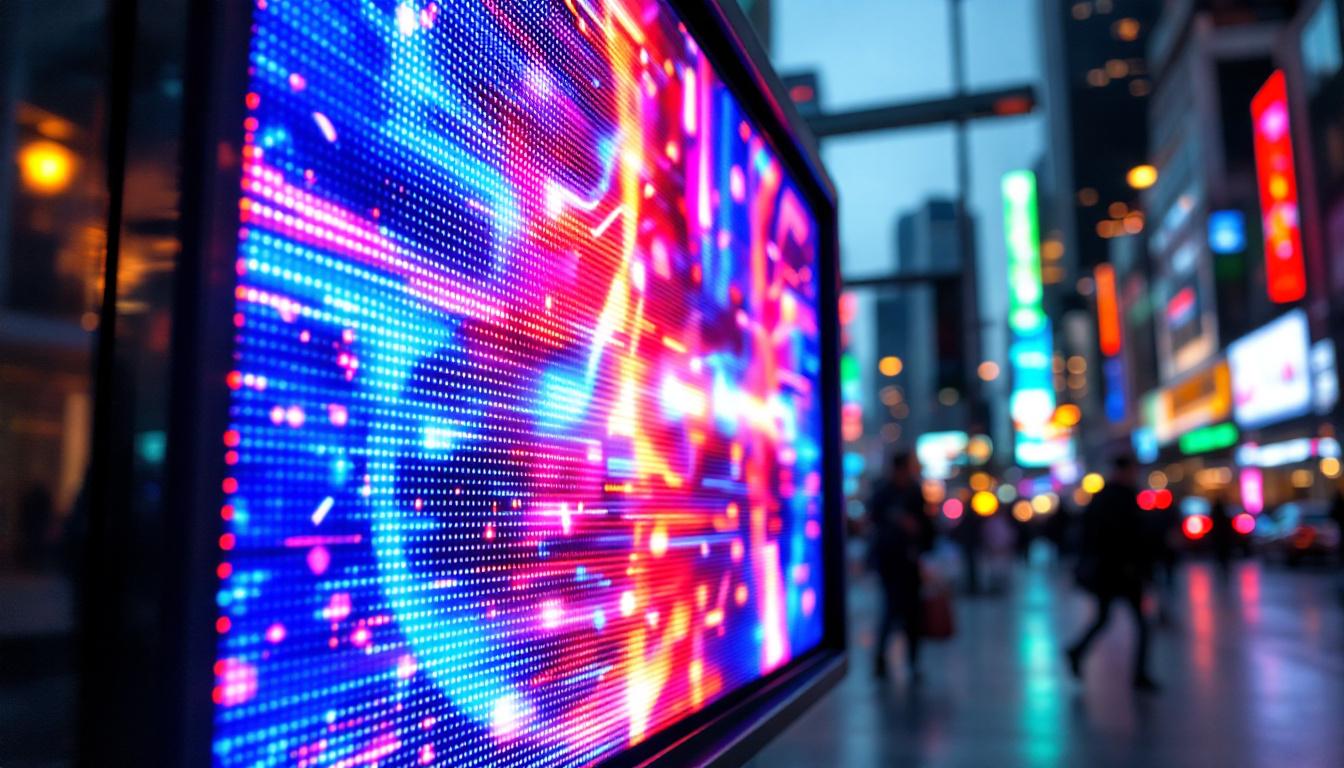
The core advantage of LED displays lies in their modular design. Each panel consists of numerous LED pixels arranged in a grid, which can be combined to form large-scale screens of virtually any size. This scalability makes LED displays incredibly versatile, suitable for everything from small retail signage to massive stadium screens. Furthermore, the energy efficiency of LED technology contributes to lower operational costs, making them an appealing choice for businesses looking to reduce their carbon footprint while still delivering high-quality visual content.
Types of LED Displays
LED displays primarily fall into two categories: indoor and outdoor. Indoor LED displays are designed for controlled lighting environments, offering high resolution with a smaller pixel pitch—meaning the LEDs are packed closely together for sharper images. Outdoor LED displays, on the other hand, feature larger pixel pitches to ensure visibility from greater distances and are built to withstand harsh weather conditions. These outdoor displays often come equipped with protective coatings and robust casings to shield them from rain, wind, and UV radiation, ensuring longevity and reliability in various climates.
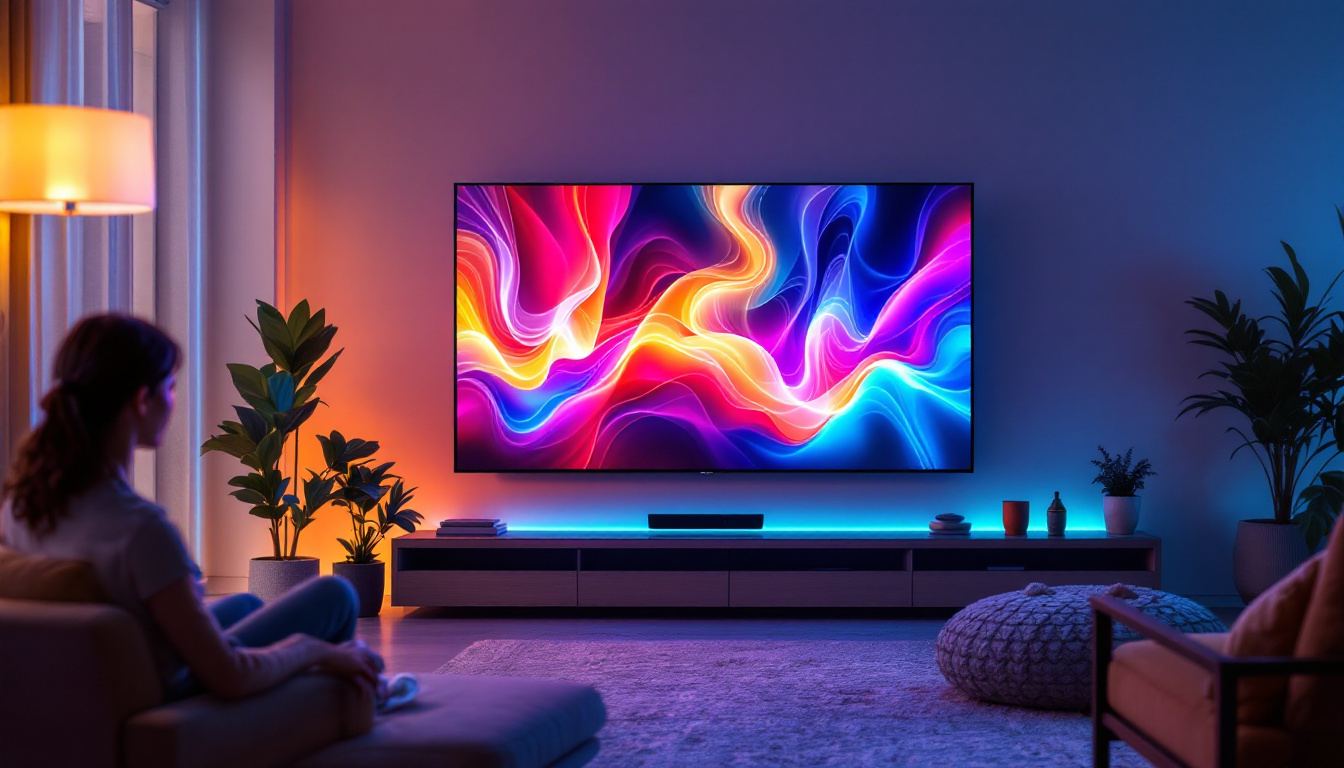
Another important distinction is between direct view LED and LED-backlit LCD. Direct view LED displays use LEDs as the actual pixels and are known for their brightness and color accuracy. LED-backlit LCDs use LEDs to illuminate an LCD panel and are common in consumer electronics but do not offer the same level of brightness or viewing angles as direct view LED displays. Additionally, direct view LED technology allows for more innovative applications, such as curved displays and creative installations, which can transform spaces in ways that traditional displays cannot. As a result, the demand for direct view LED technology continues to grow in sectors like advertising, entertainment, and even art installations, pushing the boundaries of visual communication and engagement.
Rock Display Series: Innovation in LED Technology
Overview of Rock Display
The Rock Display series represents a leap forward in LED display technology, combining cutting-edge hardware with intelligent software to deliver exceptional performance. Designed for both indoor and outdoor applications, Rock Display panels are renowned for their durability, brightness, and energy efficiency.
One of the standout features of Rock Display is its ultra-fine pixel pitch options, which allow for crystal-clear images even at close viewing distances. This makes it an ideal choice for environments such as corporate lobbies, retail stores, and control rooms where detail and clarity are paramount.
Durability and Weather Resistance
Outdoor LED displays must endure a range of environmental challenges, including rain, dust, extreme temperatures, and UV exposure. Rock Display panels are engineered with robust materials and IP65-rated protection, ensuring they remain fully operational in adverse weather conditions. This resilience reduces maintenance costs and downtime, making them a reliable investment for outdoor advertising and public information systems.
Moreover, Rock Display incorporates advanced heat dissipation technology to prevent overheating, which can degrade LED lifespan and performance. This feature is especially critical for installations in hot climates or areas with intense sunlight.
Energy Efficiency and Sustainability
As energy consumption becomes a growing concern, the Rock Display series emphasizes sustainability. Utilizing low-power LEDs and intelligent brightness control, these displays minimize electricity usage without compromising visual quality. This not only reduces operational costs but also aligns with corporate social responsibility goals.
Additionally, Rock Display’s modular design facilitates easy upgrades and repairs, extending the overall lifecycle of the product and reducing electronic waste.
Applications of LED Displays in Various Industries
Advertising and Marketing
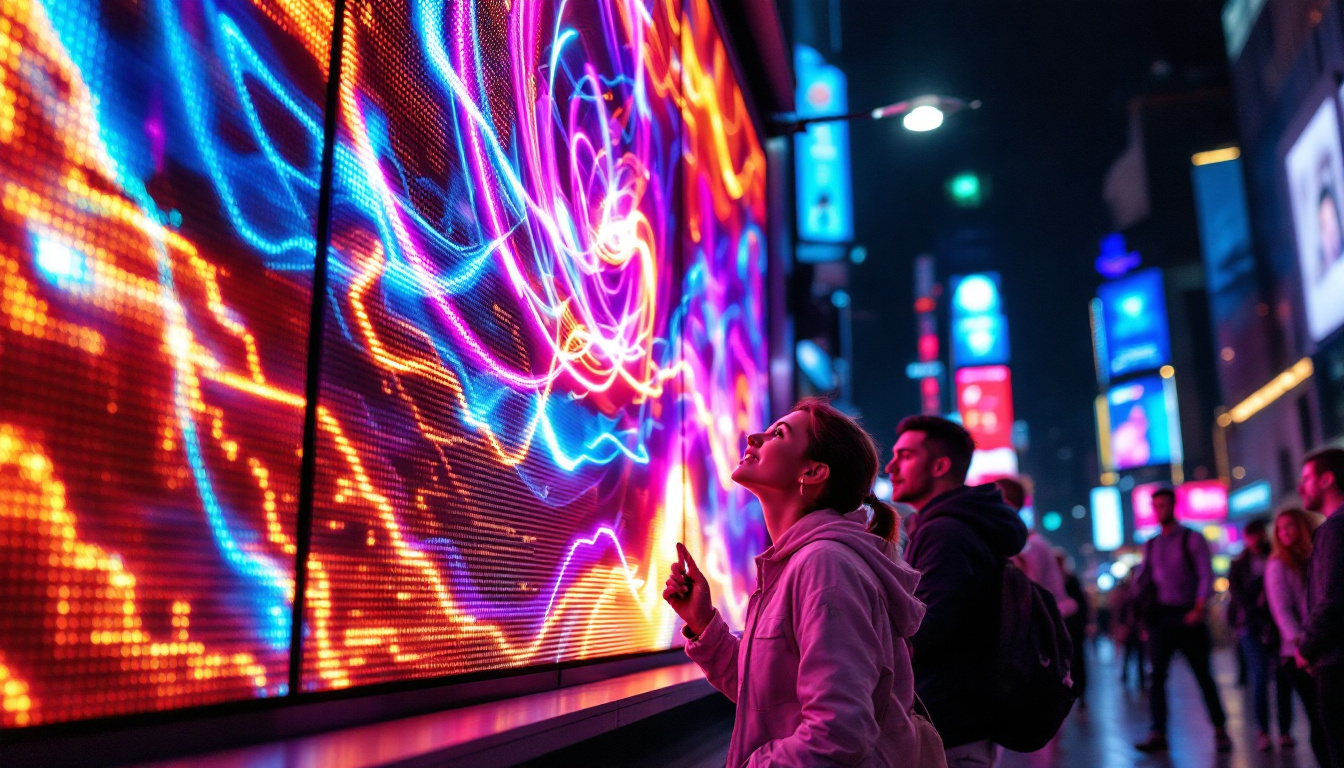
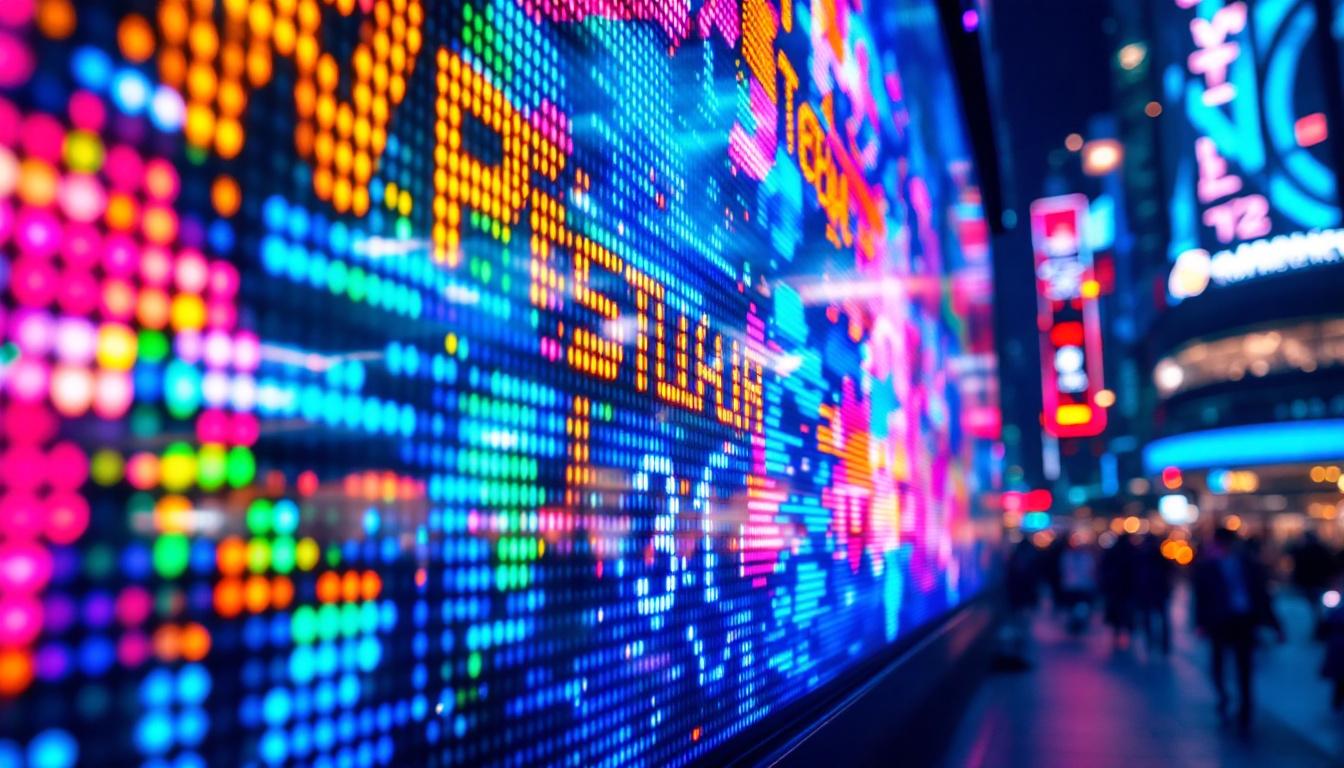
LED displays have transformed outdoor advertising, offering dynamic, eye-catching content that can be updated instantly. Brands leverage LED billboards and digital signage to capture attention in high-traffic areas, increasing engagement and conversion rates. According to a 2023 report by the Digital Signage Federation, digital signage including LED displays can boost sales by up to 30% in retail environments.
Rock Display’s high brightness and vivid color reproduction make it particularly effective for advertising campaigns that demand visual impact. The ability to schedule and remotely manage content ensures campaigns remain fresh and relevant.
Entertainment and Events
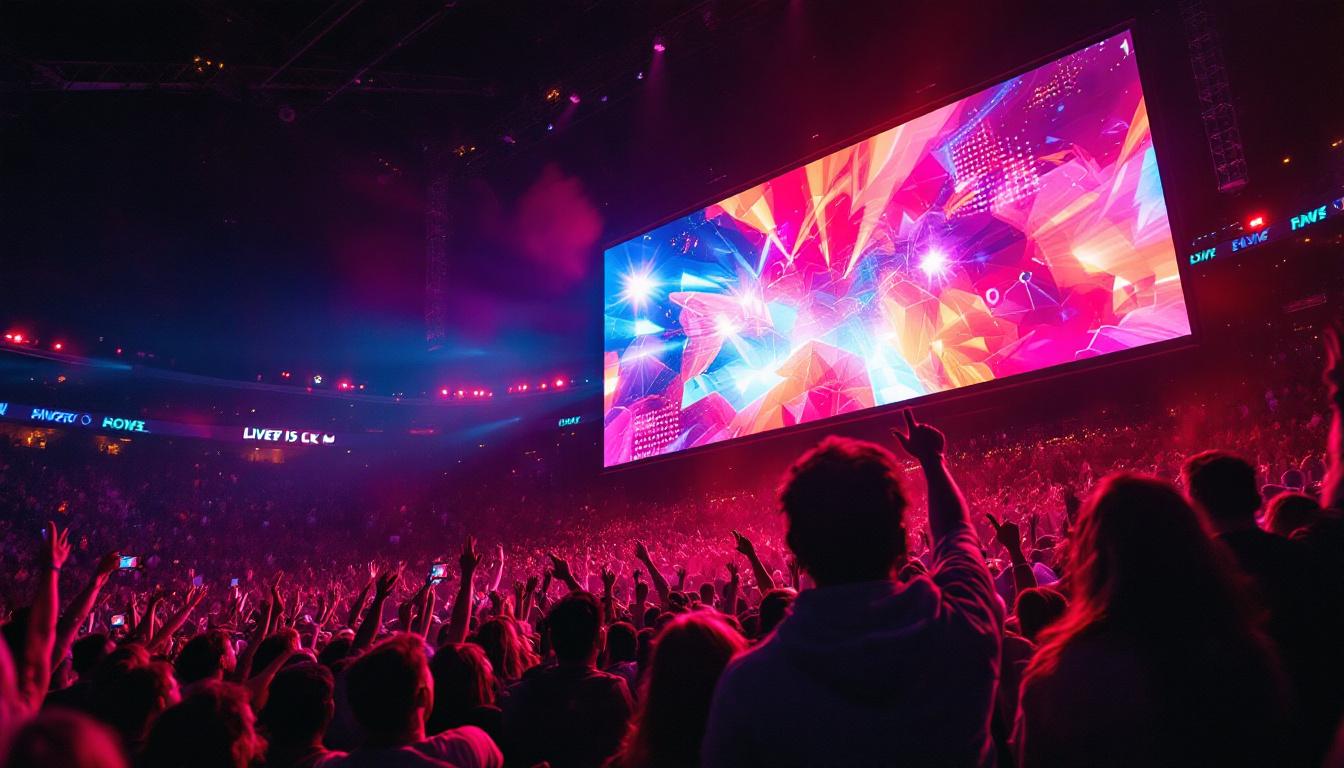
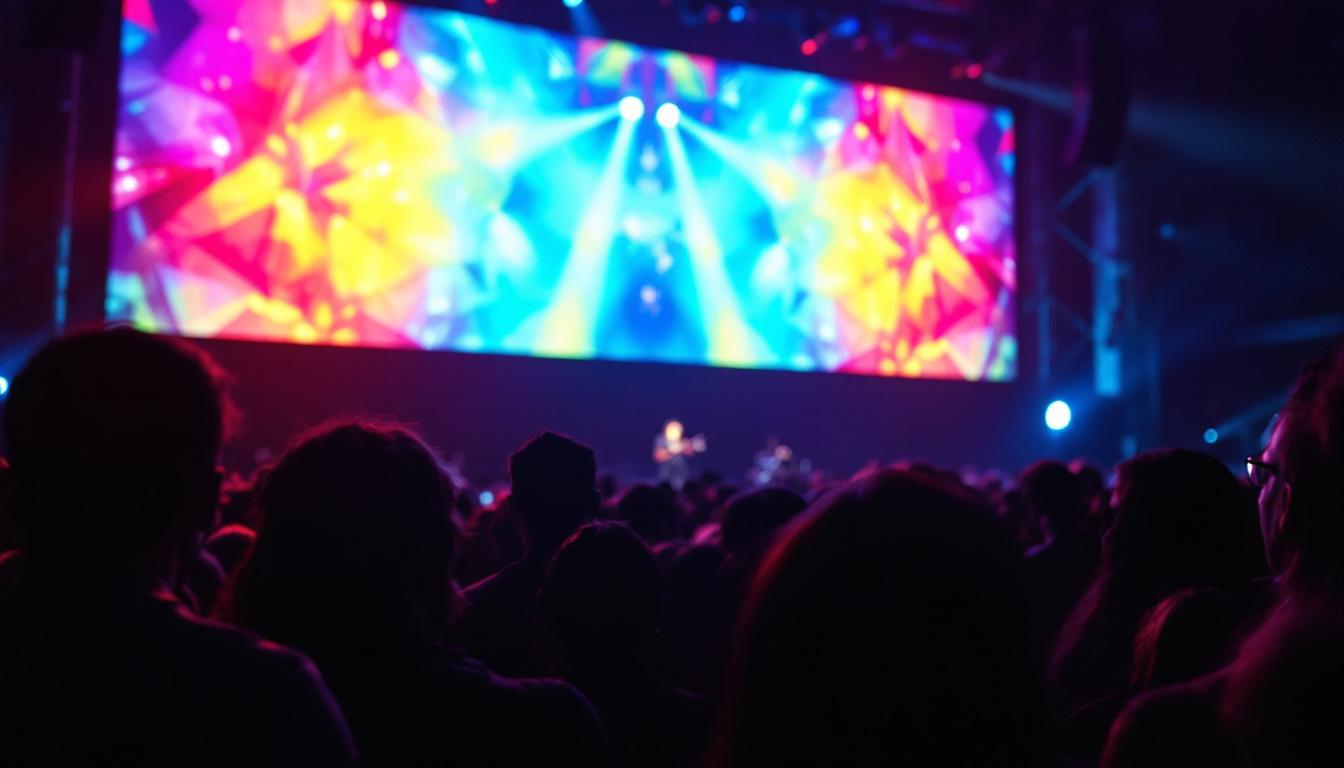
Concerts, sports arenas, and festivals rely heavily on LED displays to enhance the audience experience. Large-scale video walls provide live feeds, replays, and immersive visuals that keep attendees engaged. The Rock Display series supports seamless video playback with low latency, critical for live event synchronization.
In addition, the lightweight and modular nature of Rock Display panels simplifies setup and teardown, reducing event logistics complexity and costs.
Corporate and Control Rooms
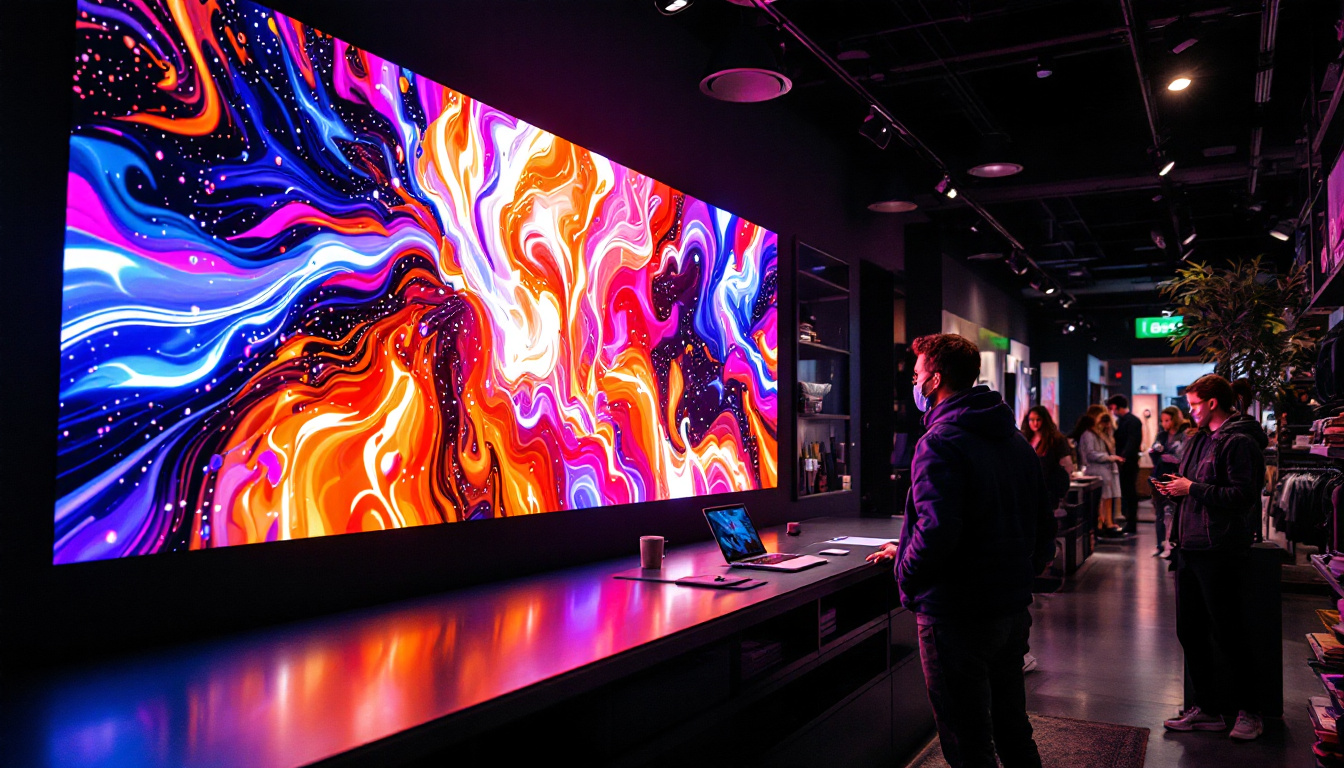
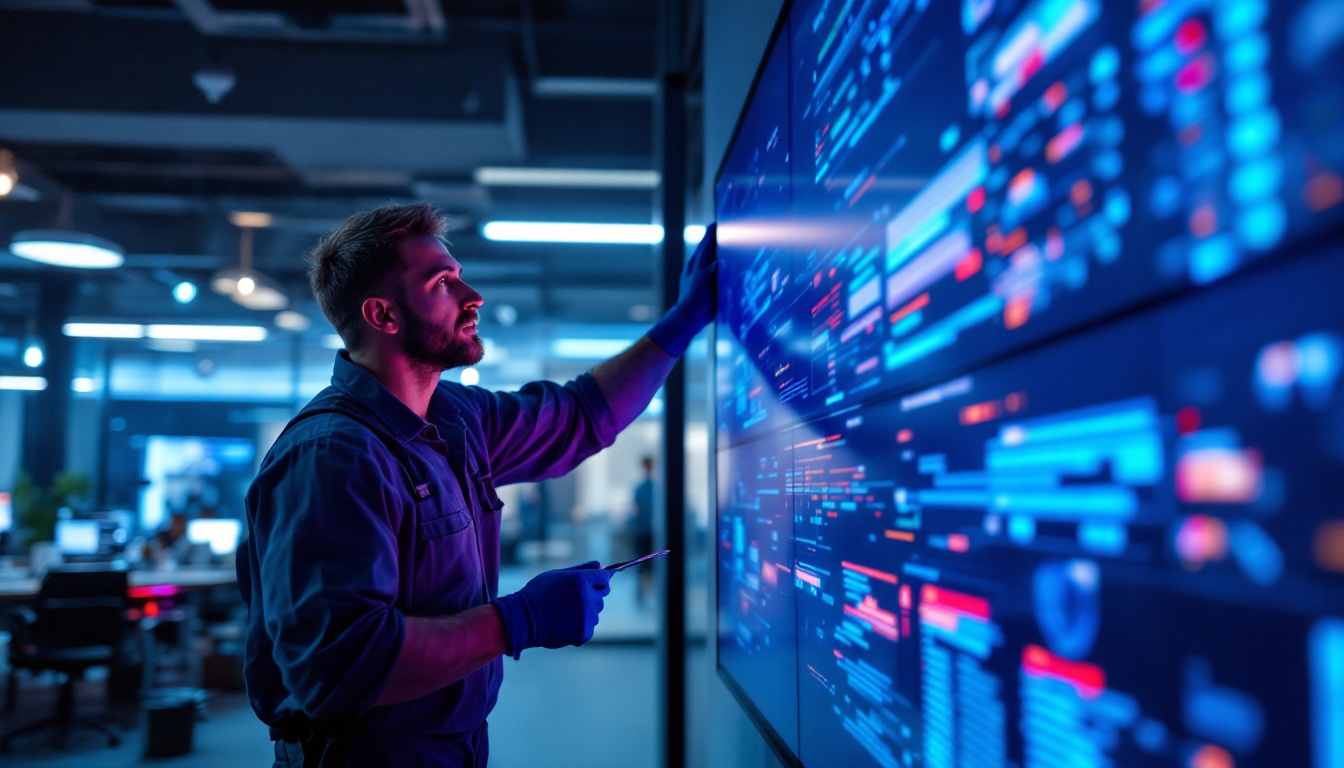
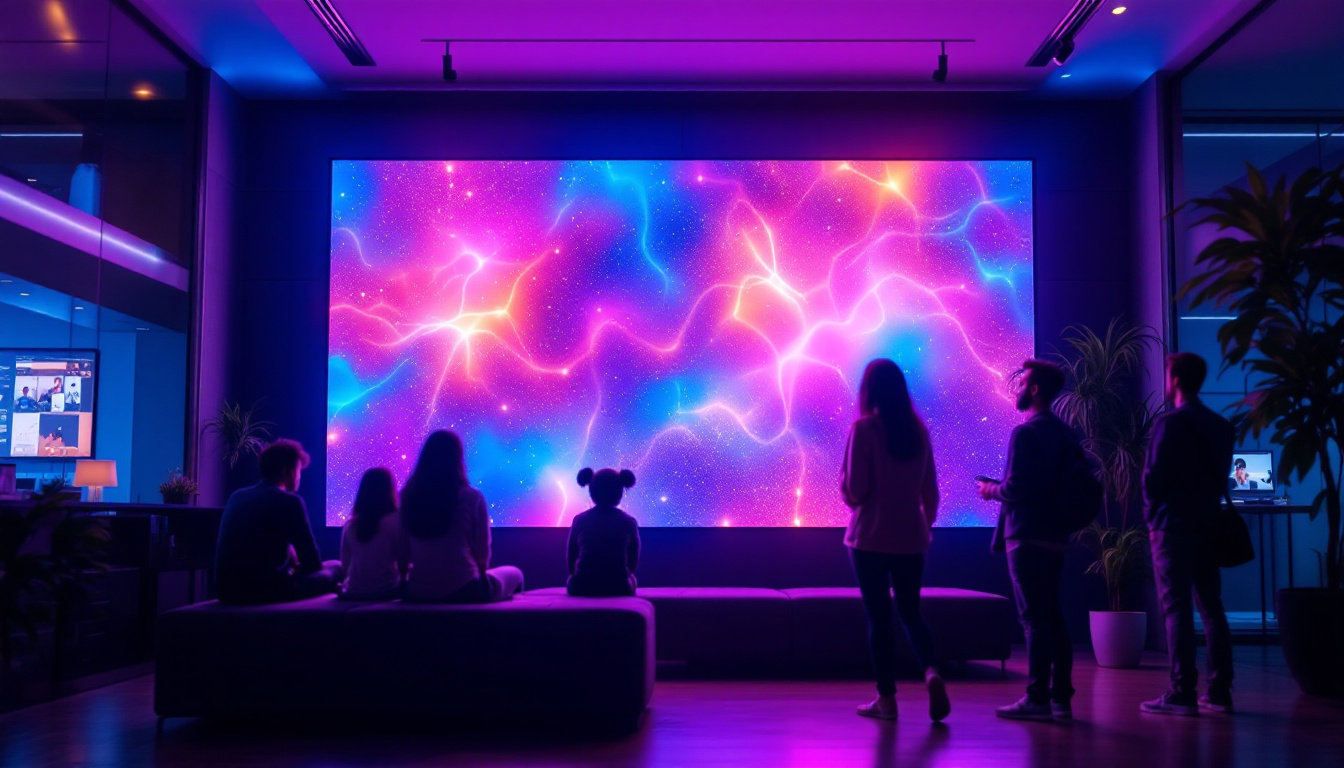
In corporate environments, LED displays are used for presentations, video conferencing, and digital dashboards. Control rooms in sectors like transportation, utilities, and security utilize LED video walls to monitor real-time data and coordinate operations efficiently.
Rock Display’s ultra-fine pixel pitch and uniform brightness ensure that detailed information is clearly visible, reducing eye strain and improving decision-making accuracy.
Education and Healthcare
Educational institutions use LED displays to create interactive learning environments and digital noticeboards. In healthcare, LED screens facilitate patient communication, wayfinding, and telemedicine consultations.
The versatility and reliability of Rock Display panels make them well-suited for these sensitive environments where clarity and uptime are essential.
Key Benefits of LED Displays Over Traditional Screens
Superior Brightness and Visibility
One of the most significant advantages of LED displays is their exceptional brightness, often exceeding 5,000 nits for outdoor models. This level of luminance ensures content remains visible even in direct sunlight, a challenge for LCD and projection systems.
Rock Display panels maintain consistent brightness across the entire screen, eliminating hotspots or dim areas and enhancing overall viewing quality.
Wide Viewing Angles and Color Accuracy
LED displays offer wide viewing angles, typically up to 160 degrees horizontally and vertically, meaning content looks vibrant and clear from almost any position. This is crucial in public spaces where viewers may be spread out over large areas.
Advanced color calibration in Rock Display ensures accurate color reproduction, which is vital for brand consistency and realistic imagery.
Longevity and Low Maintenance
LED technology boasts a long operational lifespan, often rated between 50,000 to 100,000 hours. This durability reduces the frequency of replacements and repairs. Rock Display’s modular design allows for quick swapping of individual panels or components, minimizing downtime and maintenance costs.
Flexibility and Customization
LED displays can be customized in size, shape, and resolution to fit specific needs. Curved and flexible LED panels are increasingly popular for unique architectural installations. Rock Display offers a range of configurations and pixel pitches, enabling tailored solutions for diverse applications.
Future Trends in LED Display Technology
MicroLED and MiniLED Innovations
The next frontier in LED display technology includes MicroLED and MiniLED, which feature even smaller diodes for higher resolution and improved energy efficiency. These advancements promise displays with better contrast ratios, deeper blacks, and enhanced durability.
Rock Display is actively integrating these emerging technologies into its product roadmap, ensuring customers benefit from the latest innovations.
AI and Smart Display Integration
Artificial intelligence is transforming how LED displays operate. Smart displays can adjust brightness based on ambient light, optimize content delivery based on viewer demographics, and provide interactive experiences through gesture recognition.
Rock Display’s software ecosystem supports AI-driven content management, enabling more personalized and impactful communication strategies.
Sustainability and Eco-Friendly Materials
Environmental considerations are driving the development of more sustainable LED displays. This includes the use of recyclable materials, reduced hazardous substances, and energy-saving components. Manufacturers like Rock Display are committed to minimizing environmental impact while maintaining high performance.
Choosing the Right LED Display: Factors to Consider
Pixel Pitch and Resolution
The pixel pitch, measured in millimeters, indicates the distance between individual LEDs. Smaller pixel pitches yield higher resolution and are suitable for close viewing distances, while larger pitches are better for distant viewing. Understanding the intended viewing environment is critical for selecting the appropriate pixel pitch.
Brightness and Contrast Requirements
Assess the ambient lighting conditions where the display will be installed. Outdoor environments require higher brightness levels, whereas indoor settings may prioritize contrast and color accuracy.
Durability and Environmental Resistance
For outdoor installations, ensure the display has adequate weatherproofing and heat management. Indoor displays should focus on aesthetic integration and ease of maintenance.
Content Management and Connectivity
Modern LED displays require robust content management systems (CMS) for scheduling, updating, and monitoring content. Verify compatibility with existing infrastructure and consider remote management capabilities.
Budget and Total Cost of Ownership
Beyond initial purchase price, factor in installation, maintenance, energy consumption, and potential upgrades. Investing in high-quality displays like Rock Display can yield long-term savings and superior ROI.
Conclusion
LED displays have fundamentally transformed visual communication across industries, offering unparalleled brightness, flexibility, and durability. The Rock Display series exemplifies the cutting edge of this technology, delivering high-performance solutions tailored to diverse applications from advertising to corporate environments.
As LED technology continues to evolve with innovations like MicroLED and AI integration, businesses and organizations have unprecedented opportunities to engage audiences with dynamic, impactful content. Understanding the technical aspects and practical considerations of LED displays is essential for making informed decisions that maximize effectiveness and value.
Whether upgrading existing signage or embarking on a new digital display project, Rock Display offers a compelling combination of quality, innovation, and sustainability that positions it as a leader in the LED display market.
Discover LumenMatrix’s Advanced LED Solutions
Ready to elevate your visual communication strategy with the latest in LED display technology? Explore LumenMatrix’s comprehensive range of LED display solutions, designed to captivate your audience and amplify your message. From Indoor and Outdoor LED Walls to innovative Transparent Displays, our products are crafted to transform any space into a dynamic visual experience. Check out LumenMatrix LED Display Solutions today and join the revolution in digital signage excellence.