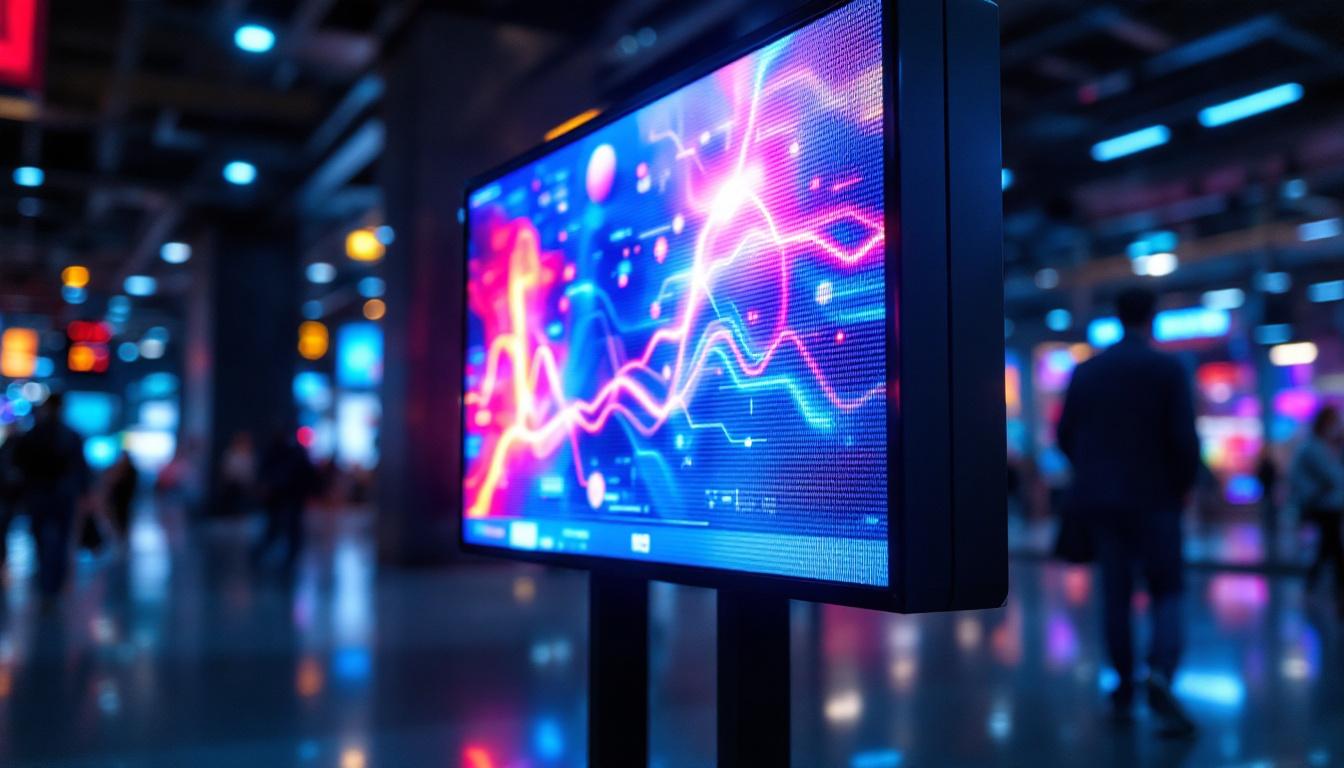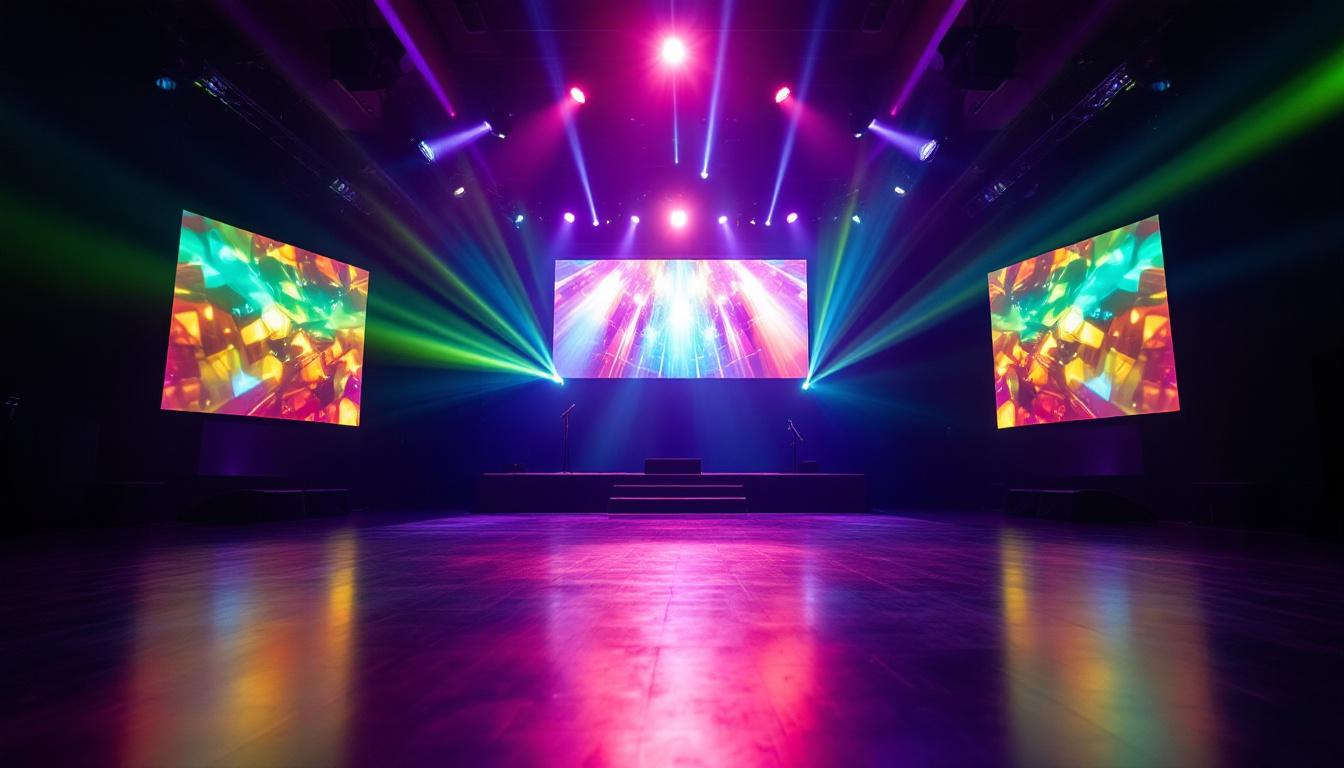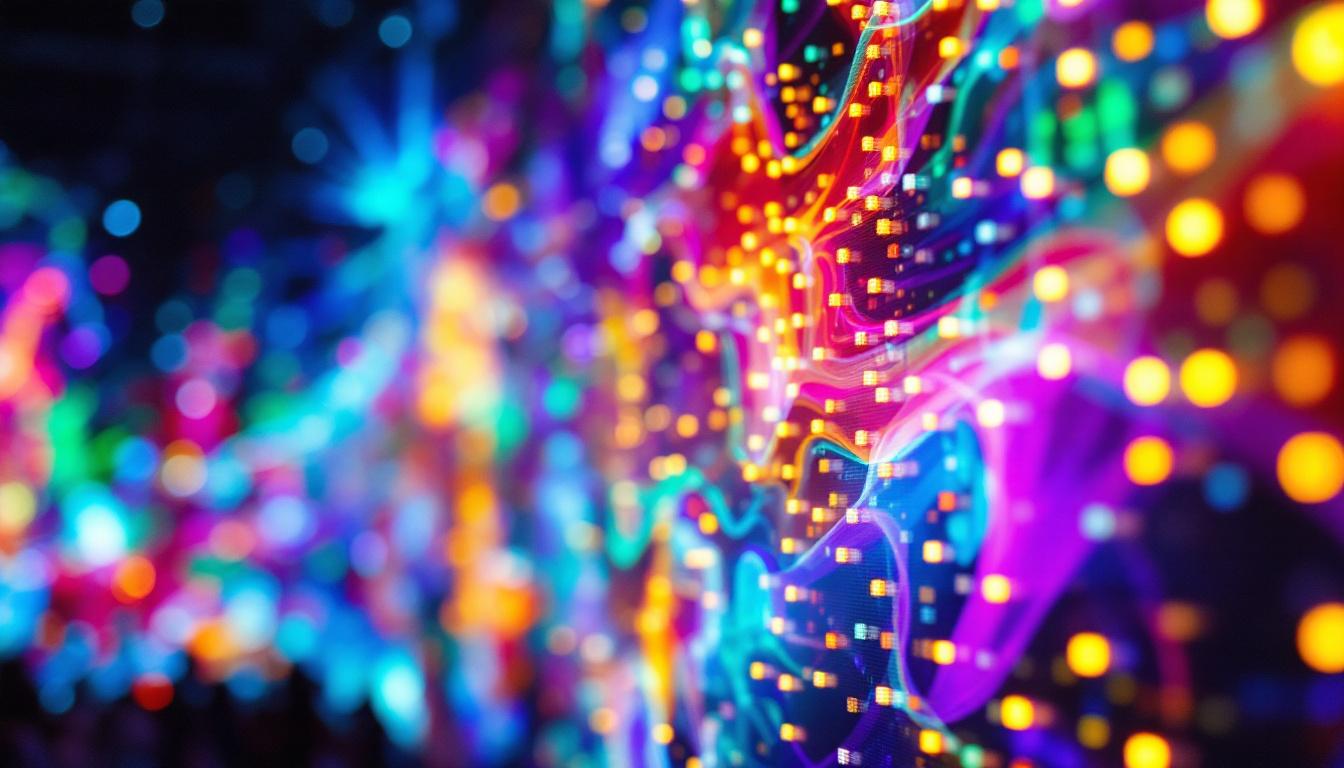
In the fast-evolving world of digital signage and advertising, LED displays have become a cornerstone technology. From vibrant billboards to interactive retail displays, LED screens offer unparalleled brightness, flexibility, and durability. But what exactly makes LED displays so effective, and why are they increasingly favored over other display technologies? This article delves into the fundamentals of LED displays, exploring their components, advantages, and applications, with a special focus on their role in the “cookies display” concept, a rising trend in retail and marketing.
Understanding LED Display Technology
What is an LED Display?
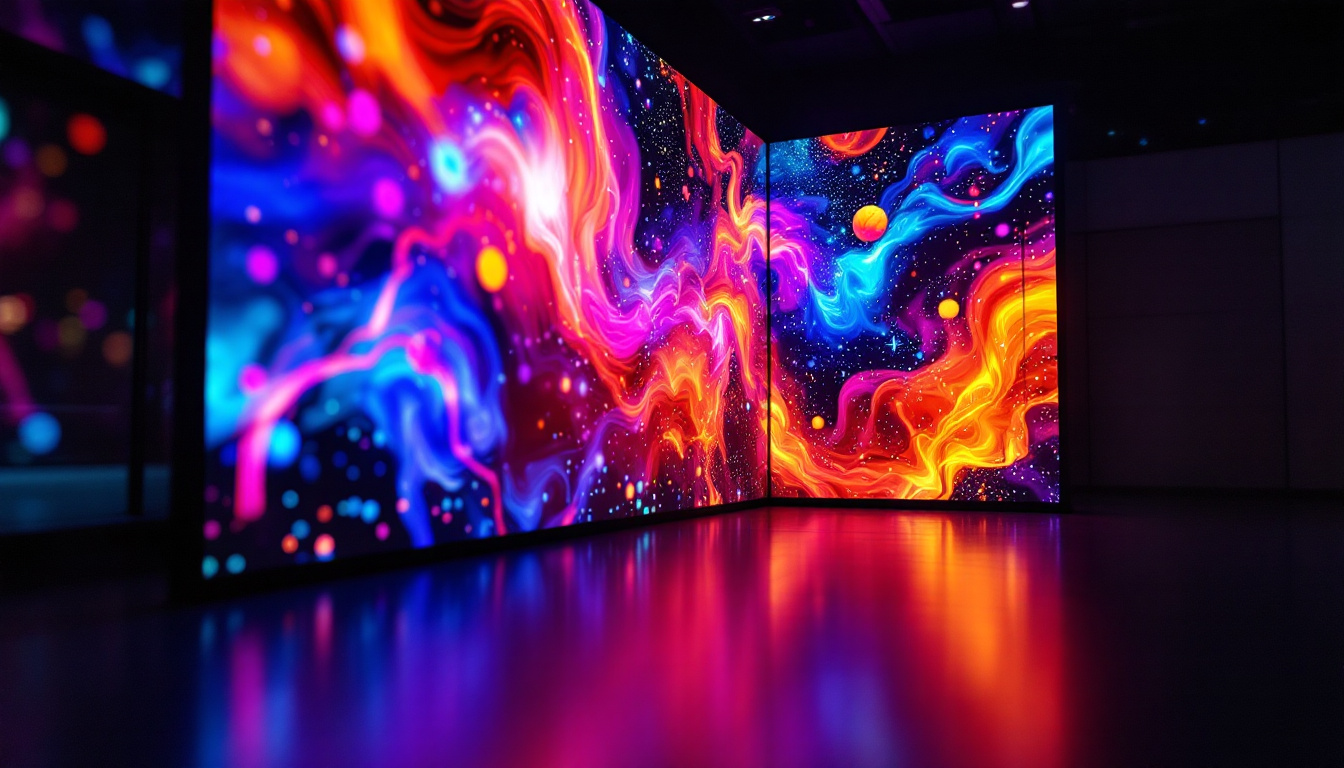
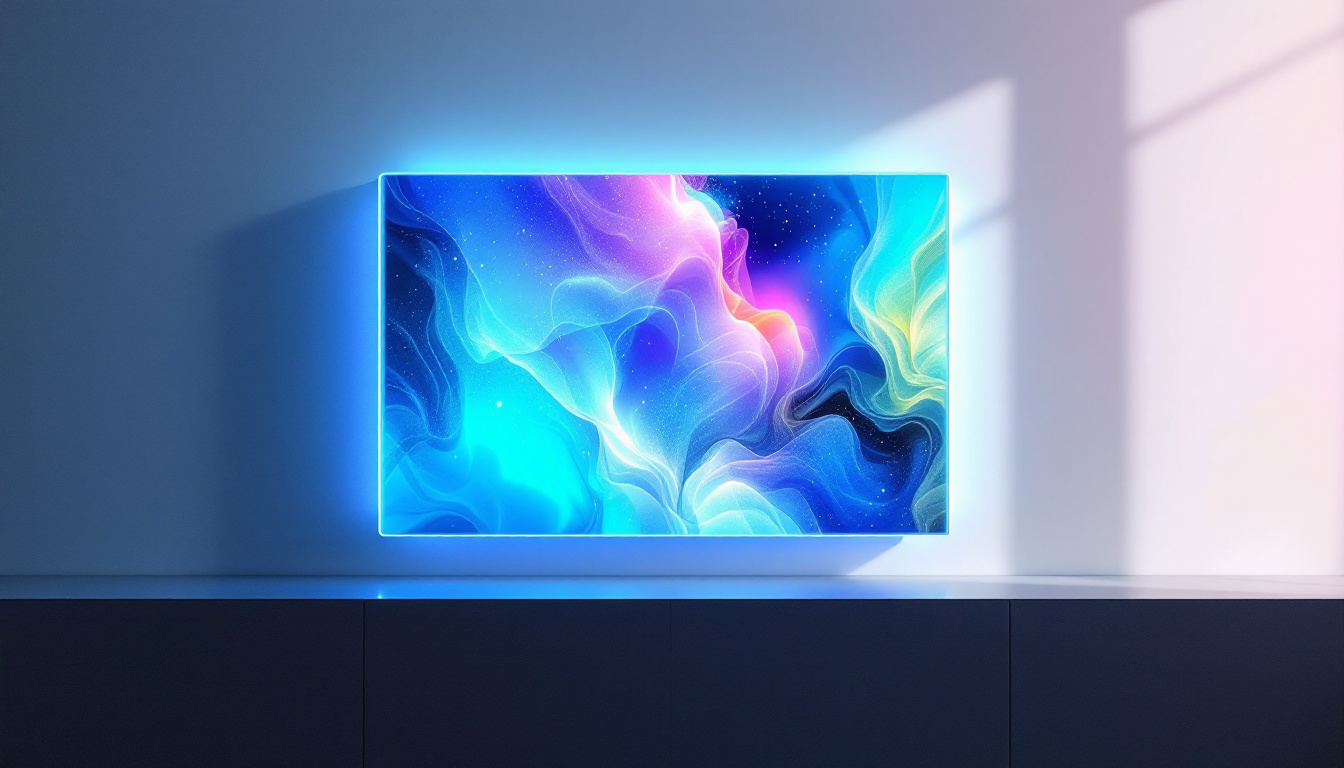
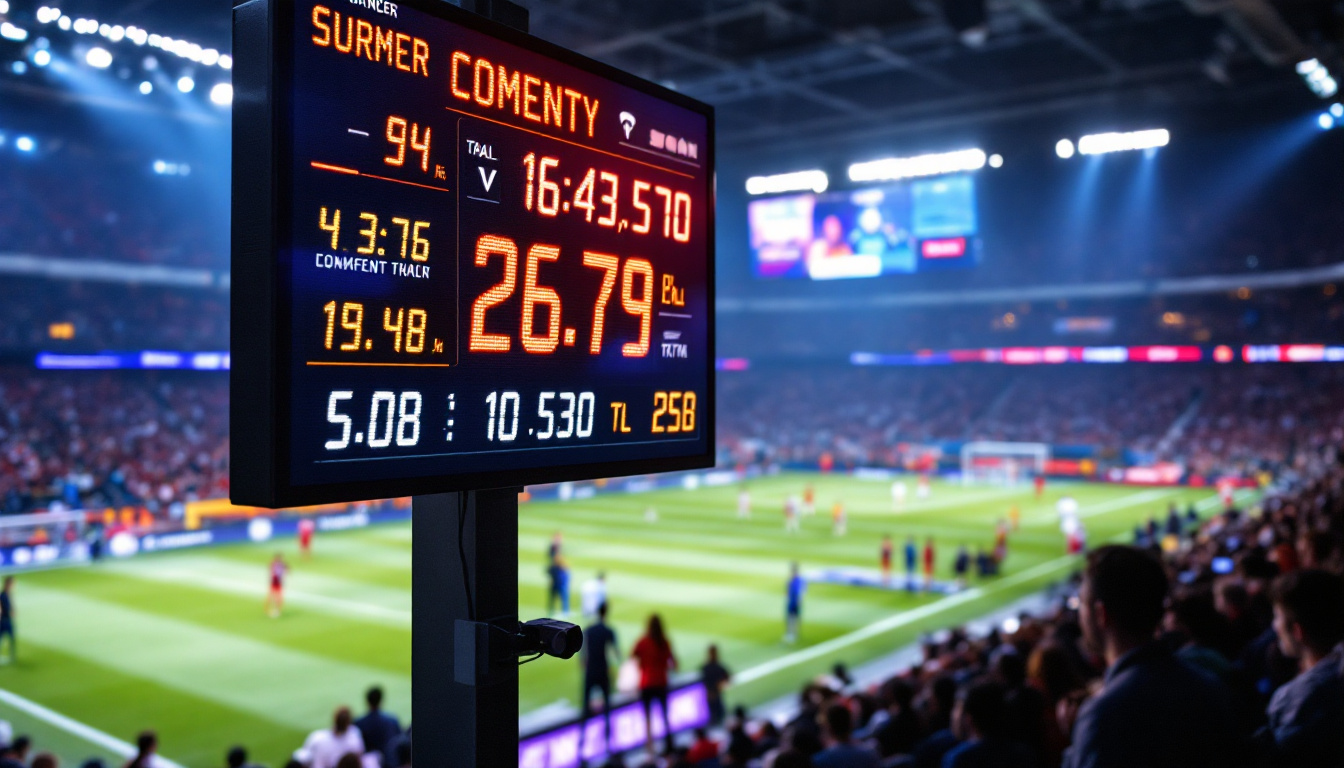
LED stands for Light Emitting Diode, a semiconductor device that emits light when an electric current passes through it. An LED display is essentially a matrix of these tiny diodes arranged to form images, videos, or text. Unlike traditional LCD or plasma screens, LED displays generate their own light, allowing for higher brightness levels and better contrast ratios. This capability makes them particularly effective in environments with high ambient light, such as outdoor advertising or sports arenas, where visibility is crucial.
Modern LED displays come in various forms, including indoor and outdoor panels, flexible screens, and even transparent displays. Their modular nature means they can be customized to virtually any size or shape, making them ideal for large-scale advertising, stage backdrops, or informational kiosks. Additionally, advancements in technology have led to the development of energy-efficient LED displays, which consume less power while delivering stunning visuals. This not only reduces operational costs but also aligns with the growing demand for sustainable practices in digital signage.
How Do LED Displays Work?
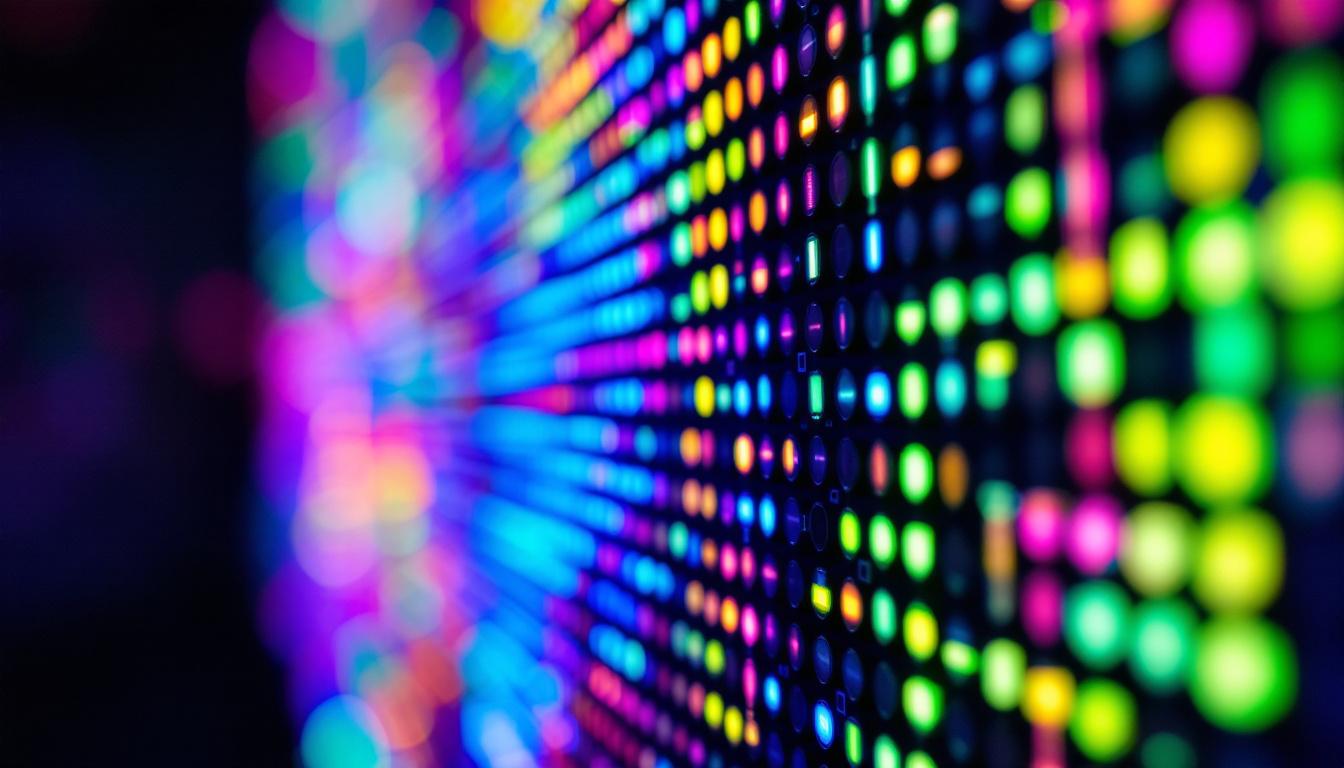
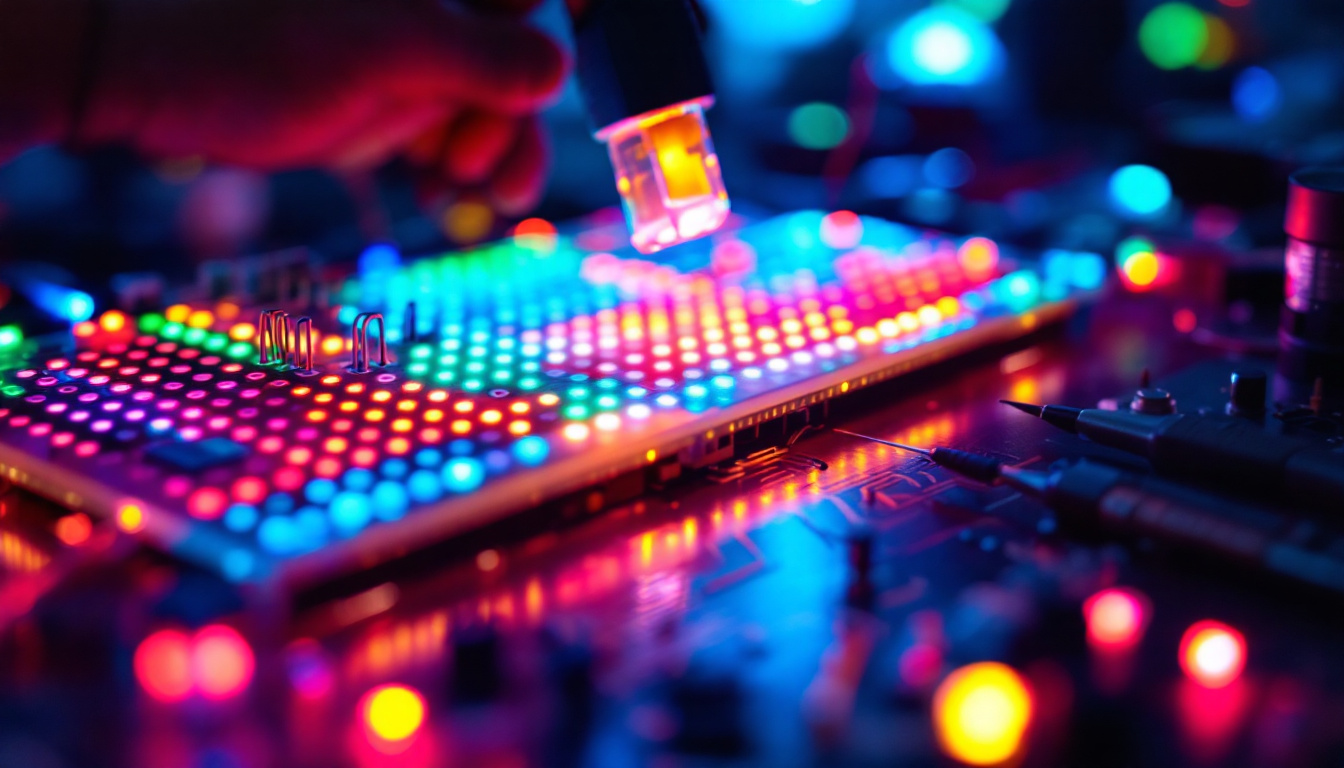
At the core of an LED display are individual pixels composed of red, green, and blue diodes. By adjusting the intensity of these diodes, the display can produce a wide color gamut and vivid images. The pixels are controlled by a driver circuit and a control system that processes input signals from media players or computers. This intricate system allows for real-time updates and dynamic content, making LED displays a popular choice for live events and advertising campaigns that require immediate changes to the displayed information.
One critical factor in LED displays is pixel pitch — the distance between the centers of two adjacent pixels. Smaller pixel pitch means higher resolution and sharper images, which is particularly important for close-viewing environments like retail stores or event booths. Moreover, the technology continues to evolve, with innovations such as microLED and miniLED displays offering even finer pixel pitches and improved performance. These advancements enable displays to achieve greater brightness, better energy efficiency, and enhanced color accuracy, further pushing the boundaries of what is possible in visual presentation.
Cookies Display: What Does It Mean?
The Concept Behind Cookies Display
The term “cookies display” in the context of LED technology refers to a specialized application of LED screens designed to showcase products, promotions, or information in a highly engaging and interactive manner. While the phrase might evoke images of baked goods, it actually symbolizes a “bite-sized,” visually appealing display format that captures attention quickly and effectively.
Cookies displays are often used in retail environments to highlight featured products, limited-time offers, or brand storytelling. They combine the dynamic capabilities of LED technology with strategic content placement, creating a seamless blend of digital engagement and physical merchandising. These displays can also be programmed to change content based on time of day, customer traffic patterns, or even seasonal promotions, making them an incredibly versatile tool for marketers looking to optimize their outreach.
Furthermore, the interactive nature of cookies displays allows for customer engagement through touch or motion sensors, inviting shoppers to explore products in a way that static displays simply cannot. This interactivity not only enhances the shopping experience but also encourages dwell time, increasing the likelihood of conversion as customers become more immersed in the brand narrative being presented.
Why LED Displays are Perfect for Cookies Displays
LED displays bring several advantages that make them ideal for cookies display applications:
- High Brightness: LED screens can achieve brightness levels up to 5,000 nits or more, ensuring visibility even in brightly lit retail spaces or outdoor environments.
- Vivid Colors and Contrast: The self-illuminating nature of LEDs produces deep blacks and vibrant colors, enhancing product appeal and grabbing customer attention.
- Flexibility and Customization: Modular LED panels can be shaped into various forms, from simple rectangular screens to curved or irregular shapes that fit unique display cases or shelves.
- Durability and Longevity: LEDs have a long lifespan—often exceeding 100,000 hours—and are resistant to shock and vibration, making them reliable for continuous use.
- Energy Efficiency: Compared to traditional lighting and display technologies, LEDs consume less power, reducing operational costs for retailers.
In addition to these benefits, LED technology allows for real-time updates, enabling retailers to respond swiftly to inventory changes or promotional strategies. This capability is particularly advantageous during peak shopping seasons or events, where timely information can significantly influence purchasing decisions. Retailers can also integrate social media feeds or customer reviews into their cookies displays, creating a dynamic environment that fosters community engagement and builds brand loyalty.
Moreover, the integration of advanced analytics can provide insights into customer behavior and preferences, allowing businesses to tailor their displays for maximum impact. By analyzing which products draw the most attention or which promotions lead to higher sales, retailers can refine their marketing strategies and enhance the overall effectiveness of their cookies displays. This data-driven approach not only optimizes the customer experience but also ensures that businesses remain competitive in an increasingly digital marketplace.
Applications of LED Displays in Retail and Marketing
Enhancing In-Store Experiences
Retailers are increasingly leveraging LED displays to create immersive shopping environments. By integrating cookies displays within store shelves or window displays, brands can communicate promotions, product benefits, or brand stories in real time.
For example, a cosmetics store might use a small LED screen embedded within a product shelf to demonstrate makeup tutorials or show before-and-after images. This dynamic content can influence purchasing decisions by providing customers with engaging, relevant information exactly when and where they need it.
Outdoor Advertising and Digital Billboards
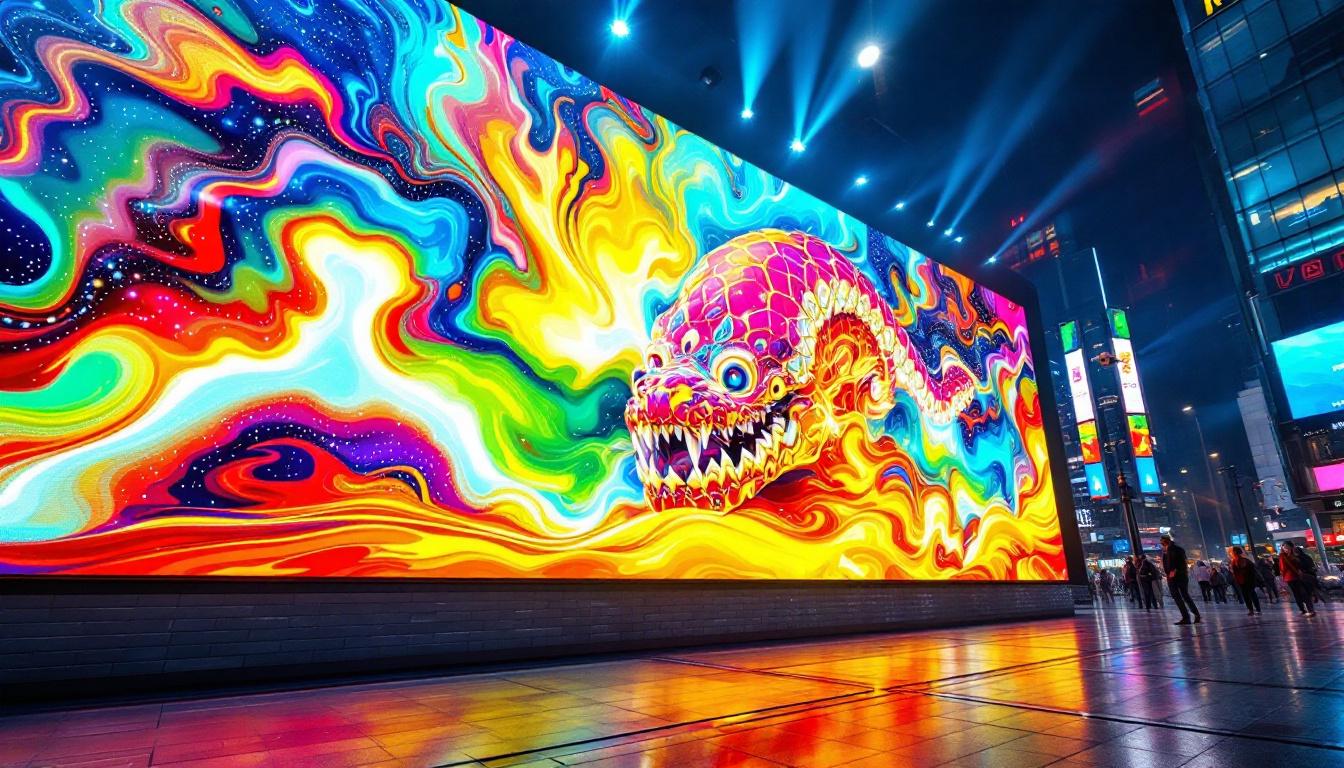
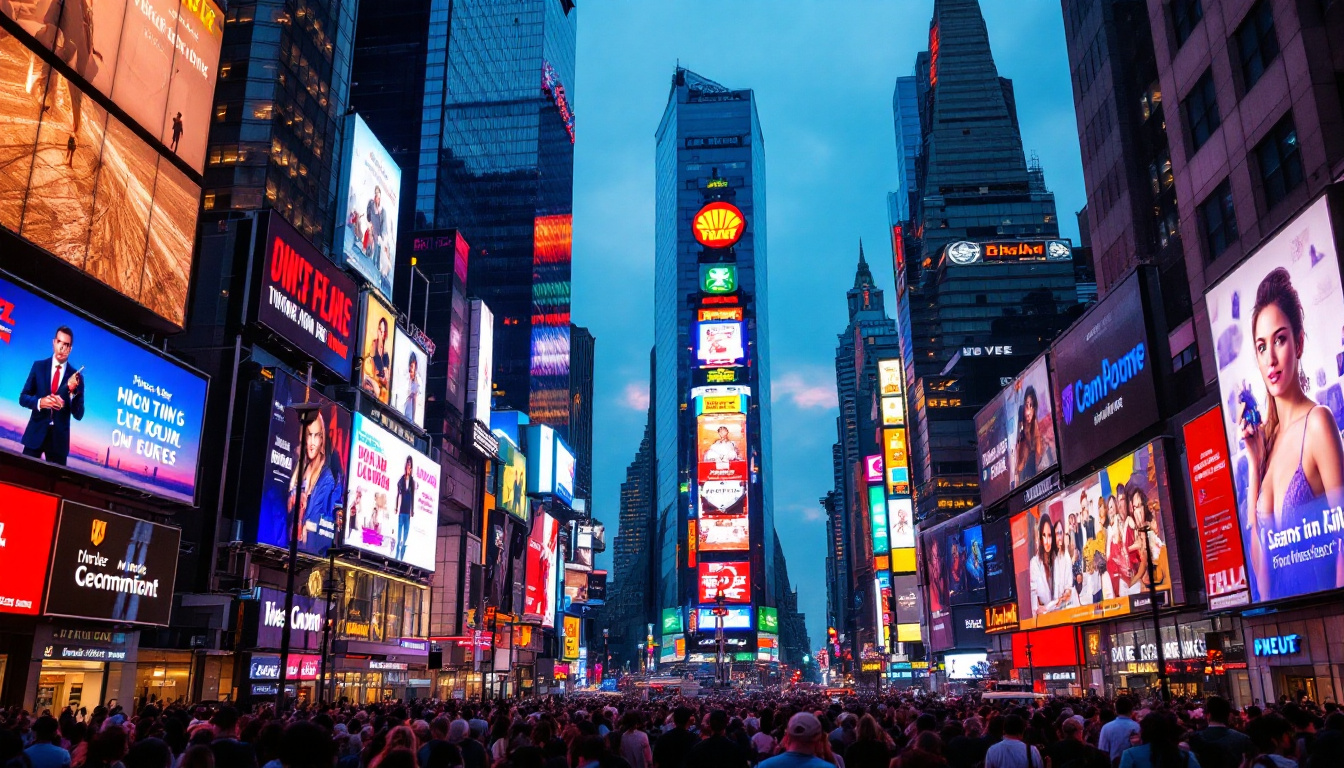
LED displays have revolutionized outdoor advertising. Digital billboards equipped with high-resolution LED panels can display multiple ads in rotation, update content remotely, and adapt messaging based on time of day or weather conditions.
According to a 2023 report by the Digital Signage Federation, LED digital billboards have increased consumer recall by up to 47% compared to static billboards. This significant uplift highlights the power of LED technology in capturing audience attention and improving advertising effectiveness.
Event and Exhibition Displays
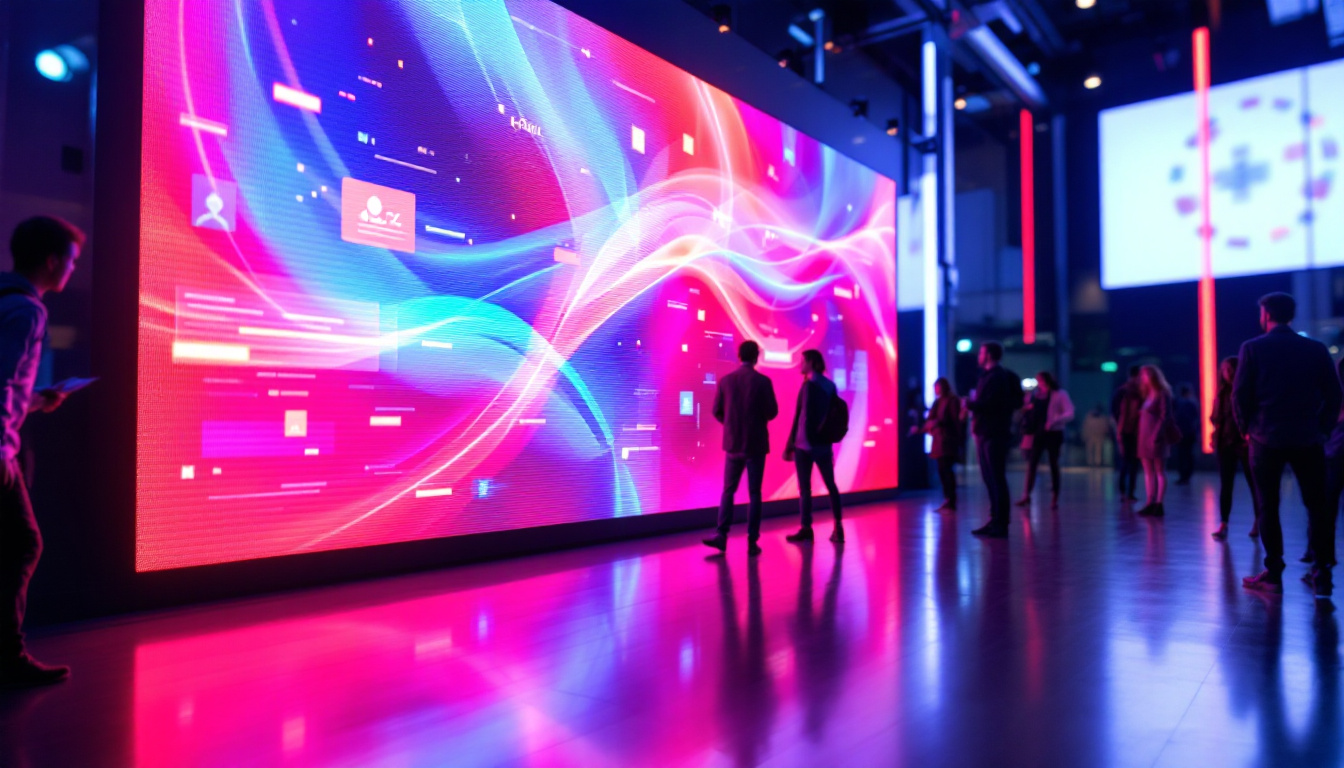
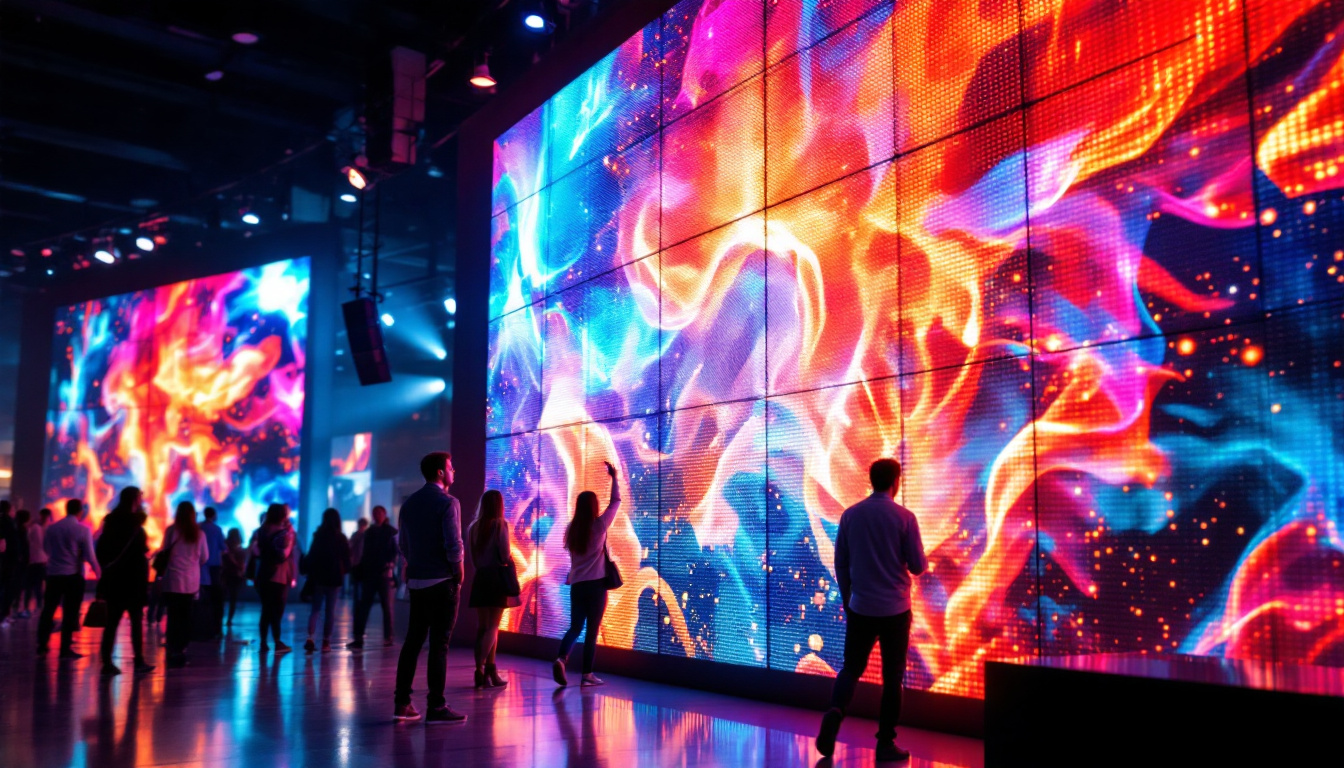
Events, trade shows, and exhibitions benefit greatly from the versatility of LED displays. Their lightweight, modular design allows for quick assembly and disassembly, while their brightness ensures visibility under various lighting conditions.
Cookies displays at events can be used to showcase product highlights, interactive demos, or live social media feeds, enhancing visitor engagement and creating memorable brand experiences.
Technical Considerations When Choosing an LED Display
Resolution and Pixel Pitch
Resolution is a critical factor in the visual quality of an LED display. A higher resolution means more pixels per unit area, resulting in sharper images and finer detail. For cookies displays that are viewed up close, a pixel pitch of 1.5mm to 2.5mm is typically recommended.
For larger outdoor displays viewed from a distance, pixel pitches can be larger (up to 10mm or more) without compromising perceived image quality. Choosing the right pixel pitch balances cost and performance based on viewing distance and content type.
Brightness and Contrast Ratios
Brightness is measured in nits (candelas per square meter). Indoor LED displays usually require brightness levels between 800 and 1,500 nits, while outdoor displays may need 5,000 nits or higher to overcome sunlight glare.
Contrast ratio, the difference between the brightest white and darkest black, affects image depth and clarity. LED displays typically offer superior contrast ratios compared to LCDs, enhancing visual impact.
Refresh Rate and Color Accuracy
Refresh rate, measured in Hertz (Hz), indicates how often the display updates per second. Higher refresh rates reduce flicker and improve the smoothness of video playback, which is essential for dynamic content in cookies displays.
Color accuracy ensures that the displayed colors closely match the intended hues, which is vital for brand consistency and product representation. High-quality LED displays use advanced calibration techniques to maintain color fidelity.
Future Trends in LED Display Technology
MicroLED and MiniLED Innovations
Emerging technologies like MicroLED and MiniLED promise to further enhance LED display performance. MicroLEDs are significantly smaller than traditional LEDs, allowing for even higher resolutions and thinner panels. This technology could revolutionize cookies displays by enabling ultra-high-definition visuals in compact formats.
MiniLEDs, which use thousands of tiny LEDs as backlighting for LCD panels, offer improved contrast and brightness at a lower cost, bridging the gap between traditional LCD and full LED displays.
Interactive and Smart LED Displays
Interactivity is becoming a key feature in LED displays, especially in retail environments. Touch-enabled LED screens, gesture recognition, and integration with mobile devices allow brands to create personalized and engaging experiences.
Smart LED displays can also incorporate sensors and AI-driven analytics to adapt content based on audience demographics, foot traffic, or environmental conditions, maximizing marketing effectiveness.
Sustainability and Energy Efficiency
As environmental concerns grow, manufacturers are focusing on making LED displays more sustainable. Innovations include using eco-friendly materials, enhancing energy efficiency, and developing recycling programs for end-of-life displays.
Retailers and advertisers increasingly prioritize sustainable technologies, making energy-efficient LED displays a strategic choice for reducing carbon footprints while maintaining high-quality visual communications.
Conclusion
LED displays have transformed the landscape of digital signage, offering unmatched brightness, flexibility, and durability. The concept of cookies display leverages these strengths to create compelling, bite-sized visual experiences that captivate audiences and drive engagement.
Understanding the technical aspects of LED displays, from pixel pitch to refresh rates, helps businesses select the right solutions tailored to their specific needs. As LED technology continues to advance with innovations like MicroLED and interactive features, the potential for dynamic, immersive displays in retail and marketing will only grow.
For brands and retailers looking to enhance customer experiences and stand out in a competitive marketplace, investing in LED display technology is a forward-thinking strategy that combines visual impact with operational efficiency.
Discover LumenMatrix’s Innovative LED Solutions
Ready to elevate your brand’s visual presence and create immersive experiences that resonate with your audience? LumenMatrix is at the forefront of LED display technology, offering a diverse range of solutions tailored to your unique needs. From Indoor and Outdoor LED Wall Displays to specialized options like Vehicle, Sports, and Floor LED Displays, our products are designed to captivate and engage. Embrace the future of digital signage with our Custom, All-in-One, and Transparent LED Displays. Experience the difference with LumenMatrix and transform your visual communication strategy. Check out LumenMatrix LED Display Solutions today and start your journey towards unparalleled brand visibility.