In the evolving world of home entertainment and interior design, the integration of technology with aesthetics has become more important than ever. One of the most striking innovations in this space is the use of LED displays as part of wall design for TVs. This approach not only enhances the viewing experience but also transforms the television area into a centerpiece of modern living spaces.
This article delves into the concept of wall design for TVs using LED displays, explaining the technology behind LED screens, exploring design possibilities, and providing practical insights on how to incorporate LED displays seamlessly into your home or commercial environment.
Understanding LED Display Technology
What is an LED Display?
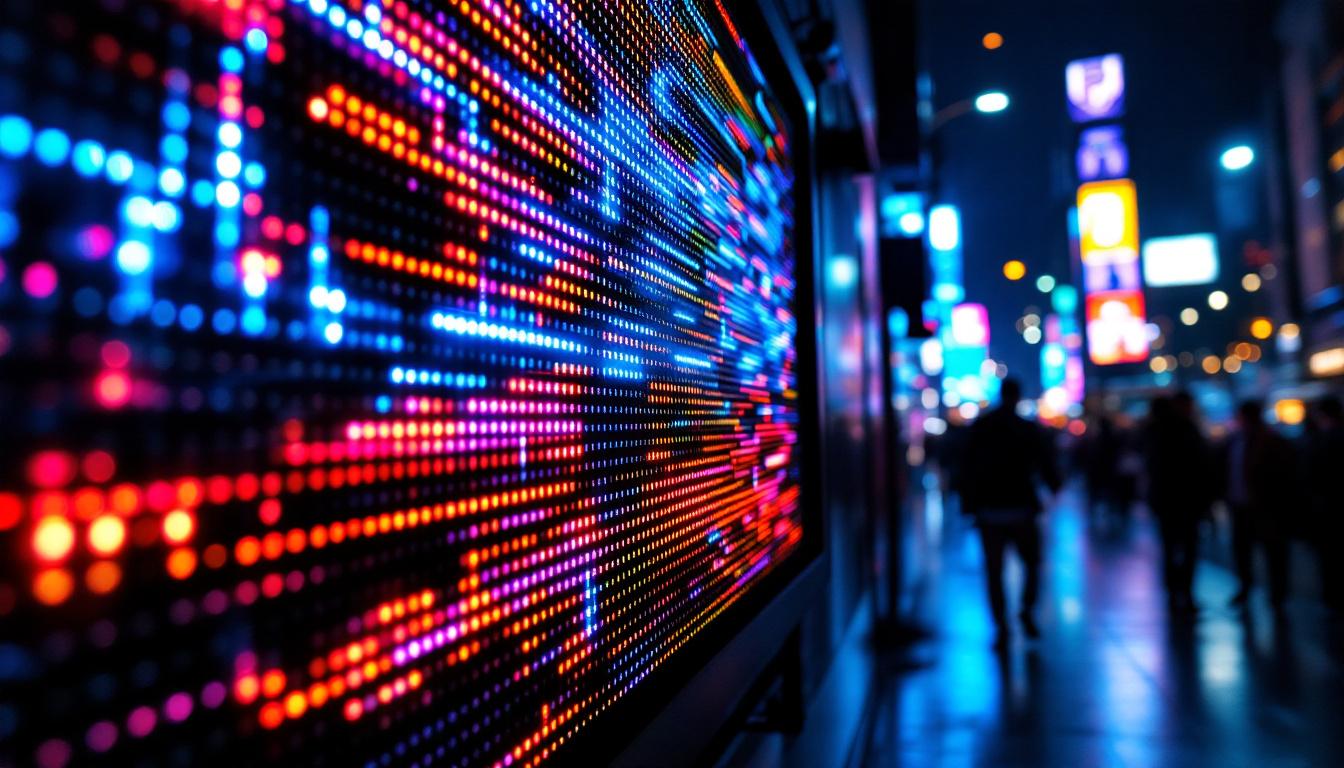
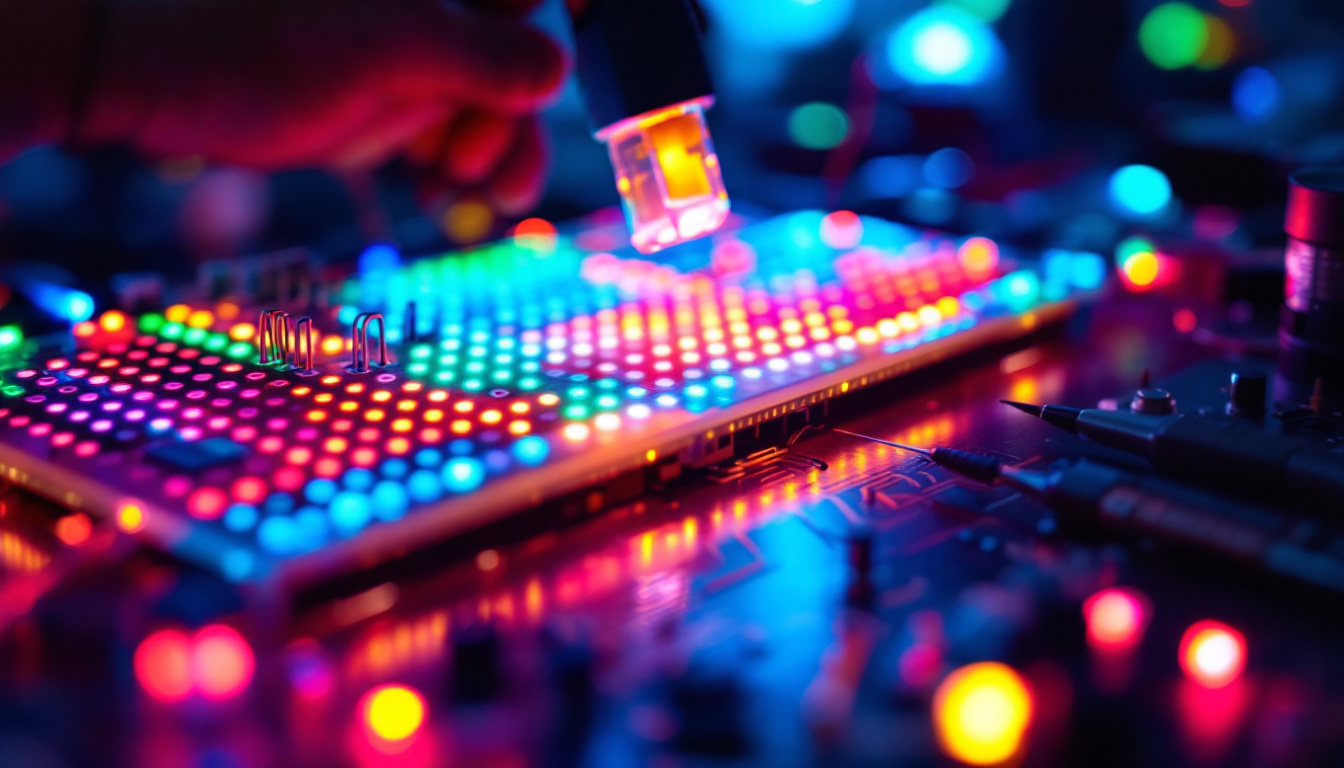
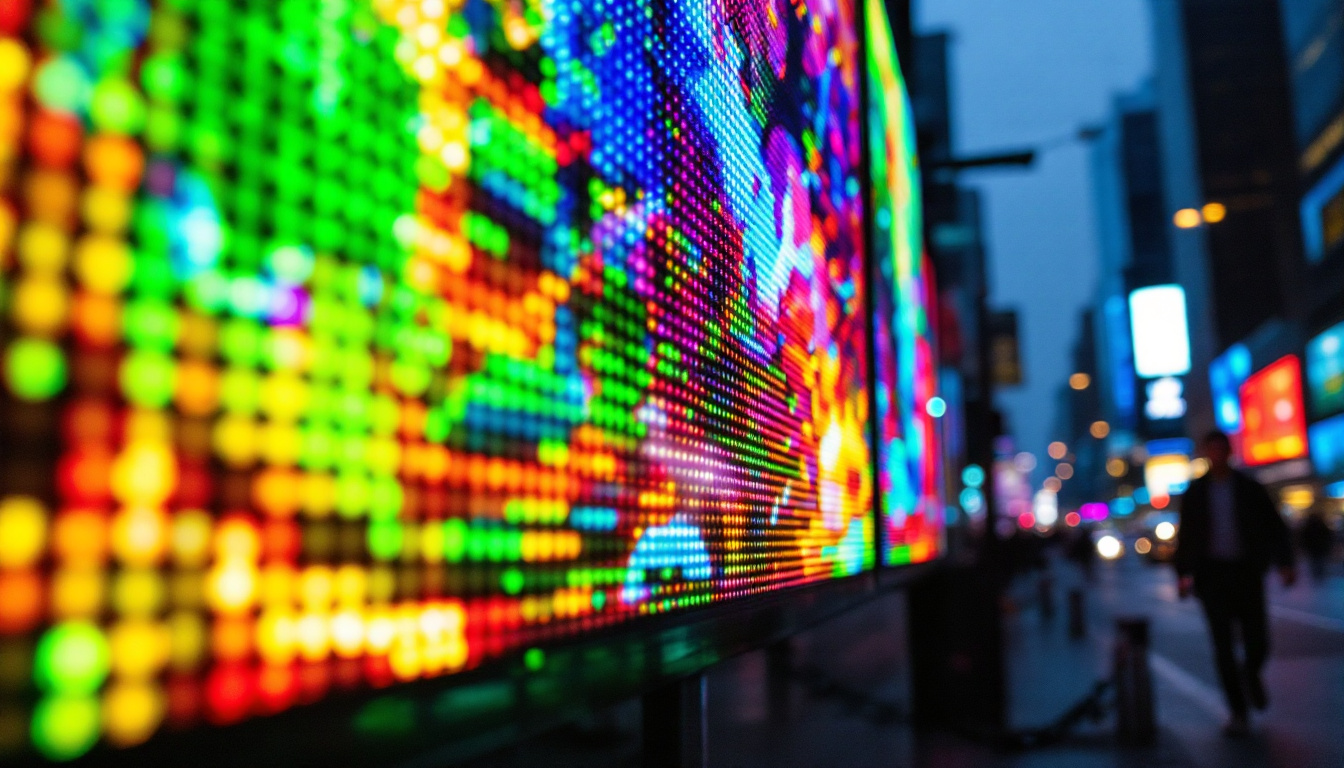
LED stands for Light Emitting Diode, a semiconductor light source that emits light when current flows through it. LED displays are screens made up of numerous tiny LEDs arranged in a grid to form images and videos. Unlike traditional LCD or plasma screens, LED displays use these diodes as individual pixels, which can be controlled to produce vibrant colors and deep contrasts.
LED technology has advanced significantly, allowing for large-scale displays with high resolution, excellent brightness, and energy efficiency. This makes LED displays ideal for both indoor and outdoor applications, including TV walls, digital signage, and immersive video walls. The durability of LED displays is another advantage, as they are less prone to damage and can withstand various environmental conditions, making them suitable for outdoor advertising and events. Moreover, the flexibility in design allows for creative installations that can adapt to different spaces and aesthetic requirements, enhancing the visual experience for viewers.
Types of LED Displays for TV Walls
When considering LED displays for TV wall design, it is important to understand the different types available:
- Direct View LED (DVLED): These displays use LEDs as the actual pixels, providing exceptional brightness and color accuracy. They are often used in large video walls and can be customized to various sizes and shapes. The modular nature of DVLED technology allows for seamless integration into various architectural designs, making them a popular choice for high-profile installations in arenas, airports, and corporate environments.
- LED Backlit LCD: This is a common technology in consumer TVs where LEDs provide backlighting for an LCD panel. While not a true LED display, it offers improved contrast and color compared to older LCDs with fluorescent backlighting. These displays are widely used in homes and offices due to their affordability and decent performance, though they may not match the color vibrancy and viewing angles of true LED displays.
- MicroLED: An emerging technology that uses microscopic LEDs to create displays with superior brightness, contrast, and energy efficiency. MicroLEDs promise to revolutionize TV wall design but are currently more expensive and less widely available. Their modular design allows for virtually limitless scaling, enabling the creation of ultra-large displays without compromising on resolution or quality.
In addition to these types, the market is also witnessing innovations such as flexible LED displays that can bend and curve to fit unconventional spaces. This adaptability opens up new possibilities for creative installations in retail environments, art exhibitions, and even residential settings. Furthermore, advancements in pixel pitch technology are leading to higher pixel densities, resulting in sharper images that can be viewed from closer distances, making LED displays increasingly versatile for various applications.
Designing a TV Wall with LED Displays
Benefits of LED Displays in Wall Design
Incorporating LED displays into TV wall design offers several advantages that appeal to both homeowners and commercial designers:
- Customizability: LED walls can be tailored to any size or shape, allowing for unique and creative designs that fit the space perfectly.
- Brightness and Visibility: LEDs provide high brightness levels, making the display clearly visible even in well-lit rooms or daylight conditions.
- Seamless Viewing Experience: Large LED walls can be constructed with minimal bezels or even bezel-less panels, creating an immersive viewing experience without interruption.
- Durability and Longevity: LED displays are known for their long lifespan and robust performance, reducing maintenance and replacement costs.
- Energy Efficiency: Compared to older display technologies, LEDs consume less power, contributing to sustainability and lower energy bills.
Creative Wall Design Ideas Using LED Displays
LED displays open up a world of possibilities for innovative wall designs. Here are some popular concepts:
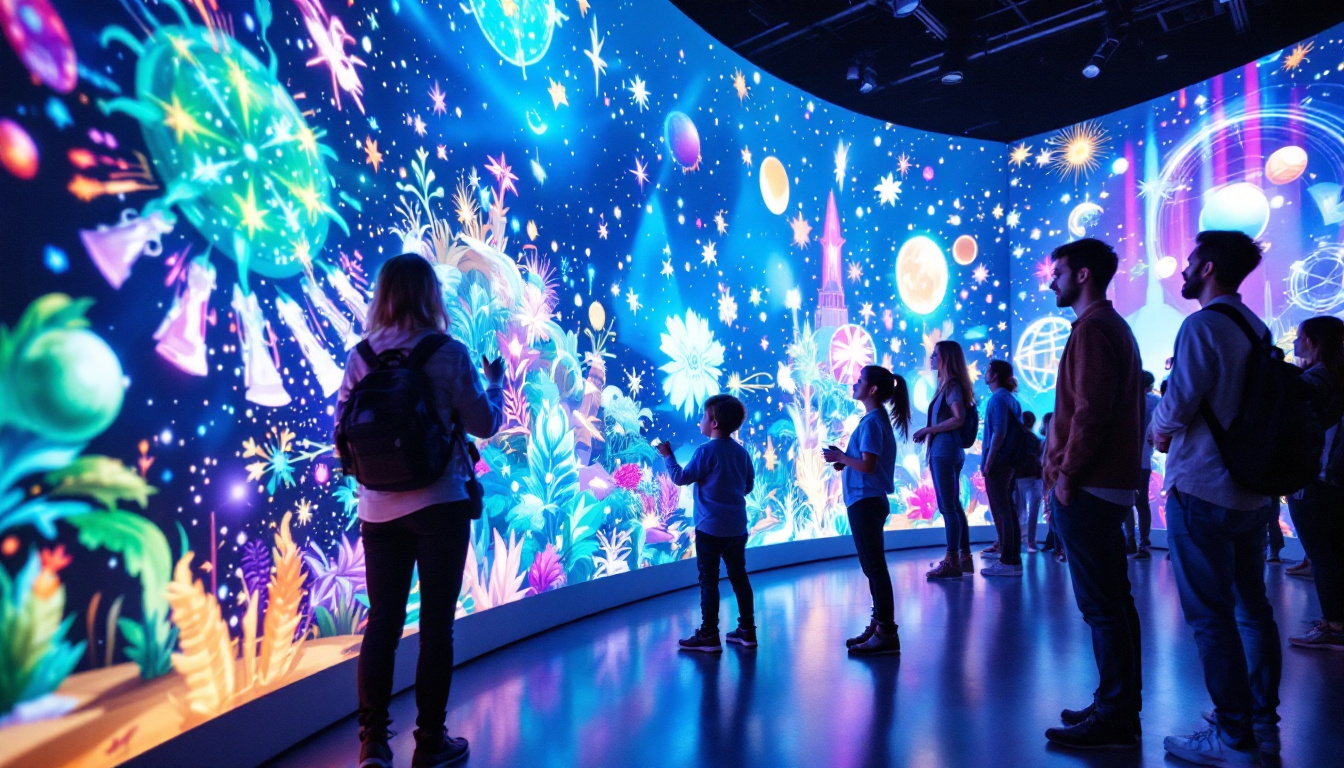
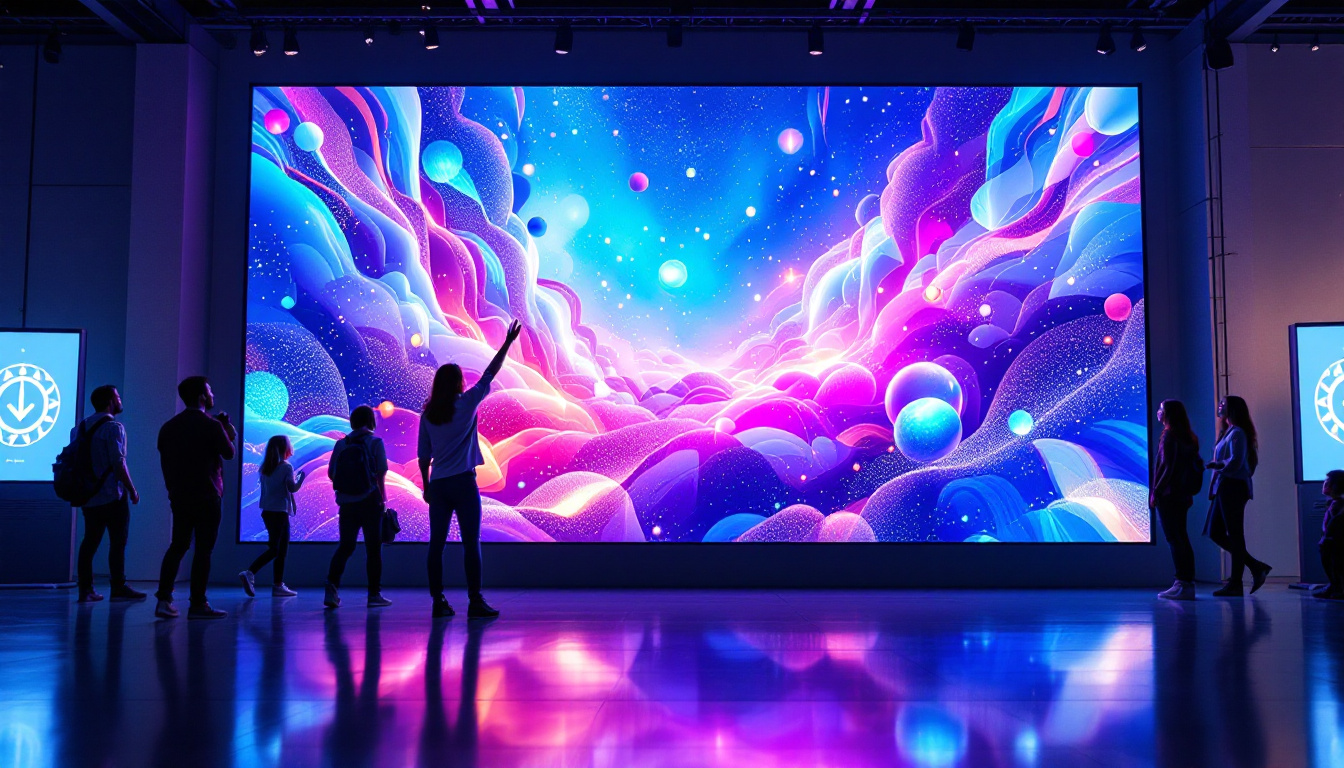
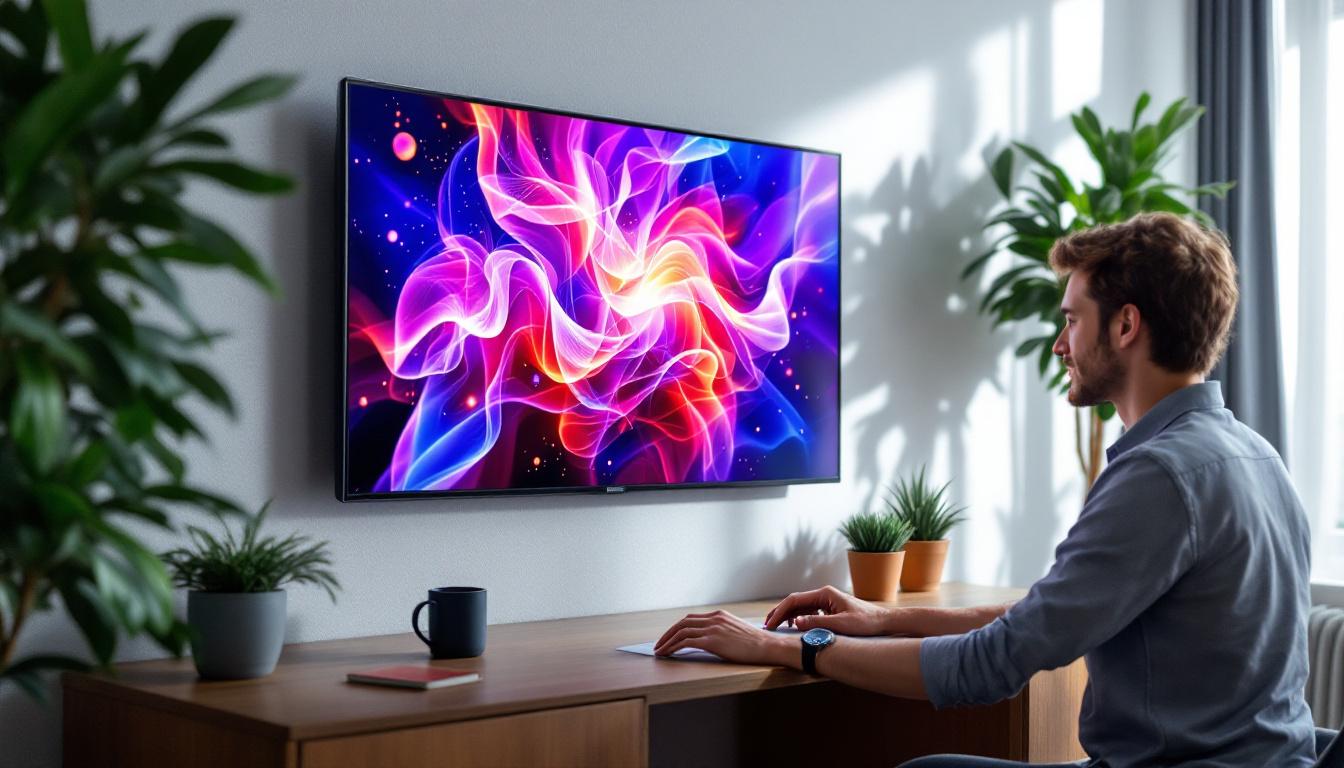
- Full Wall Video Displays: Transform an entire wall into a dynamic video screen that can display anything from movies to ambient visuals, creating a captivating focal point.
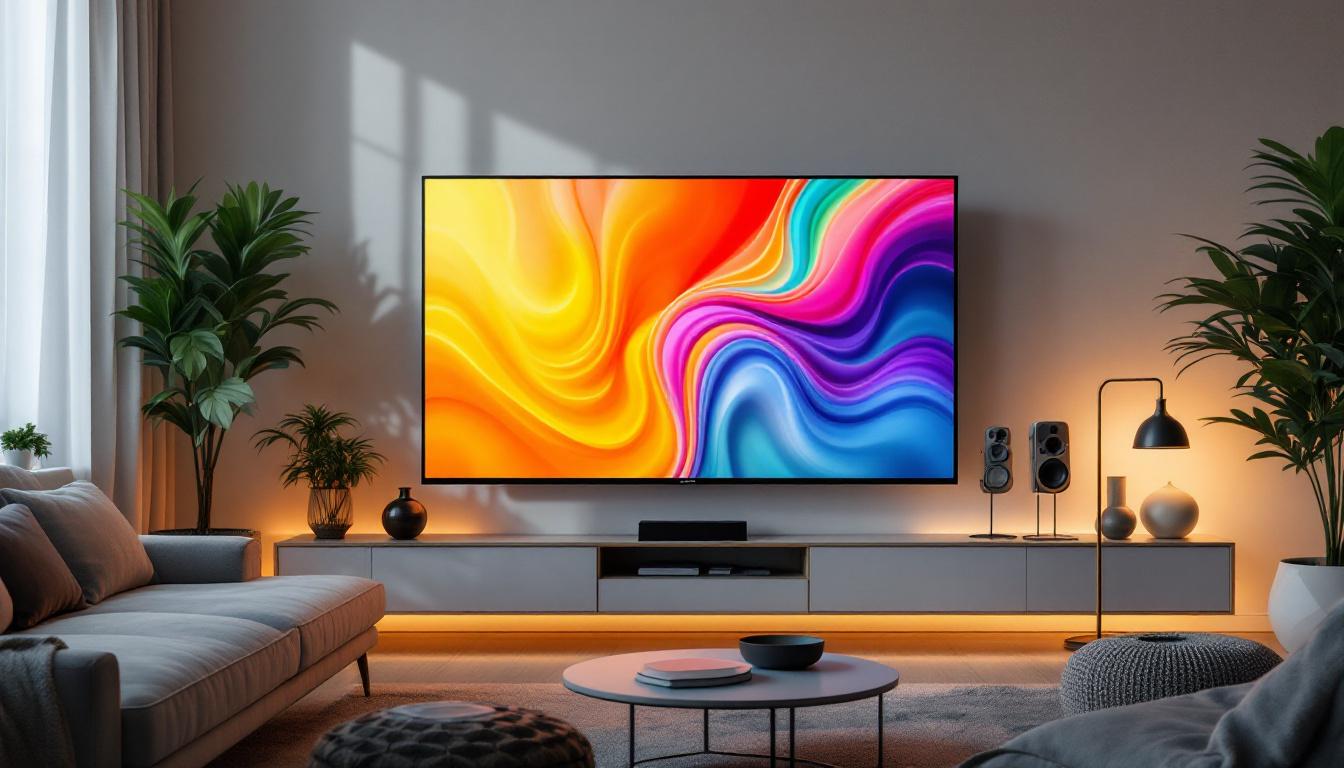
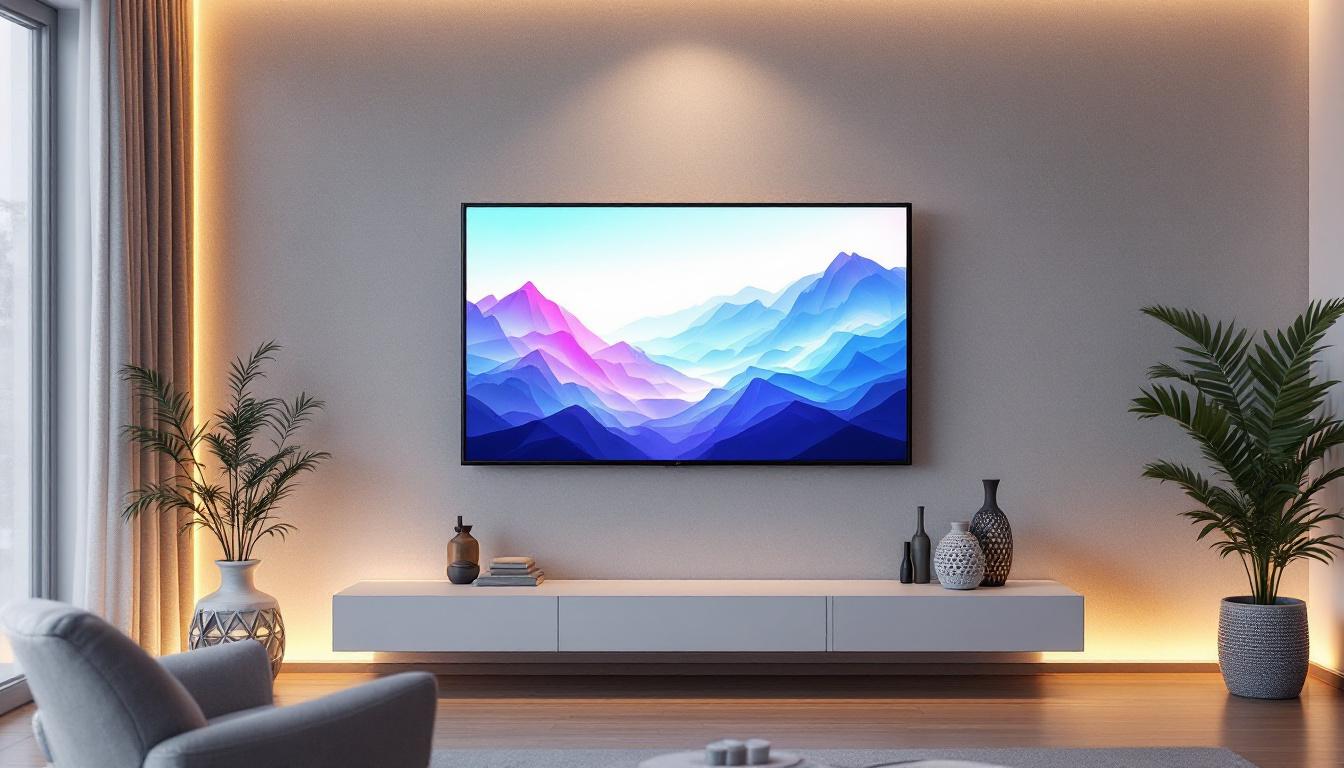
- Integrated Art and TV: Use LED screens to display digital art or custom graphics when the TV is off, blending technology with interior decor seamlessly.
- Modular Panels: Design walls with modular LED panels that can be rearranged or updated easily, allowing for flexibility in content and design.
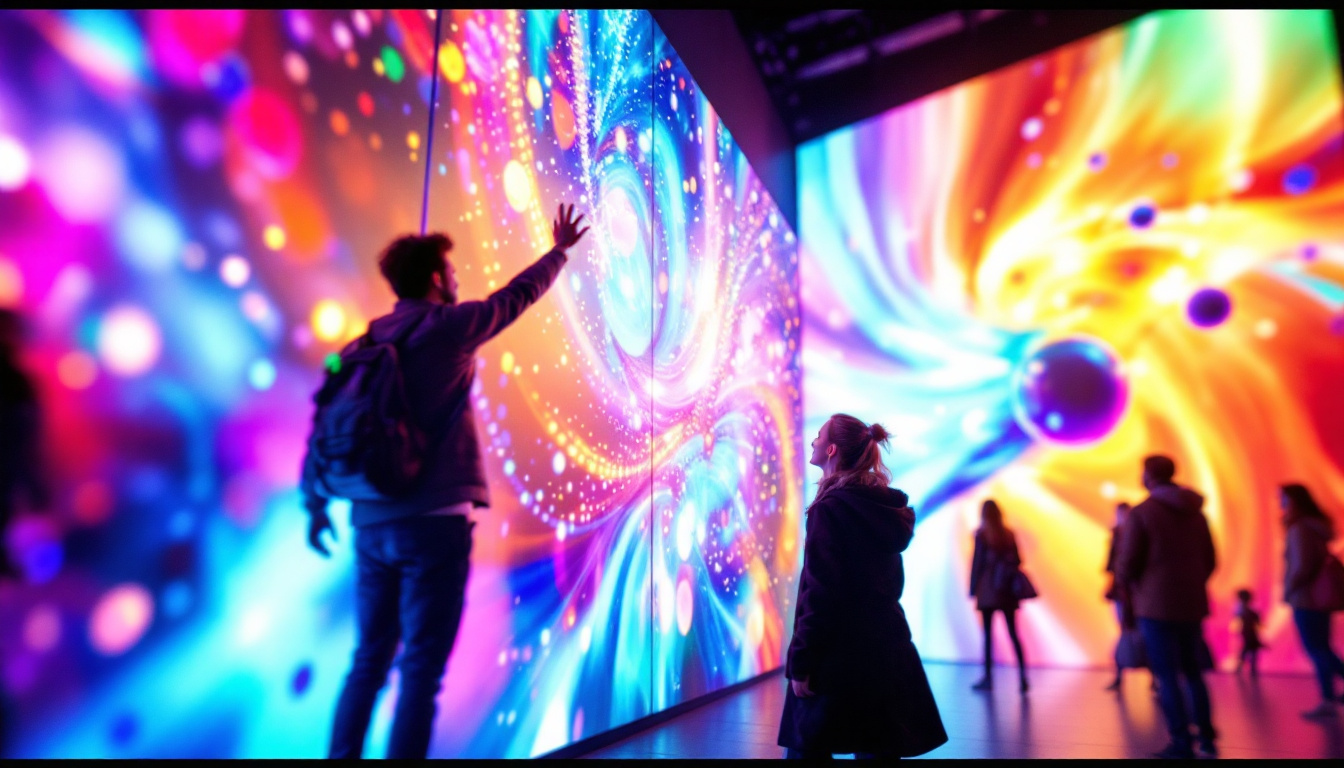
- Interactive Walls: Incorporate touch-sensitive LED displays to create interactive experiences for users, perfect for commercial or gaming environments.
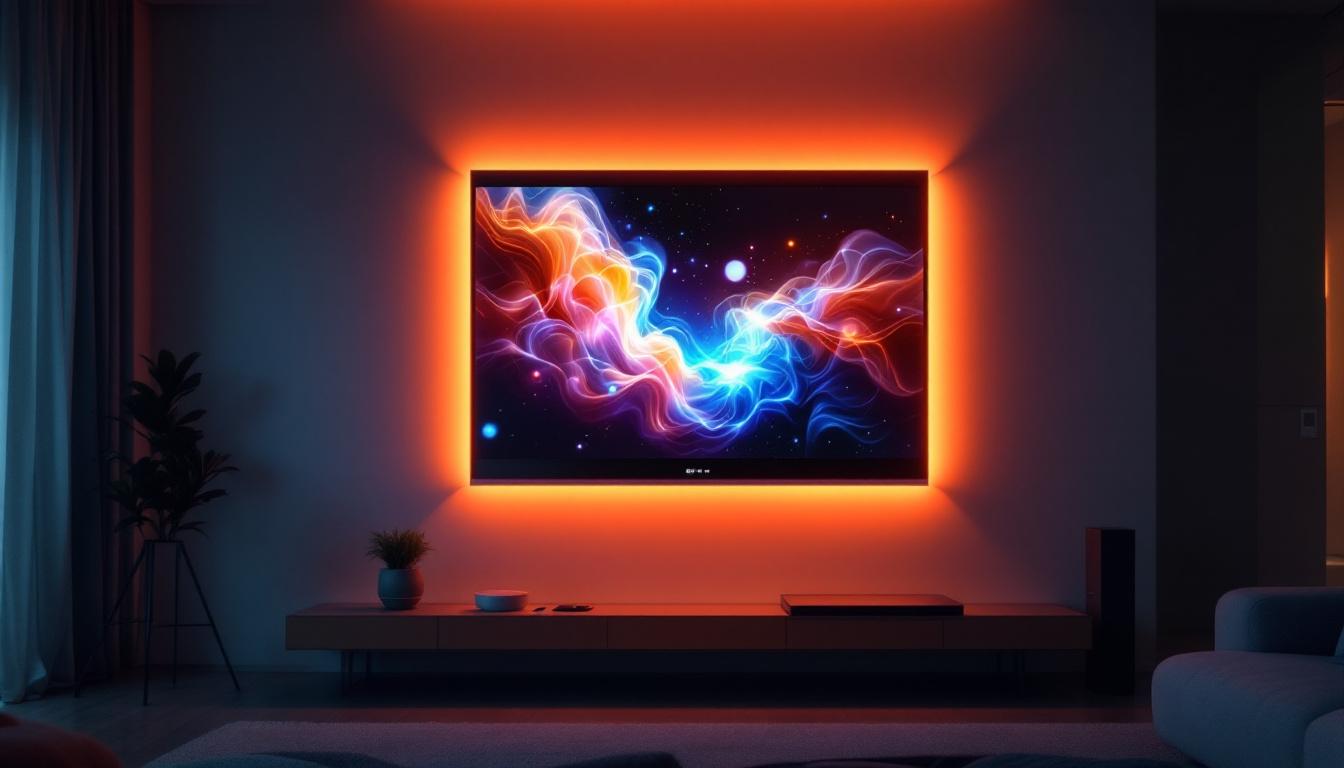
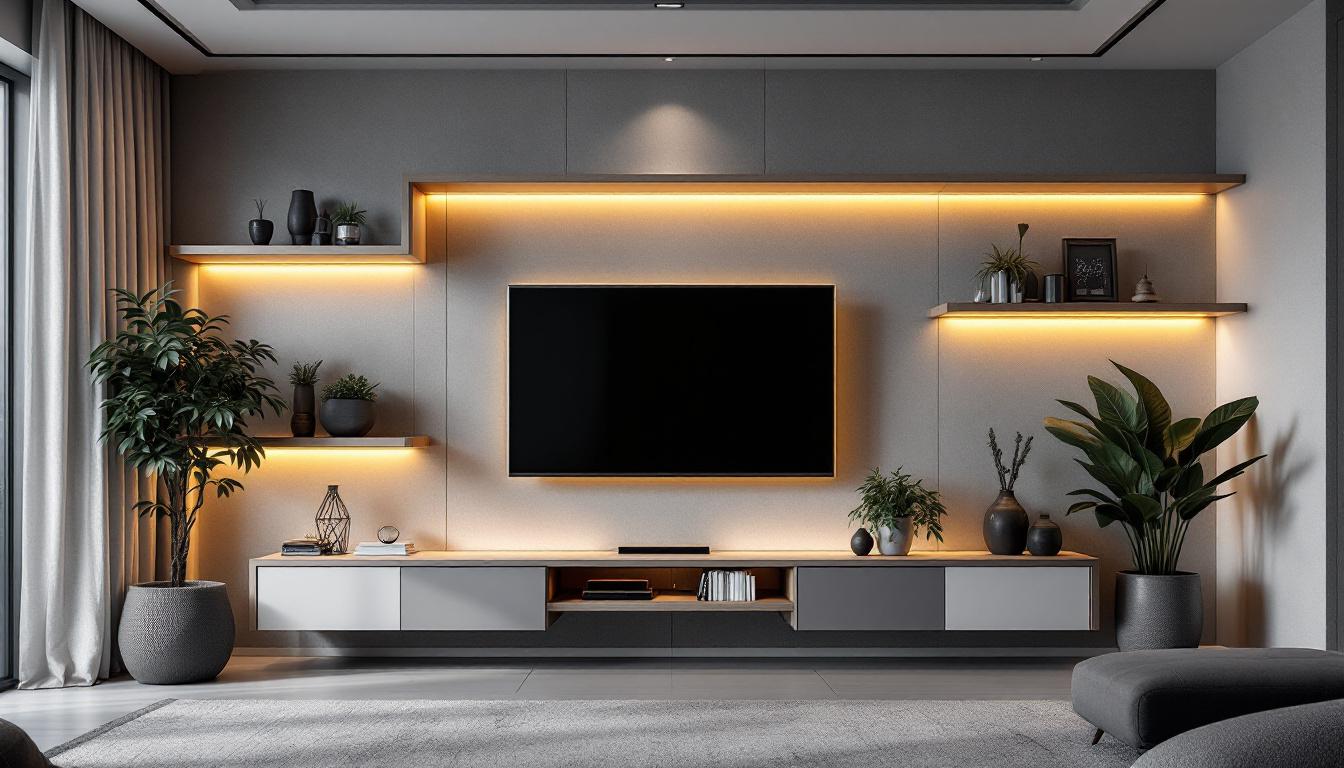
- Accent Lighting and Ambiance: Surround LED TVs with LED strips or panels that provide ambient lighting synchronized with the content on screen, enhancing immersion.
Technical Considerations for LED TV Wall Installation
Resolution and Pixel Pitch
One of the most critical factors in LED display quality is pixel pitch — the distance between the centers of two adjacent LEDs. A smaller pixel pitch means higher resolution and sharper images, which is especially important for close viewing distances typical in home environments.
For TV walls, pixel pitches between 0.9mm and 2.5mm are common, providing crisp visuals without visible pixelation. Choosing the right resolution depends on the size of the wall and the typical viewing distance.
Brightness and Contrast Ratio
LED displays are renowned for their high brightness, often exceeding 1,000 nits, which is significantly brighter than most traditional TVs. This makes them suitable for rooms with high ambient light or for outdoor installations.
The contrast ratio, which measures the difference between the darkest black and the brightest white, is also crucial. LED displays typically offer excellent contrast, enhancing the depth and realism of the image.
Installation and Structural Requirements
Installing an LED TV wall requires careful planning and structural support. These displays can be heavy and require secure mounting systems to ensure safety and stability.
Professional installation is recommended to handle electrical wiring, ventilation, and alignment of panels to achieve a seamless appearance. Additionally, considerations for cable management and access for maintenance should be factored into the design.
Connectivity and Content Management
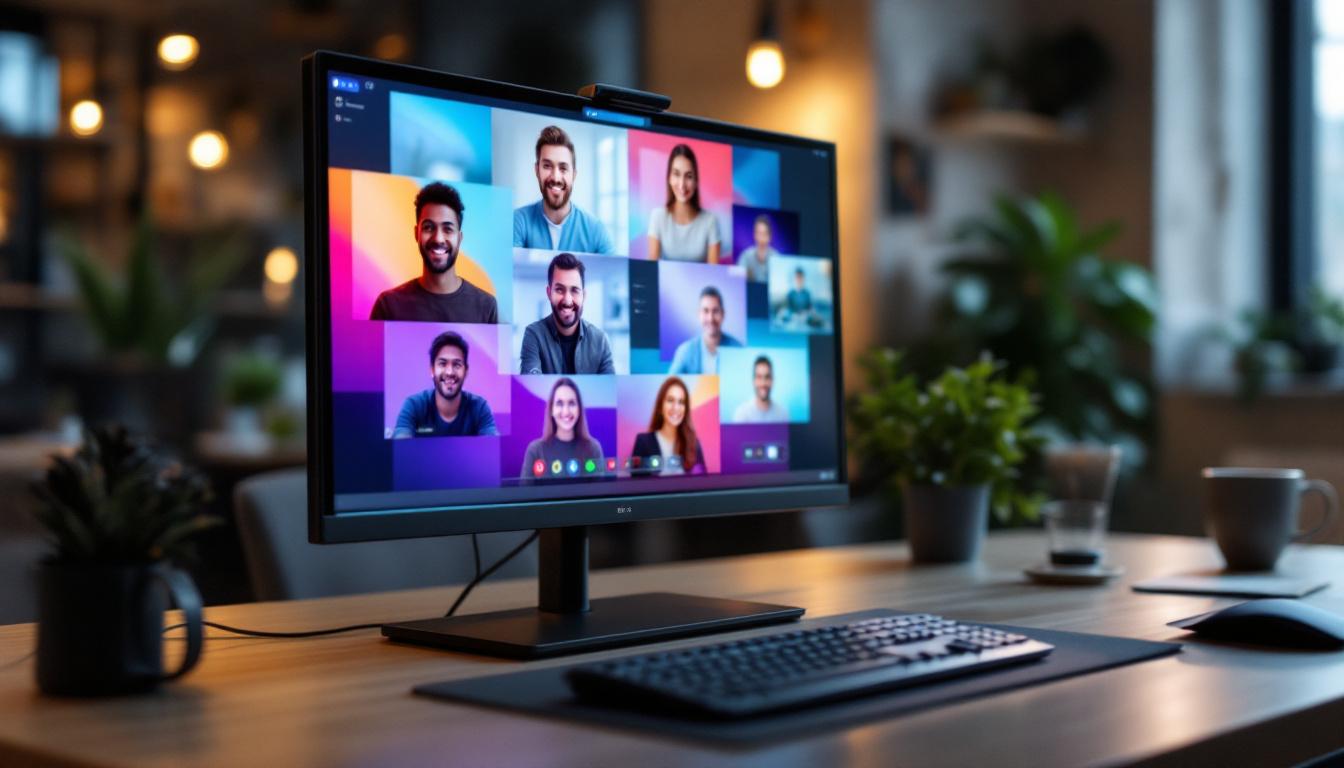
Modern LED TV walls often come with sophisticated control systems that allow users to manage content easily. This includes support for multiple input sources, wireless connectivity, and integration with smart home systems.
Content management software enables scheduling, remote updates, and customization of what is displayed, making LED walls versatile for both entertainment and informational purposes.
Practical Applications and Trends in LED TV Wall Design
Home Theaters and Living Rooms
In residential settings, LED TV walls are increasingly popular for high-end home theaters and luxury living rooms. They provide a cinema-like experience with vivid colors and immersive sound integration.
Designers often combine LED walls with acoustic treatments and ambient lighting to create a balanced and comfortable environment for viewing.
Commercial and Public Spaces
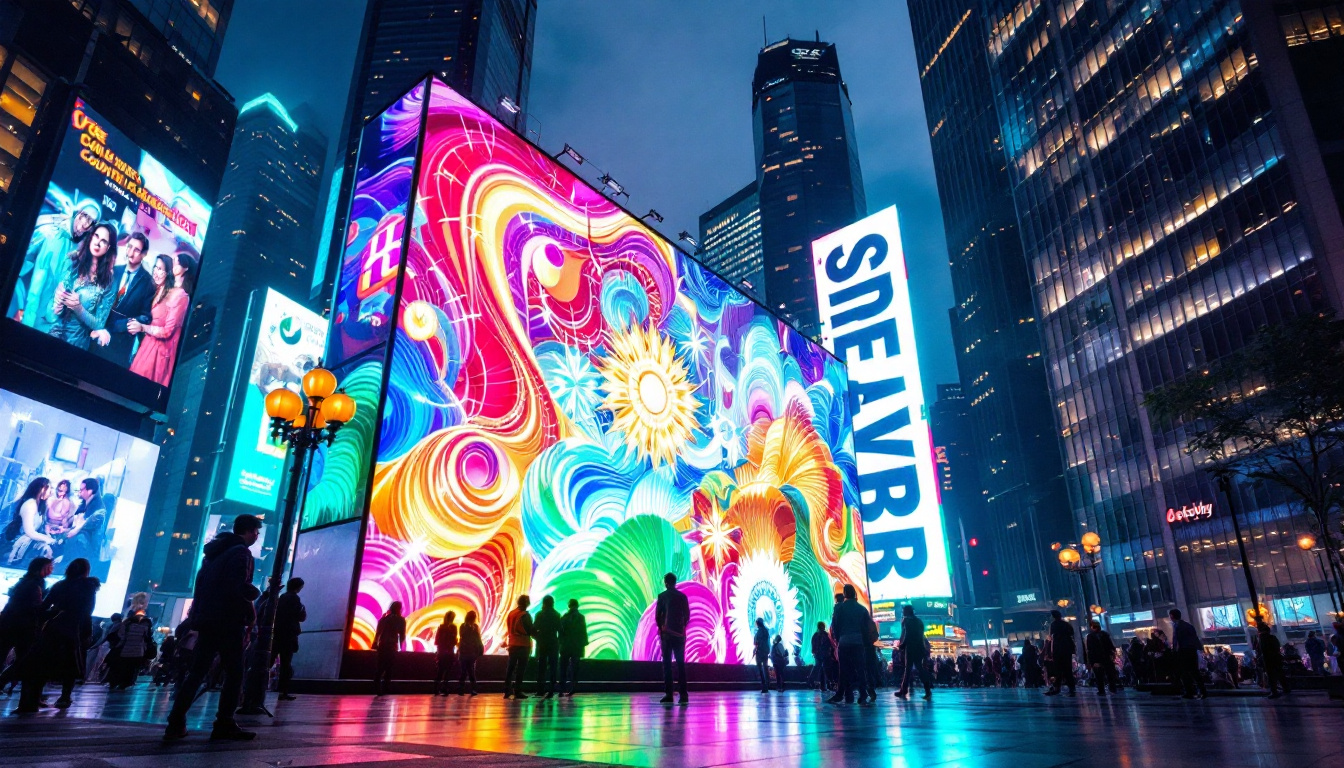
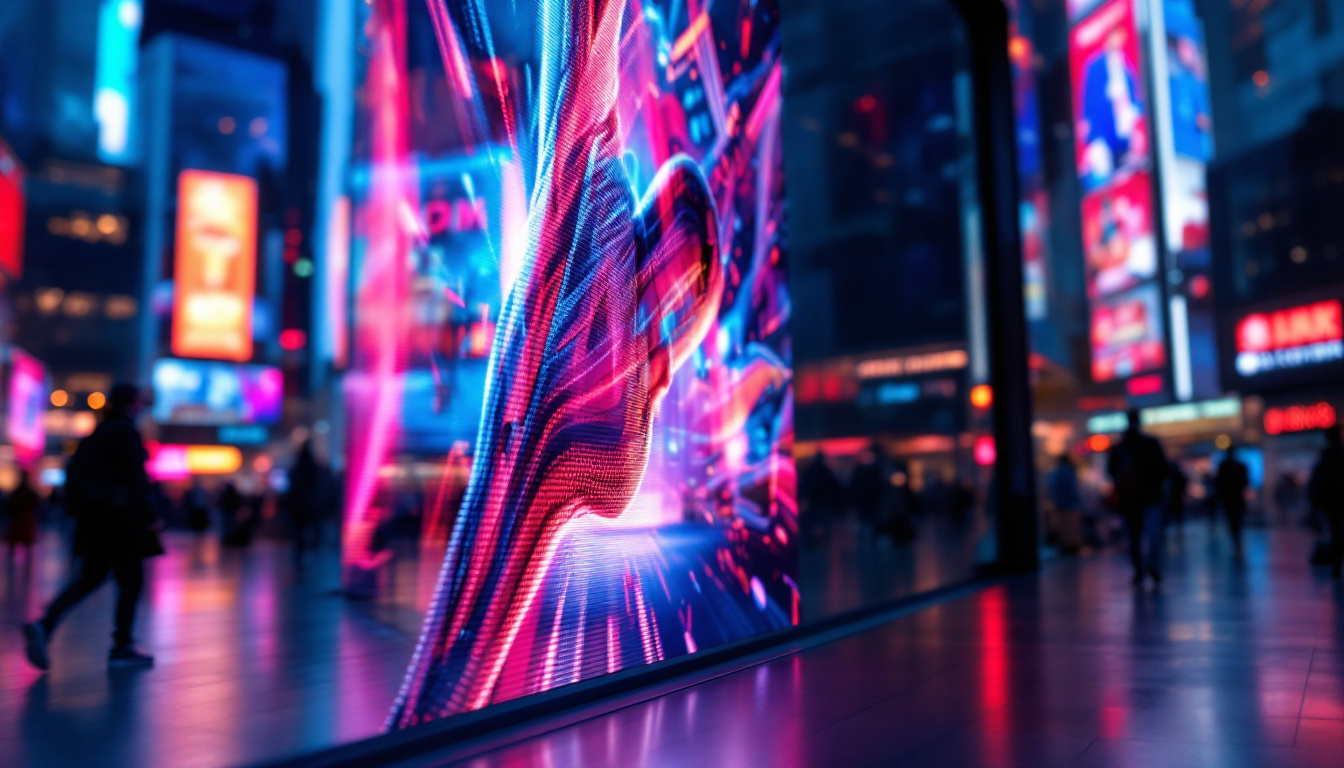
LED TV walls are widely used in commercial environments such as retail stores, corporate offices, hotels, and event venues. They serve as dynamic advertising platforms, information displays, or decorative elements that enhance brand presence.
For example, large LED walls in shopping malls can attract shoppers with eye-catching visuals, while corporate lobbies use them to showcase company achievements or welcome visitors.
Emerging Trends: Flexible and Transparent LED Displays
Recent innovations in LED technology include flexible and transparent LED panels. Flexible LED displays can curve around corners or wrap around columns, enabling truly unique wall designs.
Transparent LED displays allow light to pass through, making them ideal for windows or glass walls where the display can coexist with natural light and views. These technologies are expanding the possibilities for integrating LED displays into architecture and interior design.
Cost and Maintenance Considerations
Investment and Budgeting
While LED TV walls offer numerous benefits, they represent a significant investment compared to traditional TVs or projectors. Costs vary based on size, resolution, pixel pitch, and additional features like touch interactivity.
Homeowners and businesses should evaluate their needs carefully and consider long-term value, including energy savings and reduced maintenance costs, when budgeting for an LED TV wall.
Maintenance and Longevity
LED displays are generally low maintenance but require periodic cleaning and occasional calibration to maintain optimal performance. The lifespan of LEDs can exceed 100,000 hours, which translates to many years of use under normal conditions.
Ensuring proper ventilation and avoiding exposure to moisture or extreme temperatures will help prolong the life of the display.
Conclusion: Transforming Spaces with LED TV Wall Design
LED displays have revolutionized the way televisions are integrated into wall designs, offering unprecedented flexibility, brightness, and visual impact. Whether for a luxurious home theater or a dynamic commercial space, LED TV walls provide a powerful tool for creating immersive and aesthetically stunning environments.
As technology continues to advance, with developments such as MicroLED and transparent panels, the potential for creative and functional TV wall designs will only grow. For anyone looking to elevate their viewing experience and interior design, understanding LED display technology and its applications is essential.
Incorporating an LED display into your TV wall design is not merely about upgrading your screen; it is about redefining the relationship between technology, space, and lifestyle.
Discover LumenMatrix LED Display Solutions
Ready to transform your space with the latest in LED display technology? LumenMatrix is at the forefront of innovation, offering a wide range of LED display solutions that cater to your unique needs. From immersive Indoor and Outdoor LED Wall Displays to versatile Vehicle and Floor LED Displays, our products are designed to captivate and engage. Experience the future of visual communication with our Custom, All-in-One, and LED Transparent Displays. Elevate your environment and share your message with unparalleled clarity. Check out LumenMatrix LED Display Solutions today and redefine your space with cutting-edge technology.