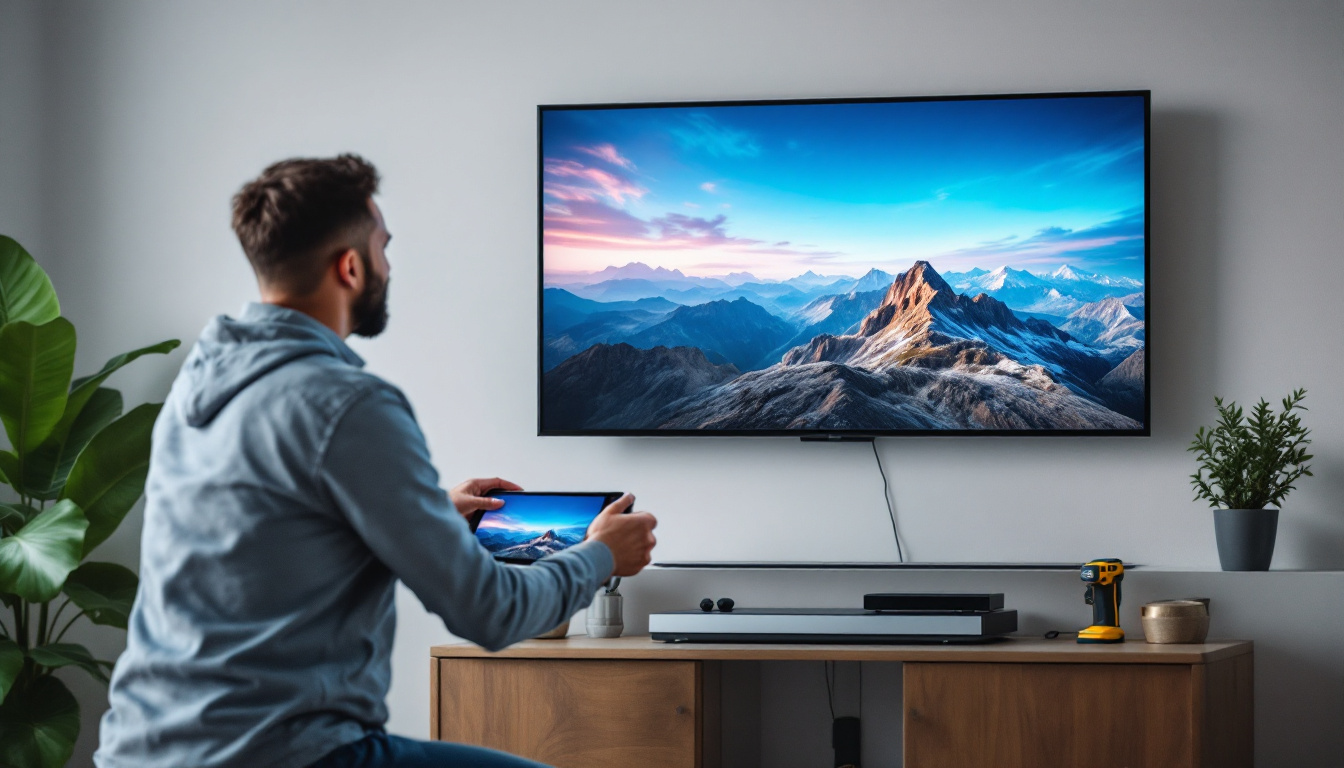
In today’s world of sleek home entertainment setups and professional digital signage, mounting solutions for LED displays have become more critical than ever. Whether it’s a living room television or a large commercial LED display, the right wall mount and wall plate ensure safety, aesthetics, and optimal viewing experience. This article delves into the essentials of TV wall mount wall plates, focusing on LED displays, and explains how to select, install, and maintain these components effectively.
Understanding TV Wall Mount Wall Plates
TV wall mount wall plates are the foundational components that secure a television or LED display to a wall. They serve as the interface between the mounting bracket and the wall surface, distributing the weight of the display evenly and providing a stable base for the mount.
Unlike traditional mounts that might attach directly to drywall or studs, wall plates offer a larger surface area, which helps in reducing pressure points and potential damage to the wall. This is especially important for heavier LED displays, which can weigh significantly more than standard LCD or OLED TVs.
What Is a Wall Plate?
A wall plate is typically a flat, sturdy piece of metal or composite material that anchors the mount to the wall. It often includes multiple holes or slots for screws and bolts, allowing for flexibility in installation and alignment. Wall plates come in various sizes and shapes, designed to accommodate different mounting systems and display sizes.
In the context of LED displays, wall plates are engineered to handle the unique mounting requirements of these screens, which can include considerations for ventilation, cable management, and modular assembly in larger video walls.
Why Wall Plates Matter for LED Displays
LED displays, especially large-format or commercial-grade models, are often heavier and bulkier than consumer TVs. The use of a robust wall plate ensures that the mounting system can support this weight safely over time. Additionally, wall plates help in aligning the display perfectly flat against the wall, which is crucial for visual uniformity, particularly in multi-panel LED video walls.
Moreover, wall plates facilitate easier installation and maintenance by providing a stable base to which the display can be attached and detached without compromising the wall’s integrity.
Types of TV Wall Mounts for LED Displays
Selecting the right type of wall mount is essential for ensuring the longevity and performance of an LED display. The choice depends on factors such as the size and weight of the display, the wall material, and the desired viewing angle.
Fixed Wall Mounts
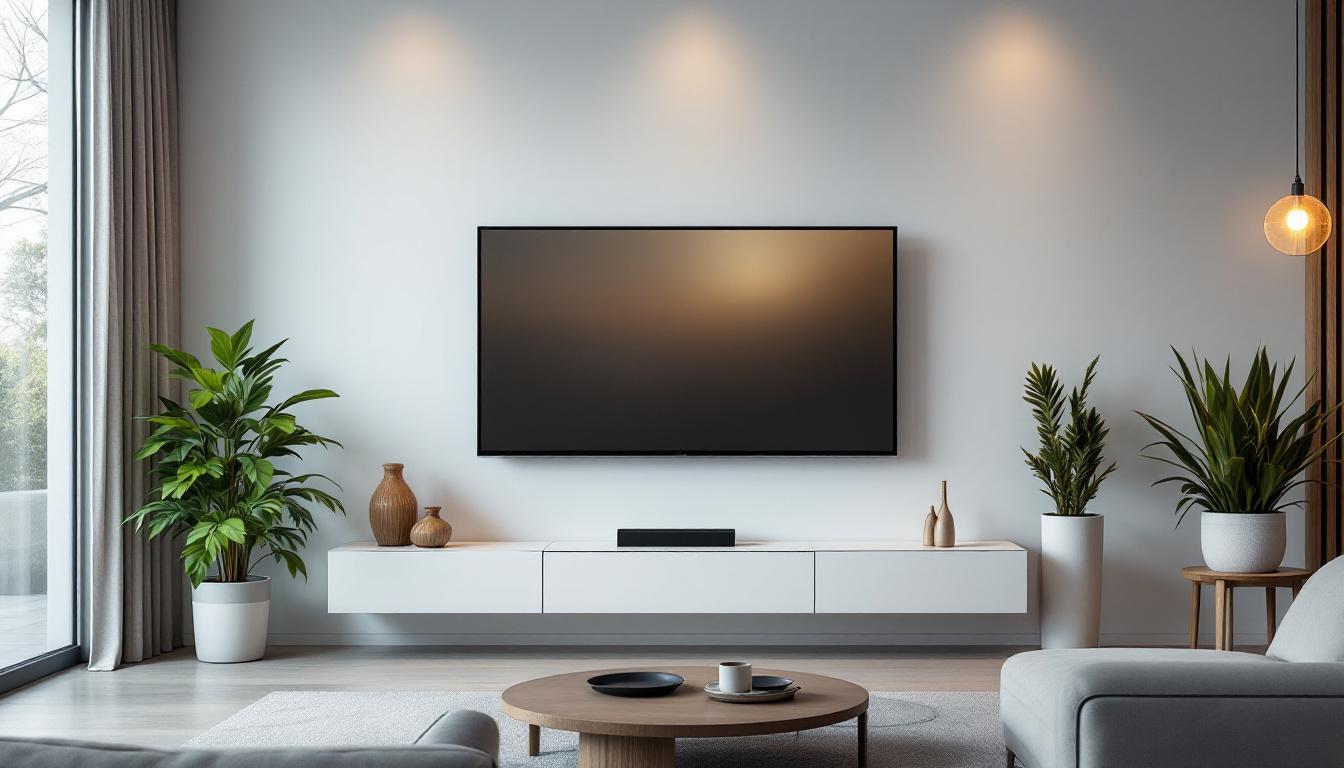
Fixed mounts hold the display flush against the wall without any movement. They are ideal for LED screens that do not require angle adjustments and are often the most cost-effective option. Fixed mounts provide a clean, low-profile look, making them popular in both residential and commercial environments.
However, because they do not offer tilt or swivel options, fixed mounts require precise installation to ensure the display is at the correct height and angle.
Tilt Wall Mounts
Tilt mounts allow the screen to be angled vertically, usually up to 15 degrees. This feature is beneficial for reducing glare and optimizing the viewing angle, especially in rooms with bright lighting or windows. Tilt mounts are a common choice for LED displays in conference rooms, classrooms, and retail spaces.
The wall plate used with tilt mounts must be designed to accommodate the additional mechanical stress caused by the angled positioning of the display.
Full-Motion (Articulating) Wall Mounts
Full-motion mounts offer the greatest flexibility, allowing the display to be tilted, swiveled, and extended away from the wall. These mounts are ideal for spaces where viewers may be seated in multiple locations or where the display needs to be adjusted frequently.
While full-motion mounts provide excellent versatility, they require a more robust wall plate and mounting hardware to handle the dynamic forces exerted during movement.
Video Wall Mounts
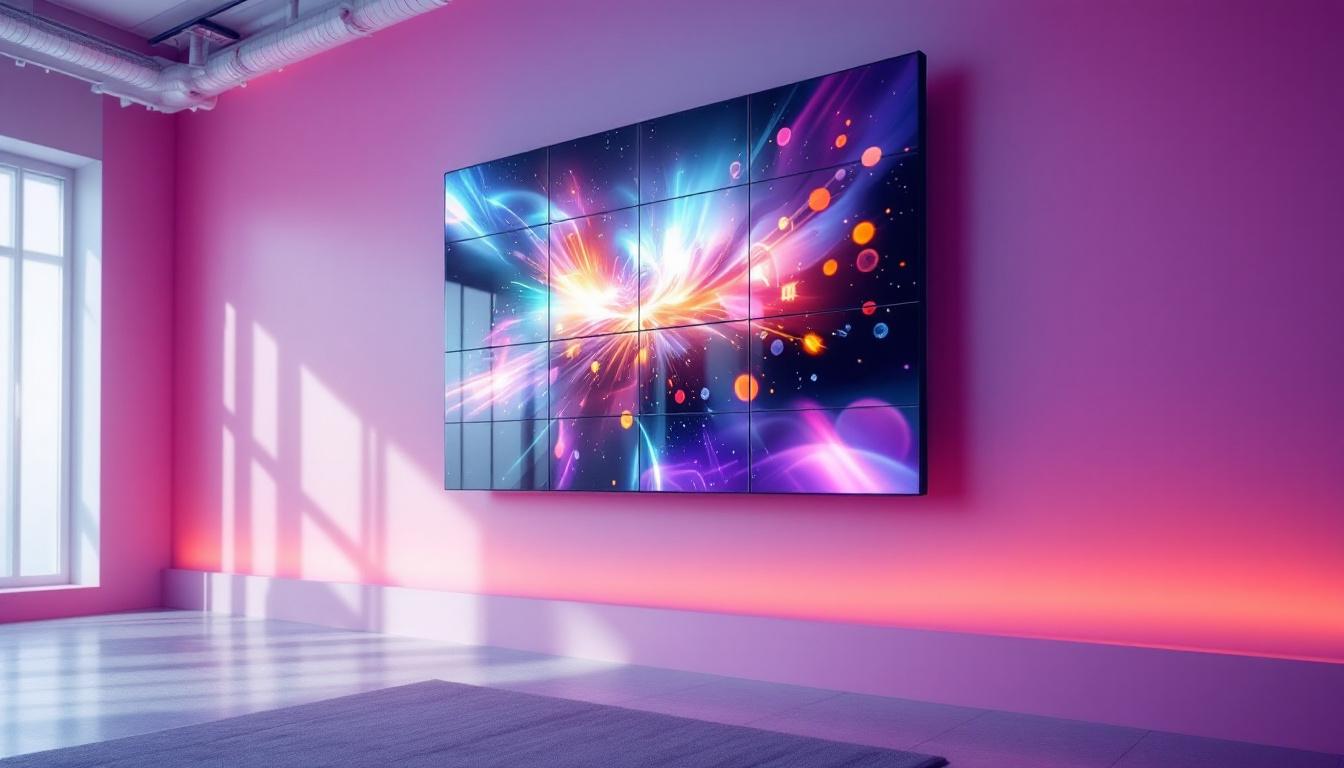
For large LED video walls composed of multiple panels, specialized video wall mounts and wall plates are used. These systems allow for precise alignment and spacing between panels to create a seamless display. They also often include features for easy panel removal and maintenance.
Video wall mounts must support the combined weight of all panels while maintaining structural integrity and alignment over time.
Materials and Construction of Wall Plates
The durability and safety of a wall mount system largely depend on the materials and construction quality of the wall plate. Understanding these aspects helps in selecting a reliable mounting solution.
Common Materials Used
Most wall plates are made from steel or aluminum alloys. Steel plates are known for their strength and durability, making them suitable for heavy LED displays. They are often powder-coated to prevent corrosion and improve aesthetics.
Aluminum plates are lighter and resistant to rust, which can be advantageous in humid environments. However, they may not support as much weight as steel plates, so their use is typically limited to smaller or lighter displays.
Thickness and Reinforcement
The thickness of the wall plate affects its load-bearing capacity. Thicker plates provide better support but add weight to the mounting system. Reinforcements such as ribs or gussets are sometimes incorporated into the design to increase rigidity without significantly increasing weight.
For LED displays, especially large or heavy models, it is recommended to use wall plates with a minimum thickness of 3mm and additional reinforcements where necessary.
Finish and Coatings
Wall plates are often finished with powder coating or anodizing to protect against environmental factors like moisture and dust. A high-quality finish not only extends the lifespan of the wall plate but also enhances its appearance, which is important for installations in visible areas.
Installation Considerations for LED Display Wall Mounts
Proper installation is crucial for safety, performance, and longevity of LED displays mounted on walls. Several factors must be considered before and during installation.
Wall Type and Structural Integrity
The type of wall—whether drywall, concrete, brick, or wood studs—determines the type of anchors and fasteners required. For heavy LED displays, mounting directly into wall studs or concrete is essential to ensure adequate support.
Using a wall plate helps distribute the load across a wider area, but installers must still verify that the underlying structure can handle the weight. In commercial settings, consulting a structural engineer may be necessary.
Weight Capacity and Safety Margins
Always select wall mounts and wall plates rated for at least 25% more than the weight of the LED display. This safety margin accounts for dynamic forces, such as accidental bumps or seismic activity, and helps prevent failures.
Manufacturers typically provide weight ratings for their products; adhering to these specifications is vital for safe installation.
Alignment and Leveling
Ensuring the wall plate and mount are perfectly level is critical, especially for video walls where multiple panels must align seamlessly. Using laser levels and precision measuring tools during installation can prevent costly adjustments later.
Some wall plates include built-in leveling features or multiple mounting points to facilitate fine adjustments.
Cable Management and Ventilation
LED displays generate heat and require proper ventilation to maintain optimal performance. Wall plates and mounts should allow for airflow behind the display to prevent overheating.
Additionally, integrated cable management systems or wall plates with cutouts help organize power and data cables, reducing clutter and improving the overall appearance of the installation.
Maintenance and Troubleshooting
Regular maintenance ensures the longevity and safety of mounted LED displays. It also helps identify potential issues before they become serious problems.
Routine Inspections
Inspect the wall mount and wall plate periodically for signs of wear, corrosion, or loosening of screws and bolts. Tighten any loose hardware and replace damaged components immediately.
In commercial environments, scheduled maintenance checks are often part of facility management protocols.
Cleaning and Care
Dust and debris can accumulate around the wall mount and wall plate, potentially affecting ventilation and aesthetics. Use a soft cloth and mild cleaning agents to keep the area clean without damaging the finish.
Avoid using harsh chemicals that can degrade coatings or materials.
Troubleshooting Common Issues
If the display feels unstable or there are visible gaps between the wall and the mount, recheck the installation hardware and wall integrity. Uneven mounting surfaces can cause stress points that might lead to damage over time.
For video walls, any misalignment between panels can often be corrected by adjusting the mounting brackets or wall plates according to manufacturer guidelines.
Future Trends in TV Wall Mount Wall Plates for LED Displays
As LED display technology advances, wall mount systems are evolving to meet new demands for flexibility, aesthetics, and integration.
Smart Mounting Solutions
Emerging products incorporate smart features such as motorized adjustments controlled via apps, allowing users to change the display angle or position remotely. These systems often include sensors to detect and correct misalignment automatically.
Modular and Lightweight Designs
Innovations in materials and engineering are leading to lighter, modular wall plates that simplify installation and reduce strain on walls. Carbon fiber composites and advanced alloys are being explored for their strength-to-weight advantages.
Integrated Power and Data Management
Future wall plates may integrate power supplies, data hubs, and cooling systems directly into the mounting hardware, streamlining installation and improving the overall system’s efficiency and reliability.
Conclusion
Choosing the right TV wall mount wall plate for LED displays is a critical decision that impacts safety, aesthetics, and performance. Understanding the types of mounts, materials, and installation considerations ensures that the display is securely mounted and visually impressive.
Whether for a home theater, corporate boardroom, or large-scale digital signage, investing in quality wall plates and mounts tailored for LED technology provides peace of mind and enhances the viewing experience. As technology continues to evolve, staying informed about the latest mounting solutions will help maximize the value and longevity of LED displays.
Explore Cutting-Edge Mounting Solutions with LumenMatrix
Ready to elevate your space with the latest in LED display technology? LumenMatrix is at the forefront of innovation, offering a wide array of LED display modules designed to transform any environment. From captivating indoor and outdoor displays to dynamic vehicle and sports solutions, our products are crafted to deliver unparalleled visual impact. Embrace the future of visual communication with our versatile and custom LED displays, and let LumenMatrix help you make a powerful statement. Check out LumenMatrix LED Display Solutions today and see the difference quality and innovation can make.