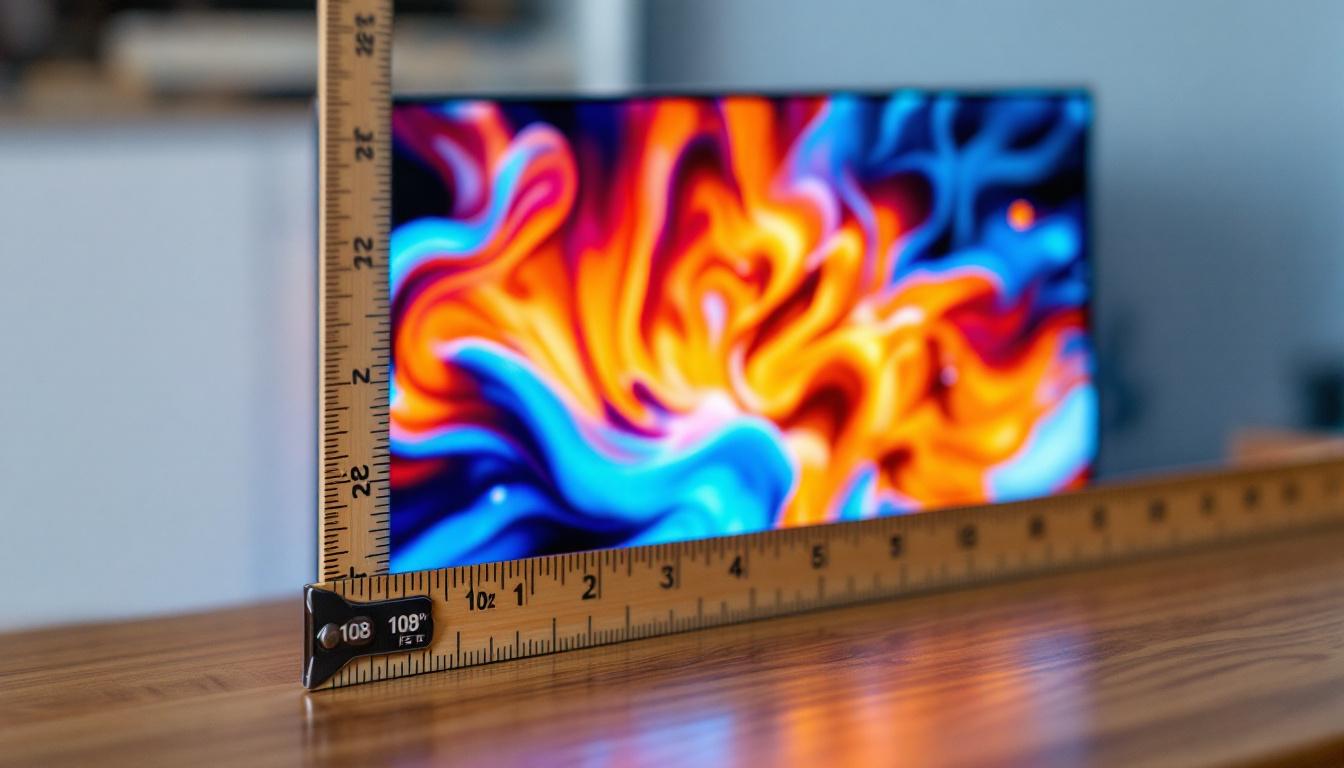
When shopping for or specifying LED displays, understanding size measurements is crucial. The term “108 inch” often appears in product descriptions, but what does it truly mean in terms of physical dimensions? More importantly, how does this measurement relate to practical use cases and installation requirements? This article breaks down the conversion of 108 inches to feet and explores the broader context of LED display sizing, helping buyers, installers, and enthusiasts make informed decisions.
Understanding the Measurement: 108 Inches to Feet
In the world of display technology, sizes are commonly given in inches, particularly when referring to the diagonal length of screens. The “108 inch” label typically indicates the diagonal measurement of the LED display panel. To convert inches to feet, the formula is straightforward: 1 foot equals 12 inches.
By dividing 108 inches by 12, the conversion is:
108 inches ÷ 12 = 9 feet
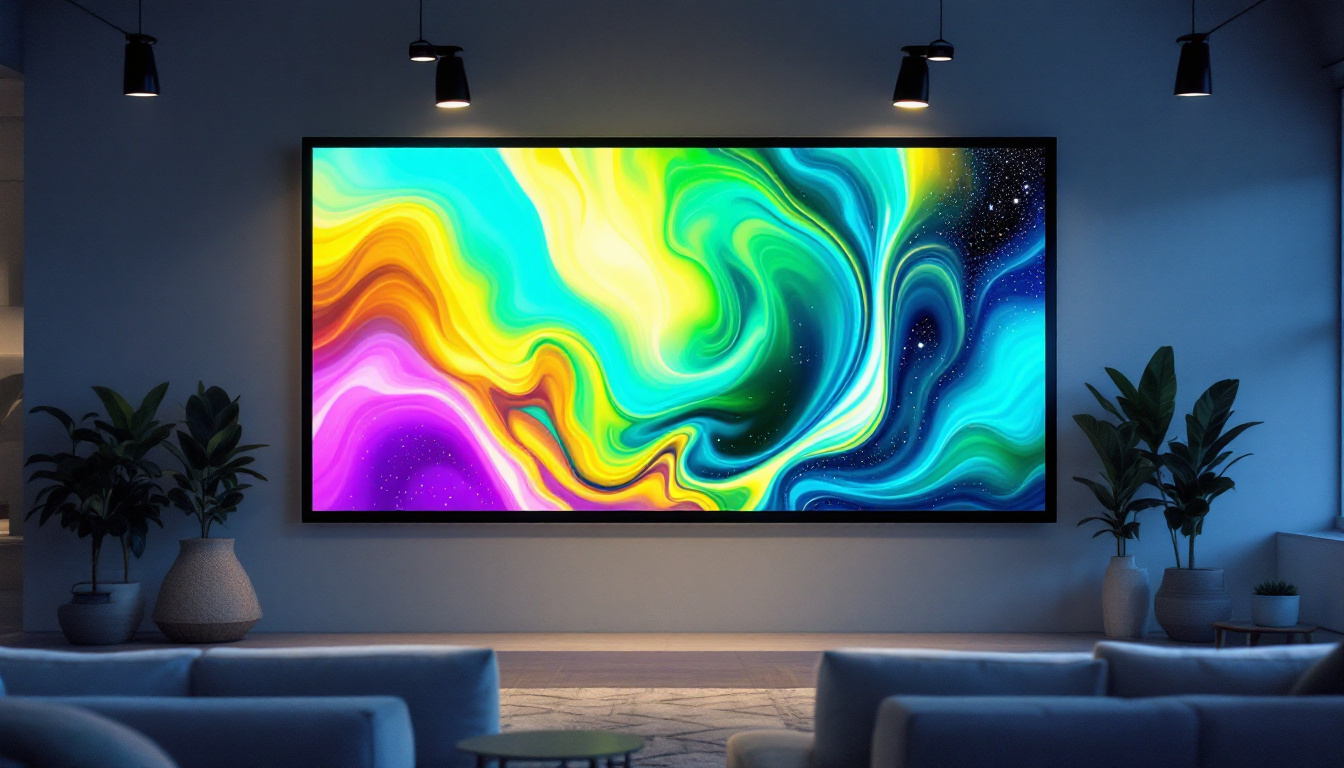
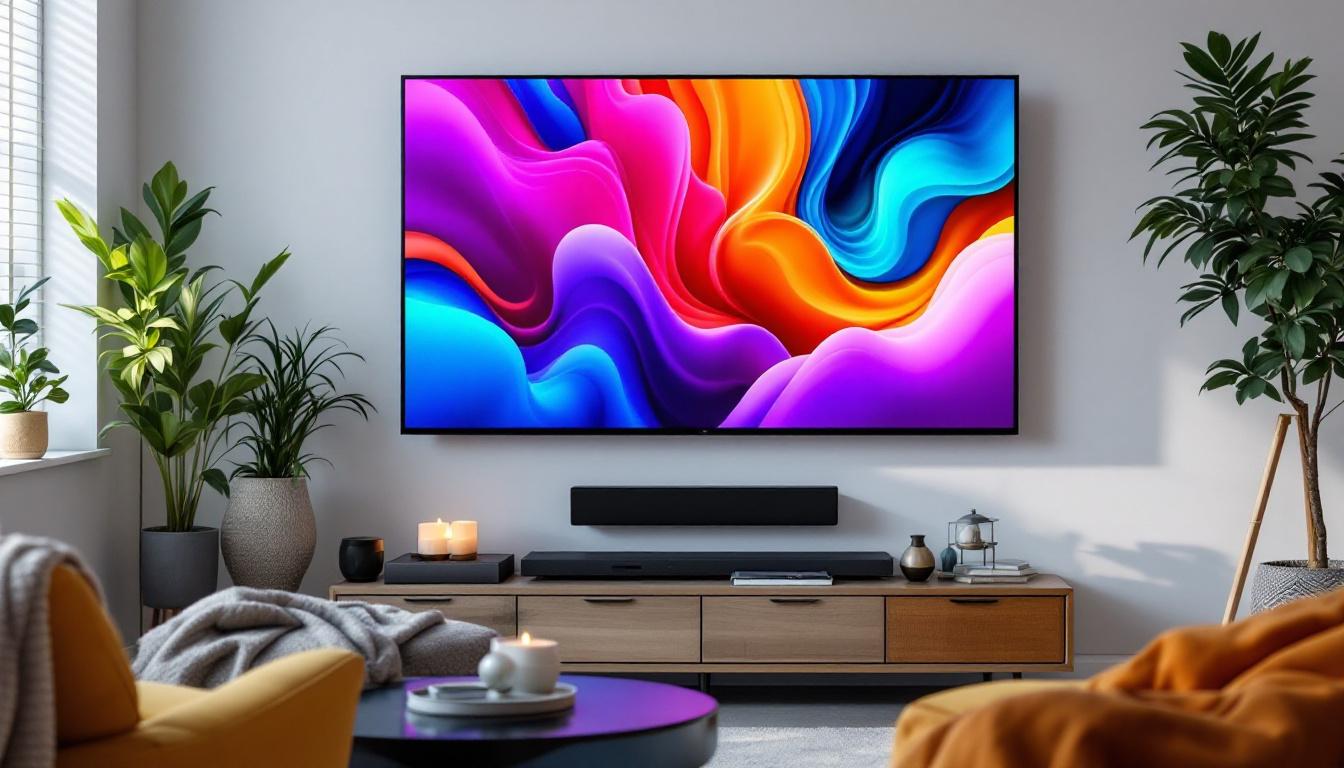
This means a 108-inch LED display has a diagonal length of 9 feet. This measurement is essential for understanding the scale of the display, especially when planning installation spaces or comparing screen sizes. A display of this size can serve various purposes, from being the centerpiece of a home theater to functioning as a professional presentation tool in conference rooms.
Why Diagonal Measurement Matters
Screen size is almost always given as the diagonal length because it provides a standardized way to compare displays of different aspect ratios. Whether the display is widescreen (16:9), square, or another format, the diagonal remains a consistent reference point.
For instance, a 108-inch diagonal LED display with a 16:9 aspect ratio will have different width and height dimensions than one with a 4:3 ratio. Knowing the diagonal alone is not enough to fully understand the physical footprint, but it is the starting point for further calculations. Additionally, the aspect ratio influences the viewing experience; a wider screen may be more suitable for cinematic content, while a taller screen could be advantageous for presentations that require more vertical space. Understanding these dimensions helps consumers and businesses make informed decisions based on their specific needs, whether it’s for immersive gaming, engaging educational content, or dynamic advertising displays.
Calculating Width and Height of a 108-Inch LED Display
To get a clearer picture of the display’s actual size, it’s necessary to calculate the width and height based on the aspect ratio. Most modern LED displays use a 16:9 aspect ratio, which is standard for HDTVs and many digital signage applications. This aspect ratio is particularly favored for its ability to deliver an immersive viewing experience, making it ideal for movies, gaming, and presentations. Understanding the dimensions of the display can help in planning the installation space and ensuring that the display fits seamlessly into its intended environment.
Step-by-Step Calculation for 16:9 Aspect Ratio
The aspect ratio 16:9 means that for every 16 units of width, there are 9 units of height. Using the Pythagorean theorem, the width (W) and height (H) can be derived from the diagonal (D):
- W² + H² = D²
- Given W/H = 16/9, so W = (16/9) × H
Substituting into the Pythagorean theorem:
((16/9) × H)² + H² = D²
(256/81) × H² + H² = D²
(256/81 + 1) × H² = D²
(337/81) × H² = D²
H² = (81/337) × D²
H = D × √(81/337) = D × (9/√337)
Plugging in D = 108 inches:
H = 108 × (9/√337)
Calculating √337 ≈ 18.36
So:
H ≈ 108 × (9 / 18.36) ≈ 108 × 0.49 ≈ 52.9 inches
Then width:
W = (16/9) × H ≈ 1.78 × 52.9 ≈ 94.2 inches
Converting Width and Height to Feet
To convert these dimensions to feet:
- Width: 94.2 inches ÷ 12 = 7.85 feet
- Height: 52.9 inches ÷ 12 = 4.41 feet
Therefore, a 108-inch diagonal LED display with a 16:9 aspect ratio is approximately 7.85 feet wide and 4.41 feet tall. Knowing these dimensions is crucial not only for fitting the display into a designated space but also for determining the optimal viewing distance. For instance, a general rule of thumb for viewing distance is to sit at least 1.5 to 2.5 times the diagonal size of the screen away. This means that for a 108-inch display, viewers should ideally be seated between 9 and 15 feet away for the best experience.
Additionally, understanding the physical dimensions can aid in selecting the right mounting solutions and furniture arrangements. Whether it’s a wall mount, a stand, or integration into a conference room setup, knowing the exact width and height ensures that the display will be both functional and aesthetically pleasing. It also allows for better planning of cable management and access to power outlets, which are essential for maintaining a clean and professional look in any installation.
Practical Implications of Display Size
Understanding the physical dimensions of a 108-inch LED display is vital for several reasons, including installation planning, viewing distance, and content design.
Installation and Space Requirements
Knowing the width and height helps determine whether the display will fit in the intended location. For example, a 7.85-foot wide screen requires a wall or mounting structure that can accommodate that width plus additional clearance for ventilation and maintenance access.
Additionally, the weight and thickness of large LED displays can impact the type of mounting hardware needed. Professional installers often require precise measurements to ensure safety and stability. The installation process may also involve assessing the structural integrity of the wall or ceiling where the display will be mounted, especially in commercial environments where safety regulations are stringent. A thorough evaluation can prevent costly accidents and ensure that the display remains securely in place over time.
Optimal Viewing Distance
Size also influences the ideal viewing distance. For LED displays, the general recommendation is that viewers should be positioned at a distance approximately 1.5 to 2.5 times the diagonal size for comfortable viewing without pixelation or eye strain.
For a 108-inch screen, this translates to:
- Minimum viewing distance: 1.5 × 9 feet = 13.5 feet
- Maximum viewing distance: 2.5 × 9 feet = 22.5 feet
These guidelines help ensure the audience experiences the display with optimal clarity and impact, especially important in commercial or public settings. Furthermore, the viewing angle is another critical factor to consider; the ideal position should allow viewers to see the screen without significant distortion or loss of brightness. This is particularly relevant in environments like conference rooms or auditoriums, where seating arrangements may vary widely. By strategically placing the display and designing the seating layout, organizers can enhance engagement and ensure that everyone has a great view.
Moreover, understanding the implications of display size extends beyond mere viewing distance. It also influences how content is designed and presented. For instance, graphics and text must be scaled appropriately to maintain readability from various distances. This means that designers need to consider font size, image resolution, and color contrast to ensure that the content is not only visually appealing but also functional and accessible to all viewers, regardless of where they are seated. The interplay between display size and content design is crucial in creating an immersive experience that captivates the audience’s attention.
LED Display Technology Overview
Beyond size, understanding the technology behind LED displays provides context for why dimensions matter and how they affect performance.
What is an LED Display?
LED (Light Emitting Diode) displays are screens composed of numerous tiny LEDs that emit light individually to create images. Unlike LCDs, which require backlighting, LED displays are self-illuminating, resulting in higher brightness and better contrast.
LED technology is widely used for large-format displays in stadiums, advertising billboards, conference rooms, and retail environments due to its scalability and visibility in various lighting conditions.
Pixel Pitch and Resolution
The clarity of an LED display depends on pixel pitch, which is the distance between the centers of adjacent pixels, usually measured in millimeters. A smaller pixel pitch means higher resolution and sharper images, especially at closer viewing distances.
For a 108-inch LED display, pixel pitch selection must balance resolution needs with cost and viewing environment. For indoor use, pixel pitches between 1.5mm and 3mm are common, while outdoor displays might use larger pitches (4mm to 10mm) to maintain visibility from greater distances.
Choosing the Right 108-Inch LED Display for Your Needs
Selecting the appropriate LED display involves more than just size. Considerations include resolution, brightness, installation environment, and budget.
Indoor vs. Outdoor Use
Indoor LED displays typically prioritize higher resolution and color accuracy, as viewers are closer to the screen and lighting conditions are controlled. A 108-inch indoor LED display might be used in conference rooms, retail stores, or control centers.
Outdoor LED displays require higher brightness levels to overcome sunlight glare and weatherproof construction to withstand environmental elements. The physical size remains important, but durability and visibility are paramount.
Content and Application
The type of content displayed influences the choice of LED screen. High-definition video, detailed graphics, and text require higher resolution and precise color reproduction. For simpler messaging like logos or basic information, lower resolution screens may suffice.
For example, a 108-inch LED display used in a corporate lobby might showcase dynamic video content, while one in a manufacturing facility may display operational data and alerts.
Budget Considerations
Larger and higher-resolution LED displays come with increased costs. The 108-inch size is a significant investment, so balancing features with budget constraints is critical. Additional costs include installation, maintenance, and potential software licensing for content management.
Summary: Key Takeaways on 108 Inch to Feet and LED Displays
Converting 108 inches to feet reveals the substantial size of these displays—a 9-foot diagonal that translates to roughly 7.85 feet wide and 4.41 feet tall for a standard 16:9 aspect ratio screen.
This size demands careful planning for installation space, mounting, and optimal viewing distance. Understanding the underlying LED technology and pixel pitch helps buyers select the right display for their specific environment and application.
Ultimately, a 108-inch LED display offers a powerful visual solution for a variety of settings, combining impressive scale with the vibrant, high-contrast imagery that LED technology delivers.
Explore LumenMatrix’s Advanced LED Display Solutions
Ready to elevate your visual experience with a 108-inch LED display that promises to captivate and engage? LumenMatrix, a pioneer in LED display technology, offers a diverse range of solutions tailored to your unique needs. From Indoor and Outdoor LED Wall Displays to specialized options like Vehicle, Sports, and Floor LED Displays, LumenMatrix is committed to transforming your visual communication. Discover the perfect LED display to amplify your brand’s presence and deliver your message with unparalleled clarity. Check out LumenMatrix LED Display Solutions today and step into the future of vibrant, high-impact visual storytelling.