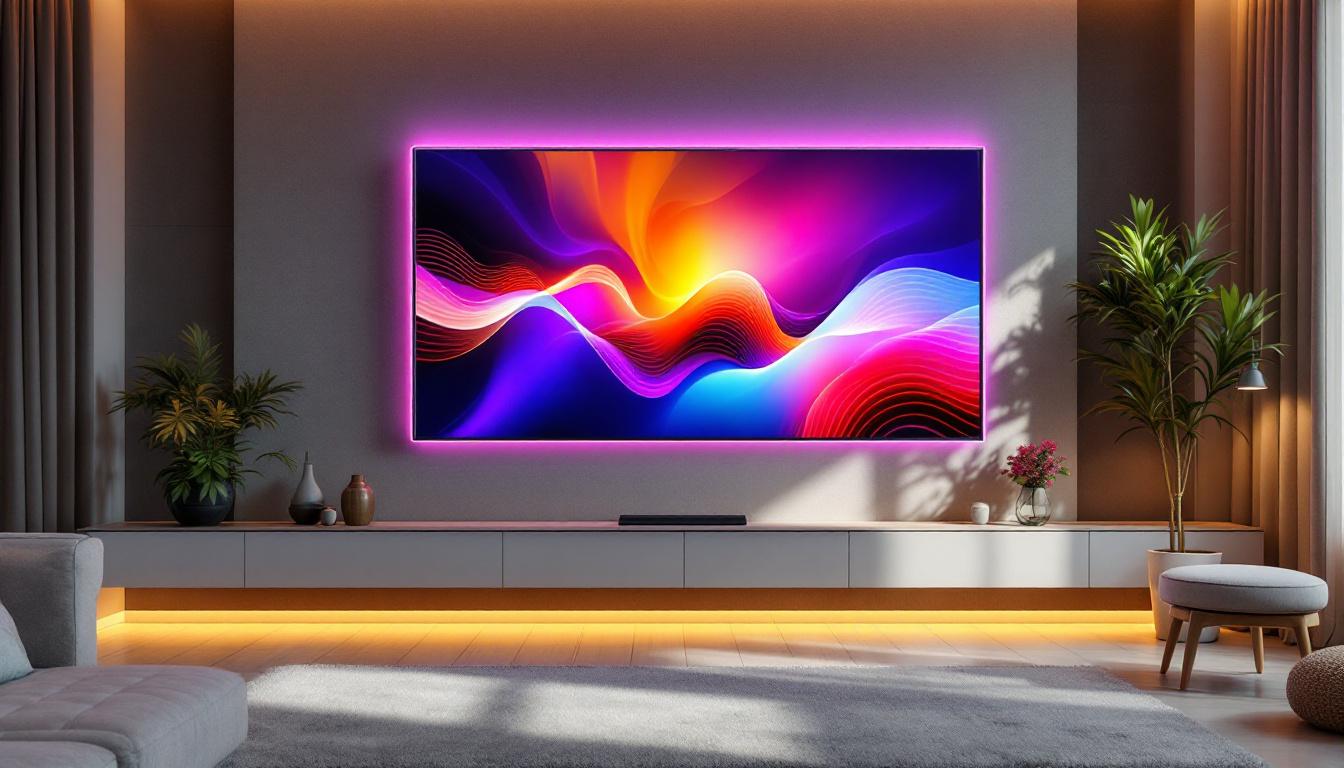
In today’s world of modern interior design and innovative technology, combining structural elements with digital displays has become a popular trend. One such fusion is the integration of LED displays into half walls, creating dynamic, eye-catching features that serve both functional and aesthetic purposes. Whether used in commercial spaces, homes, or public venues, half walls with embedded LED displays offer a unique way to communicate, decorate, and enhance environments.
This article explores the concept of building a half wall with an LED display, breaking down the technical aspects, design considerations, and practical applications. By understanding the fundamentals and best practices, you can create a stylish and effective half wall that leverages LED technology to its fullest potential.
Understanding Half Walls and Their Purpose
What Is a Half Wall?
A half wall, sometimes referred to as a pony wall or knee wall, is a partial wall that does not extend all the way from floor to ceiling. Typically, it ranges from 3 to 5 feet in height, acting as a divider that maintains openness while defining spaces. Half walls are commonly used in residential and commercial interiors to separate areas such as kitchens and living rooms, offices and lobbies, or reception areas and waiting rooms.
The advantage of a half wall lies in its ability to provide privacy and structure without completely obstructing views or light. This makes it an ideal candidate for integrating technology like LED displays, which can transform the wall into an interactive or decorative element. Furthermore, half walls can be designed to complement the overall aesthetic of a space, whether that be through the use of materials like wood, glass, or metal, or through decorative finishes that enhance the room’s theme.
In addition to their functional benefits, half walls can also serve as a canvas for creativity. Homeowners and designers often use them to showcase artwork, photographs, or even plants, adding a personal touch to the environment. This versatility allows half walls to not only serve a structural purpose but also to contribute to the overall ambiance and character of a space.
Why Combine Half Walls with LED Displays?
Integrating LED displays into half walls offers several benefits. First, it maximizes the use of vertical space in a subtle yet impactful way. Instead of placing screens on walls or mounting them on stands, embedding them within a half wall creates a seamless, built-in look.
Second, LED displays are versatile and customizable. They can show dynamic content such as advertisements, informational messages, art, or ambient visuals. This flexibility makes them suitable for a wide range of environments, from retail stores to corporate offices and residential settings. For instance, in a restaurant, an LED display can be used to showcase the daily specials or highlight customer testimonials, while in a corporate setting, it can serve as a platform for real-time updates or motivational quotes that enhance employee engagement.
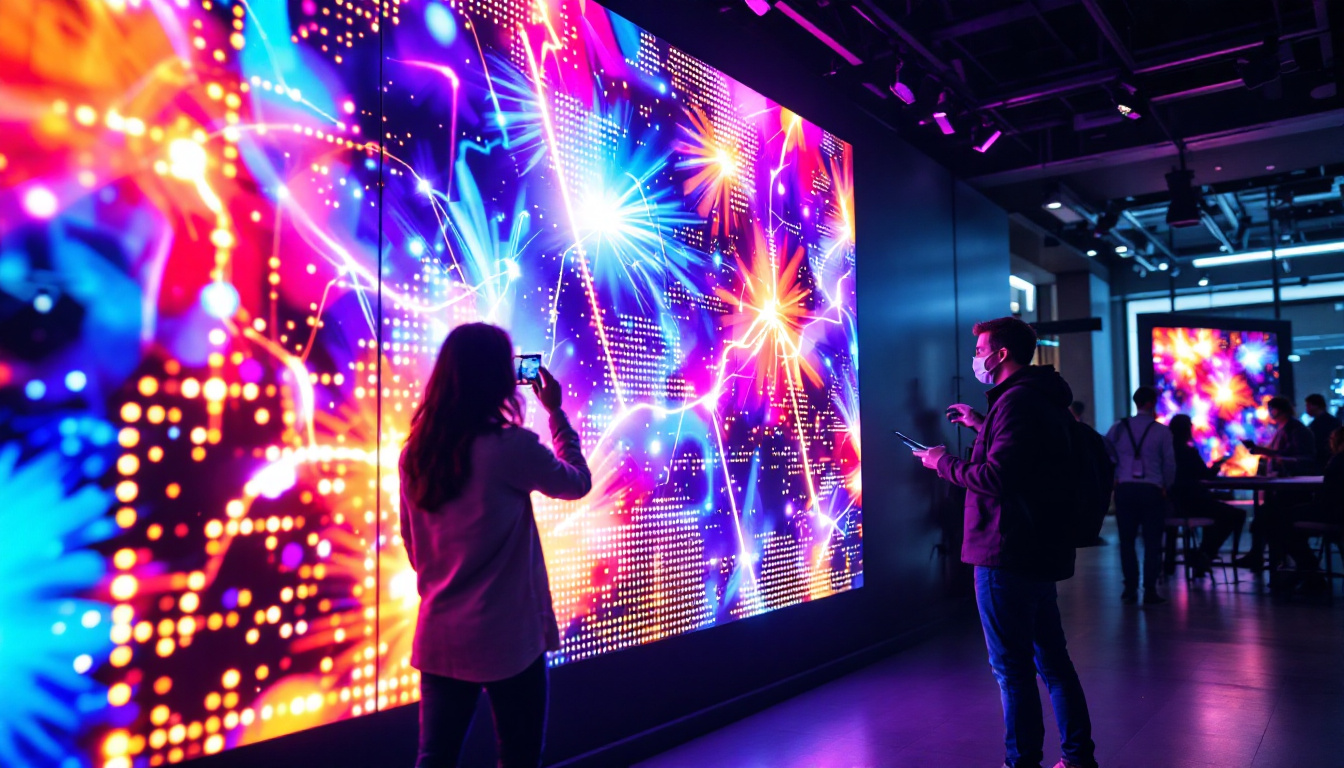
Moreover, the integration of LED displays within half walls can also enhance the user experience by providing interactive elements. Touch-sensitive screens can allow visitors to navigate through information or services, making the space more engaging. This interactivity can be particularly beneficial in environments like museums or galleries, where visitors can explore exhibits or learn more about the displayed items through the touch of a screen. The combination of half walls and LED technology not only elevates the functionality of a space but also fosters an innovative atmosphere that encourages interaction and exploration.
Technical Aspects of LED Displays in Half Walls
Types of LED Displays Suitable for Half Walls
LED displays come in various forms, each with specific characteristics that influence their suitability for half wall integration. The most common types include:
- LED Panels: These are modular units made up of multiple LEDs arranged in a grid. They are often used for large video walls and can be customized in size and resolution.
- LED Strips: Flexible strips with individual LEDs, ideal for accent lighting or creating patterns rather than full video displays.
- OLED Displays: Though not technically LED, OLEDs are sometimes considered for their thin profile and vibrant colors but are less common for embedded half wall applications due to cost and durability.
For half walls, LED panels are generally preferred because they provide high brightness, durability, and scalability. They can be designed to fit the exact dimensions of the wall segment and offer excellent visibility from various angles.
Resolution and Pixel Pitch Considerations
One of the key technical factors when selecting an LED display is the pixel pitch, which refers to the distance between individual LED pixels. A smaller pixel pitch means higher resolution and sharper images, which is crucial if the display will be viewed up close.
For half walls, especially those in indoor environments, a pixel pitch of 1.5mm to 3mm is common. This range balances cost and image quality, ensuring that text and graphics appear crisp without the expense of ultra-fine resolution displays.
Brightness and Viewing Angles
Brightness levels are measured in nits, and indoor LED displays typically range from 800 to 1,500 nits. Adequate brightness is essential to ensure visibility under various lighting conditions, including natural daylight if the half wall is near windows.
Viewing angle is another important consideration. LED displays embedded in half walls should have wide horizontal and vertical viewing angles (often 140° or more) to ensure the content is visible from different positions within the room.
Power and Connectivity Requirements
LED displays require a reliable power source and data connectivity to function properly. When planning a half wall with an LED display, it’s important to incorporate electrical wiring and data cables into the wall’s construction. This may involve:
- Installing power outlets and ensuring sufficient amperage for the display’s consumption.
- Running Ethernet or HDMI cables for content delivery and control.
- Considering wireless options for content management, though wired connections tend to be more stable.
Proper ventilation and heat dissipation mechanisms must also be integrated to prevent overheating, which could damage the LEDs or reduce their lifespan.
Design and Construction Considerations
Structural Planning and Materials
Building a half wall with an embedded LED display requires careful structural planning. The wall must support the weight and dimensions of the display while allowing access for maintenance and wiring.
Common materials for the half wall include wood framing, metal studs, and drywall or plywood surfaces. The LED display is typically mounted within a recessed cavity or flush with the wall surface. Using a sturdy frame ensures the display remains secure and stable.
Integration of the Display
Embedding the LED display involves creating a precise opening in the half wall that matches the display’s dimensions. This opening should have a frame or bezel to protect the edges of the screen and provide a clean finish.
Additionally, the design should allow for easy removal or access to the display for repairs or upgrades. Removable panels or hinged sections can facilitate maintenance without dismantling the entire wall.
Lighting and Ambient Effects
To enhance the visual impact of the LED display, designers often incorporate complementary lighting elements into the half wall. LED strip lights can be installed around the perimeter to create a halo effect or accentuate the display.
Controlling ambient lighting is also important to reduce glare and reflections on the screen. Matte finishes on surrounding surfaces and adjustable room lighting can improve the viewing experience.
Practical Applications and Benefits
Commercial and Retail Environments
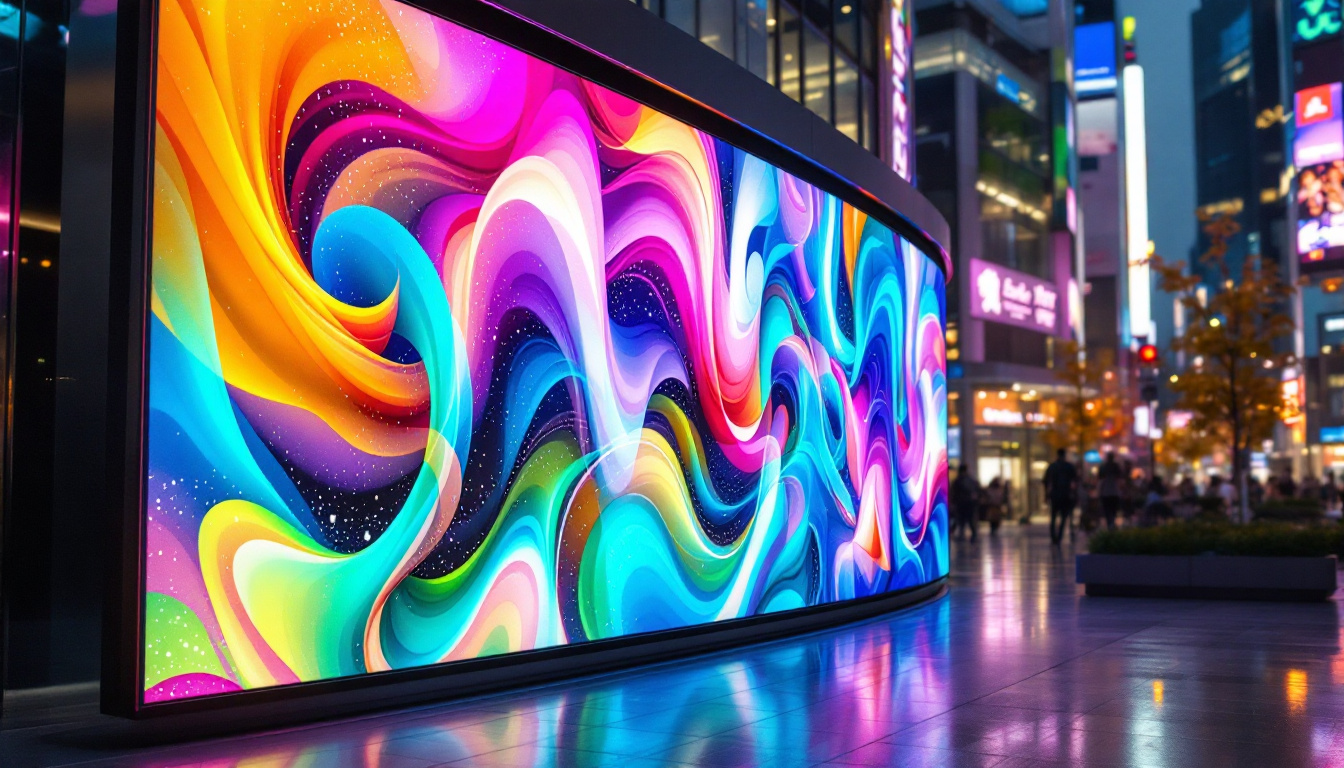
In retail stores, half walls with LED displays serve as dynamic signage that captures customer attention and promotes products. For example, clothing stores can showcase fashion videos or highlight sales, while restaurants might display menus or promotional offers.
According to a 2023 report by Grand View Research, the digital signage market is expected to grow at a compound annual growth rate (CAGR) of 9.5% through 2030, driven by increasing demand for interactive and engaging customer experiences. Half walls with LED displays fit perfectly into this trend by offering a modern, space-efficient solution.
Corporate and Office Spaces
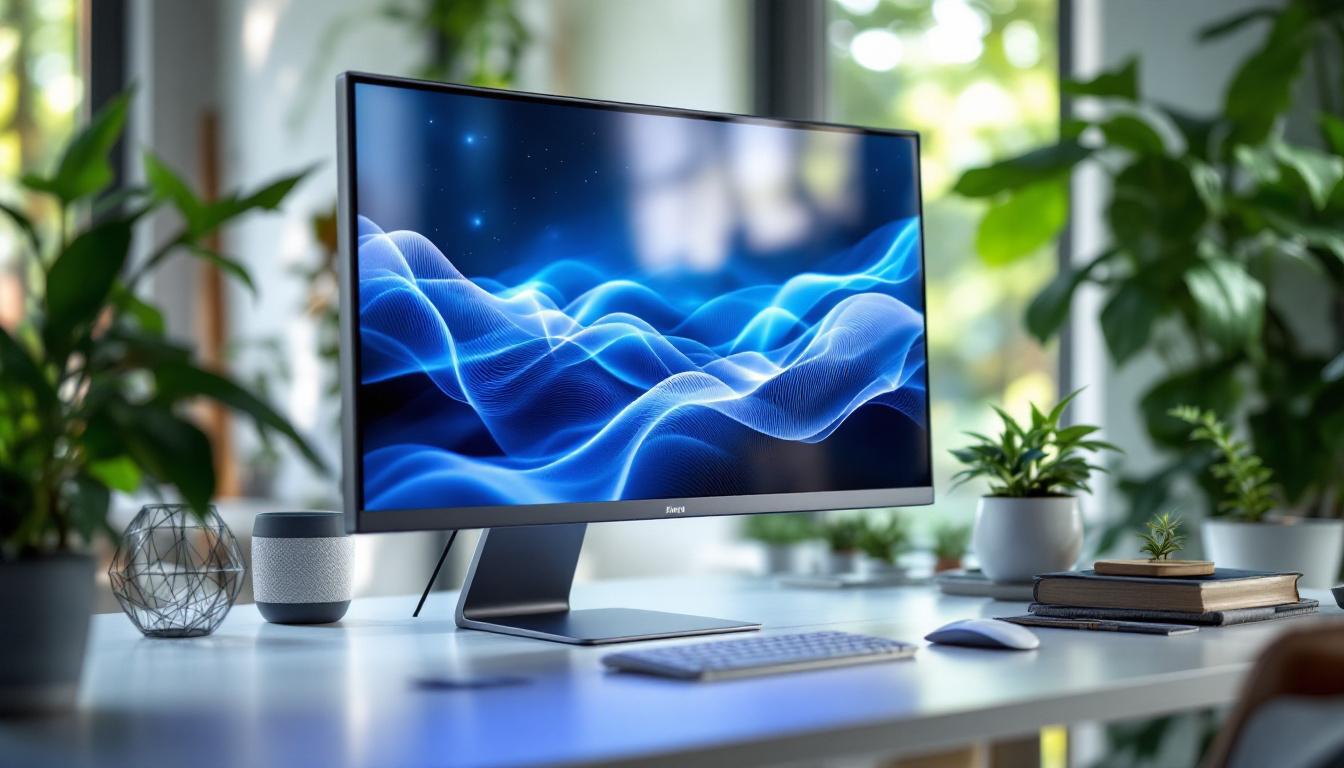
In offices, half walls with LED displays can be used for branding, displaying company news, or providing wayfinding assistance. They help create a tech-savvy atmosphere and improve communication among employees and visitors.
Moreover, these installations can be integrated with smart building systems to show real-time data, such as meeting room availability or environmental conditions, enhancing workplace efficiency.
Residential Uses
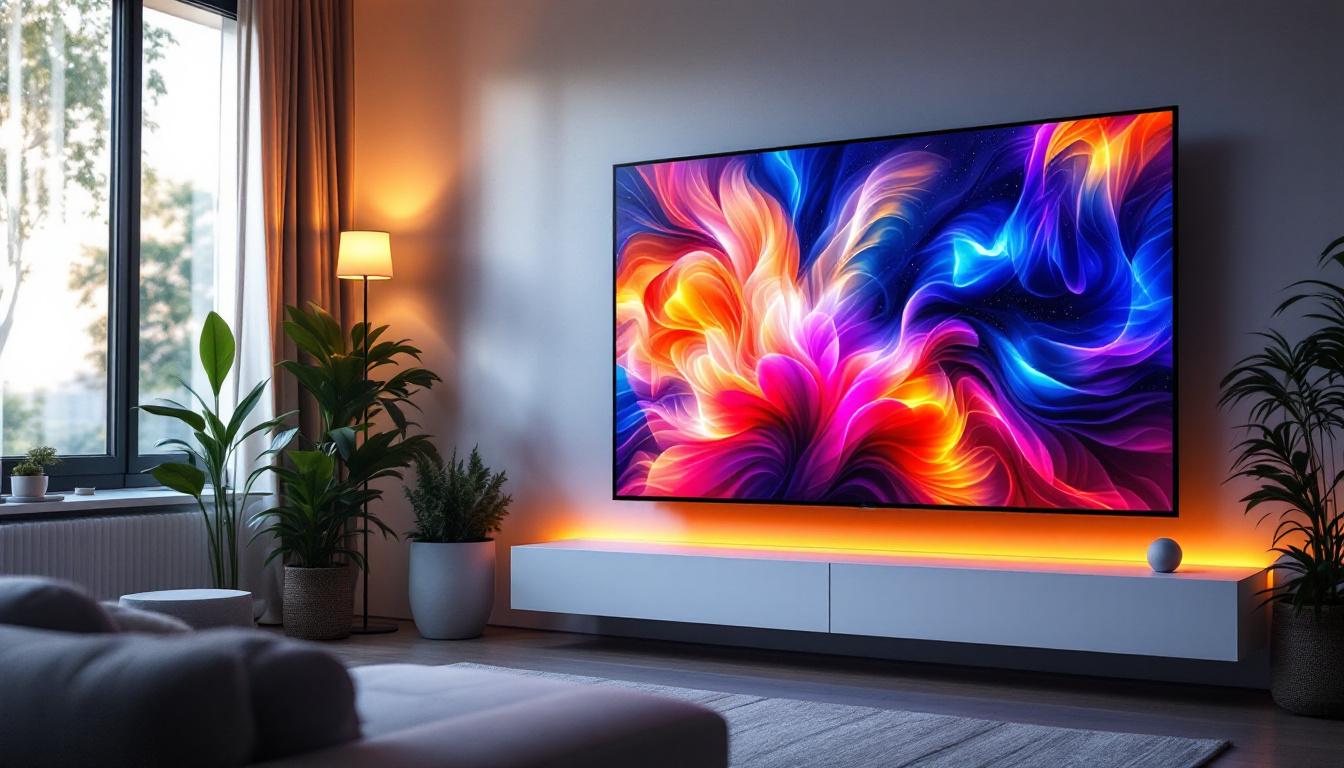
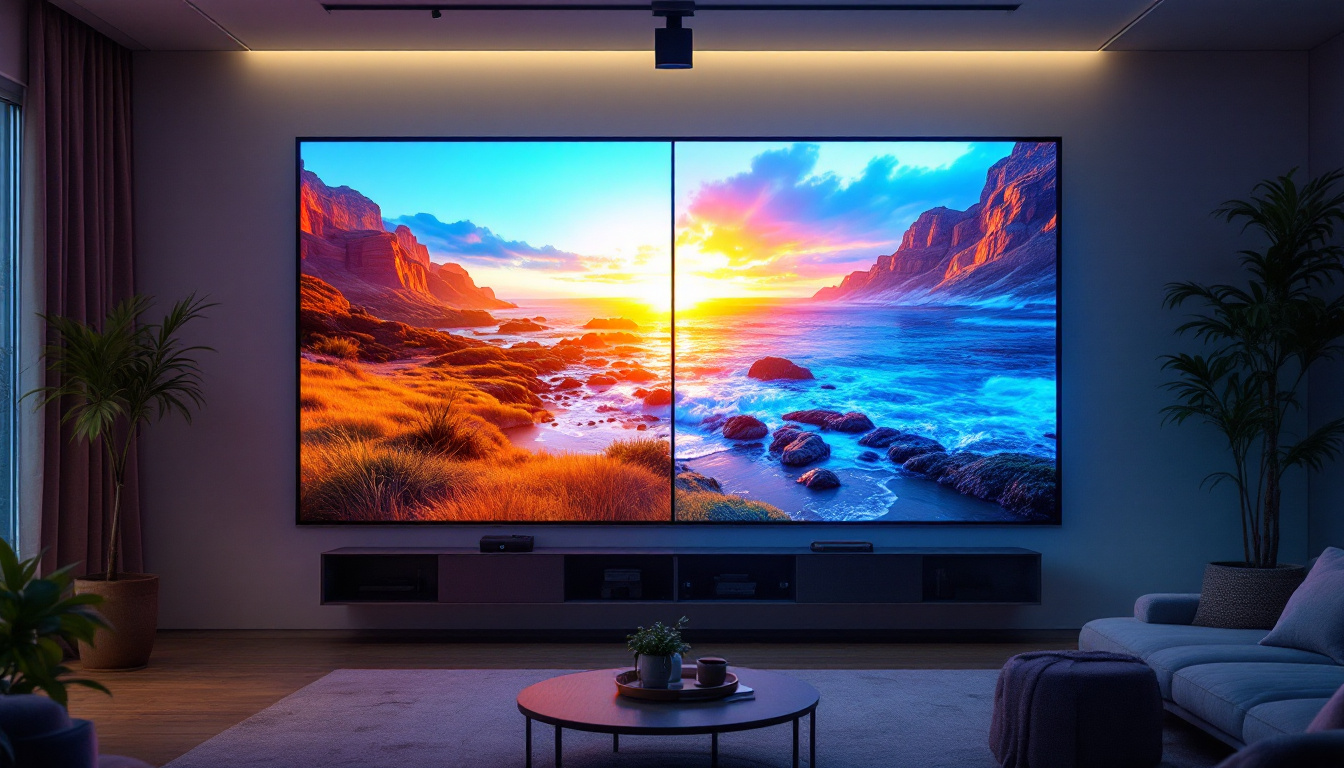
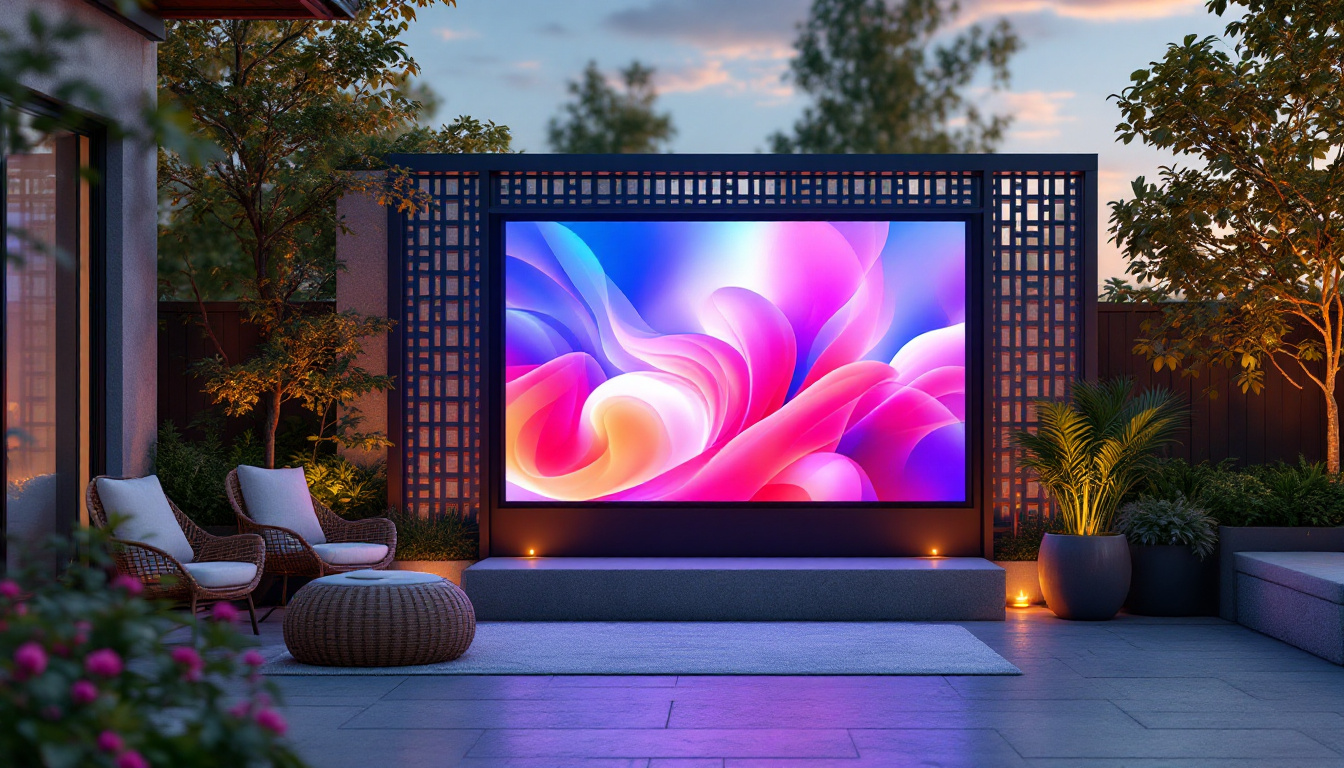
While less common, residential applications of half walls with LED displays are gaining popularity among tech enthusiasts and interior designers. Homeowners use them as entertainment centers, digital art galleries, or ambient mood lighting features.
With the rise of smart home technology, integrating LED displays into half walls offers a futuristic way to personalize living spaces and create immersive environments.
Maintenance and Longevity
Regular Cleaning and Care
Maintaining an LED display embedded in a half wall involves regular cleaning to remove dust and fingerprints. Use a soft, lint-free cloth and avoid harsh chemicals that could damage the screen surface.
Routine inspections of wiring and connections help prevent technical issues. It’s advisable to schedule professional maintenance annually to ensure optimal performance.
Durability and Lifespan
Modern LED displays are designed for long-term use, with typical lifespans ranging from 50,000 to 100,000 hours of operation. Factors such as heat management, power quality, and usage patterns influence longevity.
Choosing high-quality components and ensuring proper installation are critical to maximizing the lifespan of the embedded display.
Conclusion: Bringing Innovation to Interior Design
Building a half wall with an integrated LED display represents a convergence of architecture, technology, and design. This approach transforms a simple structural element into a multifunctional feature that enhances aesthetics, communication, and user engagement.
By carefully considering technical specifications, structural requirements, and design principles, it is possible to create half walls that not only divide spaces but also bring them to life with vibrant digital content. Whether for commercial, corporate, or residential use, LED-embedded half walls are a forward-thinking solution that reflects the evolving landscape of interior environments.
As LED technology continues to advance and become more accessible, the opportunities for creative integration in architectural elements like half walls will only expand, offering exciting possibilities for designers, builders, and end-users alike.
Discover the Future of LED Displays with LumenMatrix
Ready to elevate your space with the cutting-edge design and technology of LED displays? LumenMatrix is at the forefront of LED innovation, offering a wide array of solutions that transform environments and captivate audiences. From indoor and outdoor walls to custom and transparent displays, our products are designed to bring your vision to life. Don’t miss the opportunity to create an immersive experience with unparalleled clarity and impact. Check out LumenMatrix LED Display Solutions today and join the revolution in visual communication.