In an era where visual communication is paramount, LED displays have become a cornerstone technology across industries. From advertising billboards to stadium screens and even indoor digital signage, LED displays offer vibrant, dynamic content with unmatched brightness and clarity. This article delves deep into the technology behind System13 LED displays, exploring their components, advantages, applications, and future trends.
Understanding LED Display Technology
At its core, an LED (Light Emitting Diode) display is a flat panel that uses an array of LEDs as pixels to create images and videos. Unlike traditional LCD or plasma screens, LED displays emit their own light, which results in superior brightness, contrast, and color accuracy. This self-illuminating feature allows for vibrant colors and deep blacks, making LED displays particularly appealing for applications ranging from home entertainment systems to large-scale advertising billboards.
The System13 LED display is a cutting-edge solution designed to optimize visual performance while maintaining energy efficiency. It incorporates the latest advancements in LED chip technology, pixel arrangement, and control systems to deliver stunning visuals in a variety of environments. With a focus on sustainability, the System13 series also features low energy consumption, making it an environmentally friendly choice for businesses looking to reduce their carbon footprint while still achieving high-quality visual output.
How LED Displays Work
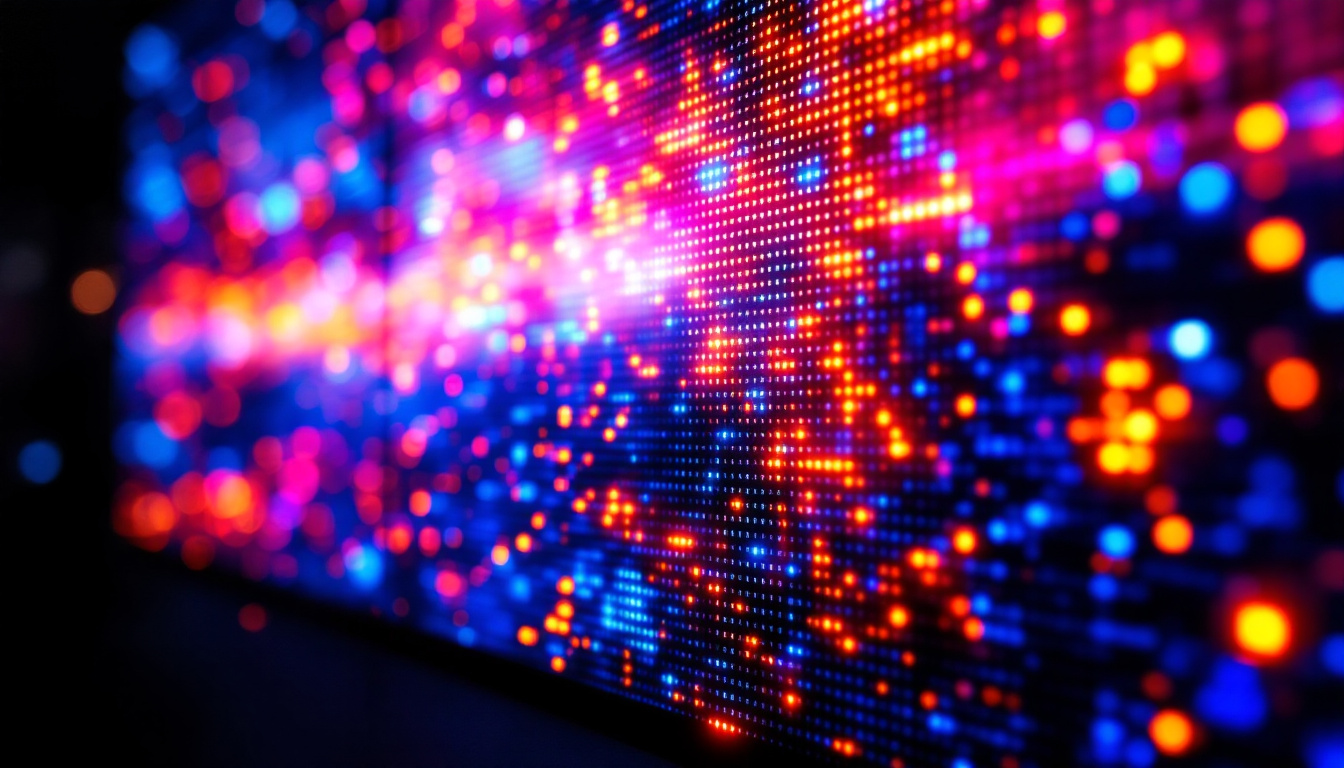
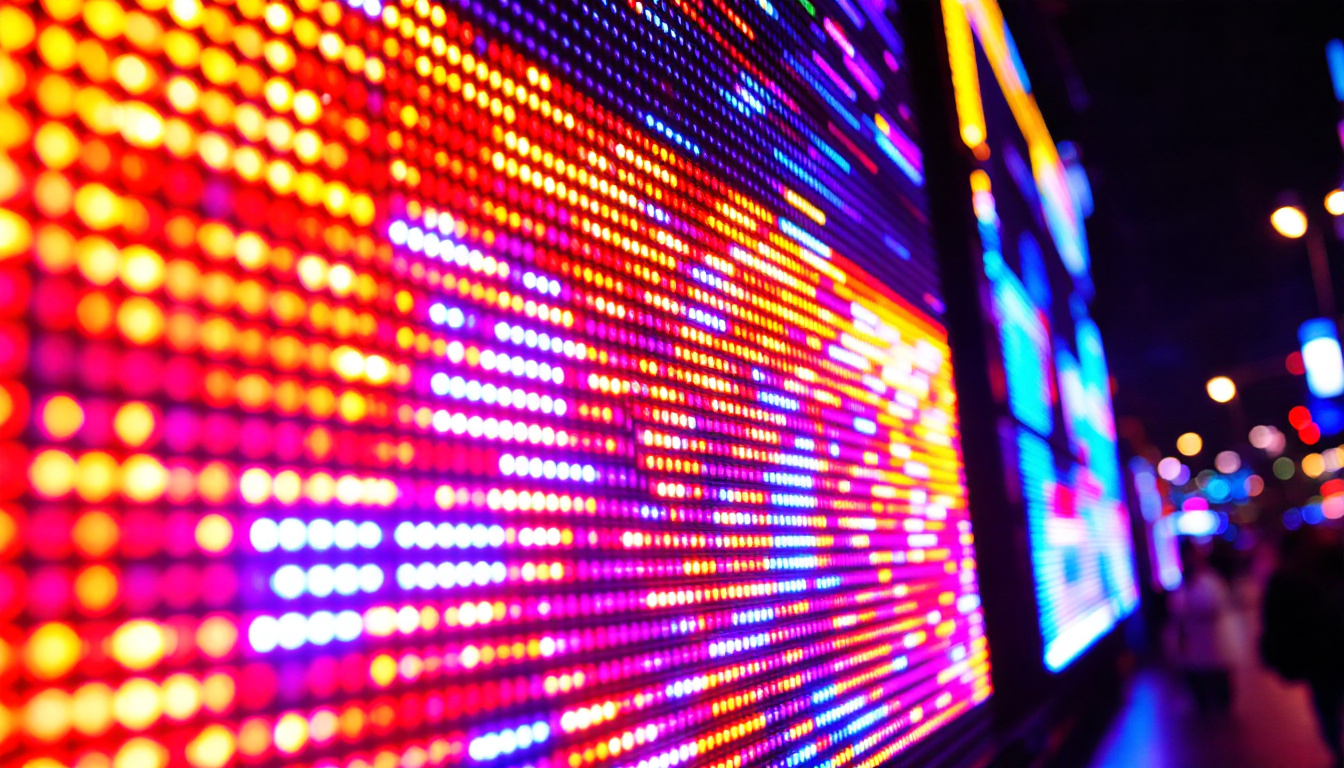
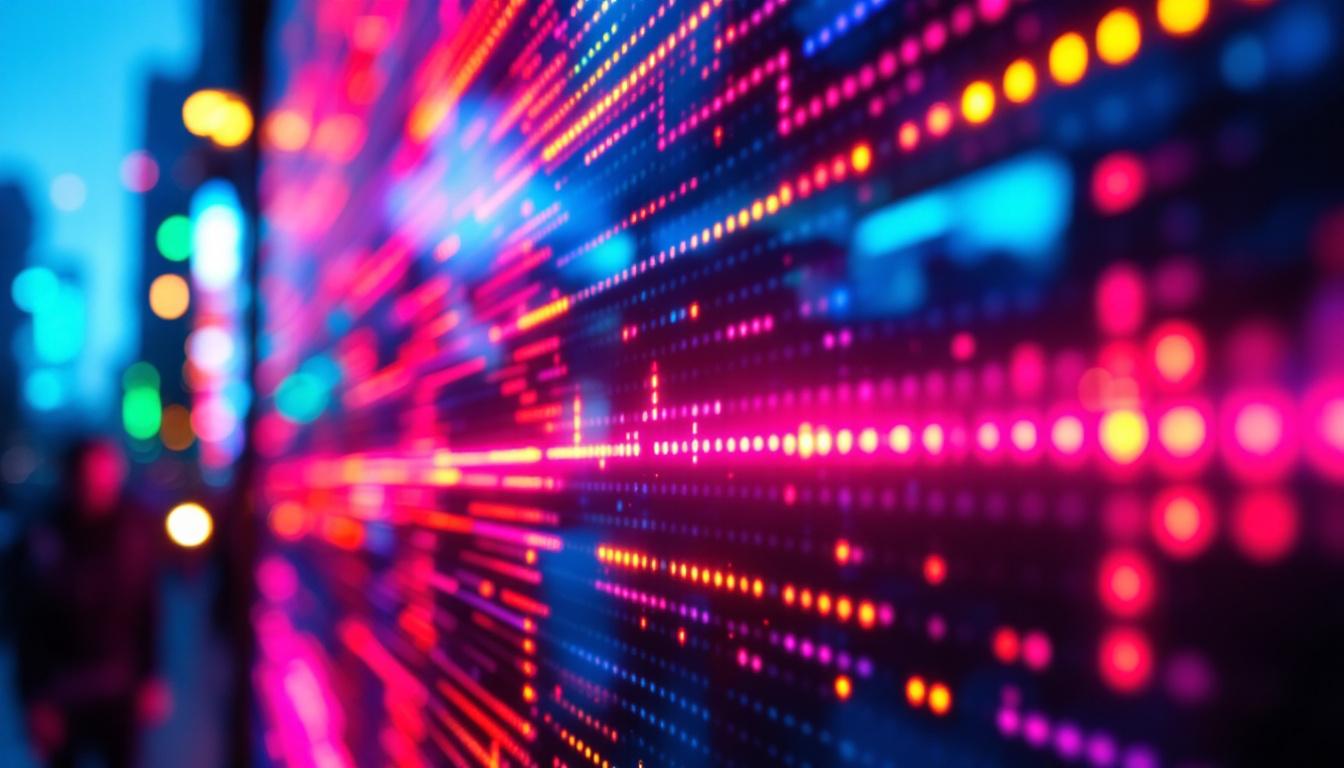
Each LED pixel consists of tiny semiconductor devices that emit light when an electric current passes through them. These pixels are arranged in a grid pattern, and by controlling the intensity and color of each pixel, the display can render complex images and video content. The ability to adjust the brightness and color of individual pixels allows for dynamic content that can adapt to different lighting conditions, ensuring optimal visibility whether in a dimly lit room or under bright sunlight.
System13 LED displays utilize high-density pixel configurations, often reaching pixel pitches as fine as 1.2mm for indoor applications. This fine pitch allows for exceptional image clarity, even when viewed up close. For outdoor environments, pixel pitches typically range from 4mm to 10mm, balancing visibility with cost-effectiveness. Additionally, the advanced thermal management systems integrated into the design help to dissipate heat efficiently, prolonging the lifespan of the display and maintaining consistent performance over time.
Key Components of System13 LED Displays
Several critical components work in harmony to create the System13 LED display experience:
- LED Modules: These are the building blocks of the display, containing clusters of LEDs arranged in precise patterns. Each module is designed for easy installation and replacement, which simplifies maintenance and reduces downtime.
- Driving ICs: Integrated circuits that regulate the current and voltage supplied to each LED, ensuring accurate color reproduction and brightness control. These ICs are crucial for achieving uniformity across the display, preventing issues like color shifting or flickering.
- Control System: The brain behind the display, managing image processing, synchronization, and communication with external devices. This system allows for seamless integration with various content sources, enabling real-time updates and dynamic content delivery.
- Power Supply: Provides stable and efficient power to the entire system, critical for consistent performance and longevity. The power supply is designed to handle fluctuations, ensuring that the display operates smoothly under different conditions.
- Cabinet Structure: The physical frame that houses the modules and electronics, designed for durability and ease of maintenance. The robust construction of the cabinet protects the internal components from environmental factors, making it suitable for both indoor and outdoor installations.
Advantages of System13 LED Displays
System13 LED displays stand out in the crowded market due to their combination of technological innovation and practical benefits. Understanding these advantages helps businesses and organizations make informed decisions when selecting display solutions.
Exceptional Brightness and Visibility
One of the most significant advantages of LED displays is their brightness. System13 displays can reach brightness levels exceeding 5,000 nits, making them easily visible even under direct sunlight. This feature is particularly important for outdoor advertising, sports arenas, and transportation hubs where ambient light conditions vary widely.
Energy Efficiency and Sustainability
Despite their high brightness, System13 LED displays are engineered for energy efficiency. Utilizing advanced LED chips and optimized driving circuits, these displays consume up to 30% less power compared to older LED models. This reduction not only lowers operational costs but also aligns with growing sustainability goals across industries.
Durability and Weather Resistance
System13 cabinets are designed with robust materials and protective coatings, ensuring resistance to dust, moisture, and temperature extremes. Many outdoor models meet IP65 or higher ratings, guaranteeing reliable operation in harsh weather conditions. This durability translates to lower maintenance costs and longer service life.
Flexibility and Scalability
The modular design of System13 displays allows for easy customization and scalability. Whether a business needs a small indoor screen or a massive outdoor billboard, System13 can be configured to meet those requirements. Additionally, the lightweight cabinet structure simplifies installation and reduces structural load on mounting surfaces.
Applications of System13 LED Displays
The versatility of System13 LED displays has led to widespread adoption across various sectors. The technology’s ability to deliver vibrant, dynamic content makes it an ideal choice for environments where visual impact is crucial.
Advertising and Digital Signage
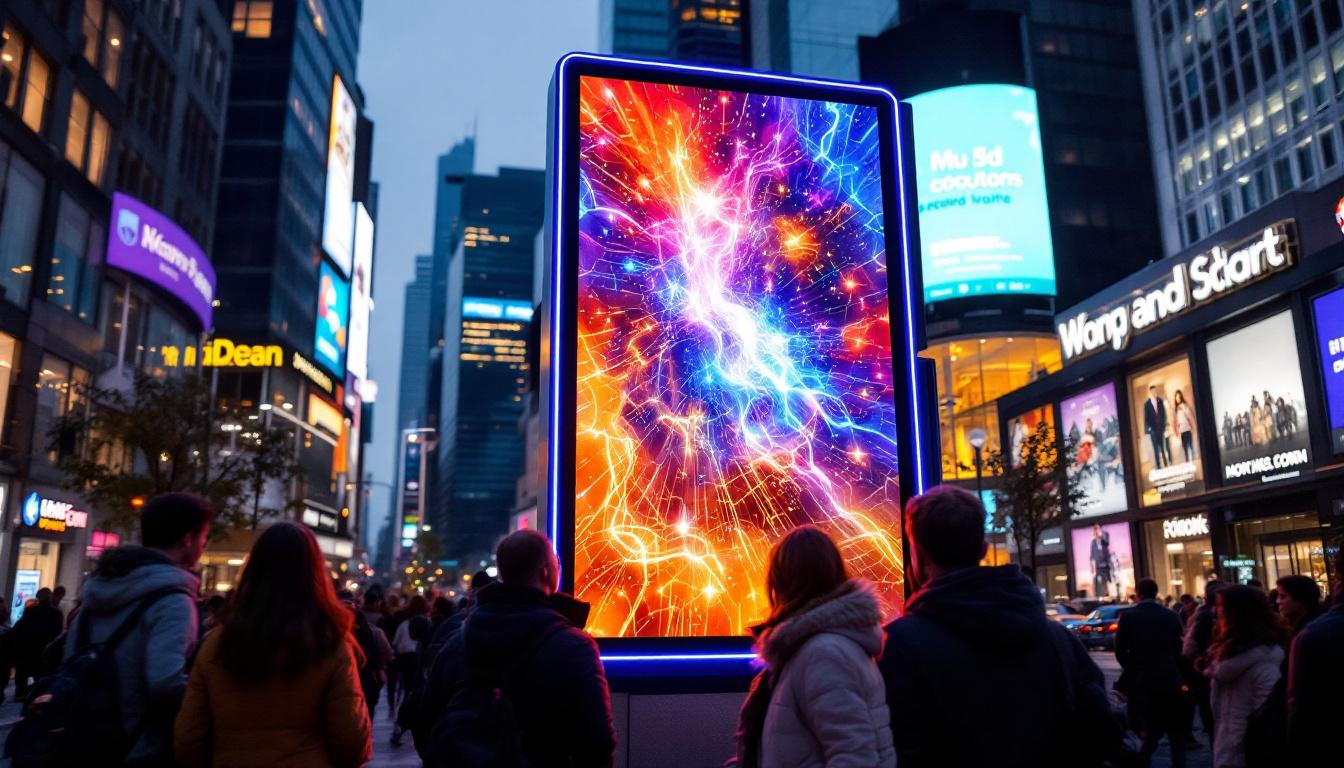
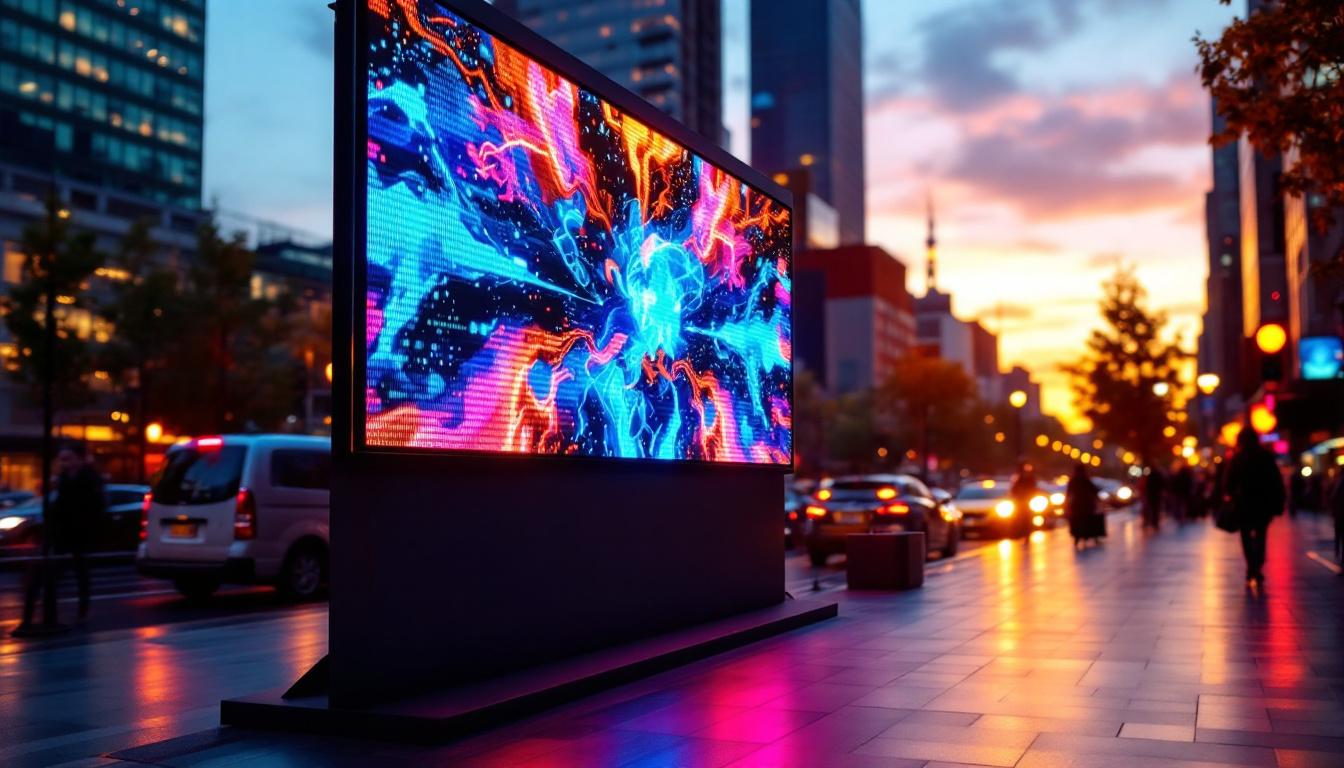
Outdoor advertising has been revolutionized by LED displays. System13’s high brightness and weather resistance make it perfect for billboards, retail storefronts, and transit advertising. Dynamic content can be updated remotely and in real-time, enabling marketers to tailor messages based on time of day, audience demographics, or special events.
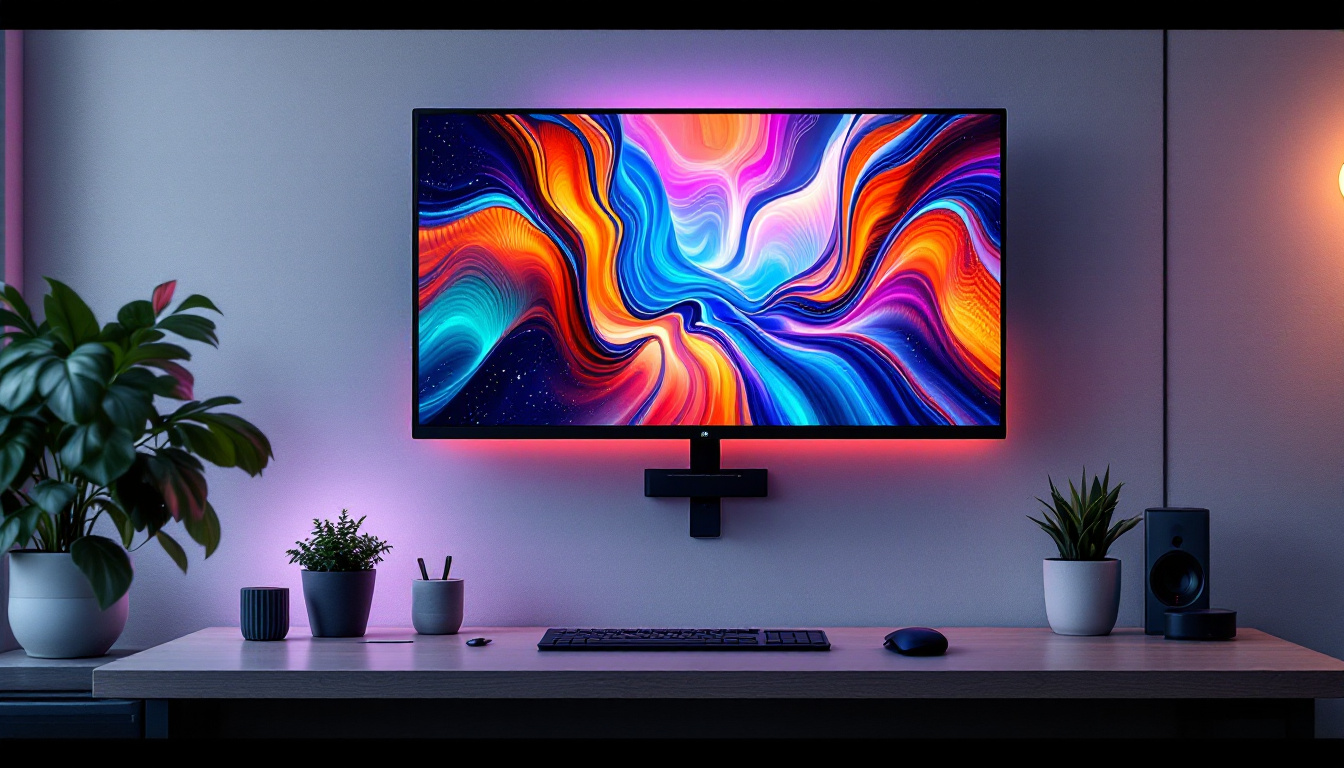
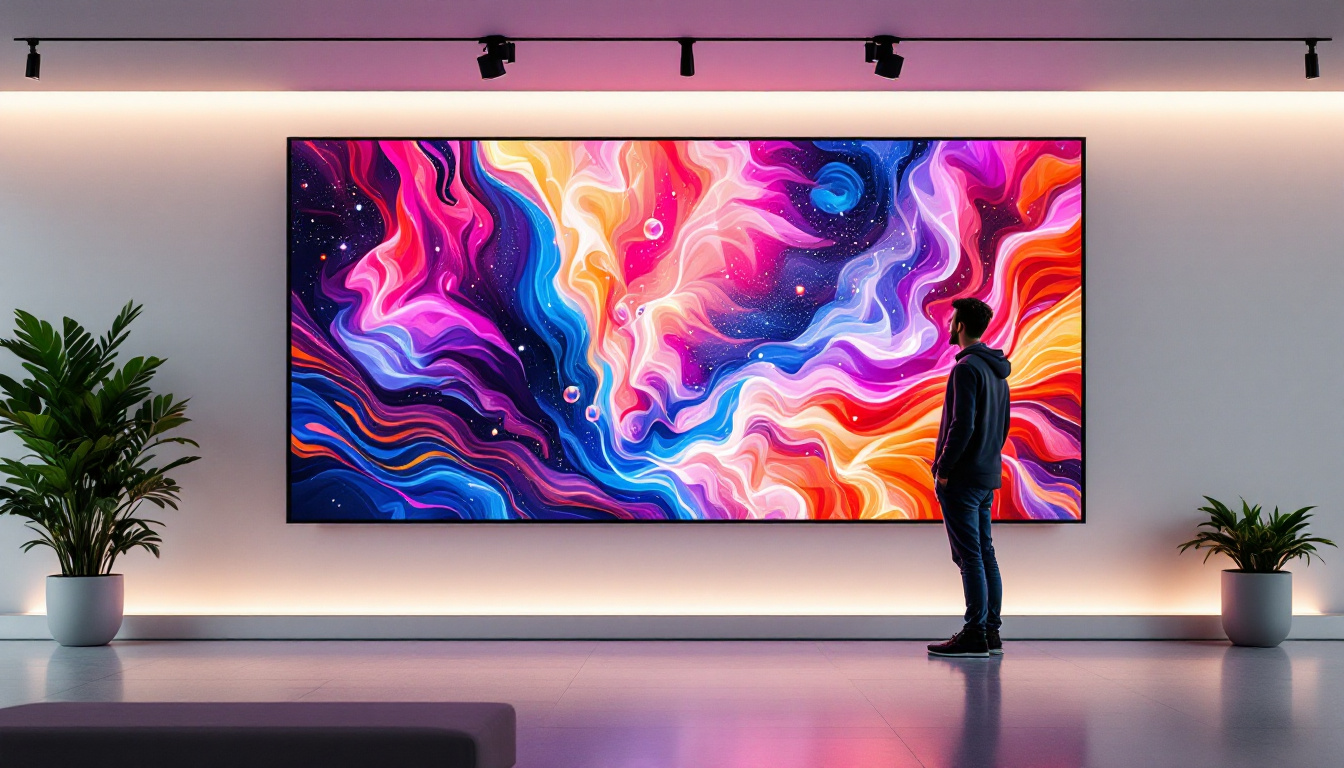
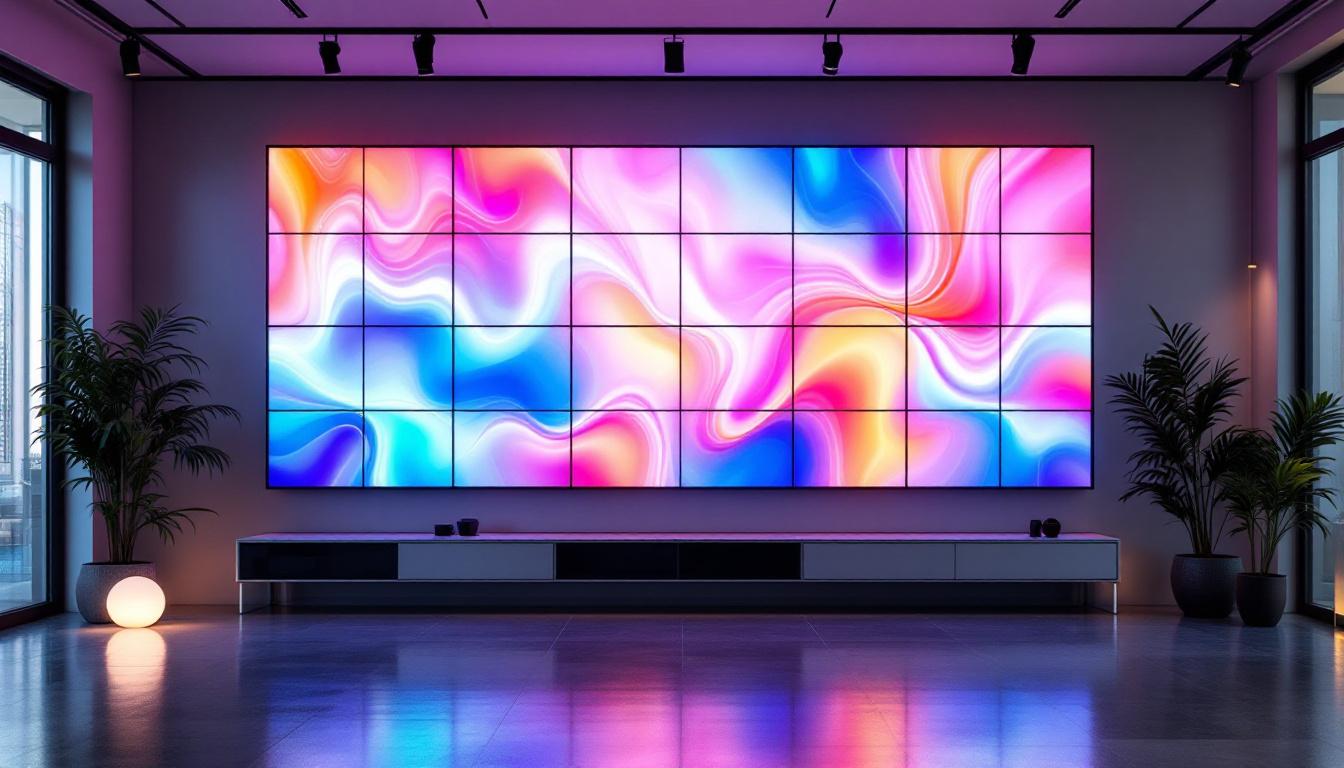
Indoor digital signage also benefits from System13’s fine pixel pitch and color accuracy. Retailers, airports, and corporate lobbies use these displays to engage customers and provide information effectively.
Sports and Entertainment Venues
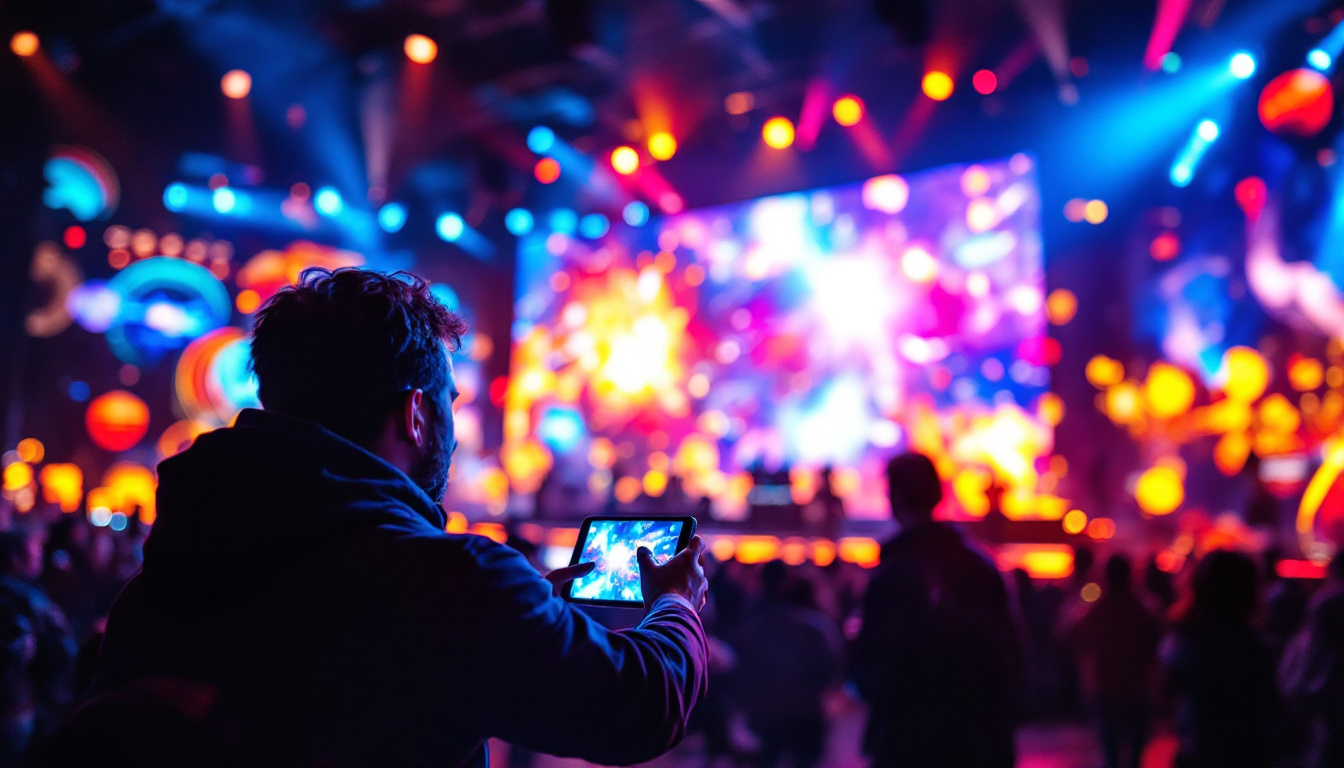
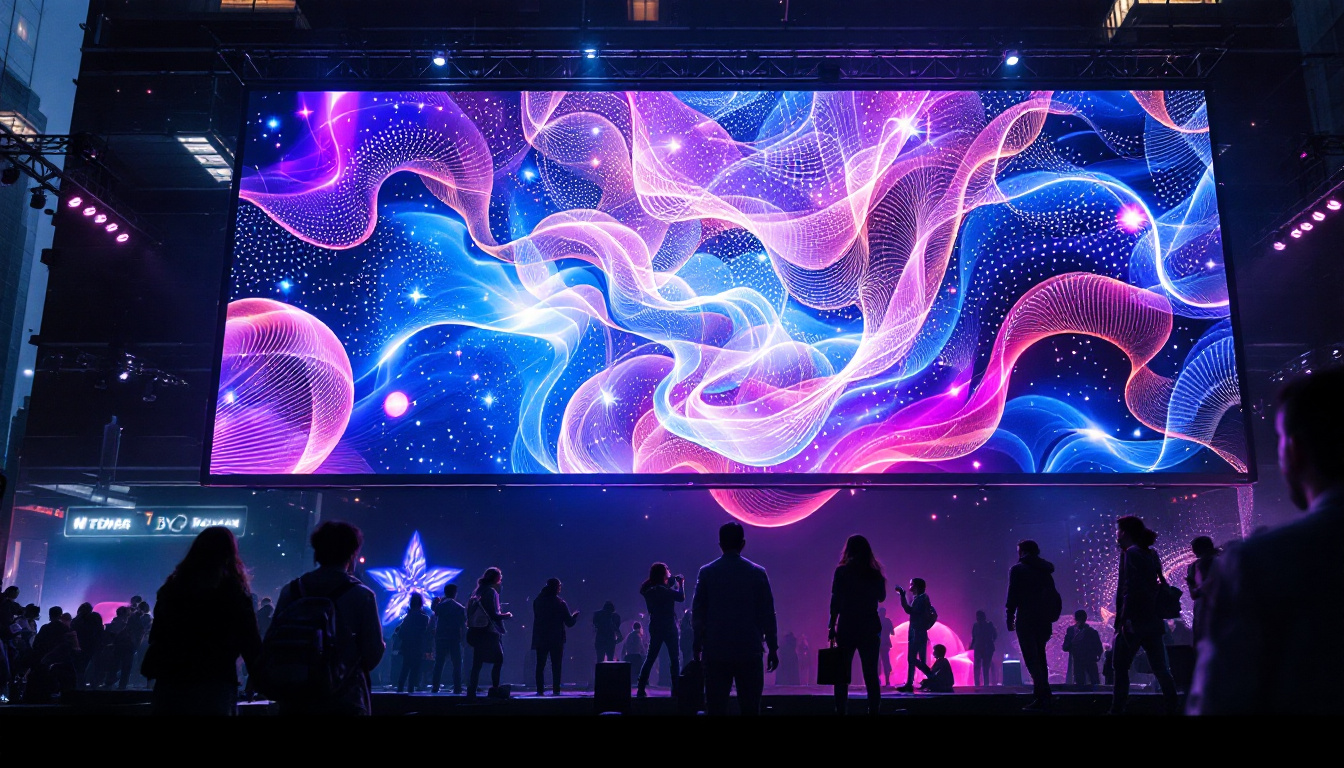
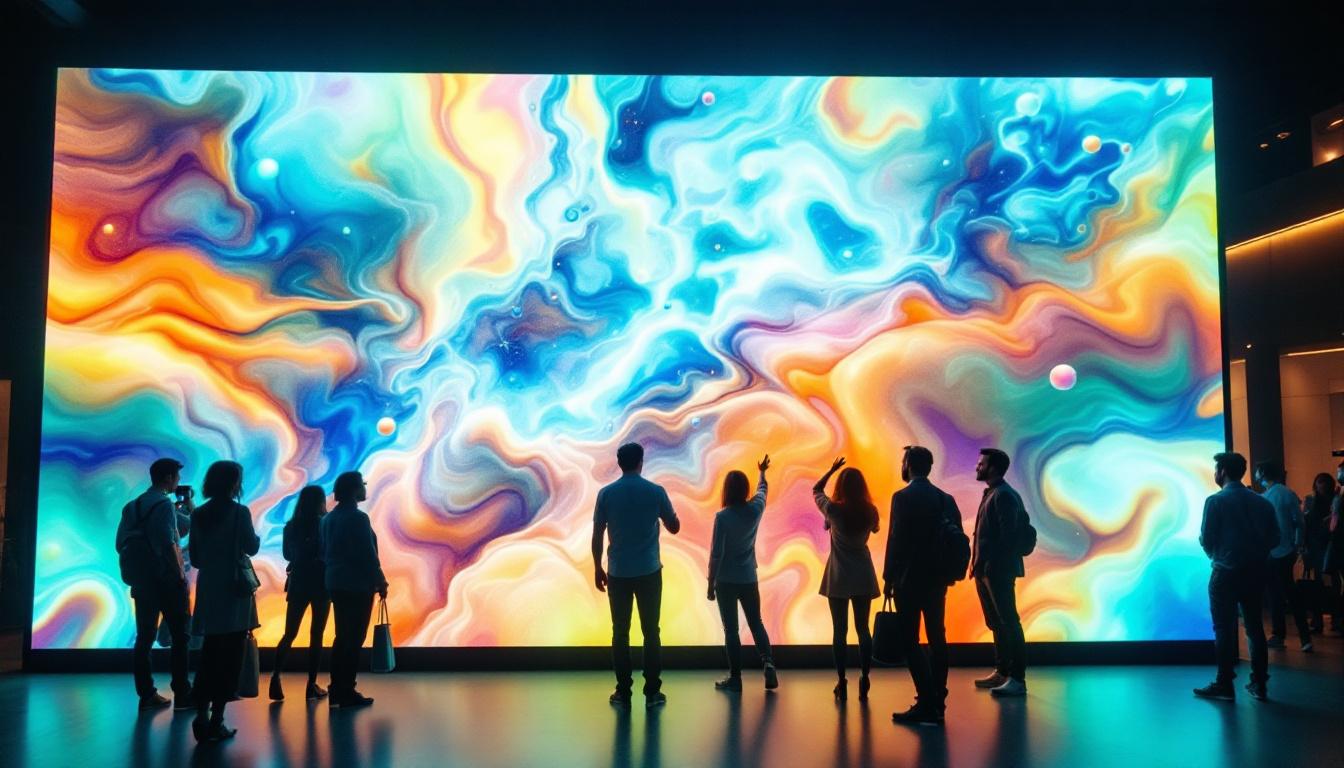
Stadiums and arenas increasingly rely on large LED screens to enhance the spectator experience. System13 displays provide crystal-clear replays, live scores, and interactive content, even in large venues with thousands of attendees. Their durability ensures consistent performance throughout events, regardless of weather or lighting conditions.
Transportation and Public Spaces
LED displays are integral to modern transportation hubs such as airports, train stations, and bus terminals. System13 technology enables real-time updates on schedules, alerts, and advertisements, improving passenger experience and operational efficiency. Public spaces also use these displays for community announcements and emergency notifications.
Corporate and Educational Environments
In corporate settings, System13 LED displays serve as powerful tools for presentations, video conferencing, and digital communication. Educational institutions utilize these displays for interactive learning, campus information, and event broadcasting, fostering engagement and connectivity.
Future Trends in LED Display Technology
The LED display industry is rapidly evolving, with System13 at the forefront of several emerging trends. Understanding these developments provides insight into how visual communication will continue to transform.
MicroLED and MiniLED Innovations
MicroLED and MiniLED technologies represent the next generation of LED displays, offering even finer pixel pitches, higher brightness, and improved color fidelity. System13 is actively integrating these advancements to push the boundaries of image quality, especially for indoor and close-viewing applications.
AI-Driven Content Management
Artificial intelligence is increasingly being used to optimize content delivery on LED displays. System13’s control systems are incorporating AI algorithms to analyze audience behavior and environmental conditions, enabling dynamic content adjustments that maximize engagement and effectiveness.
Enhanced Connectivity and Integration
Future System13 displays will feature improved connectivity options, including 5G and IoT integration. This connectivity facilitates seamless content updates, remote diagnostics, and integration with smart city infrastructure, expanding the role of LED displays beyond traditional signage.
Sustainability and Circular Design
Environmental considerations are driving innovations in LED display manufacturing and lifecycle management. System13 is embracing circular design principles, focusing on recyclability, reduced material usage, and energy-efficient operation to minimize environmental impact.
Choosing the Right System13 LED Display for Your Needs
Selecting the appropriate System13 LED display involves considering several factors to ensure optimal performance and return on investment.
Assessing Viewing Distance and Environment
Pixel pitch should be chosen based on typical viewing distances. For example, indoor displays viewed from less than 3 meters require a pixel pitch of 1.2mm to 2.5mm, while outdoor displays viewed from 10 meters or more can use pitches of 6mm to 10mm. Environmental factors such as exposure to sunlight, moisture, and temperature extremes also influence the choice of display model.
Content Type and Resolution Requirements
The nature of the content—whether static images, video, or interactive media—affects the display specifications. High-resolution video content demands finer pixel pitches and advanced processing capabilities, both of which are strengths of System13 displays.
Budget and Total Cost of Ownership
While initial investment is important, consider long-term costs such as energy consumption, maintenance, and potential upgrades. System13’s energy-efficient design and modular components help reduce these expenses over the display’s lifespan.
Installation and Maintenance Considerations
System13’s lightweight, modular cabinets simplify installation and enable quick access for maintenance. Ensuring that the installation environment supports proper ventilation and protection will extend the display’s operational life.
Conclusion
System13 LED displays represent a sophisticated blend of technological innovation and practical design, delivering exceptional visual experiences across diverse applications. Their superior brightness, energy efficiency, durability, and flexibility make them a compelling choice for businesses and organizations aiming to enhance communication and engagement.
As LED technology continues to evolve with advancements like MicroLED integration and AI-driven content management, System13 remains poised to lead the industry forward. Understanding the features and benefits of these displays empowers decision-makers to select solutions that not only meet current needs but also adapt to future demands.
Investing in a System13 LED display is more than purchasing a screen—it’s embracing a dynamic platform for impactful storytelling and connection in a visually driven world.
Discover LumenMatrix’s Innovative LED Solutions
Ready to elevate your visual communication with the latest in LED technology? Explore LumenMatrix’s comprehensive range of LED display solutions, from vibrant Indoor and Outdoor LED Wall Displays to dynamic Vehicle LED Displays and beyond. Whether you’re looking to captivate your audience with an LED Sports Display, make a statement with a Custom LED Display, or innovate with an All-in-One LED Display, LumenMatrix is your partner in creating unforgettable visual experiences. Check out LumenMatrix LED Display Solutions today and join the revolution in digital storytelling.