In recent years, LED walls have revolutionized the way information and visuals are presented in both commercial and entertainment settings. From massive outdoor advertising billboards to immersive concert backdrops and corporate event displays, LED walls offer unparalleled brightness, flexibility, and visual impact. But what exactly goes into making these vibrant, dynamic displays? Understanding the components of an LED wall is essential for anyone involved in event production, digital signage, or audiovisual technology.
This article delves into the core components of LED walls, explaining how each part contributes to the overall performance and quality of the display. By the end, readers will have a comprehensive understanding of LED display technology, enabling informed decisions whether purchasing, renting, or maintaining LED walls.
What Is an LED Wall?
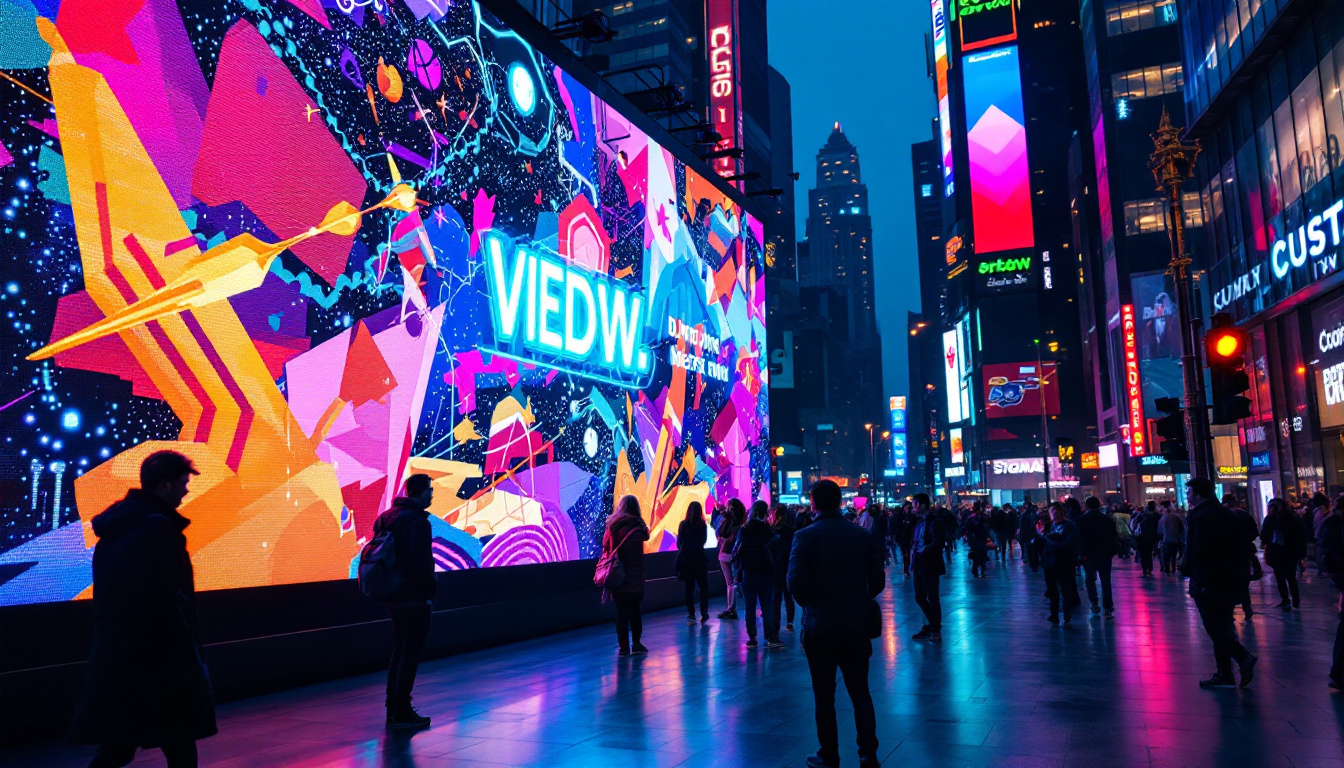
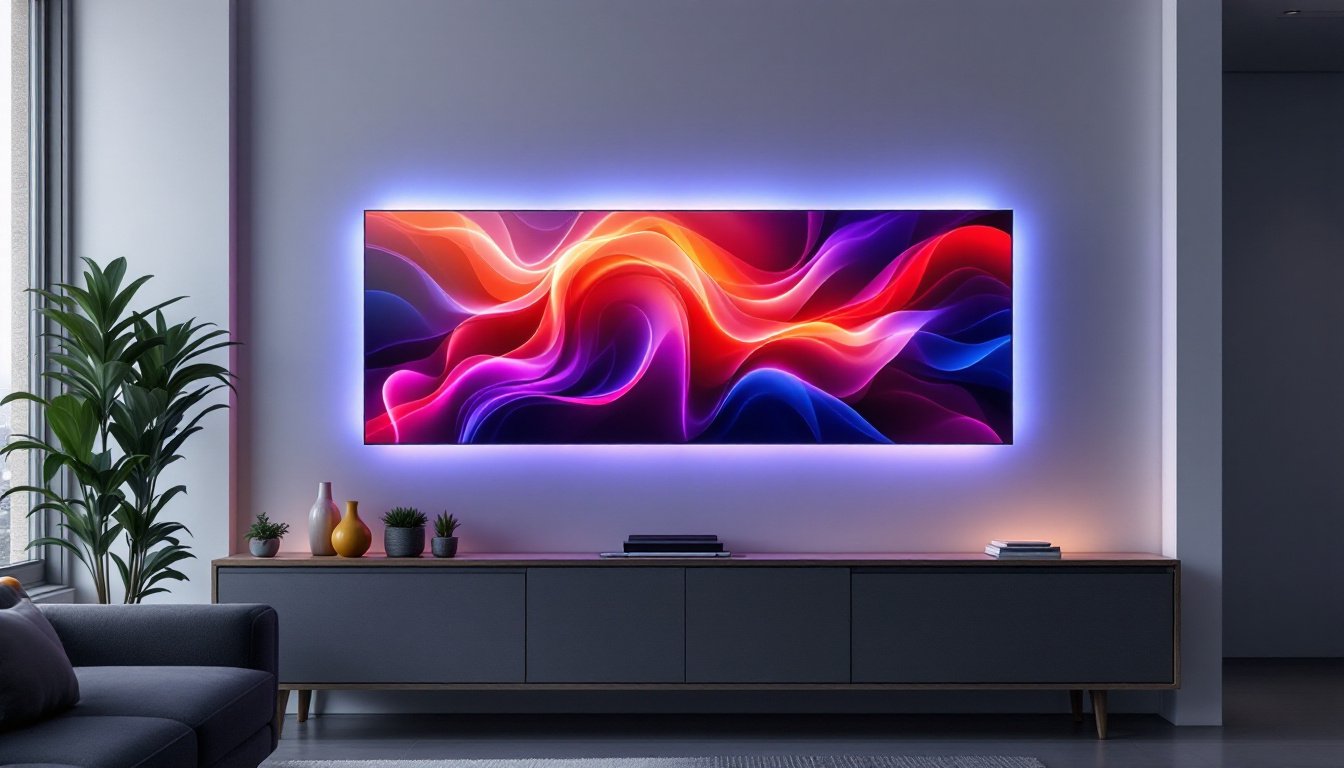
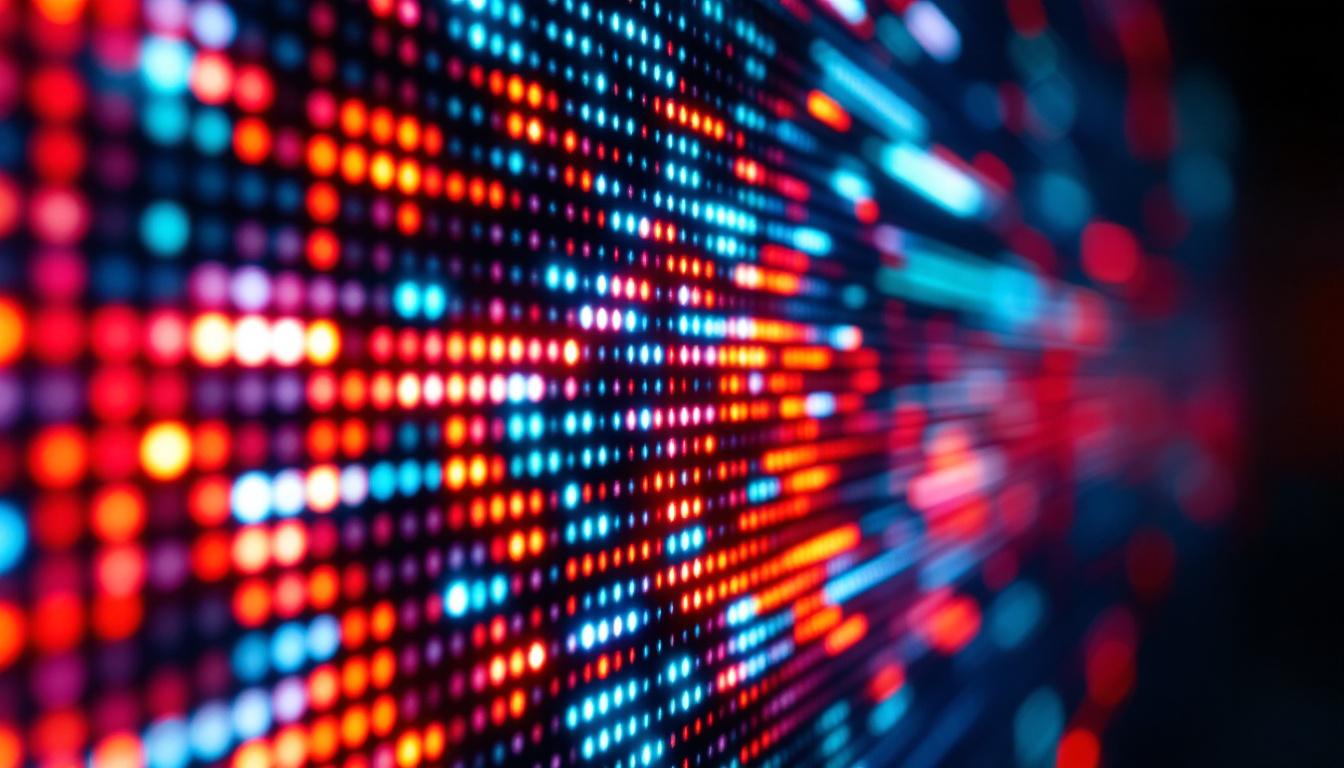
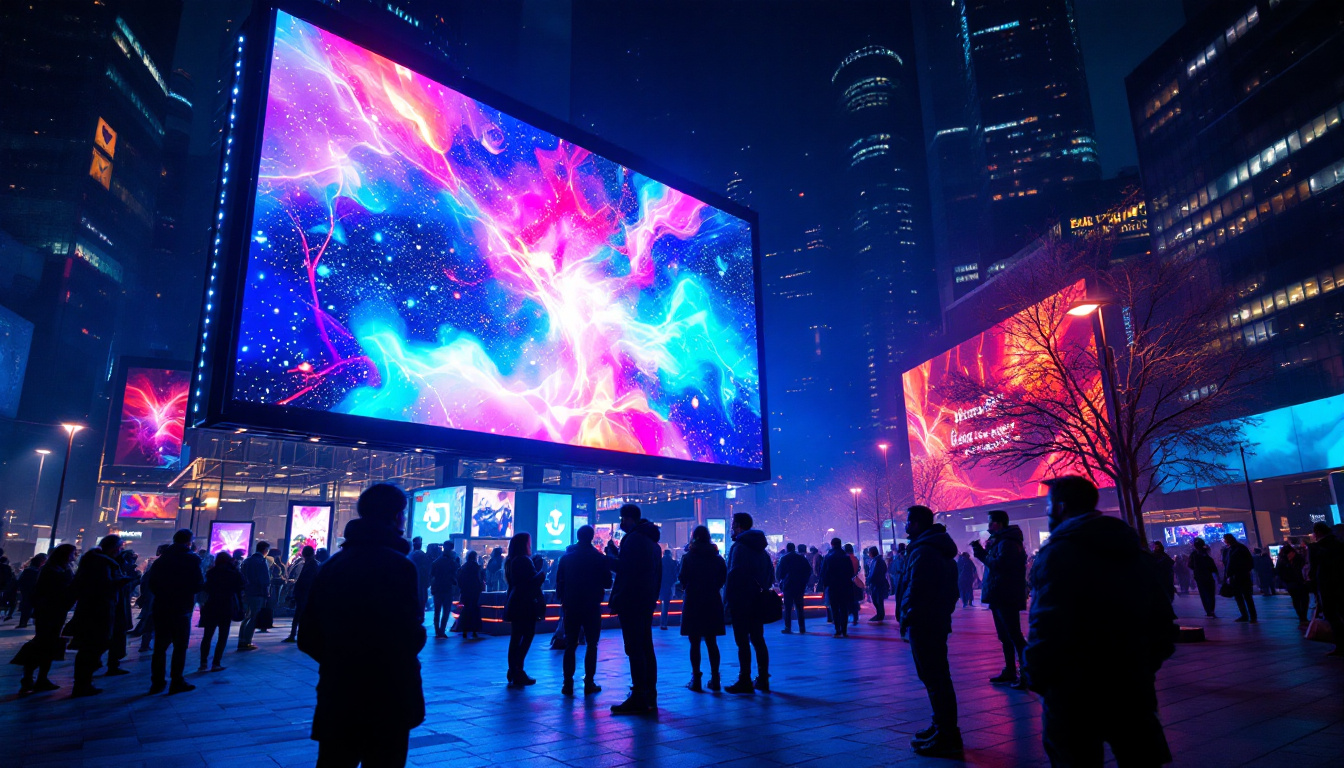
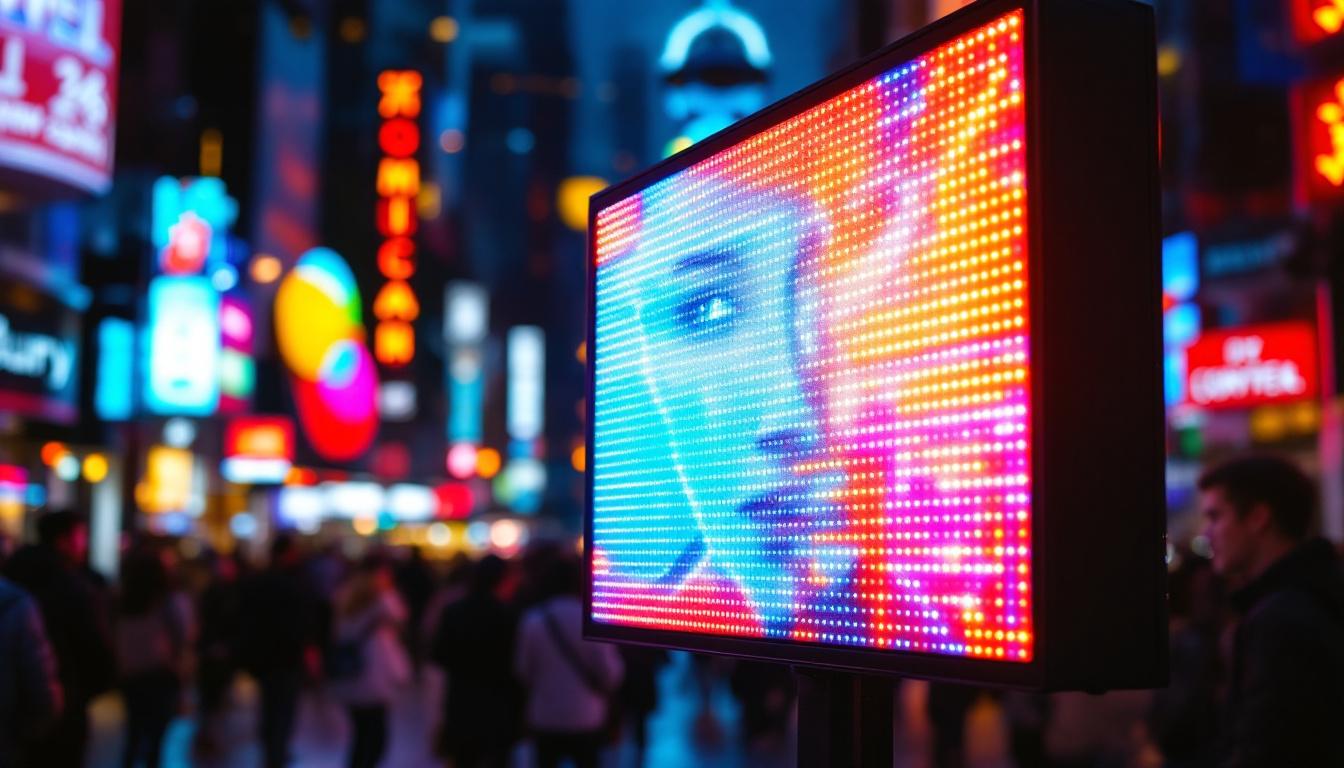
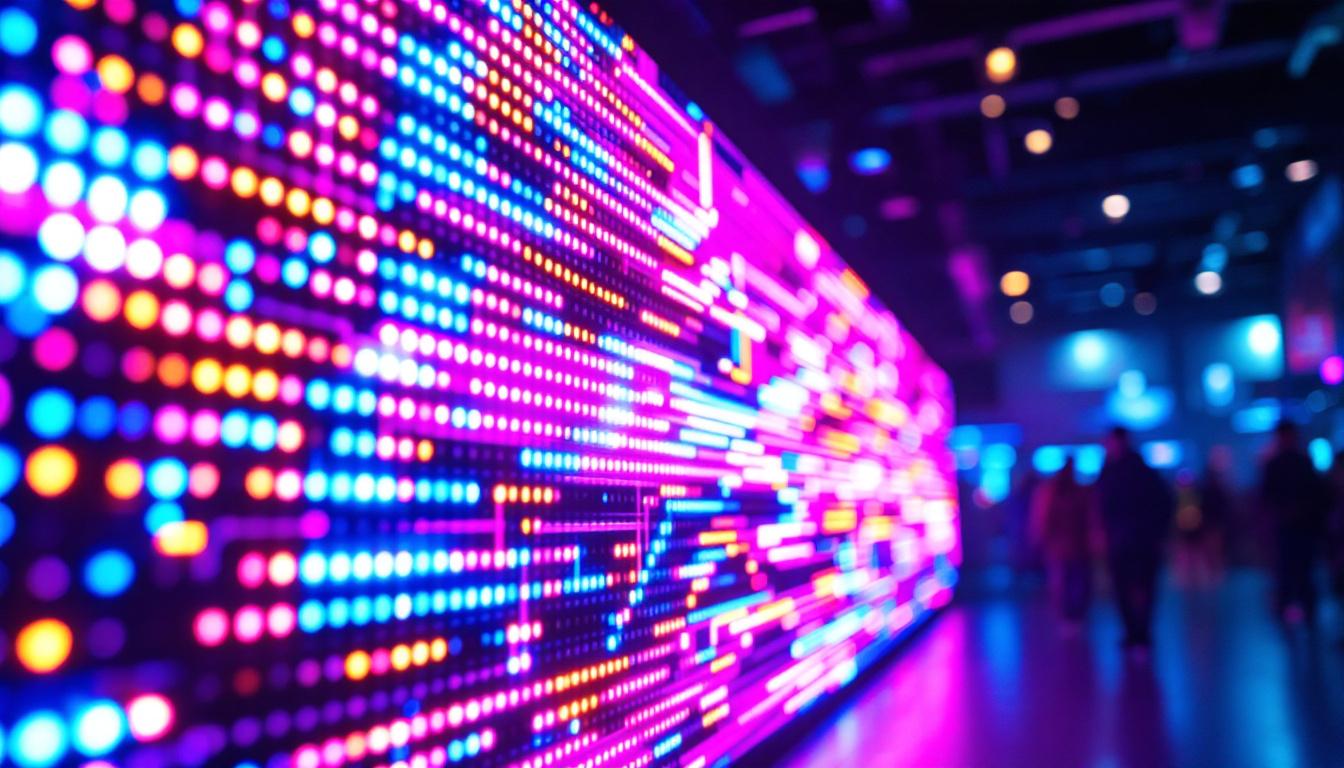
An LED wall is a large-scale digital display composed of numerous light-emitting diodes (LEDs) arranged in a grid pattern. These diodes emit light when an electrical current passes through them, creating vivid images and videos visible even in bright daylight. Unlike traditional LCD or projection screens, LED walls are self-illuminating, meaning they generate their own light rather than relying on a backlight or external projector.
LED walls are commonly used in a variety of applications, including:
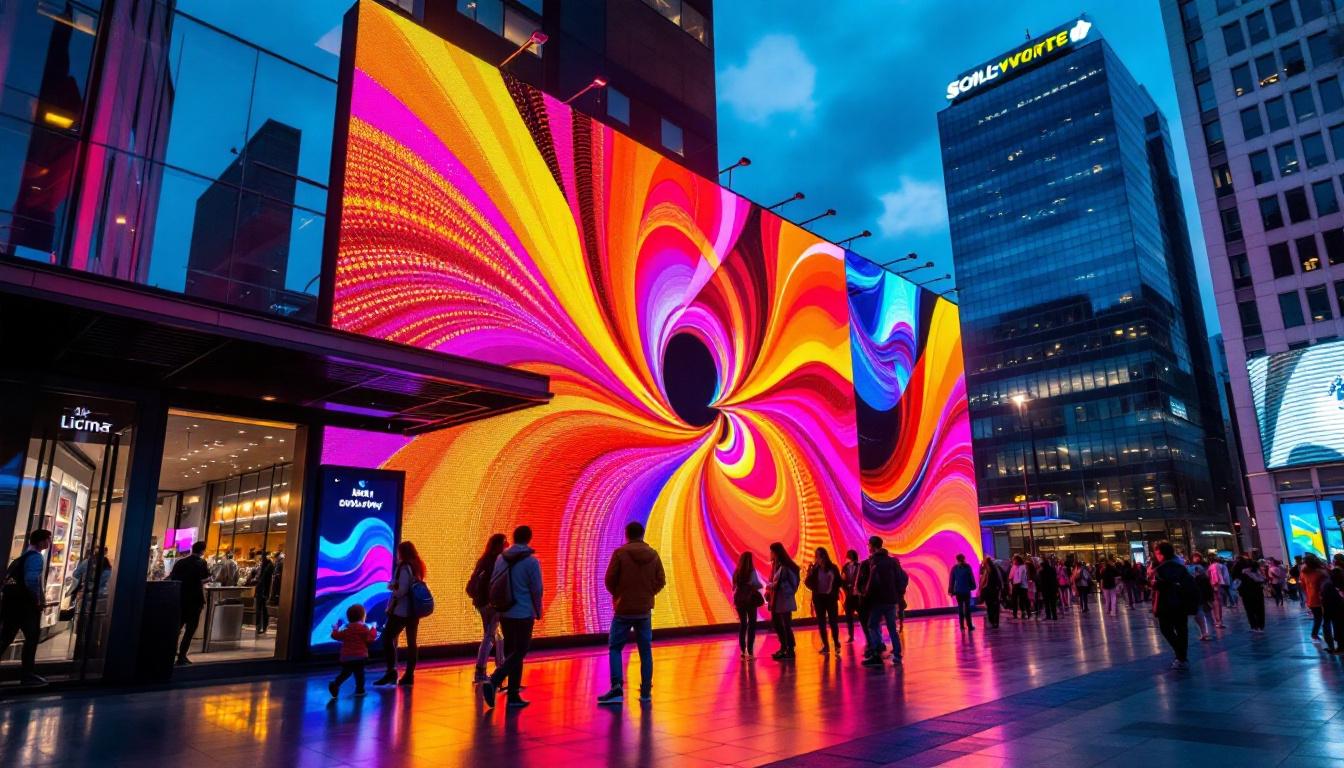
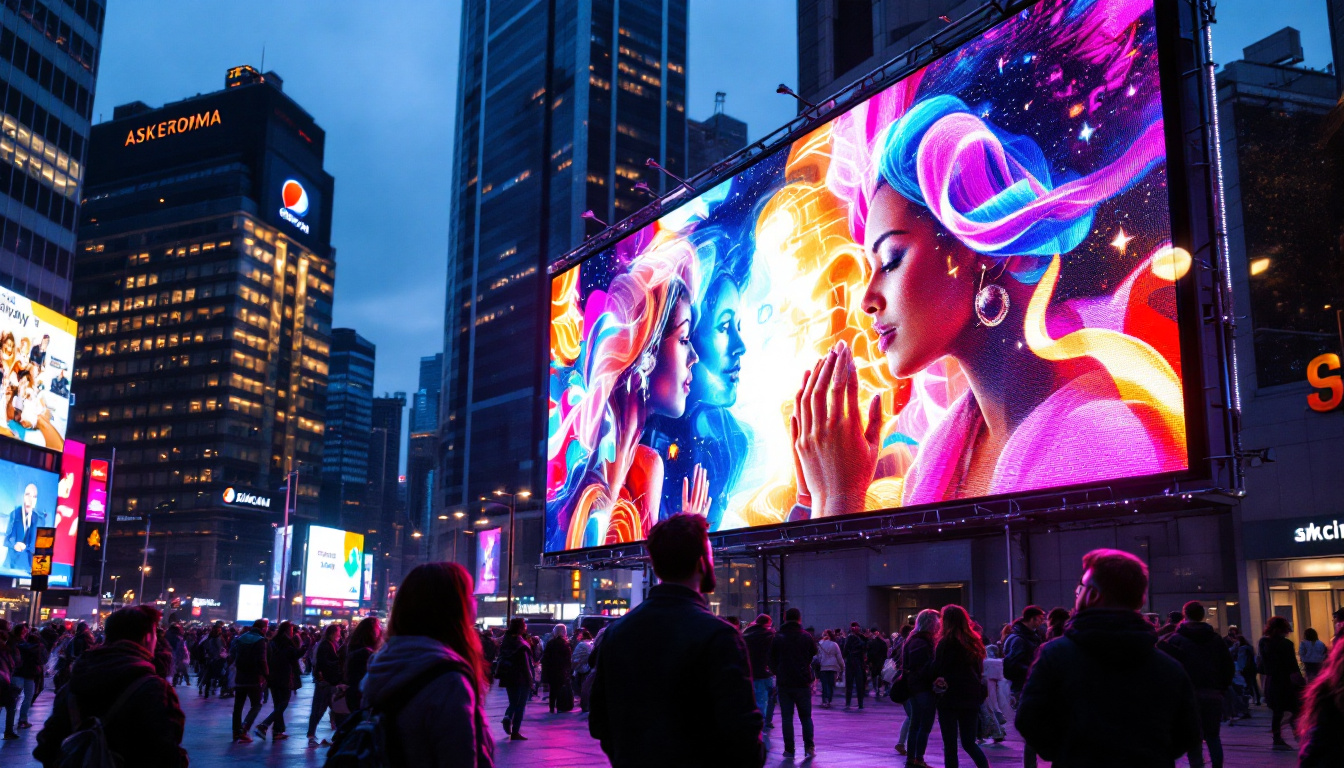
- Outdoor advertising and billboards
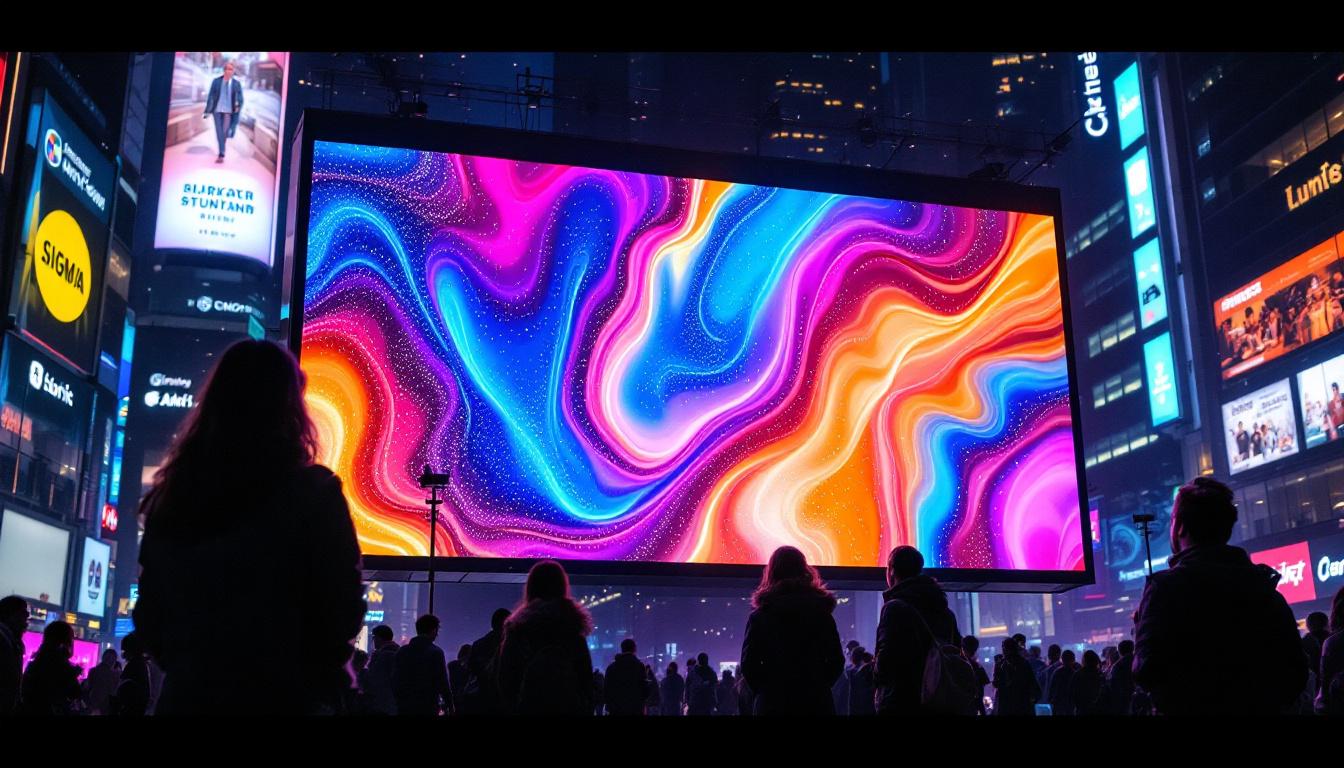
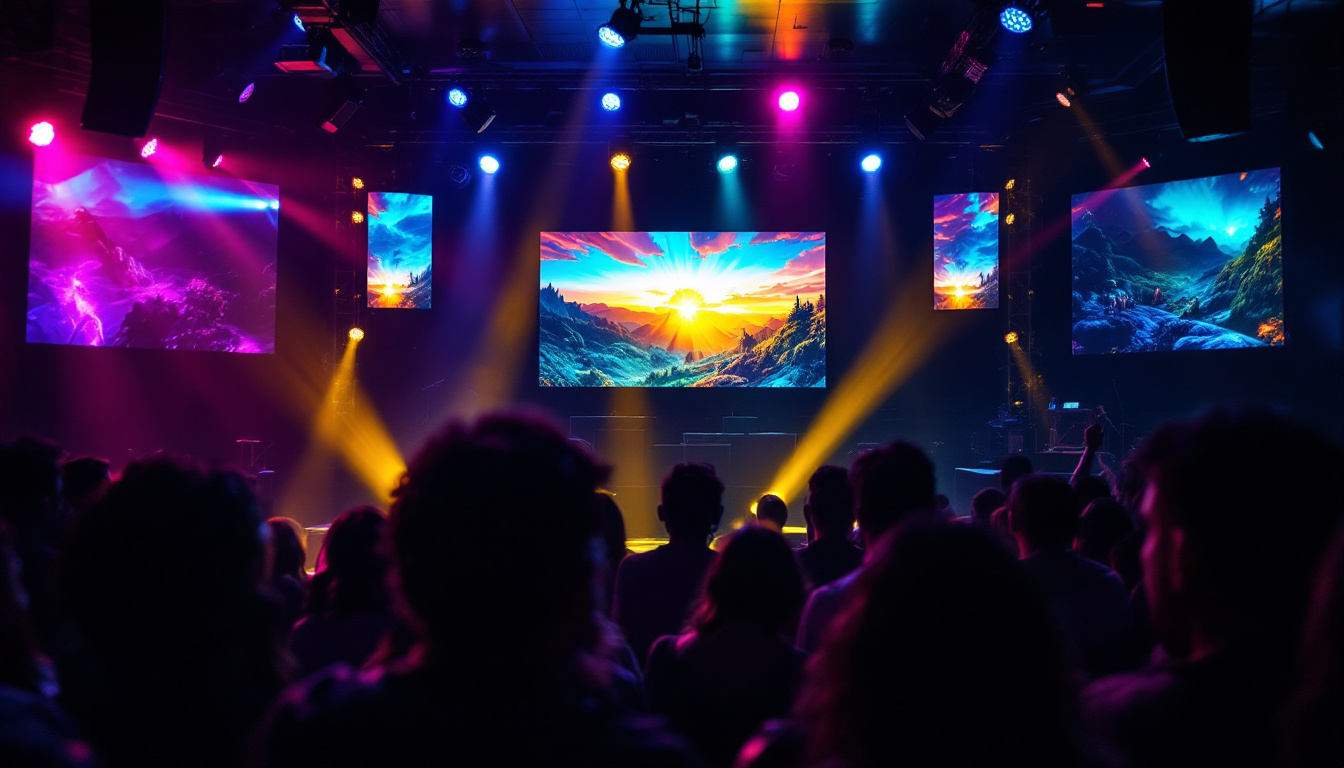
- Concert and event backdrops
- Broadcast studios
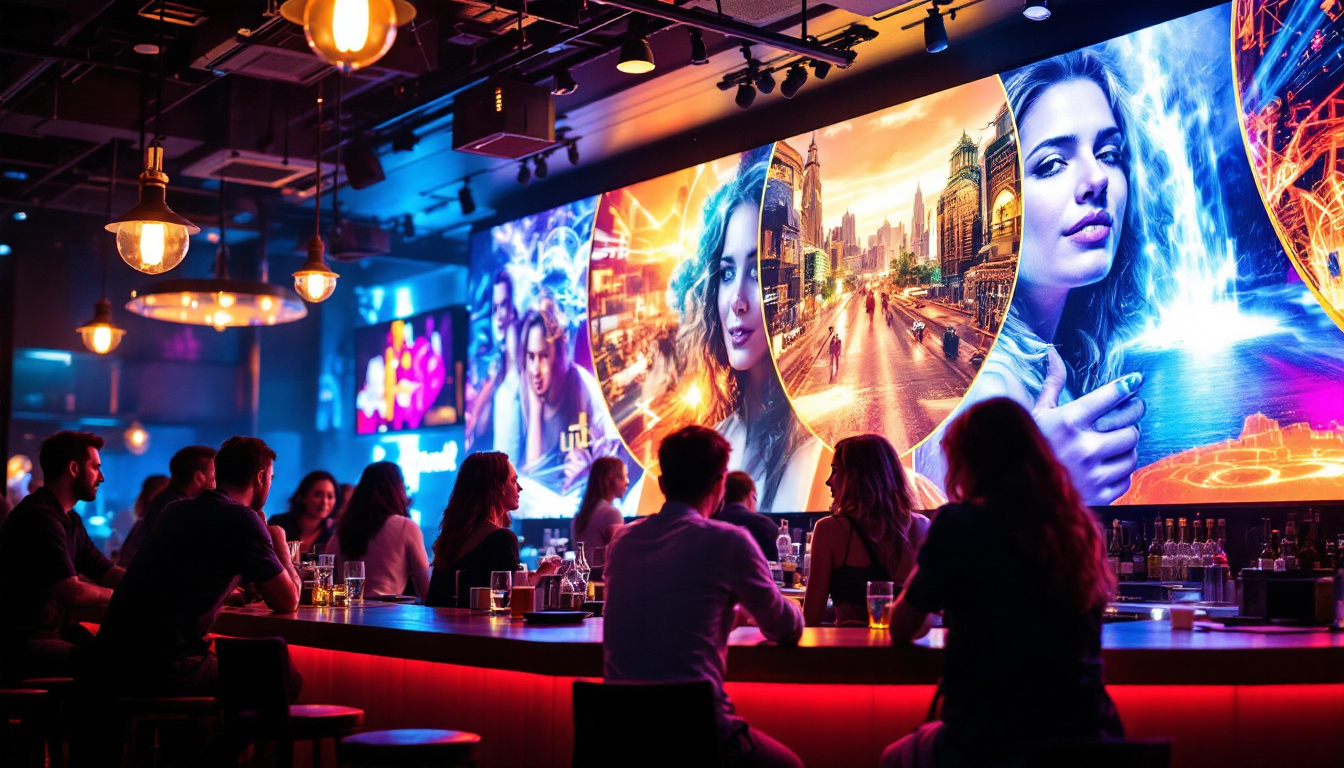
- Retail displays and showrooms
- Control rooms and command centers
The versatility and scalability of LED walls make them a preferred choice for environments requiring high brightness, wide viewing angles, and customizable sizes.
One of the standout features of LED walls is their ability to deliver dynamic content that can be easily updated or changed. This flexibility is particularly beneficial for businesses that want to promote different products or services throughout the day. For instance, a retail store can showcase a special sale in the morning and switch to a new promotional campaign by the afternoon, all with just a few clicks. This capability not only enhances customer engagement but also allows for real-time updates, making it easier to respond to market trends or events.
Moreover, LED walls can be designed to fit various shapes and sizes, from massive outdoor displays that dominate cityscapes to smaller, more intimate installations for events or exhibitions. The modular nature of LED technology means that these walls can be configured to create unique visual experiences, such as curved or multi-faceted surfaces that captivate audiences. As technology advances, the resolution and color accuracy of LED walls continue to improve, making them an increasingly attractive option for high-profile events and installations where visual impact is paramount.
Core Components of an LED Wall
To fully appreciate how LED walls function, it is important to understand their fundamental components. Each part plays a critical role in delivering the final image quality and operational reliability.
1. LED Modules
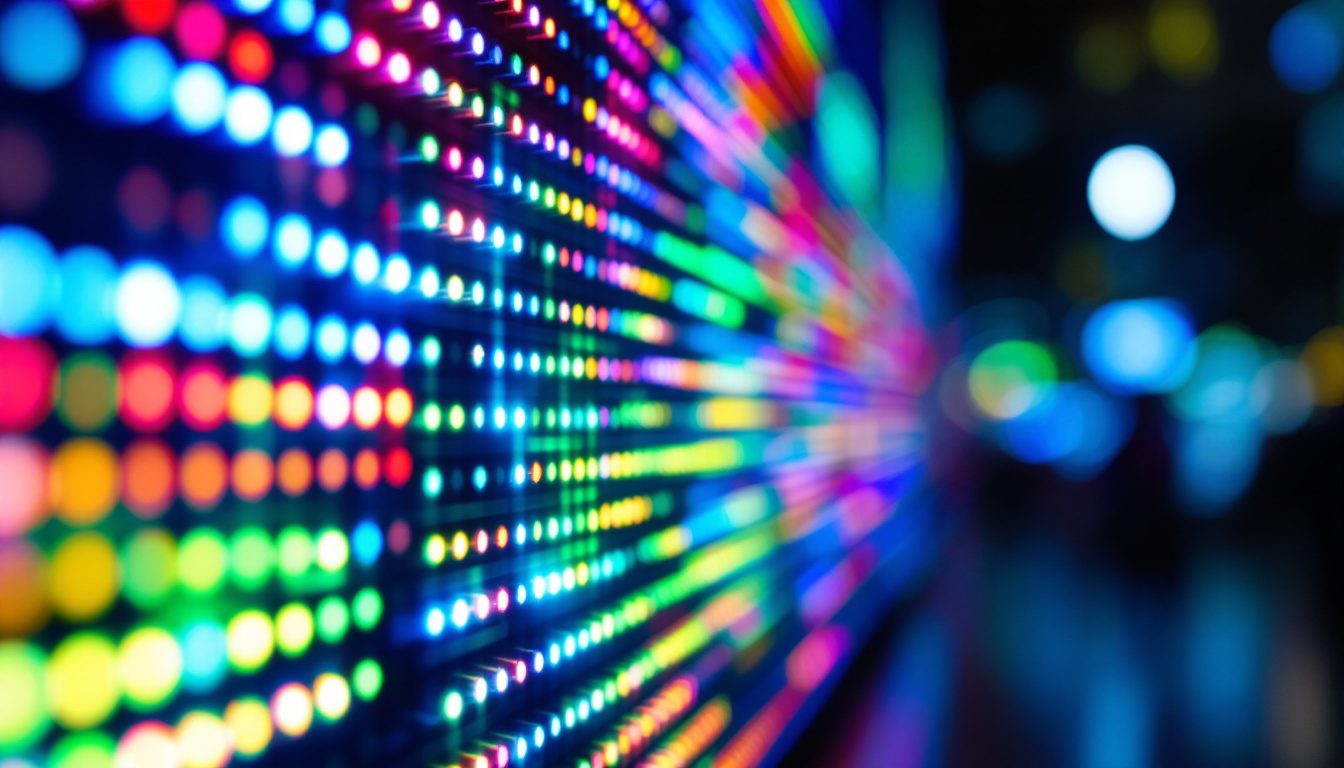
The LED module is the basic building block of an LED wall. It consists of a printed circuit board (PCB) populated with LEDs arranged in a matrix pattern. Modules vary in size and pixel pitch — the distance between the centers of two adjacent pixels — which directly affects the resolution and viewing distance of the display.
For example, a module with a 2.5mm pixel pitch is ideal for close viewing distances, such as indoor events or retail displays, while a 10mm or larger pitch suits outdoor billboards viewed from afar. Modern LED modules often incorporate surface-mount device (SMD) LEDs, which combine red, green, and blue diodes into a single package, enabling seamless color blending and higher pixel density.
2. LED Cabinet
Multiple LED modules are assembled into a cabinet, which serves as the structural frame of the display. Cabinets are designed for easy installation, maintenance, and transportation. They typically feature a robust aluminum or steel frame to ensure durability and heat dissipation.
Cabinets are engineered to be weather-resistant for outdoor use, with IP ratings indicating their protection against dust and moisture. For example, an IP65 rating means the cabinet is dust-tight and protected against water jets. This is crucial for outdoor LED walls exposed to varying weather conditions.
3. Power Supply Units (PSUs)
LED walls require stable and reliable power to maintain consistent brightness and color accuracy. Power supply units convert the electrical input from the mains into the specific voltages and currents needed by the LED modules. High-quality PSUs ensure energy efficiency and prevent fluctuations that could damage the LEDs or degrade image quality.
Redundancy is often built into power supply designs, especially for critical installations like broadcast studios or control rooms, to minimize downtime in case of failure.
4. Receiving Cards
Receiving cards are electronic components embedded within the LED cabinet that decode the video signal sent from the control system. They distribute pixel data to the appropriate LEDs on each module, ensuring the correct color and brightness for every pixel.
These cards support various input formats and resolutions, and their firmware can be updated to improve performance or add new features. High-end receiving cards also enable advanced calibration and color correction for uniform display output.
5. Control System
The control system is the brain behind the LED wall. It manages content playback, signal processing, and synchronization across multiple cabinets. This system typically includes a sending card (or transmitter), a media player or computer, and specialized software for content management.
The sending card encodes the video signal and transmits it to the receiving cards via cables such as Ethernet or fiber optic. The software allows operators to configure the display layout, adjust brightness and color settings, and schedule content playback. Some advanced control systems support real-time content manipulation and interactive applications.
6. Cables and Connectors
Reliable cabling is essential to maintain signal integrity and power delivery throughout the LED wall. Common cables include:
- Data cables: Typically Ethernet or proprietary cables that carry video signals from the sending card to receiving cards.
- Power cables: Deliver electrical power from the PSU to each cabinet and module.
- Signal synchronization cables: Ensure timing synchronization across multiple cabinets to avoid image tearing or misalignment.
High-quality connectors and cable management systems also contribute to easier installation and maintenance, reducing the risk of signal loss or power interruptions.
Understanding Pixel Pitch and Resolution
One of the most critical specifications when selecting an LED wall is pixel pitch. This measurement, expressed in millimeters, defines the distance between the centers of adjacent pixels. Pixel pitch directly influences the display’s resolution and optimal viewing distance.
For instance, a 1.5mm pixel pitch LED wall can deliver ultra-high resolution suitable for close-up viewing, such as in retail stores or control rooms. Conversely, a 16mm pixel pitch is more appropriate for large outdoor billboards where viewers are typically hundreds of feet away.
Resolution is a function of the total number of pixels in the display. A higher resolution means more pixels and finer image detail. However, increasing resolution also raises costs and power consumption. Therefore, selecting the right pixel pitch balances image quality with budget and viewing conditions.
Types of LEDs Used in LED Walls
LED technology has evolved significantly, with various types of LEDs used in modern walls. The most common include:
Surface-Mount Device (SMD) LEDs
SMD LEDs integrate red, green, and blue diodes into a single package, allowing for higher pixel density and smoother color blending. They are widely used in indoor and outdoor LED walls due to their compact size and excellent brightness.
Through-Hole LEDs
These are traditional LEDs mounted through holes in the PCB. While they offer high brightness and durability, through-hole LEDs have a larger pixel pitch and are less common in high-resolution applications.
Mini and Micro LEDs
Emerging technologies like mini and micro LEDs offer even smaller pixel pitches and higher brightness levels. These are increasingly used in premium displays, including direct-view TVs and high-end digital signage, promising exceptional image quality and energy efficiency.
Installation and Maintenance Considerations
Proper installation and maintenance are vital to maximize the lifespan and performance of LED walls. Key factors include:
Structural Support and Mounting
LED walls can be heavy and require secure mounting systems that accommodate their weight and size. For outdoor installations, wind load and environmental factors must be considered to prevent damage or safety hazards.
Calibration and Color Uniformity
Over time, LEDs can age and shift in brightness or color output. Regular calibration using specialized equipment ensures consistent image quality across the entire display. Many LED walls incorporate software tools that facilitate automated calibration.
Cleaning and Environmental Protection
Dust, dirt, and moisture can degrade LED performance. Routine cleaning with appropriate materials and ensuring weatherproofing seals remain intact help maintain optimal brightness and longevity.
Future Trends in LED Wall Technology
The LED wall industry continues to innovate rapidly, driven by demand for higher resolution, greater energy efficiency, and enhanced interactivity. Some notable trends include:
- Higher Refresh Rates: Increasing refresh rates improve motion clarity, essential for broadcast and gaming applications.
- Flexible and Transparent LED Panels: These allow creative installations on curved or glass surfaces, expanding design possibilities.
- Integration with AI and IoT: Smart LED walls can adapt content dynamically based on audience engagement or environmental conditions.
- Energy-Efficient Components: Advances in LED materials and power supplies reduce energy consumption and heat generation.
As these technologies mature, LED walls will become even more versatile and immersive, further transforming visual communication across industries.
Conclusion
LED walls represent a sophisticated integration of multiple components working harmoniously to deliver stunning visual experiences. From LED modules and cabinets to power supplies and control systems, each element is crucial for achieving brightness, color accuracy, and reliability.
Understanding these components helps professionals select the right LED wall solutions tailored to their specific needs, whether for advertising, entertainment, or corporate applications. As LED technology advances, staying informed about the latest developments ensures optimal investment and operational success.
With their unmatched brightness, scalability, and adaptability, LED walls continue to redefine the possibilities of digital displays, making them a cornerstone of modern visual communication.
Discover Cutting-Edge LED Display Solutions
Ready to elevate your visual presentations with the latest in LED technology? LumenMatrix is at the forefront of LED display innovation, offering a wide range of solutions tailored to your unique needs. From vibrant Indoor and Outdoor LED Wall Displays to dynamic Vehicle and Sports LED Displays, our products are designed to captivate and engage your audience. Experience the future of digital signage with our Custom, All-in-One, and Transparent LED Displays, each crafted to deliver your message with unparalleled clarity and impact. Check out LumenMatrix LED Display Solutions today and transform your visual communication into an unforgettable experience.