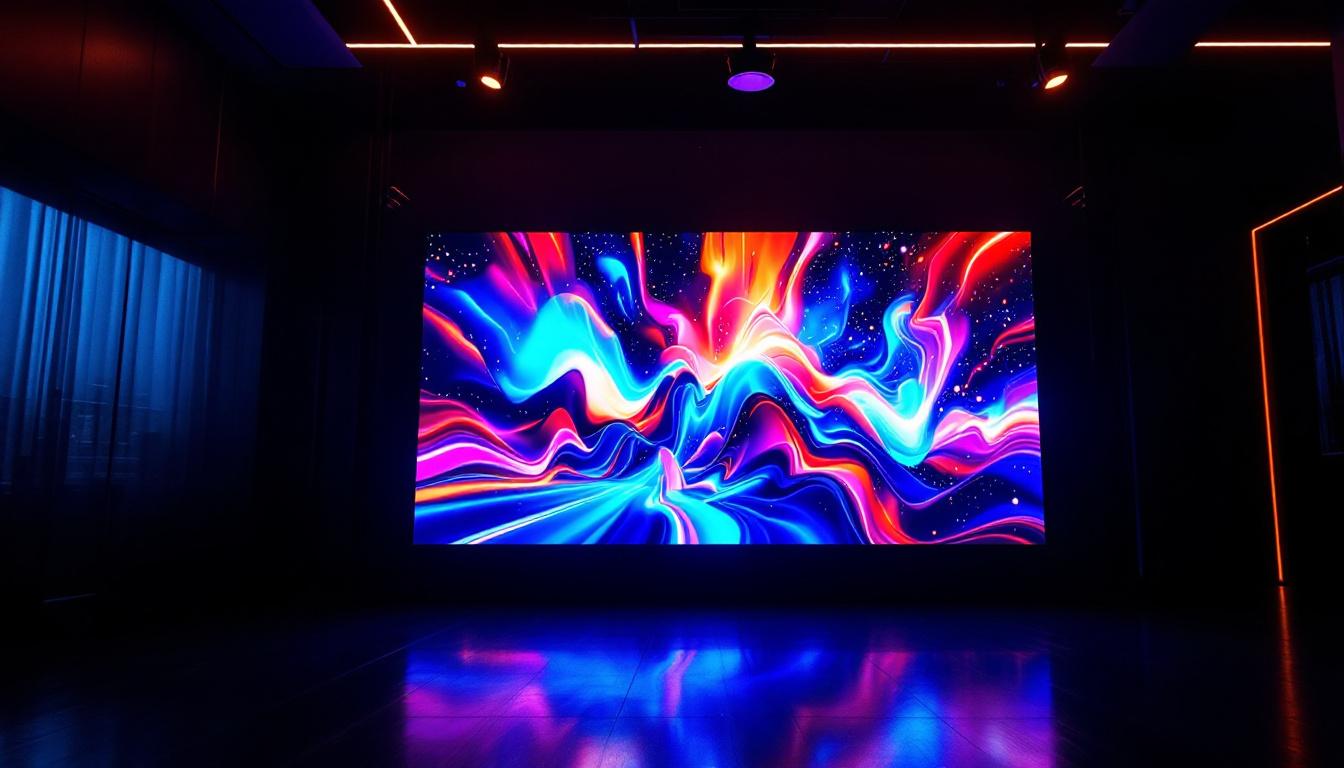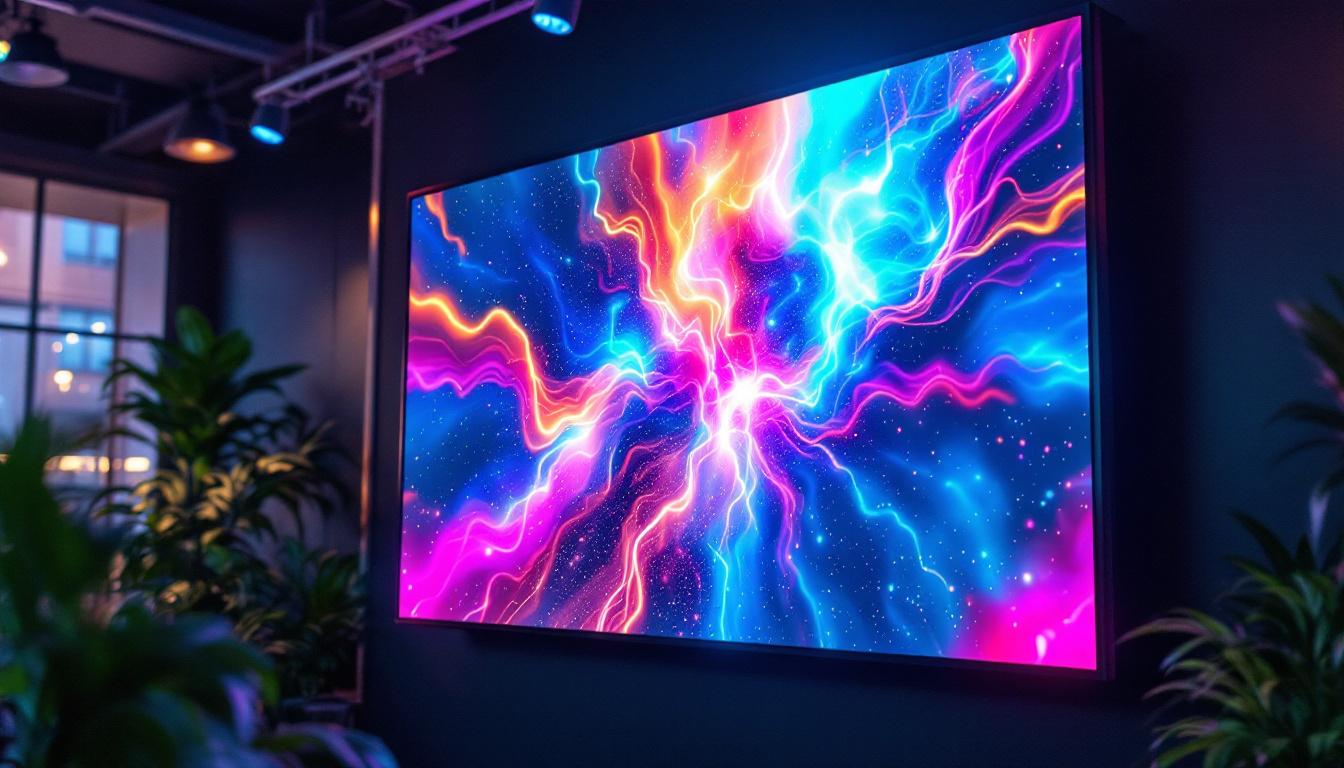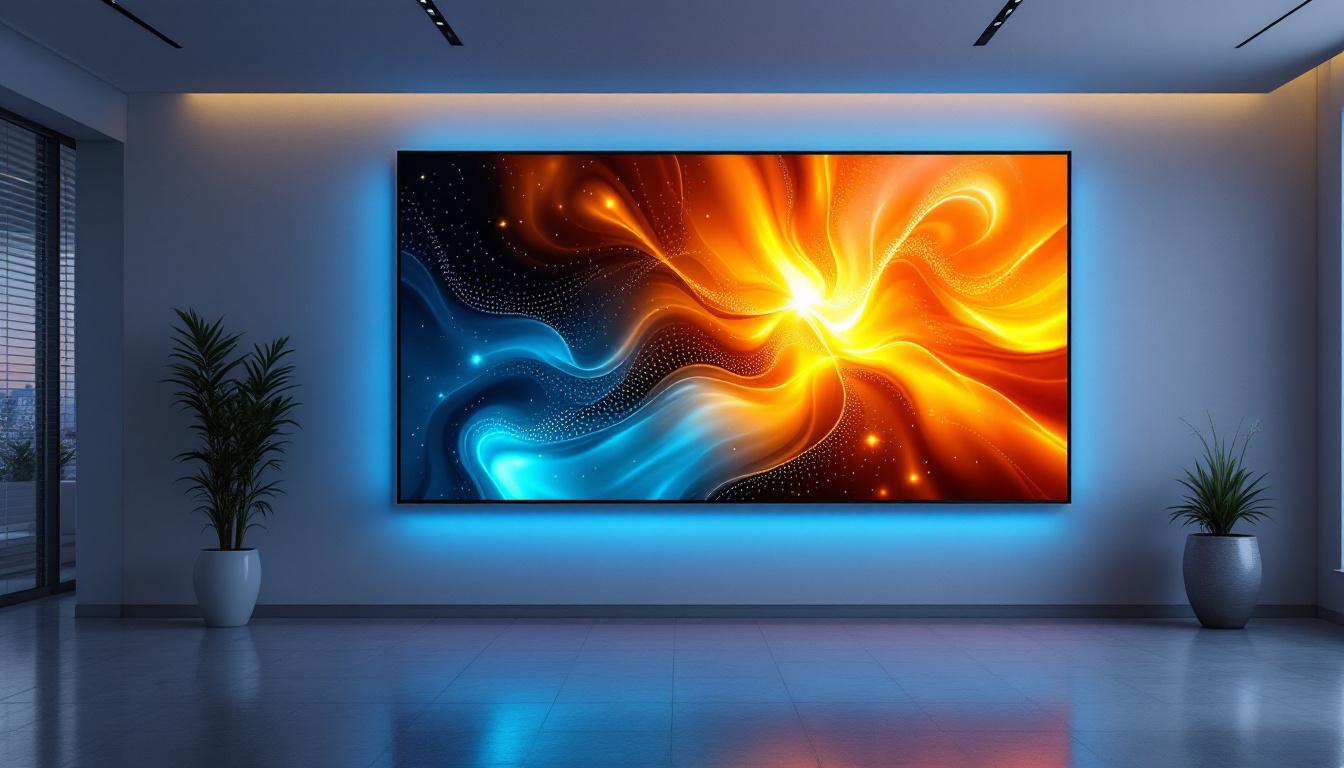
In recent years, lighted wall panels featuring LED displays have transformed interior design, advertising, and architectural aesthetics. Their vibrant illumination, energy efficiency, and versatility make them a popular choice for both commercial and residential spaces. This article explores the technology behind LED lighted wall panels, their applications, benefits, and future trends, providing a comprehensive understanding for designers, business owners, and technology enthusiasts alike.
Understanding LED Technology in Lighted Wall Panels
What Are LED Lighted Wall Panels?
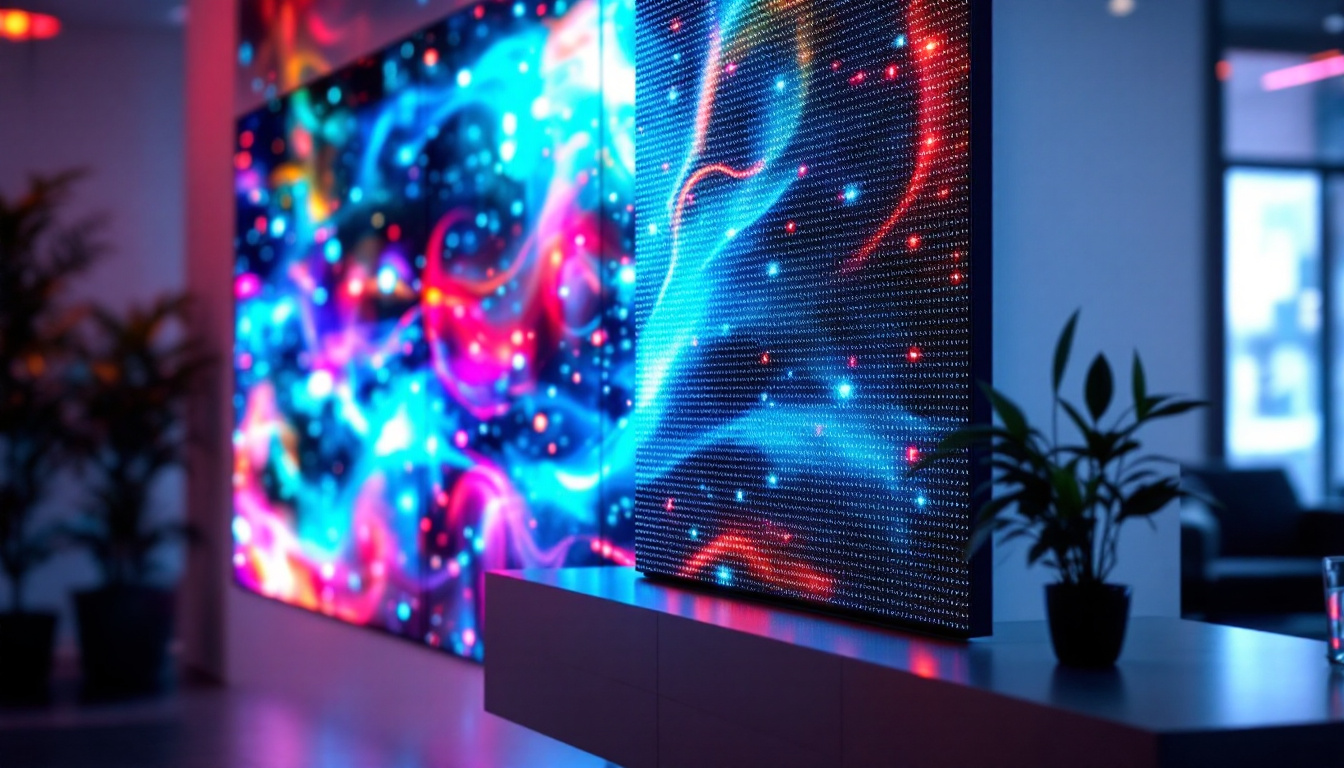
LED lighted wall panels are flat surfaces embedded with light-emitting diodes (LEDs) that produce bright, uniform illumination across the panel. Unlike traditional lighting solutions, these panels are slim, lightweight, and can be customized in size, shape, and color. They serve both functional and decorative purposes, enhancing the ambiance of any room while providing efficient lighting. The versatility of LED panels makes them suitable for a variety of applications, from residential settings to commercial spaces, where they can be used to create stunning visual displays or simply provide a soft glow for relaxation.
Typically, these panels are constructed using layers of diffusers and reflective materials to ensure even light distribution. The LEDs themselves are mounted on circuit boards behind the panel, which can be controlled to change brightness, color temperature, or even display dynamic content in the case of advanced LED displays. This adaptability allows for creative designs, such as backlit artwork or signage that can change with the seasons or events, making LED wall panels a popular choice for businesses looking to attract attention or create a specific atmosphere.
How Do LED Displays Work?
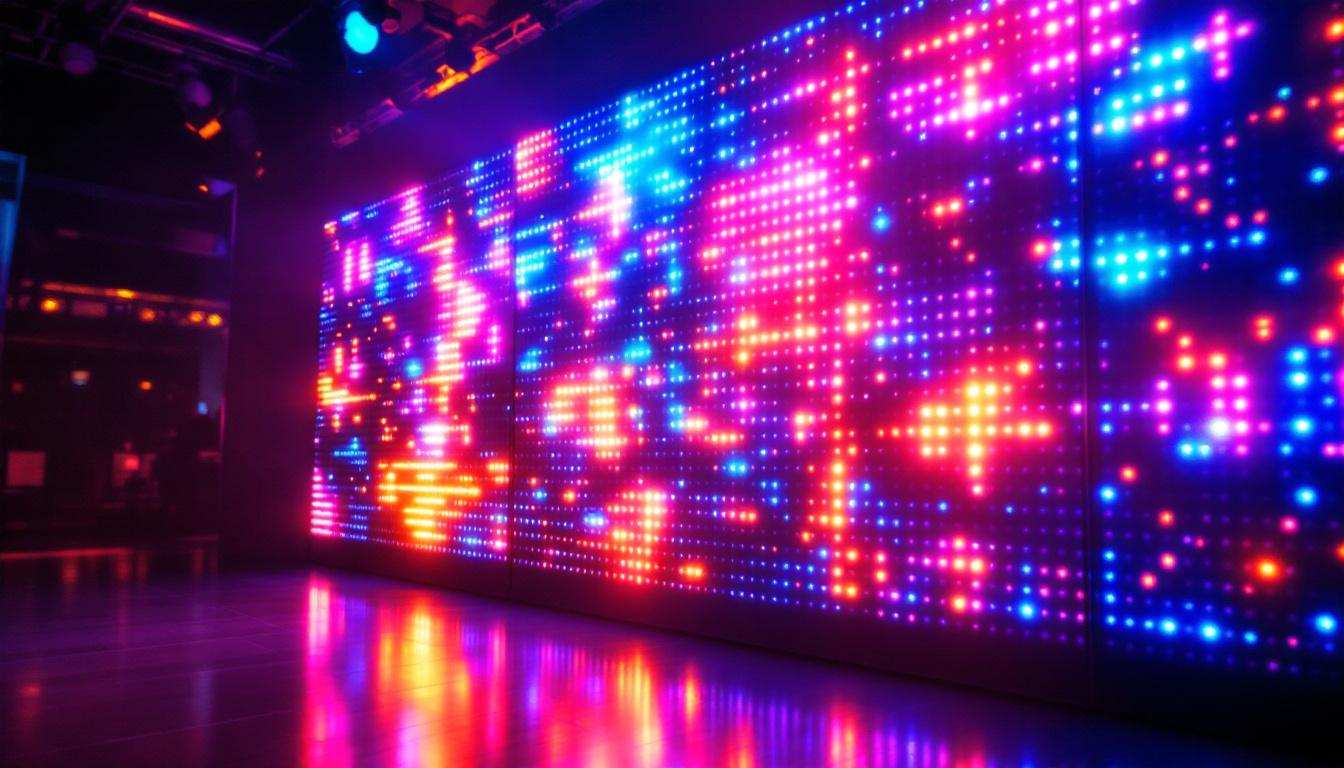
LED displays operate by controlling individual diodes that emit light when an electrical current passes through them. In lighted wall panels, these LEDs are arranged in a grid or matrix, allowing for precise control over illumination patterns and colors. Modern panels often use RGB (red, green, blue) LEDs, which can combine to produce millions of colors, enabling dynamic lighting effects and even video playback. This technology not only enhances aesthetic appeal but also offers practical benefits, such as energy efficiency and longevity, making LED panels a cost-effective lighting solution over time.
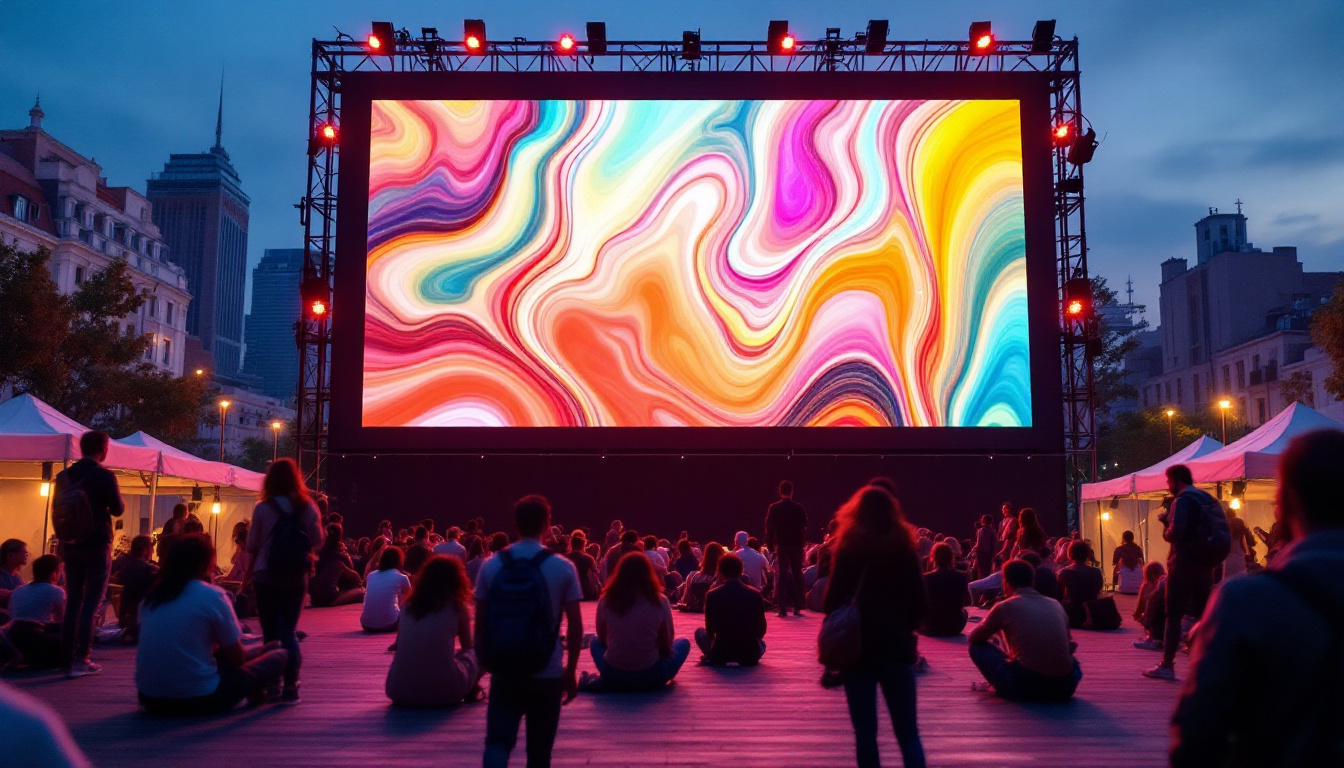
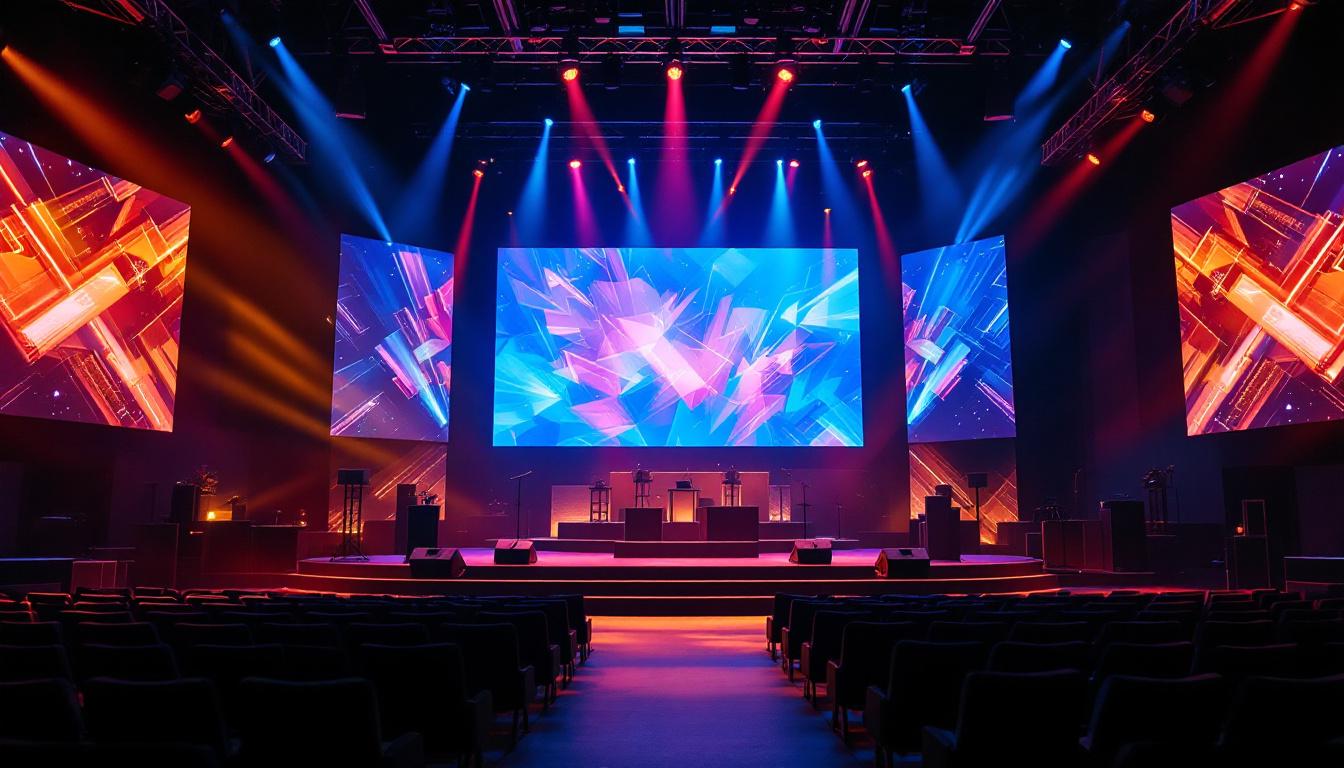
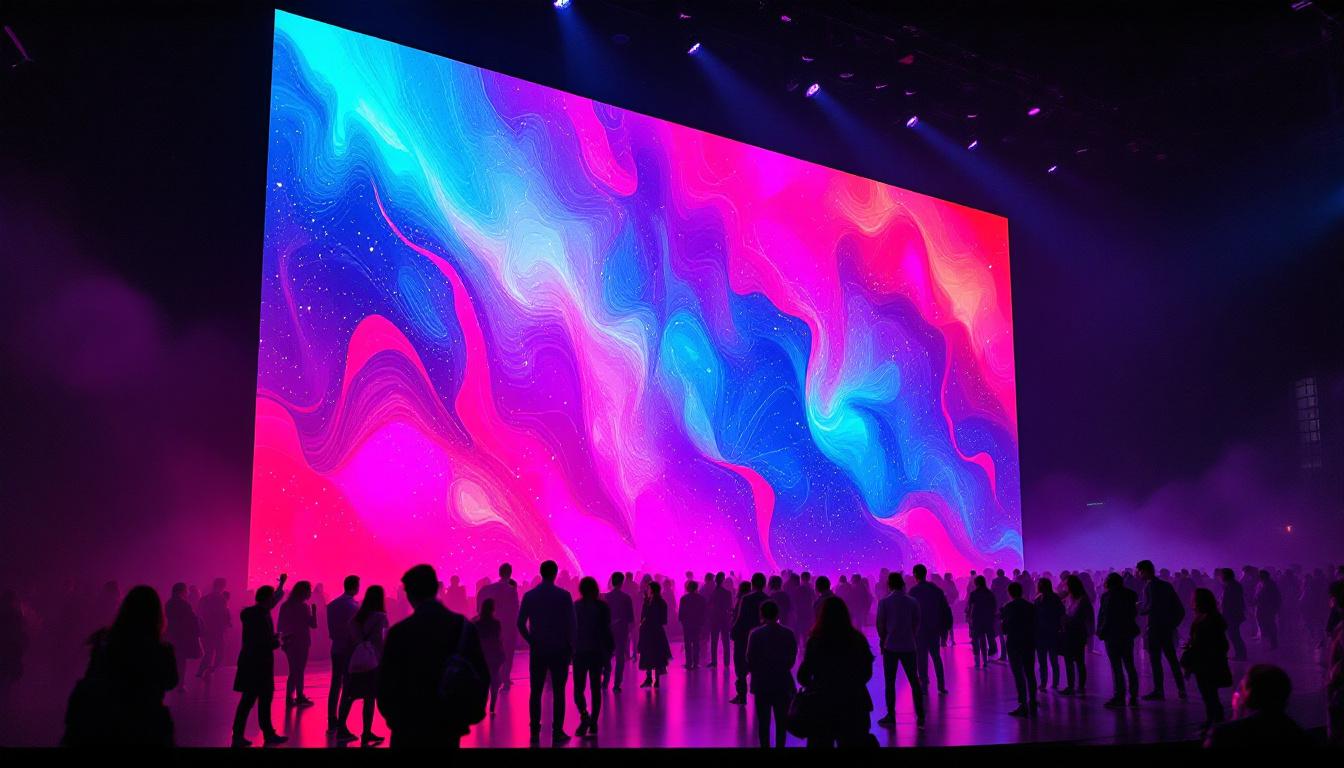
The technology behind LED displays includes drivers and controllers that regulate voltage and current to the LEDs, ensuring consistent brightness and color accuracy. Advanced systems incorporate microcontrollers or integrated circuits that enable programming of lighting sequences, animations, or synchronization with music and other inputs. This capability has led to innovative uses in various fields, including entertainment, where LED wall panels can create immersive environments for concerts and events, or in retail, where they can be used to showcase products in an engaging manner. As LED technology continues to evolve, the possibilities for creative applications are virtually limitless, paving the way for even more sophisticated designs and functionalities in the future.
Applications of LED Lighted Wall Panels
Interior Design and Ambiance Enhancement
One of the most common uses of LED lighted wall panels is in interior design. Architects and designers utilize these panels to create mood lighting, accentuate architectural features, or add vibrant color to otherwise plain walls. For example, in hotels and restaurants, LED panels can create an inviting atmosphere that enhances customer experience.
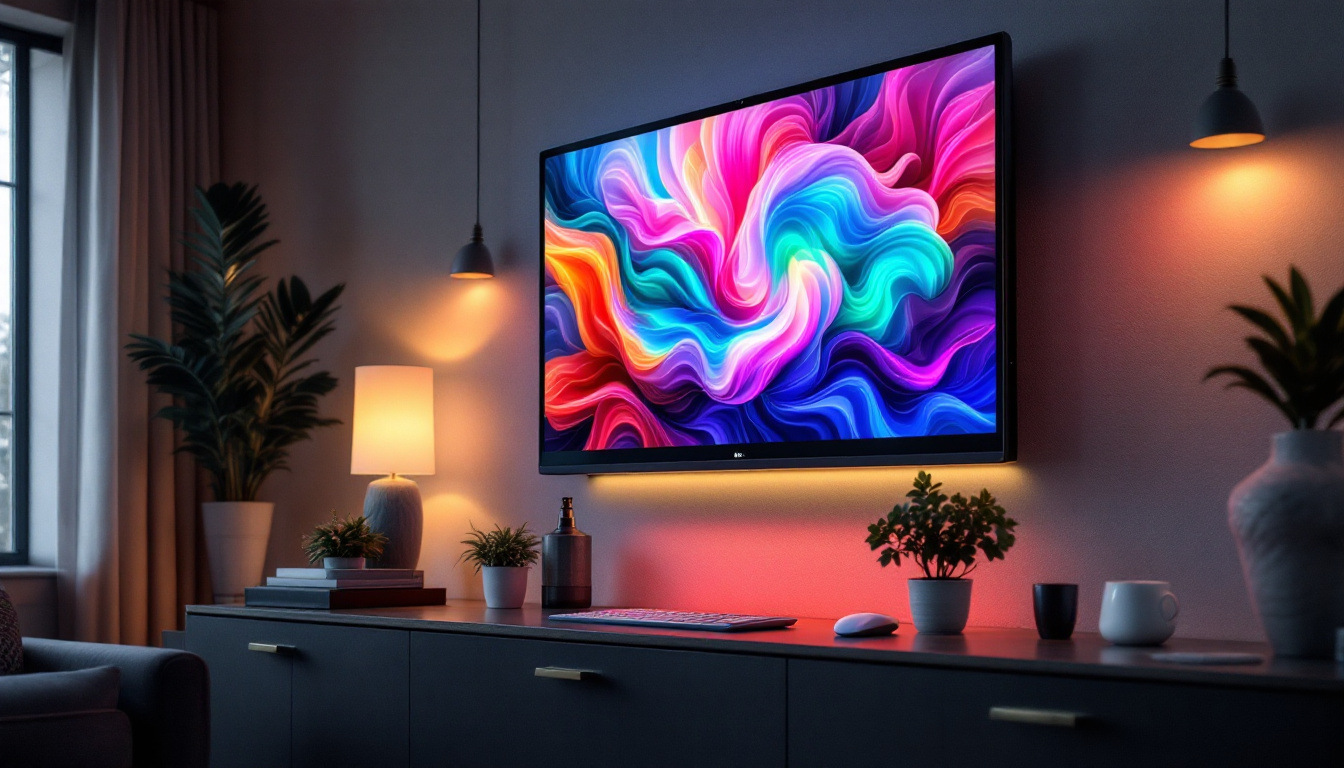
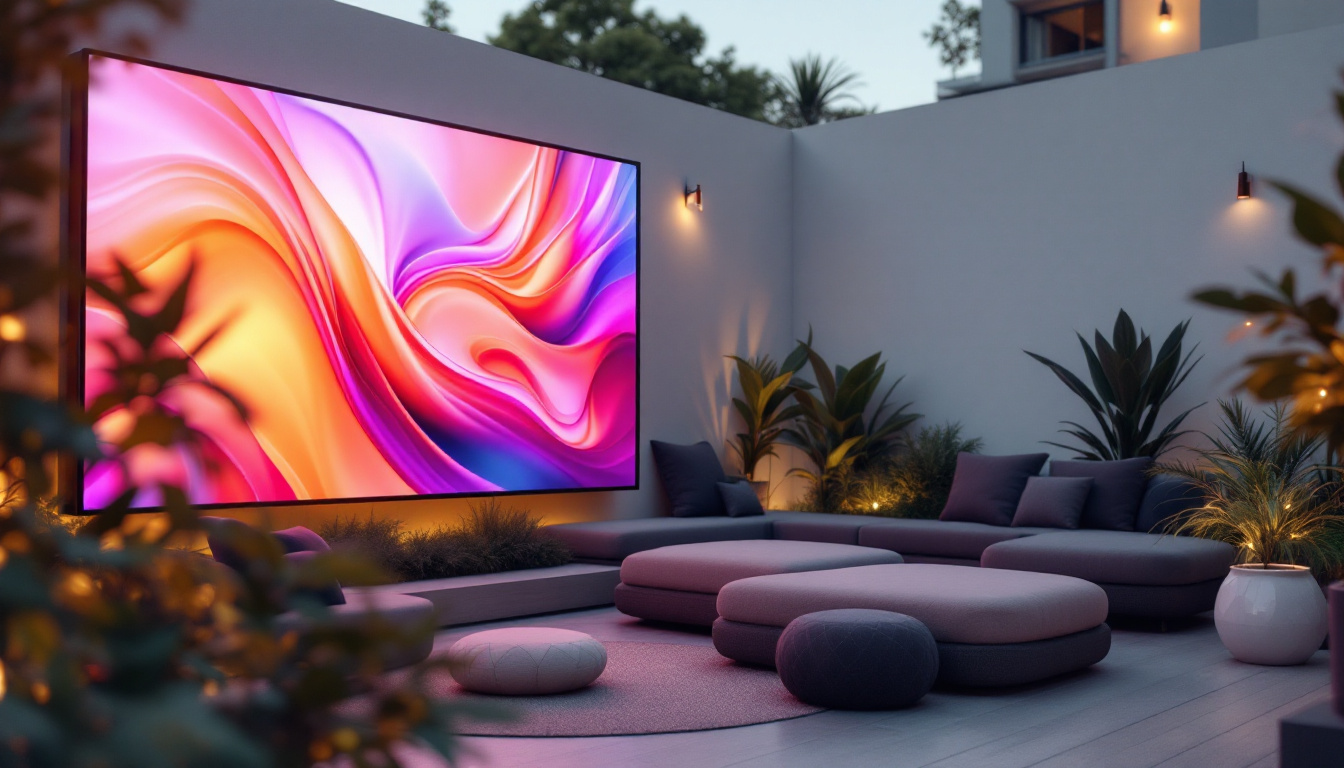
Residential applications are also growing, with homeowners installing LED panels in living rooms, bedrooms, or home theaters to customize lighting schemes. The ability to adjust color temperature—from warm white for relaxation to cool white for focus—adds functional benefits alongside aesthetic appeal. Moreover, these panels can be programmed to change colors based on the time of day or specific activities, such as dimming during movie nights or brightening for reading sessions. This versatility not only enhances the visual appeal of a space but also allows for a more personalized environment that caters to the mood and preferences of the inhabitants.
Advertising and Digital Signage
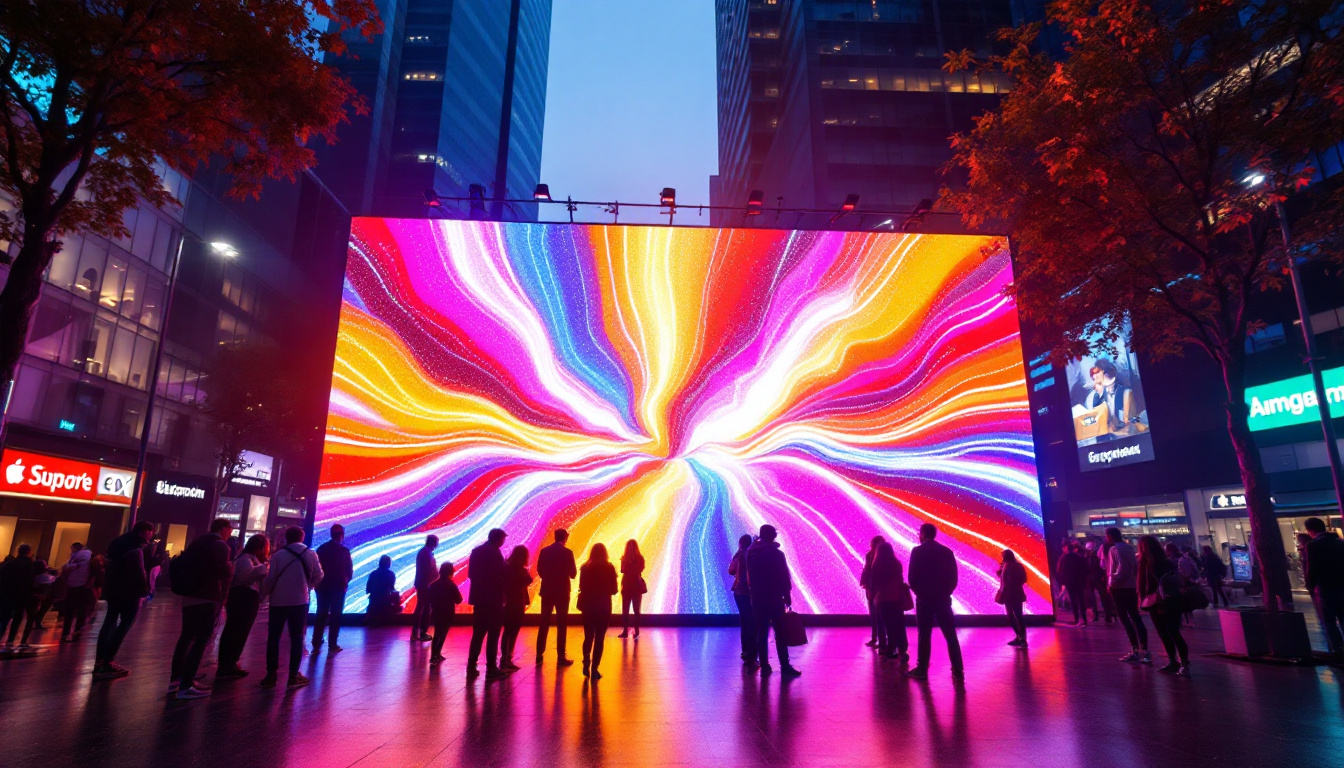
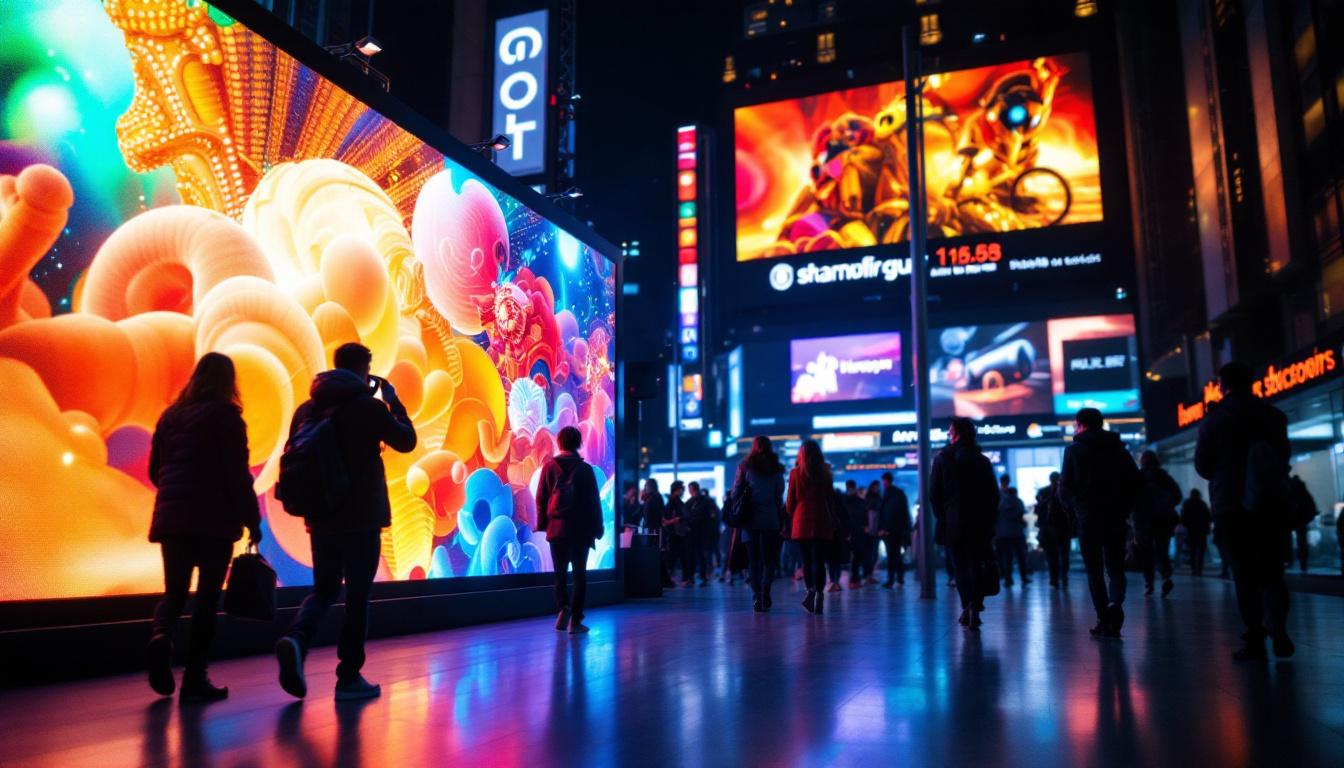
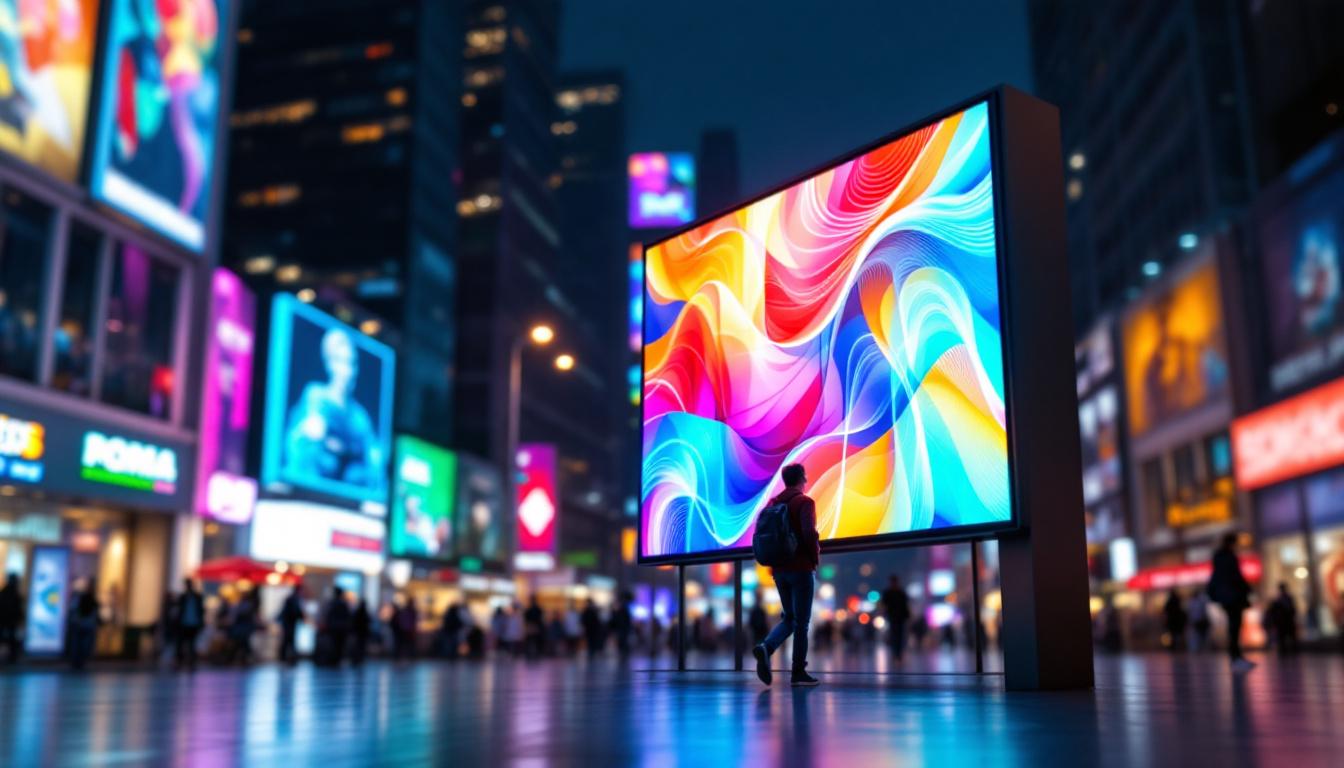
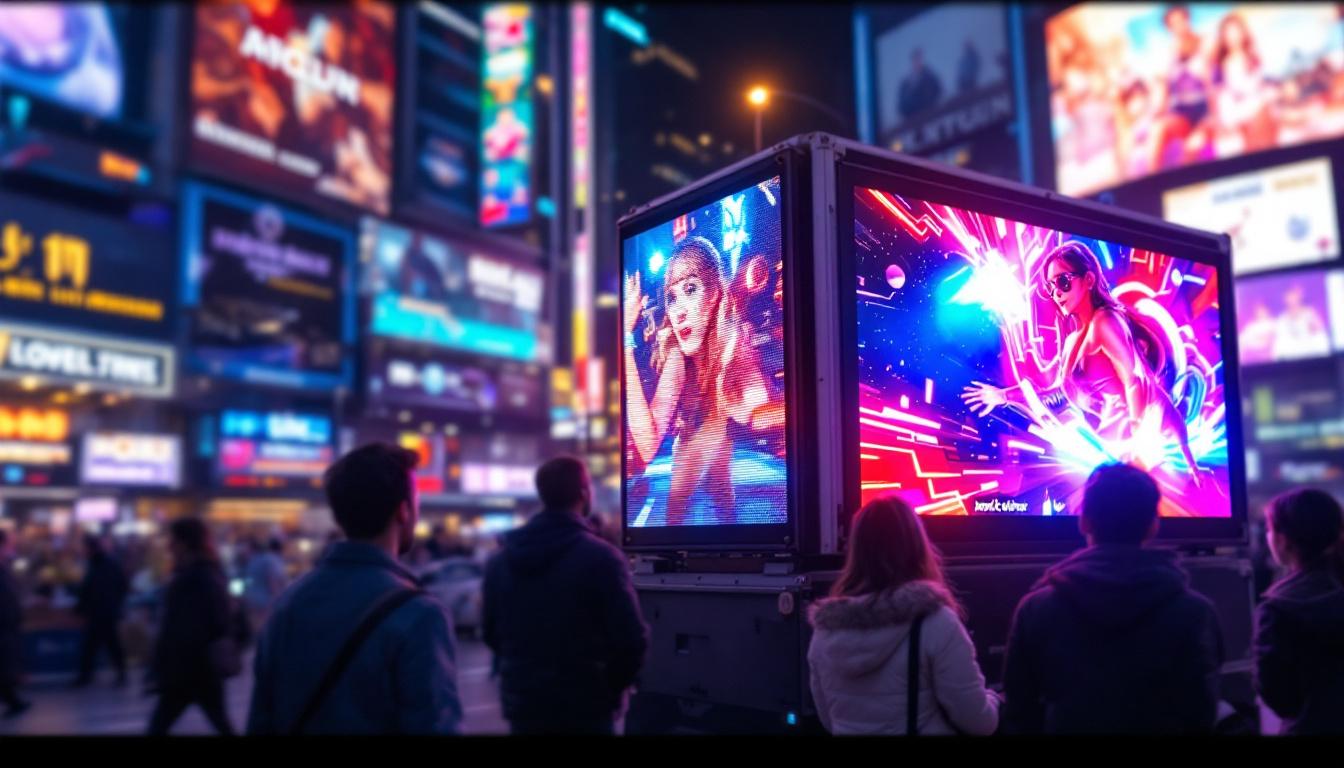
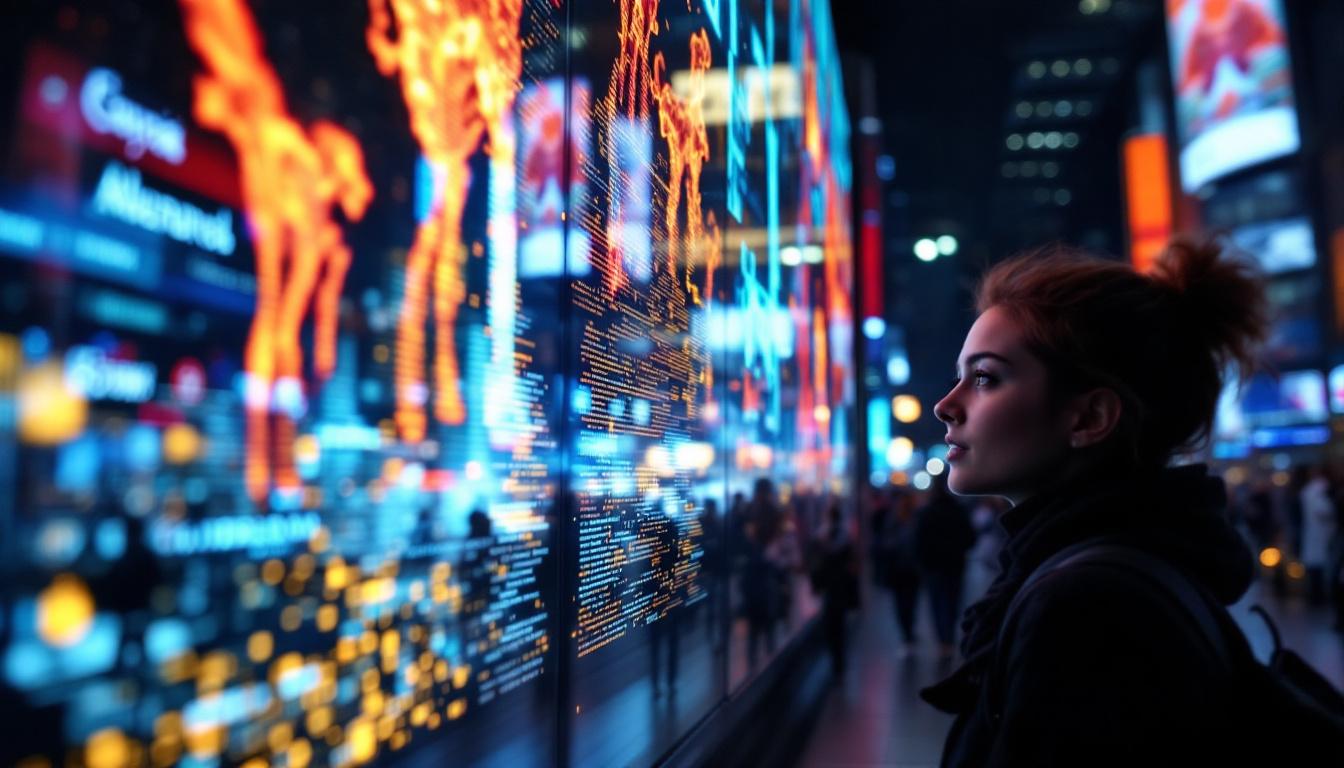
In commercial settings, LED lighted wall panels serve as dynamic advertising tools. Retail stores, shopping malls, and event venues use these panels to display promotional content, brand messages, or interactive advertisements. The high brightness and vivid colors of LED displays ensure visibility even in brightly lit environments, making them effective for capturing attention.
Digital signage powered by LED panels allows for real-time updates and targeted messaging, which is invaluable for marketing campaigns. According to a report by Grand View Research, the global digital signage market is expected to grow at a compound annual growth rate (CAGR) of over 7% from 2023 to 2030, driven largely by advancements in LED display technology. Furthermore, the integration of sensors and AI technology with LED panels enables personalized advertising experiences, where content can be tailored based on the demographics of the audience in real-time. This level of engagement not only increases the effectiveness of advertisements but also fosters a deeper connection between brands and consumers.
Architectural and Outdoor Installations
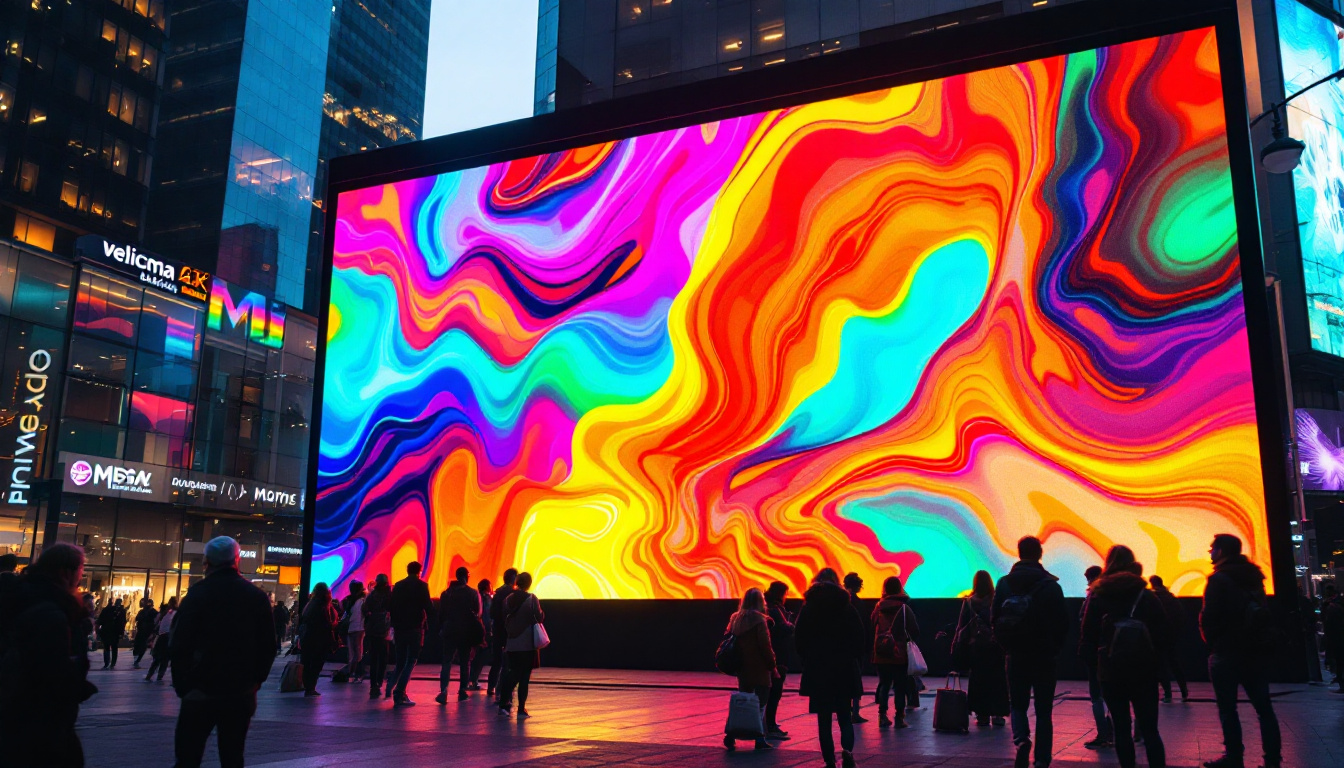
Beyond interiors, LED lighted wall panels are increasingly used in architectural facades and outdoor installations. Their durability, weather resistance, and energy efficiency make them suitable for illuminating building exteriors, bridges, and public art installations. Cities worldwide are adopting LED panels to enhance urban aesthetics and promote sustainability.
For example, the Burj Khalifa in Dubai uses LED lighting extensively to create spectacular nighttime displays. These installations not only beautify the cityscape but also serve as platforms for cultural expression and public messaging. Additionally, LED panels are being utilized in parks and recreational areas to provide safety lighting and enhance the visitor experience during evening hours. By incorporating interactive elements, such as motion sensors that trigger light displays, these installations encourage community engagement and foster a sense of connection among residents and visitors alike. The potential for creativity in outdoor LED applications is virtually limitless, making them a popular choice for modern urban design.
Benefits of LED Lighted Wall Panels
Energy Efficiency and Sustainability
One of the most significant advantages of LED lighted wall panels is their energy efficiency. LEDs consume up to 80% less energy compared to traditional incandescent or fluorescent lighting. This efficiency translates into lower electricity bills and reduced environmental impact.
Moreover, LEDs have a longer lifespan—often exceeding 50,000 hours—meaning less frequent replacements and reduced waste. Many LED panels are also manufactured using recyclable materials, further contributing to sustainability goals.
Customization and Flexibility
LED lighted wall panels offer unparalleled customization options. They can be tailored to fit specific dimensions, colors, and brightness levels. Advanced panels support programmable lighting sequences, enabling users to create dynamic effects or synchronize lighting with music and events.
This flexibility is particularly valuable in commercial environments where branding and customer engagement are priorities. For instance, retail stores can change lighting themes seasonally or for special promotions without physical modifications to the panels.
Low Maintenance and Durability
Compared to other lighting technologies, LED panels require minimal maintenance. Their solid-state construction makes them resistant to shock, vibration, and external impacts. Additionally, LEDs generate less heat, reducing the risk of damage to surrounding materials.
These factors contribute to lower operational costs and increased reliability, especially in high-traffic or hard-to-access locations.
Choosing the Right LED Lighted Wall Panel
Factors to Consider
When selecting LED lighted wall panels, several factors should be evaluated to ensure the best fit for the intended application:
- Brightness and Color Quality: Measured in lumens and color rendering index (CRI), these metrics determine how vivid and natural the light appears.
- Size and Shape: Panels come in various dimensions; custom shapes may be necessary for unique design requirements.
- Control Options: Consider whether you need simple on/off functionality or advanced programmable controls.
- Installation Requirements: Assess mounting options, power supply accessibility, and compatibility with existing infrastructure.
- Environmental Conditions: For outdoor use, ensure panels have appropriate IP ratings for water and dust resistance.
Cost Considerations
While LED lighted wall panels may have a higher upfront cost compared to traditional lighting, their energy savings and longevity often result in lower total cost of ownership. Prices vary widely based on size, resolution (for display panels), and features.
Investing in high-quality panels from reputable manufacturers can prevent issues such as uneven lighting, color inconsistency, or premature failure. Additionally, many regions offer incentives or rebates for energy-efficient lighting installations, which can offset initial expenses.
Future Trends in LED Lighted Wall Panels
Integration with Smart Technologies
The convergence of LED lighted wall panels with smart home and building automation systems is a growing trend. Panels can now be controlled via smartphones, voice assistants, or centralized management platforms, enabling personalized lighting experiences and energy optimization.
For example, integrating LED panels with occupancy sensors can automatically adjust lighting based on room usage, enhancing convenience and reducing waste.
Advancements in Display Resolution and Interactivity
Emerging LED panel technologies are pushing the boundaries of resolution and interactivity. MicroLED and miniLED panels offer higher pixel densities, enabling crisp images and video suitable for immersive environments such as museums, retail displays, and entertainment venues.
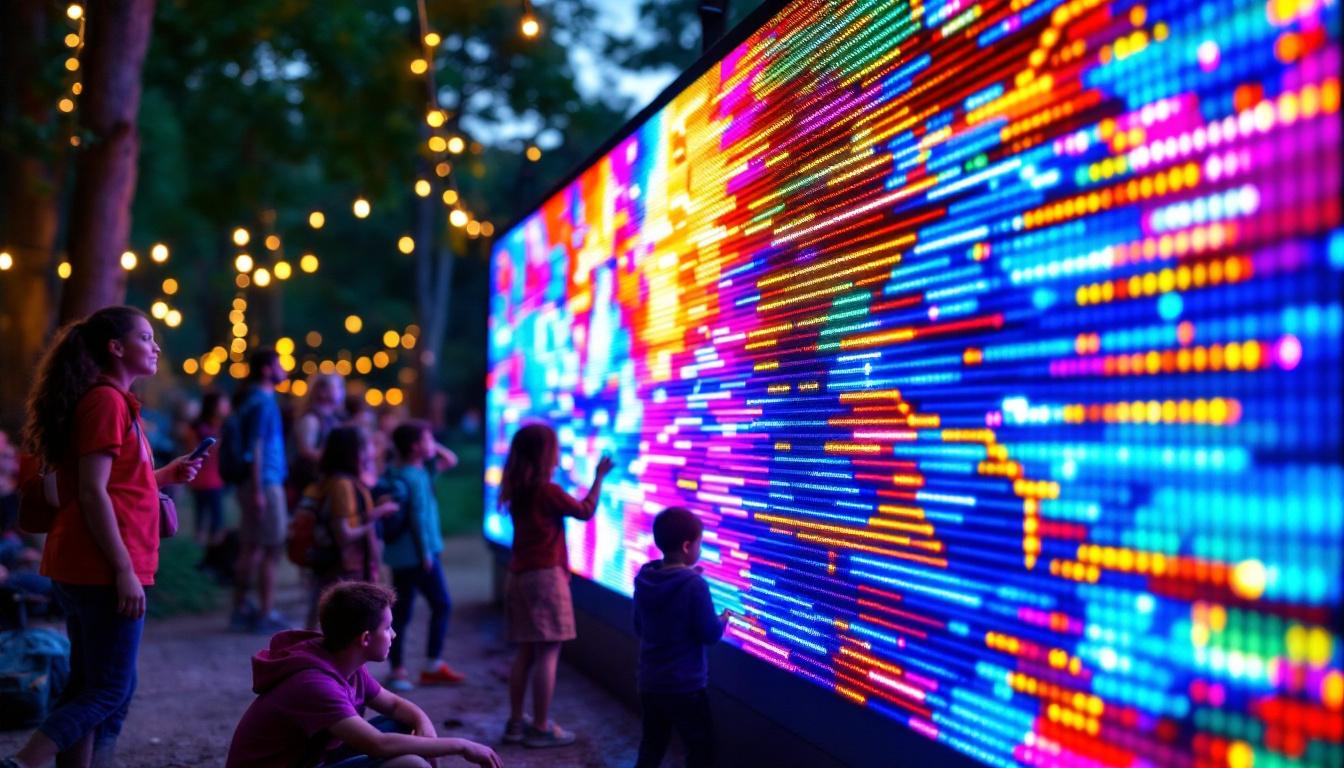
Interactive LED panels equipped with touch sensitivity or gesture recognition are also gaining traction, allowing users to engage directly with the displayed content for marketing, education, or entertainment purposes.
Sustainability and Circular Economy Initiatives
As environmental concerns intensify, manufacturers are focusing on sustainable production methods and circular economy principles. This includes designing LED panels for easy disassembly, recycling, and reuse of components.
Consumers and businesses alike are increasingly prioritizing eco-friendly products, making sustainability a key factor in future LED panel development and adoption.
Conclusion
LED lighted wall panels represent a versatile and innovative lighting solution that blends technology, design, and functionality. Their energy efficiency, customization capabilities, and durability make them suitable for a wide range of applications—from enhancing interior ambiance to delivering dynamic advertising and architectural displays.
As LED technology continues to evolve, incorporating smart controls, higher resolutions, and sustainable practices, lighted wall panels are poised to become an integral element in modern environments. Understanding their features and benefits empowers designers, business owners, and consumers to make informed decisions that maximize impact and value.
Illuminate Your Space with LumenMatrix
Ready to elevate your environment with the most advanced LED display technology? LumenMatrix is at the forefront of creating immersive and engaging visual experiences. Whether you’re looking to enhance your interior design, make a bold statement with outdoor advertising, or captivate an audience with interactive displays, our extensive range of solutions—including Indoor and Outdoor LED Wall Displays, Vehicle and Sports Displays, and even Custom and All-in-One LED solutions—has you covered. Experience the transformative power of LED displays and join the revolution in visual communication. Check out LumenMatrix LED Display Solutions today and see your vision come to life.