In today’s fast-paced world, visual communication plays a crucial role in capturing attention and conveying information effectively. Among the many technologies available, LED display boards have emerged as a dominant choice for both indoor and outdoor digital signage. From stadium scoreboards to retail advertising and public information systems, LED display panels offer vibrant, dynamic, and energy-efficient solutions that meet diverse needs.
This article explores the fundamentals of LED display boards, their technology, advantages, and applications. Whether you are a business owner considering digital signage or a technology enthusiast eager to understand how LED displays work, this comprehensive guide will illuminate the key aspects of LED display panels.
Understanding LED Display Boards: What Are They?
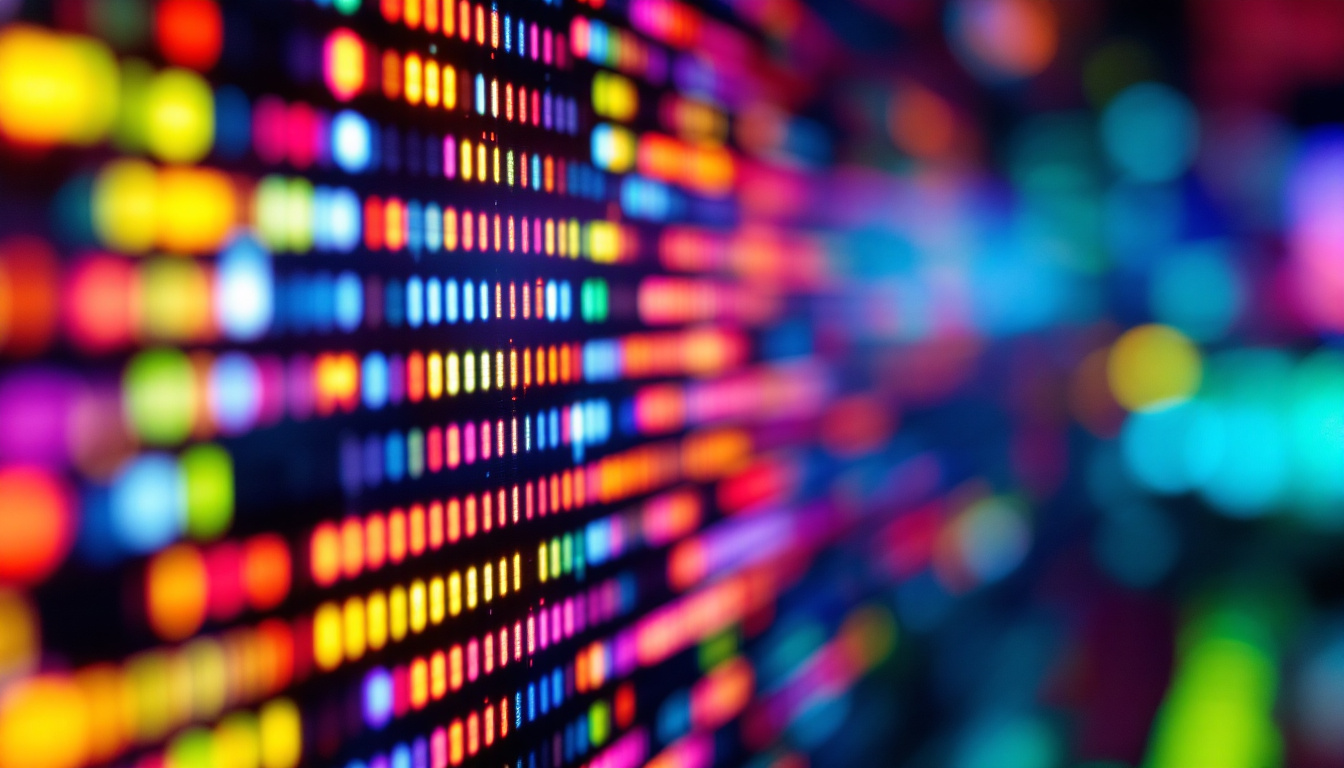
LED display boards are electronic visual displays that use light-emitting diodes (LEDs) as pixels to create images, text, and videos. Unlike traditional LCD or plasma screens, LED displays are composed of numerous tiny LEDs that emit light individually, allowing for brighter and more vivid visuals. This technology has revolutionized the way information is presented, making it more engaging and accessible to audiences.
The term “LED display” can refer to different types of screens, but in the context of display board panels, it typically means large-format displays used for advertising, information dissemination, or entertainment. These panels are modular, meaning they consist of multiple smaller LED modules assembled to create a larger screen, adaptable to various sizes and resolutions. This modularity not only allows for customization in size but also facilitates easy repairs and upgrades, ensuring longevity and sustainability in various applications.
How LED Display Panels Work
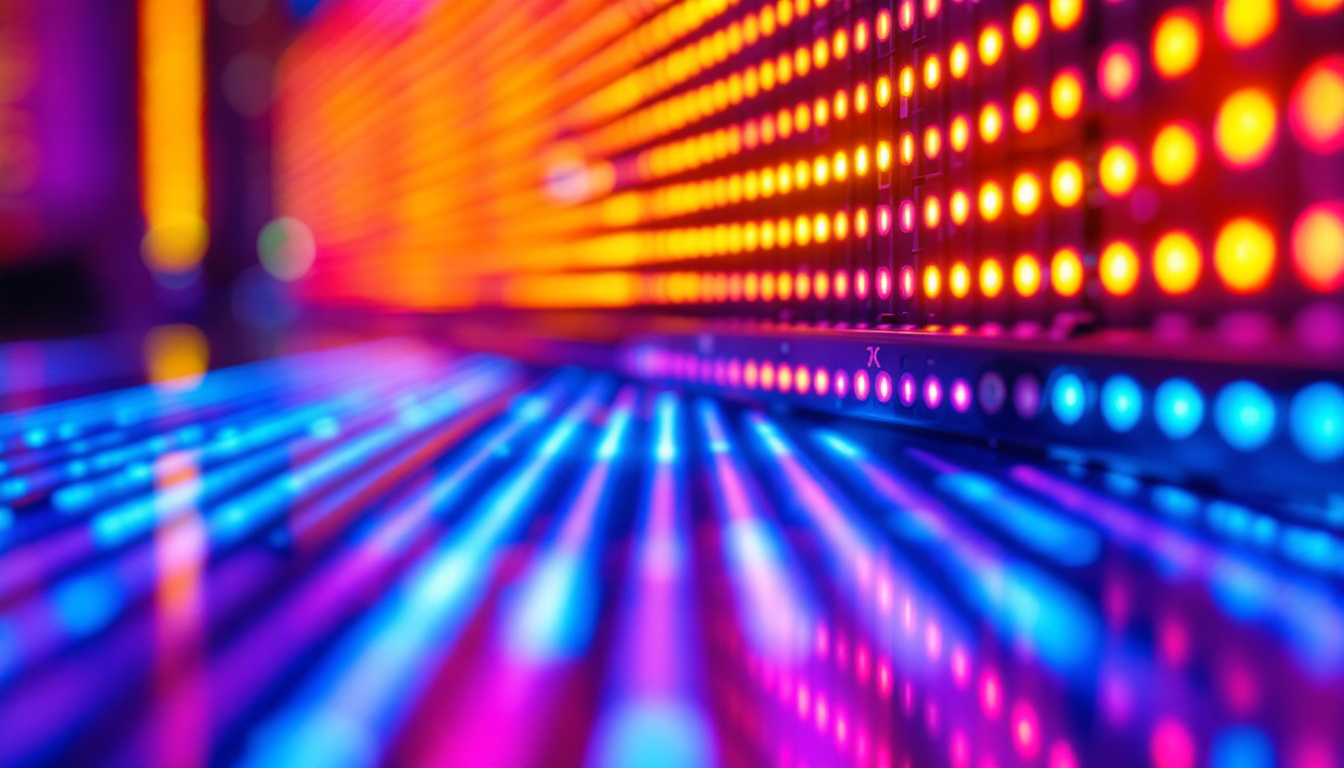
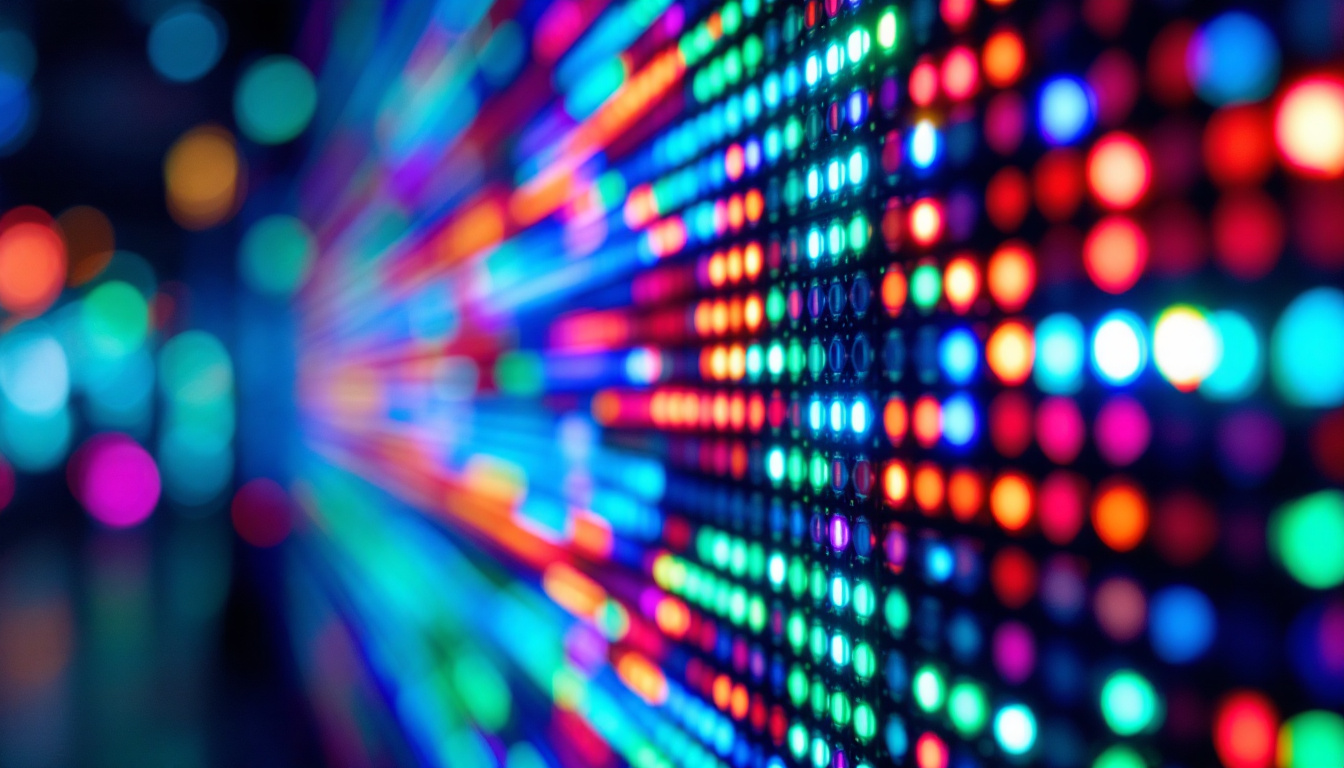
Each LED display panel consists of thousands to millions of tiny LEDs arranged in a matrix. These LEDs can be red, green, and blue (RGB), and by adjusting their brightness levels, the panel can produce a full spectrum of colors. The control system sends signals to each LED to turn on or off or adjust brightness, forming images or videos. This intricate process is managed by sophisticated software that synchronizes the display with the desired content, whether it be live feeds, pre-recorded videos, or dynamic advertisements.
Modern LED display boards use advanced driving circuits and software to ensure smooth transitions, high refresh rates, and accurate color reproduction. This technology enables displays to perform well even under direct sunlight or in challenging weather conditions. Additionally, many LED boards now incorporate features such as energy-efficient designs and smart technology, allowing for remote management and real-time content updates, which are particularly beneficial for businesses looking to stay agile in their marketing strategies.
Types of LED Display Panels
LED display boards come in various types, primarily categorized based on pixel pitch, configuration, and intended use:
- Indoor LED Displays: Designed for close viewing distances, these panels have a smaller pixel pitch (the distance between LED centers), often between 1mm and 4mm, ensuring sharp images in confined spaces like retail stores, conference rooms, or control centers. Their versatility allows them to be used for everything from interactive displays to digital signage, enhancing customer engagement and information delivery.
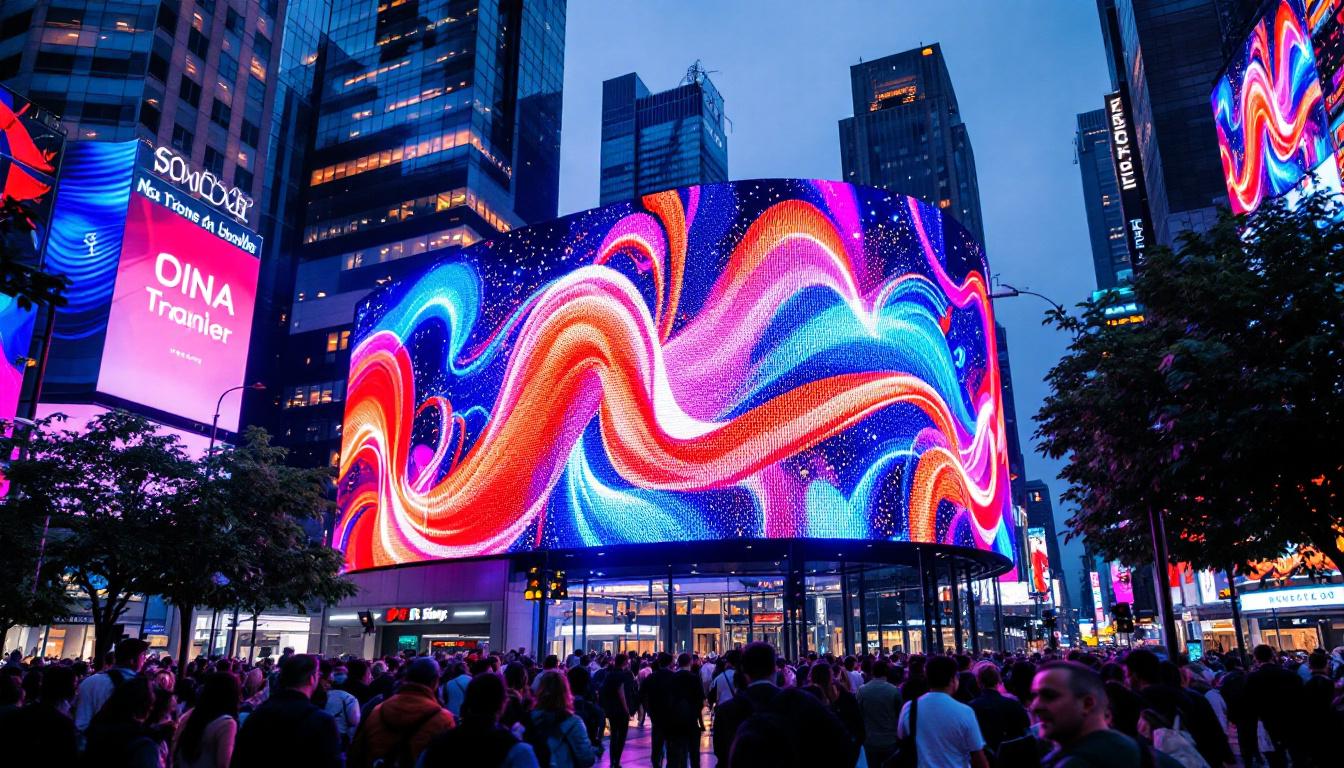
- Outdoor LED Displays: Built to withstand environmental factors such as rain, dust, and sunlight, outdoor panels have larger pixel pitches (4mm to 20mm or more) and higher brightness levels, making them visible from long distances in places like stadiums, billboards, and transportation hubs. These displays are often used for advertising campaigns, public announcements, and live event broadcasting, effectively reaching a broad audience.
- Flexible and Transparent LED Displays: These innovative types allow for curved or see-through installations, expanding creative possibilities in architecture and advertising. Flexible displays can adapt to various shapes and surfaces, making them ideal for unique installations in retail environments or artistic displays, while transparent displays offer a modern aesthetic that allows for visibility of the surroundings, often used in storefronts and exhibitions.
In addition to these main categories, LED display technology continues to evolve, with advancements such as high-definition (HD) and ultra-high-definition (UHD) options becoming increasingly popular. These higher resolutions provide even more detail and clarity, making them suitable for high-profile events and installations where visual impact is paramount. Furthermore, the integration of artificial intelligence and machine learning into LED display systems is paving the way for smarter advertising solutions that can adapt content based on audience demographics and engagement levels.
Key Advantages of LED Display Boards
LED display panels offer several benefits that have driven their widespread adoption across industries. Understanding these advantages helps businesses and organizations make informed decisions when selecting digital signage solutions.
High Brightness and Visibility
One of the most significant advantages of LED displays is their exceptional brightness. Outdoor LED boards can achieve brightness levels exceeding 5,000 nits, making them clearly visible even in direct sunlight. This brightness ensures messages are seen by a broad audience regardless of lighting conditions, a critical factor for outdoor advertising and public information systems.
Energy Efficiency and Longevity
Compared to traditional lighting and display technologies, LEDs consume less power while delivering superior brightness. This energy efficiency reduces operational costs, especially for large-scale installations that run continuously. Additionally, LED panels have a long lifespan, often rated between 50,000 to 100,000 hours, minimizing maintenance and replacement expenses.
Vibrant Colors and High Resolution
Thanks to the RGB configuration and precise control mechanisms, LED displays produce vivid colors and high contrast ratios. This capability enhances the visual appeal of advertisements and presentations, helping brands stand out. Advances in pixel pitch technology have also enabled ultra-high-definition displays suitable for detailed content.
Flexibility and Scalability
LED display boards are modular, allowing users to customize screen size and shape according to specific requirements. Whether it’s a small indoor screen or a massive outdoor billboard, LED technology can adapt seamlessly. This scalability is particularly beneficial for event organizers, retailers, and public venues that may need to upgrade or reconfigure their displays over time.
Durability and Weather Resistance
Outdoor LED panels are engineered to withstand harsh environmental conditions, including rain, wind, dust, and extreme temperatures. Their robust construction ensures reliable performance and longevity, making them ideal for permanent installations in public spaces.
Applications of LED Display Boards
LED display panels have transformed how information and advertising are delivered across various sectors. Their versatility and effectiveness have led to widespread use in multiple applications.
Advertising and Marketing
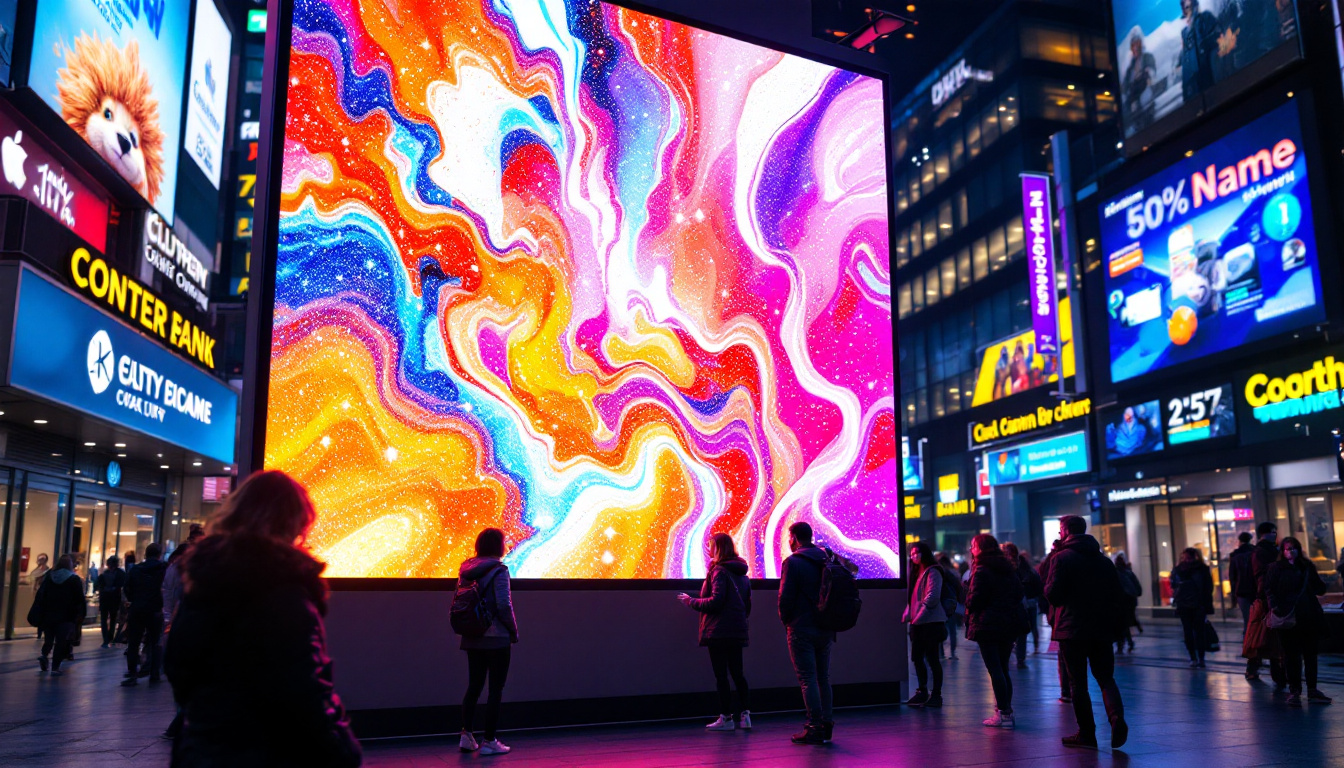
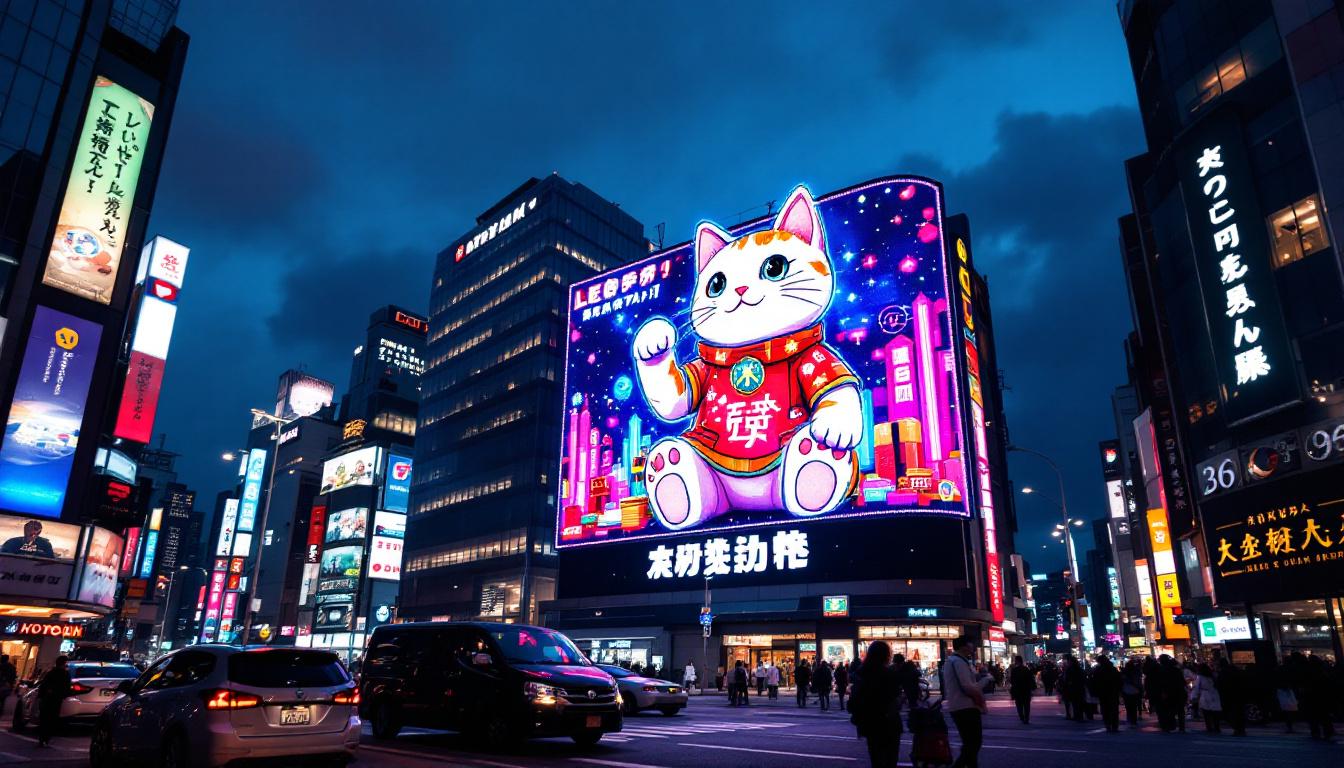
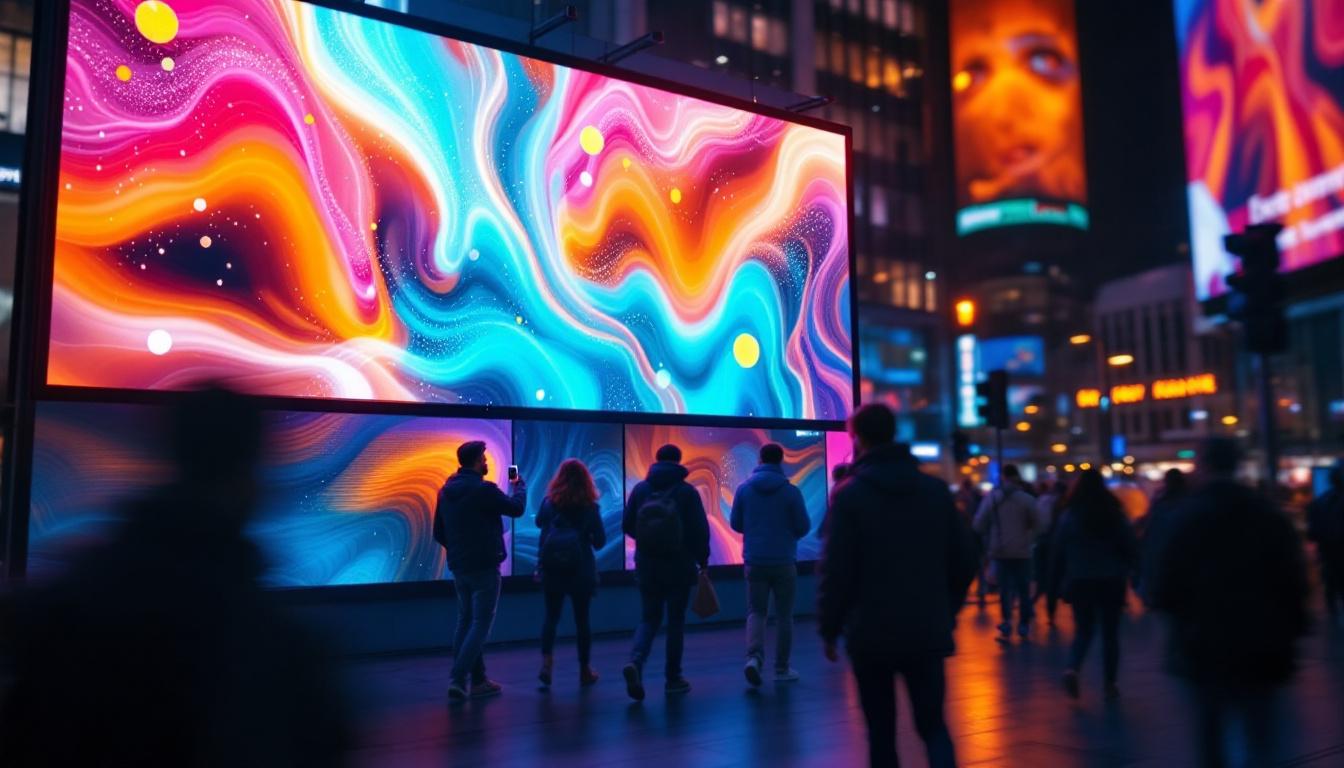
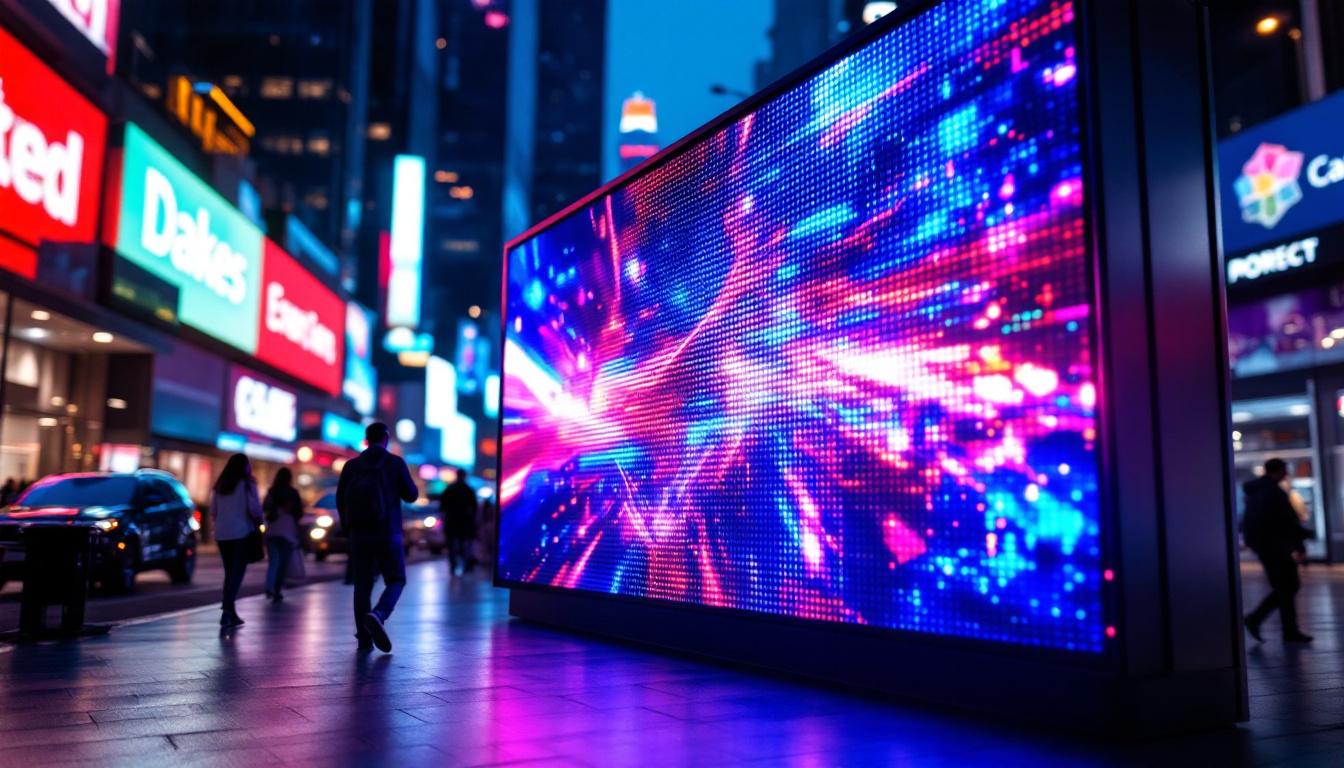
Digital billboards and signage are among the most common uses of LED display boards. Brands leverage these displays to showcase dynamic advertisements that can be updated in real-time, target specific audiences, and create engaging visual experiences. According to recent market research, the global digital signage market is projected to reach over $30 billion by 2027, with LED technology playing a pivotal role in this growth.
Sports and Entertainment Venues
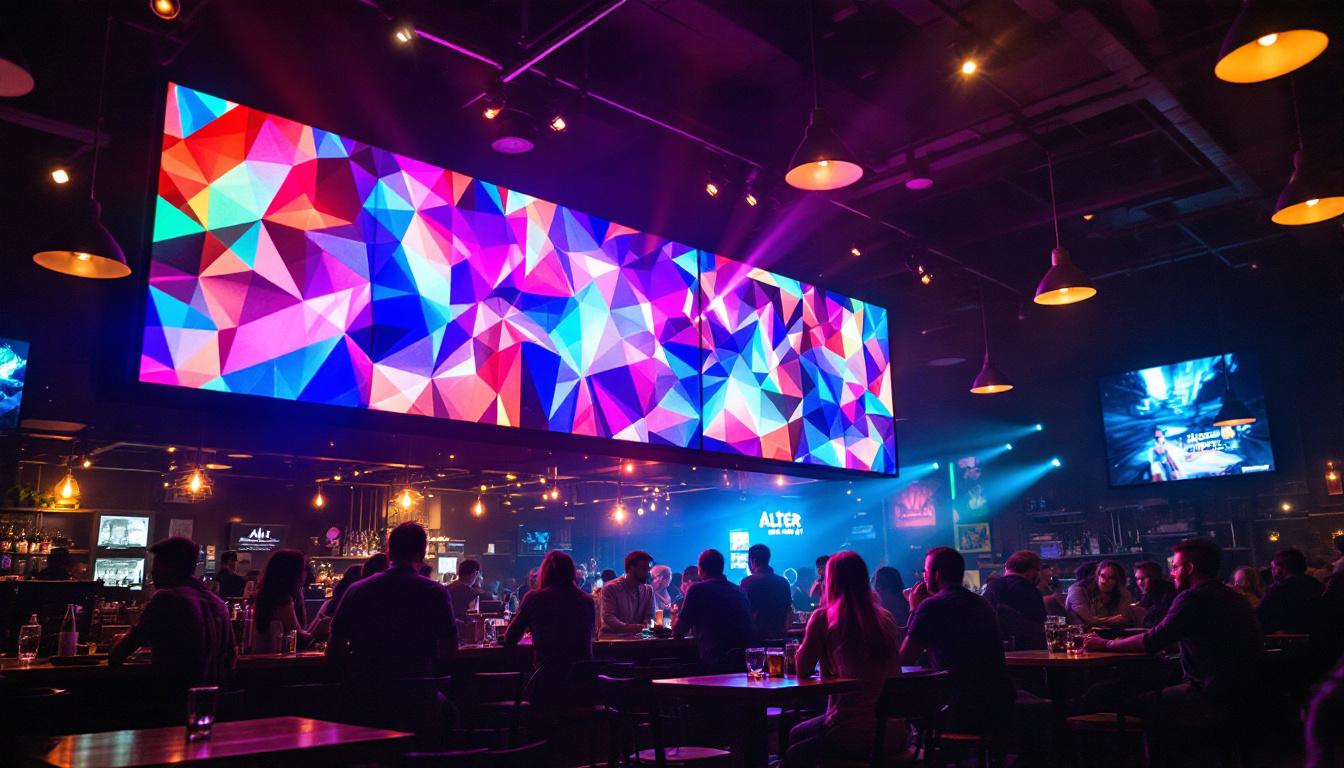
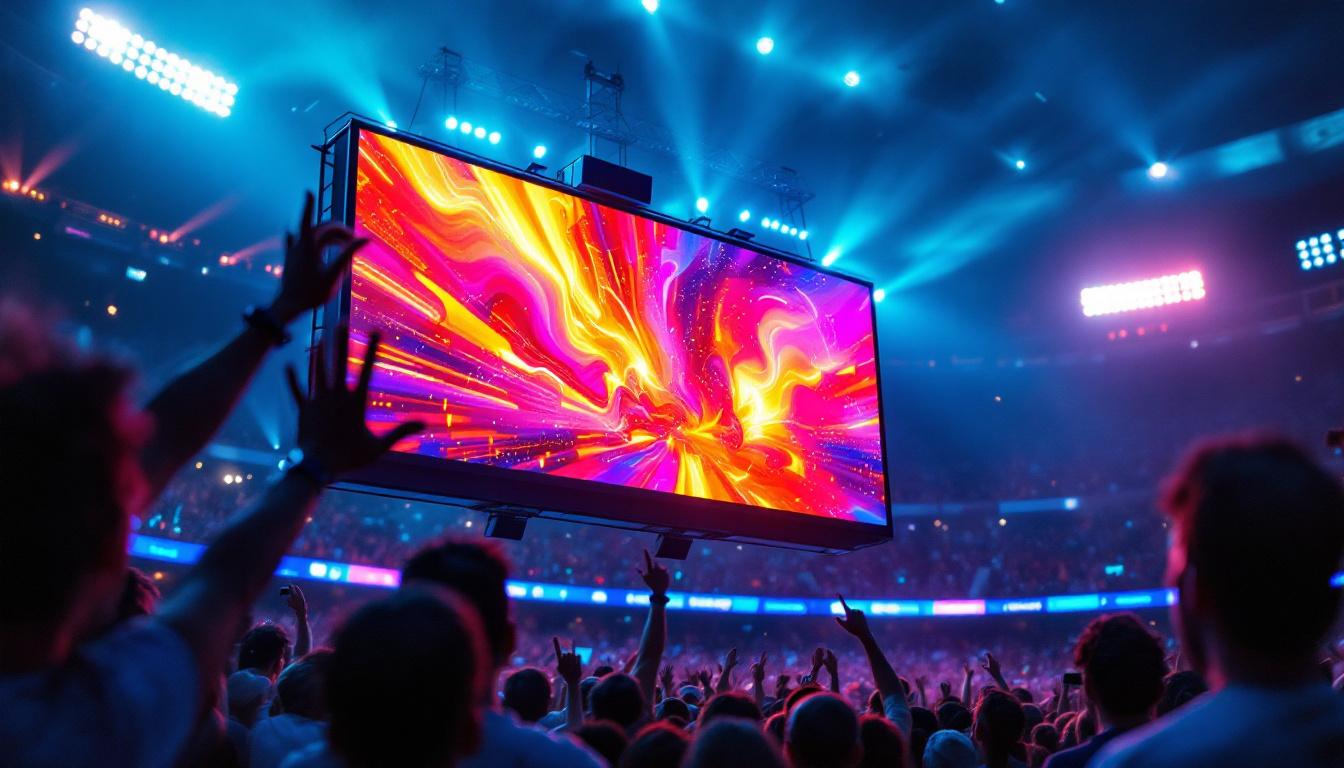
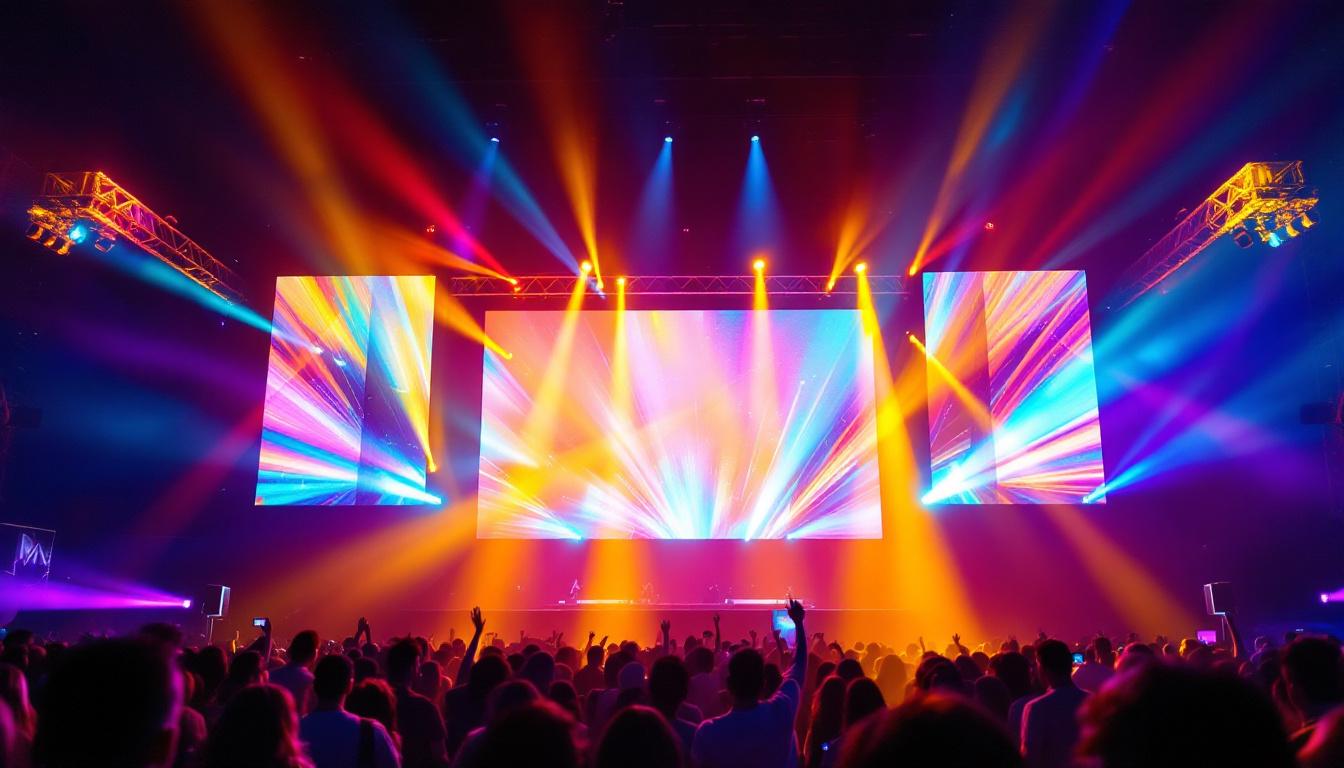
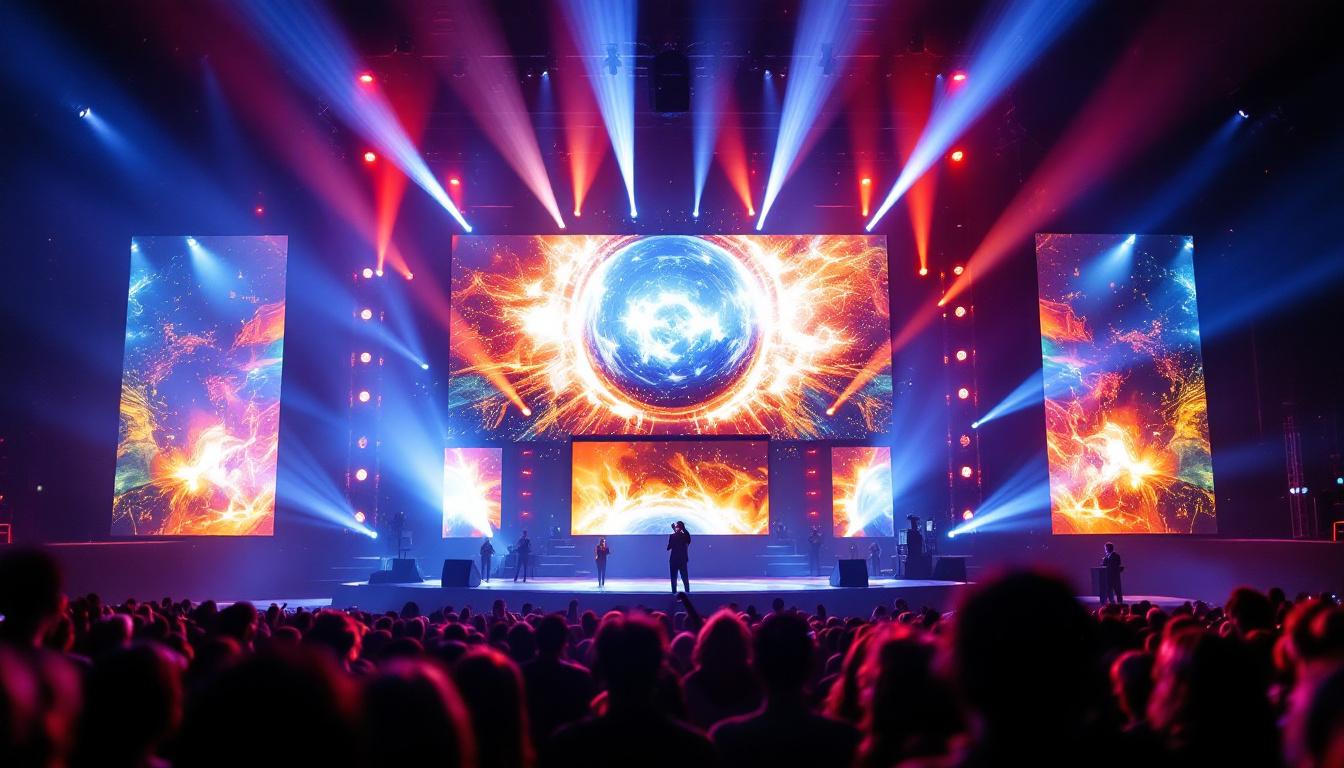
Stadiums and arenas use large LED screens for scoreboards, instant replays, and fan engagement. These displays enhance the spectator experience by providing clear, vibrant visuals visible from all seating areas. Additionally, concert venues and theaters utilize LED panels for stage backdrops and immersive visual effects.
Transportation and Public Information
Airports, train stations, and bus terminals employ LED display boards to provide real-time information such as schedules, delays, and safety announcements. The high visibility and reliability of LED displays ensure travelers stay informed, improving overall operational efficiency.
Retail and Hospitality
Retailers use LED displays for promotional messaging, product information, and interactive customer experiences. In the hospitality industry, hotels and restaurants incorporate LED signage for branding and wayfinding, enhancing guest engagement.
Choosing the Right LED Display Board Panel
Selecting the appropriate LED display board involves considering several factors to ensure the solution meets specific needs and delivers optimal performance.
Pixel Pitch and Resolution
The pixel pitch determines the viewing distance and image clarity. Smaller pixel pitches provide higher resolution and are suitable for close-range viewing, while larger pitches are ideal for distant visibility. For example, a retail store might choose a 2mm pixel pitch for sharp indoor displays, whereas a highway billboard might use a 10mm pitch for visibility from hundreds of meters away.
Brightness and Contrast Ratio
Brightness levels should correspond to the installation environment. Outdoor displays require higher brightness (typically above 5,000 nits) to combat sunlight glare, whereas indoor displays can operate effectively at lower brightness (around 800 to 1,500 nits). Contrast ratio impacts image depth and color vibrancy, contributing to overall visual quality.
Durability and Weatherproofing
For outdoor applications, it is essential to select LED panels with appropriate IP (Ingress Protection) ratings to ensure resistance against dust and water. Panels rated IP65 or higher are generally recommended for outdoor use.
Control Systems and Software
The ease of content management is a vital consideration. Modern LED display boards come with sophisticated control software that supports remote updates, scheduling, and integration with other digital platforms. Choosing a system with user-friendly interfaces and reliable connectivity enhances operational efficiency.
Budget and Total Cost of Ownership
While LED display boards can represent a significant upfront investment, it is important to evaluate the total cost of ownership, including installation, maintenance, and energy consumption. Investing in high-quality panels with proven durability often results in lower long-term costs and better return on investment.
Future Trends in LED Display Technology
The LED display industry continues to evolve rapidly, driven by innovations that improve performance and expand possibilities.
MicroLED and MiniLED Technologies
Emerging technologies like MicroLED and MiniLED offer even finer pixel pitches, higher brightness, and improved energy efficiency. MicroLED displays, composed of microscopic LEDs, promise superior image quality and durability, potentially revolutionizing both consumer electronics and large-format displays.
Interactive and Smart Displays
Integration of touch sensors, cameras, and AI-driven content management is making LED display boards more interactive and adaptive. These smart displays can personalize content based on audience demographics or environmental factors, enhancing user engagement.
Eco-Friendly Innovations
With growing emphasis on sustainability, manufacturers are developing LED panels with recyclable materials, lower power consumption, and advanced heat dissipation technologies to reduce environmental impact.
Conclusion
LED display boards have become indispensable tools for effective visual communication across a wide range of industries. Their brightness, versatility, and durability make them ideal for everything from advertising and entertainment to public information and retail. By understanding the technology, advantages, and application considerations, organizations can harness the full potential of LED displays to engage audiences and convey messages with clarity and impact.
As LED technology advances, the future promises even more innovative and sustainable display solutions that will continue to transform how people experience digital content in public and private spaces.
Explore Cutting-Edge LED Display Solutions with LumenMatrix
Ready to elevate your visual communication strategy with the latest in LED technology? LumenMatrix is at the forefront of innovation, offering a diverse range of LED display modules designed to captivate and engage your audience. From vibrant Indoor and Outdoor LED Wall Displays to dynamic Vehicle and Sports LED Displays, each solution is crafted to deliver unparalleled clarity and impact. Discover how our LED Poster Displays, Floor LED Displays, Custom LED Displays, All-in-One LED Displays, and LED Transparent Displays can transform your space and message. Experience the future of digital signage with LumenMatrix and check out our LED Display Solutions today.