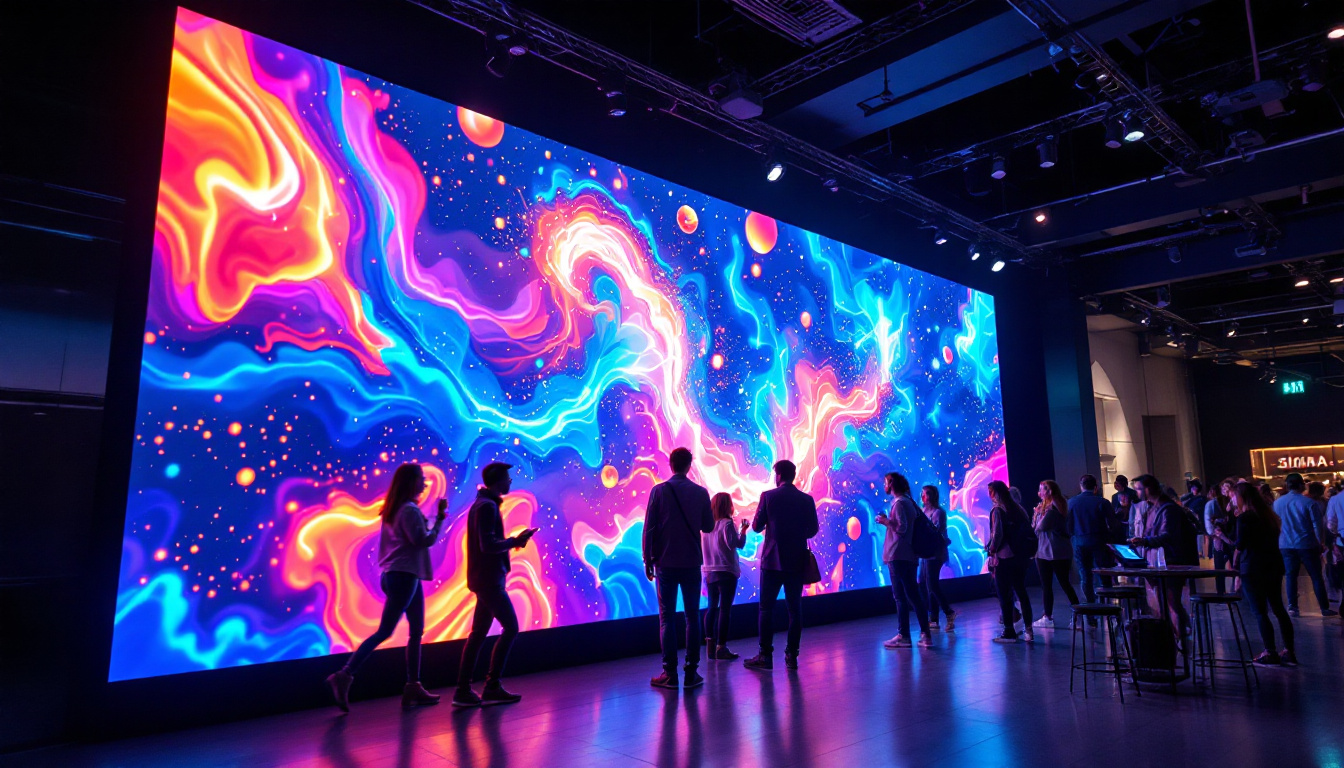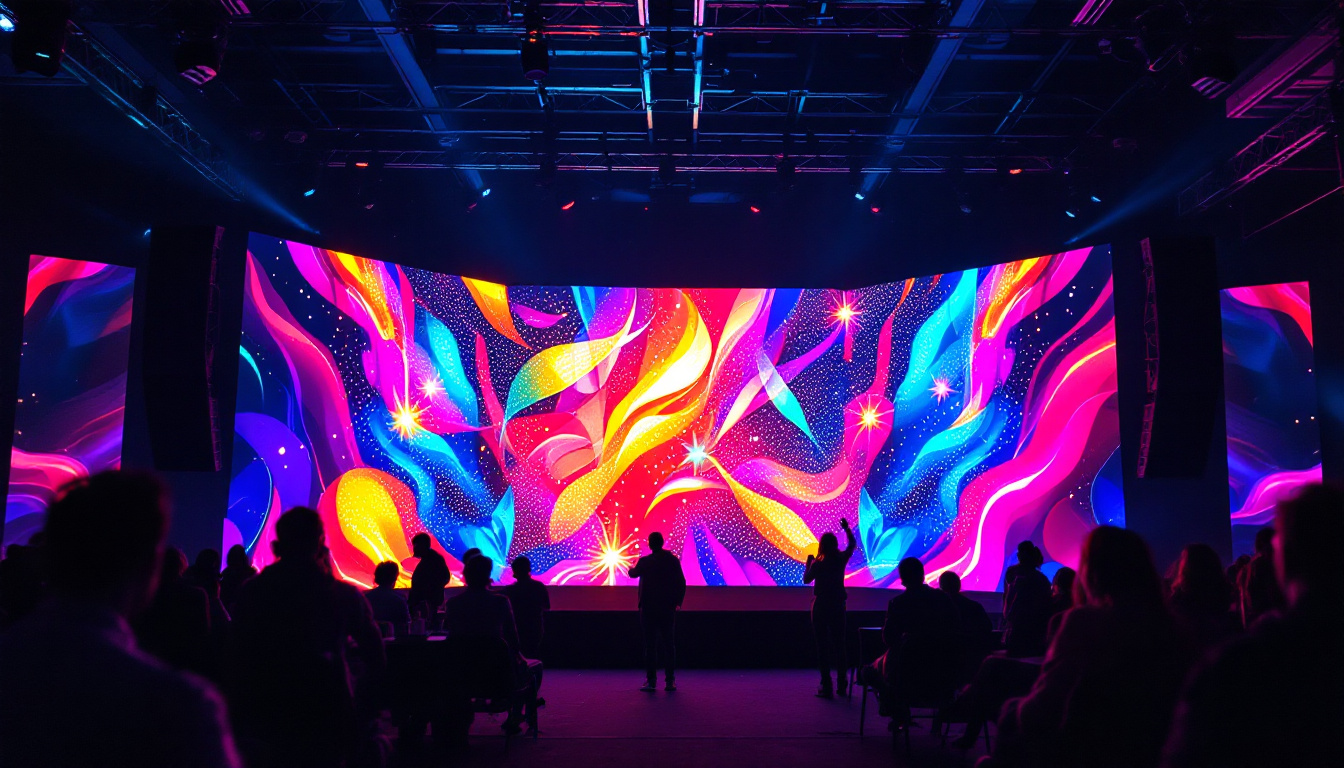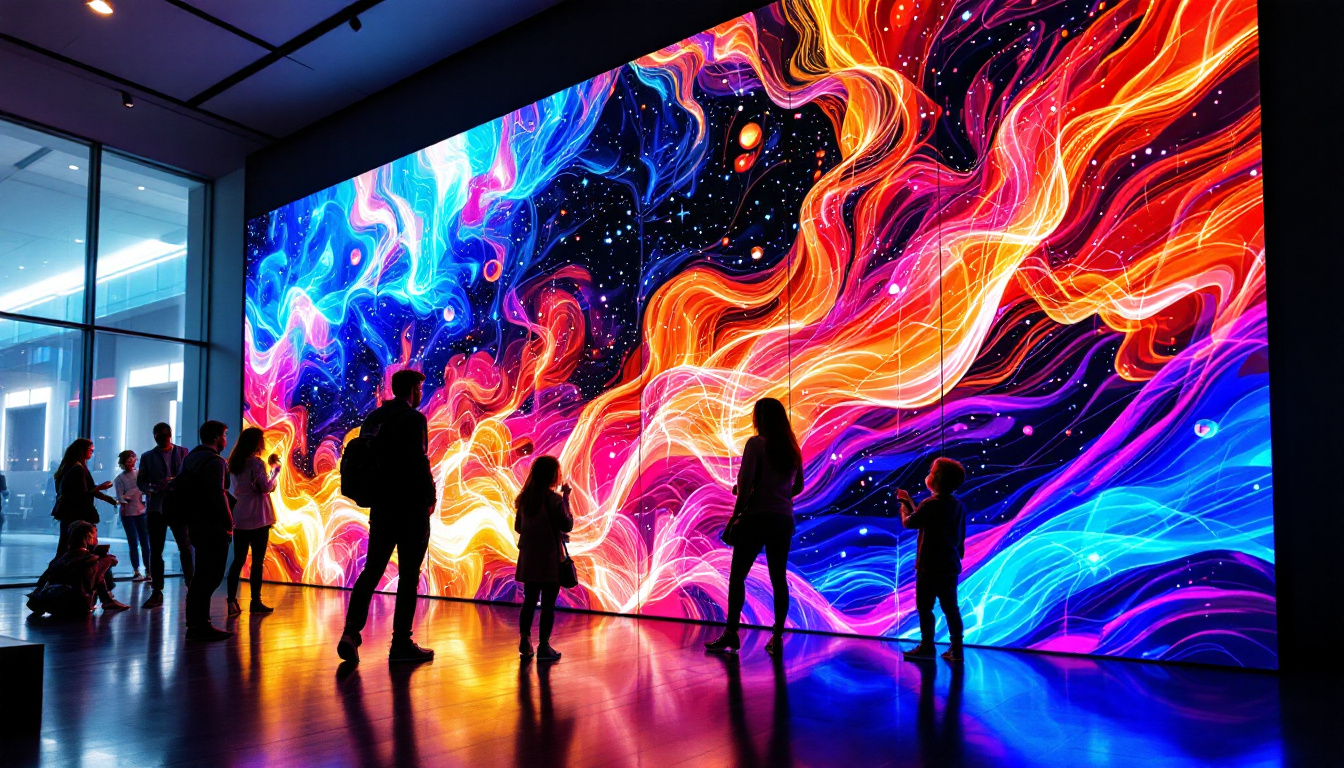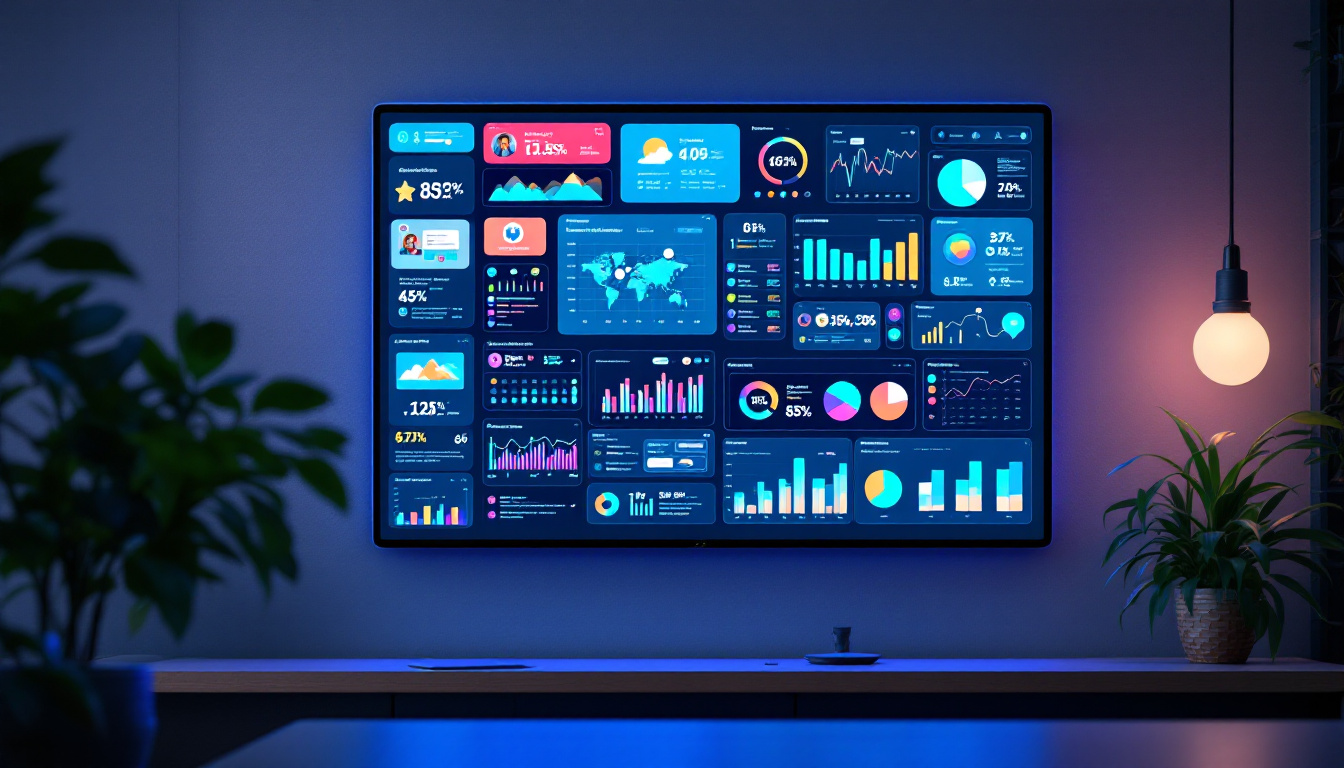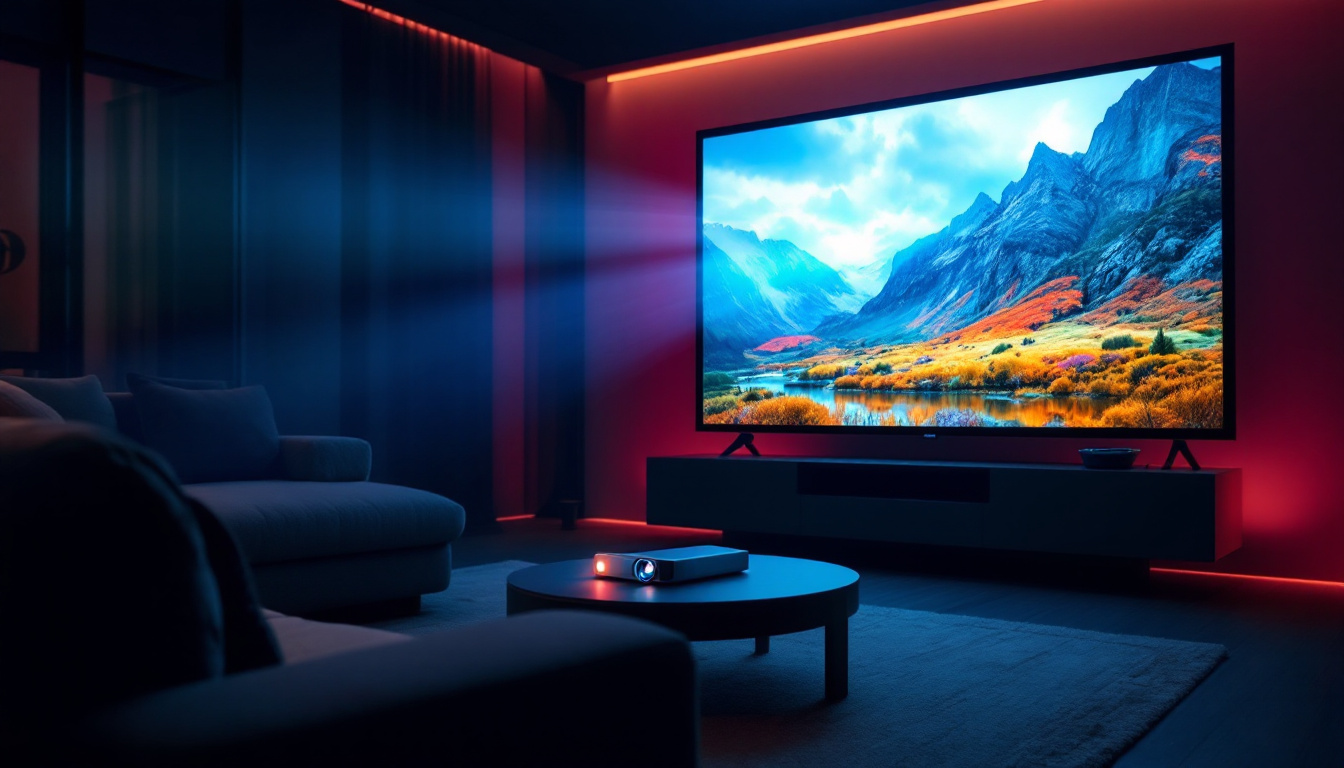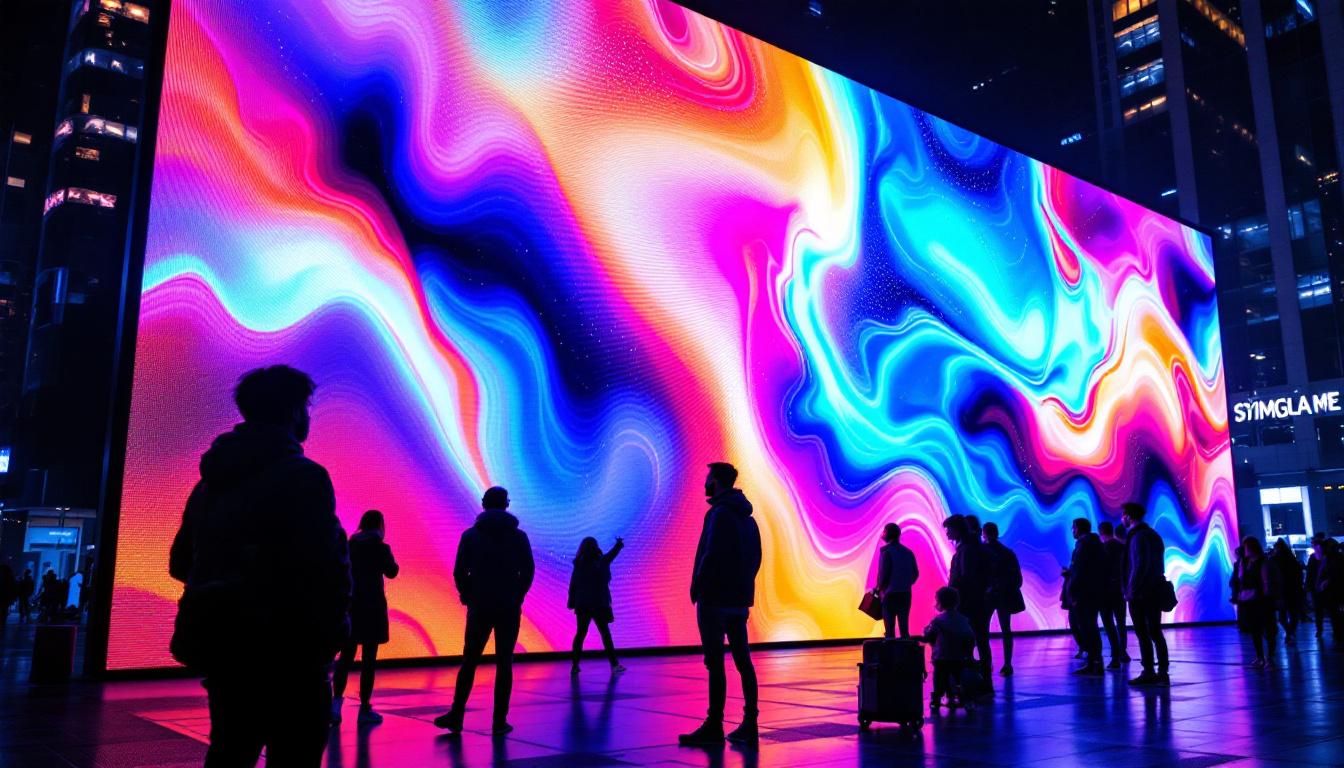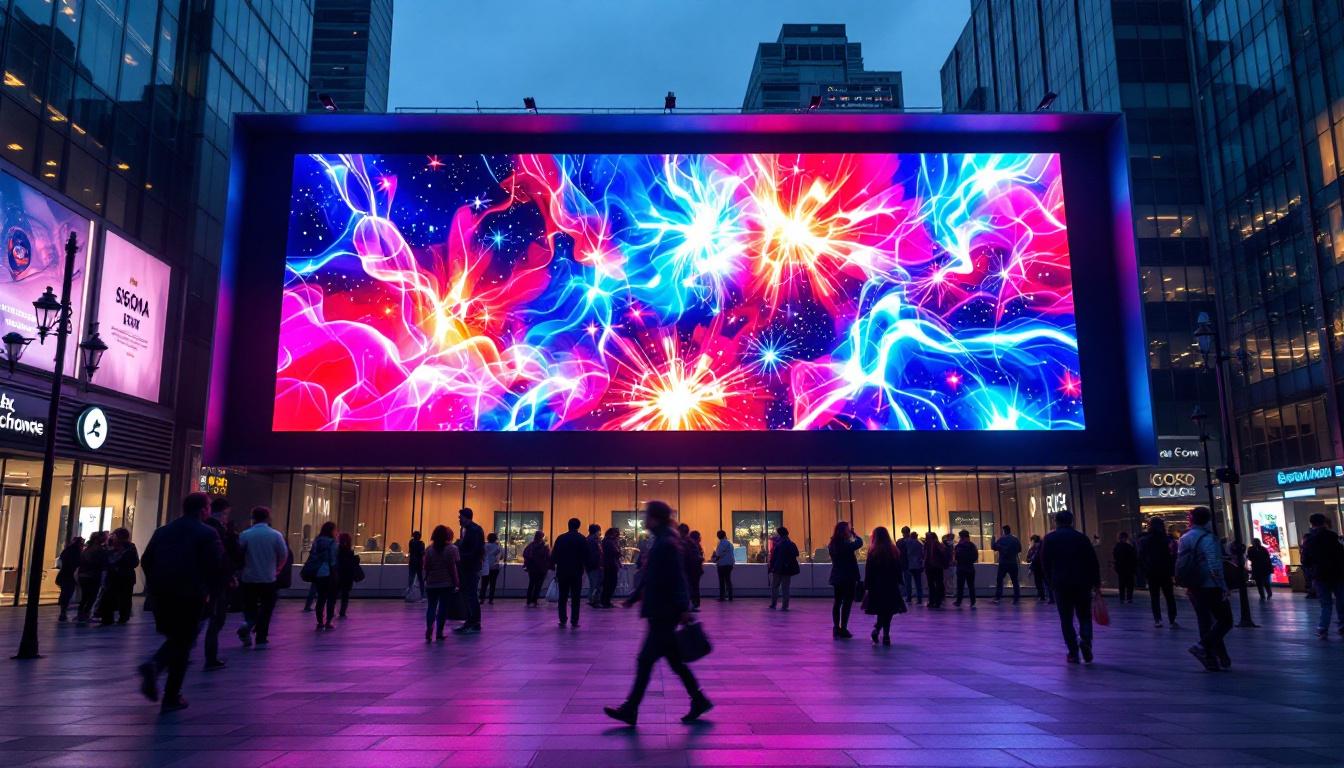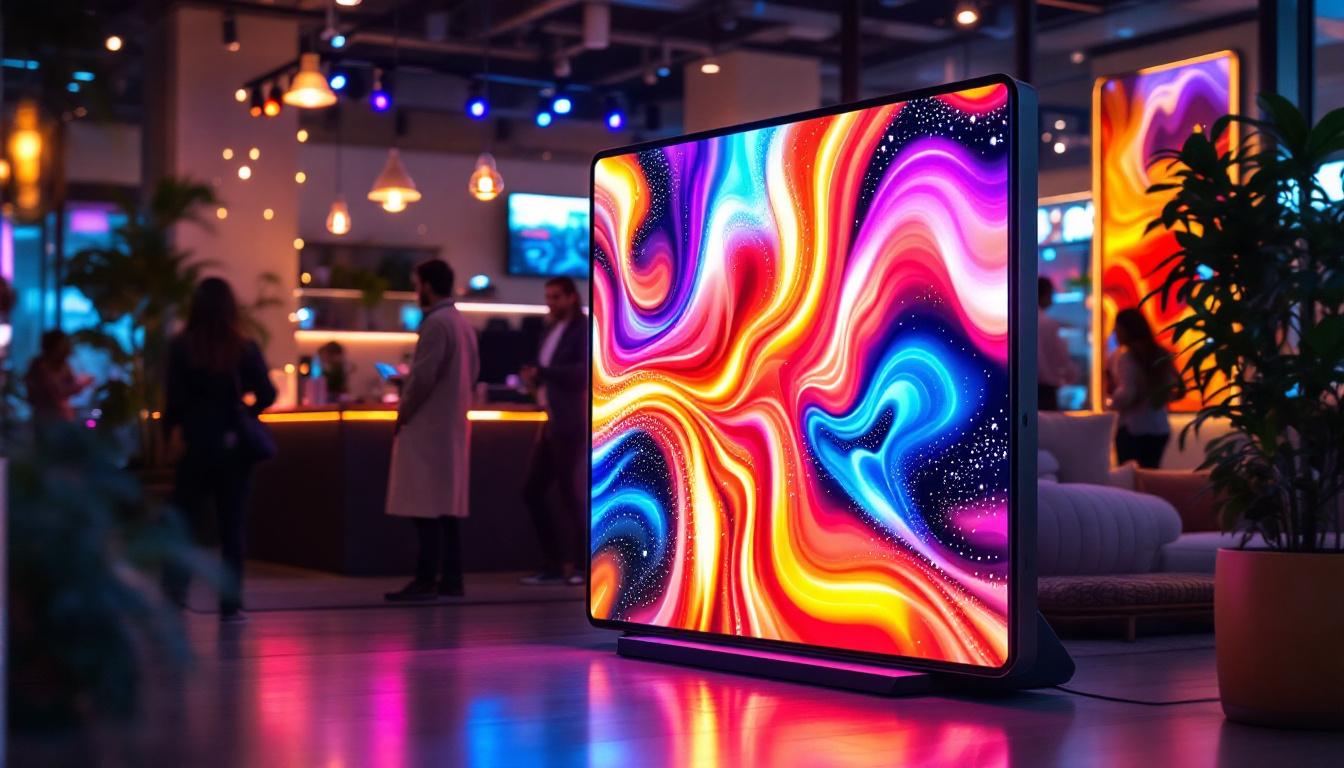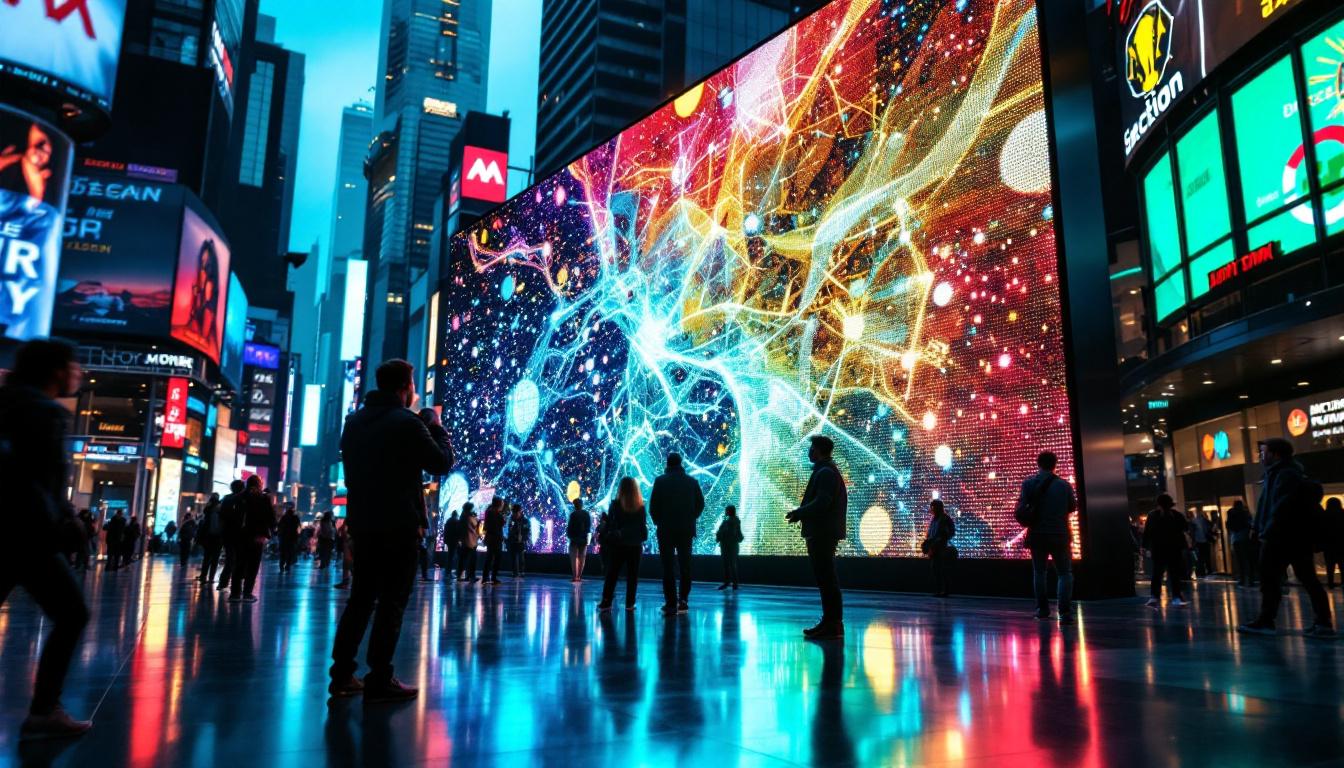
In today’s fast-paced digital world, LED displays have become an integral part of communication, advertising, and entertainment. From the towering billboards in Times Square to the vibrant screens at sports arenas, LED technology powers the visuals that captivate millions daily. But what exactly is a programme led LED display? How does it differ from traditional LED screens, and why is it gaining traction across various industries? This article dives deep into the world of programme led LED displays, explaining their technology, applications, and future potential.
Understanding LED Display Technology
LED, or Light Emitting Diode, technology has revolutionized the way images and videos are displayed. Unlike LCD or plasma screens, LEDs emit their own light, resulting in brighter, more vibrant visuals with better contrast ratios. The basic building block of an LED display is the diode itself, which emits light when an electric current passes through it.
LED displays are composed of thousands, sometimes millions, of these tiny diodes arranged in a matrix. Each diode can be individually controlled to produce precise colors and brightness levels. This granular control enables LED displays to render high-resolution images that remain visible even in bright outdoor environments.
What Does “Programme Led” Mean?
The term “programme led” refers to LED displays that are controlled and operated through programmable software systems. Unlike static LED signs that show fixed messages or simple animations, programme led LED displays can be dynamically updated with new content remotely and in real-time. This programmability allows for intricate scheduling, interactive features, and integration with other digital platforms.
For example, a programme led LED billboard can display different advertisements throughout the day, switch to live event coverage during a sports game, or even respond interactively to social media feeds. This flexibility is a significant advancement over traditional LED signage, enabling businesses and organizations to maximize engagement and tailor content to their audiences.
The Components of a Programme Led LED Display
To appreciate how programme led LED displays function, it’s essential to understand their core components. These include the LED modules, control system, power supply, and software interface.
LED Modules
At the heart of any LED display are the LED modules. These are panels containing an array of LEDs, typically grouped into pixels. Each pixel consists of red, green, and blue diodes that combine to produce a full spectrum of colors. The density of these pixels, known as pixel pitch, determines the resolution and clarity of the display. For instance, a smaller pixel pitch means higher resolution and sharper images, which is crucial for close-up viewing.
Control System
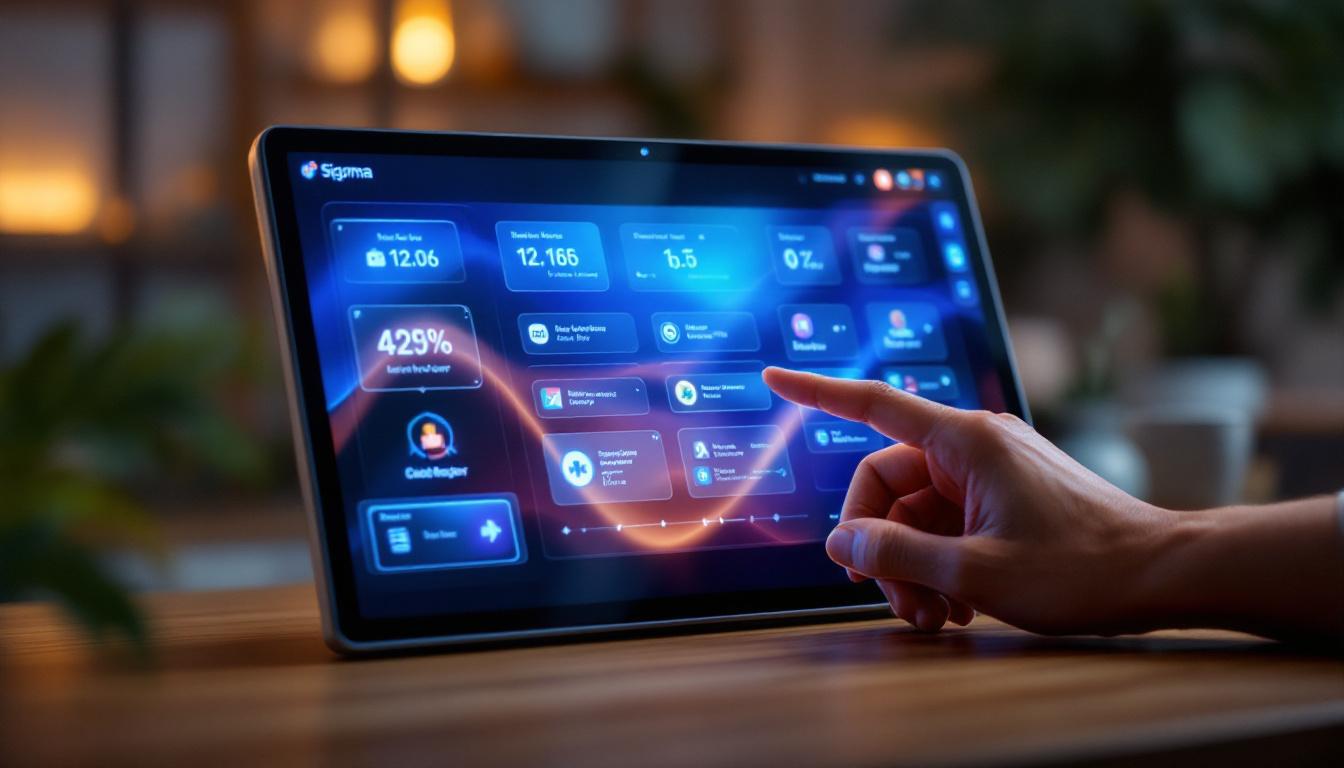
The control system acts as the brain of the LED display. It processes the incoming data and translates it into signals that control each LED module. In programme led displays, this system is often networked, allowing operators to manage content remotely via computers or mobile devices. Advanced control systems support real-time content updates, scheduling, and even interactive features like touch or motion sensing.
Power Supply
LED displays require a stable and efficient power supply to maintain consistent brightness and performance. Programme led displays often incorporate power management technologies to optimize energy consumption, especially for large-scale installations. This not only reduces operational costs but also extends the lifespan of the LEDs.
Software Interface
The software interface is where content creation, scheduling, and management happen. Modern programme led LED display software supports various media formats, including images, videos, animations, and live streams. It also offers user-friendly tools for designing content and automating playback schedules. Integration with cloud platforms and APIs enables seamless updates and data-driven content strategies.
Applications of Programme Led LED Displays
The versatility of programme led LED displays has led to their adoption across multiple sectors. Their ability to deliver vibrant, dynamic content makes them ideal for environments where engaging communication is critical.
Advertising and Marketing
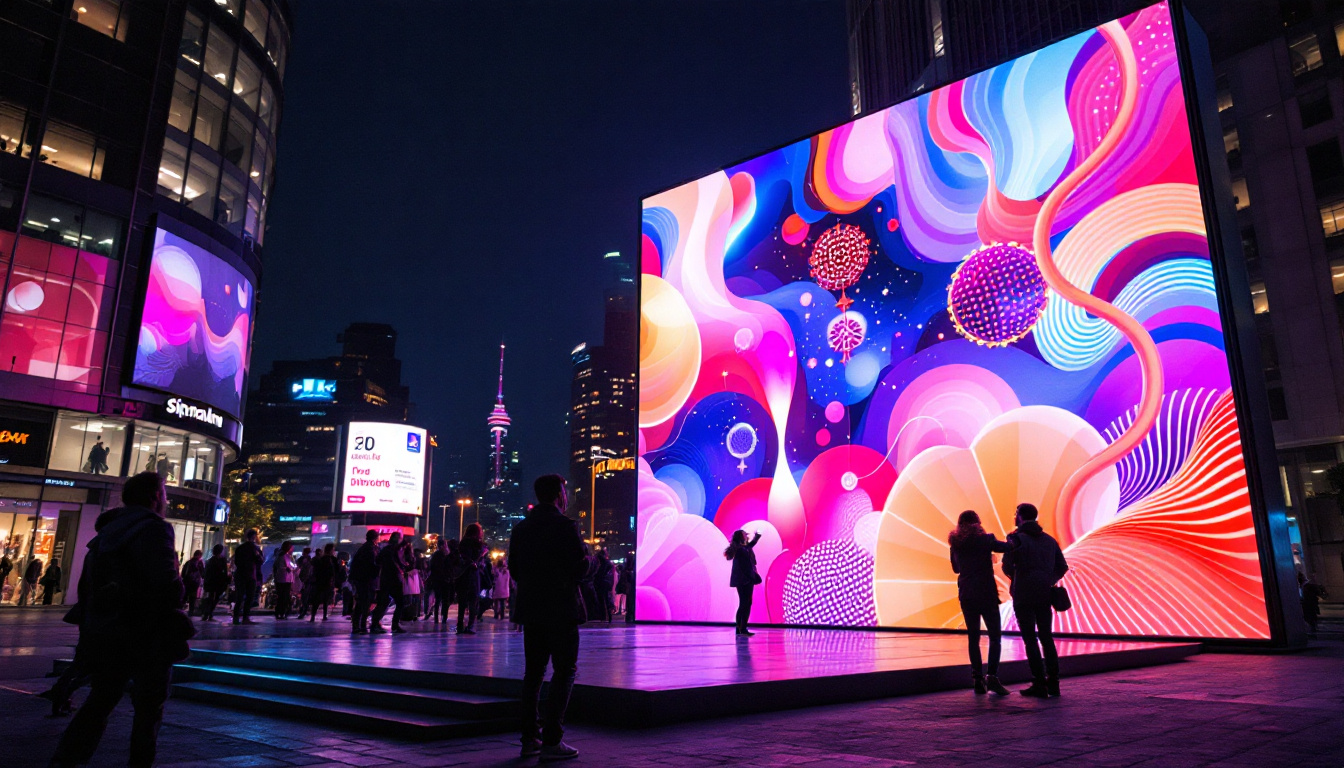
Outdoor advertising has been transformed by programme led LED displays. According to a 2023 report by the Digital Signage Federation, digital out-of-home (DOOH) advertising revenue in the United States surpassed $5 billion, with LED billboards accounting for a significant portion. These displays allow advertisers to tailor messages based on time of day, weather conditions, or audience demographics, enhancing relevance and impact.
For example, a retail store can display promotional offers during peak shopping hours and switch to brand storytelling content in the evening. The ability to update content remotely also reduces costs associated with printing and installing traditional billboards.
Sports and Entertainment Venues
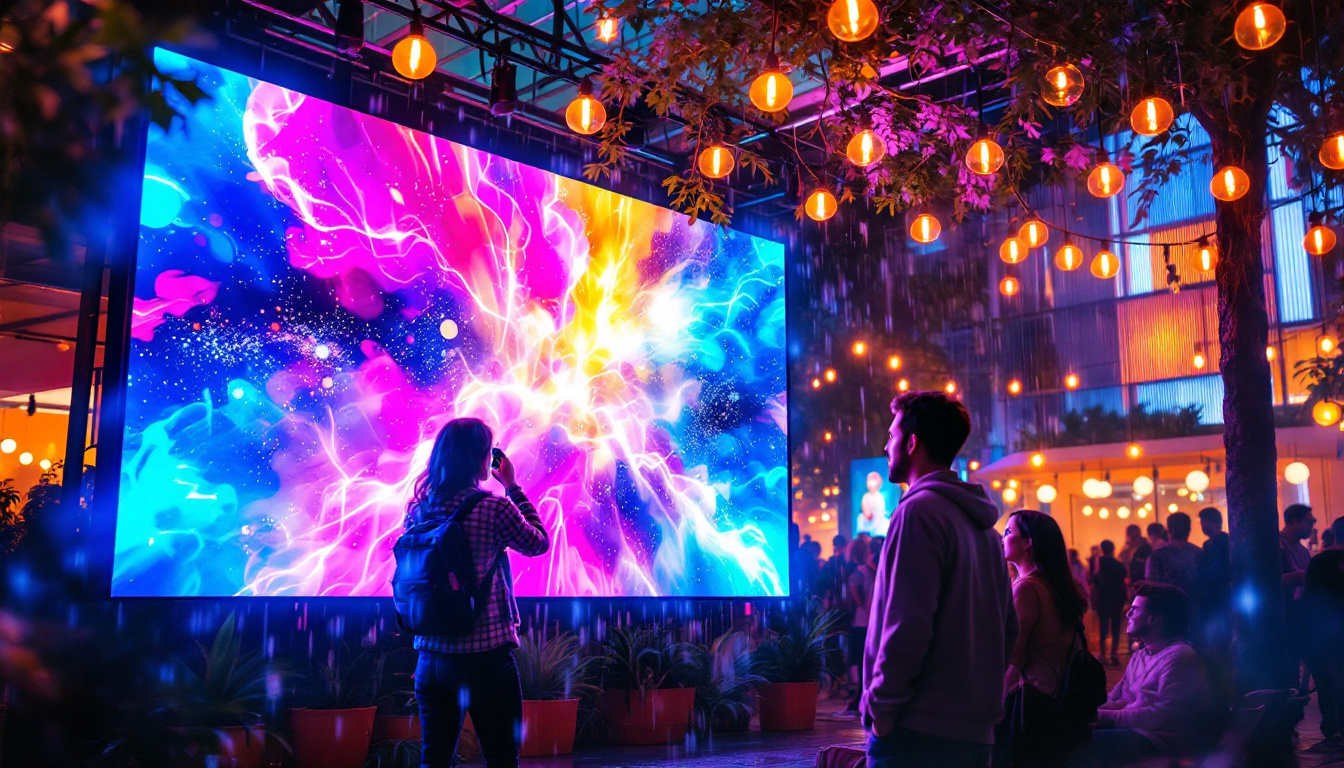
Sports arenas and concert venues utilize programme led LED displays to enhance the spectator experience. Large LED screens provide instant replays, live statistics, and interactive fan engagement features. The programmability allows operators to coordinate content with live events, sponsor messages, and social media interactions, creating a dynamic and immersive environment.
In 2022, the National Football League (NFL) reported that stadiums equipped with advanced LED displays saw a 20% increase in fan engagement metrics, demonstrating the technology’s effectiveness in enhancing live event experiences.
Transportation and Public Information
Programme led LED displays are widely used in transportation hubs such as airports, train stations, and bus terminals. These displays provide real-time updates on schedules, delays, and safety announcements. Their high visibility and programmability ensure that critical information reaches travelers promptly and clearly.
Moreover, cities are increasingly deploying LED displays for public safety messaging and community engagement. For instance, during emergencies, these displays can broadcast alerts and instructions, helping to manage crowds and disseminate vital information efficiently.
Corporate and Educational Environments
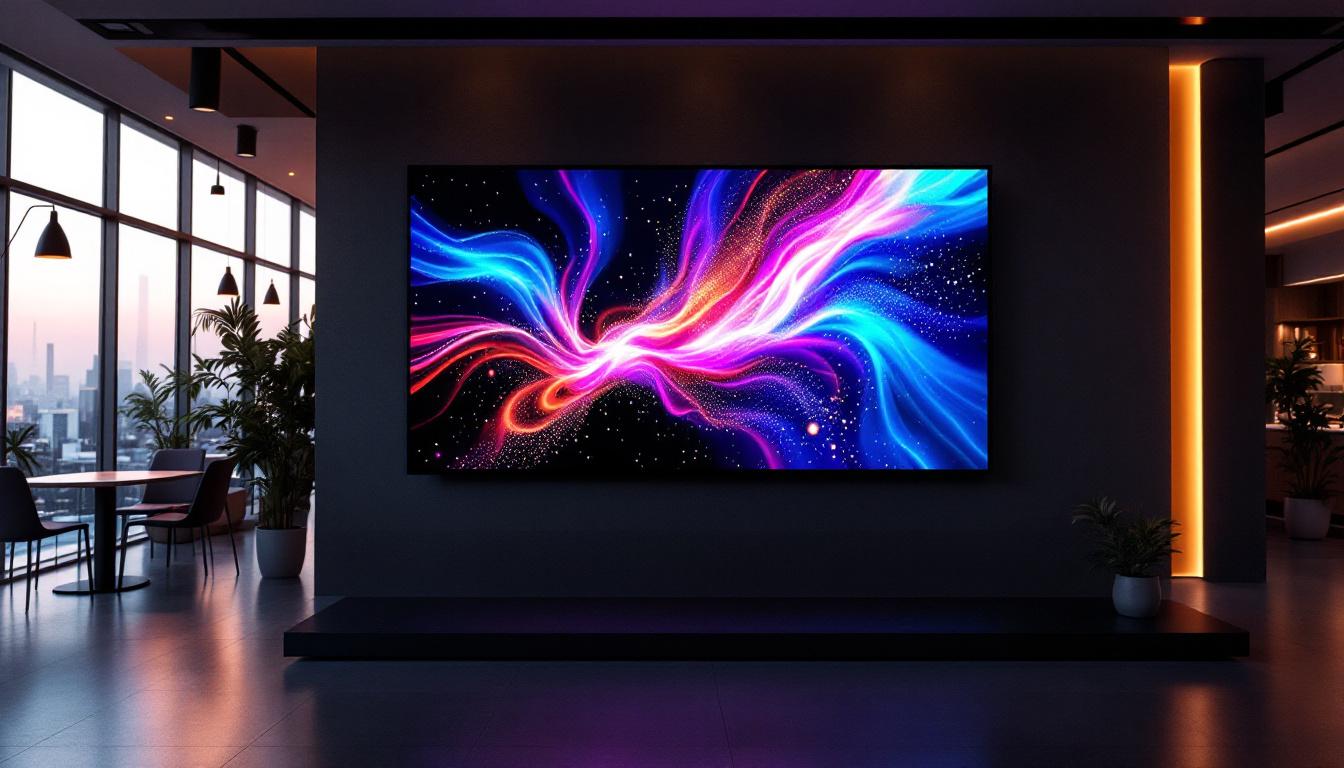
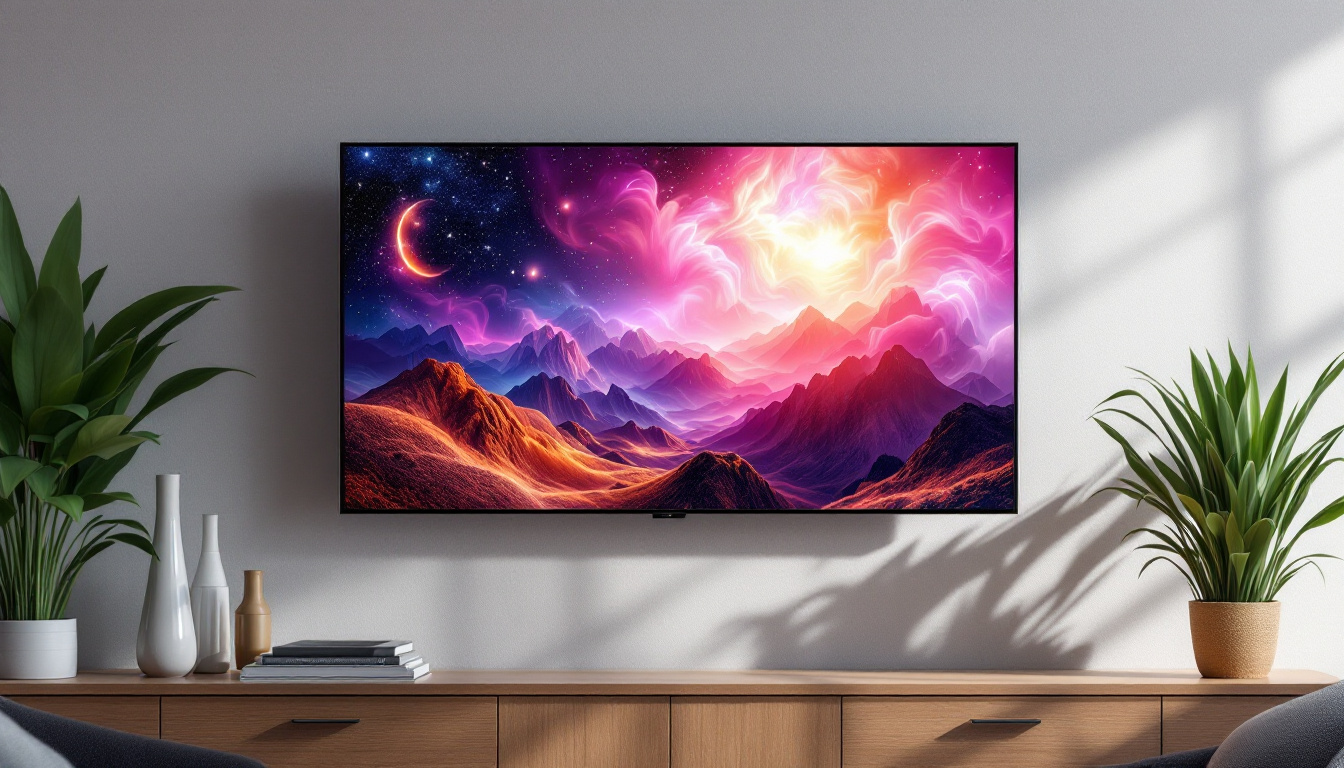
Within corporate offices and educational institutions, programme led LED displays serve as communication hubs. They can be used for digital signage in lobbies, meeting rooms, and common areas to share announcements, event schedules, and motivational content. The ability to update content remotely and schedule messages ensures that information remains current and relevant.
Additionally, LED video walls are becoming popular for presentations and collaborative workspaces, offering high-resolution visuals that enhance communication and engagement.
Advantages of Programme Led LED Displays
Programme led LED displays offer several benefits over traditional static signage and earlier digital display technologies. Understanding these advantages helps explain their growing popularity.
Dynamic Content Flexibility
The primary advantage is the ability to deliver dynamic, programmable content. Businesses can adapt their messaging instantly to changing conditions, target specific audiences, and run multiple campaigns on a single display. This flexibility maximizes the return on investment and keeps content fresh and engaging.
Remote Management and Automation
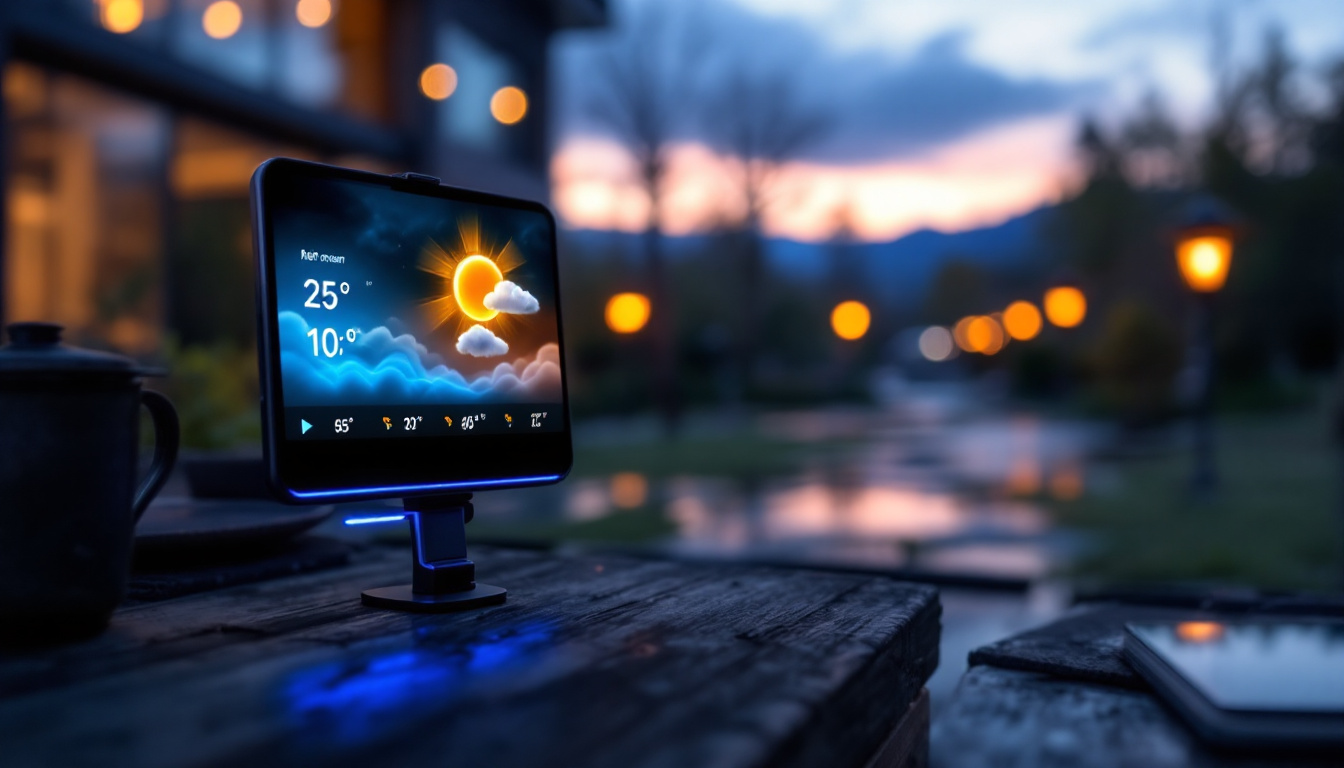
Programme led displays can be managed remotely, reducing the need for on-site personnel to update content. Automation features allow for scheduled playback, content rotation, and integration with external data sources such as weather or social media feeds. This reduces operational complexity and enhances efficiency.
Enhanced Visual Quality
LED technology inherently offers superior brightness, color accuracy, and viewing angles compared to other display types. Programme led systems leverage these qualities with precise control over each pixel, enabling high-resolution images and smooth video playback even in challenging lighting conditions.
Energy Efficiency and Longevity
Modern LED displays consume less power than traditional lighting and display technologies. Programme led systems often include intelligent power management to further optimize energy use. Additionally, LEDs have long operational lifespans, often exceeding 100,000 hours, which reduces maintenance and replacement costs.
Challenges and Considerations
While programme led LED displays offer many benefits, there are also challenges that organizations should consider before implementation.
Initial Investment Cost
High-quality programme led LED displays can require significant upfront investment, especially for large-scale installations with fine pixel pitches. However, the long-term benefits in flexibility, engagement, and reduced operational costs often justify this expense.
Technical Complexity
Operating and maintaining programme led LED displays requires technical expertise. Organizations must ensure they have access to skilled personnel or reliable service providers to manage content, troubleshoot issues, and maintain hardware.
Environmental Factors
Outdoor LED displays must withstand weather conditions such as rain, wind, and temperature fluctuations. Proper enclosure design and regular maintenance are essential to ensure longevity and performance.
The Future of Programme Led LED Displays
As technology advances, programme led LED displays are poised to become even more sophisticated and integrated into daily life. Emerging trends include the incorporation of artificial intelligence (AI) to personalize content based on real-time audience analytics and the integration of augmented reality (AR) to create immersive experiences.
Furthermore, the development of microLED technology promises even higher resolution and energy efficiency, potentially transforming the landscape of digital displays. Smart cities are also leveraging programme led LED displays as part of their digital infrastructure to enhance communication, safety, and community engagement.
Integration with IoT and Data Analytics
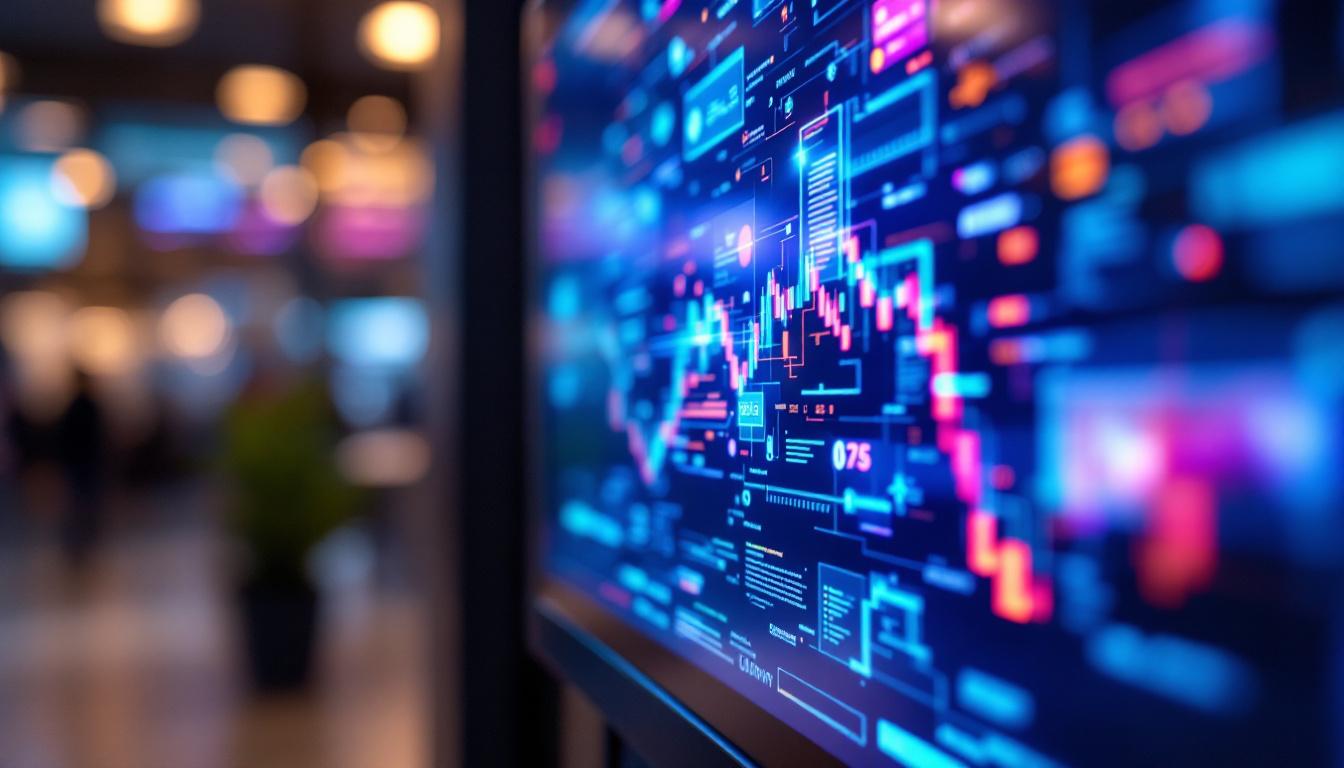
Programme led LED displays are increasingly connected to the Internet of Things (IoT), allowing for data-driven content strategies. For example, displays can adjust messaging based on foot traffic patterns, weather data, or social media trends, delivering highly relevant and timely information.
Sustainability and Eco-Friendly Innovations
With growing emphasis on sustainability, LED display manufacturers are focusing on eco-friendly materials and energy-saving technologies. Advances in recycling and modular design also aim to reduce environmental impact and extend product life cycles.
Conclusion
Programme led LED displays represent a significant evolution in digital signage and visual communication. Their ability to deliver dynamic, high-quality content with remote programmability makes them indispensable across advertising, entertainment, transportation, and corporate sectors. While challenges such as initial costs and technical complexity exist, the benefits in engagement, flexibility, and efficiency are compelling.
As technology continues to advance, programme led LED displays will become smarter, more interactive, and more integrated into the fabric of everyday life. For businesses and organizations looking to enhance their communication strategies, understanding and leveraging programme led LED technology is essential to staying ahead in a visually driven world.
Discover the Future of Visual Communication with LumenMatrix
Ready to elevate your visual messaging and captivate your audience like never before? Explore LumenMatrix’s innovative LED display solutions, where cutting-edge technology meets creative design. From the vibrant Indoor LED Wall Display to the robust Outdoor LED Wall Display, and from the dynamic Vehicle LED Display to the sleek LED Poster Display, LumenMatrix offers a wide range of products tailored to your unique needs. Whether you’re enhancing a sports arena with an LED Sports Display, adding movement with a Floor LED Display, or seeking a Custom LED Display solution, LumenMatrix is your partner in revolutionizing visual communication. Don’t miss out on the opportunity to transform your space with an All-in-One LED Display or an LED Transparent Display. Check out LumenMatrix LED Display Solutions today and step into a world where your message shines with clarity and impact.