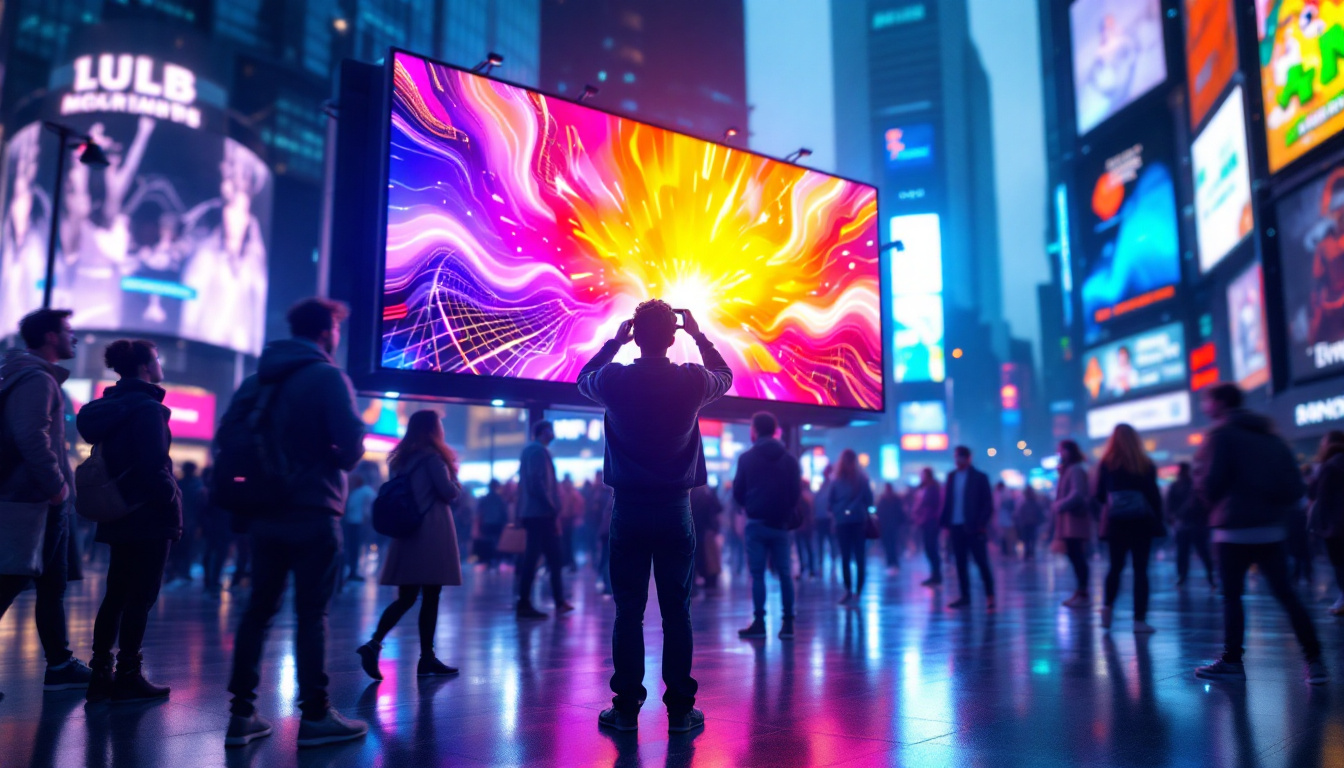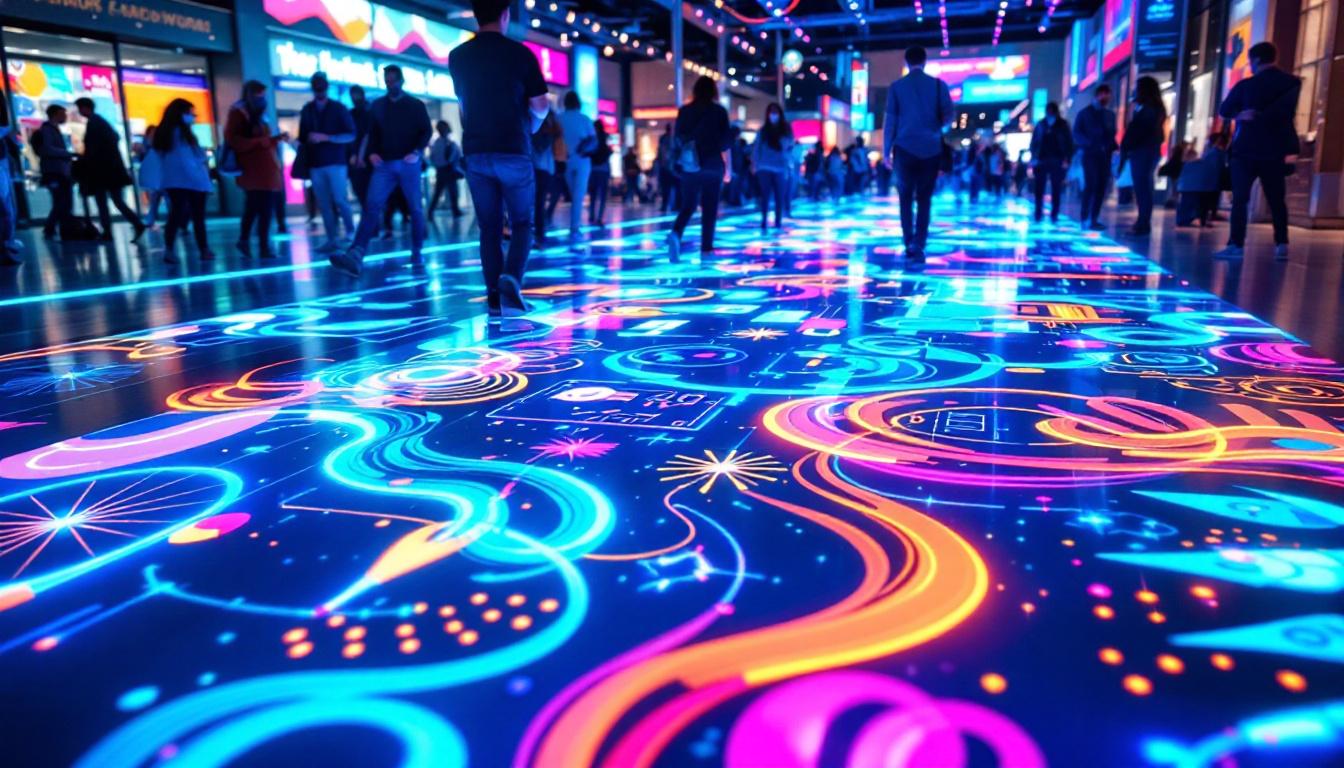
In recent years, interactive floor displays have transformed the way businesses, educational institutions, and entertainment venues engage with their audiences. Among the various technologies powering these dynamic installations, LED displays stand out for their brightness, versatility, and responsiveness. This article delves into the world of interactive floor displays, with a particular focus on LED display technology—how it works, its applications, benefits, and future trends.
Understanding Interactive Floor Displays
What Are Interactive Floor Displays?
Interactive floor displays are digital installations embedded into or projected onto the floor surface, allowing users to interact with visual content through movement, touch, or gestures. Unlike traditional static floor graphics, these displays respond dynamically, creating immersive experiences that captivate and engage users.
These systems often combine advanced sensors, cameras, and display technologies to detect user interactions and trigger corresponding visual or audio feedback. The result is a seamless blend of physical space and digital content that can be customized for various environments. For instance, in a shopping mall, a floor display might showcase a virtual path leading to a special sale, enticing shoppers to follow the interactive cues. The technology behind these displays is continually evolving, with innovations in projection mapping and augmented reality enhancing the user experience even further.
Why Choose Interactive Floor Displays?
Interactive floor displays offer a unique way to capture attention and encourage participation. In retail environments, they can guide customers, promote products, or create memorable brand experiences. Museums and educational centers use them to deliver interactive learning modules, while entertainment venues employ them to enhance performances or events. These displays can also be programmed to change based on the time of day or specific events, making them versatile tools for engagement.
Moreover, these displays are highly adaptable, suitable for both indoor and outdoor use, and can be designed to fit any floor size or shape. Their ability to combine aesthetics with functionality makes them an increasingly popular choice for modern spaces. For example, in urban settings, interactive floor displays can transform public squares into vibrant hubs of activity, where passersby can engage with art installations or community information. This interactivity not only beautifies the environment but also fosters a sense of community and connection among users, making the technology not just a visual spectacle but a catalyst for social interaction.
LED Technology in Interactive Floor Displays
What Is an LED Display?
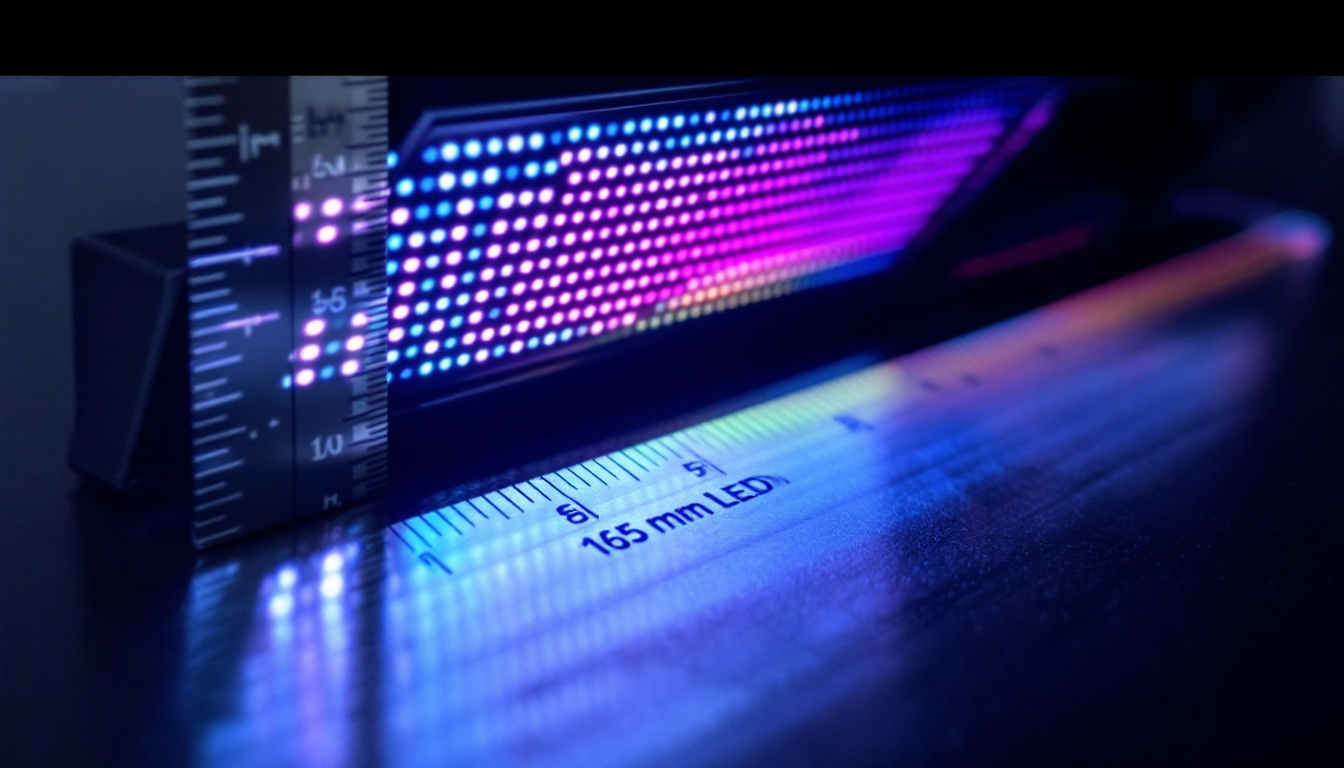
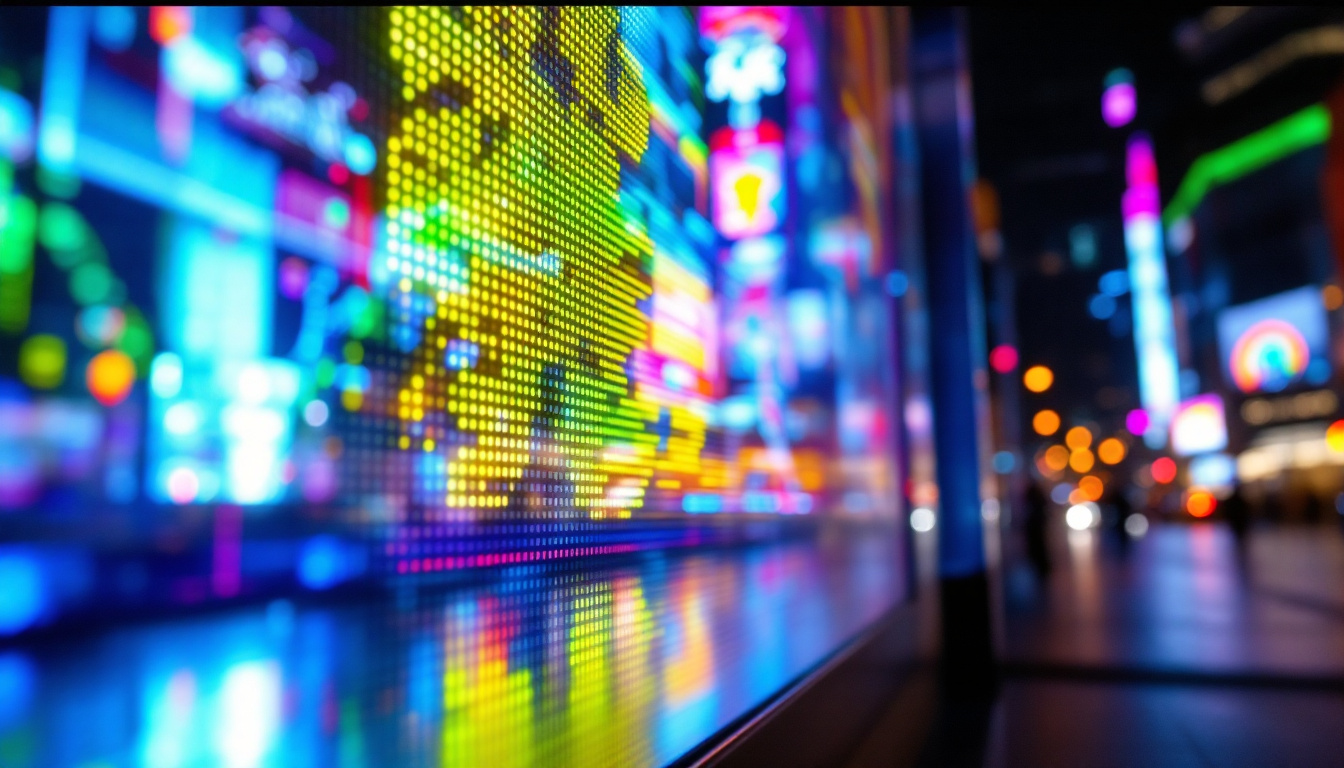
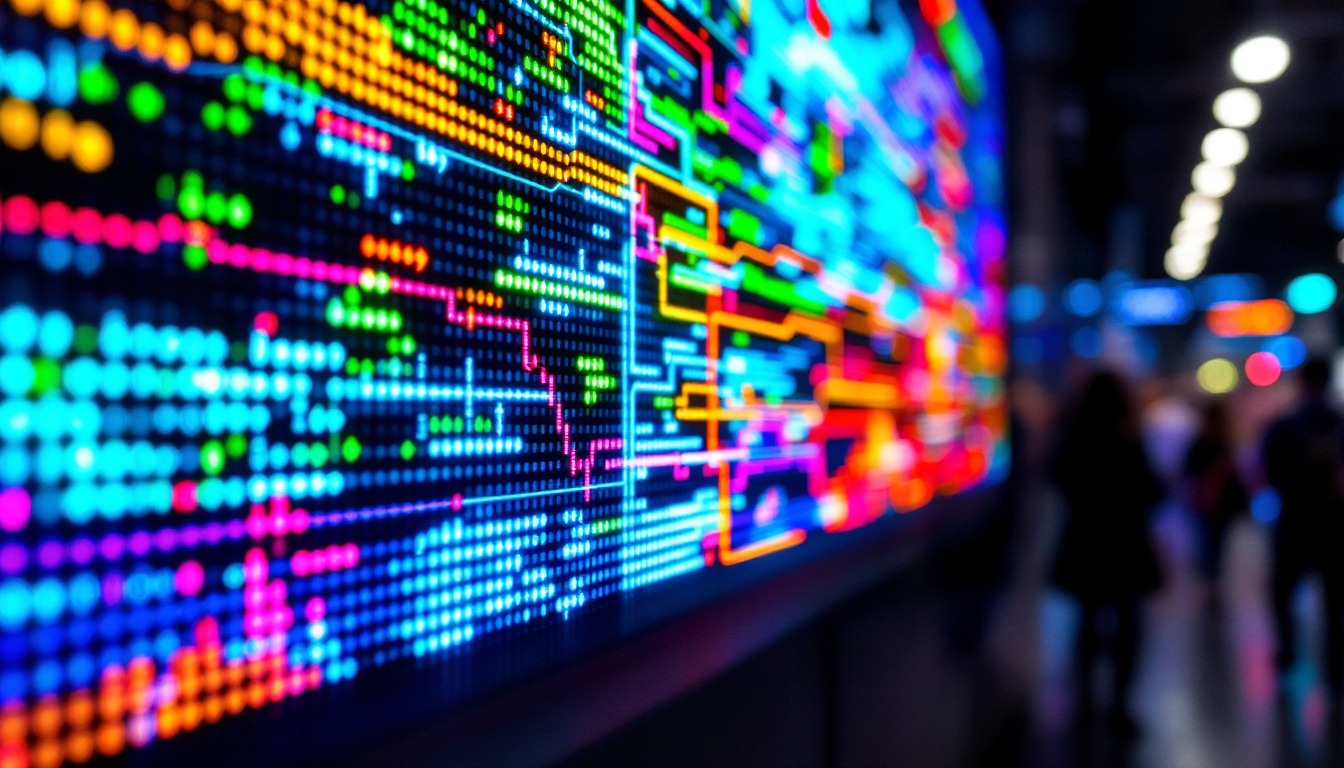
LED (Light Emitting Diode) displays consist of numerous tiny LEDs arranged in a matrix to form images, videos, or animations. Each LED acts as a pixel, emitting light when electrically charged. The technology is known for its high brightness, energy efficiency, and long lifespan.
In interactive floor displays, LED panels can be embedded beneath a durable, transparent surface or integrated into modular floor tiles, creating a robust and visually striking platform that responds to user input.
Types of LED Displays Used in Floors
There are primarily two types of LED displays utilized in interactive floor applications:
- Direct View LED Displays: These are LED panels where the light-emitting diodes themselves form the image directly visible to the user. They offer excellent brightness and color accuracy, making them ideal for high-traffic areas and large-scale installations.
- LED Backlit LCD Displays: These use LEDs to backlight an LCD screen. While less bright than direct view LEDs, they can offer higher resolution and are sometimes used in smaller or lower-impact interactive floor setups.
Direct view LED displays are generally preferred for interactive floors due to their durability and ability to maintain visibility under various lighting conditions.
How LED Displays Enable Interactivity
LED displays themselves are primarily output devices, but when combined with sensor technologies such as infrared cameras, pressure sensors, or motion detectors, they become interactive. These sensors track user movement or touch, sending data to a control system that adjusts the LED content in real-time.
For example, a sensor might detect a person stepping on a specific area of the floor, triggering an animation or sound effect displayed on the LED floor panel. This integration of hardware and software creates a responsive environment that reacts intuitively to users.
Applications of Interactive LED Floor Displays
Retail and Advertising
Retailers are increasingly adopting interactive LED floor displays to enhance customer engagement. These displays can highlight promotions, direct foot traffic, or create branded experiences that differentiate stores from competitors.
According to a 2023 report by the Digital Signage Federation, interactive digital signage, including floor displays, can increase customer dwell time by up to 30%, leading to higher sales conversions. For example, a footwear store might use an interactive floor to showcase new arrivals, allowing customers to “try on” shoes virtually by stepping on different zones.
Education and Museums
Interactive floors offer immersive learning opportunities in educational settings. Museums use them to bring exhibits to life, enabling visitors to explore historical timelines, scientific phenomena, or artistic concepts through movement and interaction.
For instance, a natural history museum might feature an LED floor that simulates walking through different ecosystems, with interactive elements triggered by visitors’ steps. This hands-on approach enhances retention and makes learning more engaging for all ages.
Entertainment and Events
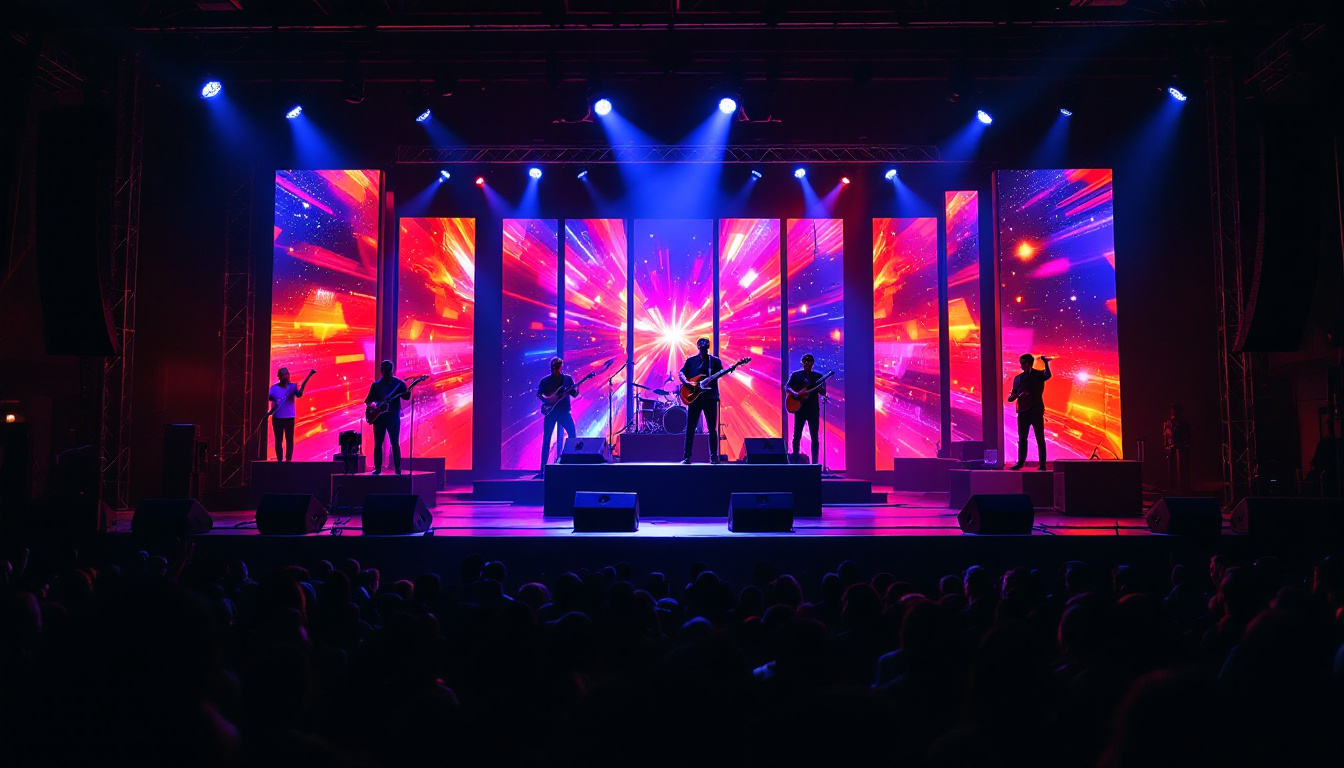
In entertainment venues, interactive LED floors add a dynamic layer to performances and events. Dance clubs, theaters, and concert halls use them to create visually stunning effects that respond to performers or audience movements.
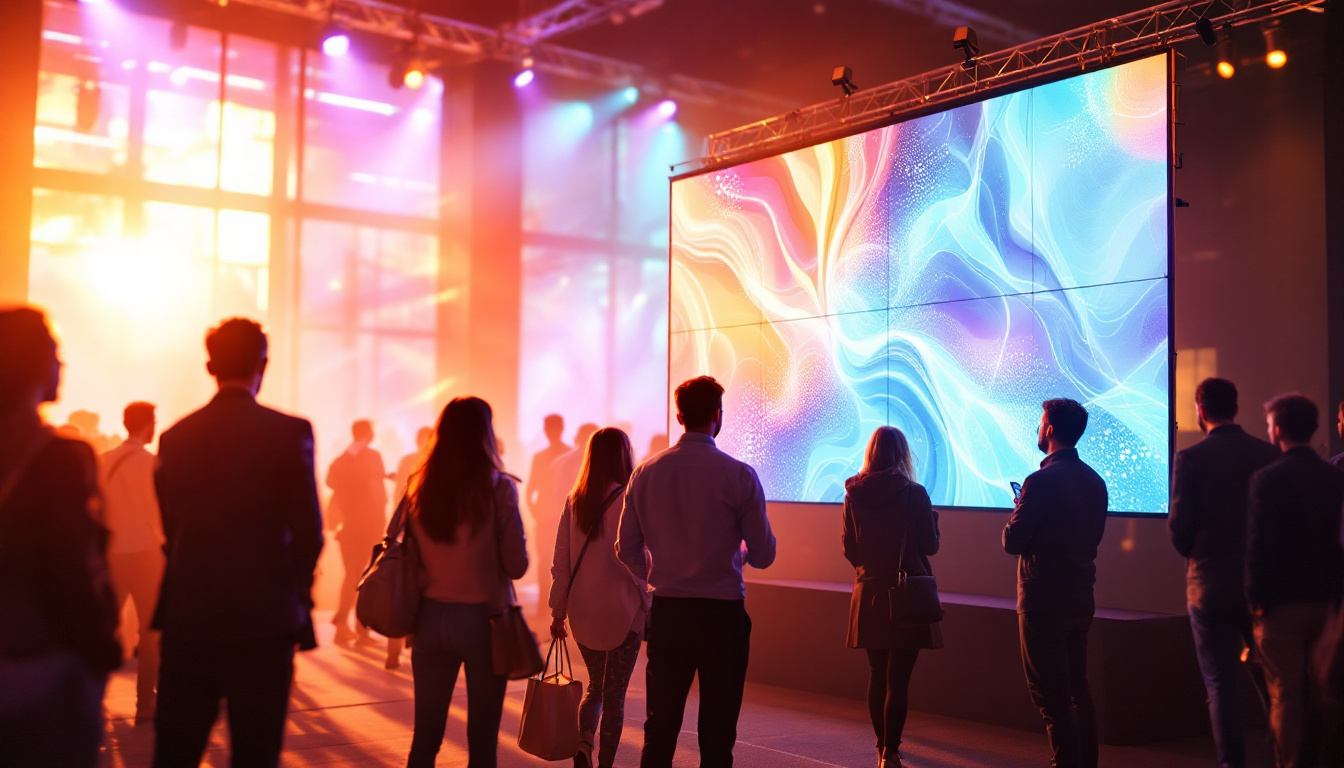
Event organizers also utilize these displays for trade shows, exhibitions, and corporate events to attract attention and encourage participation. The ability to customize content on the fly makes LED floor displays a versatile tool for creative expression.
Healthcare and Rehabilitation
Interactive LED floors are gaining traction in healthcare, particularly in physical therapy and rehabilitation. These systems can motivate patients through gamified exercises, track progress, and provide real-time feedback, making therapy sessions more effective and enjoyable.
For example, stroke patients might engage with interactive floor games that encourage specific movements, aiding recovery while maintaining motivation. The visual and interactive nature of LED floors supports both physical and cognitive rehabilitation goals.
Benefits of Using LED Displays for Interactive Floors
High Visibility and Brightness
LED technology is renowned for its brightness, which ensures content remains visible even in well-lit environments. This is crucial for floor displays, which often compete with ambient lighting and reflections.
With brightness levels typically ranging from 1,000 to 5,000 nits, LED floors maintain vibrant colors and sharp images, enhancing user experience regardless of location.
Durability and Longevity
Interactive floors must withstand constant foot traffic, pressure, and occasional impacts. LED panels designed for floor use are built with robust materials, including tempered glass or high-strength acrylic surfaces, to protect the delicate LEDs underneath.
Additionally, LEDs have a long operational life, often exceeding 50,000 hours, reducing maintenance costs and downtime compared to other display technologies.
Energy Efficiency
LEDs consume significantly less power than traditional lighting and display technologies. This energy efficiency is beneficial for installations that operate for extended periods, lowering operational costs and environmental impact.
Customizability and Scalability
LED floor displays can be customized to fit any size or shape, from small interactive zones to entire room floors. Modular LED tiles allow for scalable installations that can be expanded or reconfigured as needed.
This flexibility supports a wide range of creative applications and makes LED floors adaptable to evolving business or organizational needs.
Real-Time Interactivity
When paired with advanced sensors and software, LED displays enable real-time interaction that feels natural and intuitive. This responsiveness enhances user engagement and creates memorable experiences that static displays cannot match.
Challenges and Considerations
Installation Complexity and Cost
Installing an interactive LED floor display requires careful planning, including structural considerations, sensor integration, and software setup. The initial investment can be substantial, especially for large-scale or outdoor installations.
However, the long-term benefits in engagement and brand differentiation often justify the upfront costs. Working with experienced integrators can help streamline the process and ensure a successful deployment.
Maintenance and Durability Concerns
While LED floors are designed for durability, they still require regular maintenance to ensure optimal performance. Surface cleaning, sensor calibration, and software updates are necessary to maintain responsiveness and visual quality.
Additionally, exposure to moisture or extreme temperatures can affect some installations, so environmental factors must be considered during design and placement.
Content Creation and Management
Effective use of interactive LED floors depends heavily on compelling content. Creating engaging, relevant, and responsive content requires expertise in design, programming, and user experience.
Organizations must invest in content management systems and possibly ongoing creative support to maximize the impact of their interactive floors.
The Future of Interactive LED Floor Displays
Advancements in Sensor Technologies
Emerging sensor technologies, such as LiDAR and advanced computer vision, promise to enhance the precision and responsiveness of interactive floor displays. These improvements will enable more complex interactions and richer user experiences.
Integration with IoT and Smart Environments
Interactive LED floors are increasingly being integrated into broader smart building and Internet of Things (IoT) ecosystems. This connectivity allows for personalized experiences, data collection, and seamless interaction with other smart devices.
For example, a smart retail store could use floor sensors to track customer movement patterns and adjust lighting, music, or promotions accordingly, creating a fully immersive environment.
Expanded Use Cases
As technology advances and costs decrease, interactive LED floor displays will find new applications beyond current markets. From urban planning and public safety to healthcare diagnostics and remote collaboration, the potential is vast.
Innovations in flexible and transparent LED materials may also lead to new form factors, such as curved or multi-level interactive floors.
Conclusion
Interactive floor displays powered by LED technology represent a compelling fusion of digital innovation and physical space. Their ability to engage users through dynamic, responsive content makes them valuable tools across retail, education, entertainment, healthcare, and beyond.
While challenges such as installation complexity and content creation exist, the benefits of high visibility, durability, and interactivity position LED floor displays as a forward-thinking investment. As sensor and display technologies continue to evolve, these interactive floors will become even more immersive, intelligent, and integral to the environments they enhance.
For organizations seeking to captivate audiences and create memorable experiences, understanding and leveraging interactive LED floor displays is an essential step toward the future of engagement.
Discover LumenMatrix LED Display Solutions
Ready to elevate your space with the interactive engagement of LED technology? Explore LumenMatrix’s comprehensive range of LED display modules, including our innovative Floor LED Display, and experience the transformative power of digital signage. Whether for retail, education, entertainment, or healthcare, LumenMatrix is committed to revolutionizing visual communication. Check out LumenMatrix LED Display Solutions today and step into the future of immersive, interactive experiences.