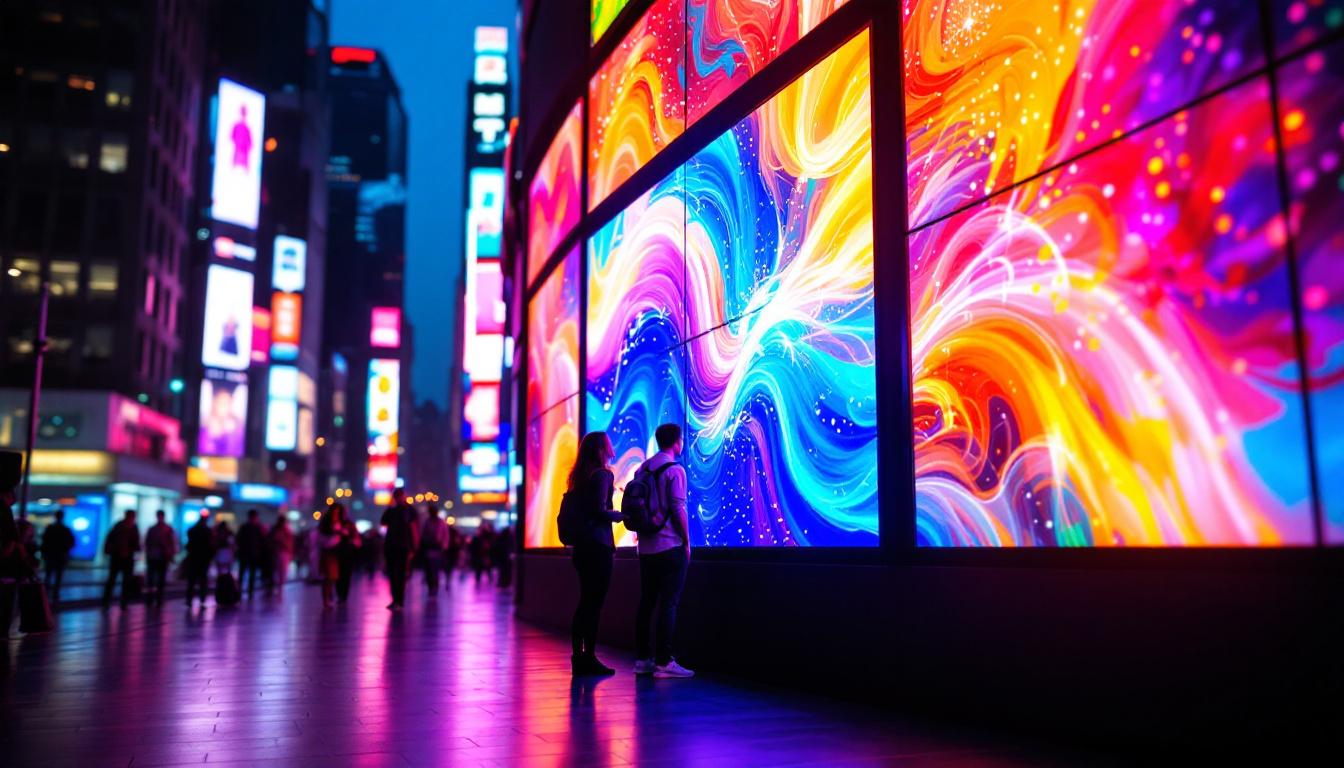
In today’s fast-paced urban environments, advertising has evolved beyond traditional billboards and posters. One of the most dynamic and eye-catching methods to capture public attention is the use of LED displays on buildings. These vibrant digital canvases transform cityscapes into interactive advertising hubs that engage millions daily. This article delves into the technology behind LED displays, their applications in outdoor advertising, and why they have become indispensable in modern marketing strategies.
What Is an LED Display?
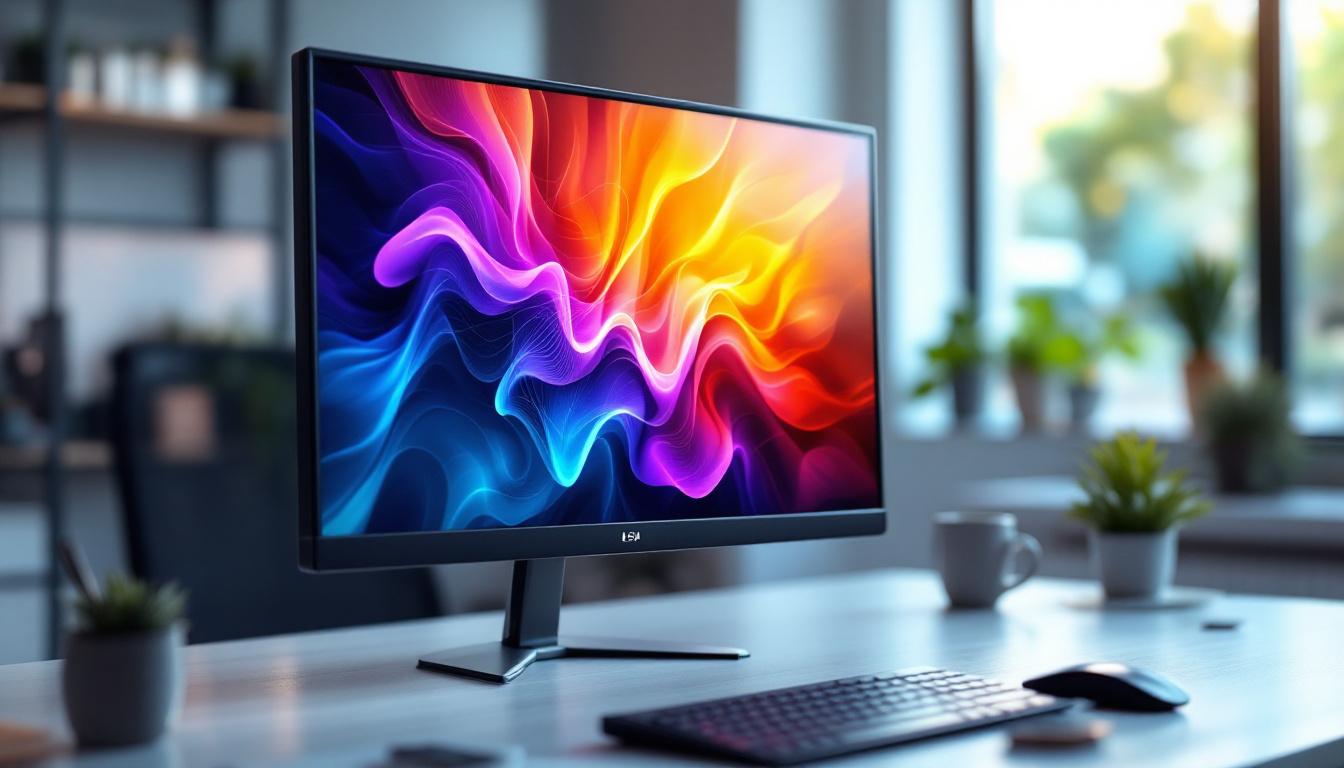
LED stands for Light Emitting Diode, a semiconductor device that emits light when an electric current passes through it. An LED display is a flat panel or flexible surface that uses these diodes to create images, videos, and text with remarkable brightness and clarity. Unlike traditional lighting or display technologies, LEDs are highly energy-efficient, durable, and capable of producing vivid colors visible even in direct sunlight.
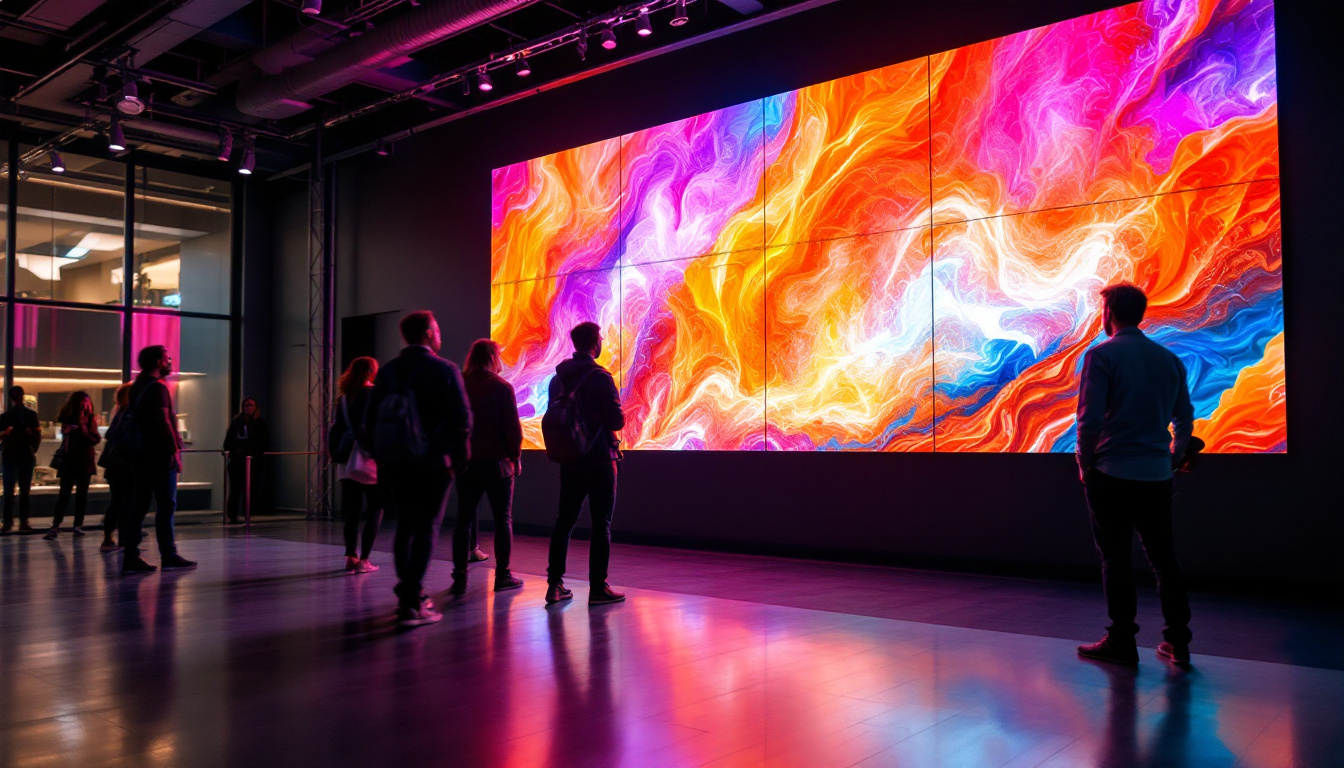
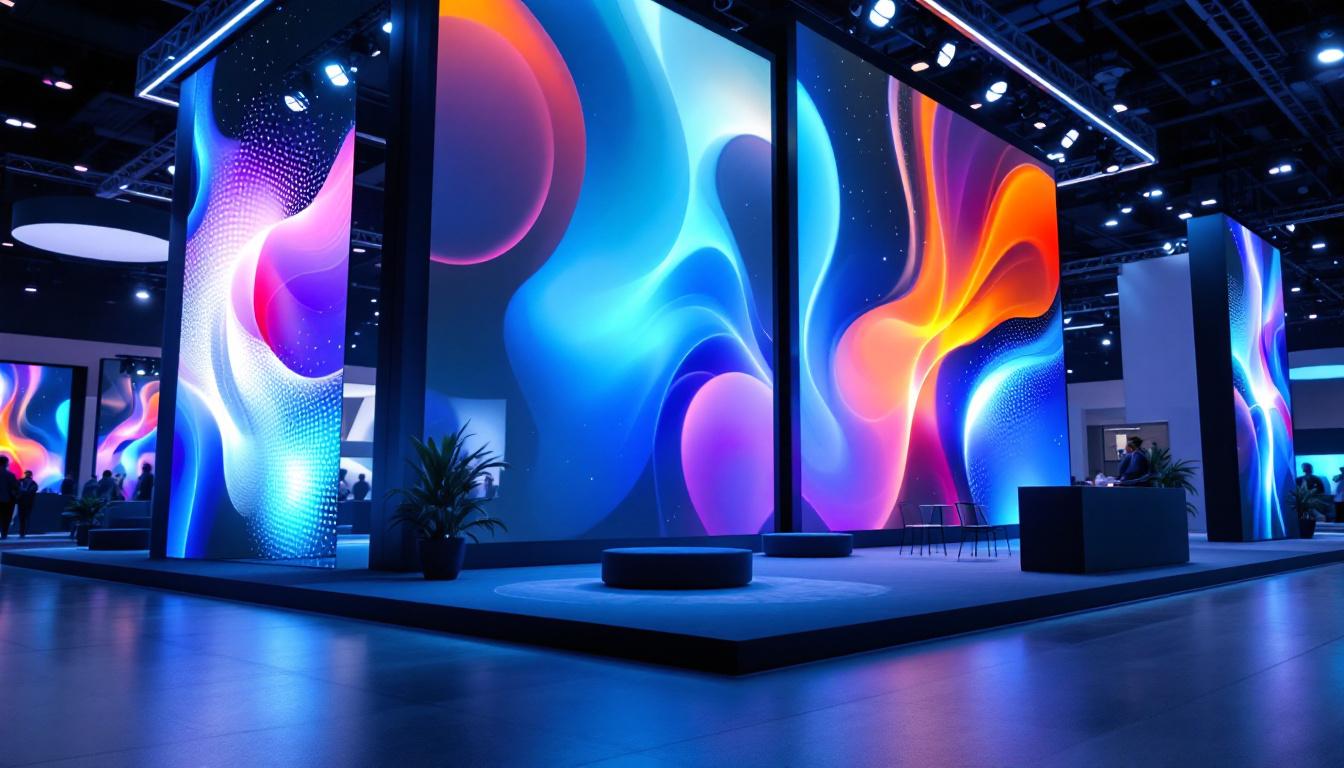
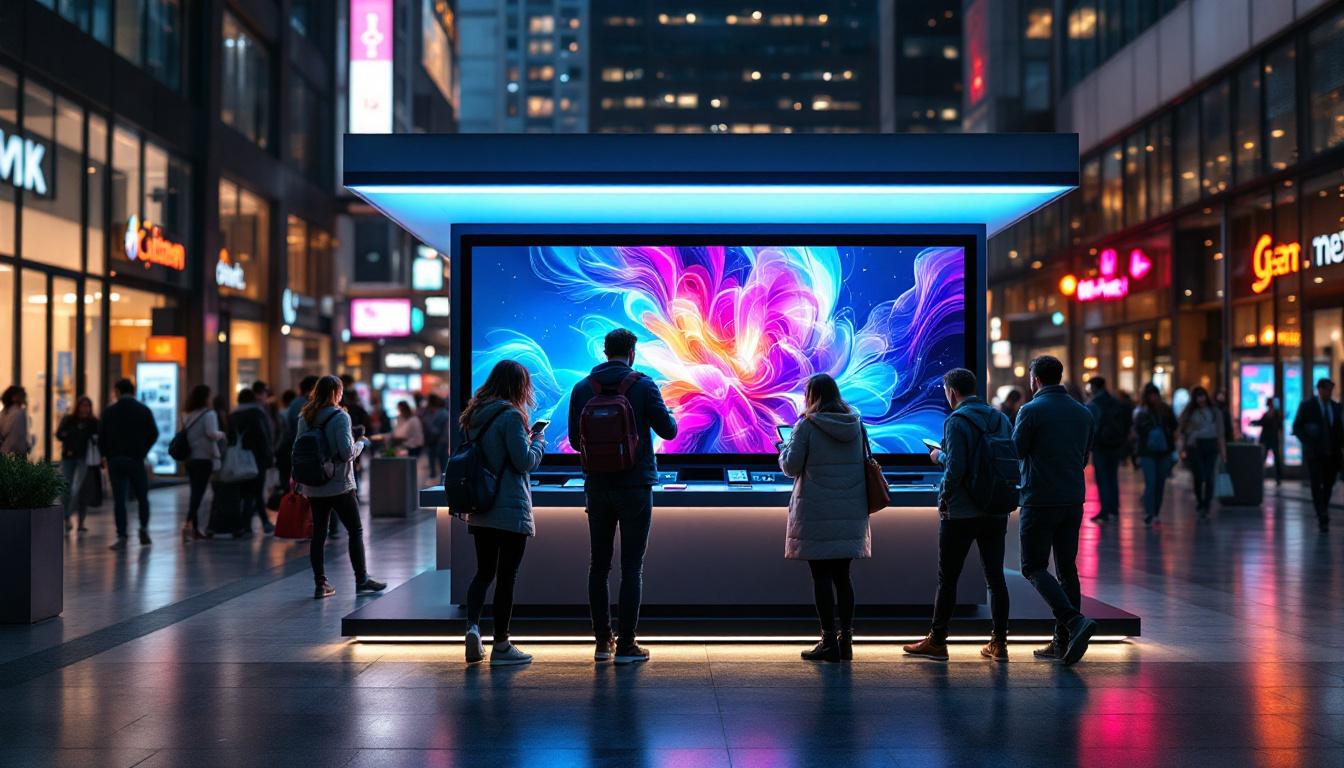
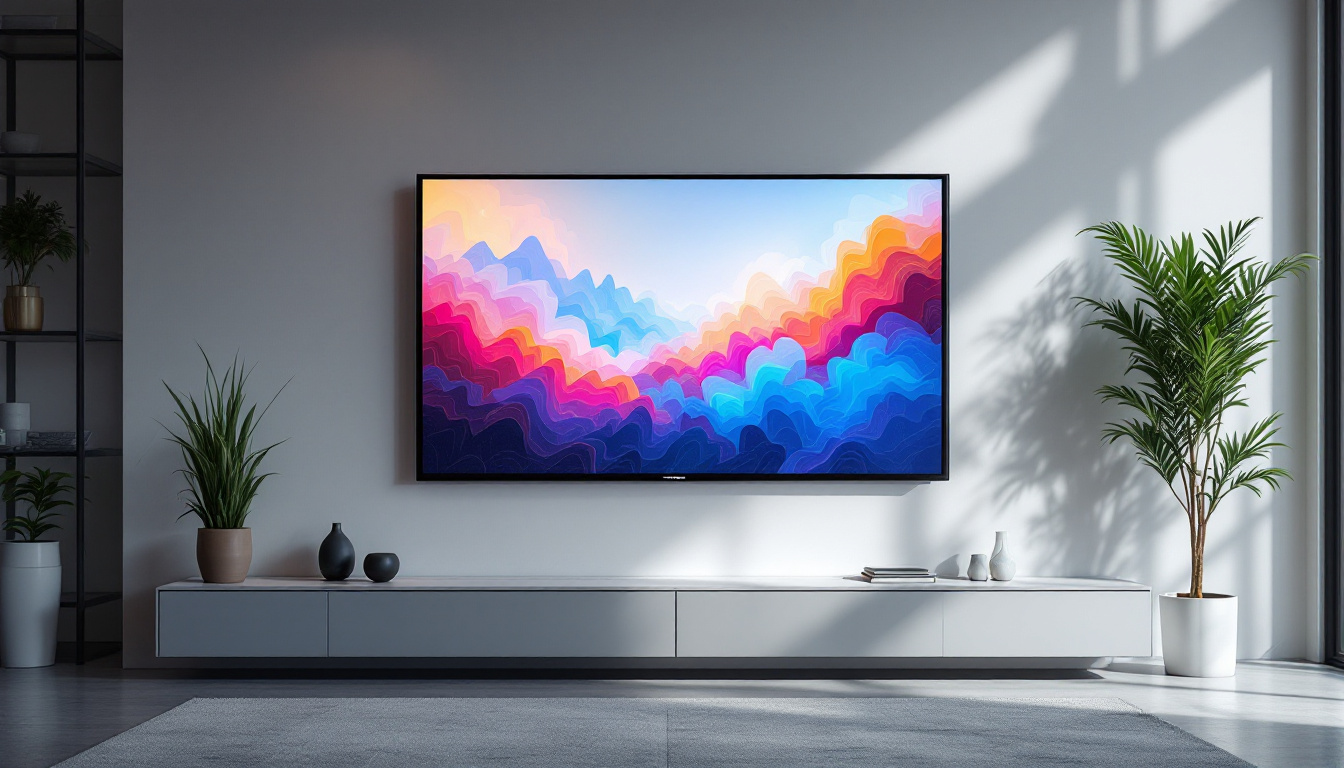
LED displays come in various forms, including indoor and outdoor screens, flexible panels, and transparent displays. When mounted on building exteriors, these displays can range from small signage to enormous video walls covering entire facades, making them a versatile solution for advertisers and city planners alike. Their adaptability allows for creative installations, such as curved screens that wrap around structures or interactive displays that engage passersby, enhancing the overall aesthetic of urban environments.
Moreover, the lifespan of LED displays is significantly longer than that of traditional display technologies, often exceeding 100,000 hours of operation. This longevity not only reduces maintenance costs but also minimizes environmental impact, as fewer displays need to be manufactured and disposed of over time. As a result, many businesses are increasingly turning to LED technology as a sustainable choice for their advertising and information dissemination needs.
How LED Displays Work
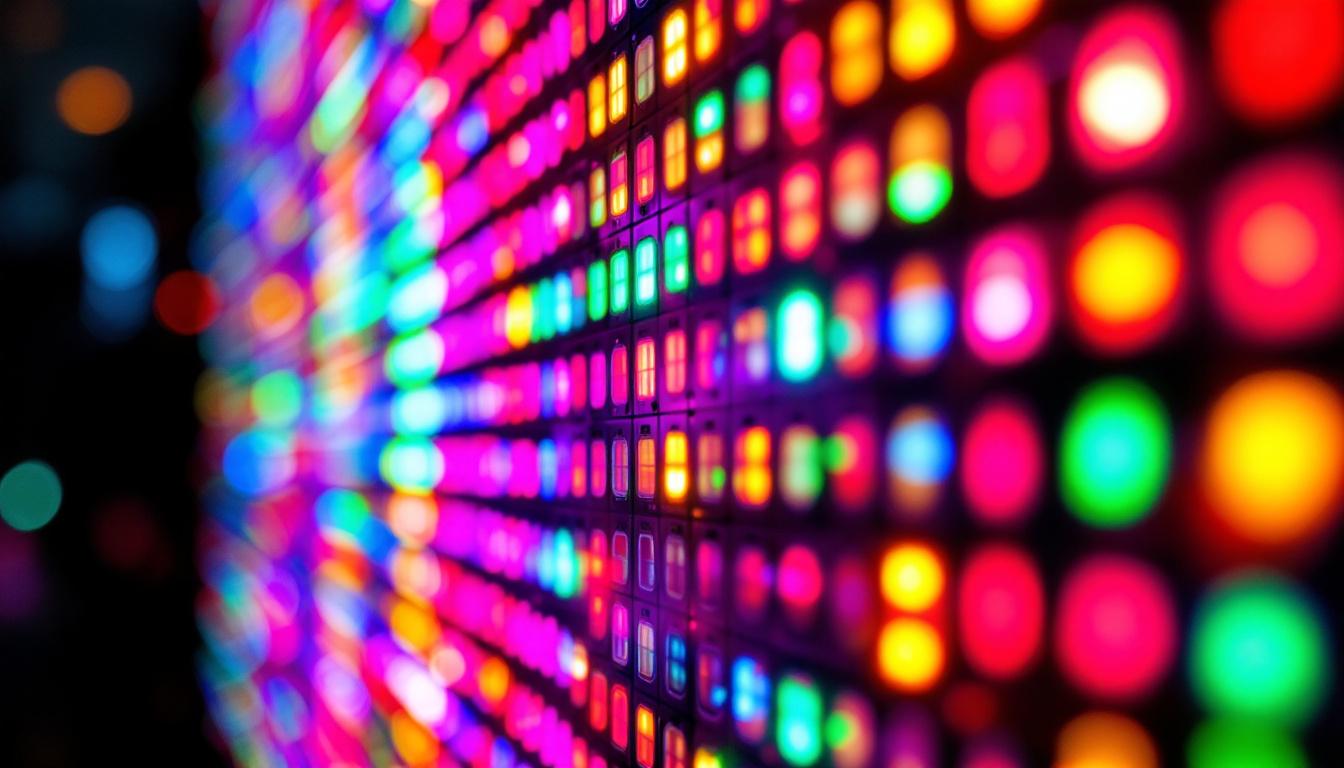
At the core of an LED display are thousands of tiny LEDs arranged in a grid pattern called pixels. Each pixel typically contains red, green, and blue LEDs that combine to produce a full spectrum of colors through a process known as additive color mixing. The display’s controller sends signals to these pixels, instructing them on which colors and brightness levels to emit, thereby creating dynamic images and videos. This technology allows for stunning visual effects, such as smooth transitions and vibrant animations that capture the attention of viewers.
Modern LED displays use advanced technologies such as surface-mounted device (SMD) LEDs, which allow for higher pixel density and better image resolution. This makes large-scale advertising content more detailed and visually appealing, even when viewed from a distance. Additionally, innovations like high dynamic range (HDR) imaging enhance contrast and color accuracy, providing an even more immersive viewing experience. As a result, LED displays are not just tools for communication but also platforms for artistic expression, enabling creators to push the boundaries of visual storytelling.
Advantages of Using LED Displays on Buildings
LED displays have revolutionized outdoor advertising by offering several key benefits over traditional static billboards and posters. These advantages have made them a preferred choice for marketers looking to maximize visibility and engagement.
High Visibility and Brightness
One of the primary reasons advertisers choose LED displays is their exceptional brightness. Unlike printed billboards that rely on ambient light, LED screens emit their own light, ensuring content remains visible under all lighting conditions, including bright daylight and nighttime. Some high-end LED displays can reach brightness levels of over 5,000 nits, making them easily readable even in direct sunlight.
Dynamic and Engaging Content
Static advertisements have limited impact because they cannot change or adapt once installed. LED displays allow advertisers to showcase multiple messages, animations, videos, and real-time updates. This dynamic content capability enables brands to tailor their messaging based on time of day, weather, or special events, increasing relevance and engagement.
Energy Efficiency and Longevity
Compared to older lighting technologies like neon or incandescent bulbs, LEDs consume significantly less power, reducing operational costs for building owners and advertisers. Additionally, LEDs have a longer lifespan, often exceeding 100,000 hours of use, which means less frequent maintenance and replacement.
Environmental Impact
With growing concerns about sustainability, LED displays offer an environmentally friendly alternative to traditional advertising methods. Their energy efficiency contributes to lower carbon emissions, and many modern LED panels are designed with recyclable materials. Furthermore, the ability to update content digitally reduces the need for paper and vinyl waste associated with printed ads.
Applications of LED Displays on Buildings
LED displays on buildings are not limited to advertising alone. Their versatility has led to a wide range of applications across industries and urban settings.
Commercial Advertising
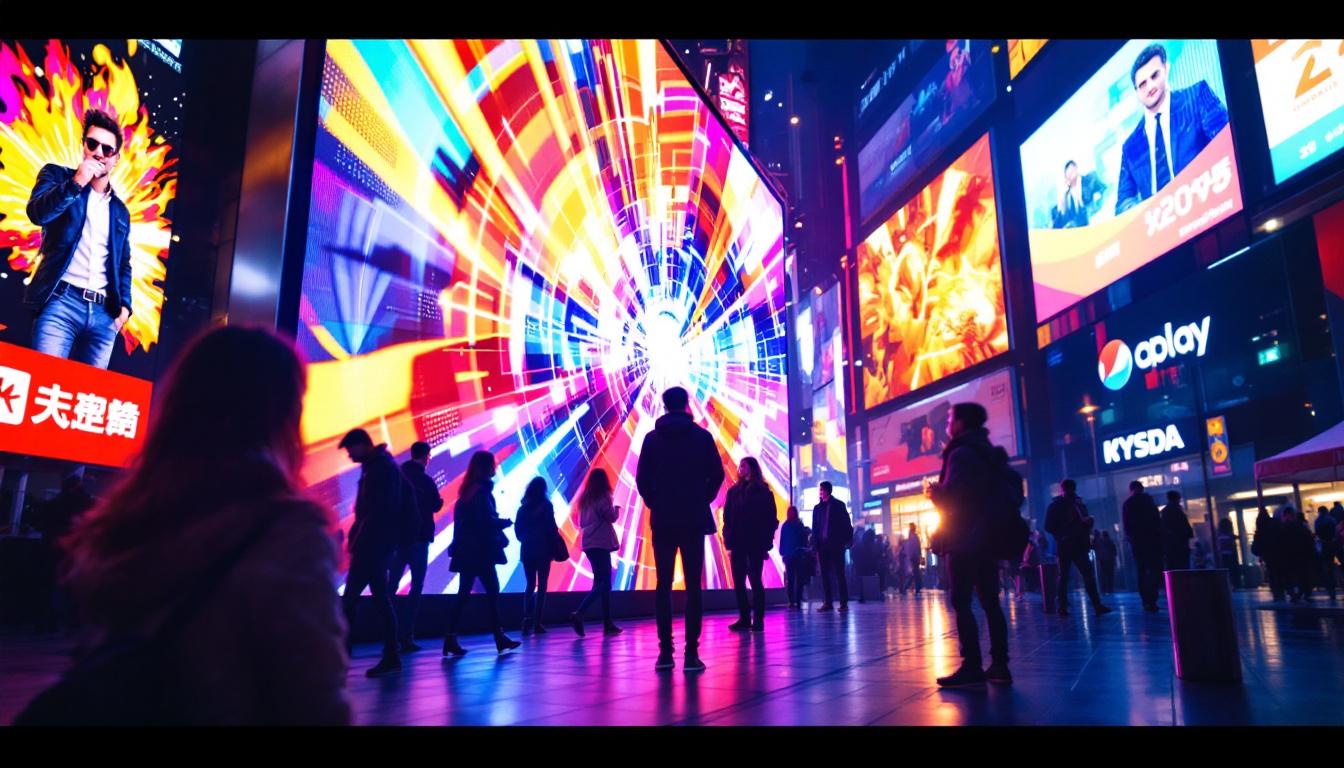
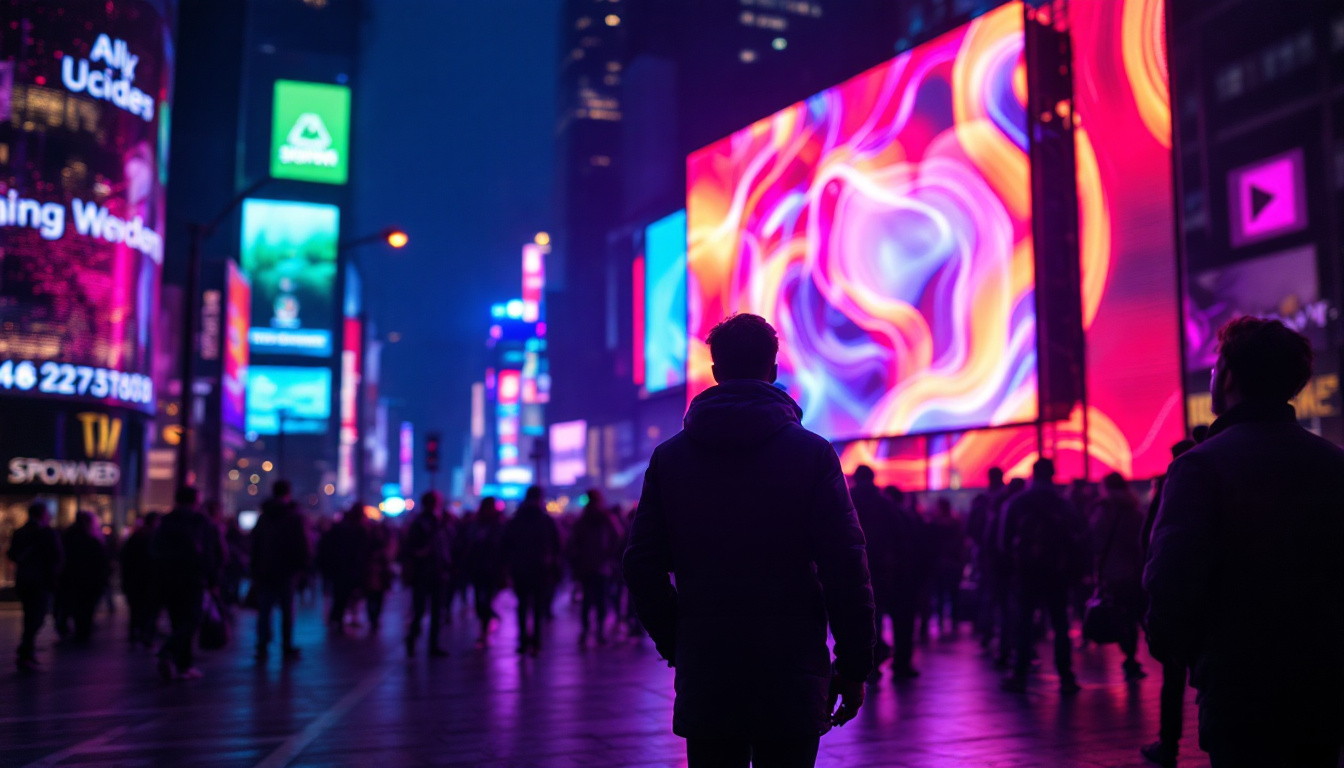
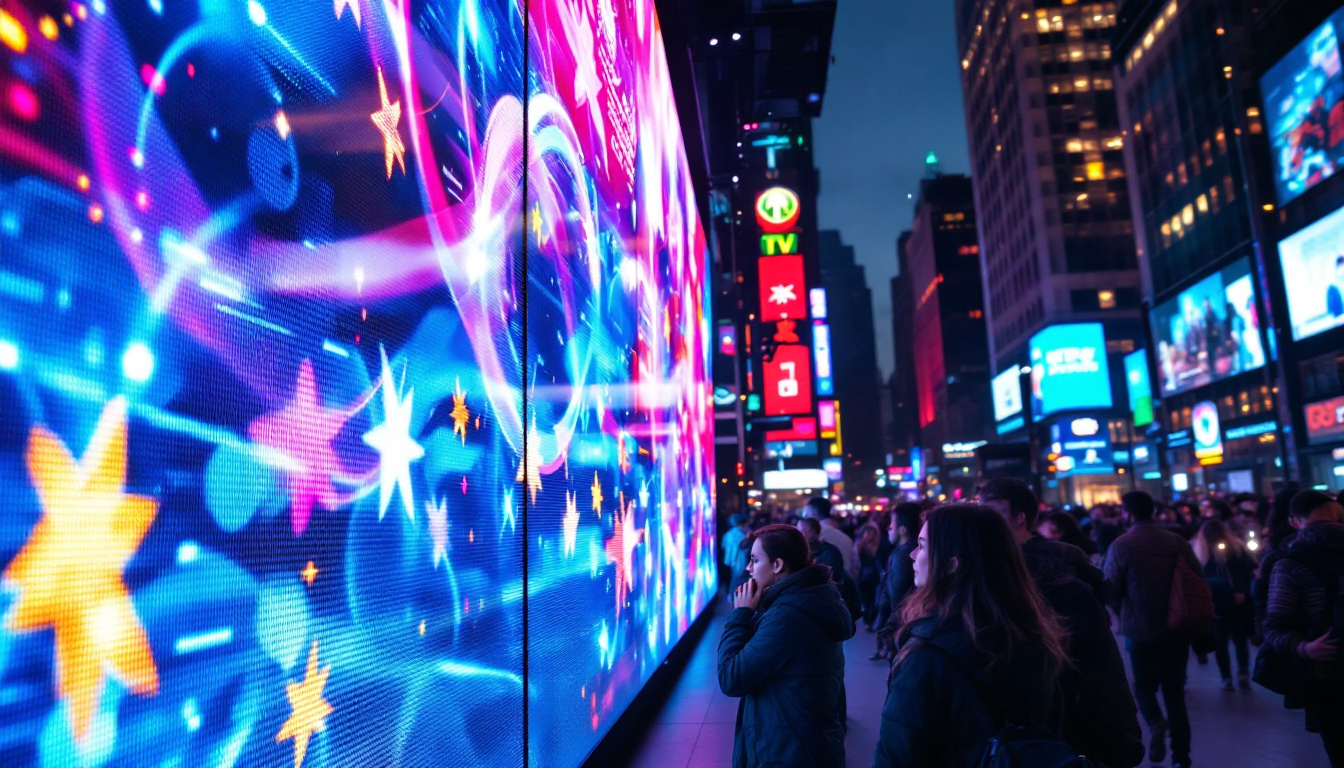
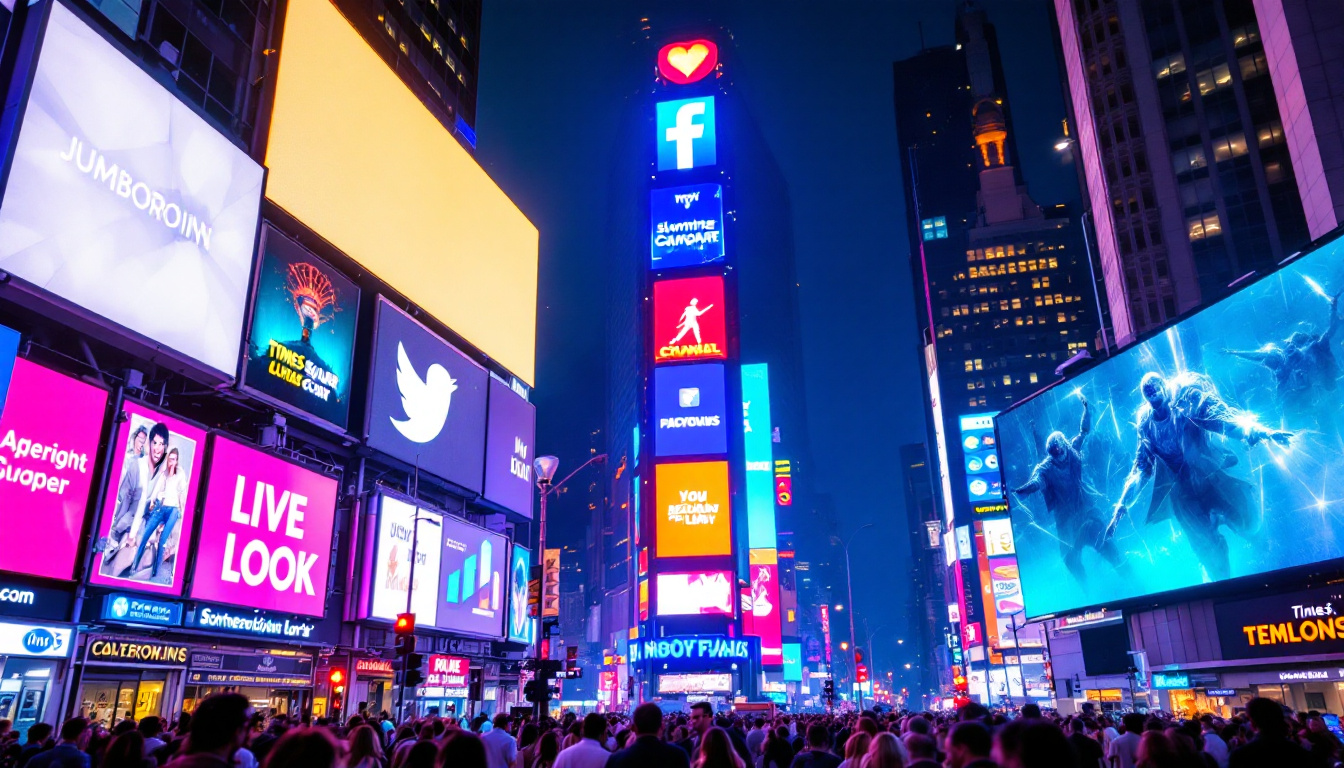
Retailers, entertainment venues, and consumer brands leverage LED displays to promote products, sales, and events. For example, Times Square in New York City is famous for its massive LED billboards that attract millions of tourists and shoppers. These displays provide advertisers with unparalleled exposure in high-traffic locations.
Public Information and Safety
City governments and transportation authorities use building-mounted LED screens to broadcast public service announcements, emergency alerts, and traffic updates. This real-time communication capability can be critical during natural disasters or public safety incidents, helping to inform and protect citizens efficiently.
Architectural and Artistic Expression
Beyond commercial use, LED displays have become tools for architectural innovation and public art. Some buildings integrate LED panels into their facades to create dynamic light shows or interactive installations that enhance urban aesthetics and cultural experiences. For instance, the Burj Khalifa in Dubai uses LED technology to host spectacular light displays during celebrations and special occasions.
Technical Considerations for Building-Mounted LED Displays
Installing an LED display on a building involves several technical and logistical factors to ensure optimal performance and safety.
Pixel Pitch and Resolution
Pixel pitch refers to the distance between the centers of two adjacent pixels, typically measured in millimeters. Smaller pixel pitch means higher resolution and sharper images but also higher costs. For building-mounted displays viewed from a distance, a pixel pitch of 10mm to 20mm is common, balancing clarity and budget.
Weatherproofing and Durability
Outdoor LED displays must withstand harsh environmental conditions such as rain, wind, dust, and temperature fluctuations. High-quality LED panels are rated with IP65 or higher ingress protection, meaning they are dust-tight and protected against water jets. Additionally, robust enclosures and cooling systems help maintain performance and extend lifespan.
Structural Support and Installation
The weight and size of LED displays require careful structural assessment of the building facade. Engineers must ensure that mounting brackets and supports can handle the load and resist wind forces. Installation often involves specialized equipment such as cranes and scaffolding, and must comply with local building codes and safety regulations.
Control Systems and Connectivity
LED displays are controlled via software platforms that manage content scheduling, brightness adjustment, and diagnostics. Reliable connectivity, often through wired Ethernet or wireless networks, is essential for real-time updates and remote management. Security measures are also critical to prevent unauthorized access or tampering.
Cost Factors and ROI of LED Building Displays
Investing in an LED display for a building is a significant decision that involves upfront costs, ongoing expenses, and potential returns.
Initial Investment
The cost of an LED display depends on factors such as size, resolution, brightness, and installation complexity. Prices typically range from $1,000 to $3,000 per square meter for high-quality outdoor panels. Additional costs include structural modifications, electrical work, and control system setup.
Operational Costs
While LED displays are energy-efficient, they still consume electricity and require periodic maintenance. Power consumption varies based on brightness settings and usage patterns, but modern LEDs can reduce energy costs by up to 50% compared to older technologies. Maintenance includes cleaning, software updates, and occasional component replacements.
Measuring Return on Investment (ROI)
The ROI for LED building displays is often measured through increased brand visibility, customer engagement, and sales uplift. Studies show that digital billboards can boost ad recall by up to 47% compared to static ads. Additionally, the flexibility to update content allows advertisers to run targeted campaigns that improve conversion rates.
For building owners, LED displays can also generate direct revenue by leasing advertising space to third parties, turning the facade into a profitable asset.
Future Trends in LED Building Displays
As technology advances, LED displays on buildings are poised to become even more sophisticated and integrated into urban life.
Higher Resolution and Miniaturization
Emerging micro-LED and mini-LED technologies promise even finer pixel pitches and improved color accuracy, enabling ultra-high-definition displays on building exteriors. This will allow for more immersive and detailed visual experiences.
Interactive and Smart Displays
Integration with sensors, cameras, and artificial intelligence will enable LED displays to interact with passersby, adapting content based on audience demographics, weather, or real-time events. Smart displays can also connect with mobile devices for personalized marketing.
Energy Harvesting and Sustainability
Future LED installations may incorporate solar panels and energy storage systems to become self-sufficient, further reducing environmental impact. Advances in materials science will also improve recyclability and reduce waste.
Conclusion
LED displays on buildings represent a powerful fusion of technology, marketing, and urban design. Their ability to deliver bright, dynamic, and engaging content makes them an essential tool for advertisers seeking to stand out in crowded cityscapes. With ongoing innovations enhancing resolution, interactivity, and sustainability, LED building displays will continue to shape the future of outdoor advertising and public communication.
For businesses and city planners alike, understanding the technical aspects, benefits, and strategic applications of LED displays is crucial to harnessing their full potential and creating impactful visual experiences that resonate with audiences worldwide.
Illuminate Your Brand with LumenMatrix
As you consider the transformative impact of LED displays on buildings, imagine the possibilities for your own brand. LumenMatrix stands at the forefront of this innovation, offering a comprehensive range of LED display solutions tailored to your unique needs. From the captivating Indoor LED Wall Display to the vibrant Outdoor LED Wall Display, and from the mobile versatility of Vehicle LED Displays to the sleek design of LED Poster Displays, our mission is to revolutionize your visual communication. Experience the power of LED Sports Displays, the interactive allure of Floor LED Displays, the customization potential of Custom LED Displays, the convenience of All-in-One LED Displays, and the modern aesthetic of LED Transparent Displays. Elevate your message and captivate your audience with LumenMatrix. Check out LumenMatrix LED Display Solutions and let your brand shine in the urban landscape.