In the rapidly evolving world of digital display technology, SMD module LEDs have emerged as a cornerstone for vibrant, high-resolution visuals. From massive outdoor billboards to indoor video walls, these modules deliver stunning brightness and clarity that captivate audiences worldwide. This article delves deep into the technology behind SMD module LEDs, exploring their design, advantages, applications, and the future trends shaping the industry.
Understanding SMD Module LED Technology
What is an SMD Module LED?
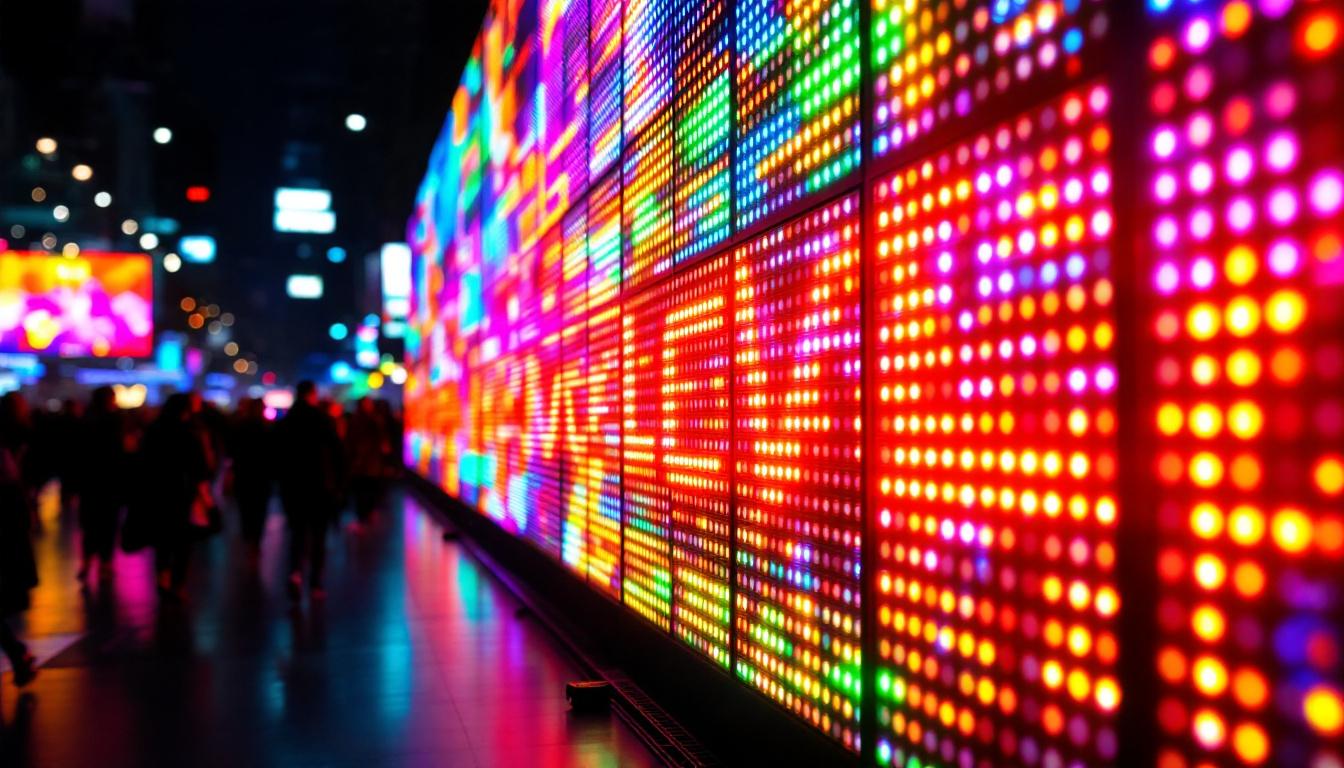
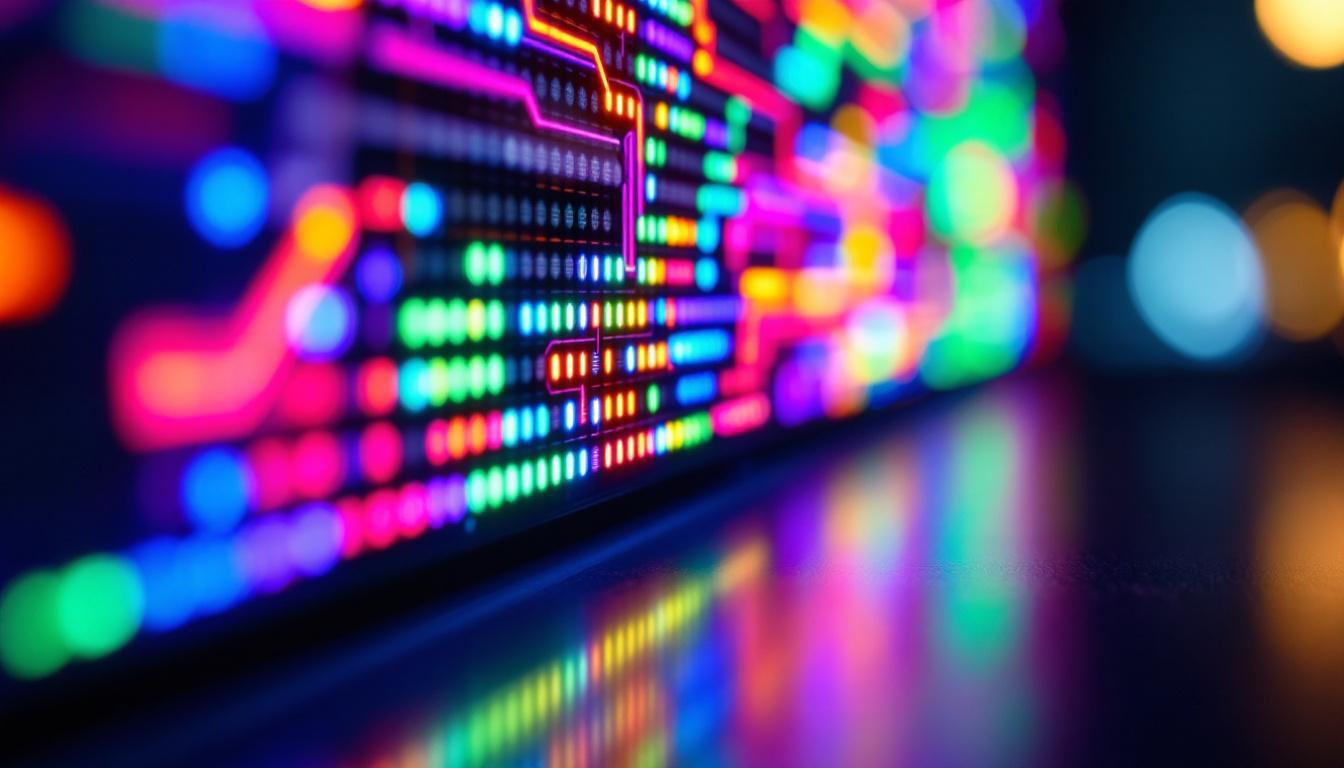
SMD stands for Surface-Mounted Device, which refers to the method of mounting LED components directly onto the surface of a printed circuit board (PCB). An SMD module LED is essentially a panel composed of numerous tiny SMD LEDs arranged in a matrix to form a display. Each module contains multiple LEDs that emit red, green, and blue light, allowing for full-color image reproduction.
This surface-mount technology contrasts with traditional LED displays that use through-hole LEDs, where the LED leads pass through the PCB. SMD LEDs are smaller, more compact, and offer superior performance characteristics, making them ideal for modern display applications. The compact size of SMD LEDs not only facilitates higher pixel density but also contributes to lighter and thinner display designs, which are increasingly in demand for both commercial and residential applications.
Moreover, the durability of SMD technology enhances its appeal. These LEDs are typically more resistant to shock and vibration, making them suitable for a variety of environments, from bustling urban centers to serene indoor spaces. Their versatility is further amplified by the ability to customize the modules for specific applications, such as advertising, entertainment, or information dissemination.
How Do SMD Module LEDs Work?
Each SMD LED chip within a module acts as a pixel or sub-pixel. By combining red, green, and blue LEDs in varying intensities, the module can produce a wide color gamut and display images with high fidelity. The brightness and color of each pixel are controlled via electronic signals sent through the PCB, enabling dynamic content such as videos, animations, and text.
The modules are designed to be tiled together seamlessly, creating larger displays without visible gaps. This modularity allows for scalable screen sizes, from small indoor panels to colossal outdoor video walls. The flexibility in design means that SMD modules can be configured for various shapes and sizes, accommodating unique architectural features or specific customer needs. Additionally, advancements in technology have led to improved energy efficiency in SMD LEDs, which can significantly reduce operational costs while providing brilliant visuals.
Furthermore, SMD module LEDs are often equipped with advanced features such as automatic brightness adjustment, which optimizes visibility in varying lighting conditions. This capability ensures that the display remains vibrant and legible, whether in bright sunlight or dim indoor environments. The integration of smart technology into SMD modules also allows for remote control and monitoring, enabling users to update content and manage display settings from anywhere, enhancing convenience and operational efficiency.
Key Advantages of SMD Module LEDs
Superior Image Quality and Viewing Angles
SMD LEDs provide excellent color uniformity and brightness, which translates into vivid and sharp images. One of the standout features is the wide viewing angle, often exceeding 160 degrees horizontally and vertically. This ensures that the displayed content remains clear and consistent even when viewed from the side, a critical factor for public displays where audiences gather at various angles. Furthermore, the advanced technology behind SMD LEDs allows for enhanced contrast ratios, making dark scenes appear richer and more detailed, which is particularly beneficial for video content and dynamic graphics. This capability is essential in environments such as sports arenas and concert venues, where the quality of visual content can significantly impact audience engagement and overall experience.
High Brightness and Energy Efficiency
Modern SMD module LEDs can achieve brightness levels upwards of 5,000 nits, making them visible even in direct sunlight. This high luminance is essential for outdoor advertising and public information displays. Despite their brightness, SMD LEDs are energy-efficient compared to older display technologies like LCD or incandescent lighting, which helps reduce operational costs and environmental impact. Additionally, the energy efficiency of SMD LEDs contributes to lower heat generation, which can enhance the longevity of the display modules and reduce the need for extensive cooling systems. This is particularly advantageous in large installations, where managing heat can be a significant concern, ultimately leading to more sustainable and cost-effective operations.
Compact Design and Lightweight Construction
The compact size of SMD LEDs allows for thinner and lighter display modules. This makes installation easier and enables more flexible design options, such as curved or irregularly shaped screens. The lightweight nature also reduces structural load requirements, which is particularly beneficial for large-scale installations. Moreover, the modular design of SMD LEDs facilitates easy maintenance and upgrades; individual modules can be replaced without the need to dismantle the entire display. This modularity not only saves time and labor costs but also allows for scalability, enabling businesses to expand their display capabilities as needed without significant overhauls.
Durability and Weather Resistance
SMD module LEDs are designed to withstand harsh environmental conditions. Many modules come with IP65 or higher ratings, indicating resistance to dust and water ingress. This durability ensures long-term reliability for outdoor applications, where exposure to rain, wind, and temperature fluctuations is common. In addition to weather resistance, many SMD LEDs are built with robust materials that can endure impacts and vibrations, making them suitable for high-traffic areas and events. This resilience is crucial for maintaining operational integrity and visual performance, especially in settings like transportation hubs or public squares, where displays are subject to constant use and environmental stressors.
Applications of SMD Module LED Displays
Outdoor Advertising and Digital Billboards
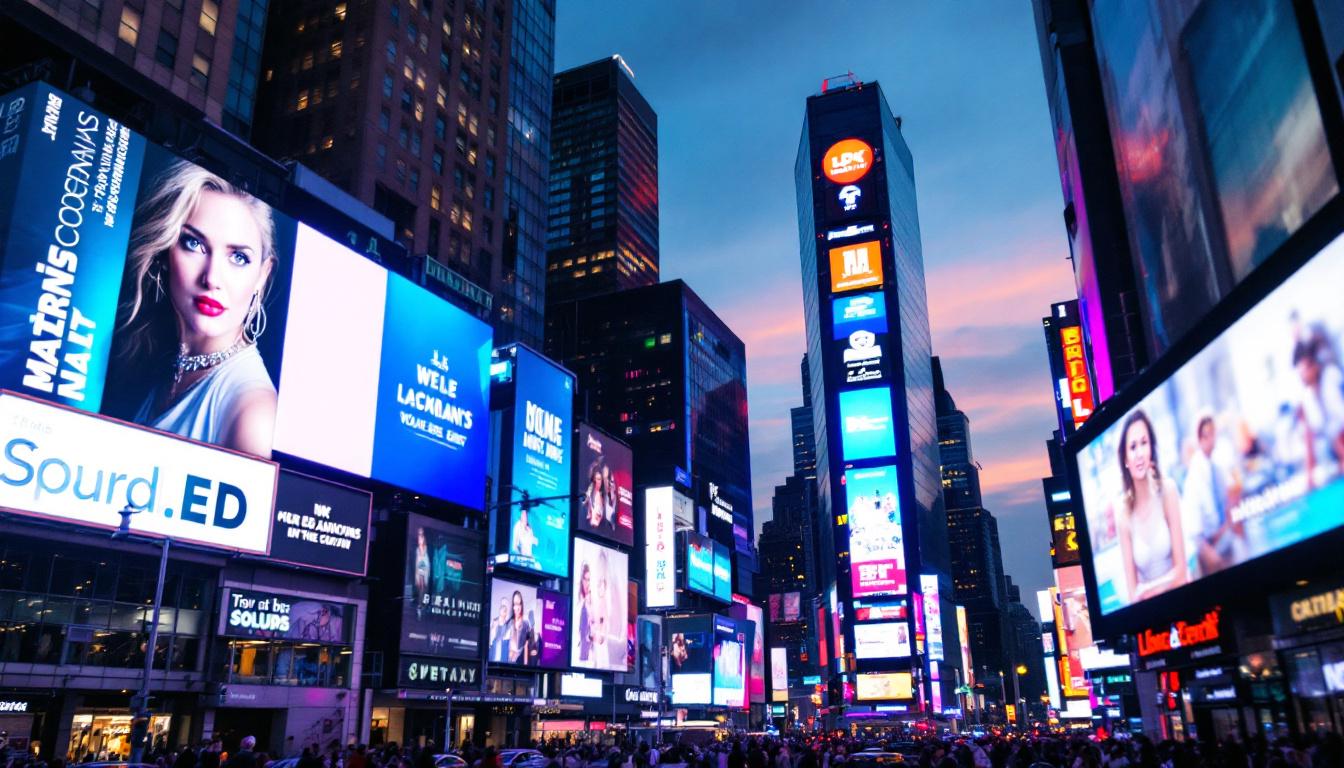
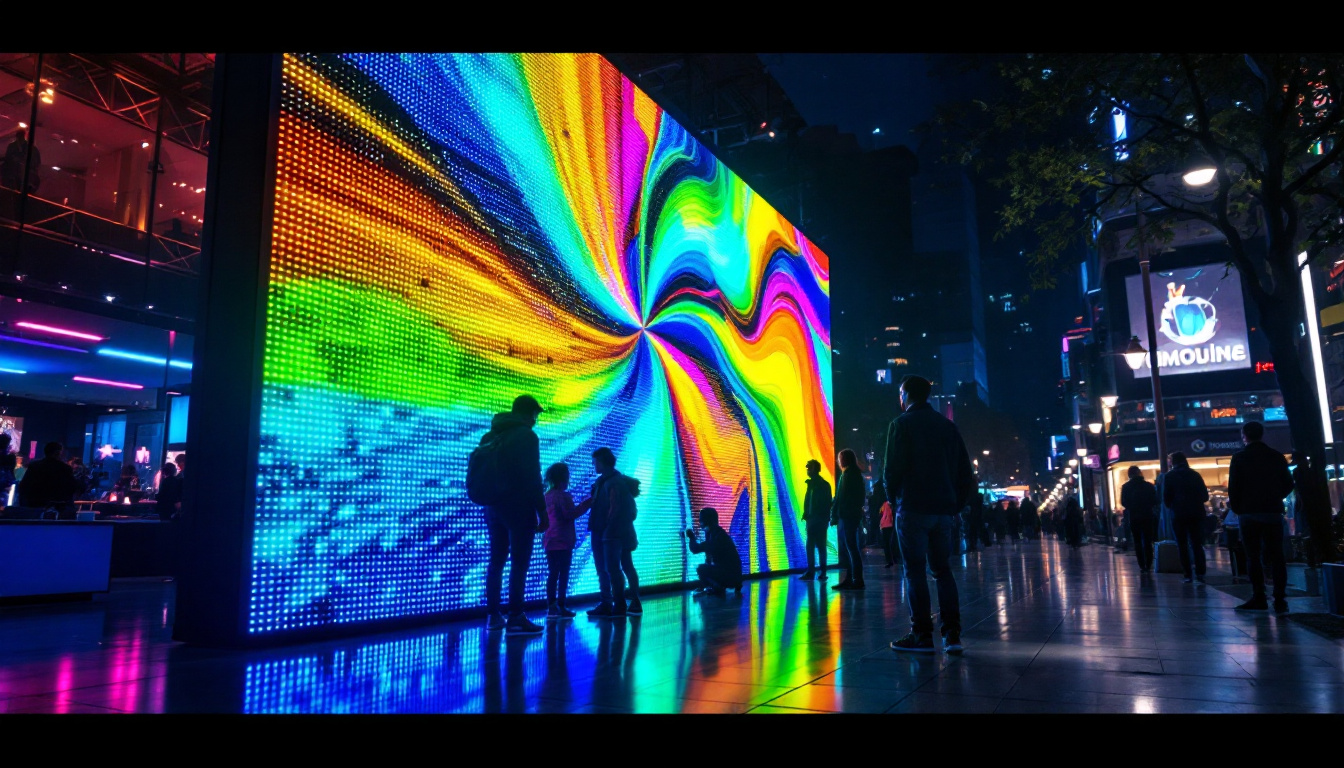
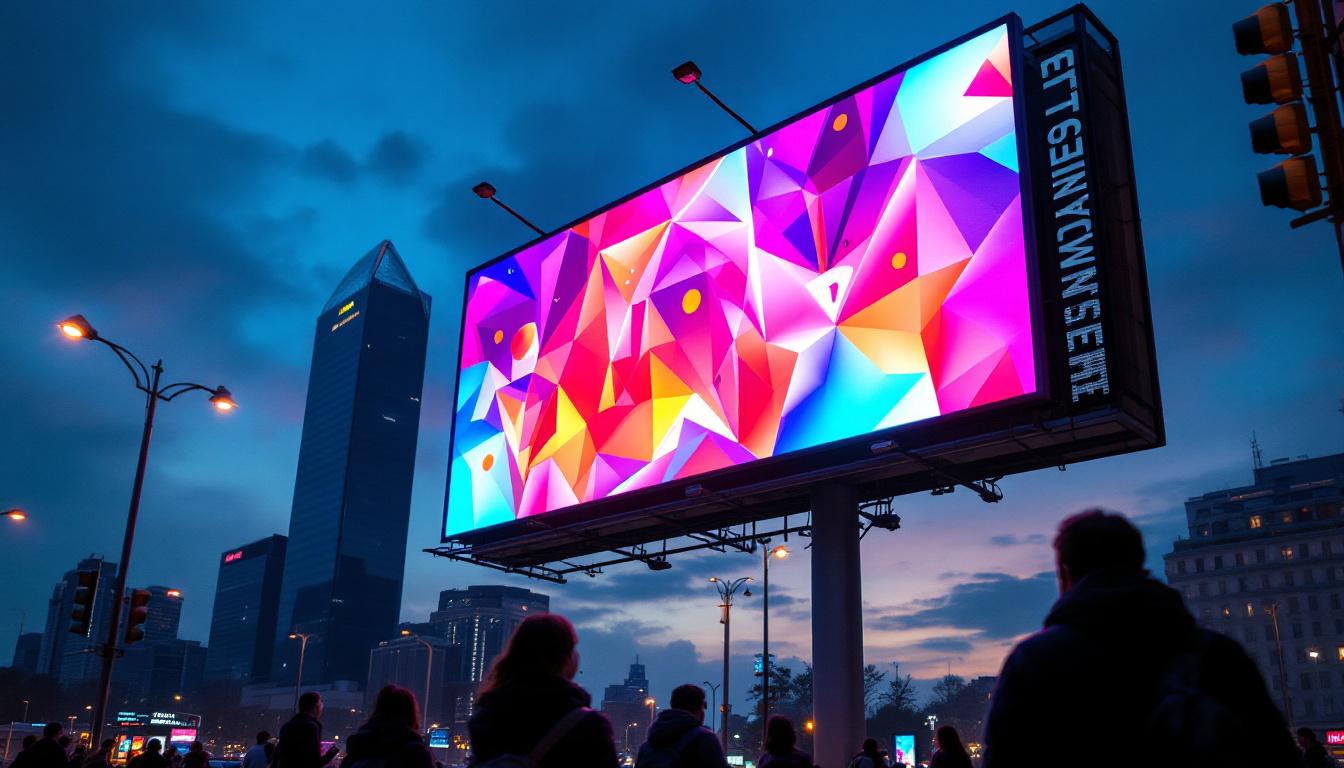
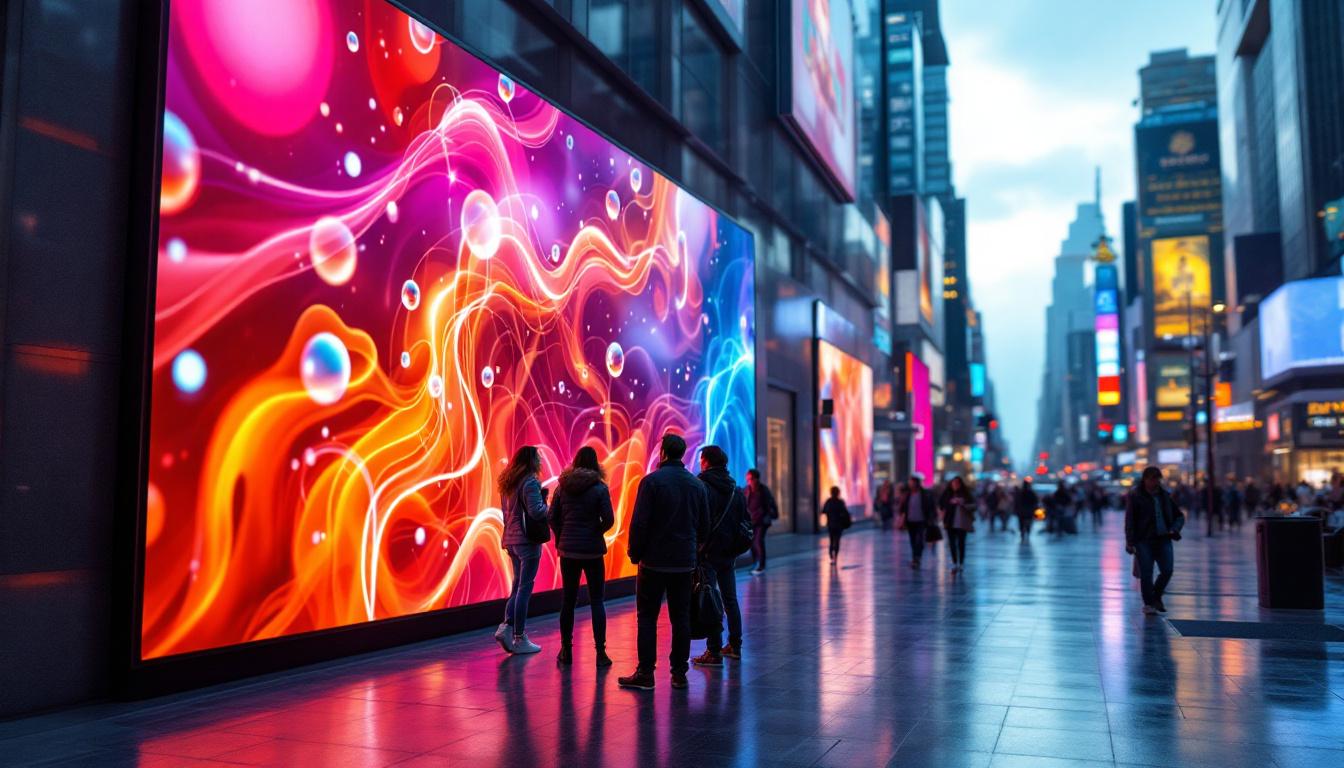
One of the most prominent uses of SMD module LEDs is in outdoor advertising. Digital billboards leveraging these modules offer dynamic content that can be updated remotely and frequently. This flexibility allows marketers to run targeted campaigns, display real-time information, and engage audiences more effectively than static signs.
For example, Times Square in New York City features massive LED displays composed of SMD modules, showcasing advertisements and live event feeds to millions of visitors annually. The high brightness and durability of SMD LEDs make them ideal for such high-traffic, high-visibility locations.
Indoor Video Walls and Event Displays
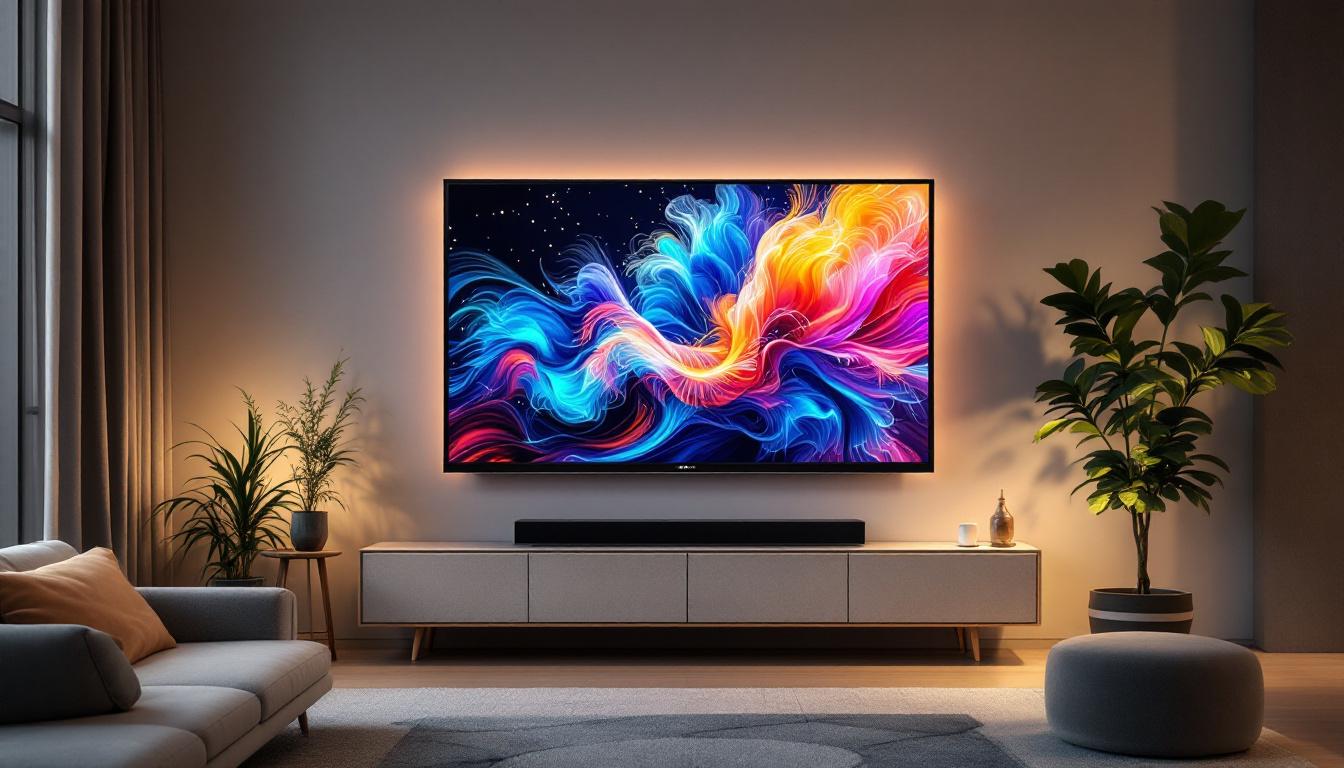
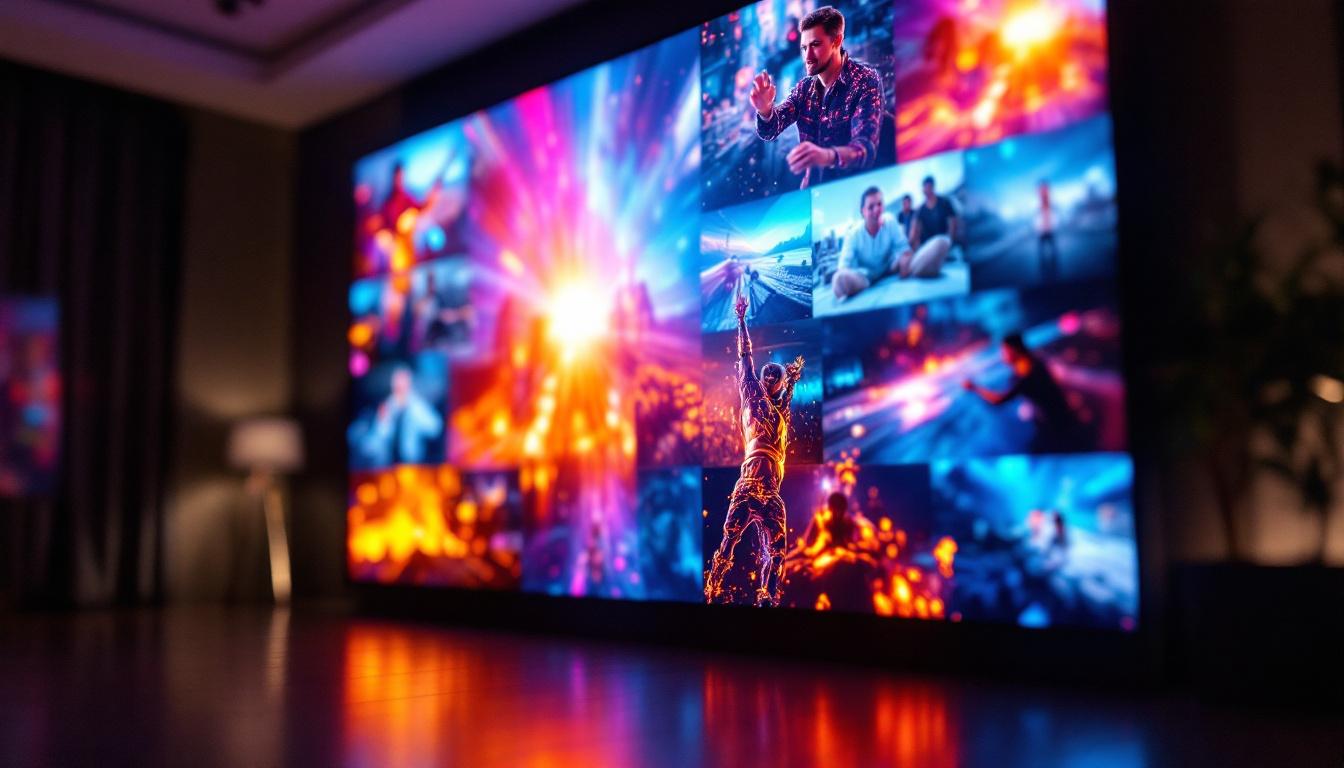
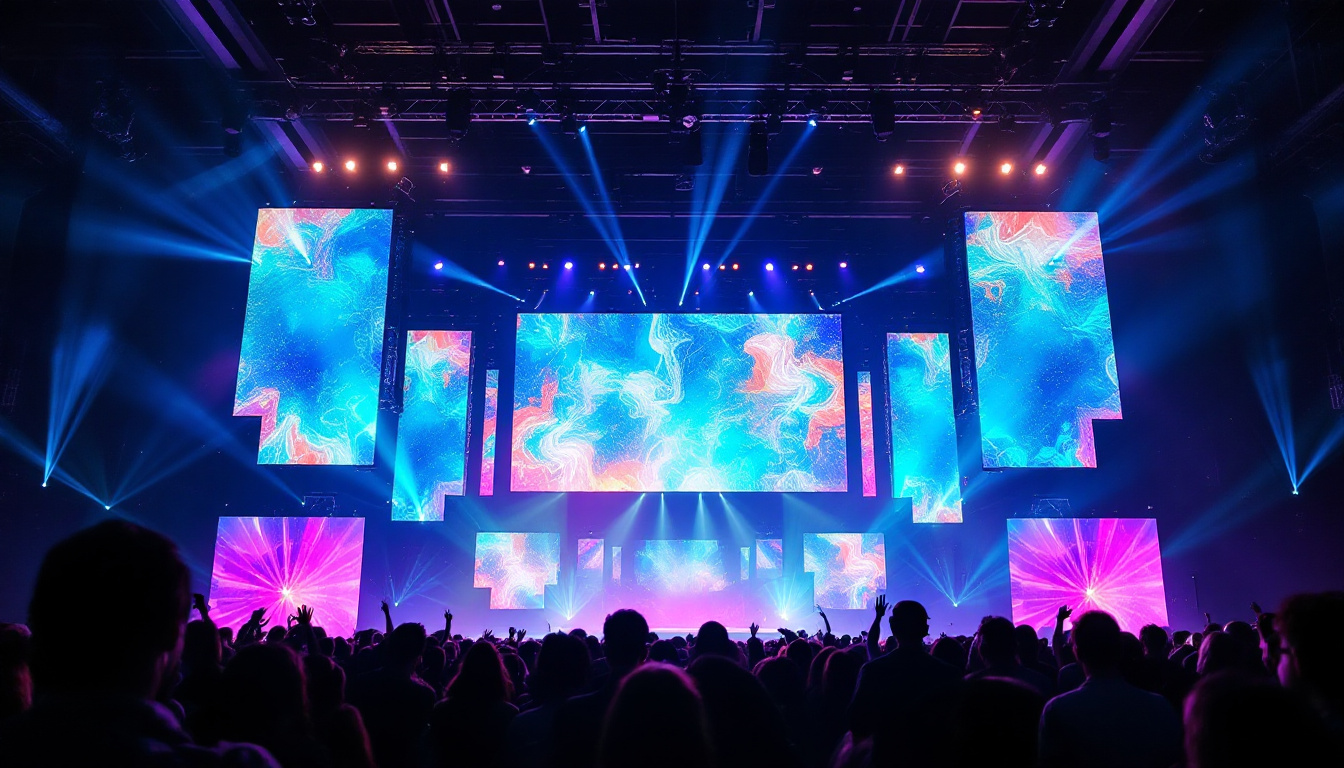
Indoor environments benefit from the high resolution and color accuracy of SMD module LED displays. They are commonly used in conference centers, control rooms, retail environments, and entertainment venues. Their slim profile and lightweight design allow for easy installation in tight spaces or on walls where traditional displays might be impractical.
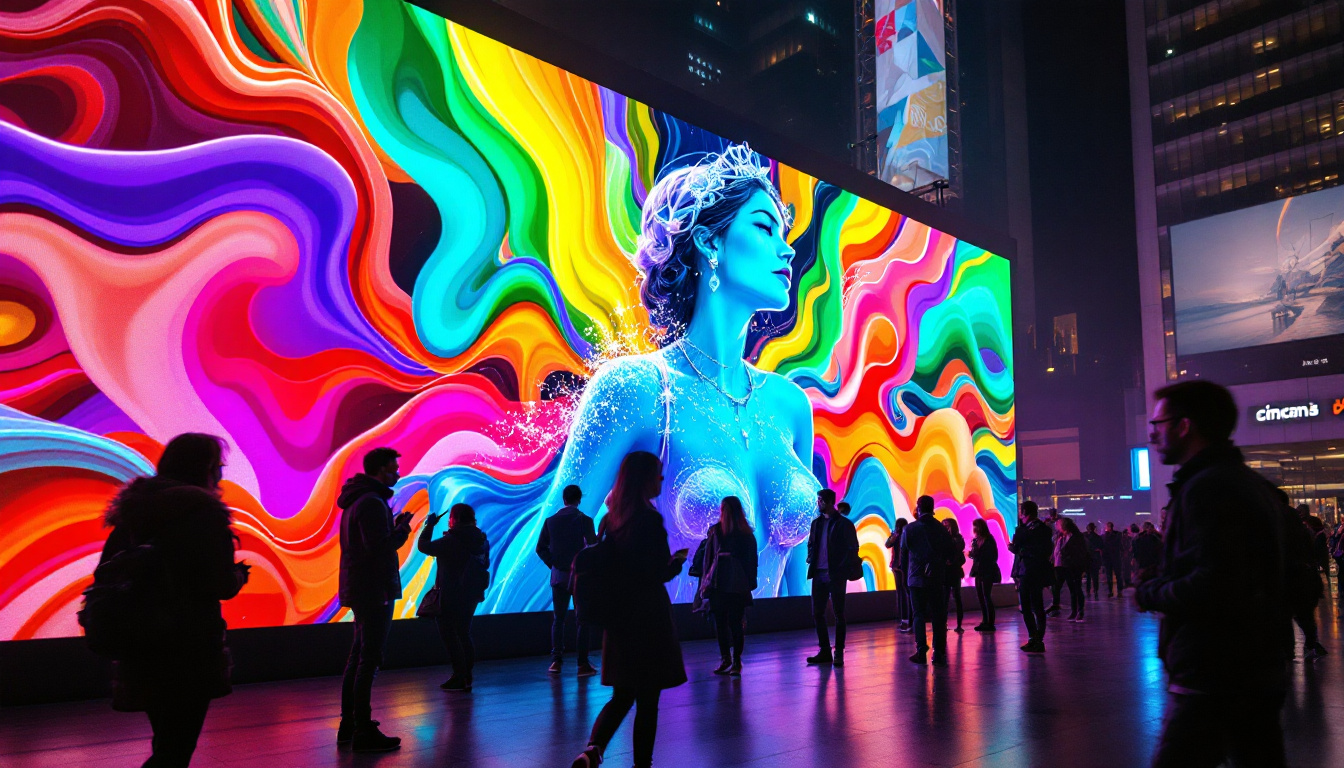
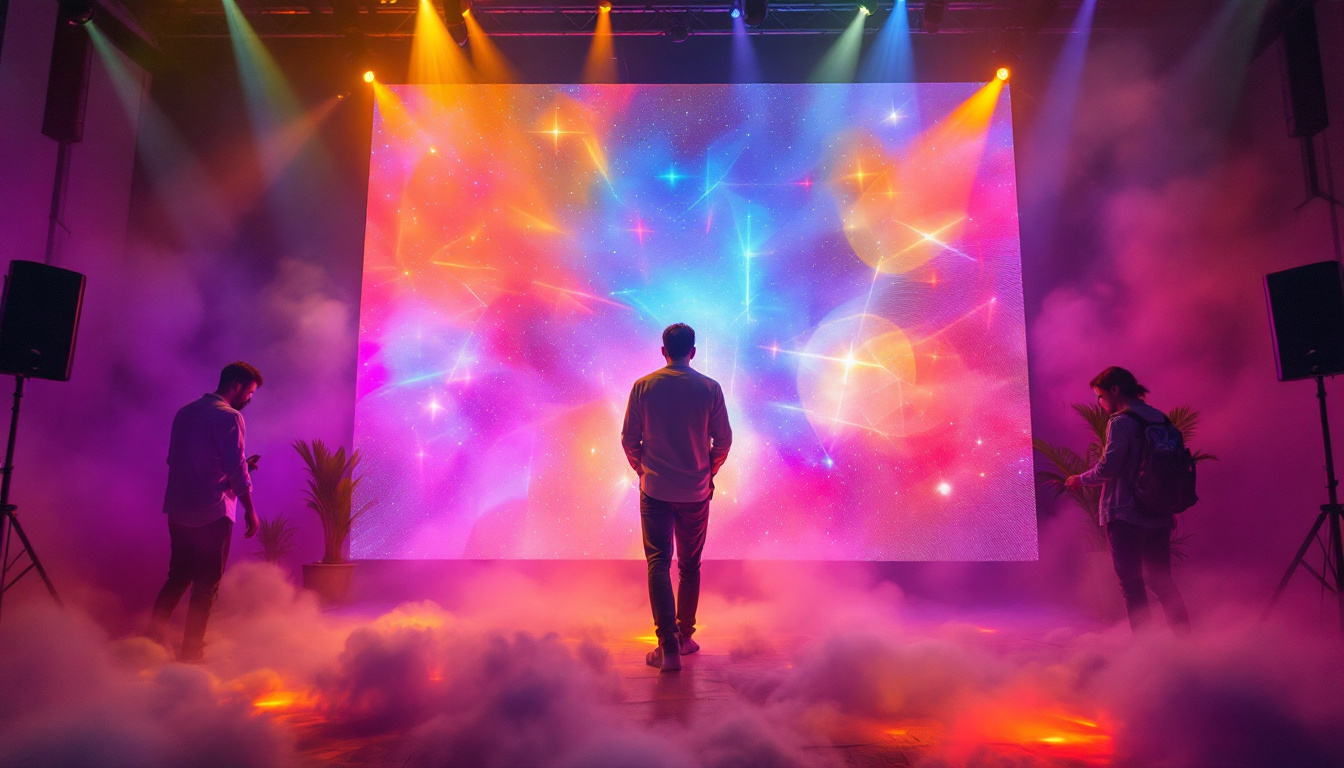
Events such as concerts, trade shows, and sports arenas utilize SMD LED video walls to provide immersive visual experiences. The ability to create large, seamless screens enhances audience engagement and delivers impactful messaging.
Transportation and Public Information Systems
Airports, train stations, and bus terminals employ SMD module LED displays for real-time information dissemination. These displays provide travelers with up-to-date schedules, alerts, and directions in a clear and readable format. The wide viewing angles and high brightness ensure visibility under various lighting conditions.
Technical Considerations When Choosing SMD Module LEDs
Pixel Pitch and Resolution
Pixel pitch, the distance between the centers of two adjacent pixels, is a critical factor influencing image clarity. Smaller pixel pitches result in higher resolution and finer detail, making them suitable for close-viewing environments like indoor displays. Conversely, larger pixel pitches are acceptable for outdoor displays viewed from a distance.
For instance, indoor SMD LED modules typically have pixel pitches ranging from 1.2mm to 4mm, while outdoor modules may range from 4mm to 20mm or more. Selecting the appropriate pixel pitch based on viewing distance and content requirements is essential for optimal performance.
Refresh Rate and Gray Scale
Refresh rate determines how often the display updates per second, affecting motion smoothness and flicker visibility. Higher refresh rates (above 1920 Hz) are preferred for video content and broadcasting environments to ensure flicker-free visuals, especially when recorded by cameras.
Gray scale refers to the number of brightness levels each LED can produce. Higher gray scale values enable smoother color gradients and more accurate image reproduction. Modern SMD modules often support 14-bit or higher gray scale, enhancing the overall viewing experience.
Power Consumption and Heat Management
While SMD LEDs are energy-efficient, large displays can still consume significant power. It is important to consider power requirements and ensure adequate heat dissipation to maintain performance and extend the lifespan of the modules. Many manufacturers incorporate heat sinks and ventilation designs to address thermal management.
Future Trends in SMD Module LED Technology
Mini-LED and Micro-LED Innovations
Emerging technologies such as Mini-LED and Micro-LED are pushing the boundaries of LED display performance. Mini-LEDs use smaller diodes than traditional SMD LEDs, allowing for even higher pixel densities and improved contrast ratios. Micro-LEDs, which are even smaller, promise self-emissive displays with exceptional brightness, color accuracy, and energy efficiency.
These advancements are expected to influence the design and capabilities of future SMD module LED displays, particularly in premium indoor applications like home theaters and professional studios.
Integration with Smart Technologies
Integration of LED displays with IoT (Internet of Things) and AI (Artificial Intelligence) technologies is becoming increasingly common. Smart LED modules can adjust brightness based on ambient light, optimize energy consumption, and enable interactive features such as touch sensitivity and audience analytics.
This smart integration enhances user experience and operational efficiency, making SMD module LED displays more versatile and adaptive to various environments.
Environmental Sustainability
As sustainability becomes a priority, manufacturers are focusing on eco-friendly materials, recyclable components, and energy-saving designs. Advances in LED chip technology continue to reduce power consumption without compromising brightness or color quality.
Additionally, modular designs facilitate easier maintenance and upgrades, reducing electronic waste and extending the useful life of LED displays.
Conclusion
SMD module LEDs have revolutionized the digital display landscape by offering unparalleled brightness, color accuracy, and versatility. Their modular nature, combined with advanced surface-mount technology, enables the creation of scalable, high-resolution displays suitable for a wide range of applications—from outdoor advertising to indoor video walls and public information systems.
Understanding the technical aspects such as pixel pitch, refresh rate, and power management is essential for selecting the right SMD module LED solution tailored to specific needs. Looking ahead, innovations like Mini-LED, Micro-LED, and smart integration promise to further enhance the capabilities and sustainability of LED displays.
For businesses and organizations seeking impactful visual communication, investing in quality SMD module LED technology offers a future-proof solution that captivates audiences and delivers clear, vibrant messaging in any environment.
Discover LumenMatrix’s Advanced LED Display Solutions
Ready to elevate your visual communication with the latest in LED technology? LumenMatrix offers a comprehensive range of LED display solutions, from vibrant Indoor and Outdoor LED Wall Displays to innovative Vehicle LED Displays and beyond. Our mission is to provide you with digital signage that not only enhances engagement but also captivates your audience with unparalleled clarity. Whether you need a Custom LED Display, an All-in-One solution, or a striking LED Transparent Display, LumenMatrix is here to transform your space into a dynamic visual experience. Check out LumenMatrix LED Display Solutions today and see how we can help you share your message with the world.