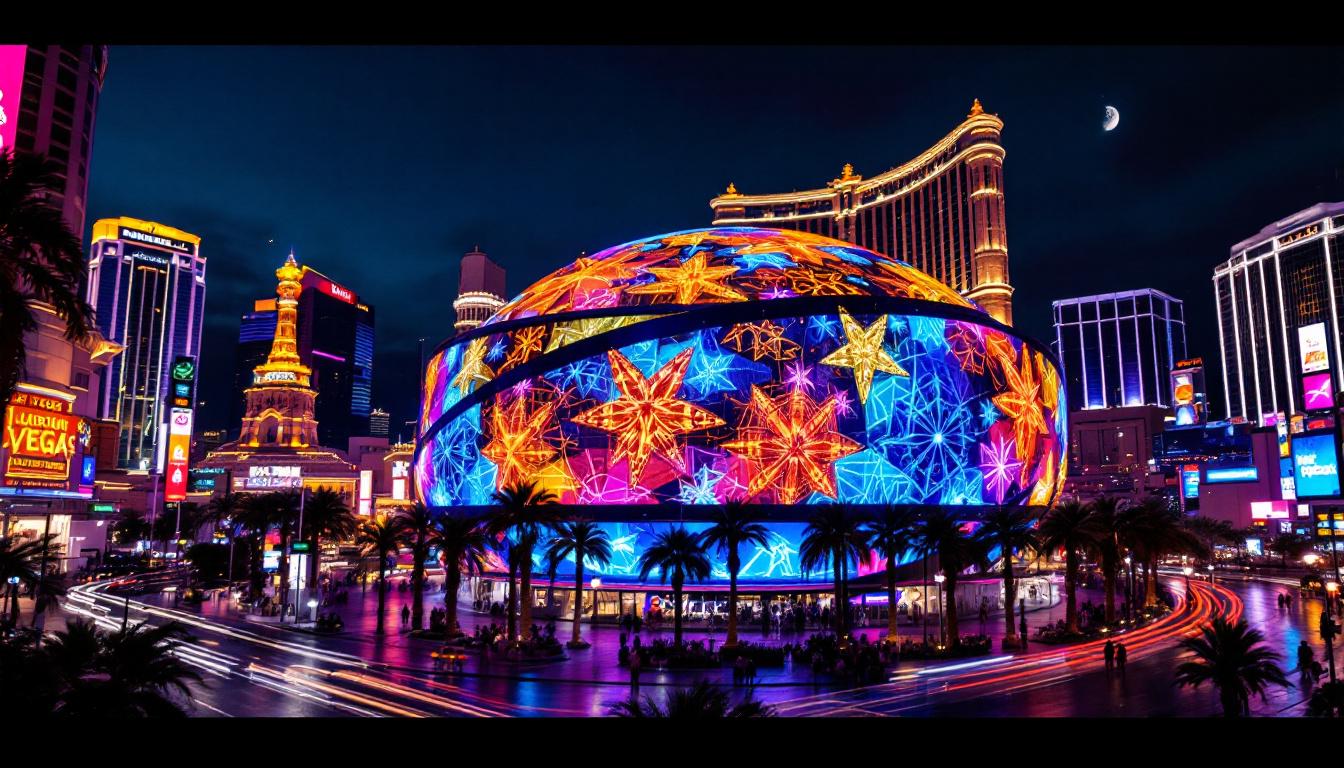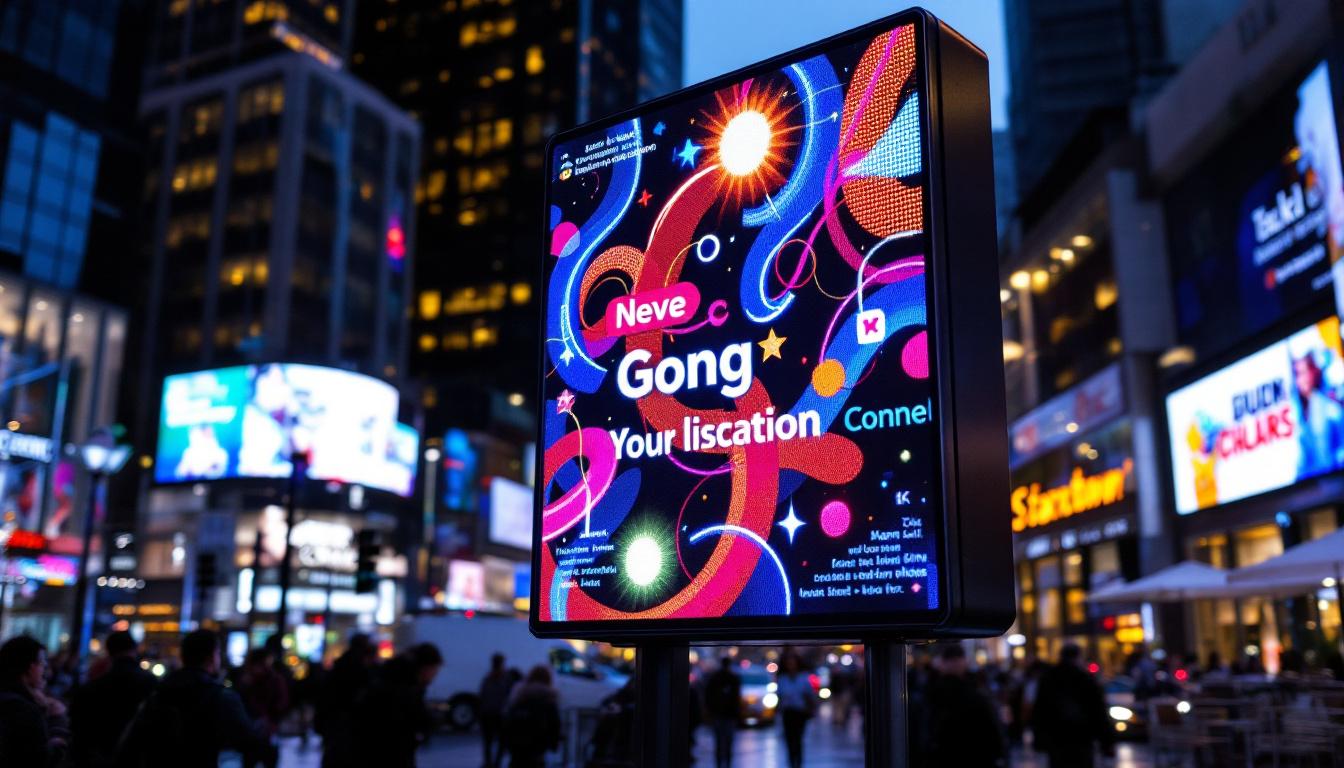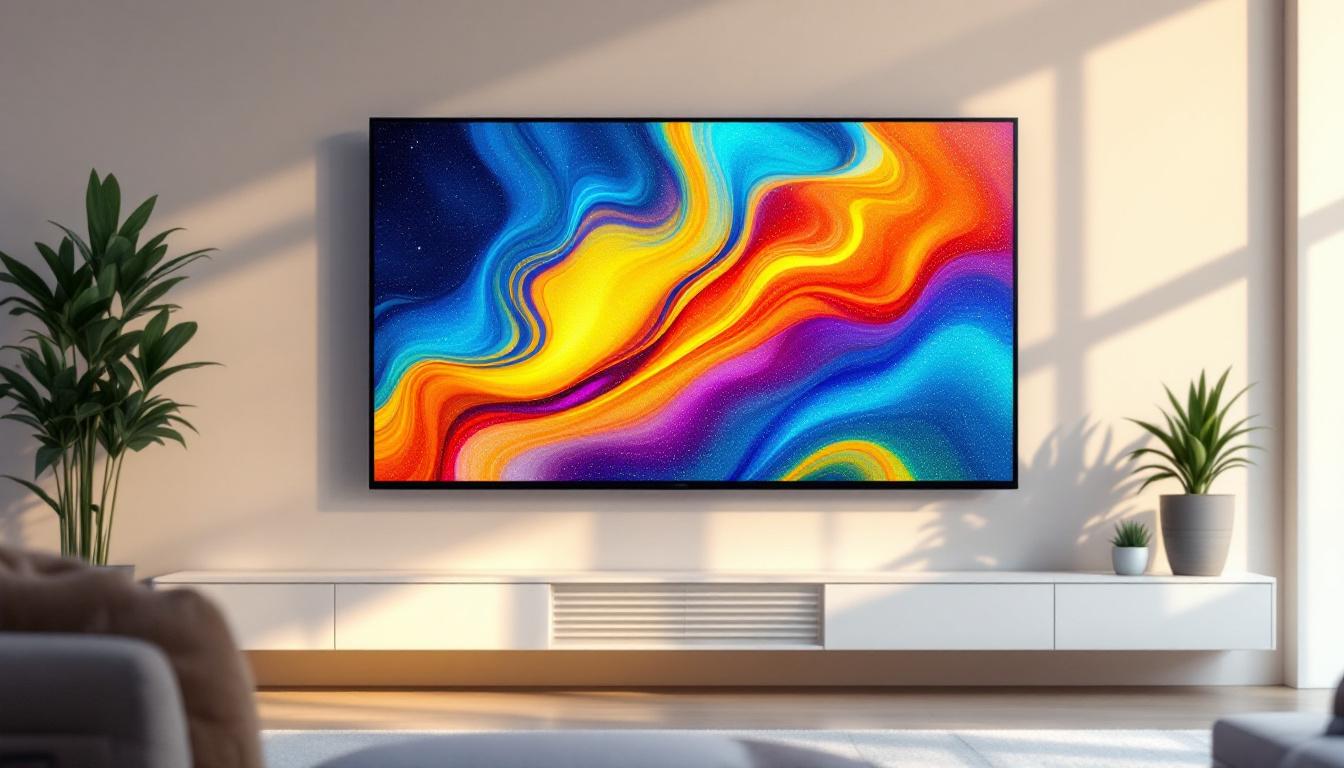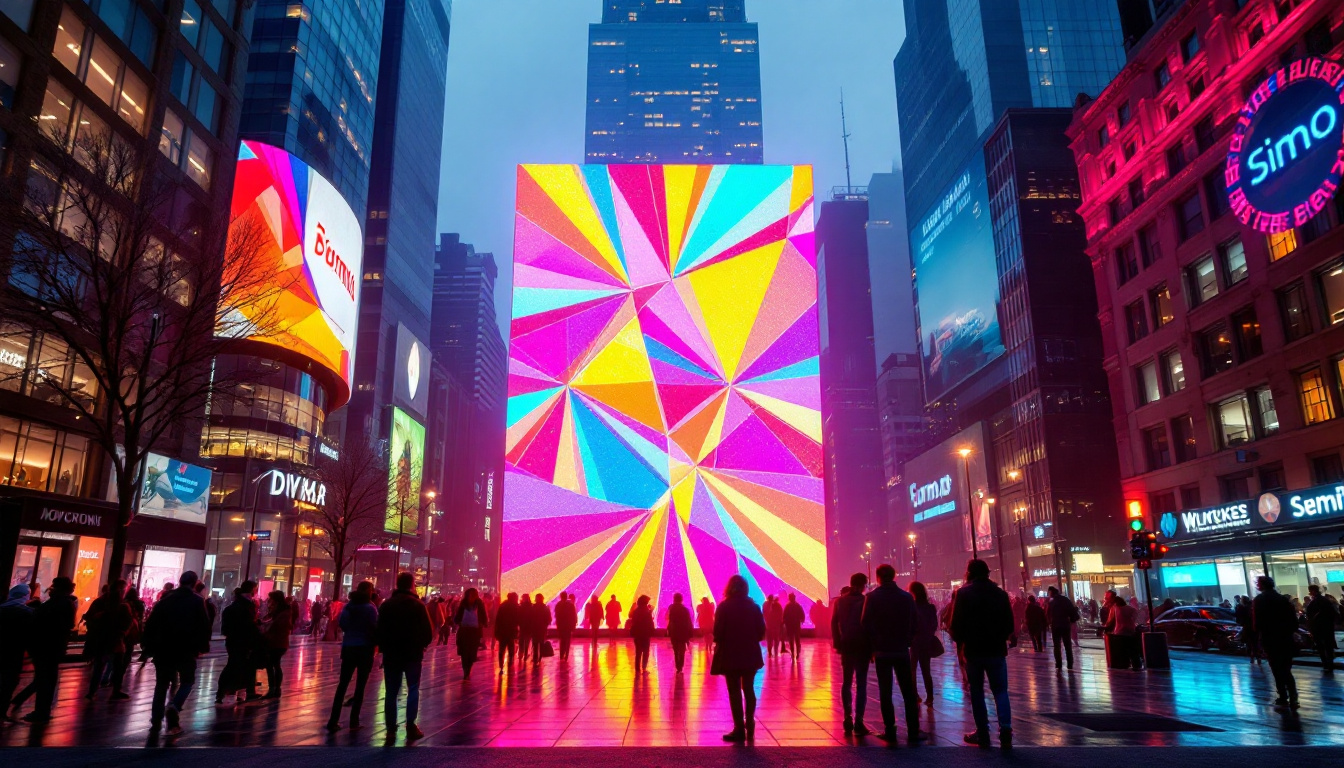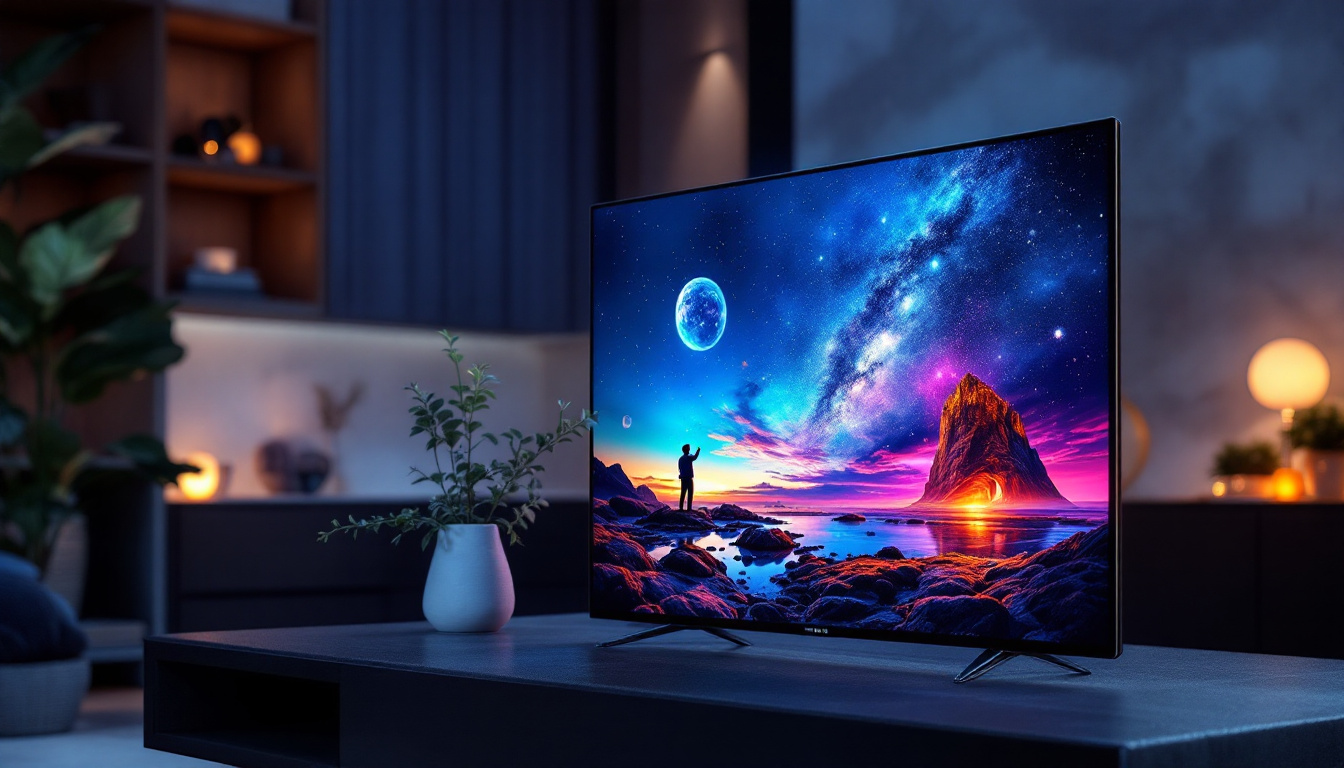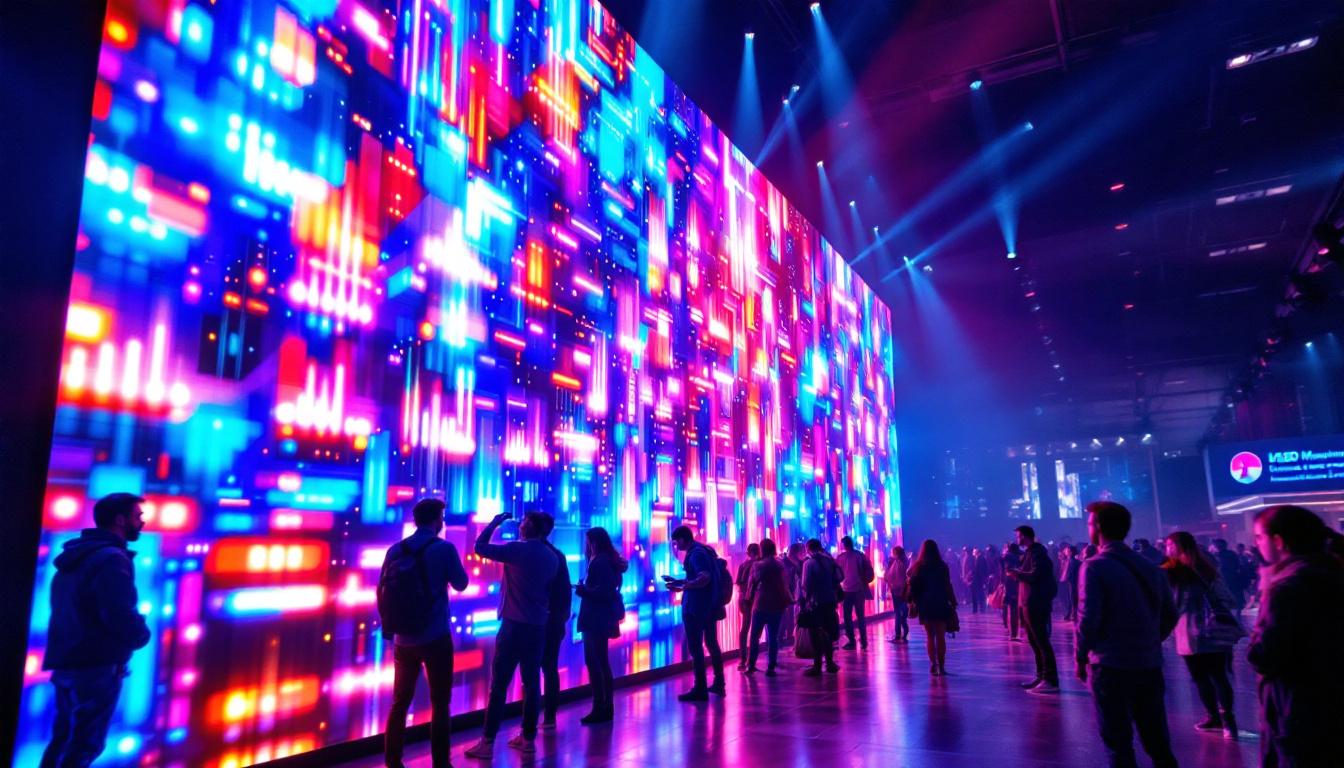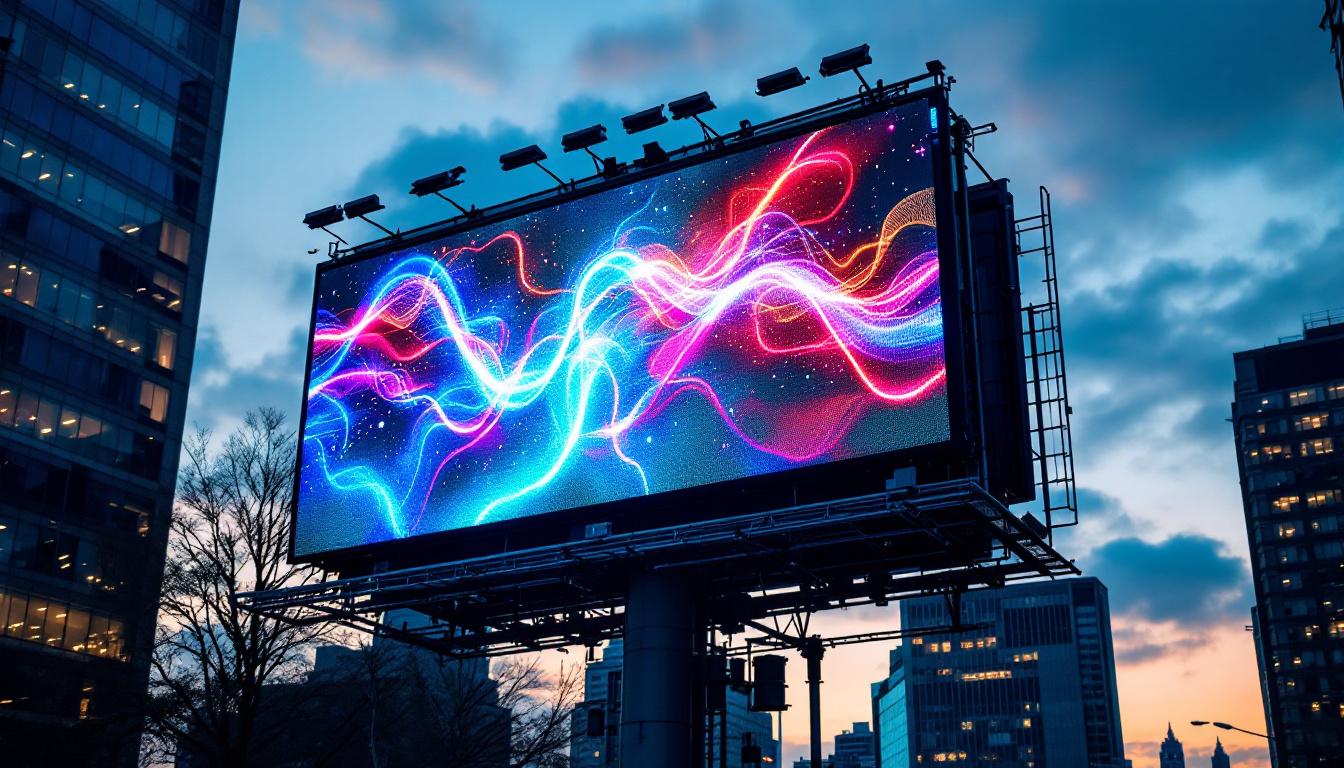
In recent years, the evolution of display technology has transformed the way businesses, advertisers, and architects integrate visuals into their environments. Among the most innovative advancements is the glass LED screen, a transparent LED display that combines cutting-edge technology with aesthetic appeal. This article explores what glass LED screens are, how they work, their applications, and why they are becoming a popular choice across various industries.
Understanding Glass LED Screens: What Are They?
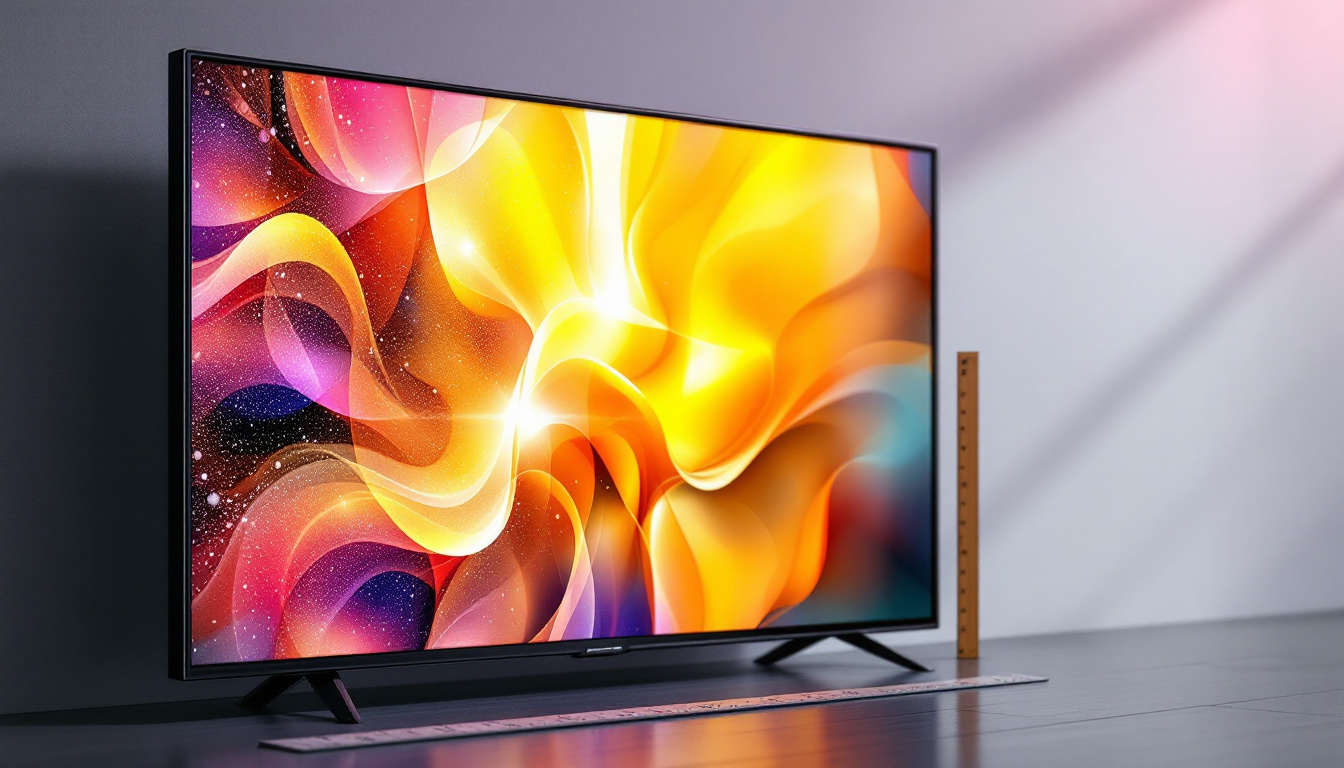
Glass LED screens, also known as transparent LED displays or see-through LED screens, are a type of LED display panel designed to be installed on glass surfaces such as windows, facades, or glass walls. Unlike traditional LED screens that are opaque and block light, glass LED screens allow light to pass through, maintaining visibility while simultaneously displaying vibrant digital content.
These displays use a matrix of tiny LED modules embedded within a transparent substrate, often tempered glass or acrylic. The LEDs emit light to form images, videos, or text, while the transparent areas between LEDs let natural light and visuals from behind the screen remain visible. This unique combination of transparency and illumination creates a futuristic visual effect that is both functional and aesthetically pleasing.
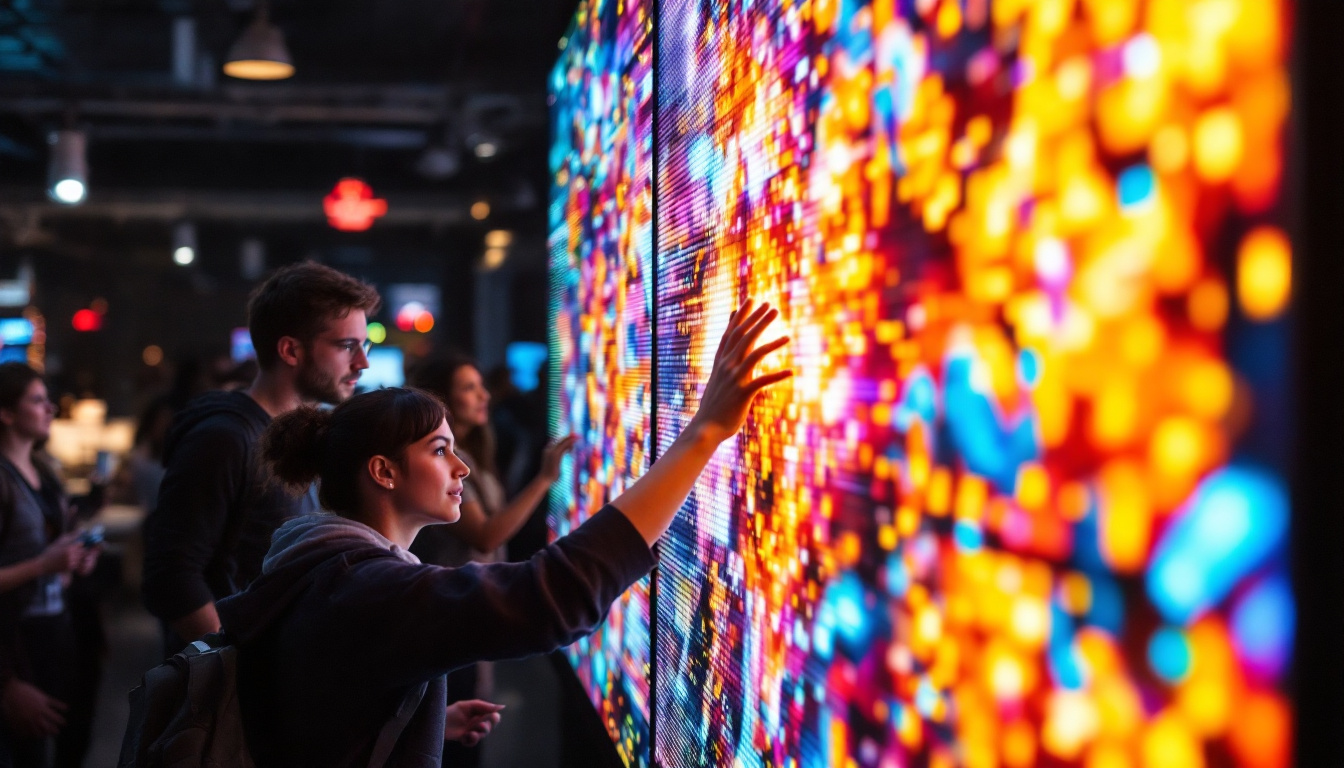
In addition to their striking visual appeal, glass LED screens are increasingly being utilized in various sectors, including retail, advertising, and architecture. Retailers are leveraging these displays to create immersive shopping experiences, allowing customers to engage with dynamic content while still being able to see products displayed behind the screen. This innovative approach not only enhances brand visibility but also attracts foot traffic in competitive urban environments. Furthermore, architects are incorporating glass LED technology into building designs, using it to create eye-catching facades that can change appearance based on the time of day or specific events, thereby transforming the urban landscape.
Key Features of Glass LED Screens
Several important characteristics distinguish glass LED screens from conventional LED displays:
- Transparency: Typically ranging from 40% to 90%, transparency allows viewers to see through the display, making it ideal for window installations.
- Lightweight and Slim Design: The panels are thin and lightweight, enabling easy installation on glass surfaces without significant structural modifications.
- High Brightness and Contrast: Despite their transparency, these screens maintain high brightness levels, ensuring visibility even in direct sunlight.
- Energy Efficiency: Modern glass LED screens consume less power compared to traditional LED billboards, partly due to their optimized LED arrangement.
- Durability: Designed for both indoor and outdoor use, these screens are weather-resistant and built to withstand environmental challenges.
Moreover, the versatility of glass LED screens extends to their application in various environments, from corporate offices to entertainment venues. In office spaces, they can be used as dynamic information displays, showcasing real-time data, announcements, or even art installations that contribute to a vibrant workplace atmosphere. In entertainment venues, these screens can enhance the audience experience by providing captivating visuals that complement performances or events. As technology continues to evolve, the potential for glass LED screens to integrate with smart building systems and IoT devices presents exciting opportunities for innovation and interactivity, further blurring the lines between digital content and the physical world.
How Do Glass LED Screens Work?
The technology behind glass LED screens is a sophisticated integration of LED modules and transparent materials. Understanding the mechanics helps appreciate their versatility and design advantages.
The LED Module Structure
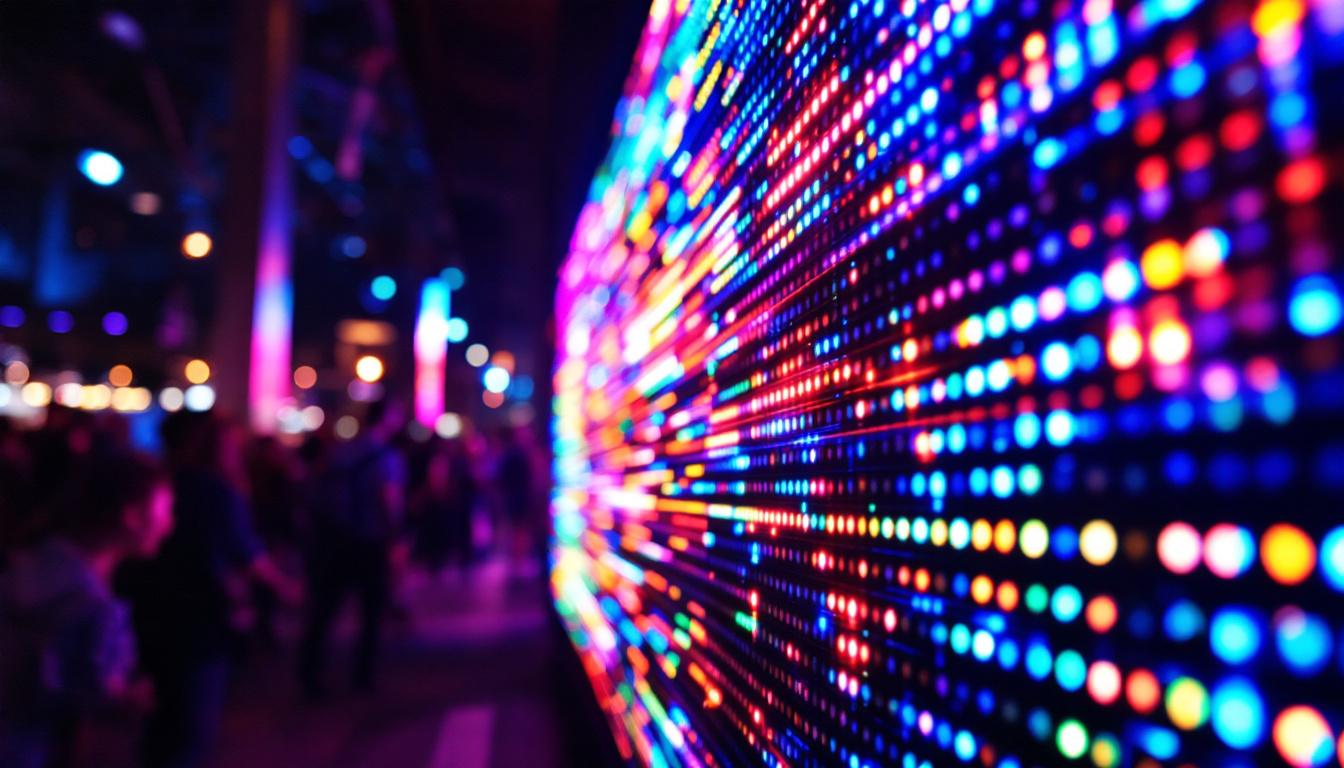
Each LED module consists of numerous tiny LEDs arranged in a grid. Unlike traditional LED screens where LEDs are densely packed, glass LED modules space the LEDs apart to maintain transparency. The spacing, known as pixel pitch, varies depending on the application and desired resolution. For example, a pixel pitch of 10mm means LEDs are placed 10 millimeters apart, balancing clarity and see-through capability.
The LEDs are mounted on a transparent circuit board or glass panel using advanced manufacturing techniques. This transparent substrate ensures minimal obstruction of light, allowing the display to blend seamlessly with the glass surface it is attached to.
Display Control and Content Management
Glass LED screens connect to a control system that manages the content displayed. This system uses software to control the timing, brightness, color, and transitions of the LED modules. Content can range from static images and text to dynamic videos and animations.
Modern control systems support remote management, enabling operators to update content in real-time from anywhere. This flexibility makes glass LED screens ideal for advertising campaigns, public information displays, and interactive installations.
Integration with Glass Architecture
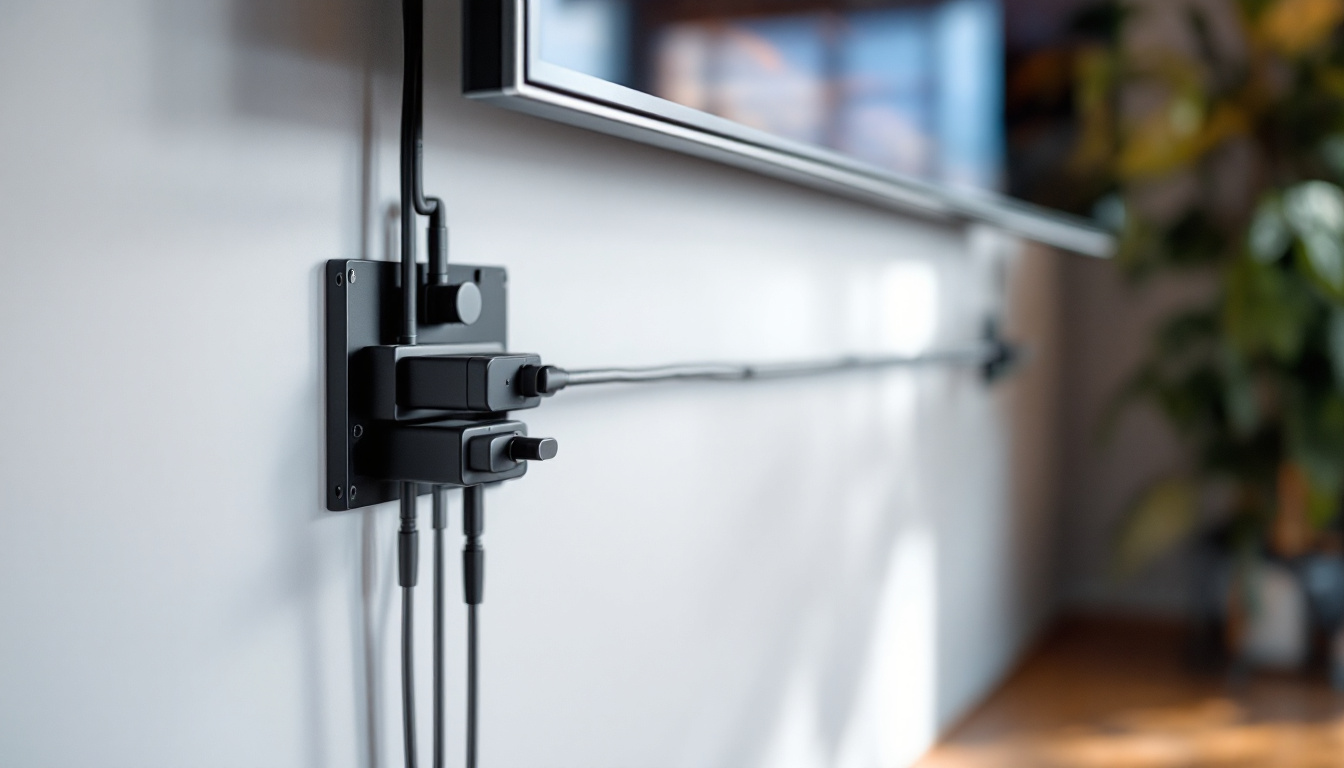
Installation involves mounting the glass LED panels directly onto existing glass surfaces or integrating them into new architectural designs. The panels can be framed or frameless, depending on aesthetic preferences and structural requirements. Because the screens are lightweight and slim, they do not require heavy support structures, preserving the architectural integrity of buildings.
Applications of Glass LED Screens
The unique properties of glass LED screens open up a wide range of applications across industries. Their ability to combine transparency with vibrant digital content makes them particularly attractive for environments where visibility and aesthetics are crucial.
Retail and Advertising
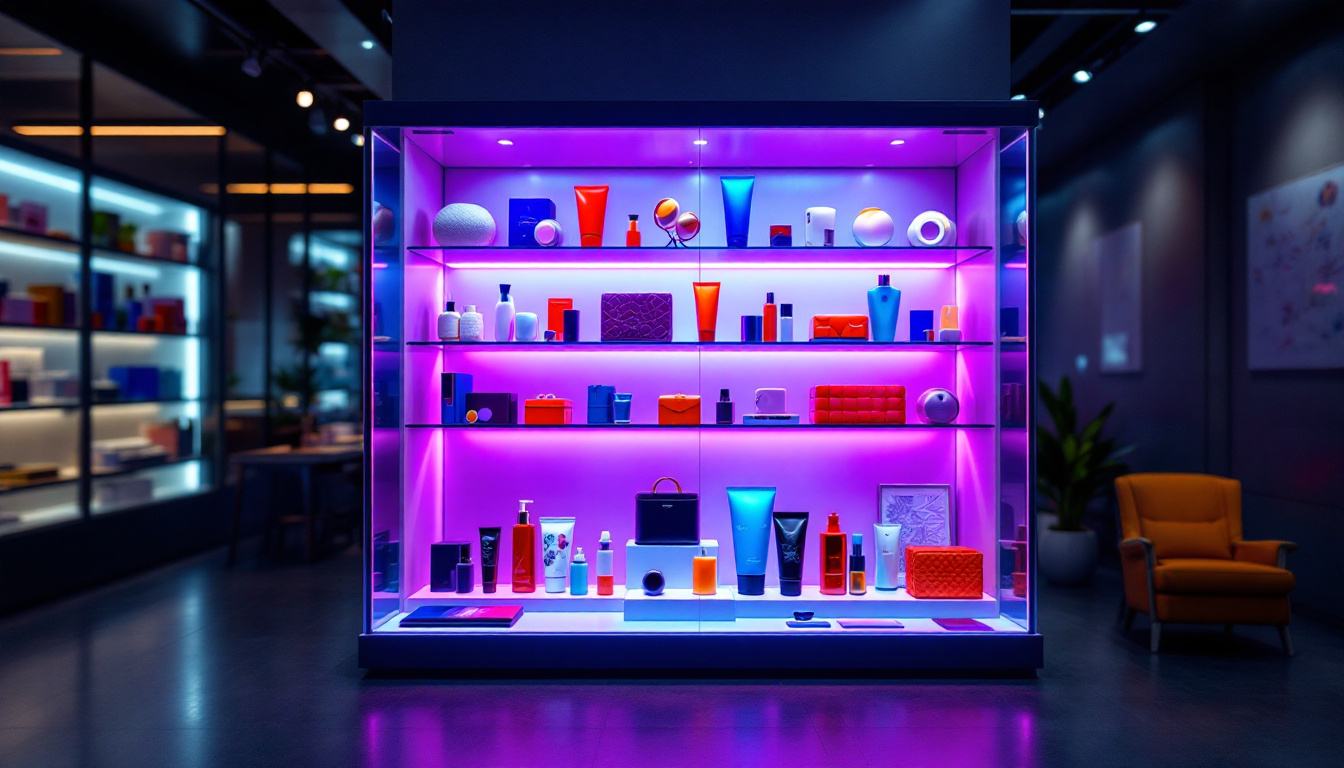
Retailers use glass LED screens on storefront windows to attract customers with eye-catching promotions without blocking natural light or obstructing views into the store. This approach enhances the shopping experience by creating an inviting and modern ambiance.
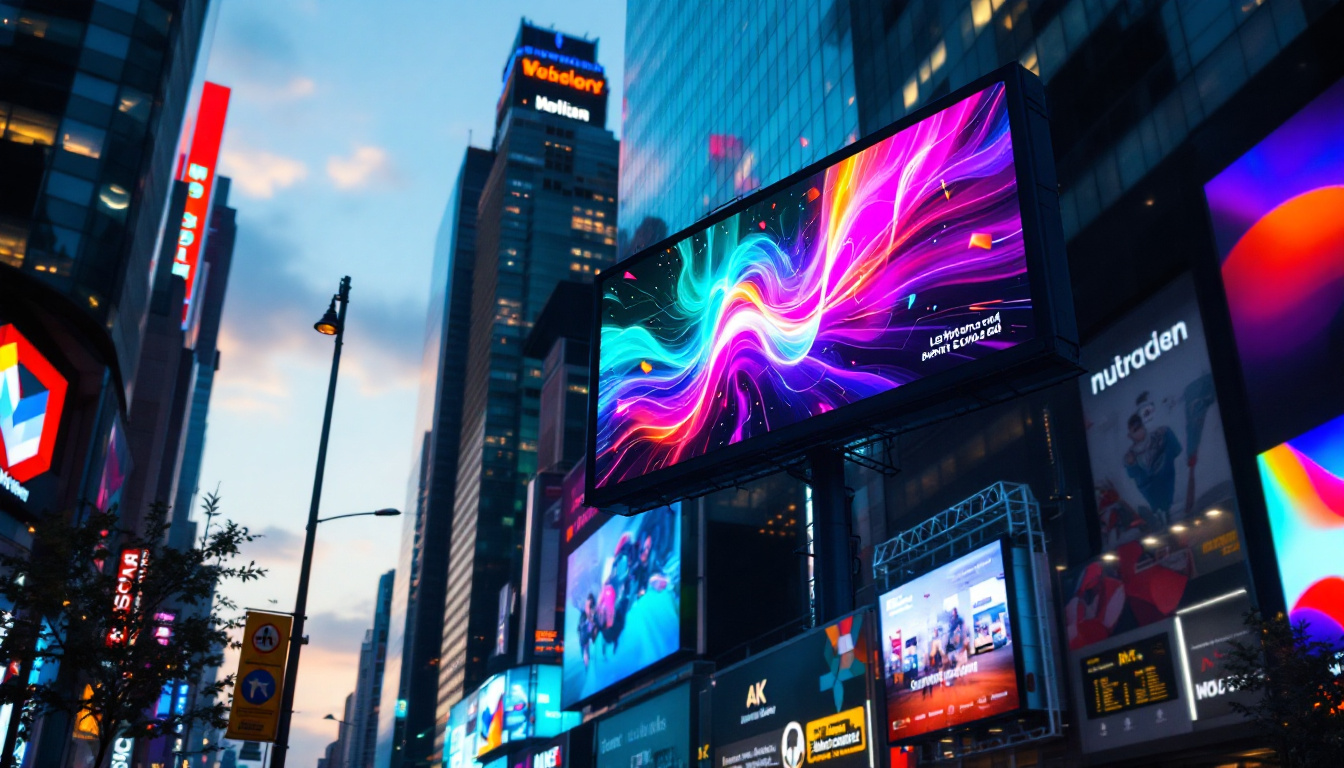
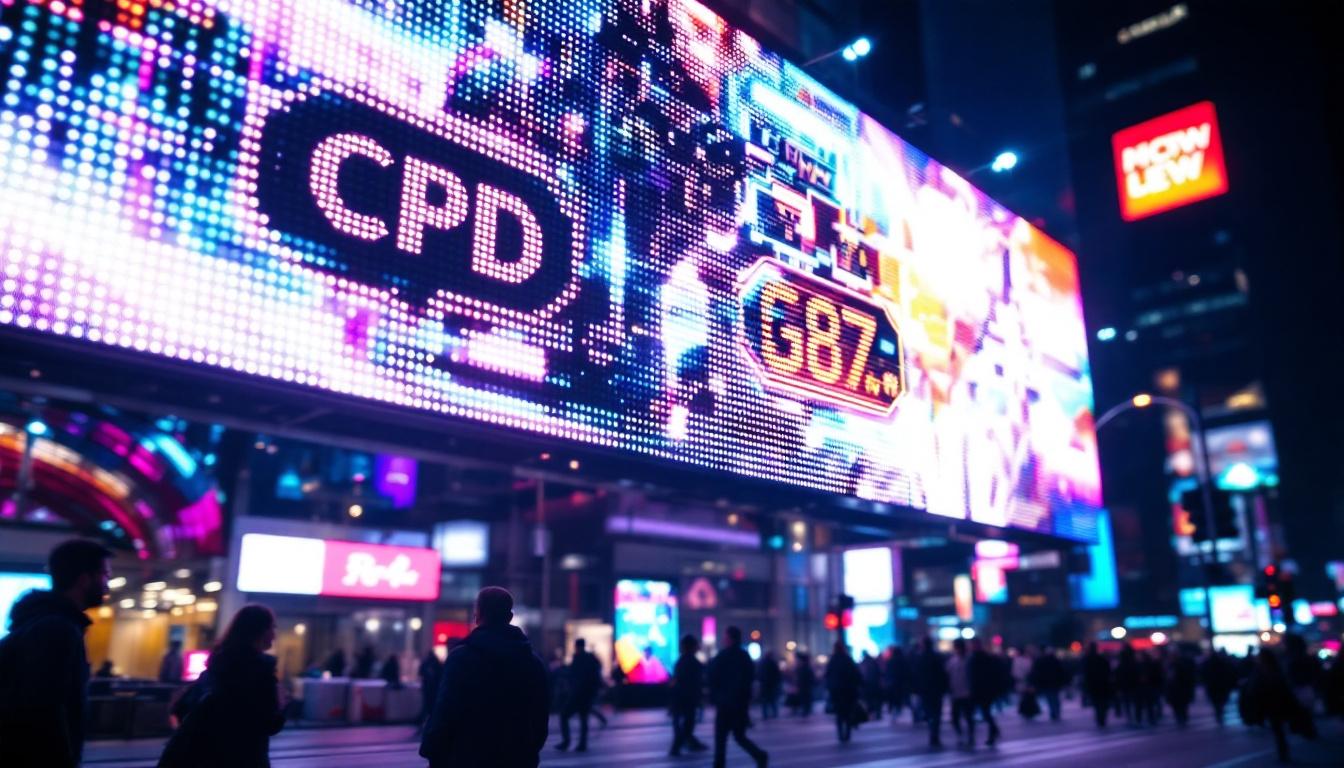
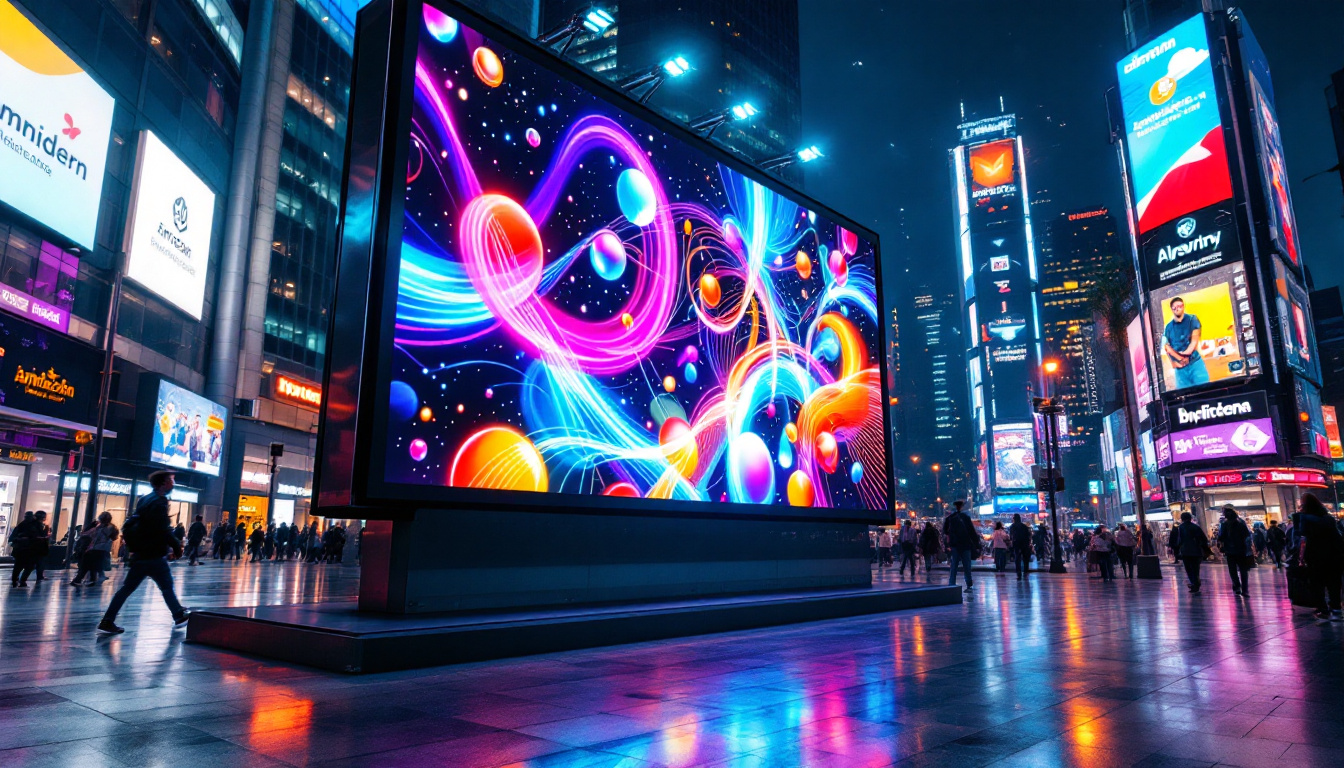
Major brands in cities like New York, London, and Tokyo use transparent LED displays for dynamic advertising on building facades. For example, a flagship store might display seasonal promotions or interactive content on its glass windows, engaging passersby while maintaining the architectural beauty of the building.
Corporate and Office Environments
In corporate settings, glass LED screens serve as innovative communication tools. They can be installed on glass partitions or conference room walls to display real-time data, presentations, or branding elements without sacrificing openness and natural light.
Companies benefit from the ability to transform transparent surfaces into digital canvases, fostering a high-tech atmosphere that impresses clients and enhances employee engagement.
Transportation Hubs and Public Spaces
Airports, train stations, and metro systems increasingly adopt glass LED screens for signage and information displays. Their transparency allows these screens to blend into glass architecture, minimizing visual clutter while providing essential information such as schedules, directions, and safety messages.
Additionally, the high brightness of these screens ensures visibility under various lighting conditions, including bright daylight.
Hospitality and Entertainment
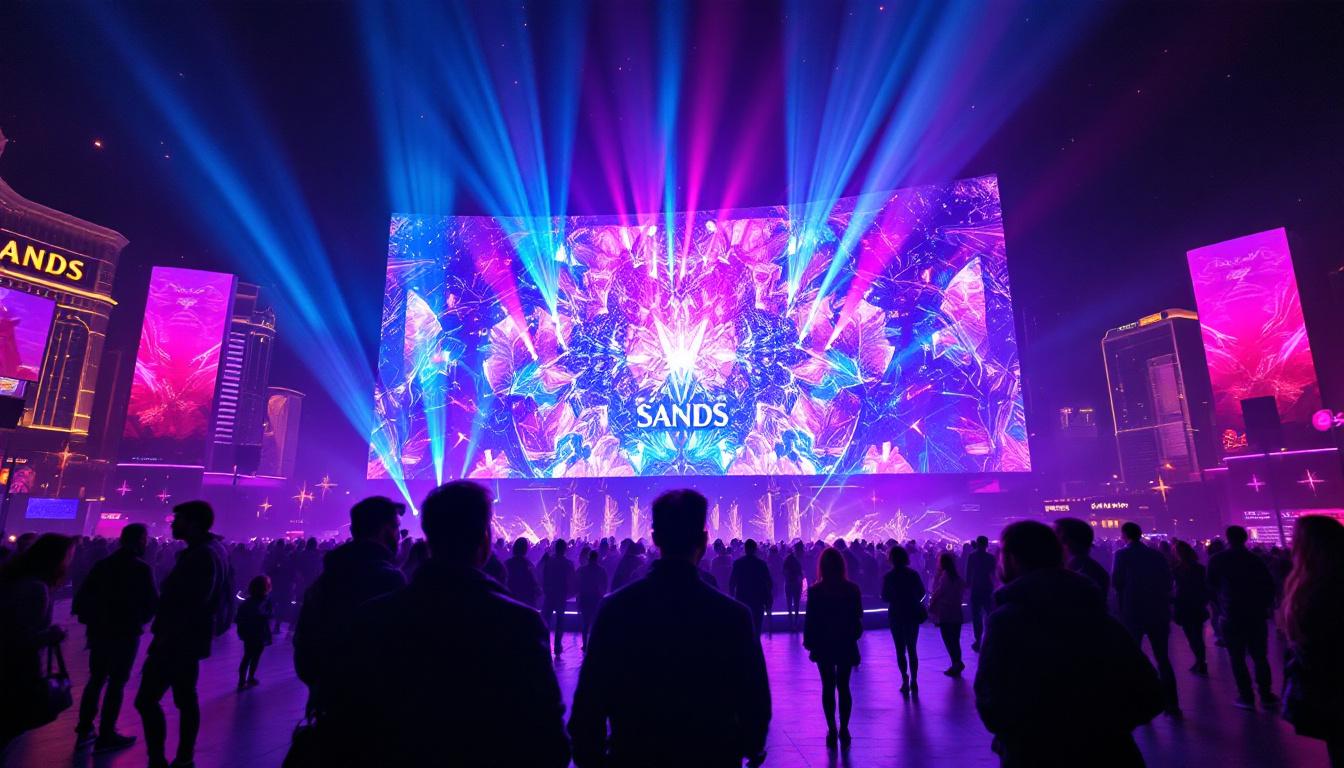
Hotels, restaurants, and entertainment venues use glass LED screens to create immersive environments. For example, a hotel lobby might feature a transparent LED wall displaying scenic visuals or event information, enhancing the guest experience.
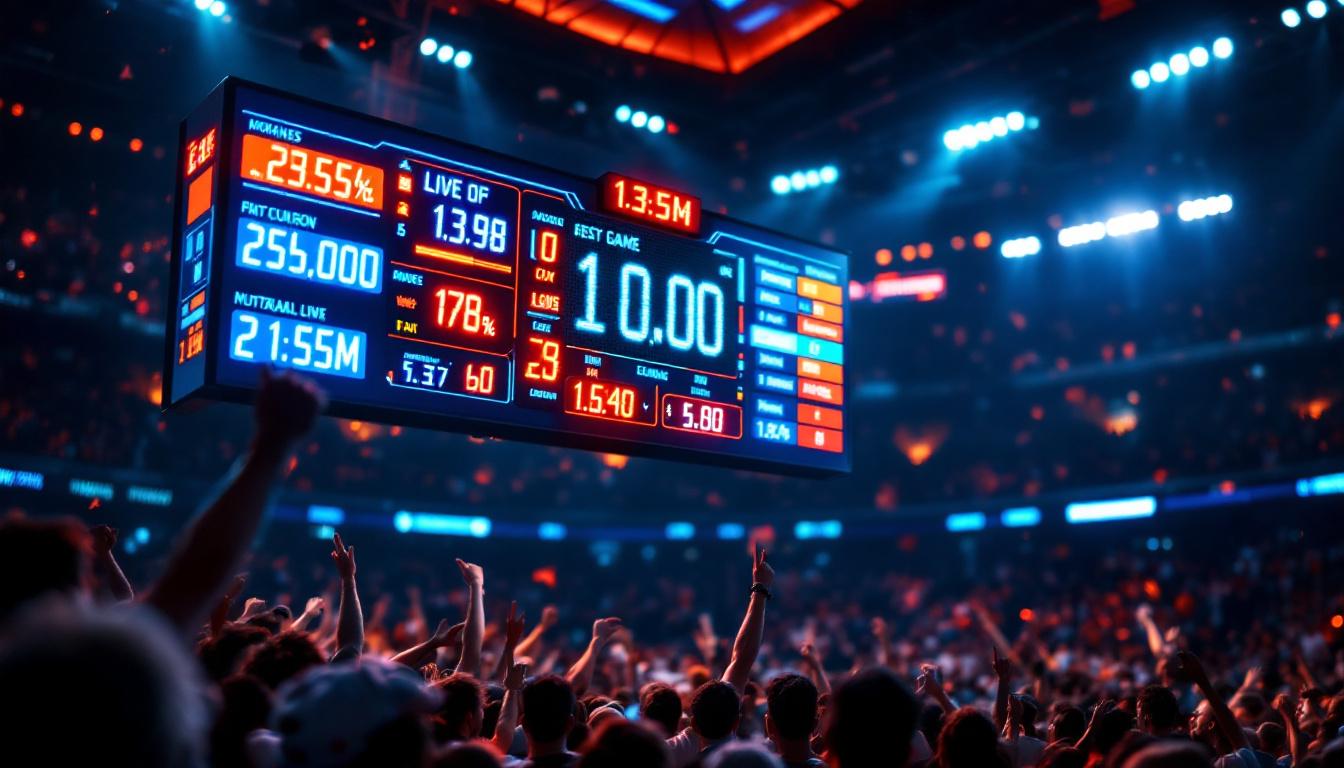
In theaters and concert halls, these displays can be integrated into stage design, offering dynamic backdrops that change with performances.
Advantages and Challenges of Glass LED Screens
While glass LED screens offer numerous benefits, it is important to consider both their advantages and potential challenges to make informed decisions about their use.
Advantages
- Enhanced Aesthetics: The transparency and sleek design allow displays to integrate seamlessly with modern architecture.
- Increased Engagement: Dynamic content attracts attention and can be updated frequently to maintain audience interest.
- Space Efficiency: Utilizing existing glass surfaces reduces the need for additional display structures.
- Energy Savings: Lower power consumption compared to traditional LED billboards contributes to sustainability goals.
- Versatility: Suitable for both indoor and outdoor use, with customizable sizes and resolutions.
Challenges
- Cost: Glass LED screens tend to be more expensive upfront than traditional LED displays due to advanced materials and manufacturing processes.
- Resolution Limitations: The spacing required for transparency can limit pixel density, affecting image sharpness for close-up viewing.
- Installation Complexity: Requires precise installation and integration with glass architecture, often involving specialized contractors.
- Maintenance: Although durable, repairs can be more complicated and costly because of the integrated glass and LED modules.
Future Trends in Glass LED Technology
The glass LED screen market is evolving rapidly, driven by innovations in materials science, LED technology, and digital content management. Several trends are shaping the future of this technology.
Improved Transparency and Resolution
Researchers and manufacturers are developing LEDs with smaller sizes and more efficient light emission, enabling higher pixel densities without sacrificing transparency. This advancement will allow glass LED screens to display sharper images suitable for a wider range of applications, including retail displays viewed at close range.
Flexible and Curved Glass LED Displays
Emerging flexible glass and LED technologies are enabling curved and bendable transparent displays. This flexibility opens new possibilities for creative architectural integration, such as wrapping displays around columns or curved glass facades.
Integration with Smart Building Systems
Glass LED screens are increasingly being integrated with smart building technologies, allowing automated content changes based on environmental factors like time of day, weather, or occupancy. This integration enhances energy efficiency and user experience.
Augmented Reality (AR) and Interactive Features
Future transparent LED displays may incorporate AR capabilities and touch interactivity, transforming glass surfaces into interactive digital interfaces. This development could revolutionize retail, corporate, and public space interactions.
Conclusion
Glass LED screens represent a significant leap forward in display technology, combining transparency with vibrant digital content to create visually stunning and functional installations. Their unique ability to integrate seamlessly with glass architecture makes them an attractive option for retailers, corporations, public spaces, and entertainment venues.
While challenges such as cost and resolution remain, ongoing technological advancements promise to expand their capabilities and accessibility. As the demand for innovative, engaging, and energy-efficient display solutions grows, glass LED screens are poised to become a staple in modern architectural and advertising design.
For businesses and designers looking to make a bold visual statement without compromising natural light or architectural aesthetics, glass LED screens offer a compelling solution that merges technology with artistry.
Discover the Future of LED Displays with LumenMatrix
Ready to elevate your space with the cutting-edge technology of glass LED screens? LumenMatrix is at the forefront of LED display innovation, offering a wide array of solutions that bring your visual communications to life. From captivating Indoor and Outdoor LED Wall Displays to dynamic Vehicle and Sports LED Displays, our products are designed to make a lasting impression. Experience the transformative power of LED Transparent Displays and more. Check out LumenMatrix LED Display Solutions today and join the revolution in digital signage and visual storytelling.