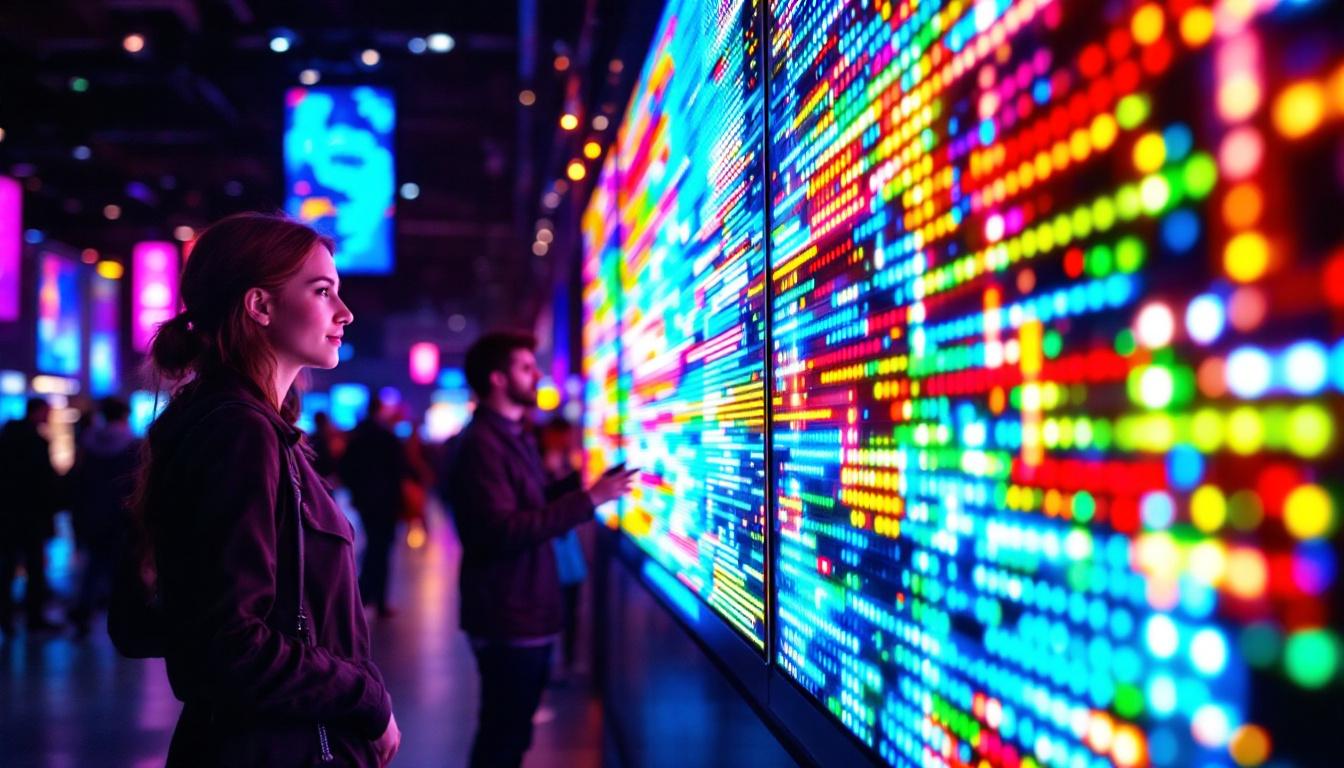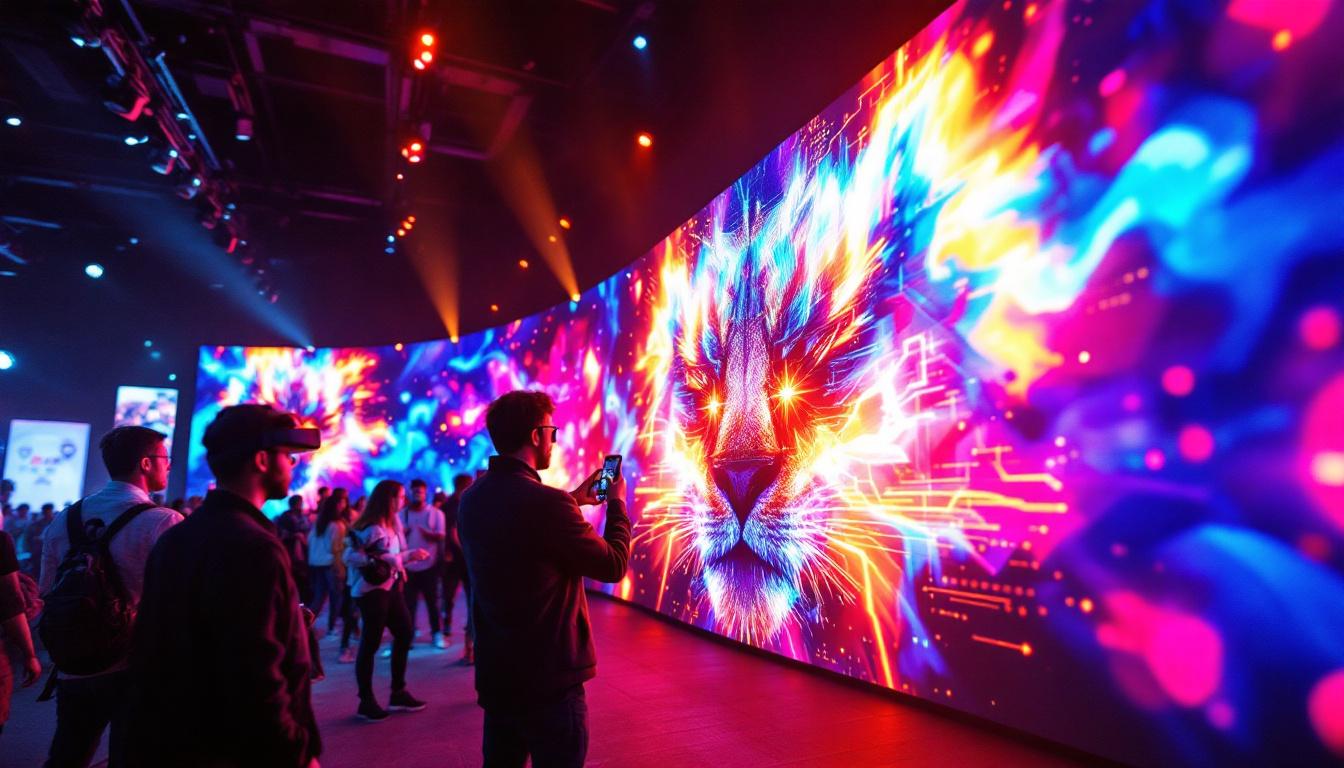
Extended Reality (XR) production has rapidly transformed the landscape of media, entertainment, and live events by integrating real and virtual environments seamlessly. At the heart of this revolution lies the LED display technology, which serves as a critical component in creating immersive, interactive, and visually stunning experiences. This article delves into the intricacies of LED displays within XR production, exploring their technology, applications, benefits, and future trends.
Understanding LED Display Technology in XR Production
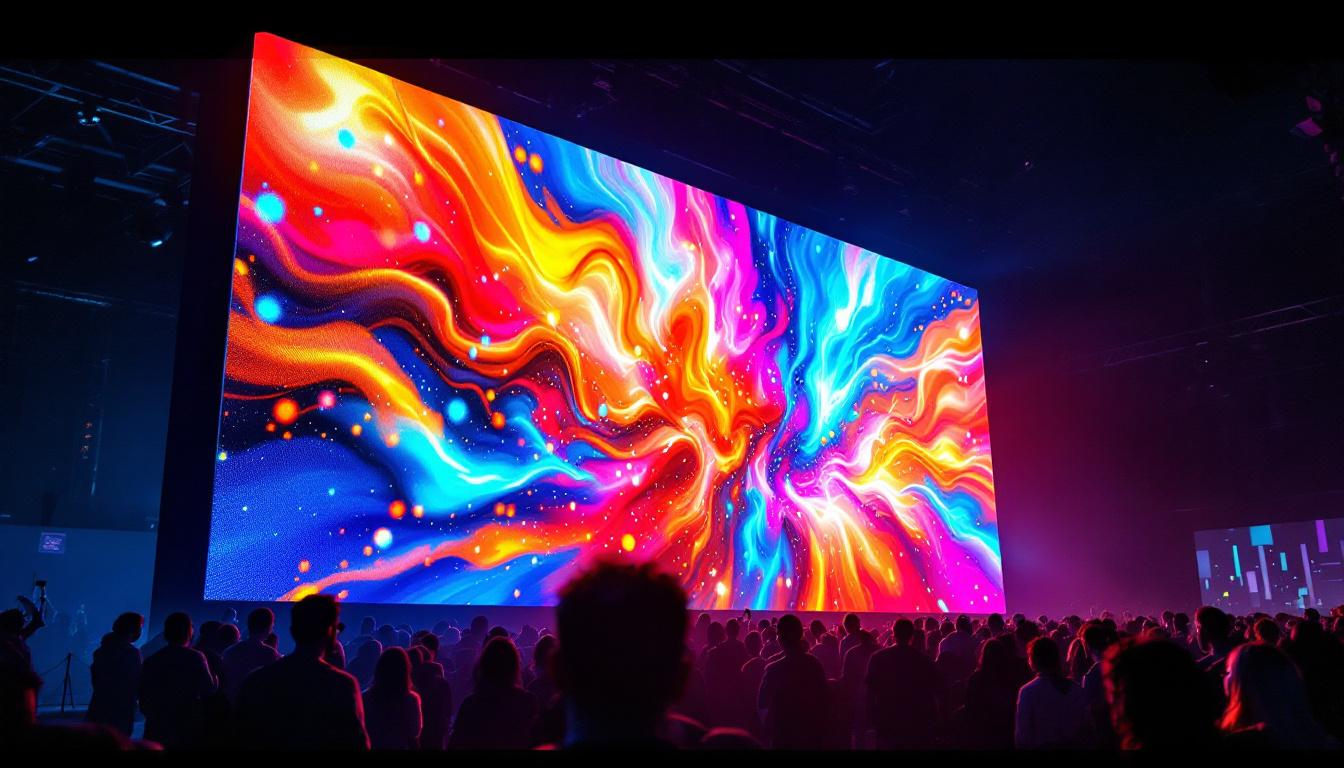
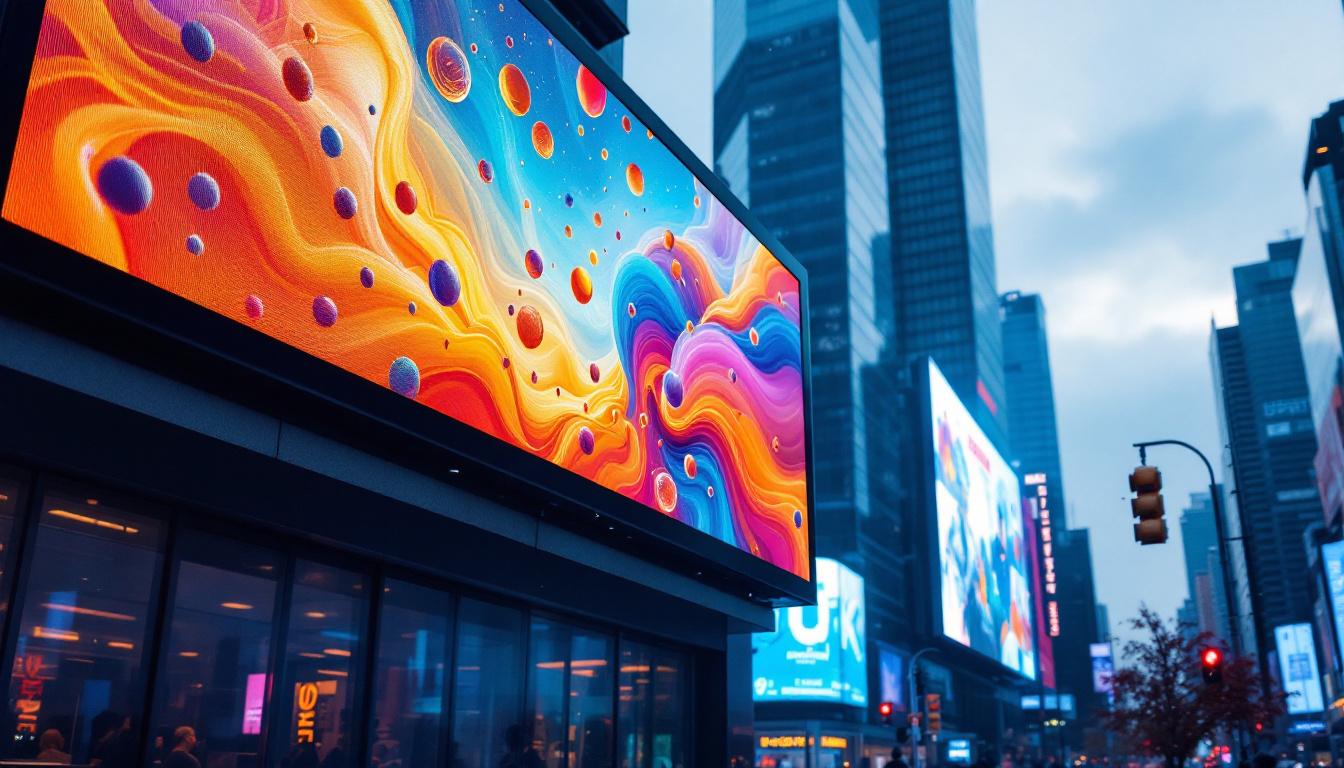
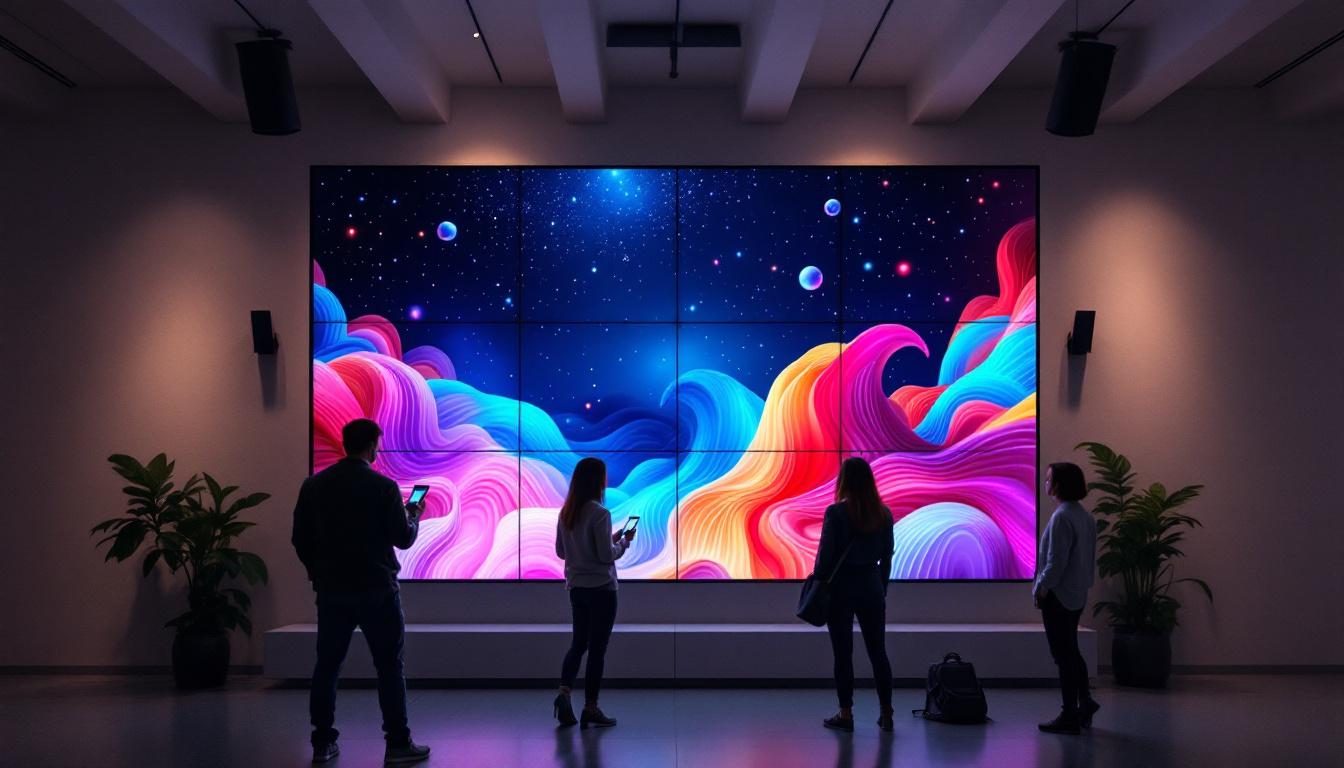
LED displays are composed of light-emitting diodes arranged in a matrix to form images, videos, or dynamic backgrounds. Unlike traditional projection systems, LED displays emit their own light, offering superior brightness, contrast, and color accuracy. In XR production, these displays are often used as virtual backdrops or interactive environments that respond in real-time to camera movements and user interactions. This capability not only enhances the visual experience but also allows for a more immersive storytelling approach, where the environment can change dynamically based on the narrative flow.
How LED Displays Work
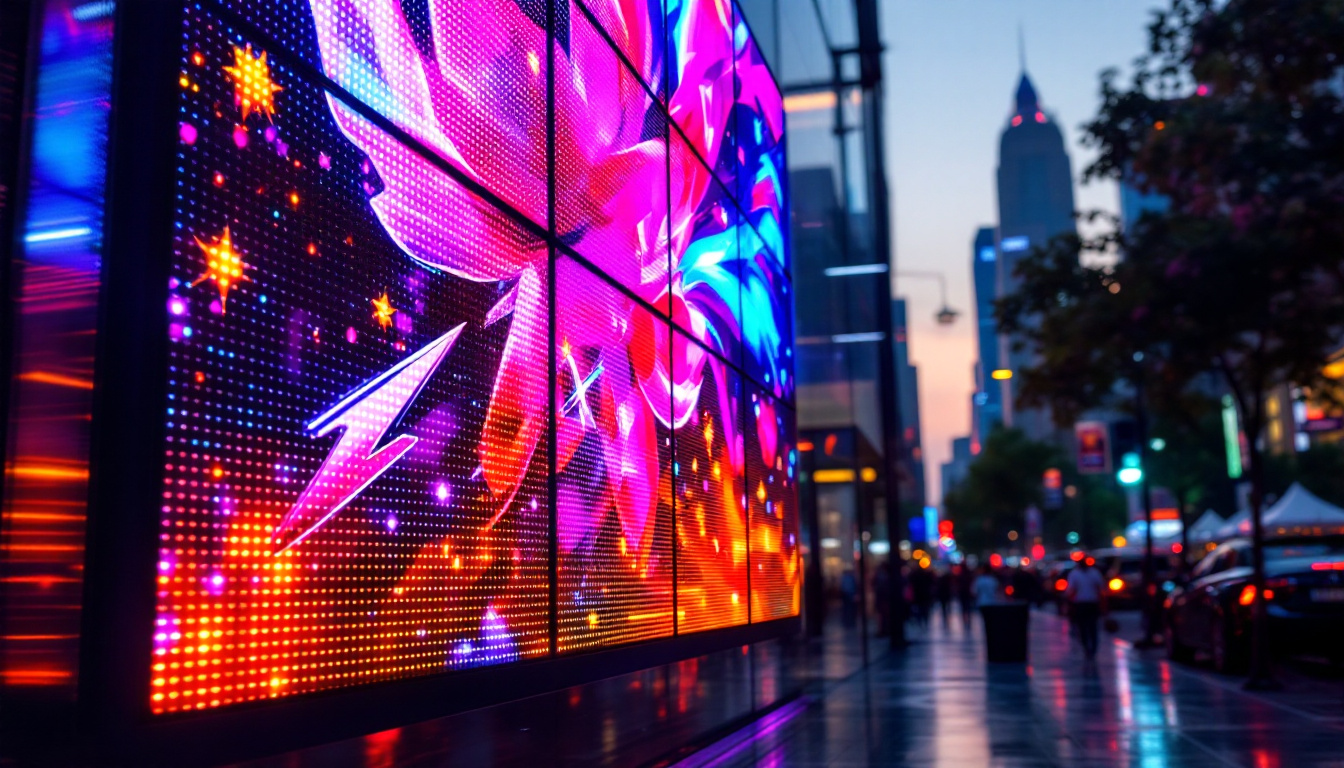
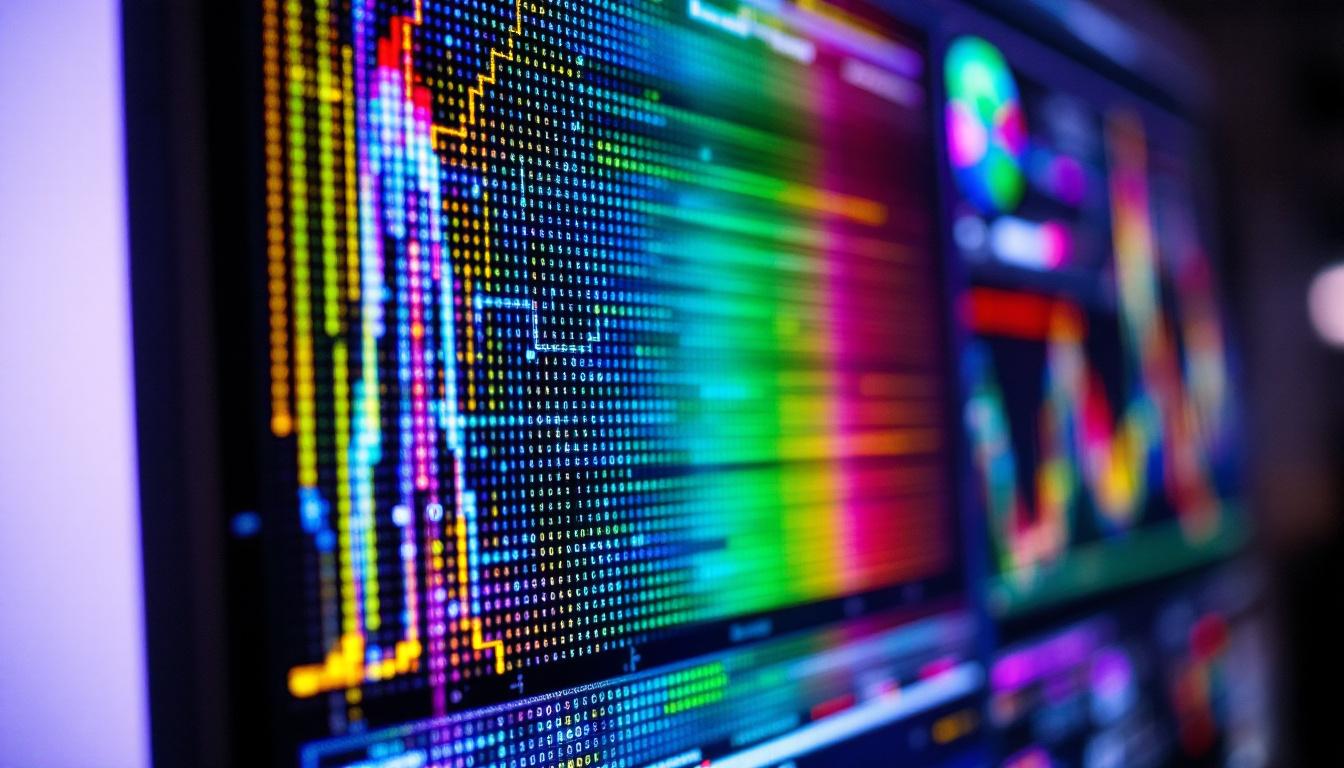
Each LED pixel consists of red, green, and blue diodes, which combine to produce a wide color gamut. The intensity of each diode is controlled to create the desired color and brightness. Modern LED panels are modular, allowing for flexible configurations in size and shape, which is essential for XR stages that demand custom setups. The modularity of these panels also facilitates quick assembly and disassembly, making them ideal for productions that require frequent changes in set design or location.
The refresh rate and resolution of LED displays are crucial for XR applications. High refresh rates minimize motion blur and flicker, ensuring smooth visuals that align perfectly with live camera feeds. Meanwhile, high resolution supports detailed imagery, which enhances the realism of virtual environments. The technology behind LED displays continues to evolve, with advancements such as HDR (High Dynamic Range) capabilities that allow for greater contrast ratios and more vibrant colors, pushing the boundaries of what can be achieved in XR production.
Types of LED Displays Used in XR
In XR production, two main types of LED displays are prevalent: indoor and outdoor panels. Indoor LED panels typically have smaller pixel pitches (the distance between pixels), often ranging from 0.9mm to 2.5mm, providing crisp images at close viewing distances. Outdoor panels have larger pixel pitches, designed for visibility over greater distances and under varying lighting conditions. These outdoor panels are often built to withstand the elements, featuring weatherproof designs that ensure durability and consistent performance in different environments.
For XR studios, fine-pitch LED walls are preferred due to their ability to deliver high-definition visuals that integrate seamlessly with real-world elements. Additionally, flexible and curved LED panels are gaining popularity, allowing for more creative and immersive stage designs. These flexible panels can be shaped to fit unique architectural features or to create stunning visual effects that enhance the overall production value. Furthermore, the integration of LED displays with advanced tracking systems enables real-time adjustments to the virtual backgrounds, creating a cohesive and believable interaction between the physical and digital worlds.
The Role of LED Displays in XR Production Workflows
LED displays have become indispensable in XR production workflows, enabling real-time rendering of virtual environments that interact dynamically with physical elements. This section examines how LED technology integrates into the XR pipeline and its impact on production efficiency and creativity.
Real-Time Rendering and Camera Tracking
One of the defining features of XR production is the ability to render virtual backgrounds in real-time, synchronized with camera movements. LED walls serve as live displays for these environments, creating a parallax effect that enhances depth perception. Advanced camera tracking systems feed positional data to rendering engines, which adjust the visuals on the LED display accordingly.
This integration minimizes the need for green screens and post-production compositing, significantly reducing turnaround times and enabling directors to see final shots live on set. The immediacy of feedback fosters creative experimentation and precise adjustments during filming.
Lighting and Color Matching
LED displays also contribute to natural lighting on set. Unlike traditional backdrops or green screens, LED walls emit light that matches the virtual environment’s color and intensity. This dynamic lighting helps actors and physical objects blend seamlessly with digital elements, enhancing realism.
Color calibration between LED displays and camera sensors is critical. Production teams use sophisticated color management tools to ensure that what appears on the LED wall matches the captured footage, avoiding discrepancies that can break immersion.
Applications of LED Displays in XR Production
The versatility of LED displays has opened new possibilities across various industries, from film and television to live events and corporate presentations. Understanding these applications highlights why LED technology is central to XR’s growing influence.
Film and Television Production
LED volumes—large LED walls arranged in a partial or full enclosure—have revolutionized film and television production. Productions such as “The Mandalorian” have popularized this approach, using LED volumes to create expansive, photorealistic environments without location shoots.
This technique offers numerous advantages, including controlled lighting conditions, reduced travel costs, and enhanced actor immersion. It also allows for complex visual effects to be captured in-camera, streamlining post-production workflows and improving visual fidelity.
Live Events and Concerts
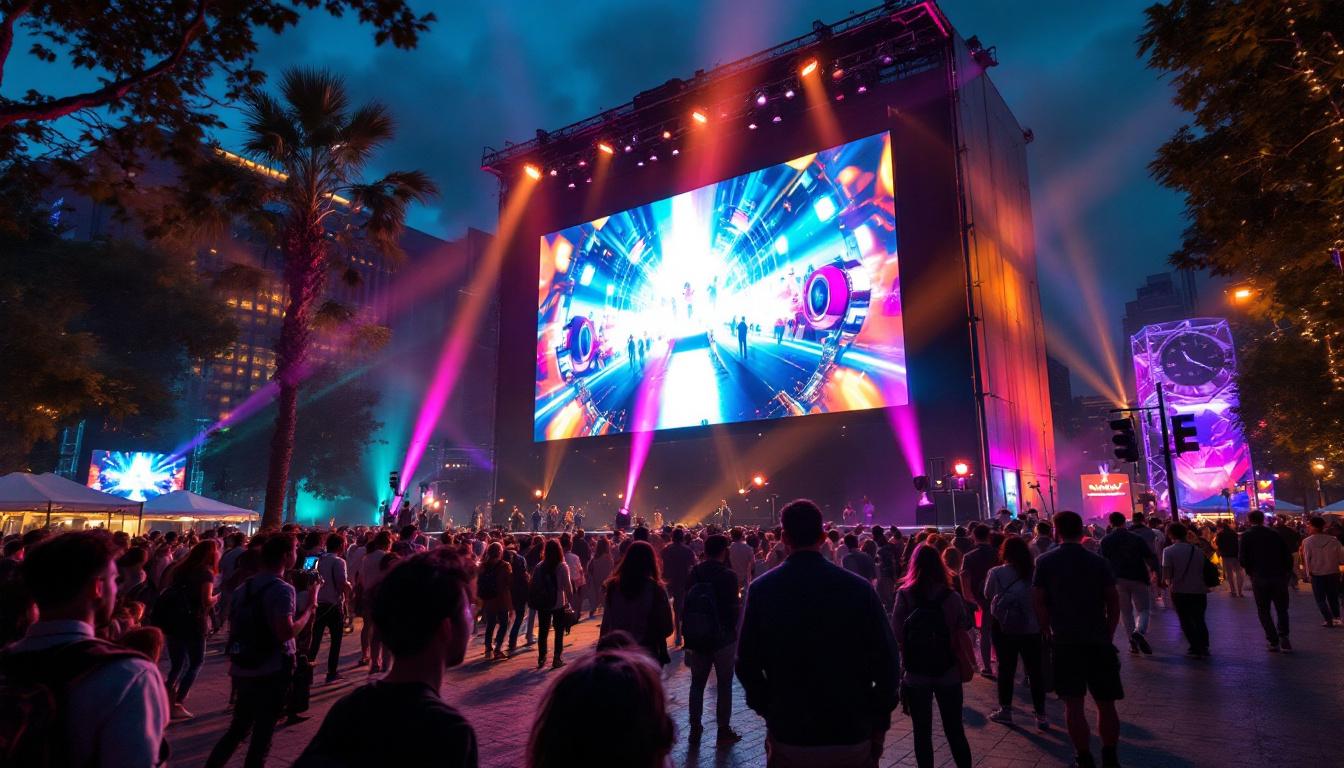
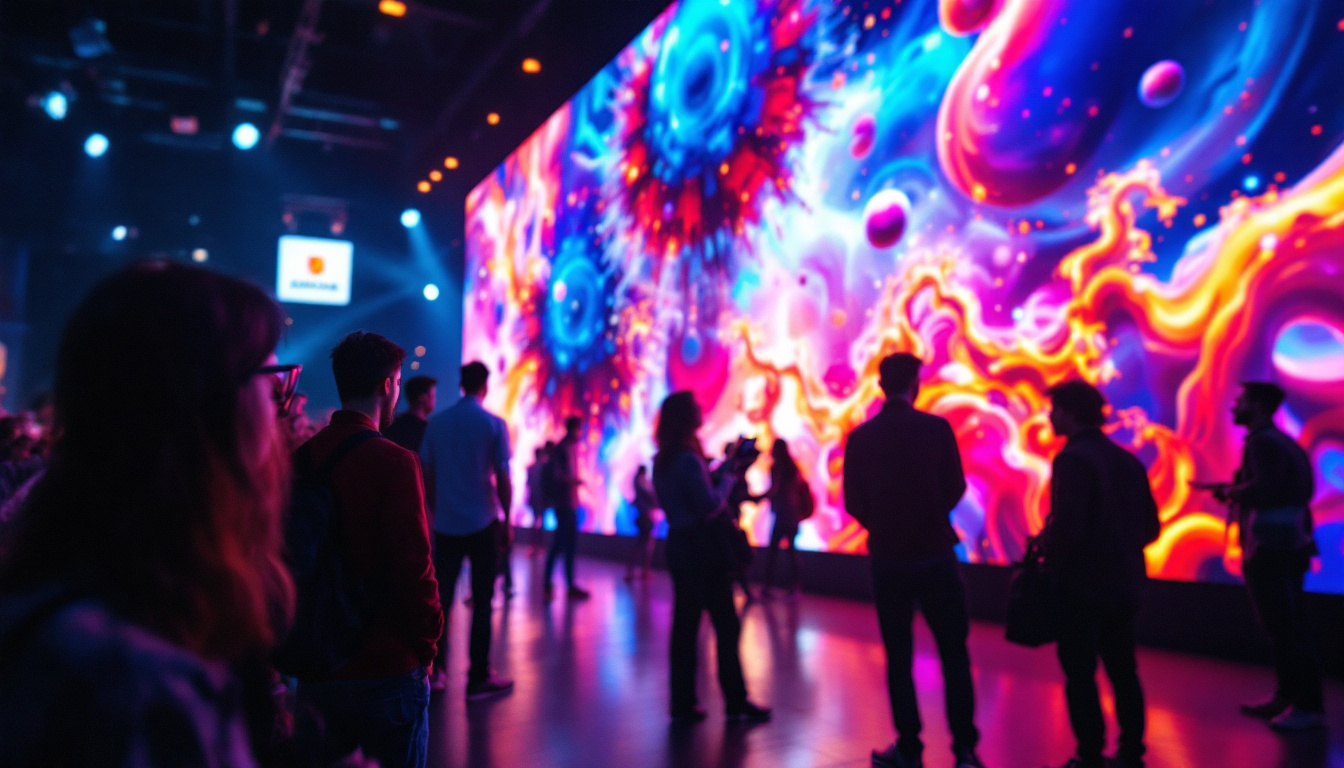
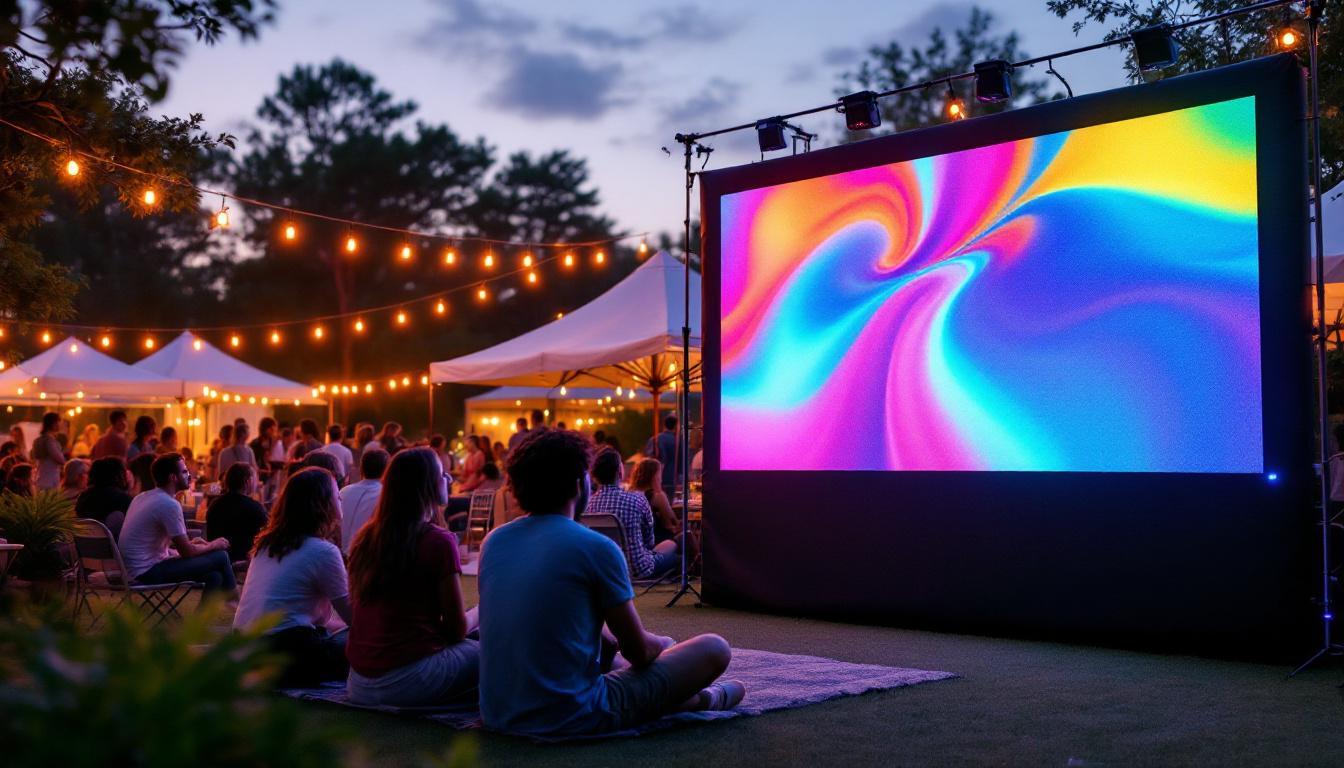
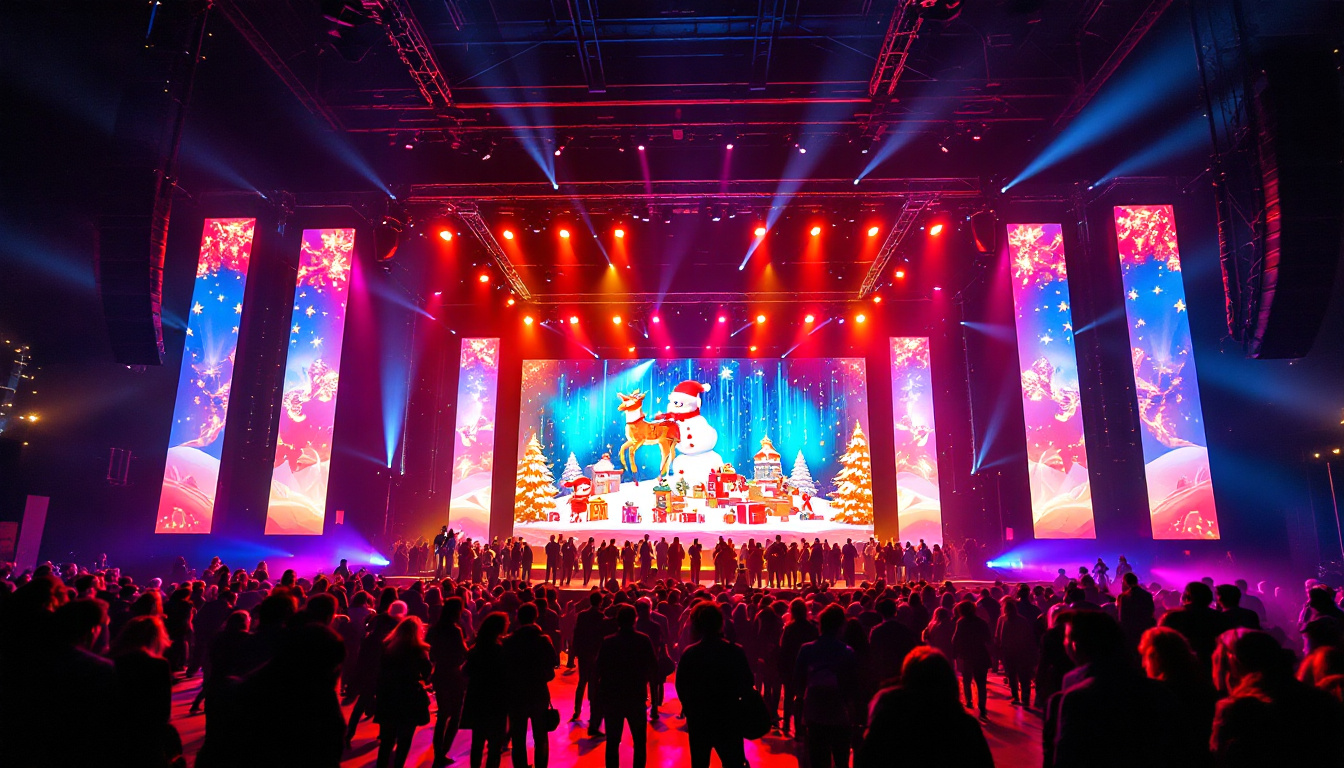
In live events, LED displays are used to create immersive stage designs that react to performers and audience interactions. XR production integrates these displays with augmented reality elements, enabling dynamic storytelling and interactive experiences.
For example, LED walls can transform a concert stage into a virtual landscape that shifts in real-time, synchronized with music and lighting cues. This capability elevates audience engagement and creates memorable, one-of-a-kind performances.
Corporate and Educational Uses
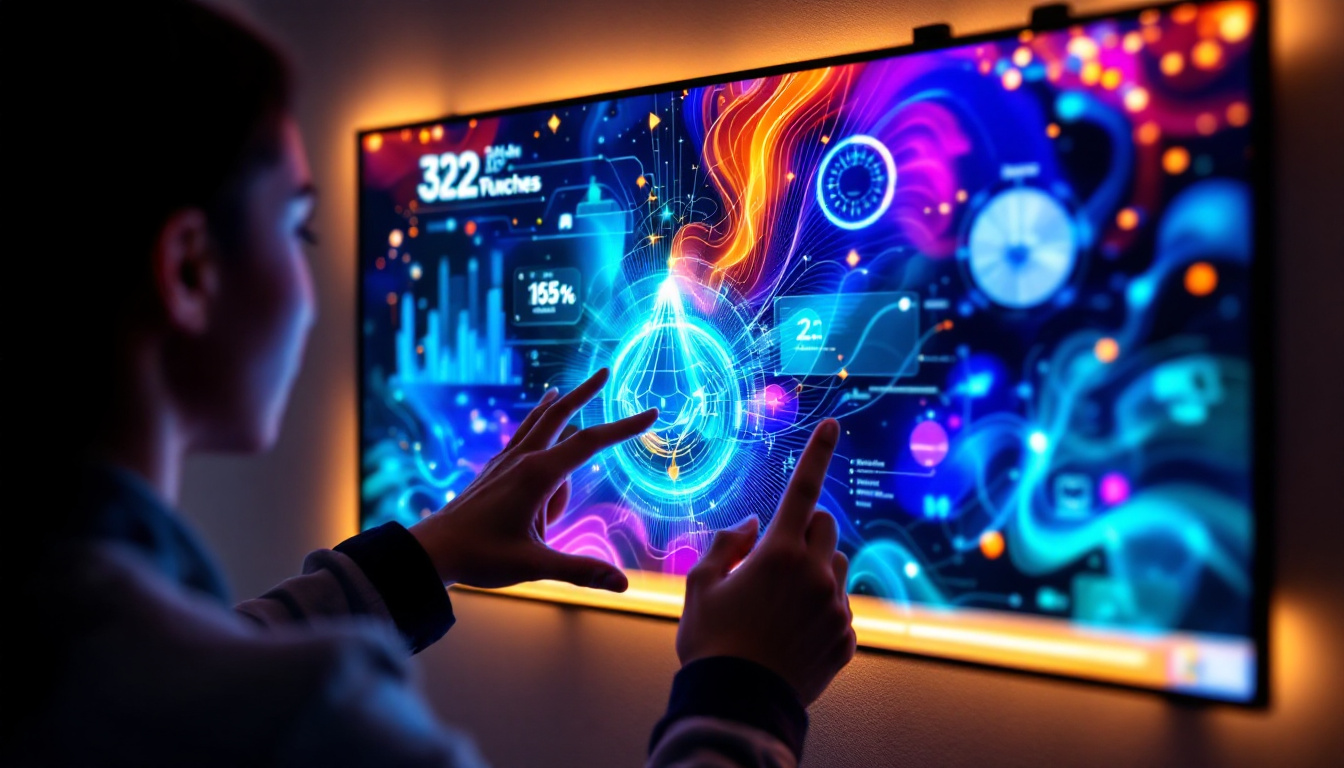
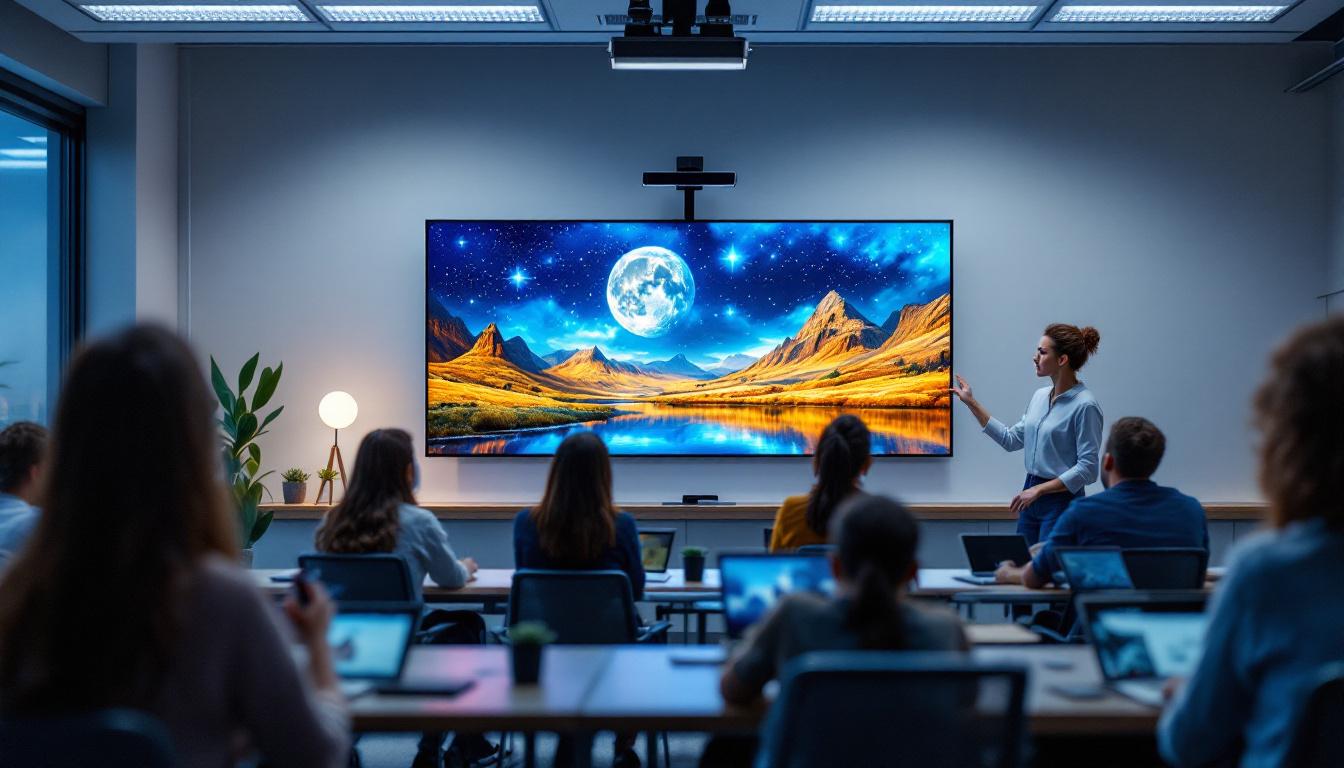
Corporations leverage XR production with LED displays for product launches, virtual conferences, and training sessions. The ability to present interactive 3D models and immersive environments enhances communication and learning outcomes.
Educational institutions are also adopting LED-based XR setups to simulate complex scenarios, such as medical procedures or historical reconstructions, providing hands-on learning experiences without physical constraints.
Benefits of Using LED Displays in XR Production
LED displays offer distinct advantages that make them the preferred choice for XR production environments. These benefits span technical, creative, and economic domains.
Enhanced Visual Quality and Realism
The self-illuminating nature of LEDs produces vibrant colors and deep blacks, contributing to high contrast ratios that are difficult to achieve with projection systems. This quality is crucial for XR, where visual believability directly impacts audience immersion.
Moreover, the ability to display HDR (High Dynamic Range) content on LED walls further enriches the visual experience, offering nuanced lighting and shadow details that heighten realism.
Improved Production Efficiency
By enabling real-time visualization of virtual environments, LED displays reduce reliance on green screens and extensive post-production compositing. This shift accelerates production timelines and lowers costs associated with location scouting, set construction, and VFX integration.
Additionally, the modularity and scalability of LED panels allow for rapid reconfiguration of sets, supporting diverse creative needs without extensive physical alterations.
Greater Creative Flexibility
LED displays empower directors, cinematographers, and designers to experiment with lighting, camera angles, and virtual environments on the fly. The immediate visual feedback fosters innovation and allows for adjustments that enhance storytelling.
Interactive LED setups can respond to performers’ movements or audience input, opening new avenues for immersive narratives and participatory experiences.
Challenges and Considerations in LED Display Integration
While LED displays offer numerous advantages, integrating them into XR production involves addressing technical and logistical challenges to maximize effectiveness.
Cost and Infrastructure Requirements
High-quality fine-pitch LED walls represent a significant investment, often running into hundreds of thousands of dollars for large volumes. Additionally, they require robust power and cooling systems, as well as specialized installation and maintenance expertise.
Production teams must weigh these costs against the benefits and consider rental options or partnerships to access LED technology without prohibitive upfront expenses.
Technical Complexity and Calibration
Achieving seamless integration between LED displays, camera tracking, and rendering engines demands precise calibration and synchronization. Color matching, latency reduction, and geometric alignment are critical factors that require skilled technicians and advanced software tools.
Ongoing maintenance and troubleshooting are necessary to ensure consistent performance, especially during live events or extended shoots.
Pixel Pitch and Viewing Distance Limitations
The pixel pitch of LED panels determines the optimal viewing distance and image clarity. For XR productions that involve close-up shots, ultra-fine pixel pitches are essential but come at a higher cost and complexity.
Conversely, larger pixel pitches may suffice for background elements but risk visible pixelation if viewed too closely, potentially breaking immersion.
Future Trends in LED Display Technology for XR Production
The evolution of LED displays continues to shape the future of XR production, driven by advancements in materials, manufacturing, and integration techniques.
MicroLED and MiniLED Innovations
Emerging microLED and miniLED technologies promise even higher pixel densities, improved energy efficiency, and longer lifespans. These developments will enable more compact and versatile LED displays suitable for XR environments requiring ultra-high resolution and brightness.
MicroLEDs, in particular, offer the potential for flexible and transparent displays, expanding creative possibilities for immersive set designs.
AI-Driven Calibration and Content Adaptation
Artificial intelligence is increasingly being applied to automate color calibration, brightness adjustments, and content optimization on LED displays. AI-driven systems can analyze environmental conditions and viewer perspectives in real-time, dynamically adapting visuals to maintain optimal quality and immersion.
This automation reduces the technical burden on production crews and enhances the consistency of XR experiences.
Integration with 5G and Cloud Technologies
The convergence of LED displays with 5G connectivity and cloud computing facilitates remote rendering and content management. XR productions can leverage cloud-based rendering farms to deliver complex virtual environments to LED walls with minimal latency.
This capability supports distributed production workflows, remote collaboration, and scalable content delivery, expanding access to high-end XR experiences.
Conclusion
LED display technology is a cornerstone of XR production, enabling the creation of immersive, dynamic, and visually compelling environments that blend the physical and virtual worlds. Its advantages in visual quality, production efficiency, and creative flexibility have made it indispensable across film, live events, corporate, and educational sectors.
While challenges related to cost, technical complexity, and pixel pitch remain, ongoing innovations in LED technology and integration methods continue to push the boundaries of what XR production can achieve. As the industry evolves, LED displays will undoubtedly play a pivotal role in shaping the future of immersive media experiences.
Discover LumenMatrix’s LED Display Innovations
Ready to elevate your XR production with the latest in LED display technology? Look no further than LumenMatrix, a leader in crafting immersive LED solutions that bring your creative visions to life. From the vivid clarity of Indoor LED Wall Displays to the robust versatility of Outdoor LED Wall Displays, and from the mobility of Vehicle LED Displays to the innovation of Custom and All-in-One LED Display solutions, LumenMatrix is at the forefront of revolutionizing visual storytelling. Experience the transformative power of our LED Transparent Displays and more. Check out LumenMatrix LED Display Solutions today and redefine the way you communicate visually.