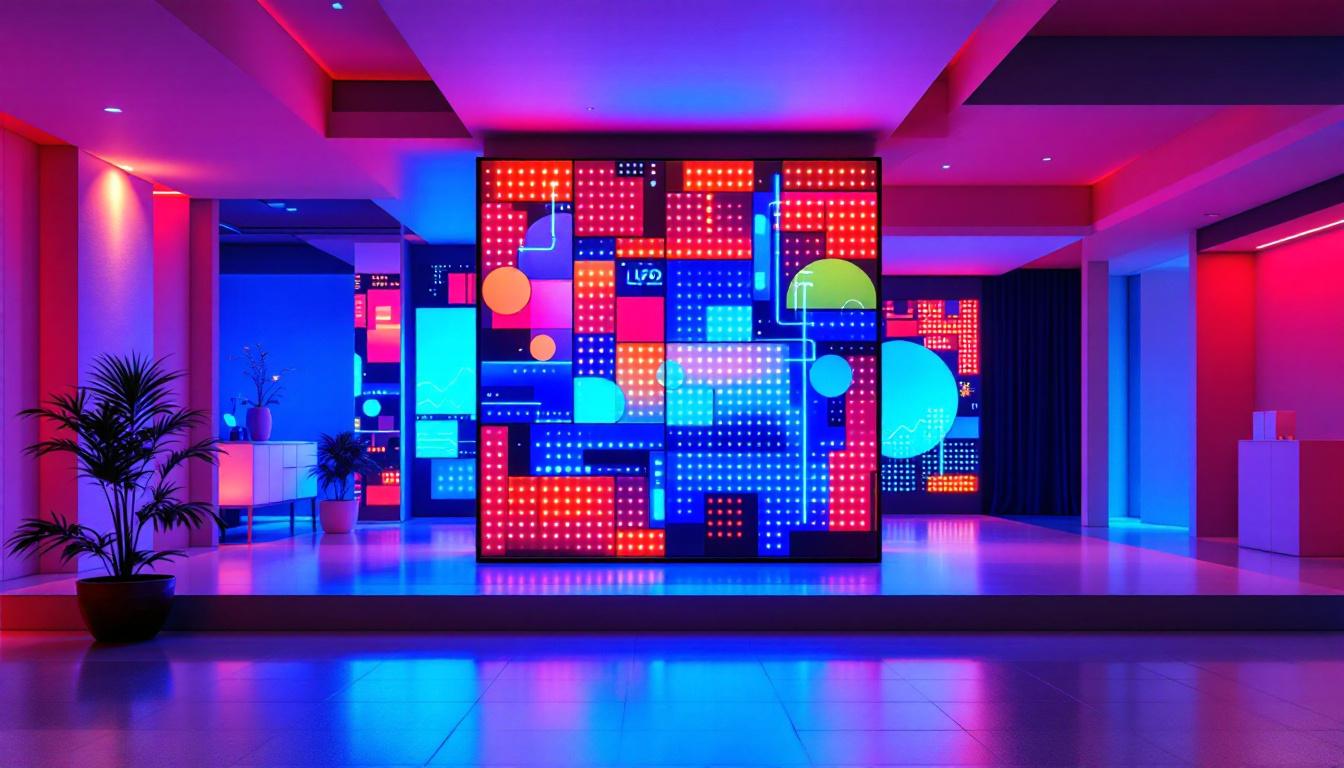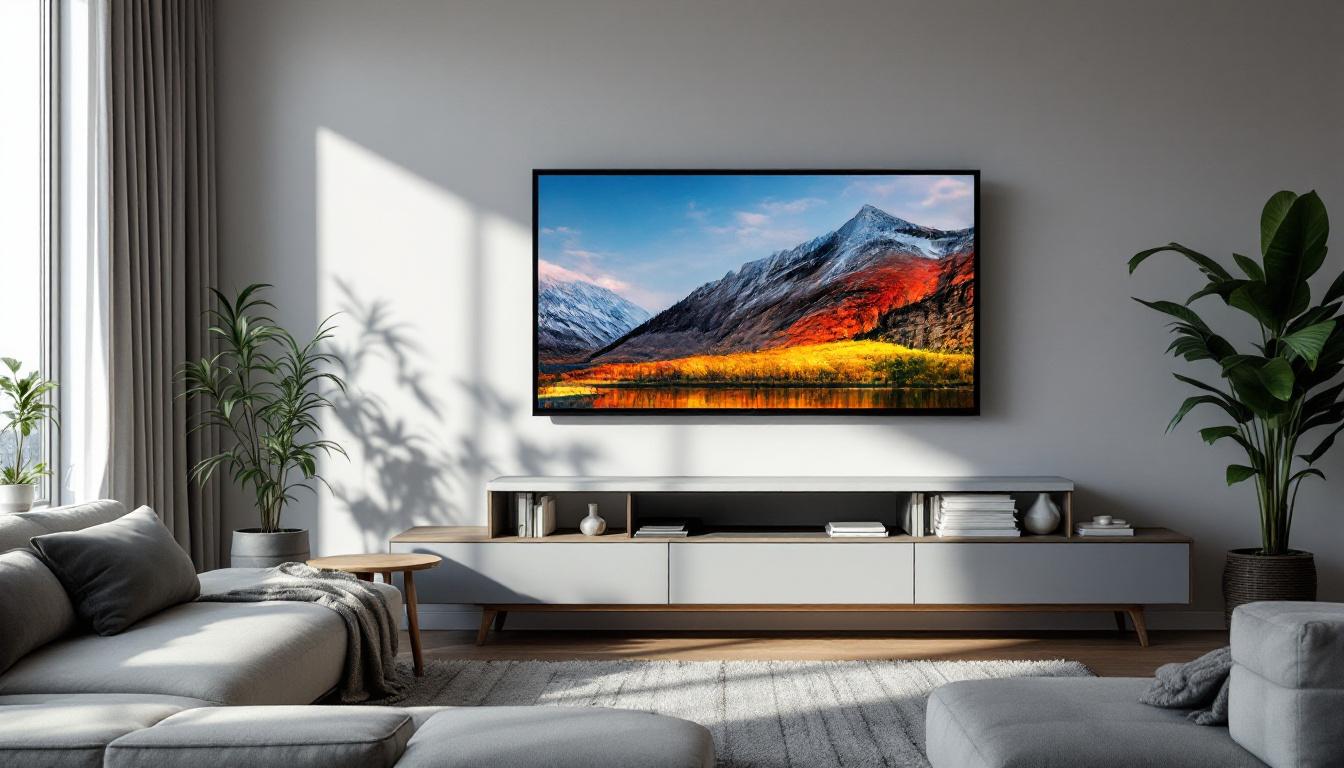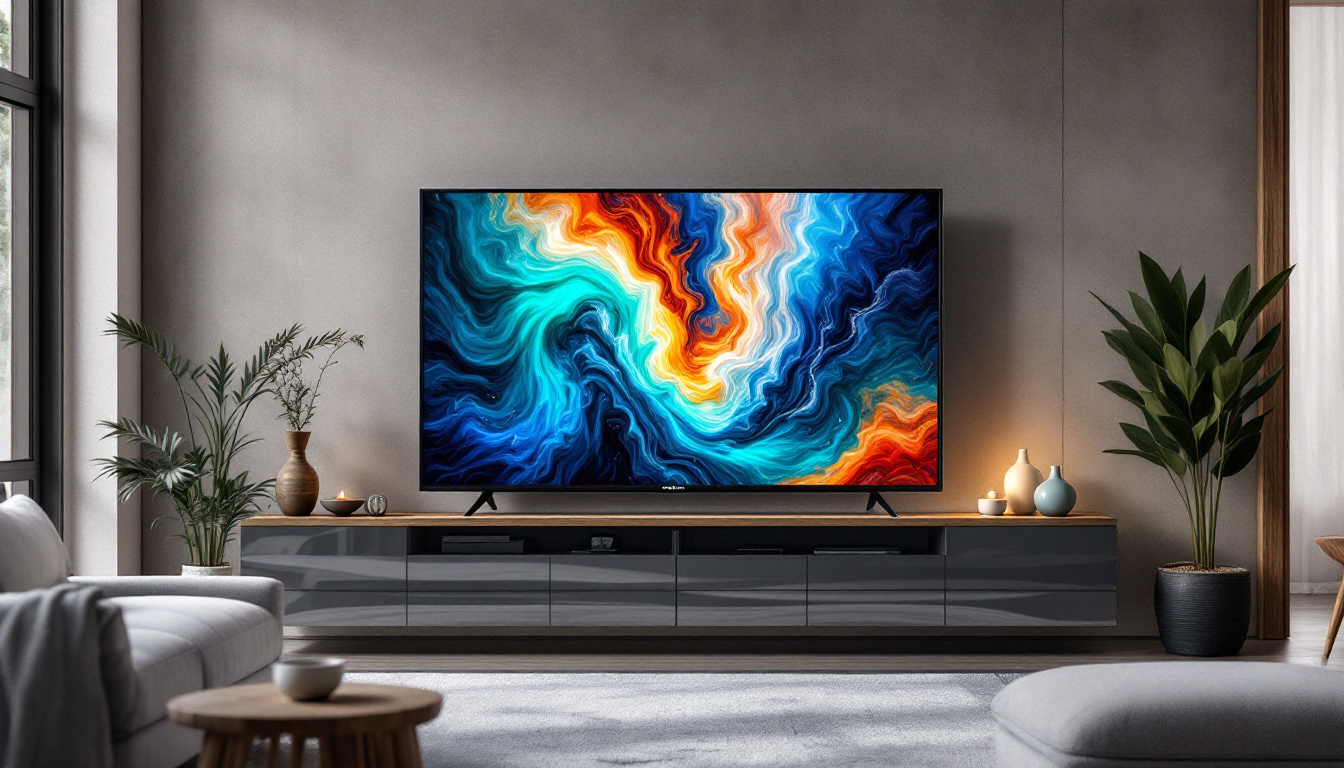
In the rapidly evolving world of digital displays, the term “black video screen” often surfaces in discussions about LED technology. But what exactly does it mean, and why is it significant in the context of LED displays? This article delves deep into the concept of black video screens, exploring the technology behind LED displays, their applications, and the nuances that make them indispensable in modern visual communication.
Understanding LED Displays: The Basics
LED, or Light Emitting Diode, displays have revolutionized the way images and videos are presented in public and private spaces. Unlike traditional LCD screens that rely on backlighting, LED displays generate their own light, allowing for brighter images, richer colors, and higher contrast ratios.
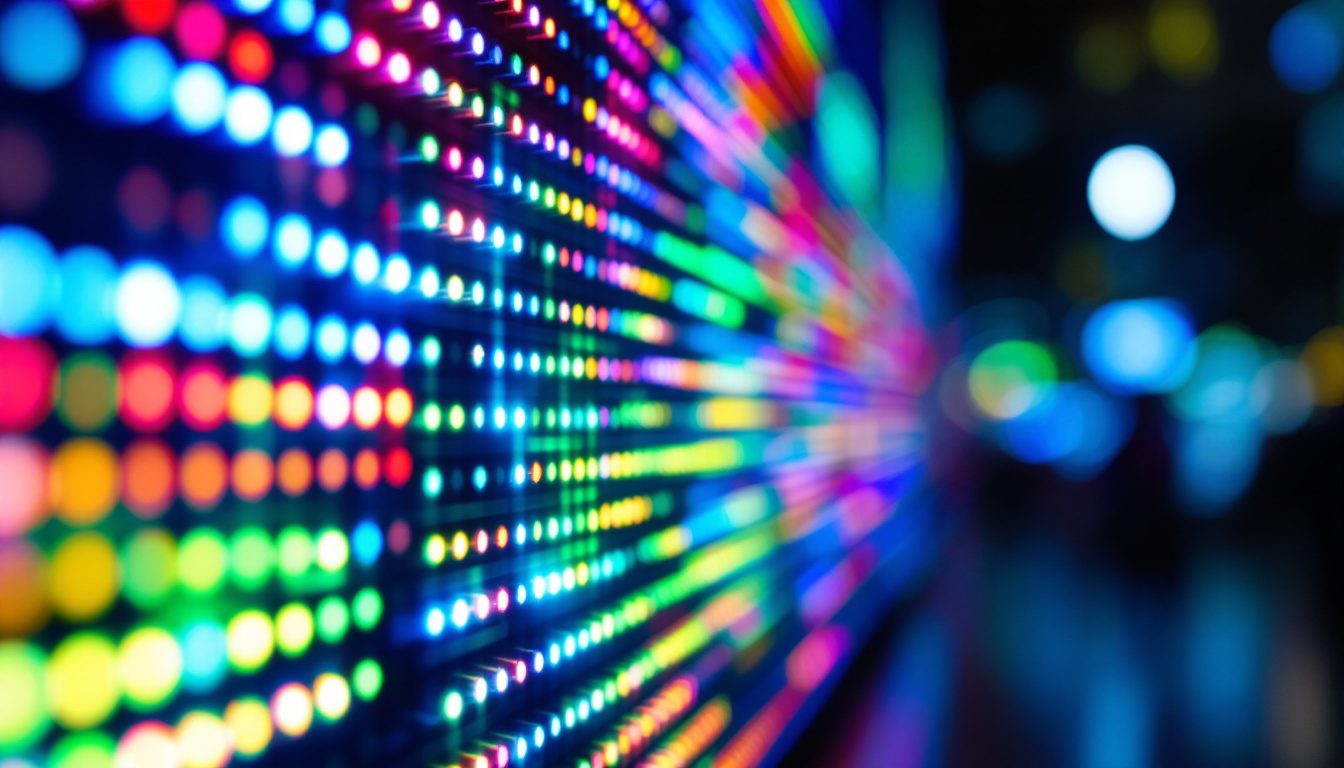
At their core, LED displays consist of tiny diodes that emit light when an electric current passes through them. These diodes are arranged in a grid, and by controlling the intensity of each diode, the display can produce a wide spectrum of colors and shades. This self-emissive property is what enables LED screens to achieve deep blacks and vibrant visuals.
The Role of Black Video Screens in LED Technology
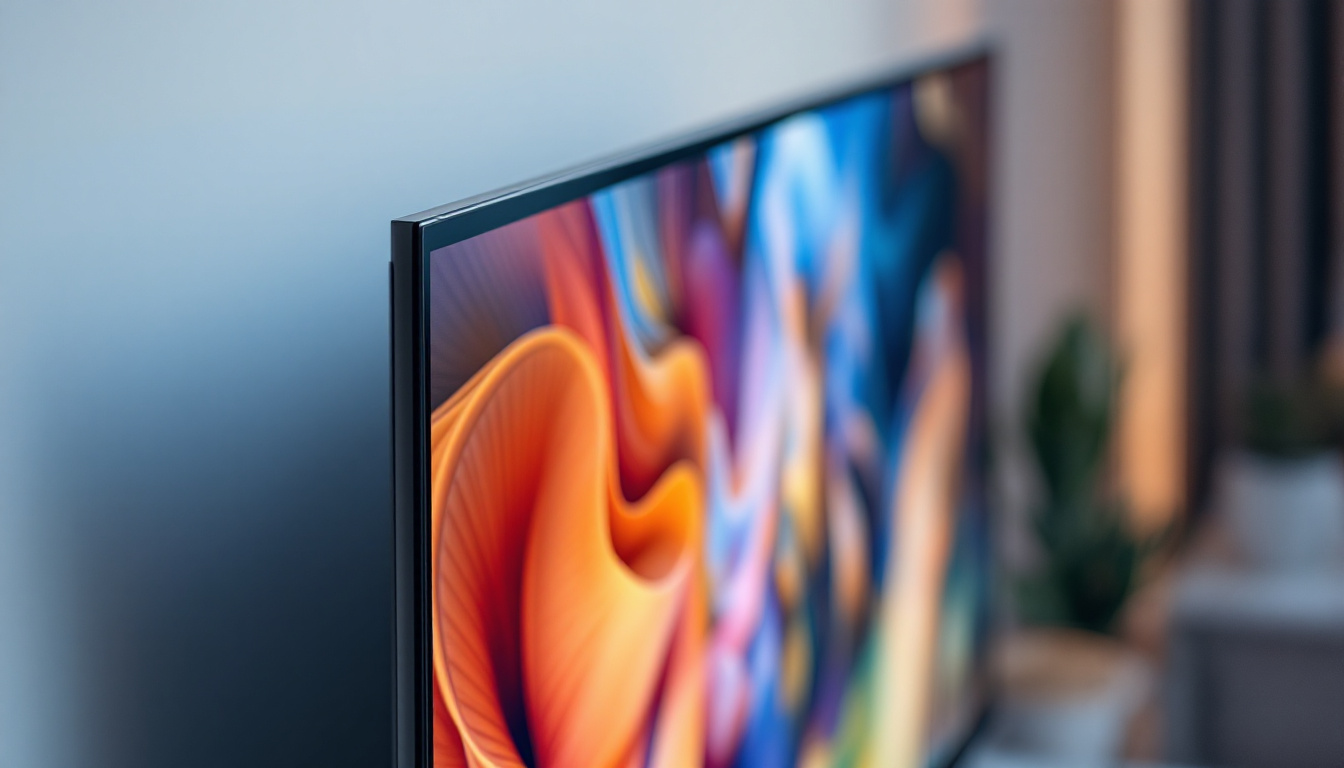
A black video screen refers to the display’s ability to render true black pixels by completely turning off the LEDs in those areas. This capability is crucial for achieving high contrast ratios, which significantly enhance image quality and viewing experience. In essence, the black video screen is not a separate screen but a feature of LED displays that allows them to display black content with exceptional depth and clarity.
In contrast, many other display technologies, such as LCDs, struggle to produce true blacks because their backlight remains on even when displaying black images, resulting in a washed-out appearance. This limitation highlights why LED displays are preferred for applications demanding superior image quality.
Moreover, the advancements in LED technology have led to the development of various types of LED displays, including OLED (Organic Light Emitting Diode) and MicroLED. OLED displays, for instance, utilize organic compounds that emit light, providing even greater flexibility in design and form factor, making them ideal for curved and ultra-thin screens. MicroLED technology takes this a step further by using microscopic LEDs, allowing for modular displays that can be customized to any size or shape, perfect for large-scale installations or unique architectural designs.
Additionally, the energy efficiency of LED displays cannot be overlooked. Compared to traditional display technologies, LEDs consume significantly less power, which not only reduces operational costs but also contributes to a lower carbon footprint. This energy efficiency, combined with their long lifespan, makes LED displays an environmentally friendly choice for both consumers and businesses alike. As the demand for high-quality visual content continues to grow, the evolution of LED technology promises exciting developments in the world of display solutions.
How Black Video Screens Enhance Visual Performance
The ability to display true black impacts several aspects of visual performance, making LED displays especially valuable in various settings.
Improved Contrast and Color Accuracy
Contrast ratio—the difference between the darkest black and the brightest white a display can produce—is a key metric in assessing display quality. LED displays with black video screen capabilities can achieve contrast ratios exceeding 1,000,000:1, far surpassing traditional LCDs that typically max out at around 1,000:1.
This dramatic improvement means images appear more lifelike, with shadows and highlights rendered more naturally. Color accuracy also benefits because the display can better differentiate between subtle shades, enhancing the overall visual fidelity. For instance, in a cinematic experience, the deep blacks can accentuate the vibrant colors of a sunset or the intricate details of a starry night sky, making viewers feel as if they are part of the scene rather than just passive observers.
Furthermore, this enhanced contrast can significantly improve the viewing experience in gaming and graphic design. Gamers can spot hidden details in dark environments, giving them a competitive edge, while designers can ensure that their work is displayed with the precision necessary for professional applications. The ability to see every detail can make a substantial difference in both enjoyment and performance.
Reduced Light Bleed and Enhanced Viewing Angles
Since black pixels on an LED screen are completely off, there is minimal light bleed—unwanted light leakage from bright areas into dark regions. This feature is particularly important for video content with high dynamic range (HDR), where the difference between light and dark scenes is pronounced.
Additionally, LED displays maintain consistent brightness and color accuracy across wide viewing angles, ensuring that the black video screen effect is visible from nearly any position. This characteristic is essential for large-scale installations like stadiums, conference halls, and outdoor advertising. In such environments, where audiences may be seated at various angles, the ability to deliver a uniform viewing experience is crucial for engagement and satisfaction.
Moreover, this capability extends beyond entertainment; in corporate settings, presentations can be viewed clearly by all attendees, regardless of their seat location. This ensures that key information is accessible to everyone, enhancing communication and collaboration. As a result, the implementation of black video screens is becoming increasingly popular in both commercial and residential applications, reflecting a growing demand for high-quality visual performance in our daily lives.
Applications of Black Video Screens in LED Displays
The ability to display true blacks has made LED displays the preferred choice across multiple industries and applications.
Entertainment and Broadcasting
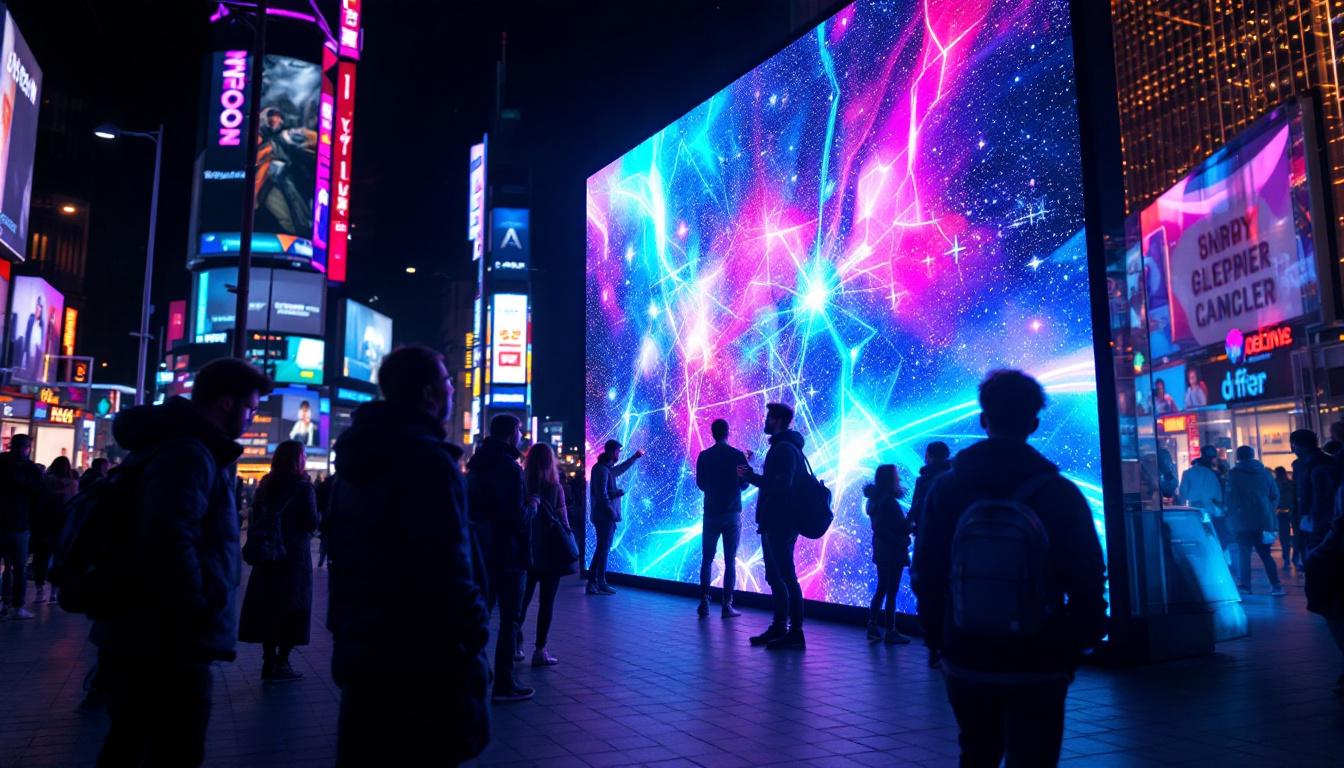
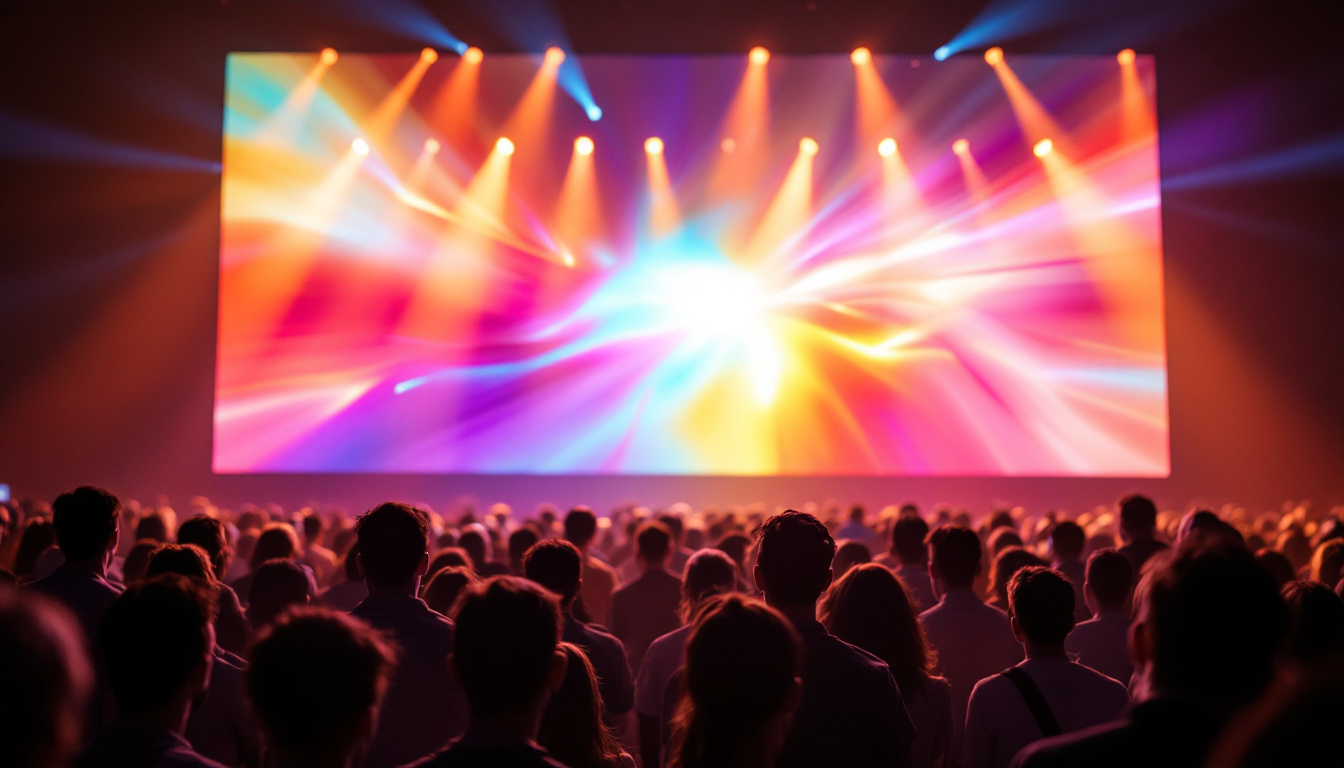
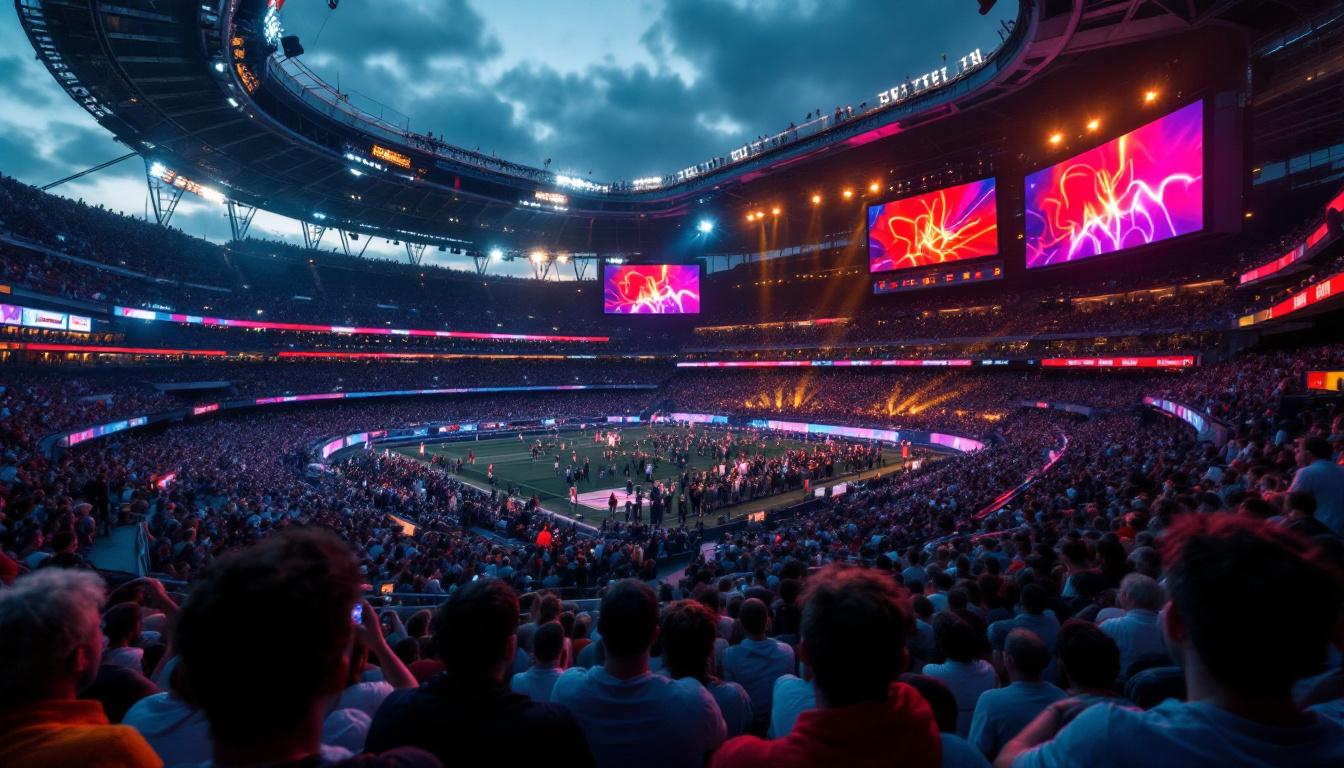
In live events, concerts, and television broadcasting, LED screens with black video capabilities provide stunning visuals that captivate audiences. The high contrast and vibrant colors enhance the viewing experience, making performances more immersive.
For example, major sporting events like the FIFA World Cup and the Olympics utilize massive LED screens that rely on black video screen technology to deliver crisp, clear images to thousands of spectators, both in the venue and via broadcast.
Retail and Advertising
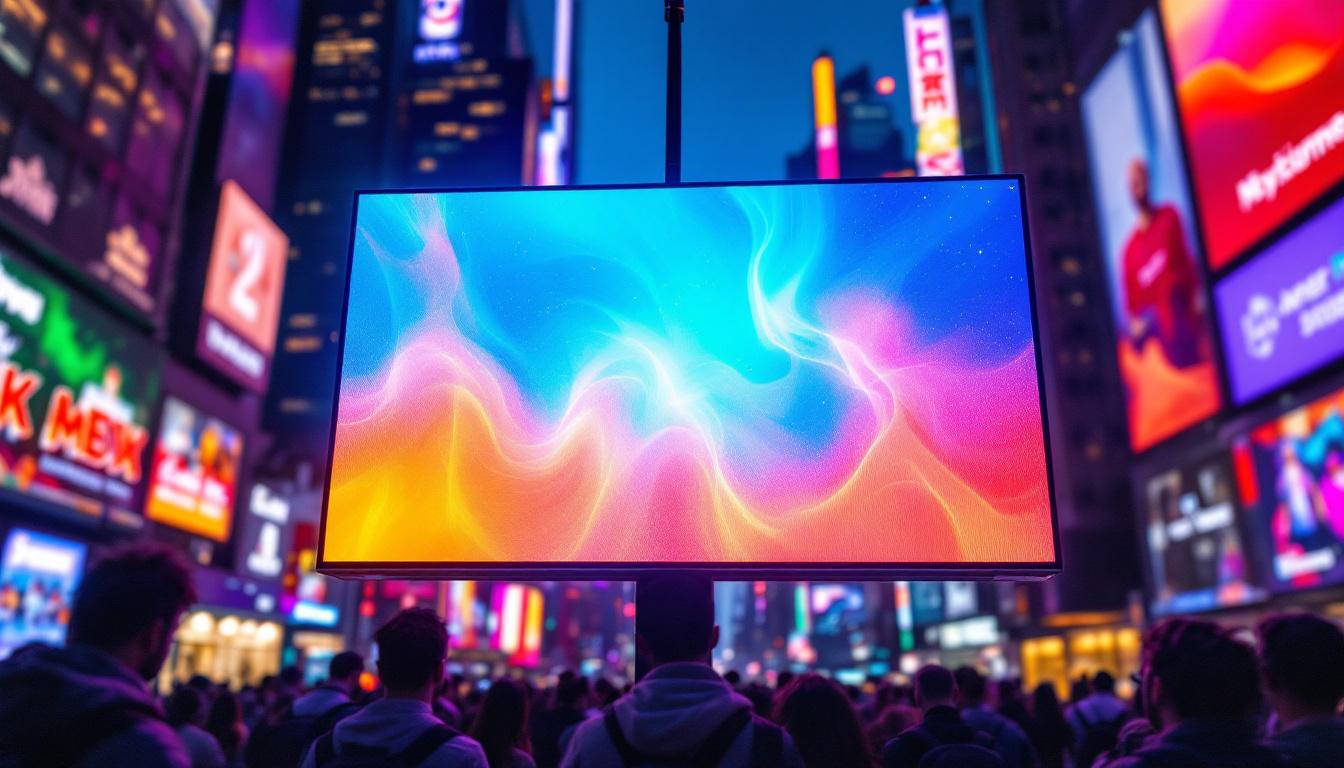
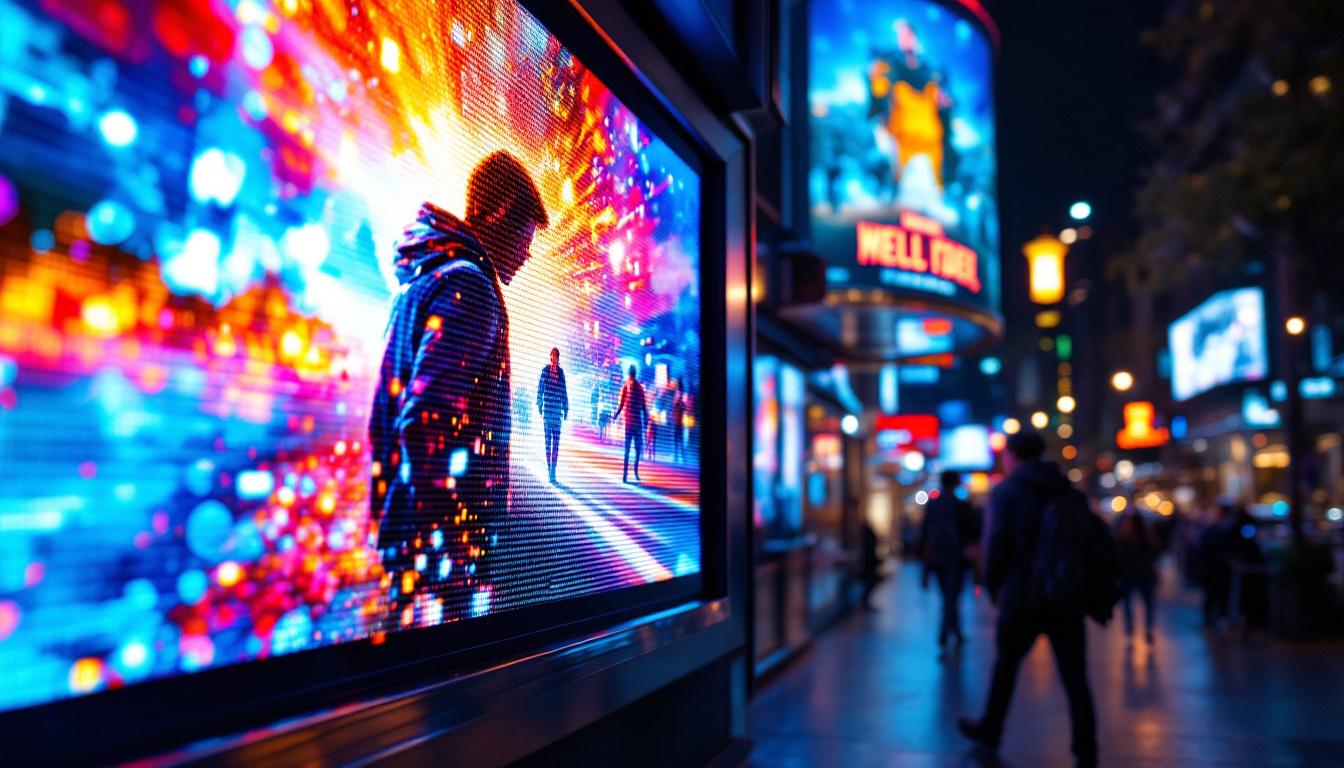
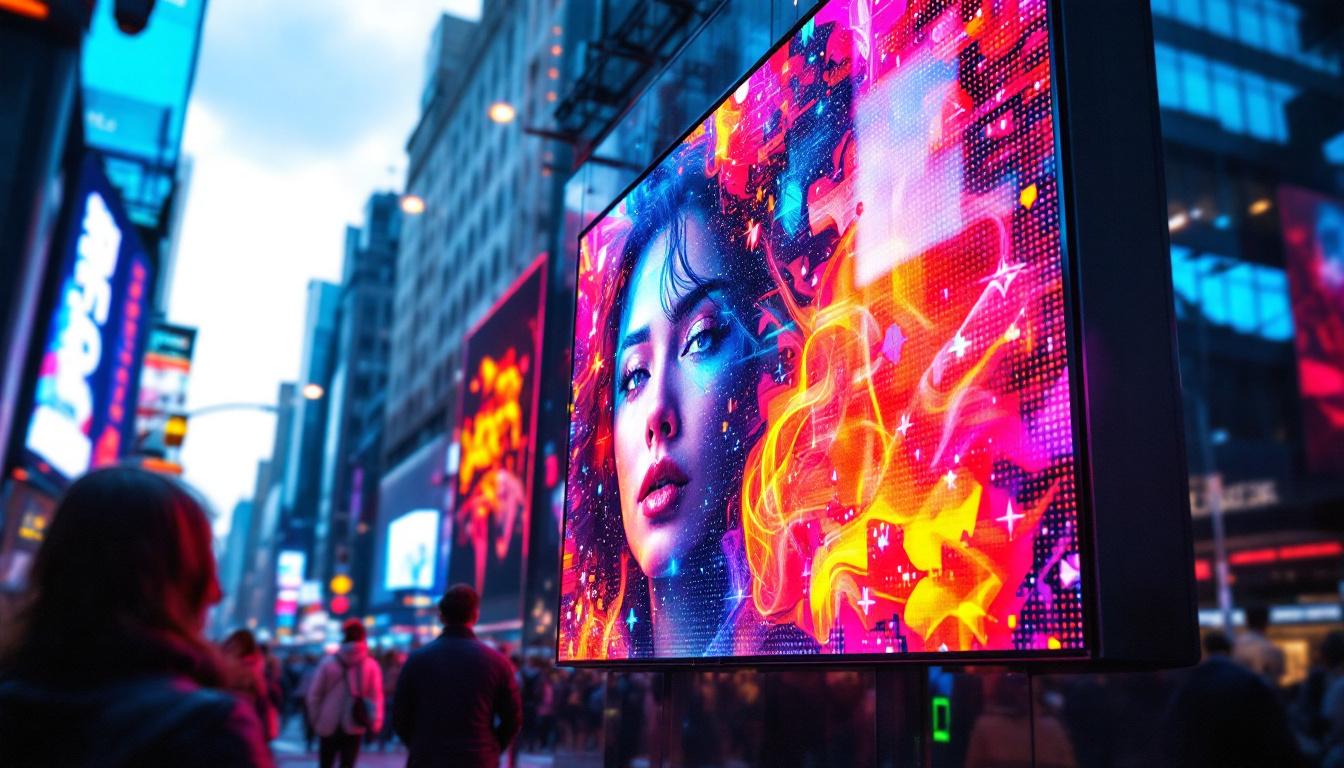
Retailers and advertisers leverage LED displays to create eye-catching digital signage. The ability to display deep blacks ensures that advertisements stand out, especially in environments with varied lighting conditions.
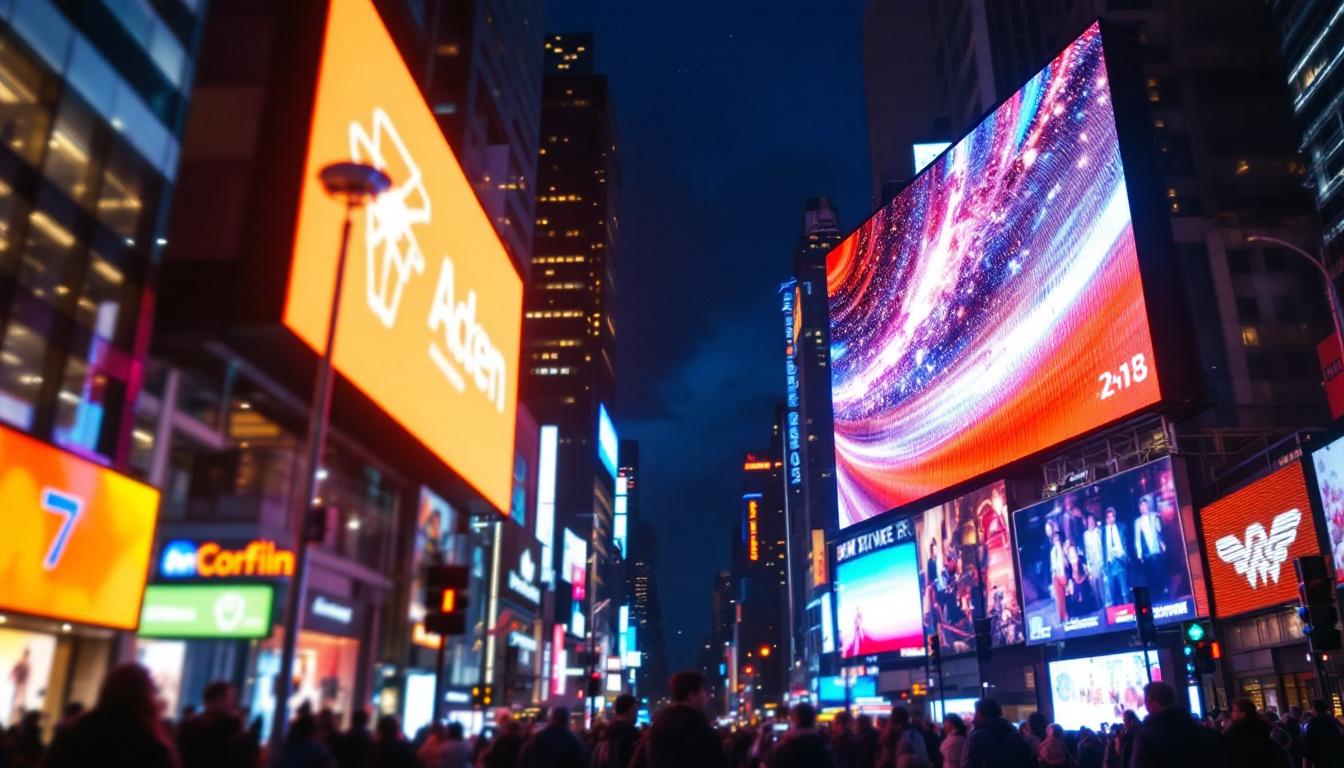
Digital billboards featuring LED technology can operate effectively day and night, maintaining image clarity and impact. This versatility makes them a cost-effective and powerful marketing tool.
Corporate and Educational Environments
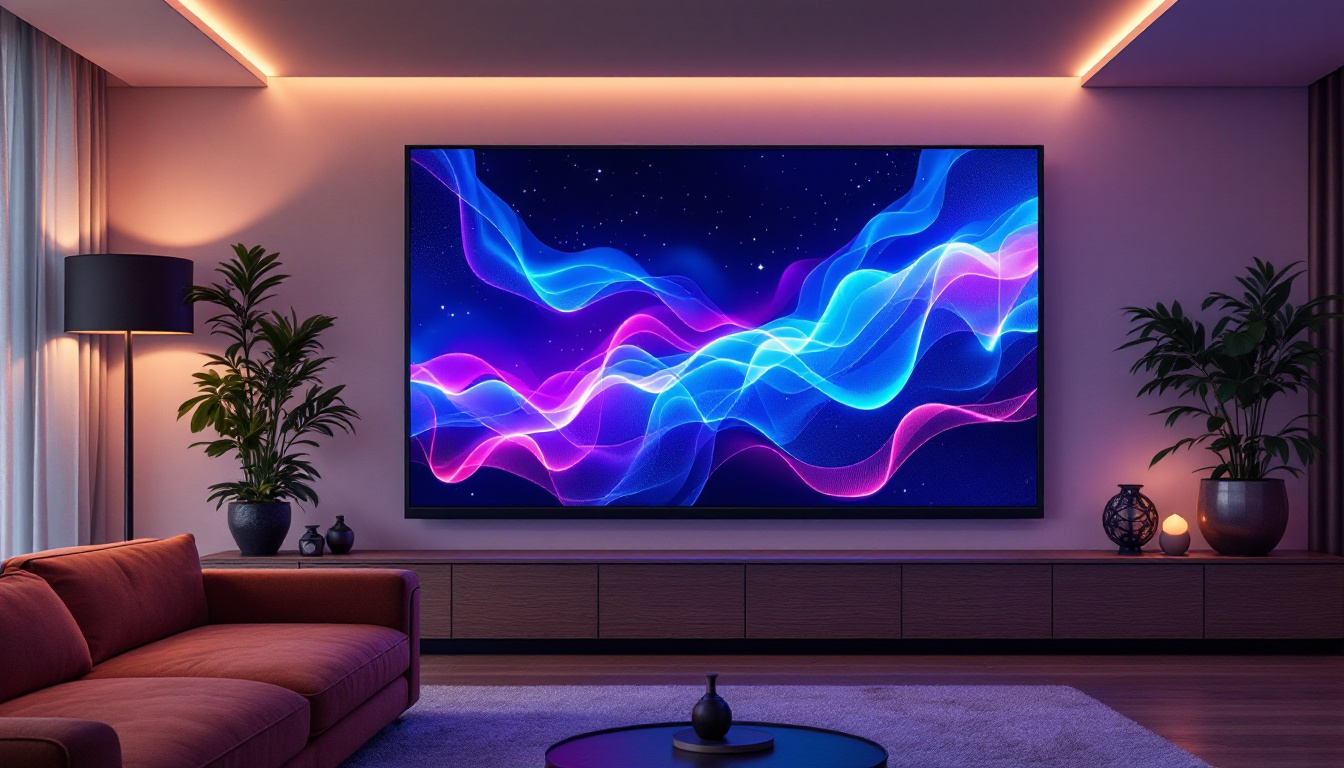
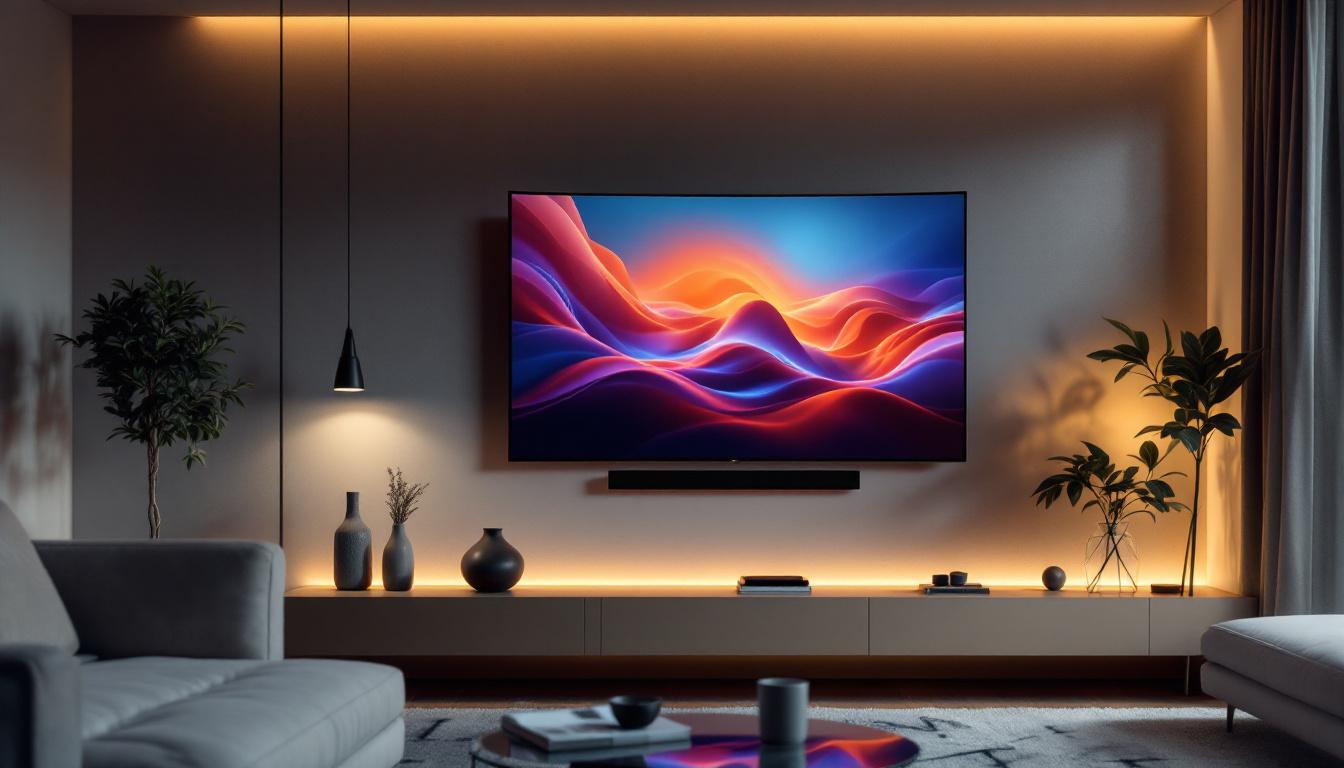
In corporate boardrooms and educational institutions, LED displays with black video screens facilitate clear presentations and video conferencing. The enhanced image quality helps maintain audience engagement and ensures that detailed content is easily visible.
Technical Considerations and Challenges
While LED displays with black video screen capabilities offer numerous advantages, there are technical factors and challenges to consider.
Pixel Pitch and Resolution
Pixel pitch—the distance between the centers of adjacent LEDs—directly affects the display’s resolution and image sharpness. Smaller pixel pitches allow for higher resolution and finer detail, which is crucial for close-up viewing environments like conference rooms or retail stores.
However, reducing pixel pitch increases manufacturing complexity and cost. Balancing resolution requirements with budget constraints is a key consideration when selecting an LED display.
Power Consumption and Heat Management
LED displays consume significant power, especially when displaying bright content. Interestingly, displaying black video content can reduce power consumption since LEDs in black areas are turned off, effectively saving energy.
Nonetheless, managing heat generated by the active LEDs is essential to maintain performance and longevity. Advanced cooling systems and efficient power management are integral to high-quality LED display design.
Calibration and Maintenance
To sustain the black video screen effect and overall image quality, regular calibration is necessary. Calibration ensures color consistency, brightness uniformity, and accurate contrast ratios over time.
Maintenance also involves cleaning the display surface and inspecting individual LEDs for failures. Modern LED displays often include diagnostic tools to facilitate these tasks and minimize downtime.
Future Trends in LED Display Technology
The black video screen feature is just one aspect of ongoing innovations in LED technology. Several trends are shaping the future of LED displays, promising even better performance and broader applications.
MicroLED and MiniLED Advances
MicroLED and MiniLED technologies represent the next generation of LED displays. MicroLEDs are significantly smaller than traditional LEDs, enabling ultra-high resolution and improved black levels due to precise pixel control.
These advancements will make black video screens even more effective, with deeper blacks, higher brightness, and enhanced energy efficiency. Industry leaders are already developing MicroLED displays for consumer electronics, including televisions and smartphones.
Flexible and Transparent LED Displays
Flexible LED displays can be curved or bent without compromising image quality, opening new possibilities for creative installations and wearable devices. Transparent LED screens allow for see-through displays, ideal for retail windows and augmented reality applications.
Both technologies will benefit from improved black video screen capabilities, ensuring that images remain vivid and contrast-rich even on unconventional display surfaces.
Integration with AI and Smart Systems
Artificial intelligence is increasingly integrated into display systems to optimize image quality dynamically. AI algorithms can adjust brightness, contrast, and color balance in real time based on ambient lighting and content type, enhancing the black video screen effect.
Smart LED displays will become more adaptive and energy-efficient, providing superior viewing experiences tailored to specific environments and user preferences.
Conclusion: The Importance of Black Video Screens in LED Displays
Black video screens are a fundamental feature that distinguishes LED displays from other display technologies. By enabling true black pixels, LED displays deliver unparalleled contrast, color accuracy, and visual depth, making them indispensable across entertainment, advertising, corporate, and educational sectors.
As LED technology continues to evolve with innovations like MicroLED, flexible displays, and AI integration, the quality and versatility of black video screens will only improve. Understanding this technology is essential for businesses and consumers seeking the best visual solutions in an increasingly digital world.
Discover the Future of Visual Experience with LumenMatrix
Ready to elevate your visual communication with the most advanced LED display technology? LumenMatrix is at the forefront of innovation, offering a wide range of LED display solutions that bring your content to life. From Indoor and Outdoor LED Wall Displays to specialized solutions like Vehicle LED Displays, LED Posters, and even Custom LED Displays, we have the technology to transform any space into a dynamic visual spectacle. Embrace the power of true black video screens and exceptional contrast with our state-of-the-art LED modules. Check out LumenMatrix LED Display Solutions today and see how we can help you create unforgettable visual experiences.