In today’s fast-paced world, outdoor spaces are becoming more multifunctional, blending leisure, work, and social interaction. Privacy is a growing concern, especially in urban environments where outdoor areas are often exposed to neighbors, passersby, or busy streets. One innovative solution gaining traction is the outdoor stand alone privacy screen equipped with LED displays. These screens not only provide privacy but also offer dynamic visual capabilities that can transform any outdoor space.
What Is an Outdoor Stand Alone Privacy Screen?
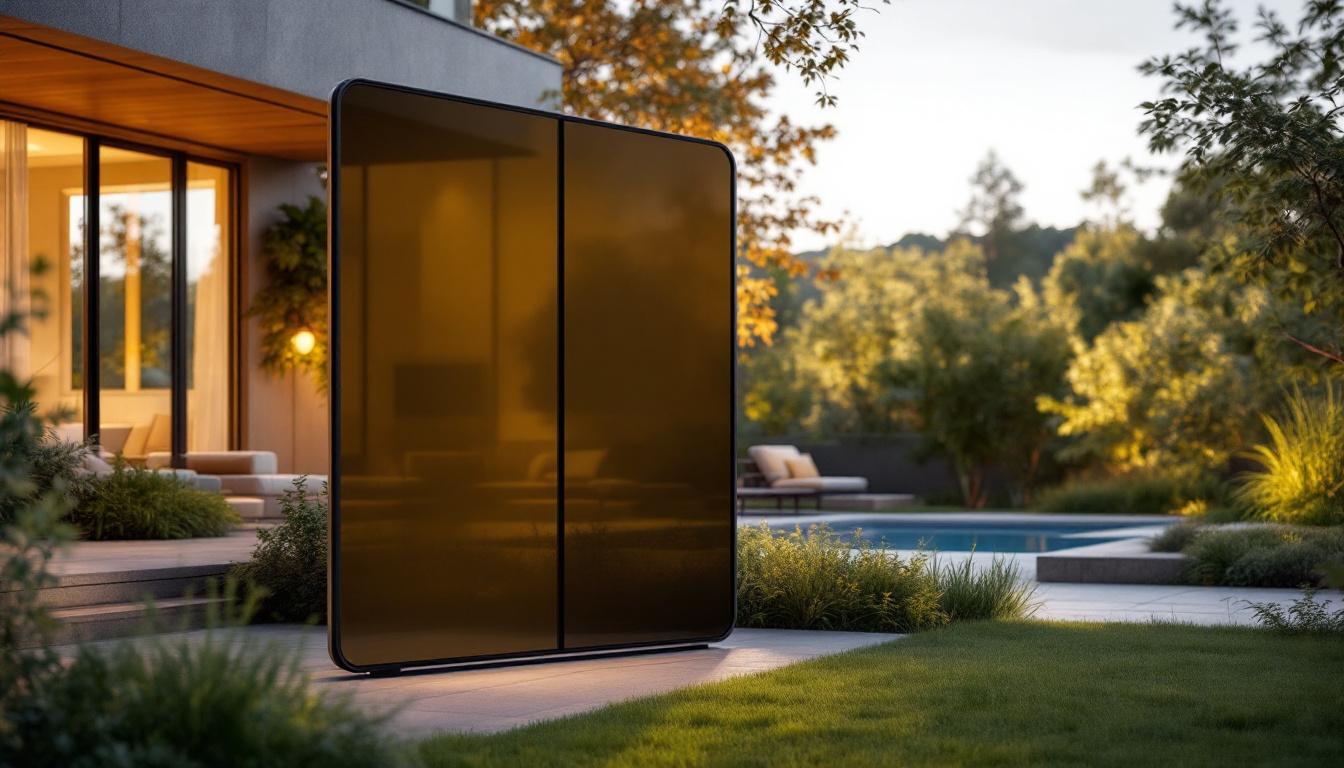
An outdoor stand alone privacy screen is a freestanding panel designed to create a secluded area in open outdoor environments. Unlike traditional fences or walls, these screens are portable, customizable, and can be installed without permanent fixtures. They serve multiple purposes, from blocking unwanted views to defining boundaries in gardens, patios, rooftop terraces, or commercial spaces. Their versatility makes them ideal for a wide range of settings, from residential backyards seeking a touch of tranquility to bustling urban environments where privacy is at a premium.
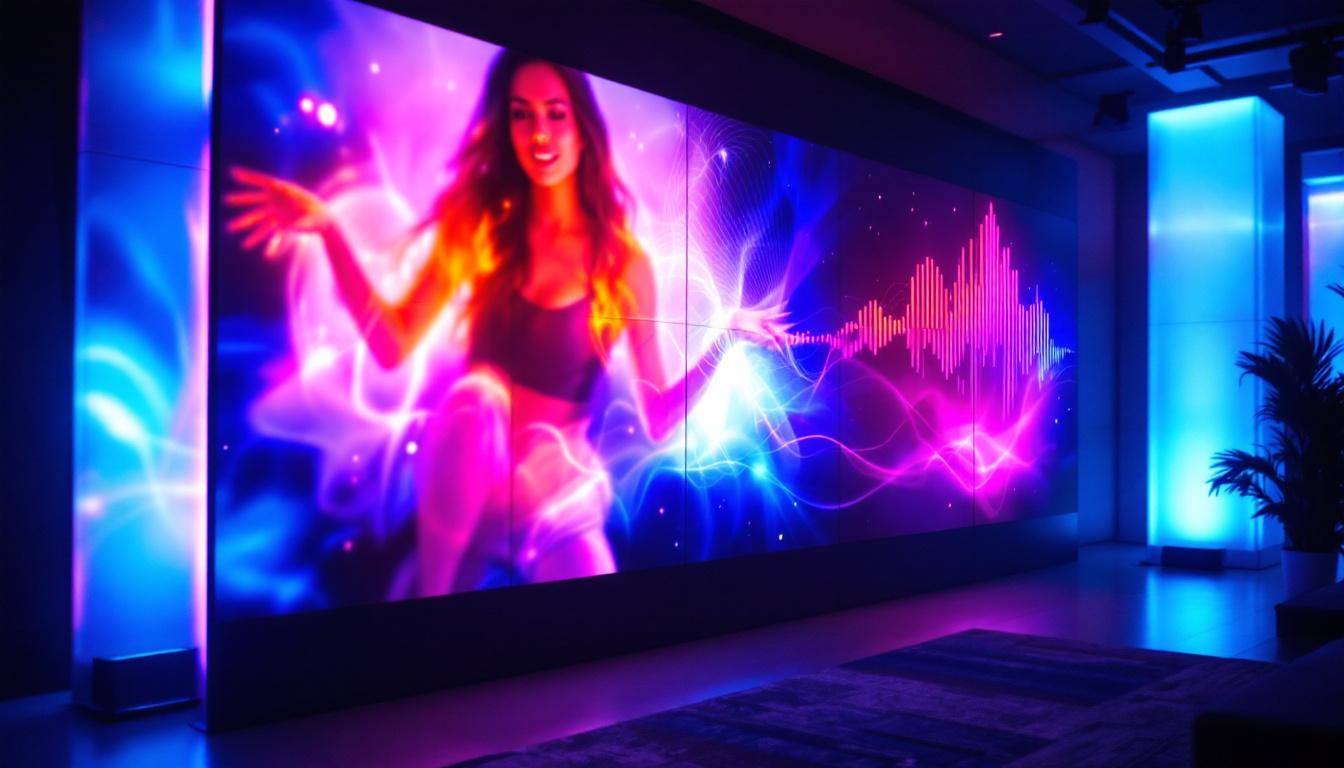
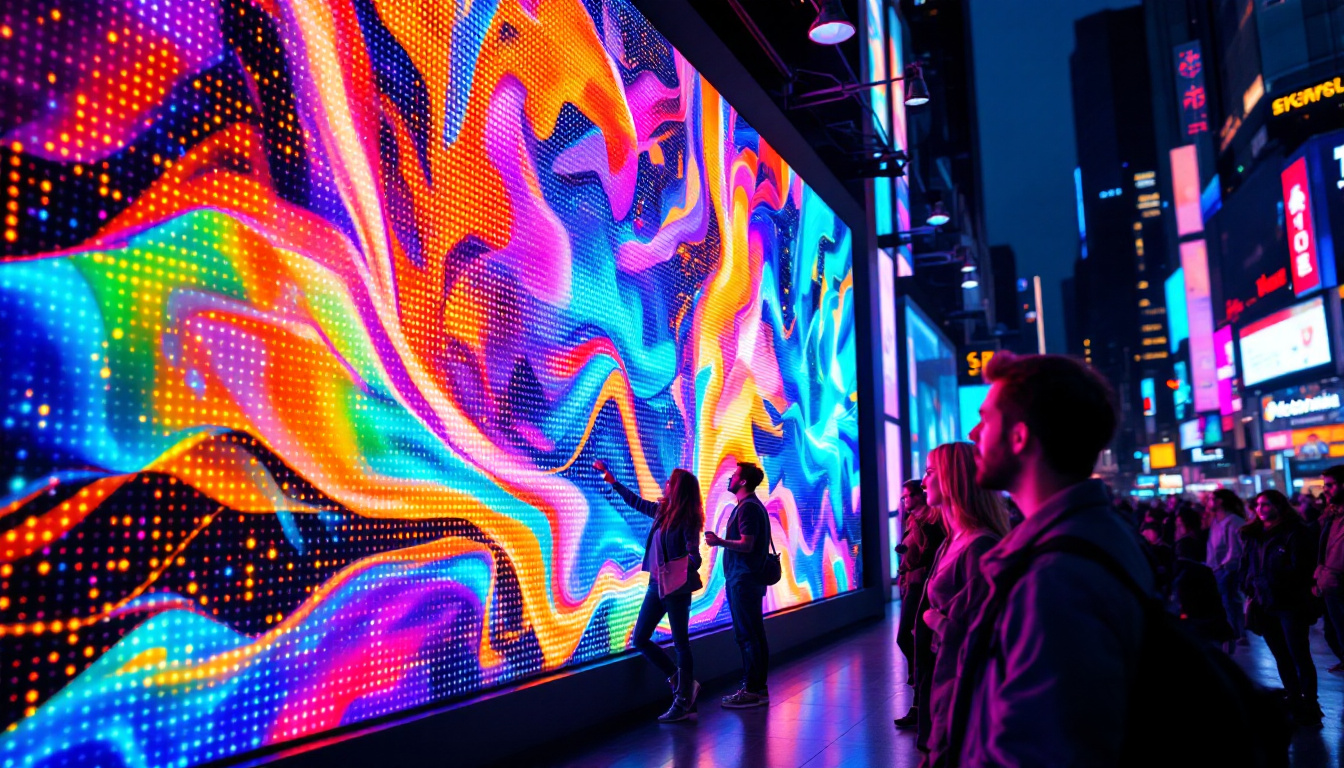
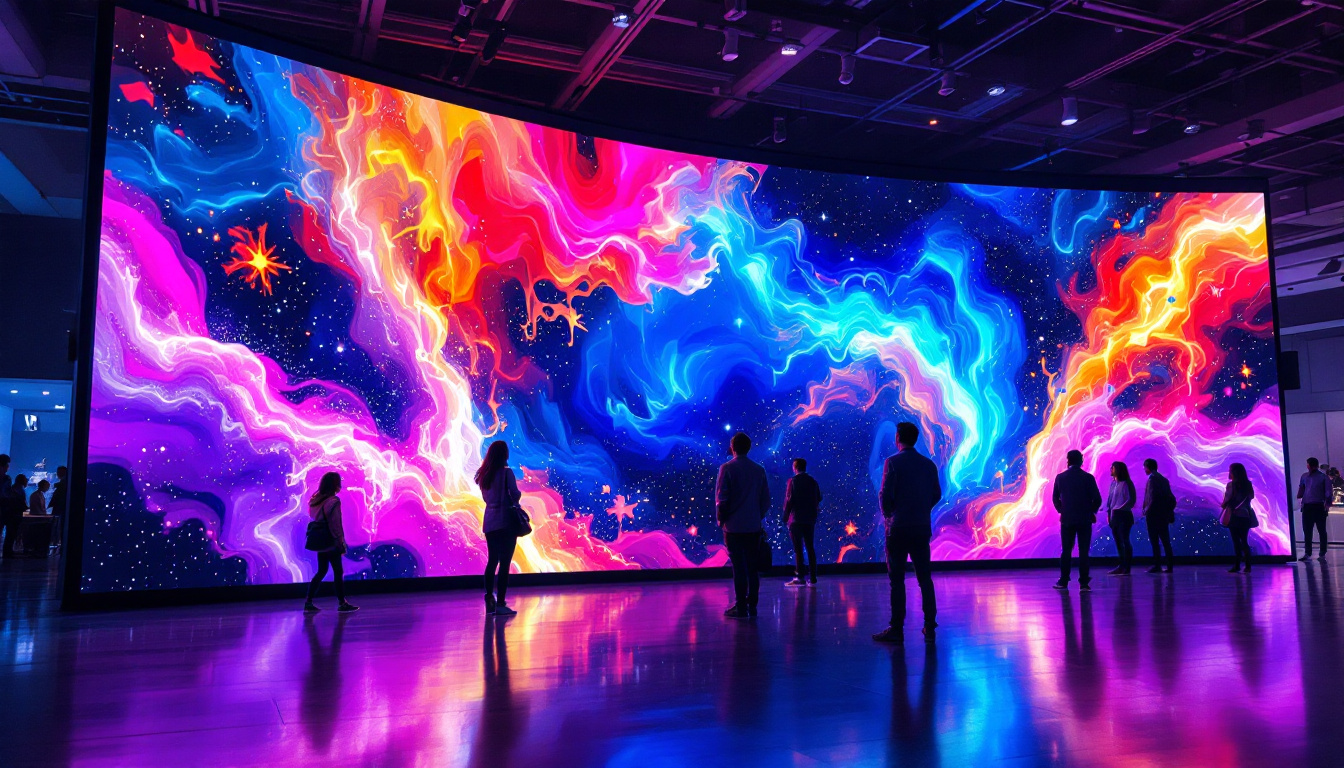
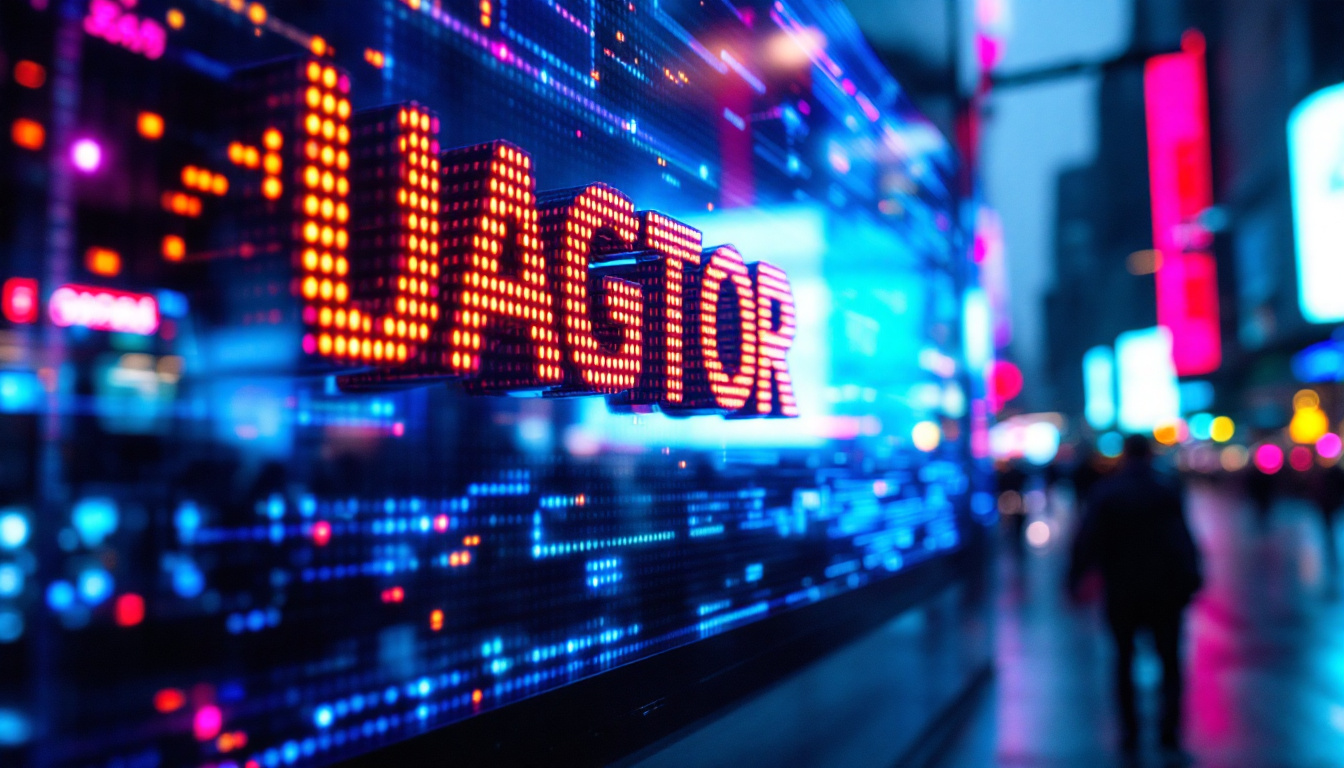
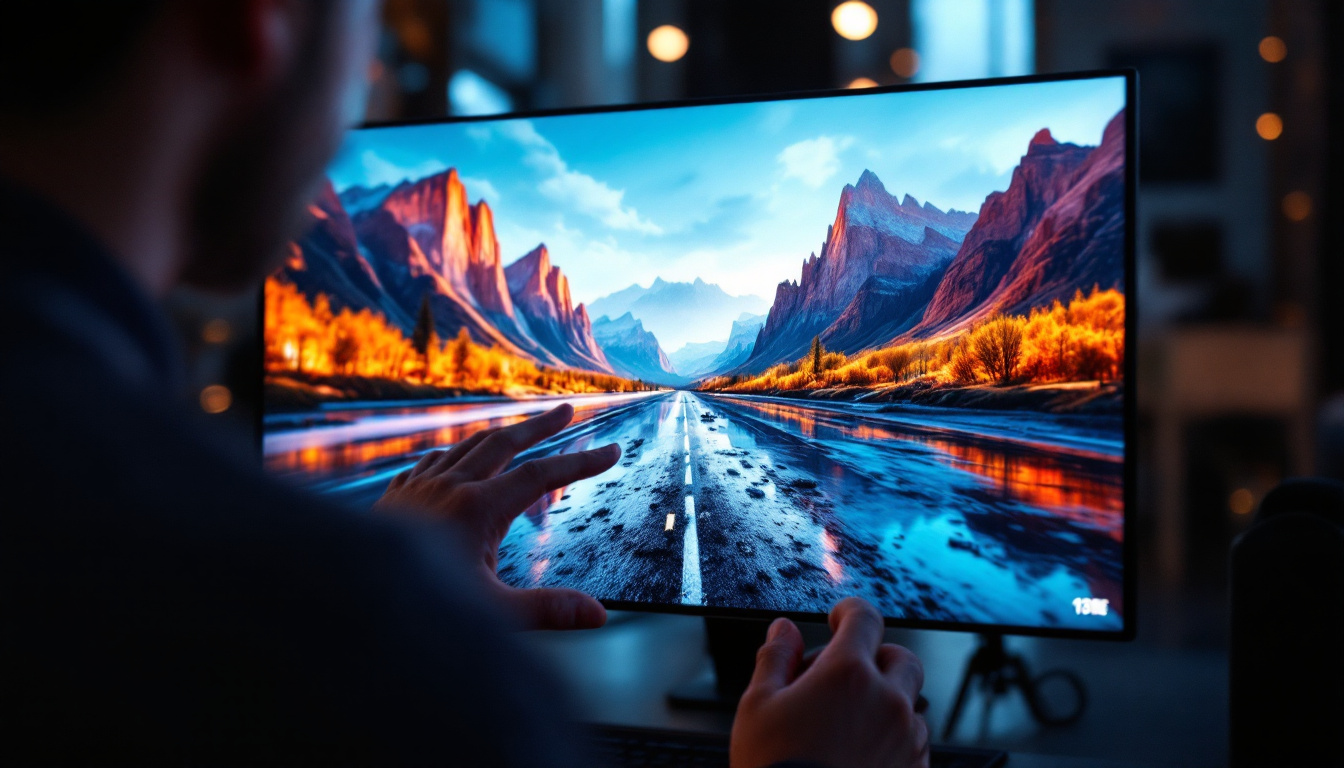
The integration of LED displays into these screens adds a technological dimension. Instead of being a static barrier, the screen becomes a vibrant canvas capable of displaying images, videos, or messages. This feature makes LED privacy screens particularly appealing for venues such as restaurants, event spaces, or corporate outdoor areas that want to combine privacy with branding or entertainment. The ability to showcase dynamic content not only enhances the aesthetic appeal of the space but also allows businesses to engage with their audience in innovative ways, turning a simple privacy screen into a focal point of interaction.
Key Features of Stand Alone Privacy Screens
When selecting an outdoor privacy screen, several features are crucial:
- Durability: The screen must withstand weather conditions such as rain, wind, and UV exposure.
- Portability: Easy to move and reposition depending on the user’s needs.
- Height and Width: Sufficient dimensions to block sight lines effectively.
- Aesthetic Appeal: Design and materials that complement outdoor decor.
LED displays add layers of complexity and opportunity, requiring additional considerations such as brightness, resolution, and power consumption. Furthermore, the choice of materials for the privacy screen can greatly influence its overall performance and longevity. For instance, screens made from high-density polyethylene (HDPE) are not only lightweight and easy to handle but also resistant to fading and cracking, ensuring they maintain their appearance over time. Some models even incorporate natural elements, such as vertical gardens or bamboo slats, which not only provide privacy but also enhance the ecological footprint of the space, promoting biodiversity and creating a more inviting atmosphere.
Moreover, the installation of outdoor stand alone privacy screens can be a DIY project for those who enjoy hands-on activities, or it can be professionally managed for larger commercial applications. The flexibility in installation methods allows users to adapt the screens to their specific needs, whether they require a temporary setup for an outdoor event or a more permanent solution for their property. As outdoor living spaces continue to gain popularity, the demand for such innovative privacy solutions is likely to grow, making them a staple in modern landscaping and outdoor design.
How LED Displays Enhance Outdoor Privacy Screens
LED (Light Emitting Diode) technology has revolutionized outdoor displays due to its brightness, energy efficiency, and long lifespan. When integrated into privacy screens, LEDs transform a simple barrier into an interactive, multifunctional device.
Brightness and Visibility
One of the primary advantages of LED displays is their ability to remain visible in various lighting conditions, including direct sunlight. Outdoor LED screens typically have brightness levels ranging from 4,000 to 10,000 nits, ensuring clear visibility even on the brightest days. This makes them ideal for privacy screens that need to be effective both day and night.
Customizable Content
Unlike traditional privacy screens that offer a fixed design or pattern, LED displays can show dynamic content. This means users can display anything from calming nature scenes to branded advertisements, event schedules, or social media feeds. The ability to change content remotely and instantly adds tremendous flexibility.
Energy Efficiency and Sustainability
Modern LED technology is highly energy-efficient compared to older lighting solutions. Many LED privacy screens incorporate smart controls that adjust brightness based on ambient light, further reducing power consumption. This sustainability aspect is increasingly important for businesses and homeowners aiming to minimize their environmental footprint.
Applications of Outdoor Stand Alone LED Privacy Screens
The versatility of LED privacy screens makes them suitable for a wide range of applications. Their ability to combine privacy with communication and aesthetic enhancement opens new possibilities across various sectors.
Residential Use
Homeowners use LED privacy screens to create intimate outdoor spaces such as patios, gardens, and balconies. These screens can block views from neighboring properties while displaying personalized content like family photos, seasonal themes, or ambient visuals. The screens also serve as ambient lighting during evening gatherings, enhancing the atmosphere.
Commercial and Hospitality Settings
Restaurants, cafes, and hotels benefit from LED privacy screens by creating secluded dining areas without sacrificing ambiance or branding opportunities. Screens can display menus, promotional offers, or themed visuals that match the establishment’s style. Additionally, they help comply with social distancing requirements by defining safe zones.
Event and Exhibition Spaces
Temporary outdoor events such as festivals, trade shows, or weddings utilize LED privacy screens for crowd control, branding, and entertainment. These screens can be quickly set up and reconfigured, displaying schedules, sponsor logos, or live feeds. Their visual impact enhances the overall event experience while maintaining privacy and security.
Corporate and Public Environments
In corporate campuses or public parks, LED privacy screens can delineate workspaces, relaxation zones, or restricted areas. They also serve as digital signage to communicate important information, safety messages, or environmental data. The combination of privacy and communication is particularly valuable in busy urban settings.
Technical Considerations When Choosing an LED Privacy Screen
To maximize the benefits of an outdoor stand alone LED privacy screen, several technical factors must be carefully evaluated.
Resolution and Pixel Pitch
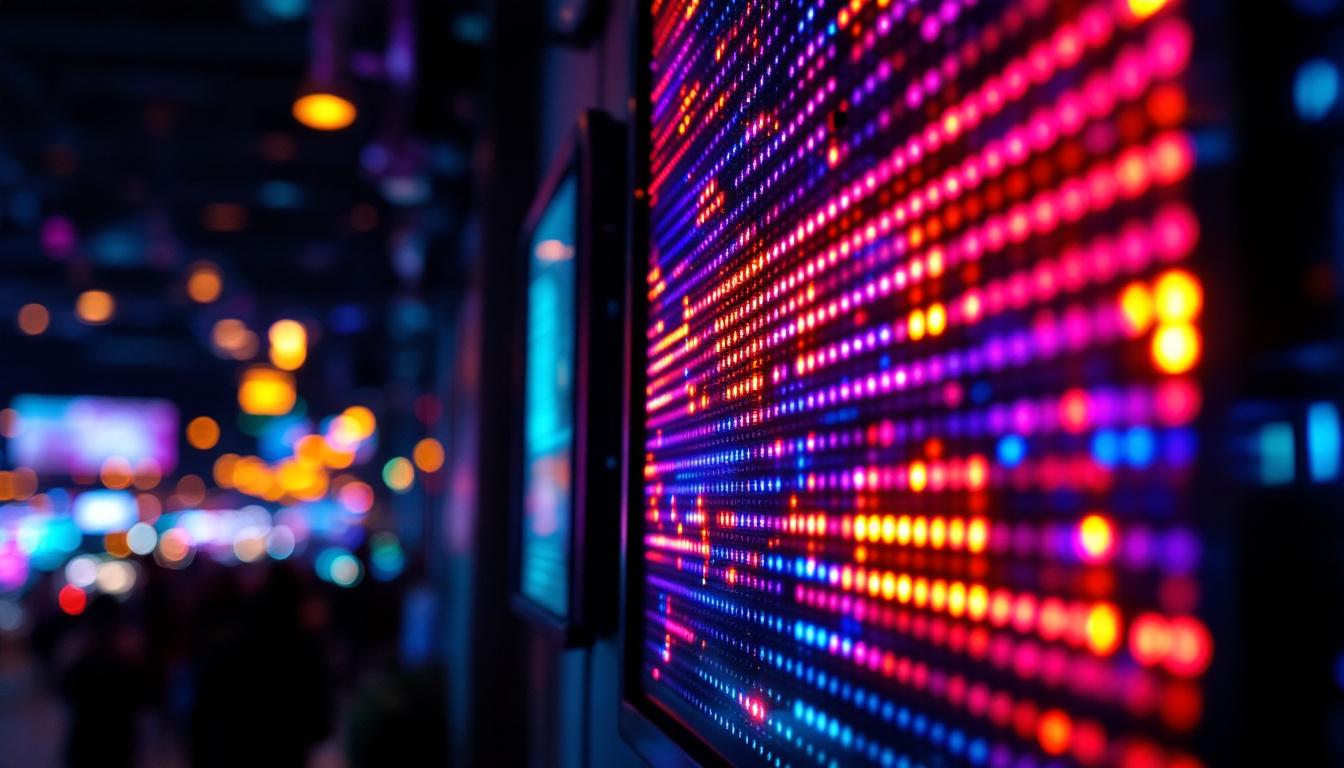
The resolution of an LED screen depends on its pixel pitch, which is the distance between individual LED clusters. A smaller pixel pitch means higher resolution and sharper images but usually comes at a higher cost. For privacy screens, a balance is needed between image quality and viewing distance. Since these screens are often viewed from several meters away, a moderate pixel pitch (e.g., 4-10 mm) is typically sufficient.
Weatherproofing and Durability
Outdoor screens must be rated for water resistance and dust protection, commonly indicated by an IP (Ingress Protection) rating. An IP65 rating or higher is recommended to ensure protection against rain and dust. Additionally, materials should resist corrosion and UV degradation to maintain appearance and functionality over time.
Power Supply and Connectivity
LED privacy screens require a reliable power source, which may be a challenge in some outdoor locations. Solar-powered options are emerging but remain limited in brightness and size. Connectivity options such as Wi-Fi, Bluetooth, or wired Ethernet enable remote content management, which is essential for dynamic displays.
Installation and Maintenance
Since these screens are freestanding, stability is crucial to prevent tipping or damage in windy conditions. Many models include weighted bases or anchoring systems. Maintenance involves cleaning the LED surface and checking electronic components, which should be easily accessible to minimize downtime.
Benefits and Challenges of Outdoor LED Privacy Screens
The integration of LED technology into outdoor privacy screens offers numerous benefits but also presents some challenges that users should consider.
Benefits
- Enhanced Privacy: Effectively blocks unwanted views while maintaining an open, modern aesthetic.
- Dynamic Content: Ability to change visuals to suit mood, season, or branding needs.
- Increased Engagement: Attracts attention and encourages interaction, especially in commercial settings.
- Energy Efficiency: Low power consumption compared to traditional lighting and signage.
- Flexibility: Portable and reconfigurable to adapt to changing needs.
Challenges
- Initial Cost: Higher upfront investment compared to traditional privacy screens.
- Technical Complexity: Requires knowledge for installation, operation, and maintenance.
- Power Requirements: Dependence on electrical supply can limit placement options.
- Weather Exposure: Despite weatherproofing, extreme conditions may affect longevity.
Future Trends in Outdoor LED Privacy Screens
The market for outdoor LED privacy screens is evolving rapidly, driven by advances in technology and changing user demands.
Integration with Smart Home and IoT Systems
Future LED screens will increasingly connect with smart home ecosystems, allowing users to control privacy settings, lighting, and content via voice commands or mobile apps. Integration with IoT sensors could enable screens to adjust opacity or display based on environmental conditions or occupancy.
Improved Energy Solutions
Advances in solar technology and battery storage may soon enable fully self-sufficient LED privacy screens, expanding their usability in remote or off-grid locations. Energy harvesting from ambient sources could also reduce operational costs.
Enhanced Customization and Interactivity
Touch-sensitive LED screens and augmented reality (AR) features could transform privacy screens into interactive installations. This would open new possibilities for advertising, entertainment, and community engagement in public spaces.
Conclusion
Outdoor stand alone privacy screens equipped with LED displays represent a compelling fusion of functionality and innovation. They address the growing need for privacy in outdoor environments while offering dynamic visual capabilities that enhance aesthetics and communication. Although they require a higher initial investment and technical know-how, the benefits in versatility, engagement, and energy efficiency make them an attractive option for homeowners, businesses, and event organizers alike.
As technology advances and costs decrease, LED privacy screens are poised to become a standard feature in outdoor design, transforming how privacy and visual communication coexist in public and private spaces.
Discover LumenMatrix LED Privacy Screens
Ready to redefine your outdoor spaces with unparalleled privacy and vibrant visual displays? Embrace the future of outdoor design with LumenMatrix’s innovative LED display technology. From enhancing your brand’s visibility to creating immersive experiences, our range of LED solutions, including Outdoor LED Wall Displays and Custom LED Displays, is designed to meet your unique needs. Check out LumenMatrix LED Display Solutions today and transform your outdoor environment into a dynamic and private haven.