In today’s digital age, video content creation has become more accessible than ever before. Whether you’re an aspiring filmmaker, a vlogger, or simply someone who enjoys capturing life’s moments, having the right video camera is essential. However, high-end video cameras can be prohibitively expensive, pushing many to seek affordable alternatives that don’t compromise on quality. One key feature that often influences the quality and usability of inexpensive video cameras is the LED display. Understanding how LED displays work and their impact on video cameras can help consumers make informed decisions when purchasing budget-friendly devices.
Understanding LED Displays in Video Cameras
What is an LED Display?
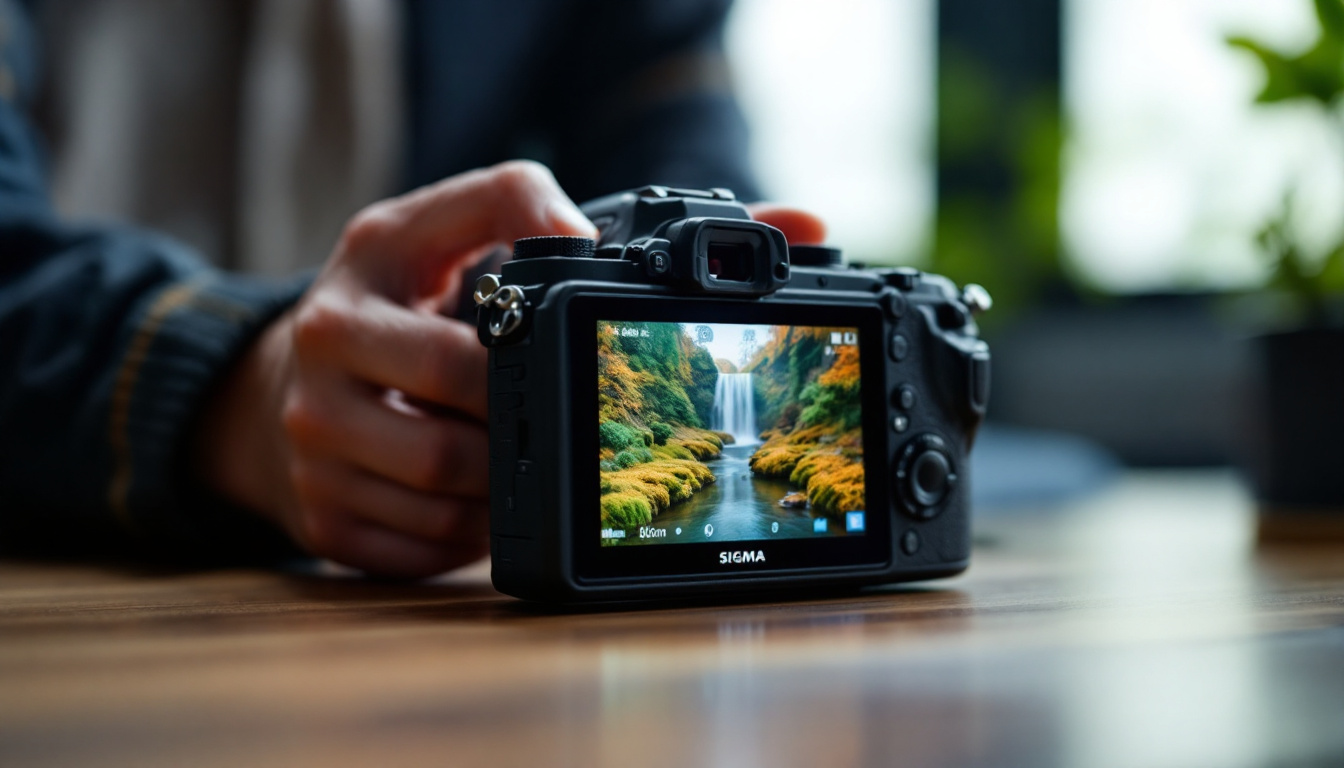
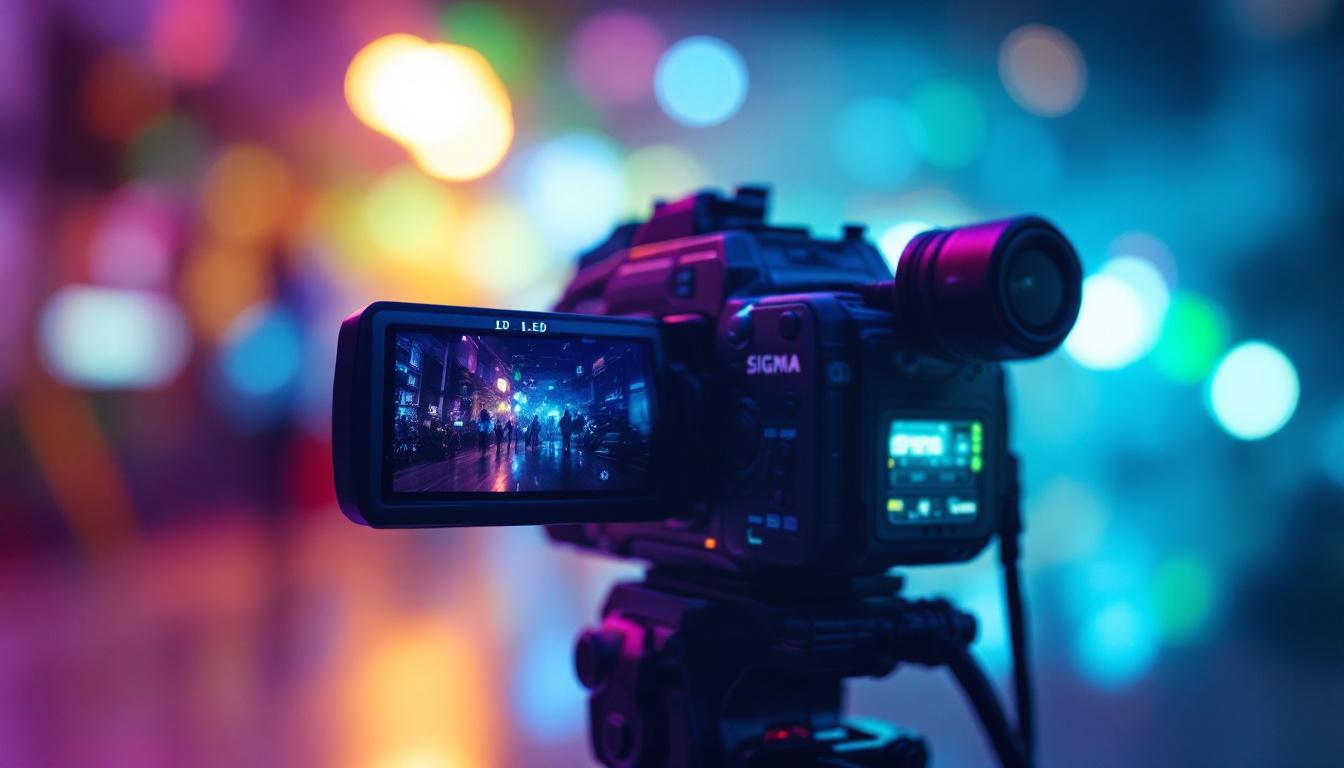
LED stands for Light Emitting Diode, a technology widely used in screens and displays. In the context of video cameras, an LED display is typically the screen on the back of the camera that allows users to preview and review footage. Unlike older LCD (Liquid Crystal Display) screens, LED displays use diodes that emit light when an electric current passes through them, resulting in brighter and more vibrant images.
LED displays have become the standard in many electronic devices due to their energy efficiency, durability, and superior image quality. For video cameras, this means clearer previews, better color accuracy, and improved visibility in various lighting conditions. This is especially important for users who rely on the screen for framing shots, adjusting settings, and reviewing footage on the go. The enhanced brightness of LED displays also allows for better performance in outdoor settings, where sunlight can often wash out traditional screens. As a result, filmmakers and content creators can confidently shoot in bright environments without worrying about visibility issues.
Types of LED Displays in Video Cameras
When shopping for inexpensive video cameras, it’s important to recognize the different types of LED displays available:
- Standard LED Displays: These are basic LED-backlit LCD screens that provide decent brightness and color reproduction. They are common in entry-level cameras and offer a good balance between cost and performance.
- OLED Displays: Organic LED displays are a more advanced type of LED screen that offers deeper blacks, higher contrast ratios, and wider viewing angles. While OLEDs are typically found in higher-end cameras, some budget models are beginning to incorporate this technology.
- Touchscreen LED Displays: Many modern video cameras feature LED displays with touchscreen capabilities, allowing for easier navigation of menus and settings. This feature enhances user experience but can sometimes increase the price slightly.
In addition to these types, some cameras also offer features like adjustable brightness levels and anti-glare coatings, which can significantly enhance usability in various shooting conditions. For instance, an adjustable brightness feature allows users to increase screen visibility in bright sunlight or dim it for low-light environments, ensuring that the display remains functional regardless of the setting. Furthermore, anti-glare coatings help reduce reflections, making it easier to see the screen clearly without the distraction of light bouncing off the surface. These enhancements are particularly beneficial for professional videographers who need to make precise adjustments on the fly.
Moreover, the integration of LED displays with advanced software features has transformed the way users interact with their cameras. Many modern video cameras now include overlays on the LED screen that provide real-time data such as histogram displays, focus peaking, and grid lines, which assist in composition and exposure settings. This level of functionality not only streamlines the shooting process but also empowers users to make informed decisions while capturing their footage, ultimately leading to higher quality results. As technology continues to evolve, we can expect even more innovative features to be integrated into LED displays, enhancing the overall shooting experience for both amateurs and professionals alike.
Why LED Displays Matter in Inexpensive Video Cameras
Improved Visibility and Composition
One of the primary reasons LED displays are crucial in video cameras is their impact on visibility. When shooting outdoors or in bright environments, a dim or low-quality screen can make it difficult to see what’s being recorded. LED displays, with their brightness and clarity, help users compose shots accurately and ensure the subject is in focus.
For budget-conscious buyers, this means that even inexpensive cameras can deliver a user-friendly experience, reducing frustration and improving the quality of the final video. According to a 2023 survey by TechLens, 78% of amateur videographers rated screen visibility as a key factor in their satisfaction with an entry-level camera.
Battery Efficiency and Portability
LED displays are generally more energy-efficient compared to older display technologies. This efficiency translates to longer battery life, which is a significant advantage for video creators who often shoot on location without easy access to power sources. Inexpensive video cameras equipped with LED displays can therefore offer extended usage times, making them more practical for travel, events, or outdoor filming.
Cost-Effectiveness Without Compromising Quality
While LED displays add value to video cameras, they do not necessarily drive up the cost dramatically. Manufacturers have optimized LED technology to be affordable, allowing budget cameras to include bright, colorful screens without inflating prices. This balance is essential for consumers who want good performance without breaking the bank.
Key Features to Look for in LED Displays on Budget Video Cameras
Screen Size and Resolution
The size of the LED display affects how easy it is to view footage and navigate camera settings. Inexpensive video cameras typically feature screens ranging from 2.5 inches to 3.5 inches diagonally. Larger screens provide a better viewing experience but may slightly increase the camera’s size and weight.
Resolution also plays a crucial role. A higher resolution screen (e.g., 720p or higher) will display sharper images, enabling users to check focus and detail more accurately. While many budget cameras offer HD resolution, some models still feature lower resolutions that can make it harder to assess video quality on the spot.
Brightness and Anti-Glare Features
Brightness levels are measured in nits, with higher numbers indicating a brighter screen. For outdoor shooting, a display with at least 400 nits is recommended to ensure visibility under direct sunlight. Some inexpensive cameras include anti-glare coatings or matte finishes on their LED displays to reduce reflections, further enhancing usability in bright conditions.
Articulation and Touch Capability
Articulating screens, which can tilt or swivel, offer flexibility in shooting angles, especially for vloggers or solo creators who need to see themselves while recording. Touchscreen functionality simplifies menu navigation and focusing, making the camera more intuitive to use. While these features are more common in mid-range cameras, some affordable models now include them, adding significant value.
Popular Inexpensive Video Cameras with Notable LED Displays
Canon VIXIA HF R800
The Canon VIXIA HF R800 is a popular choice among budget-conscious videographers. It features a 3-inch capacitive touchscreen LED display with 460,000 dots of resolution, providing clear and bright previews. The screen is also articulating, allowing for versatile shooting angles. This camera balances affordability with quality, making it ideal for beginners and hobbyists.
Sony HDR-CX405
Sony’s HDR-CX405 offers a 2.7-inch LCD screen with LED backlighting. Although not a touchscreen, the display delivers good brightness and color accuracy for its price range. Its compact size and lightweight design, combined with the LED display, make it a convenient option for casual videographers.
Panasonic HC-V180K
Panasonic’s HC-V180K includes a 3-inch LCD screen with LED backlight and a resolution of approximately 230,000 dots. The screen is fixed but provides decent brightness and clarity. This camera is known for its image stabilization and ease of use, with the LED display contributing to a straightforward shooting experience.
Tips for Maximizing the Use of LED Displays on Video Cameras
Adjust Screen Brightness Appropriately
Many cameras allow users to manually adjust the LED display’s brightness. It’s advisable to increase brightness when shooting outdoors to combat glare, and reduce it indoors to save battery life. Proper brightness adjustment ensures the screen remains usable in varying lighting conditions without draining power unnecessarily.
Use Screen Protectors to Maintain Display Quality
LED displays on inexpensive cameras can be prone to scratches and smudges, which degrade visibility over time. Applying a screen protector helps maintain clarity and prolongs the lifespan of the display. This small investment can enhance the overall user experience and protect the camera’s resale value.
Leverage Articulating Screens for Creative Angles
If the camera has an articulating LED display, experiment with different angles to capture unique perspectives. This feature is especially useful for vloggers and solo creators who need to monitor framing while in front of the camera. Using the screen creatively can elevate the quality and professionalism of your videos.
The Future of LED Displays in Budget Video Cameras
As technology advances, LED displays in inexpensive video cameras are expected to become even more sophisticated. Emerging trends include the integration of OLED technology at lower price points, higher resolution touchscreens, and improved power efficiency. These innovations will continue to narrow the gap between budget and professional-grade cameras, empowering more creators to produce high-quality video content.
Moreover, manufacturers are increasingly prioritizing user experience, incorporating features like customizable display settings, better color calibration, and enhanced durability. These improvements will make inexpensive video cameras more versatile and reliable, meeting the evolving needs of content creators worldwide.
Conclusion
LED displays play a pivotal role in the functionality and user experience of inexpensive video cameras. Understanding the types of LED screens, their benefits, and what features to look for can help consumers select the best camera for their needs without overspending. Brightness, resolution, screen size, and additional capabilities like touch and articulation significantly impact how effectively a camera performs in real-world scenarios.
With ongoing technological advancements, affordable video cameras equipped with high-quality LED displays are becoming increasingly accessible. This democratization of video technology opens up exciting opportunities for creators at all levels to capture and share their stories with clarity and confidence.
Discover LumenMatrix’s Advanced LED Display Solutions
Ready to take your video content to the next level? LumenMatrix is at the forefront of LED display innovation, offering a wide range of solutions that can transform your visual storytelling. From Indoor and Outdoor LED Wall Displays to specialized options like Vehicle, Sports, and Floor LED Displays, our technology is designed to bring your creative vision to life with unparalleled clarity and impact. Elevate your video production with our Custom and All-in-One LED Display solutions, or captivate on-the-go audiences with our LED Poster and Transparent Displays. Experience the future of visual communication today. Check out LumenMatrix LED Display Solutions and see how we can help you share your message with the world.