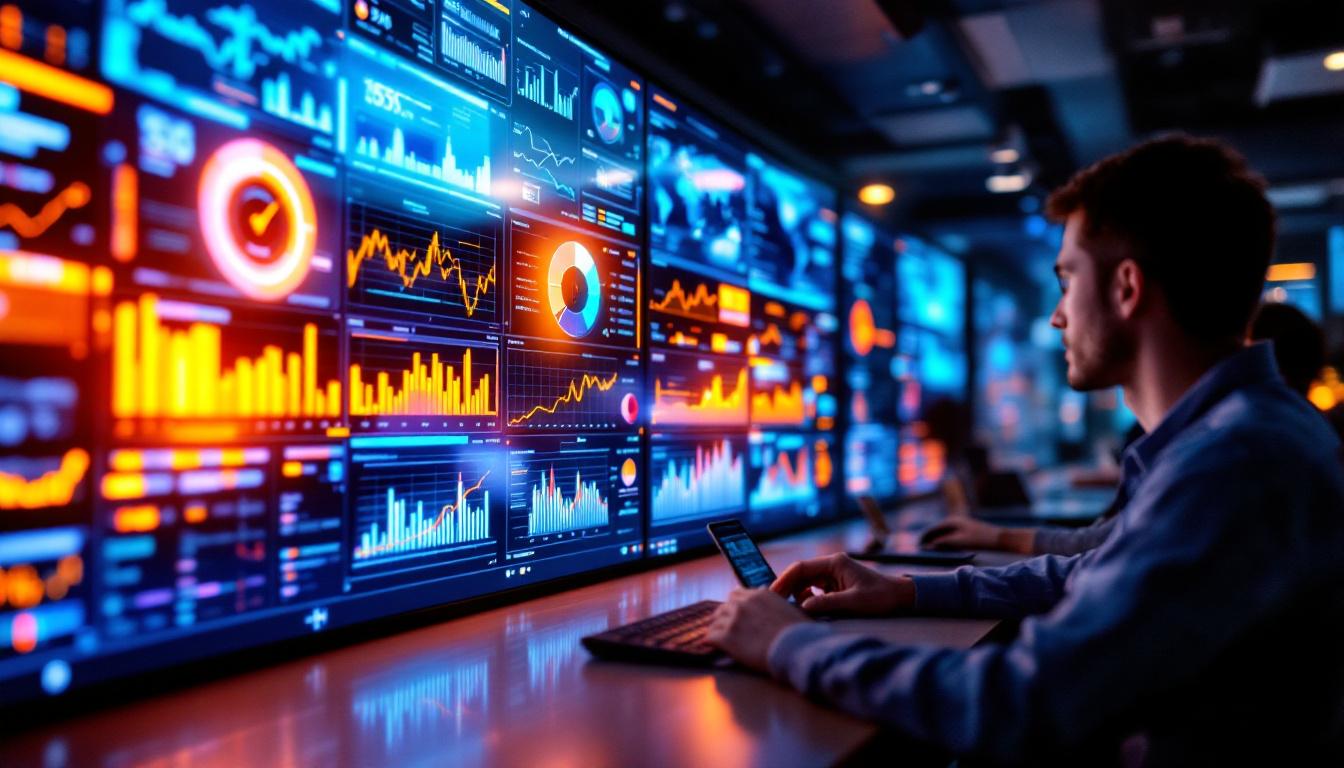
In today’s fast-paced operational environments, control rooms serve as the nerve centers for monitoring, managing, and responding to critical situations. Whether in transportation, utilities, emergency services, or manufacturing, the ability to visualize data clearly and in real-time is paramount. One of the most transformative technologies enabling this capability is the LED display. This article explores the role of LED displays in control room solutions, explaining their technology, benefits, and how they are shaping the future of operational command centers.
Understanding LED Display Technology
What is an LED Display?
LED stands for Light Emitting Diode, a semiconductor device that emits light when an electric current passes through it. LED displays are large screens composed of thousands, sometimes millions, of these tiny diodes arranged in a matrix. Each diode acts as a pixel, capable of producing vibrant colors and high brightness levels.
Unlike traditional LCD or plasma screens, LED displays use direct light emission rather than backlighting, resulting in superior contrast, color accuracy, and energy efficiency. This makes them particularly well-suited for environments where clarity and visibility are critical, such as control rooms.
Types of LED Displays Used in Control Rooms
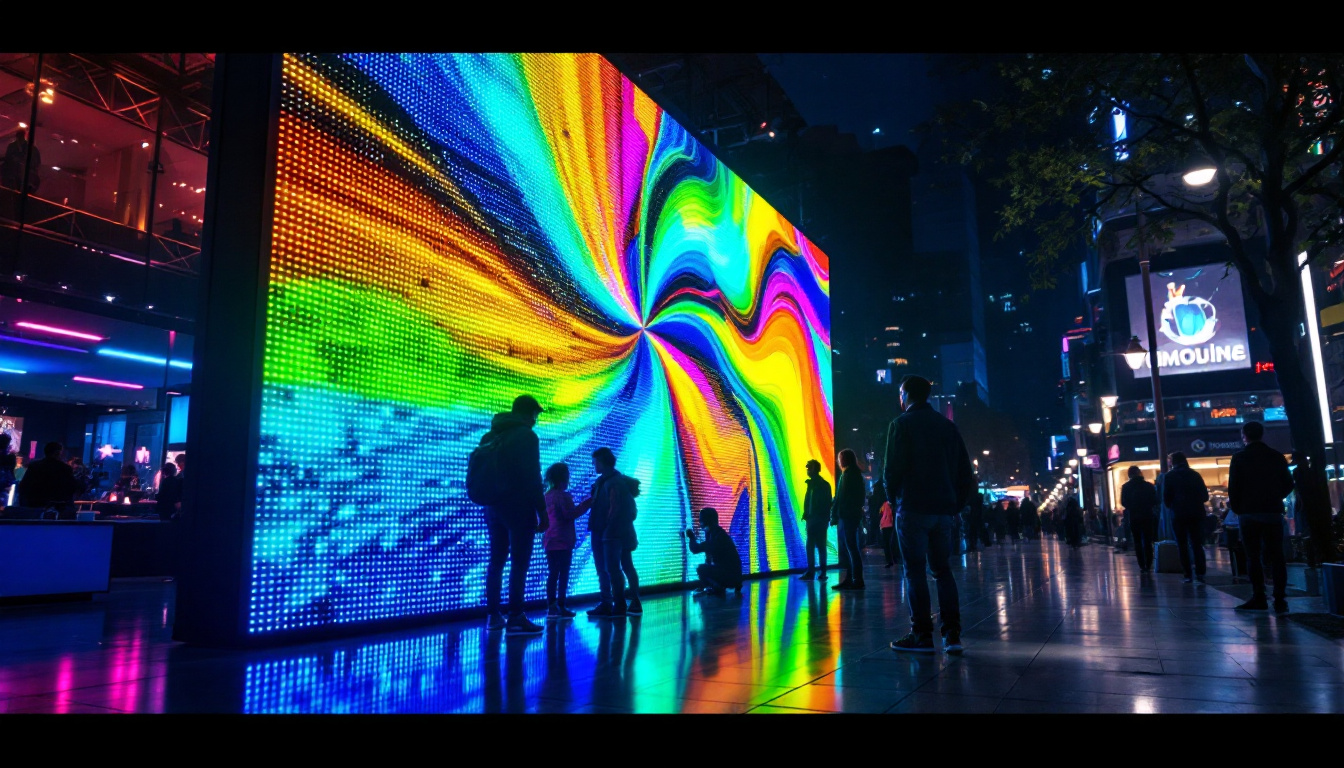
There are primarily two types of LED displays utilized in control rooms: indoor and outdoor LED panels. Indoor LED displays are designed for controlled lighting environments and offer high resolution with smaller pixel pitches, often ranging from 0.9mm to 3mm. Outdoor LED displays, on the other hand, are built to withstand harsh weather conditions and have larger pixel pitches, typically above 4mm, to maintain visibility over long distances.
For control rooms, indoor LED video walls are most common. These can be configured in various sizes and aspect ratios, allowing operators to customize their visual workspace. Advances in fine-pitch LED technology have enabled pixel pitches as low as 0.7mm, delivering near-retina display clarity even on large-format screens.
Why LED Displays Are Essential in Control Room Environments
Superior Visual Clarity and Real-Time Data Monitoring
Control rooms demand the highest levels of visual clarity because operators must interpret complex data streams quickly and accurately. LED displays offer exceptional brightness and contrast ratios, ensuring that information remains visible even under varying ambient light conditions. This is crucial for 24/7 operations where lighting may fluctuate.
Moreover, LED displays support real-time data visualization with minimal latency. This responsiveness is vital for environments such as emergency response centers or traffic management hubs where delays can result in critical errors or slower reaction times.
Scalability and Customization
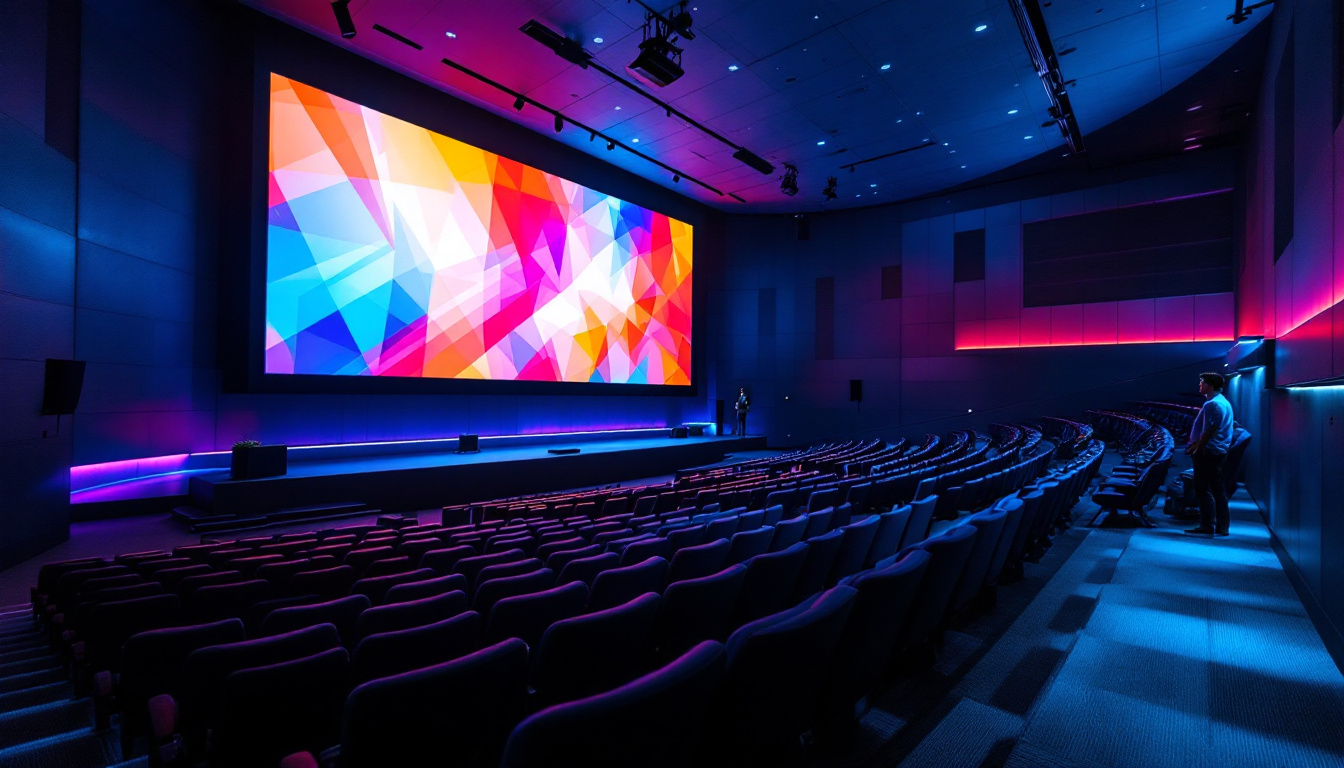
One of the key advantages of LED video walls is their modular design. Control room operators can scale the display size according to the room’s dimensions and operational needs. Panels can be seamlessly tiled to create expansive video walls that provide panoramic views of multiple data sources simultaneously.
Customization extends beyond size to include resolution, aspect ratio, and even curvature. Curved LED walls, for example, enhance the immersive experience and reduce operator eye strain by matching the natural field of vision. This flexibility allows control rooms to optimize their visual setup for maximum efficiency and comfort.
Reliability and Longevity
Control rooms operate around the clock, and their display systems must be equally dependable. LED displays are renowned for their long operational lifespans, often exceeding 100,000 hours of continuous use. This durability reduces maintenance costs and downtime, which can be critical in mission-critical environments.
Additionally, LED technology is less susceptible to burn-in and image retention issues common with other display types. This ensures that static images, such as maps or schematics, remain clear and undistorted over time.
Key Features to Consider When Selecting LED Displays for Control Rooms
Pixel Pitch and Resolution
Pixel pitch refers to the distance between the centers of two adjacent pixels, measured in millimeters. A smaller pixel pitch means higher resolution and sharper images. For control rooms, where operators may be seated close to the display, a fine pixel pitch (below 2mm) is recommended to ensure crisp detail.
However, pixel pitch must be balanced with viewing distance and budget. Ultra-fine pitch displays tend to be more expensive, so it’s important to assess the specific needs of the control room environment to select the optimal resolution.
Brightness and Contrast Ratio
Brightness, measured in nits, determines how well a display performs under different lighting conditions. Control rooms with ambient light sources such as windows or overhead lighting require displays with high brightness levels, typically above 1,000 nits, to maintain visibility.
Contrast ratio, which measures the difference between the darkest black and the brightest white a display can produce, is equally important. High contrast ratios improve readability and reduce eye fatigue during long shifts.
Color Accuracy and Uniformity
Accurate color reproduction is essential when monitoring video feeds, maps, or graphical data. LED displays offer wide color gamuts and can be calibrated to maintain color consistency across the entire video wall, ensuring that operators receive reliable visual information.
Uniformity is also critical; inconsistencies in brightness or color across panels can distract operators and impair decision-making. Leading LED display providers use advanced calibration tools to guarantee uniformity and seamless image blending.
Integration and Control System Compatibility
Modern control rooms rely on complex software ecosystems to aggregate and display data from multiple sources. LED displays must integrate smoothly with video processors, control software, and network systems to provide a cohesive user experience.
Many LED display providers offer proprietary or third-party control solutions that enable operators to manage content dynamically, switch inputs, and configure layouts with ease. Compatibility with existing infrastructure reduces deployment time and costs.
Applications of LED Displays in Various Control Room Industries
Transportation and Traffic Management
Transportation control centers use LED video walls to monitor traffic flow, public transit operations, and incident response. High-resolution LED displays allow operators to view live camera feeds, traffic maps, and sensor data simultaneously, facilitating quick decision-making and coordination.
For example, metropolitan traffic management centers often deploy large-scale LED walls to oversee hundreds of miles of roadways, enabling rapid detection of congestion or accidents and timely dispatch of emergency services.
Utilities and Energy Sector
In power plants, water treatment facilities, and energy grids, LED displays provide real-time monitoring of system status, alarms, and performance metrics. The ability to visualize complex data sets clearly helps operators maintain system stability and respond to faults promptly.
LED video walls also support predictive maintenance by displaying analytics and trend data, reducing downtime and enhancing operational efficiency.
Emergency Services and Public Safety
Emergency operations centers rely on LED displays to coordinate responses to natural disasters, public health crises, and security incidents. The clarity and immediacy of LED video walls enable seamless communication between multiple agencies and stakeholders.
During large-scale events, these displays can integrate live feeds from drones, surveillance cameras, and social media, providing a comprehensive situational overview that is essential for effective crisis management.
Manufacturing and Industrial Control Rooms
Manufacturing plants use control rooms equipped with LED video walls to monitor production lines, quality control systems, and safety protocols. The high resolution and reliability of LED displays ensure that operators can detect anomalies early and maintain continuous operations.
Integration with automation and robotics systems further enhances the ability to visualize workflows and optimize processes in real-time.
Future Trends in LED Display Technology for Control Rooms
MicroLED and MiniLED Innovations
Emerging MicroLED and MiniLED technologies promise even higher brightness, better energy efficiency, and improved color accuracy. MicroLEDs, in particular, offer pixel-level control with self-emissive properties, combining the best aspects of OLED and traditional LED displays without the drawbacks of burn-in or limited lifespan.
As production costs decrease, these technologies are expected to become mainstream in control room environments, delivering unparalleled visual performance.
Artificial Intelligence and Smart Display Integration
AI-powered analytics are increasingly integrated with LED display systems to automate data visualization and alert generation. Smart displays can prioritize critical information, adjust layouts dynamically, and even predict operational issues before they occur.
This convergence of AI and LED technology enhances situational awareness and reduces cognitive load on operators, leading to faster and more accurate decision-making.
Enhanced Interactivity and Touch Capabilities
While traditional LED walls serve primarily as passive display surfaces, advancements in touch and gesture recognition are enabling interactive control room environments. Operators can manipulate data directly on the video wall, zoom into specific areas, or switch between data sources with intuitive gestures.
This interactivity fosters collaboration and improves operational agility, particularly in multi-operator control rooms.
Choosing the Right Control Room Solutions Provider
Experience and Industry Expertise
Selecting a provider with deep experience in control room environments is critical. Such providers understand the unique challenges of 24/7 operations, security requirements, and integration complexities. They can offer tailored solutions that align with specific industry needs and regulatory standards.
Comprehensive Support and Maintenance
Reliable after-sales support ensures that LED display systems remain operational and up-to-date. Providers offering proactive maintenance, remote diagnostics, and rapid on-site service minimize downtime and extend the lifespan of the investment.
Customization and Future-Proofing
A good solutions provider will offer flexible configurations and scalable options to accommodate evolving operational demands. Future-proofing through modular designs and upgrade paths protects against obsolescence and maximizes return on investment.
Conclusion
LED displays have revolutionized control room environments by delivering unparalleled visual clarity, reliability, and scalability. Their ability to present complex, real-time data in an accessible and customizable format makes them indispensable for modern operational command centers across industries.
As technology advances, LED displays will continue to evolve, incorporating innovations like MicroLED, AI integration, and interactivity to further enhance situational awareness and decision-making capabilities. Choosing the right control room solutions provider ensures that organizations can leverage these benefits effectively, maintaining operational excellence and responsiveness in an increasingly complex world.
Discover LumenMatrix’s Advanced LED Display Solutions
Embrace the future of operational command centers with LumenMatrix’s cutting-edge LED display technologies. As a leader in the industry, we are committed to enhancing your control room’s capabilities with our comprehensive range of LED display solutions. From Indoor and Outdoor LED Wall Displays to innovative Custom and Transparent LED options, our products are designed to deliver exceptional visual clarity and engagement. Elevate your situational awareness and decision-making with displays that are as dynamic as your operations. Check out LumenMatrix LED Display Solutions today and transform your control room into a hub of efficiency and responsiveness.