Outdoor TV Screen Protector: LED Display Explained
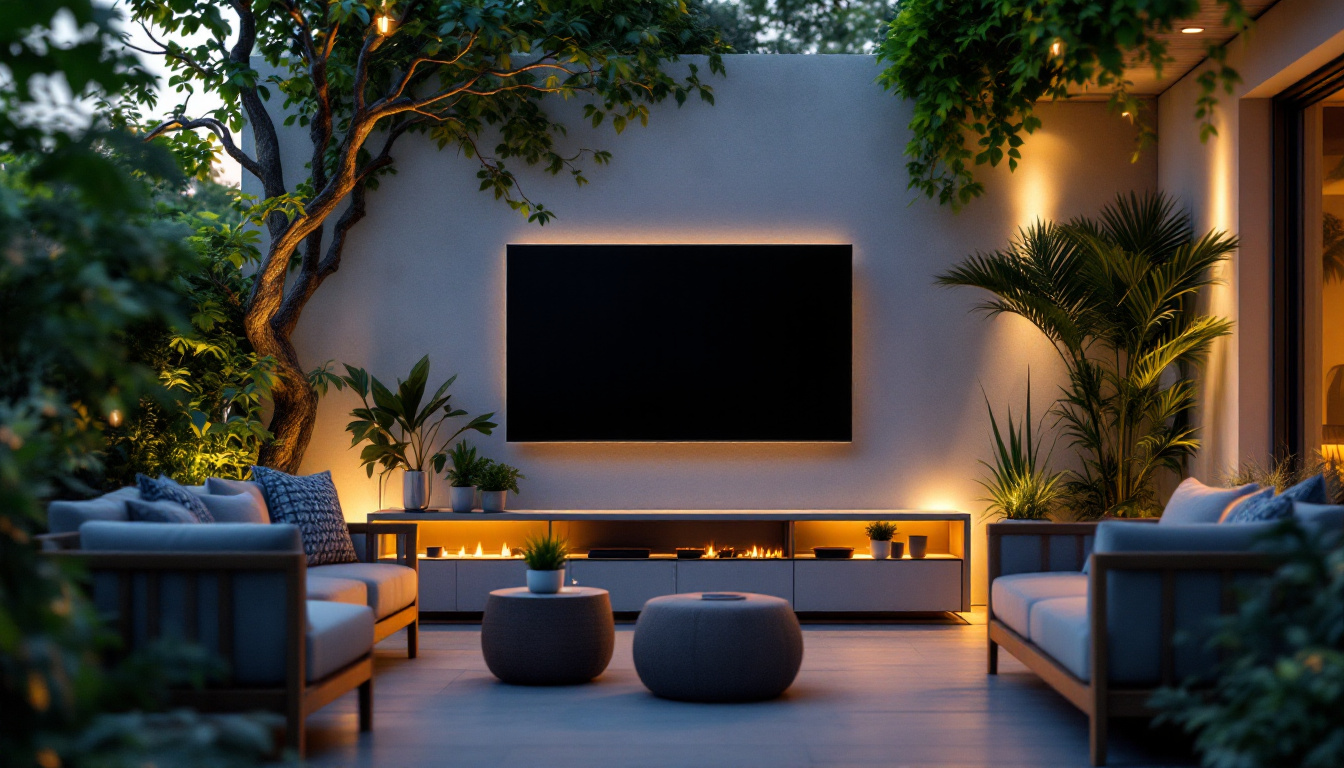
With the rising popularity of outdoor entertainment spaces, more homeowners and businesses are investing in outdoor TVs to enjoy movies, sports, and gaming in their patios, gardens, or pool areas. However, placing a television outside exposes it to a variety of environmental challenges that can degrade its performance and lifespan. One of the most effective ways to safeguard outdoor TVs is by using an outdoor TV screen protector, particularly for LED displays. This article explores the importance of these protectors, how LED displays function in outdoor settings, and what to consider when selecting the right protection for your outdoor TV.
Understanding LED Displays in Outdoor TVs
What is an LED Display?
LED, or Light Emitting Diode, displays are the most common type of screen technology used in modern televisions, including those designed for outdoor use. Unlike older LCD screens that rely on fluorescent backlighting, LED displays use tiny diodes that emit light when an electric current passes through them. This technology allows for brighter images, better contrast, and more vibrant colors, which are essential for visibility in bright outdoor environments.
Outdoor LED TVs are specifically engineered to handle higher brightness levels, often exceeding 700 to 1000 nits, compared to indoor TVs that typically range from 250 to 350 nits. This increased brightness ensures that the picture remains clear and vivid even under direct sunlight, making LED technology ideal for outdoor entertainment. Additionally, many outdoor LED TVs come equipped with advanced anti-glare technology, which helps to further enhance visibility by minimizing reflections from the sun, allowing viewers to enjoy their favorite shows or sports events without straining their eyes.
Furthermore, the color accuracy and dynamic range of LED displays have significantly improved over the years. Many outdoor models now incorporate features such as HDR (High Dynamic Range) support, which expands the range of colors and contrasts displayed on the screen. This means that viewers can experience deeper blacks and brighter whites, resulting in a more immersive viewing experience, whether it’s a movie night under the stars or a daytime barbecue with friends.
Challenges of Using LED Displays Outdoors
Despite their advantages, LED displays face several challenges when used outdoors. Exposure to sunlight, moisture, dust, and fluctuating temperatures can affect the screen’s performance and longevity. Sunlight, in particular, can cause glare and reflections that diminish picture quality. Furthermore, UV rays can degrade screen materials over time, leading to discoloration or damage. To combat these issues, many manufacturers have developed specialized coatings and materials that resist UV damage and enhance durability, ensuring that the display maintains its quality over time.
Temperature extremes can also impact the electronic components inside the TV. High heat can cause overheating, while cold temperatures may affect the display’s responsiveness. Additionally, moisture from rain or humidity can seep into the device, potentially causing electrical shorts or corrosion. These factors highlight the necessity of protective measures such as screen protectors and weatherproof enclosures. Many outdoor TVs are designed with robust housing that not only protects against the elements but also includes built-in cooling systems to manage heat effectively. This engineering ensures that the device operates optimally, regardless of the weather conditions, allowing users to enjoy their outdoor entertainment without interruption.
The Role of Outdoor TV Screen Protectors
What is an Outdoor TV Screen Protector?
An outdoor TV screen protector is a specially designed layer or cover that shields the TV screen from physical damage and environmental hazards. These protectors are made from durable materials such as tempered glass, polycarbonate, or acrylic, which provide a robust barrier against scratches, impacts, dust, and moisture.
Unlike standard screen protectors used on smartphones or tablets, outdoor TV screen protectors are engineered to maintain optical clarity and touch sensitivity (if applicable) while withstanding harsh outdoor conditions. They also often include anti-glare and UV-resistant coatings to combat sunlight reflections and prevent UV damage to the screen.
Moreover, many outdoor TV screen protectors are designed to be weatherproof and can withstand extreme temperatures, whether it’s the scorching heat of summer or the biting cold of winter. This resilience ensures that your outdoor entertainment setup remains functional and visually appealing, regardless of the season. Some advanced models even feature self-cleaning properties, which help to repel dirt and grime, making maintenance a breeze.
Benefits of Using a Screen Protector for Outdoor LED TVs
One of the primary benefits of a screen protector is physical protection. Outdoor environments can be unpredictable, with risks ranging from accidental bumps and scratches to debris carried by wind. A protector acts as a first line of defense, preserving the integrity of the LED display beneath.
Additionally, screen protectors help maintain picture quality by reducing glare and reflections. This is crucial for outdoor TVs, where sunlight can wash out images, making them difficult to see. Anti-glare coatings on protectors improve visibility, thereby enhancing the viewing experience.
UV protection is another significant advantage. Prolonged exposure to ultraviolet rays can cause fading and deterioration of the screen’s surface. A screen protector with UV-resistant properties extends the lifespan of the TV by mitigating this damage. Furthermore, these protectors can also help in maintaining the color accuracy and vibrancy of the displayed images, ensuring that your outdoor movie nights or sports events are visually stunning.
Another benefit worth mentioning is the ease of installation and removal. Many outdoor TV screen protectors come with user-friendly mounting systems that allow for quick setup and takedown, making them ideal for seasonal use or for those who prefer to store their TVs indoors during inclement weather. This flexibility not only protects your investment but also provides peace of mind, knowing that your outdoor entertainment area is safeguarded against unforeseen circumstances.
Key Features to Look for in Outdoor TV Screen Protectors
Material Durability and Clarity
When choosing a screen protector, material quality is paramount. Tempered glass is often preferred for its high durability and scratch resistance, offering superior protection against impacts. However, it can be heavier and more expensive. Polycarbonate and acrylic options are lighter and more affordable but may scratch more easily over time.
Regardless of the material, optical clarity should not be compromised. High transparency ensures that the vibrant colors and brightness of the LED display remain unaffected. Look for protectors with a light transmission rate of 90% or higher to guarantee minimal impact on picture quality.
Anti-Glare and UV Resistance
Anti-glare coatings are essential for outdoor use, as they reduce reflections from sunlight and artificial light sources. This feature enhances screen visibility and reduces eye strain during prolonged viewing sessions.
UV resistance protects the screen from harmful ultraviolet rays that can cause discoloration and material degradation. A good screen protector will have a UV-blocking layer to shield the LED display from these damaging effects.
Ease of Installation and Maintenance
Installation should be straightforward, allowing users to apply the protector without professional assistance. Many outdoor TV screen protectors come with adhesive backing or magnetic frames that simplify the mounting process.
Maintenance is also a consideration. The protector should be easy to clean without scratching or damaging the surface. Some products feature hydrophobic coatings that repel water and dust, making cleaning less frequent and more effective.
Installation Tips for Outdoor TV Screen Protectors
Preparing the TV Screen
Before applying a screen protector, it is crucial to clean the TV screen thoroughly to remove dust, fingerprints, and smudges. Use a microfiber cloth and a gentle screen cleaner to avoid scratching the display. Ensuring a dust-free surface helps prevent bubbles and imperfections during installation.
Applying the Protector
Carefully align the protector with the edges of the TV screen. If the protector uses adhesive, peel back the protective film gradually while pressing the protector onto the screen to avoid trapping air bubbles. For magnetic or frame-based protectors, ensure the frame fits securely around the TV.
Take your time during this process, as improper installation can reduce the effectiveness of the protector and affect screen visibility.
Regular Maintenance
Once installed, clean the screen protector regularly with a soft cloth and mild cleaner to maintain clarity. Avoid harsh chemicals or abrasive materials that could damage the protective coating. Periodically inspect the protector for scratches or cracks and replace it if it becomes compromised.
Additional Protective Measures for Outdoor LED TVs
Weatherproof Enclosures
In addition to screen protectors, many outdoor TVs benefit from weatherproof enclosures. These housings provide comprehensive protection against rain, dust, insects, and extreme temperatures. Enclosures often include built-in fans or heaters to regulate temperature, ensuring the TV operates within safe limits.
Combining a weatherproof enclosure with a high-quality screen protector offers a multi-layered defense, significantly extending the life of outdoor LED TVs.
Proper Placement and Installation
Choosing the right location for an outdoor TV can reduce exposure to direct sunlight and harsh weather. Installing the TV under a covered patio, pergola, or awning provides natural protection. Additionally, mounting the TV securely to prevent movement during wind or accidental contact is essential for safety and durability.
Regular Inspection and Maintenance
Outdoor TVs require routine checks to ensure all protective measures remain intact. Inspect the screen protector, enclosure seals, and mounting brackets periodically. Promptly address any signs of wear or damage to prevent more significant issues.
Conclusion: Maximizing Outdoor TV Longevity with Screen Protectors
Outdoor LED TVs offer a fantastic way to enjoy entertainment in open-air settings, but they demand extra care due to environmental exposure. An outdoor TV screen protector is a vital accessory that safeguards the LED display from physical damage, glare, and UV radiation, all of which can impair viewing quality and shorten the TV’s lifespan.
By understanding the unique challenges of outdoor LED displays and selecting a high-quality screen protector with appropriate features such as anti-glare and UV resistance, users can significantly enhance their outdoor viewing experience. Coupled with proper installation, maintenance, and additional protective measures like weatherproof enclosures, these steps ensure that outdoor TVs remain vibrant, functional, and durable for years to come.
Discover the Ultimate Protection for Your Outdoor Entertainment
Ready to take your outdoor entertainment to the next level? Look no further than LumenMatrix, your trusted partner in LED display technology. With our extensive range of innovative LED display solutions, from vibrant Outdoor LED Wall Displays to dynamic LED Sports Displays, we are committed to enhancing your viewing experience. Embrace the revolution in visual communication with LumenMatrix and ensure your outdoor LED TV is not only protected but also visually stunning. Check out LumenMatrix LED Display Solutions today and transform your outdoor space into a captivating visual haven.