In today’s digital age, LED displays have become a cornerstone of visual communication, transforming everything from advertising billboards to stadium screens. Among the many configurations available, the 480-72 LED display stands out for its unique specifications and versatile applications. This article delves into the technical details, practical uses, and advantages of the 480-72 LED display, providing a comprehensive understanding for professionals and enthusiasts alike.
Understanding the Basics of LED Displays
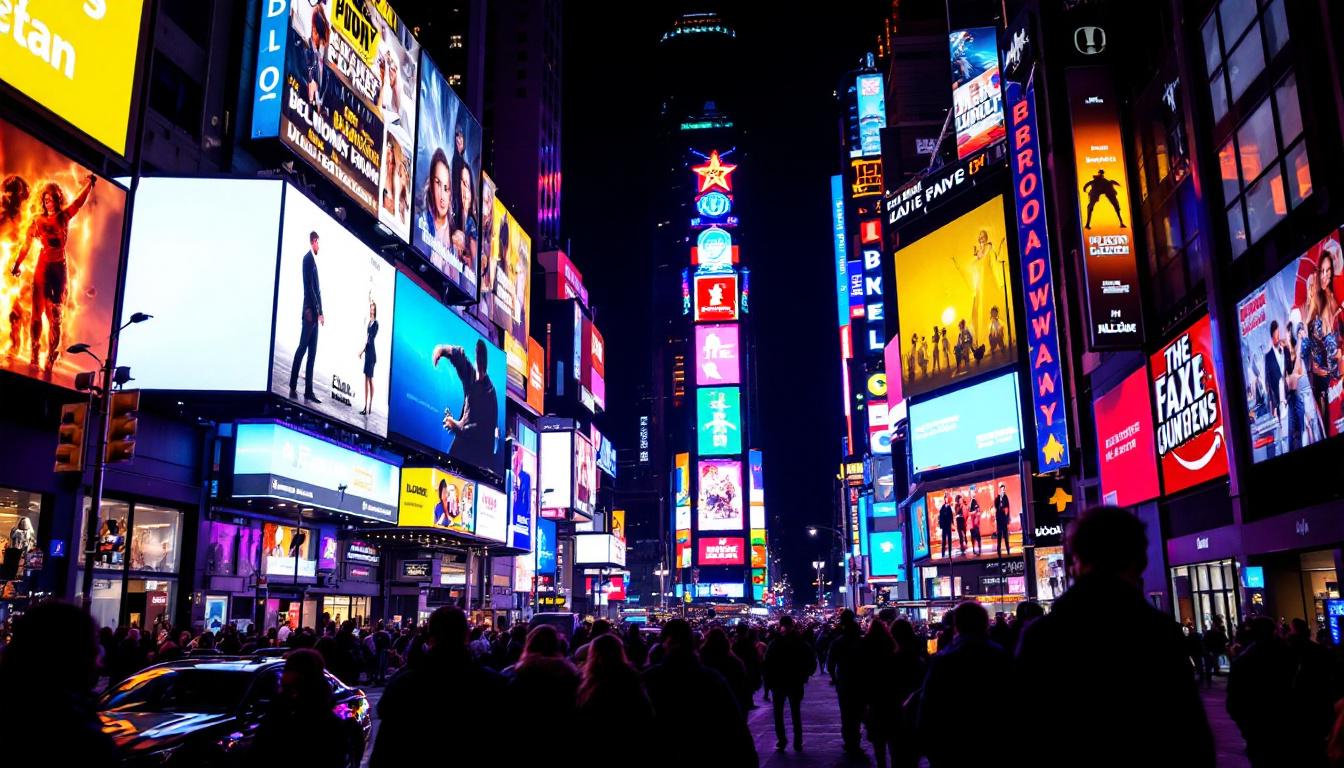
LED, or Light Emitting Diode, displays utilize semiconductor diodes that emit light when an electric current passes through them. Unlike traditional LCD or plasma screens, LED displays offer superior brightness, energy efficiency, and durability. These qualities make them ideal for both indoor and outdoor applications where visibility and reliability are paramount. The ability to produce vibrant colors and deep blacks enhances the overall viewing experience, making LED displays a popular choice for everything from home theaters to large-scale advertising billboards.
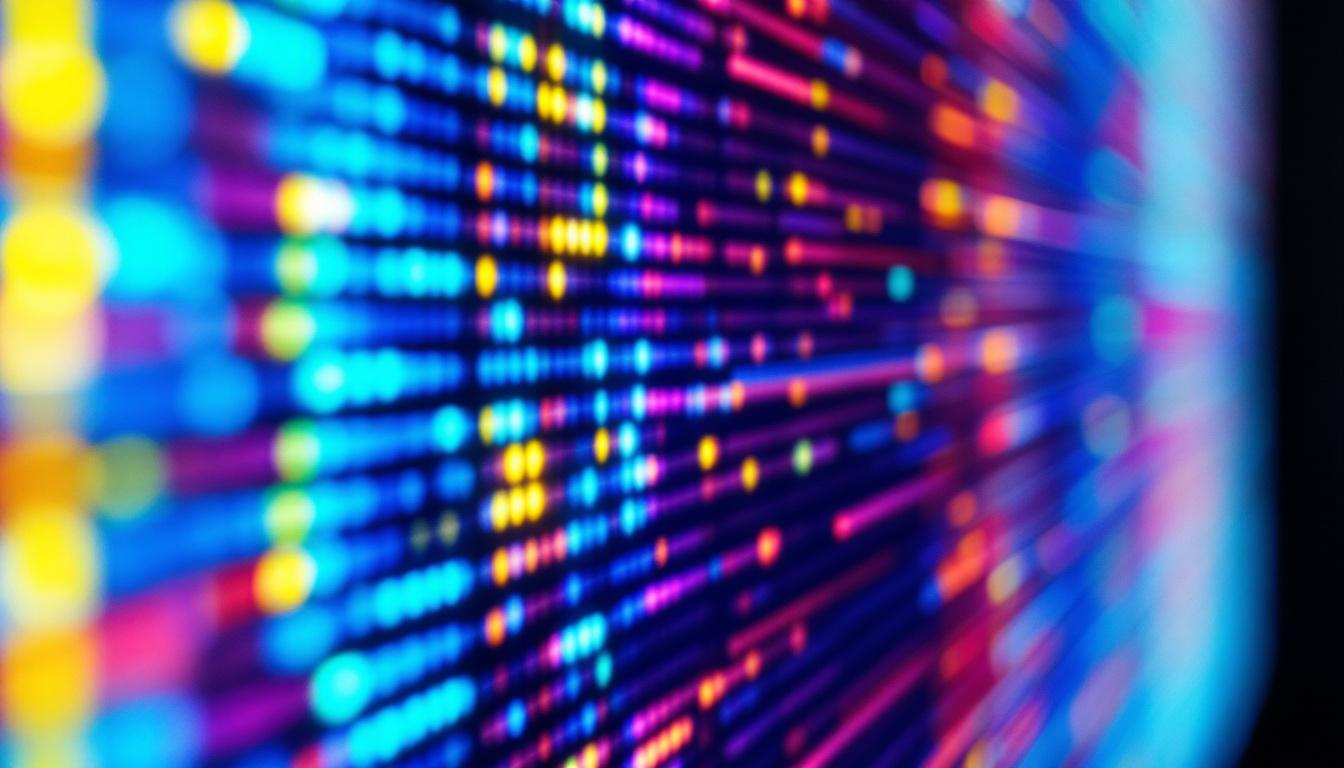
LED displays are composed of numerous tiny LEDs arranged in a matrix. The resolution and clarity of the display depend on the number of LEDs per unit area, often referred to as pixel pitch. A smaller pixel pitch means more LEDs per square meter, resulting in higher resolution and sharper images. This is particularly important in environments where viewers are close to the screen, such as in retail spaces or during live events, where every detail counts. Additionally, advancements in technology have led to the development of flexible LED displays, which can be shaped to fit unique architectural designs, further expanding their application possibilities.
What Does 480-72 Mean?
The term “480-72” in the context of LED displays typically refers to the resolution and configuration of the display module. Specifically, it indicates a display with 480 horizontal pixels and 72 vertical pixels. This resolution is often used in medium-sized LED panels designed for detailed visual output without requiring the ultra-high resolution of large-scale video walls. Such configurations are especially beneficial for applications where the display is viewed from a moderate distance, allowing for effective communication of messages without overwhelming the viewer with excessive detail.
Understanding this configuration helps in assessing the display’s suitability for various applications, such as digital signage, scoreboards, or informational displays where clarity and readability are essential but ultra-high resolution is not mandatory. Furthermore, the 480-72 configuration strikes a balance between cost and performance, making it an attractive option for businesses looking to enhance their visibility without breaking the bank. As technology continues to evolve, we can expect to see even more versatile configurations that cater to specific needs, enabling businesses and organizations to communicate their messages more effectively and creatively.
Technical Specifications and Features of 480-72 LED Displays
To appreciate the capabilities of the 480-72 LED display, it is important to examine its core technical specifications. These include pixel pitch, brightness, refresh rate, color depth, and viewing angles, all of which contribute to the overall performance.
Pixel Pitch and Resolution
The pixel pitch of an LED display refers to the distance between the centers of two adjacent pixels, measured in millimeters. While the 480-72 designation specifies the resolution, the pixel pitch determines the physical size of the display and the density of the LEDs.
For example, a 480×72 pixel matrix with a 10mm pixel pitch will result in a display approximately 4.8 meters wide and 0.72 meters tall. This size is suitable for installations where viewers are positioned at a moderate distance, such as in conference rooms or retail environments.
Brightness and Visibility
One of the defining advantages of LED displays is their high brightness levels, often exceeding 5,000 nits for outdoor models. The 480-72 LED display typically offers adjustable brightness settings to accommodate various lighting conditions. This flexibility ensures optimal visibility whether in direct sunlight or dim indoor environments.
Brightness uniformity across the display surface is critical to maintaining image quality. Advanced 480-72 LED modules employ sophisticated calibration techniques to prevent hotspots and ensure consistent luminance.
Refresh Rate and Color Depth
The refresh rate of an LED display impacts the smoothness of motion and flicker visibility. A higher refresh rate, such as 1920Hz or above, is essential for video playback and dynamic content. The 480-72 LED display supports refresh rates that minimize flicker, making it comfortable for prolonged viewing and suitable for broadcast applications.
Color depth, often measured in bits per channel, determines the range of colors the display can reproduce. A 16-bit color depth per channel is common in high-quality 480-72 LED displays, enabling vibrant and accurate color representation that enhances viewer engagement.
Viewing Angles and Durability
Wide viewing angles, typically up to 160 degrees horizontally and vertically, ensure that the content is visible from various perspectives without significant color shift or brightness loss. This is particularly important in public spaces where audiences may view the display from different positions.
Durability is another hallmark of LED technology. The 480-72 LED display modules are designed to withstand environmental stresses such as temperature fluctuations, humidity, and physical impact. Many models come with IP65 or higher ratings, indicating strong resistance to dust and water ingress, making them suitable for outdoor use.
Applications of 480-72 LED Displays
The 480-72 LED display’s balance of resolution, size, and brightness makes it a versatile choice across various industries. Understanding its practical applications helps stakeholders select the right display solution for their needs.
Retail and Advertising
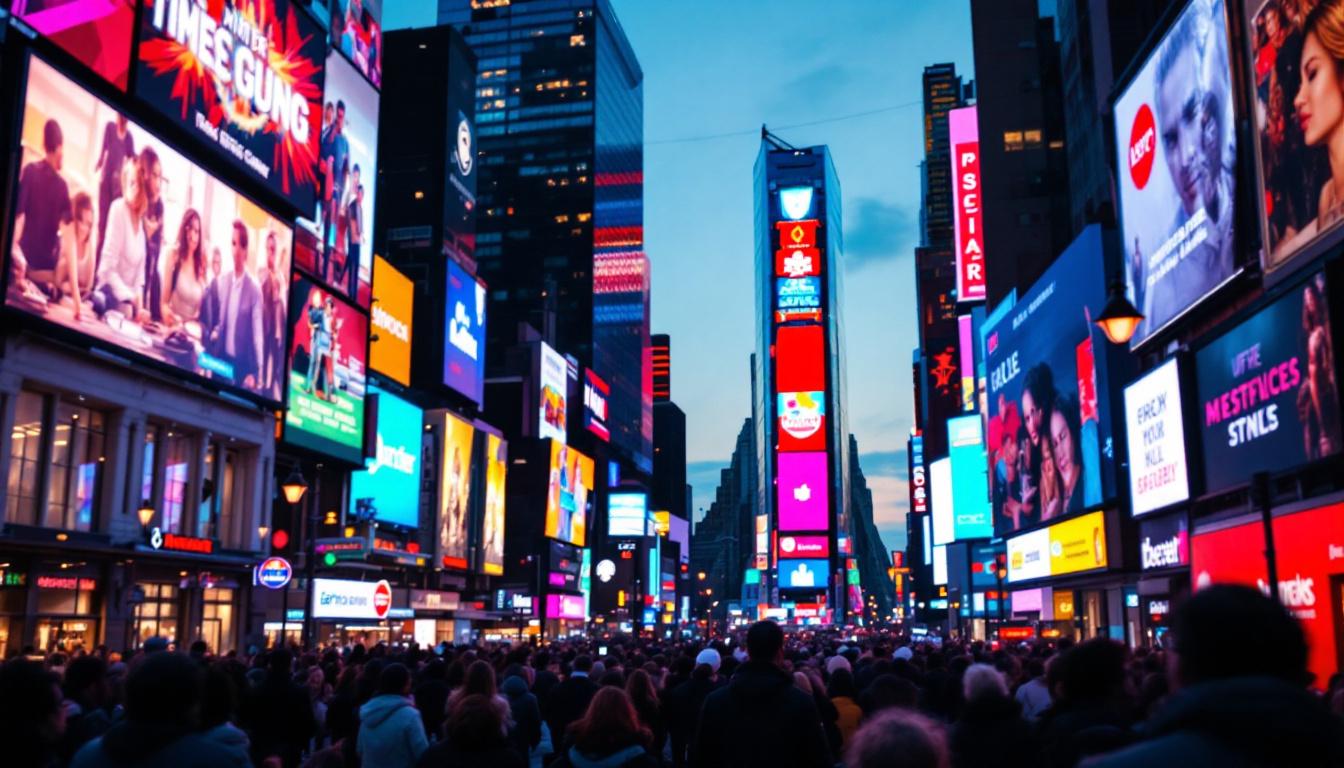
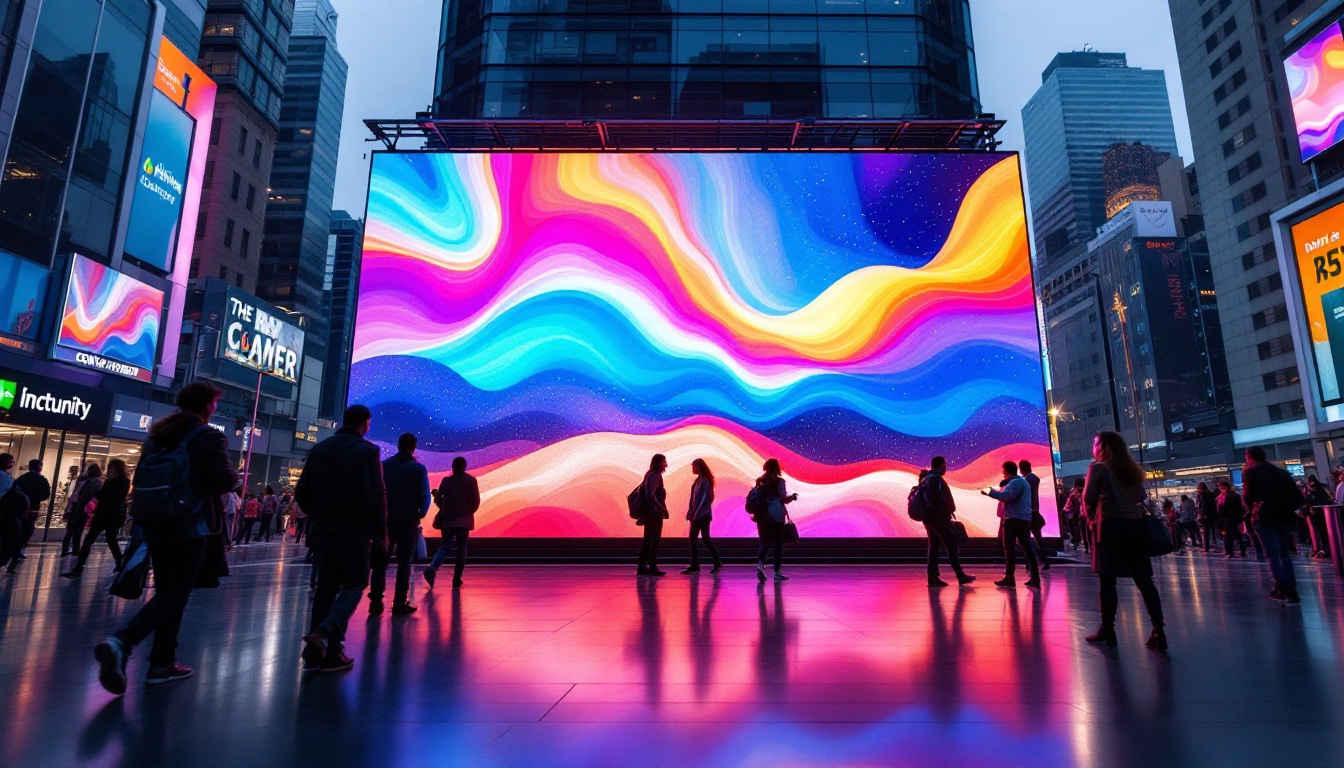
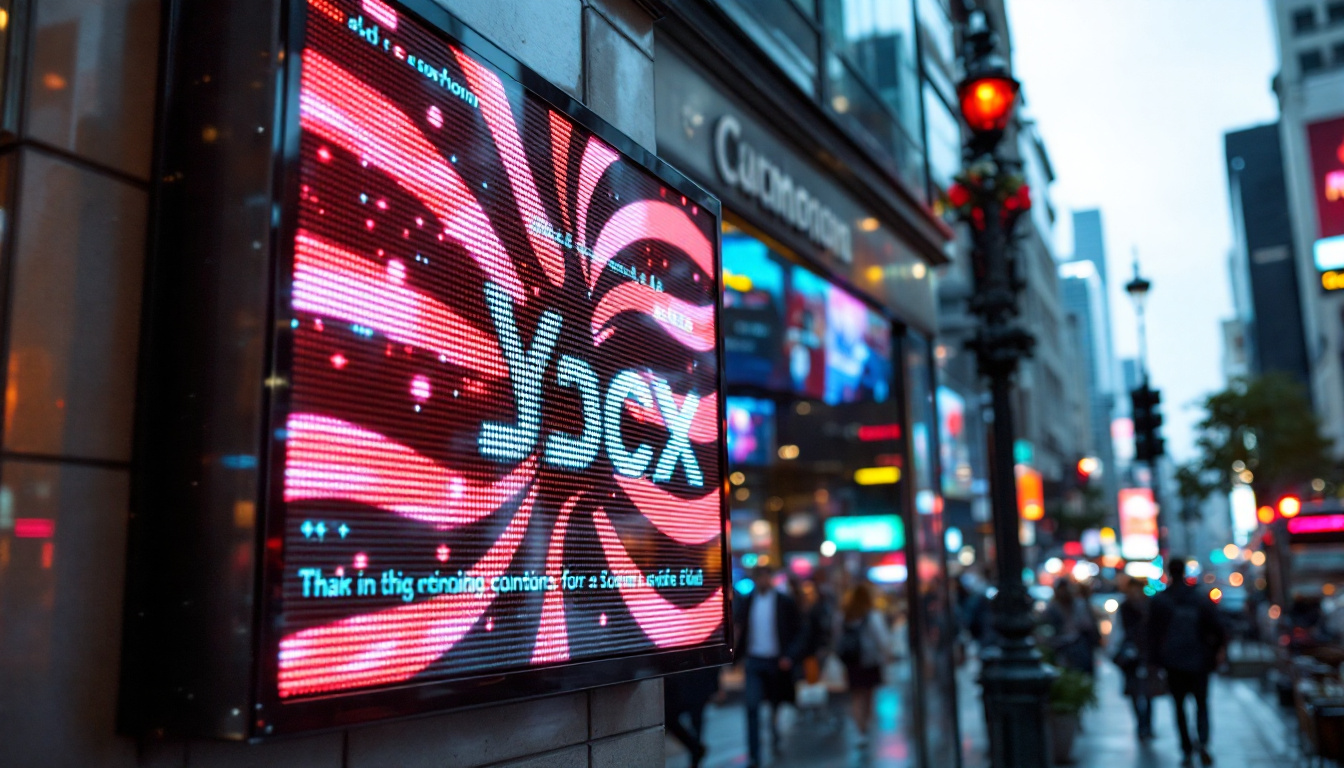
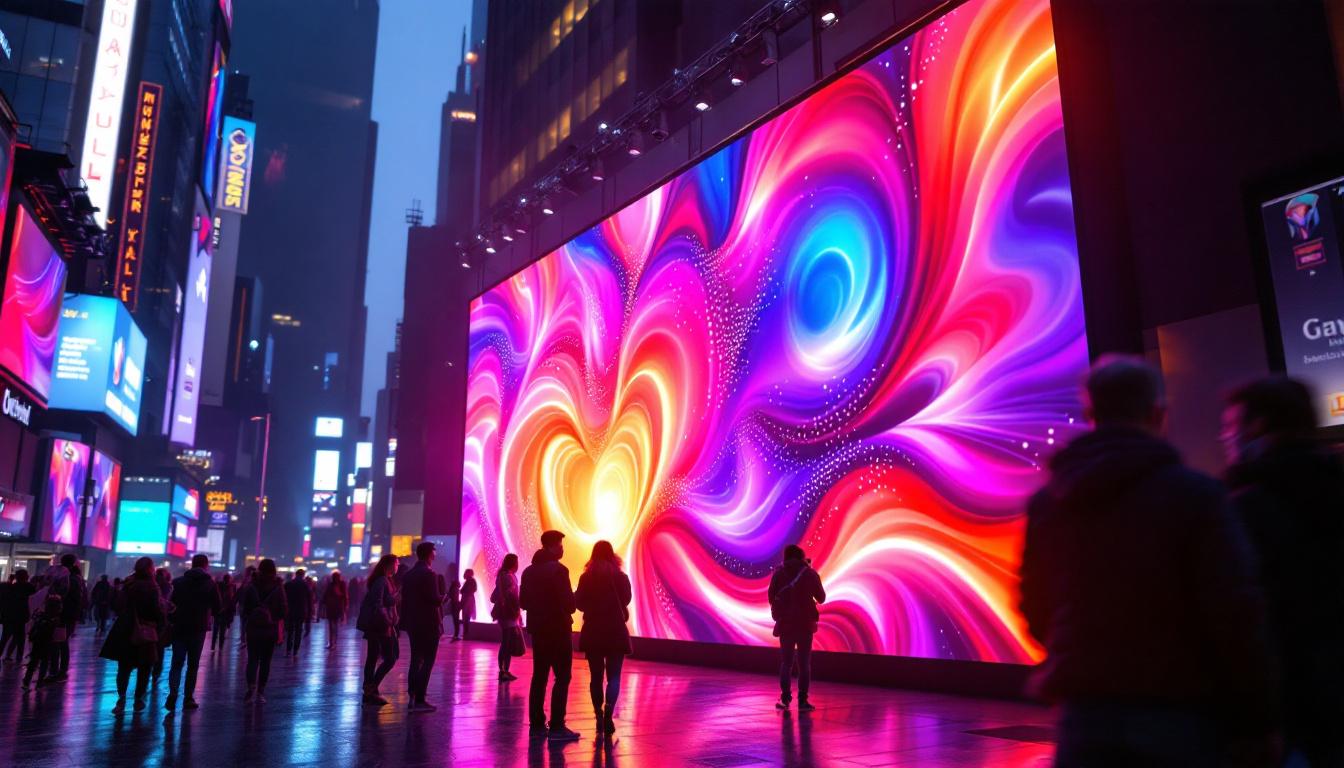
In retail environments, the 480-72 LED display serves as an effective digital signage tool. Its moderate size and high brightness make it ideal for storefronts, shopping malls, and trade shows where it can attract customer attention with dynamic content.
Compared to traditional printed signage, LED displays offer the advantage of real-time content updates, enabling businesses to tailor promotions and messages instantly. This adaptability can significantly increase engagement and conversion rates.
Sports and Entertainment Venues
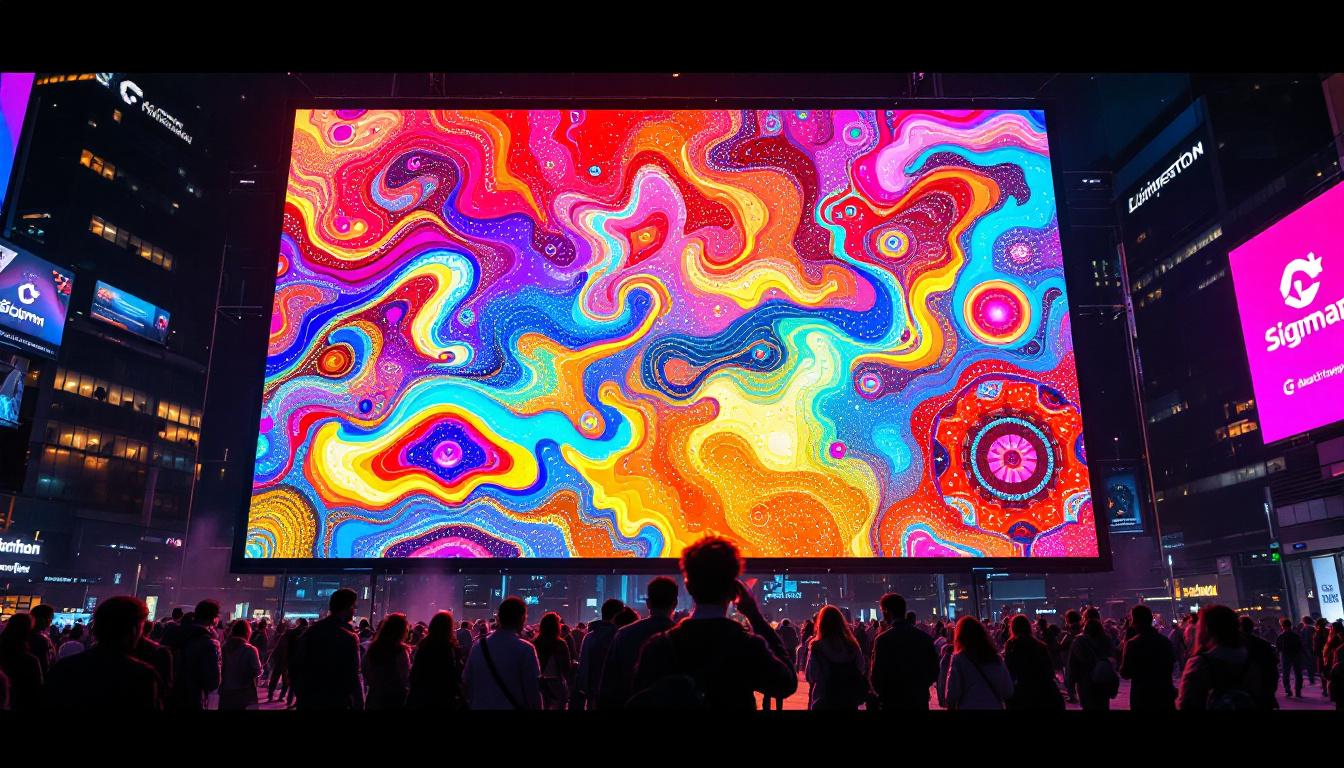
Scoreboards and event information displays in sports arenas often utilize 480-72 LED panels due to their clarity and reliability. The ability to display scores, player stats, and live video feeds with minimal latency enhances the spectator experience.
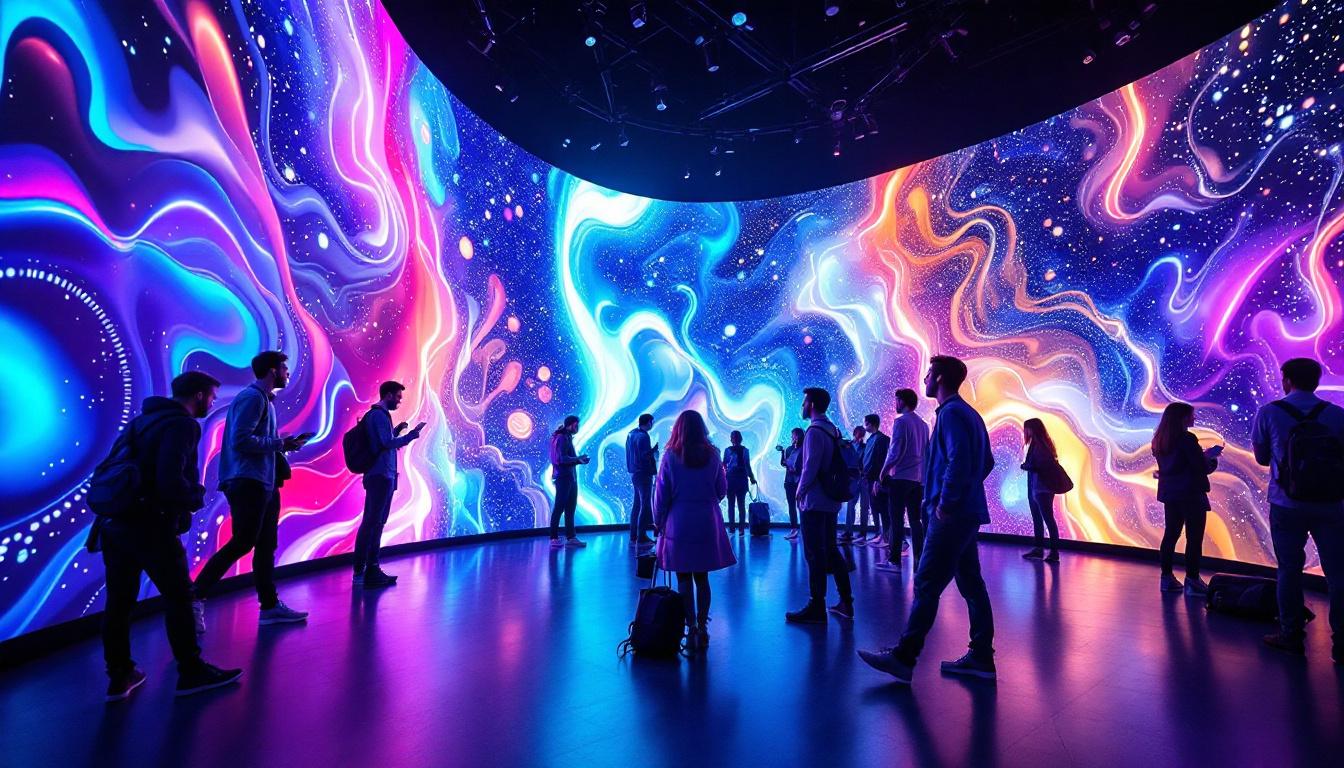
Moreover, these displays can be integrated with audio systems and control software to create immersive environments for concerts and live performances, providing visual effects synchronized with the event.
Corporate and Educational Settings
In corporate boardrooms and educational institutions, the 480-72 LED display is a popular choice for presentations, video conferencing, and informational displays. Its size fits well within medium-sized rooms, offering clear visibility to all attendees.
The high refresh rate and color accuracy ensure that detailed charts, videos, and text are rendered sharply, facilitating effective communication and learning.
Advantages of Choosing a 480-72 LED Display
When selecting an LED display, understanding the benefits of specific configurations like the 480-72 model is crucial. This section highlights the key advantages that make this display configuration a preferred option.
Cost-Effectiveness
The 480-72 LED display strikes a balance between performance and cost. It provides sufficient resolution for many applications without the premium price tag associated with ultra-high-resolution video walls. This makes it accessible to small and medium-sized businesses looking to leverage digital signage technology.
Energy Efficiency
LED technology is inherently energy-efficient, consuming significantly less power than traditional display technologies. The 480-72 LED display benefits from this efficiency, reducing operational costs over time, especially in installations that run continuously.
Ease of Installation and Maintenance
Modular design is a hallmark of modern LED displays, including the 480-72 configuration. This modularity simplifies installation and allows for easy maintenance or upgrades. Individual modules can be replaced without dismantling the entire display, minimizing downtime and maintenance costs.
Customization and Scalability
The 480-72 LED display can be customized in terms of size and pixel pitch to suit specific requirements. Multiple modules can be combined to create larger displays, offering scalability for growing businesses or evolving project needs.
Choosing the Right 480-72 LED Display for Your Needs
With numerous manufacturers and models available, selecting the right 480-72 LED display involves careful consideration of several factors beyond just resolution and size.
Assessing Environmental Conditions
Understanding whether the display will be used indoors or outdoors is critical. Outdoor displays require higher brightness, weatherproofing, and durability standards. Confirming the IP rating and operating temperature range ensures the display will perform reliably in its intended environment.
Content and Usage Requirements
Consider the type of content to be displayed. Static images, text, and simple animations have different requirements compared to full-motion video or interactive content. This affects the choice of refresh rate, color depth, and control systems.
Integration and Control Systems
Modern LED displays often integrate with content management systems (CMS) that allow remote control and scheduling. Ensuring compatibility with existing infrastructure or preferred software platforms can streamline operations and maximize the display’s effectiveness.
Future Trends in LED Display Technology
The LED display industry continues to evolve rapidly, driven by advances in materials, manufacturing, and digital technology. Understanding emerging trends can help businesses future-proof their investments.
MicroLED and MiniLED Innovations
Emerging technologies like MicroLED and MiniLED promise even higher resolution and energy efficiency by using smaller LEDs. While currently more expensive, these technologies are expected to become more accessible, potentially influencing future iterations of the 480-72 LED display format.
Enhanced Interactivity and Smart Features
Integration of sensors, touch capabilities, and AI-driven content adaptation is transforming LED displays into interactive platforms. These features enhance user engagement and open new possibilities for advertising, education, and entertainment.
Sustainability and Eco-Friendly Manufacturing
As environmental concerns grow, manufacturers are focusing on sustainable materials and energy-saving designs. The 480-72 LED display models incorporating eco-friendly components and recyclable materials align with global sustainability goals.
Conclusion
The 480-72 LED display represents a well-balanced solution for a wide range of visual communication needs. Its combination of moderate resolution, high brightness, and versatile size makes it suitable for retail, sports, corporate, and educational applications. By understanding its technical specifications, practical advantages, and future trends, stakeholders can make informed decisions that maximize the impact and longevity of their LED display investments.
As LED technology continues to advance, the 480-72 configuration remains a reliable and adaptable choice, bridging the gap between affordability and performance in the dynamic world of digital displays.
Discover LumenMatrix’s Innovative LED Solutions
Ready to elevate your visual communication with the perfect blend of performance and affordability? Look no further than LumenMatrix, a pioneer in LED display technology. Our extensive range of products, from Indoor and Outdoor LED Wall Displays to specialized solutions like Vehicle, Sports, and Floor LED Displays, is designed to captivate and engage your audience. With our Custom and All-in-One LED Displays, as well as the cutting-edge LED Transparent Display, we are committed to revolutionizing your digital signage experience. Check out LumenMatrix LED Display Solutions today and transform your space into a dynamic visual spectacle.