Exterior Flat Screen TVs: LED Display Explained
Outdoor entertainment has evolved significantly over the past decade, with exterior flat screen TVs becoming a popular choice for homeowners, businesses, and public venues alike. These displays bring the vibrant viewing experience of indoor televisions to patios, poolside areas, stadiums, and public squares. Central to this evolution is the advancement in LED display technology, which has made outdoor viewing clearer, brighter, and more durable than ever before.
This article delves into the world of exterior flat screen TVs, focusing on LED display technology. It explores how LED screens work, their advantages over other display types, key considerations for outdoor use, and the future outlook of LED technology in exterior settings.
Understanding LED Display Technology
LED, or Light Emitting Diode, technology is at the heart of modern exterior flat screen TVs. Unlike traditional LCDs that rely on fluorescent backlighting, LED displays use tiny diodes that emit light individually, creating images with superior brightness and contrast. This innovation has transformed the way we experience visual content outdoors, making it more vibrant and engaging than ever before.
How LED Displays Work
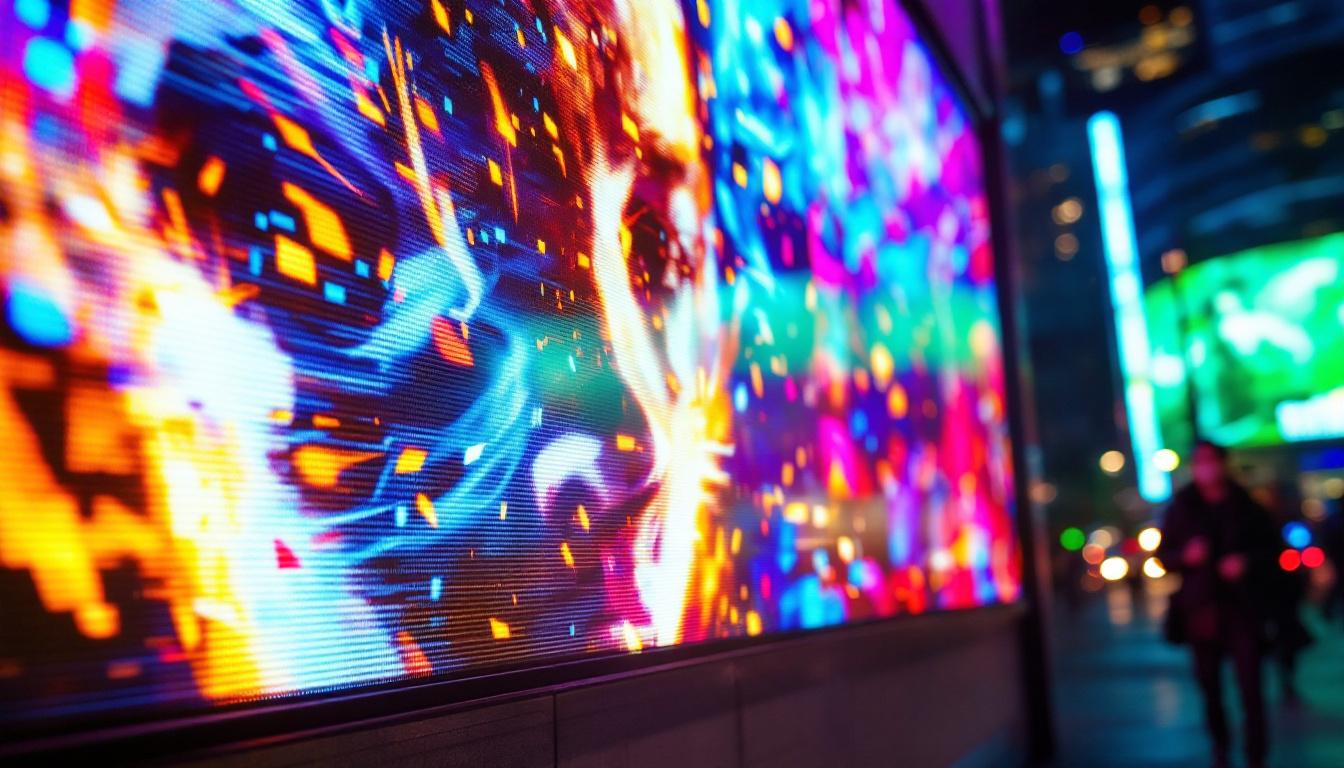
Each pixel on an LED screen is composed of red, green, and blue diodes. By varying the intensity of these diodes, the screen can display a full spectrum of colors. This self-emissive nature means LEDs produce their own light, eliminating the need for a separate backlight and enabling deeper blacks and more vivid colors. The result is a dynamic viewing experience that enhances everything from sports broadcasts to movie nights under the stars.
There are two main types of LED displays used in exterior TVs: direct-view LED and LED-backlit LCD. Direct-view LED screens consist entirely of LEDs that form the image, while LED-backlit LCDs use LEDs as a backlight behind an LCD panel. For outdoor applications, direct-view LED displays are preferred due to their superior brightness and durability. These displays are designed to withstand the elements, featuring weatherproof casings that protect against rain, dust, and temperature fluctuations, ensuring longevity and reliability in various outdoor settings.
Brightness and Visibility in Outdoor Conditions
One of the biggest challenges for outdoor TVs is visibility under direct sunlight. LED displays excel in this area, with brightness levels often exceeding 1,000 nits, compared to typical indoor TVs that range between 200 and 400 nits. Some high-end outdoor LED TVs can reach up to 2,500 nits, ensuring clear images even on the brightest days. This level of brightness is particularly beneficial for outdoor gatherings, where viewers can enjoy crisp visuals regardless of the time of day.
High brightness is essential not only for visibility but also to combat glare and reflections. Additionally, LED displays often incorporate anti-reflective coatings and adaptive brightness sensors to optimize viewing quality throughout the day and night. These sensors automatically adjust the screen’s brightness based on ambient light conditions, ensuring that the display remains clear and vibrant. Furthermore, many outdoor LED TVs come equipped with advanced cooling systems to prevent overheating during prolonged use in sunny environments, enhancing their performance and extending their lifespan.
Advantages of LED Displays for Exterior TVs
Choosing the right display technology for outdoor use is crucial, and LED screens offer several distinct advantages that make them the preferred option for exterior flat screen TVs.
Durability and Weather Resistance
Outdoor environments expose TVs to a variety of weather conditions, including rain, humidity, dust, and temperature fluctuations. LED displays designed for exterior use are built with robust enclosures that meet or exceed IP65 standards, meaning they are dust-tight and protected against water jets from any direction.
Furthermore, LED TVs often feature reinforced glass panels and corrosion-resistant materials, ensuring longevity even in harsh climates. This durability reduces maintenance costs and downtime, making LED displays a reliable investment. In addition to these protective features, many outdoor LED TVs come equipped with advanced cooling systems that prevent overheating during hot summer days, ensuring consistent performance. This resilience against environmental stressors allows users to enjoy their outdoor entertainment without the worry of frequent repairs or replacements.
Energy Efficiency and Longevity
LED technology is inherently energy-efficient compared to older display types. By emitting light directly from the diodes, LEDs consume less power while delivering higher brightness. This efficiency is particularly beneficial for outdoor installations where displays may operate for extended periods.
Additionally, LED displays have a longer lifespan, often rated between 50,000 to 100,000 hours of use before significant brightness degradation occurs. This longevity translates to fewer replacements and lower total cost of ownership. The energy savings can also contribute to a smaller carbon footprint, making LED displays a more environmentally friendly choice. Many models are designed to automatically adjust brightness based on ambient light conditions, further optimizing energy consumption while ensuring the best viewing experience at all times.
Superior Image Quality
Outdoor LED TVs provide vibrant colors, high contrast ratios, and wide viewing angles, all of which contribute to an immersive viewing experience. The ability to display deep blacks and bright whites simultaneously enhances image clarity, even in challenging lighting conditions.
Moreover, LED screens support high refresh rates and resolutions, making them suitable for fast-moving content such as sports broadcasts or dynamic advertisements. The advanced technology behind these displays allows for exceptional performance in direct sunlight, where traditional screens may struggle. Enhanced anti-glare coatings and adaptive brightness features ensure that viewers can enjoy their favorite shows or events without squinting or straining their eyes. This level of image quality not only elevates the viewing experience but also makes LED displays ideal for various outdoor settings, from backyard movie nights to commercial advertising in bustling urban areas.
Key Considerations When Choosing an Exterior Flat Screen TV
While LED technology offers many benefits, selecting the right exterior flat screen TV requires careful consideration of several factors to ensure optimal performance and user satisfaction.
Screen Size and Viewing Distance
The size of the TV should correspond to the typical viewing distance. Larger screens are preferable for public spaces or large patios, where viewers may be several meters away. For instance, a 75-inch or larger screen is ideal for distances over 10 feet, while smaller screens may suffice for more intimate settings.
Additionally, pixel pitch—the distance between individual LEDs—affects image resolution and clarity at different viewing distances. Outdoor LED displays generally have a larger pixel pitch than indoor screens, balancing cost and visibility.
Weatherproofing and Installation Location
Even with weather-resistant enclosures, the installation location plays a critical role in the longevity of an exterior TV. Placing the TV under a covered patio or awning can provide additional protection from direct rain and sun exposure.
It is also important to ensure proper ventilation around the TV to prevent overheating, especially in hot climates. Some LED TVs come with built-in cooling systems to manage temperature effectively.
Connectivity and Smart Features
Modern exterior flat screen TVs often include smart capabilities, such as Wi-Fi connectivity, streaming apps, and compatibility with voice assistants. These features enhance convenience and allow users to access a wide range of content without additional devices.
For commercial applications, integration with digital signage software and remote management tools can be valuable for updating content dynamically and monitoring performance.
Power Supply and Energy Consumption
Outdoor TVs require a reliable power source, and energy consumption should be factored into the overall cost. LED displays, while efficient, still consume more power at higher brightness settings. Using timers or ambient light sensors can help optimize energy use by adjusting brightness based on environmental conditions.
Applications of Exterior Flat Screen LED TVs
LED technology has expanded the possibilities for outdoor entertainment and information display across various sectors.
Residential Use
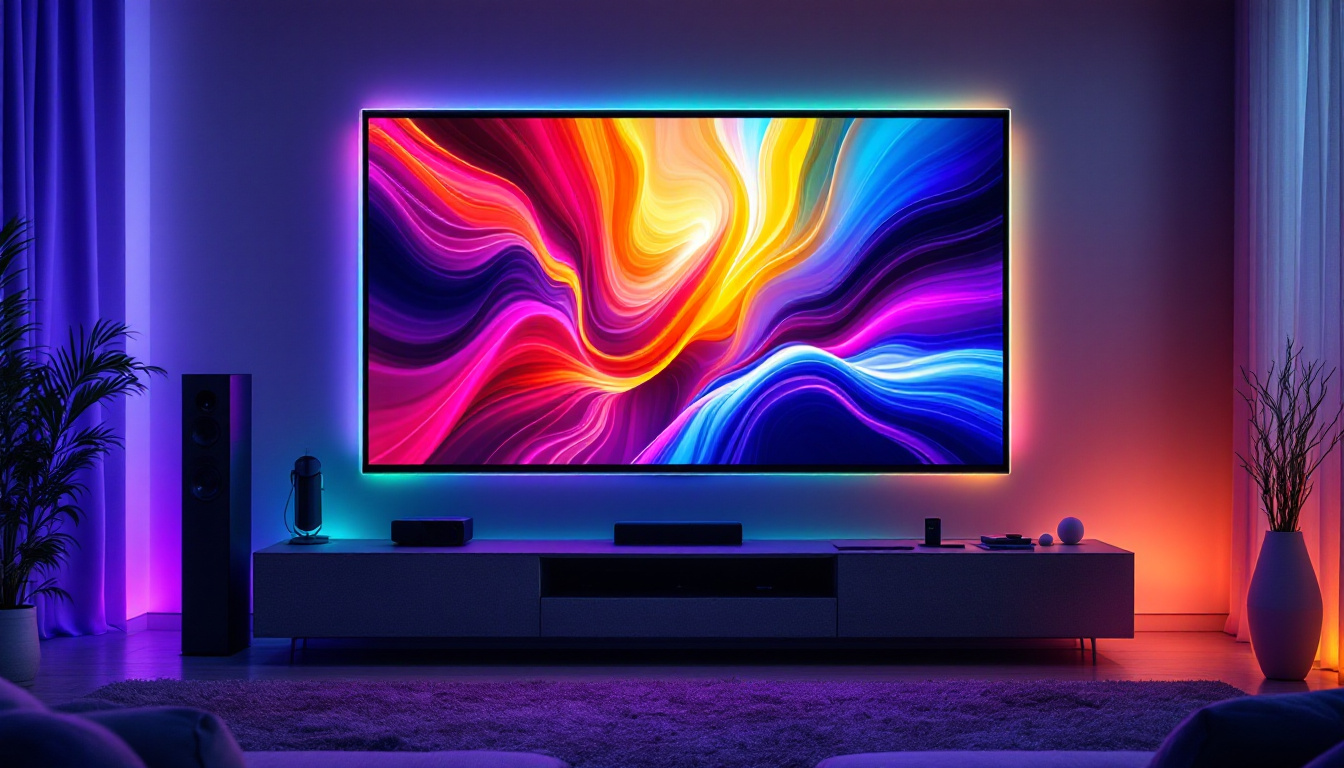
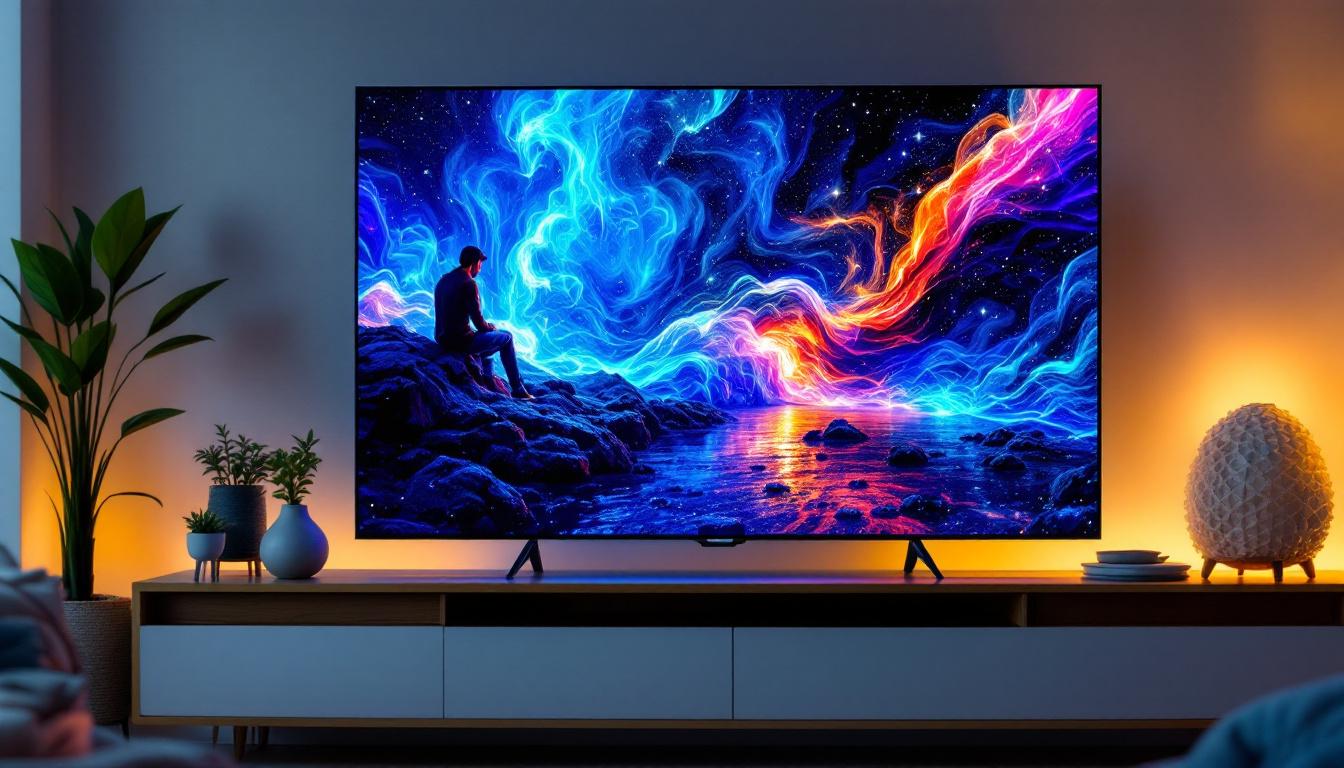
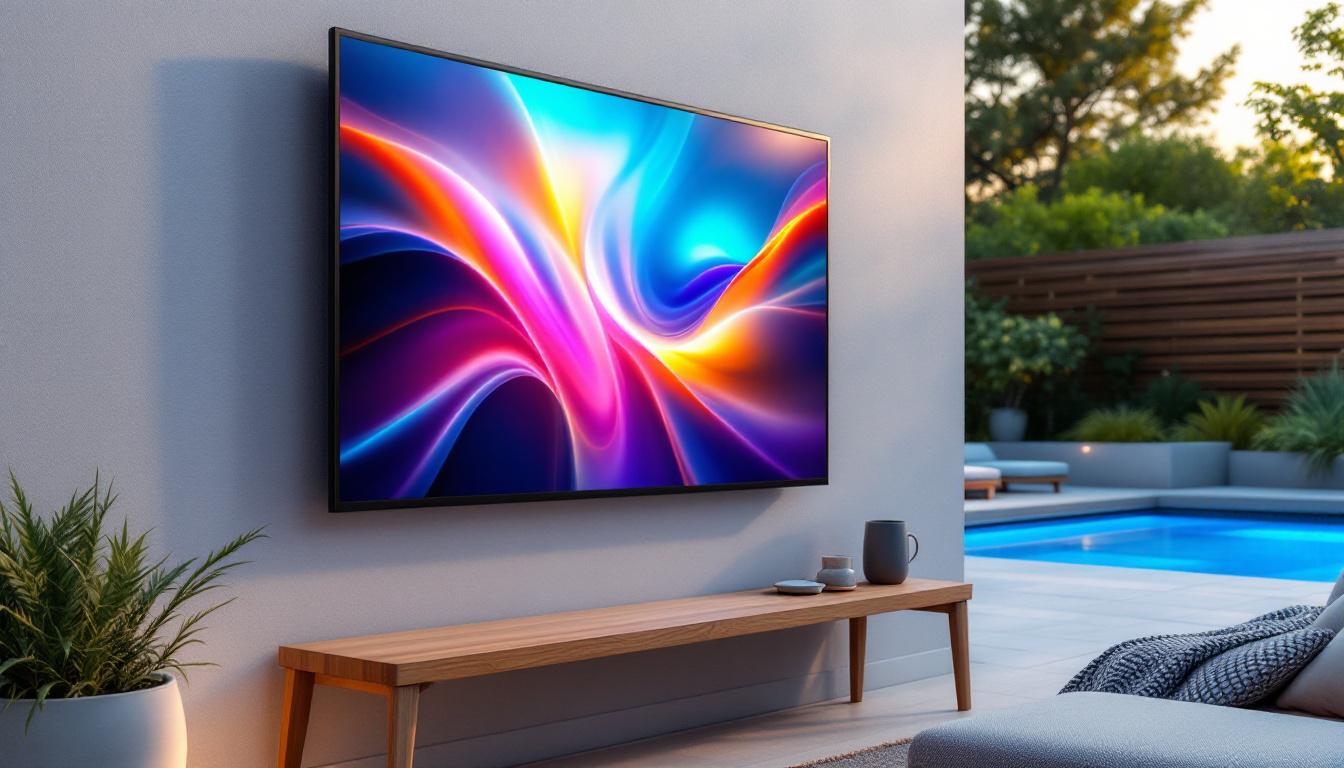
Homeowners increasingly incorporate exterior flat screen TVs into their outdoor living spaces, creating backyard theaters, poolside entertainment zones, or outdoor kitchens with integrated viewing options. These setups enhance social gatherings and leisure time, especially with the rise of streaming services and wireless connectivity.
Commercial and Hospitality Venues
Restaurants, bars, and hotels utilize outdoor LED TVs to attract customers and provide entertainment. Sports bars often install large LED screens in outdoor patios to broadcast live games, while hotels use them for poolside entertainment or event information.
Durability and brightness are crucial in these settings to ensure consistent performance despite environmental challenges.
Public Spaces and Advertising
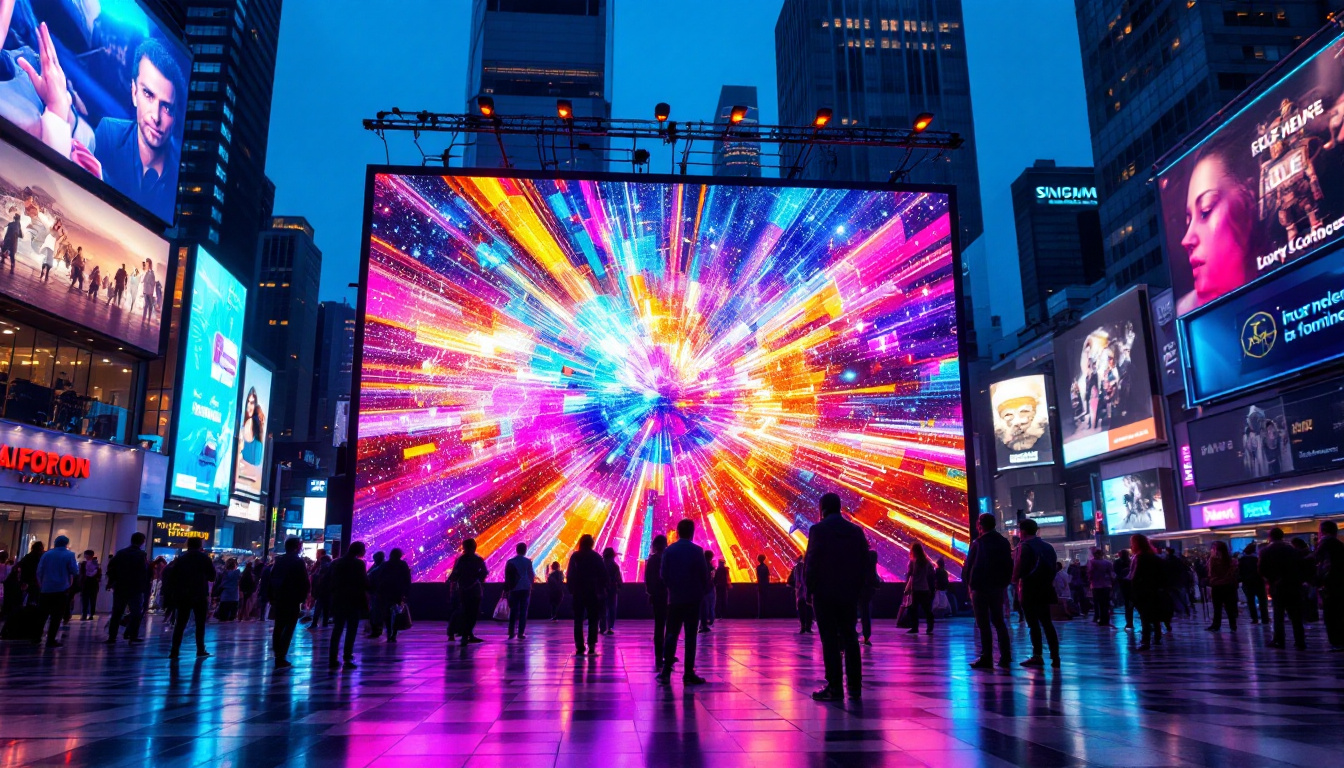
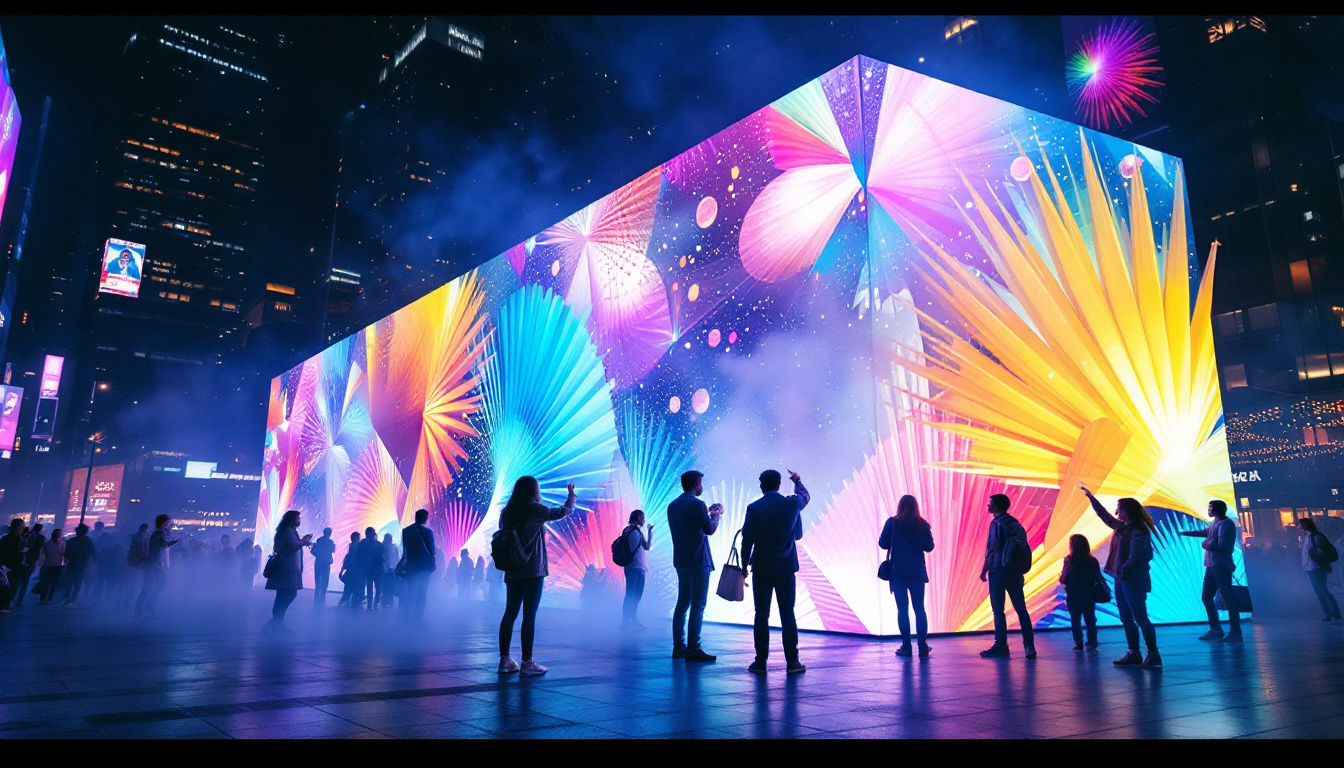
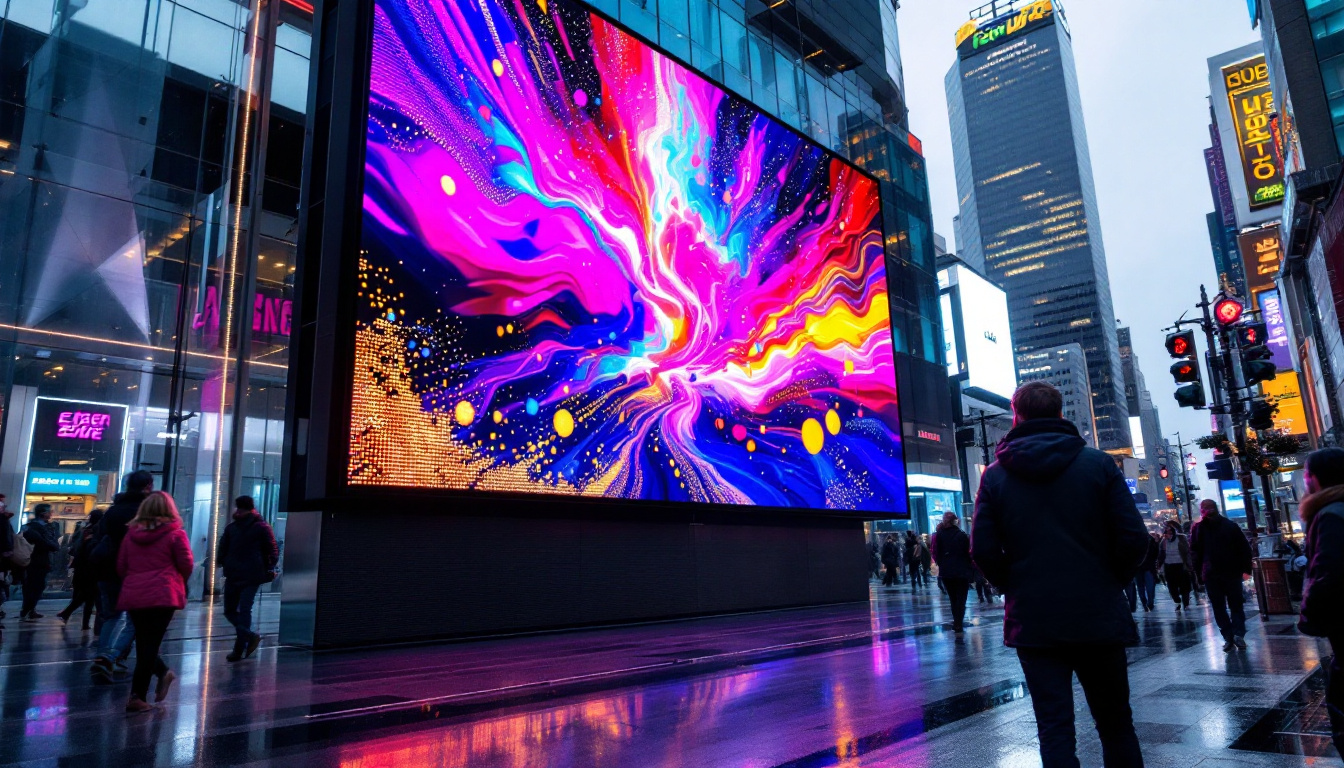
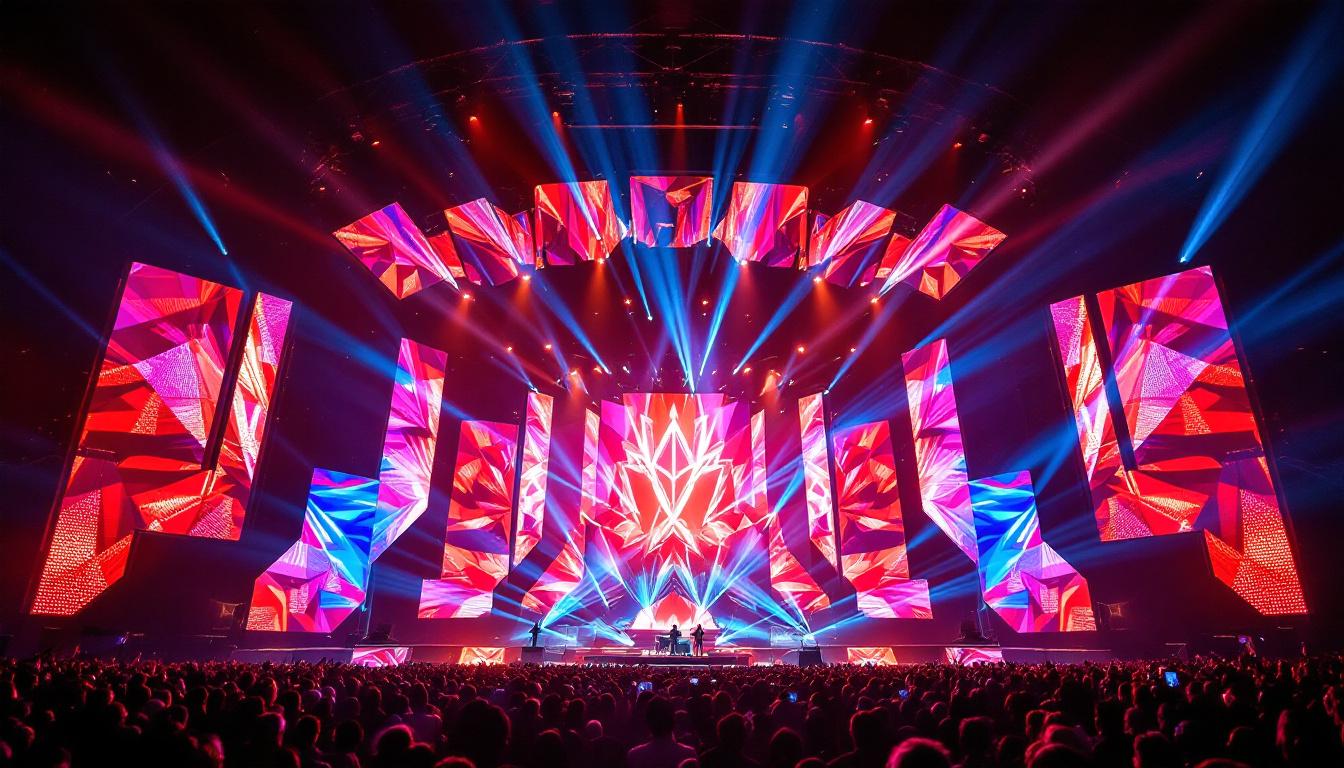
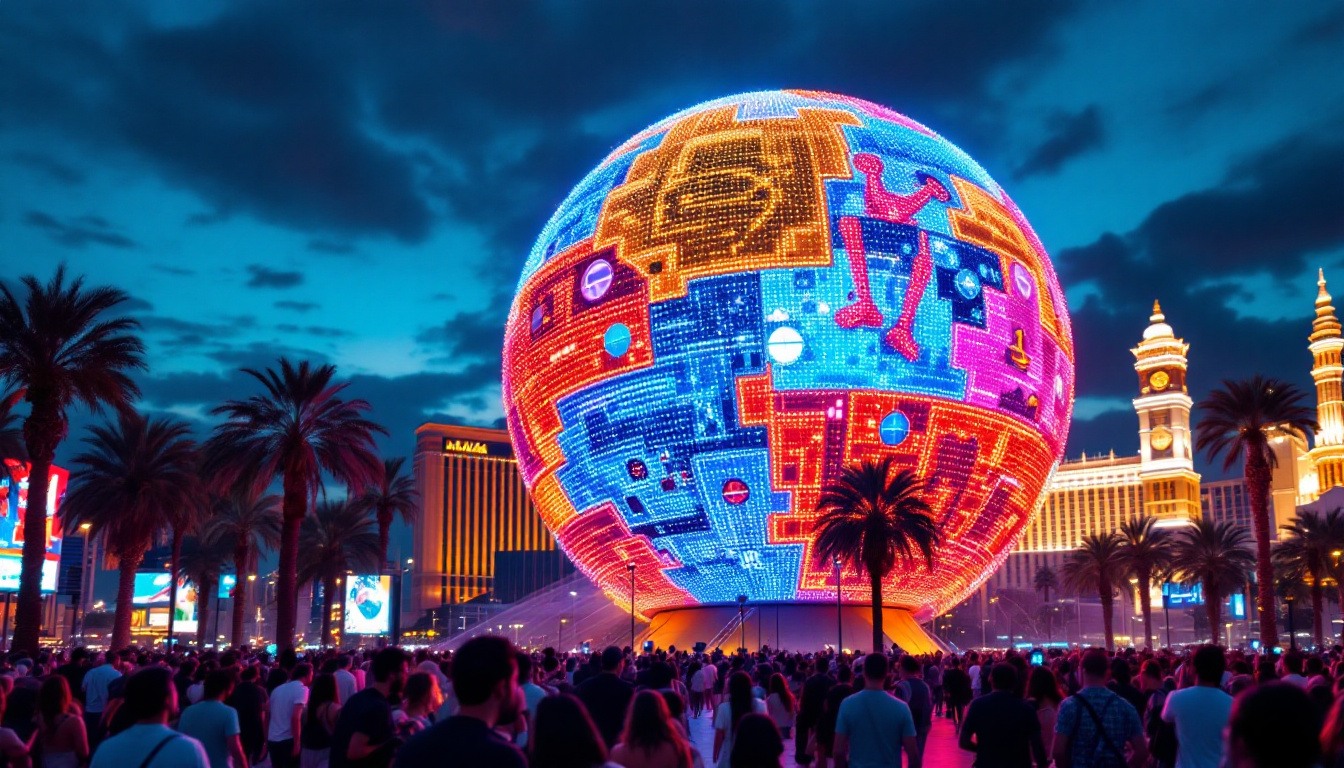
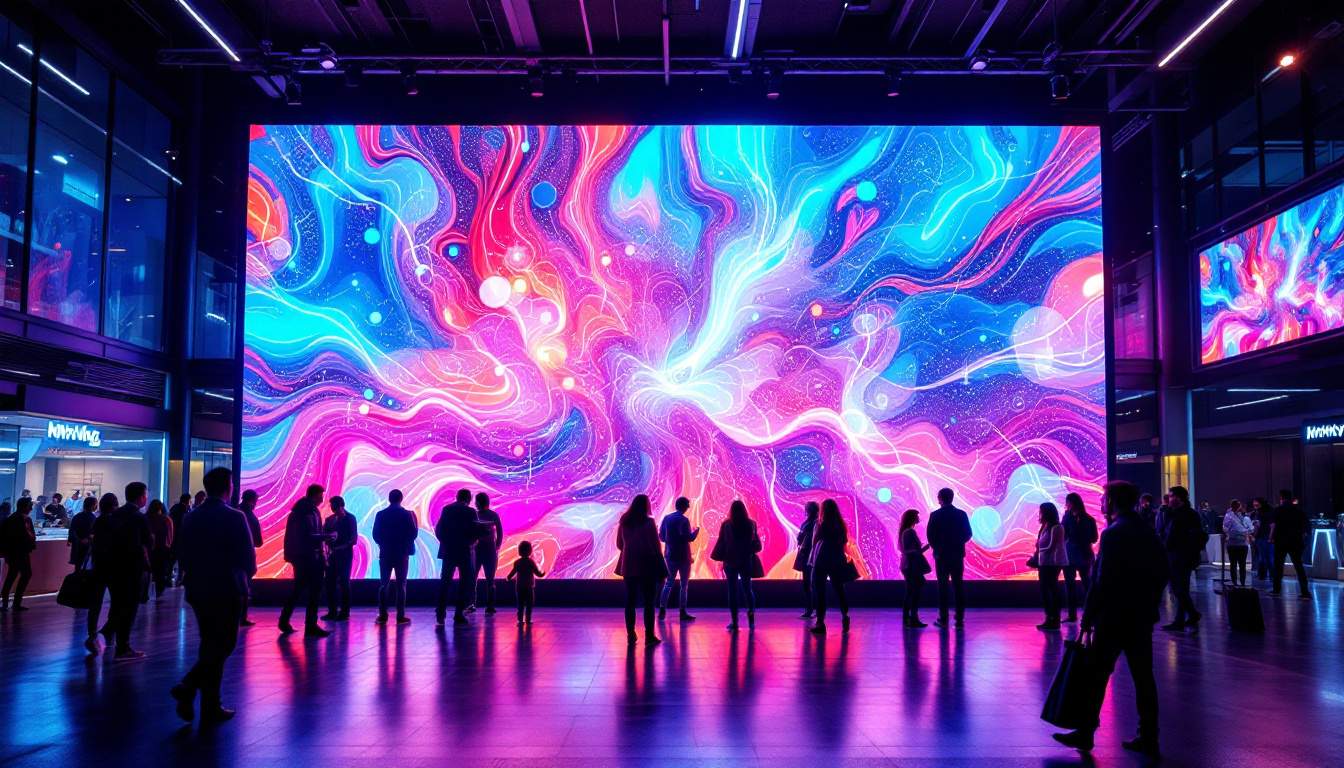
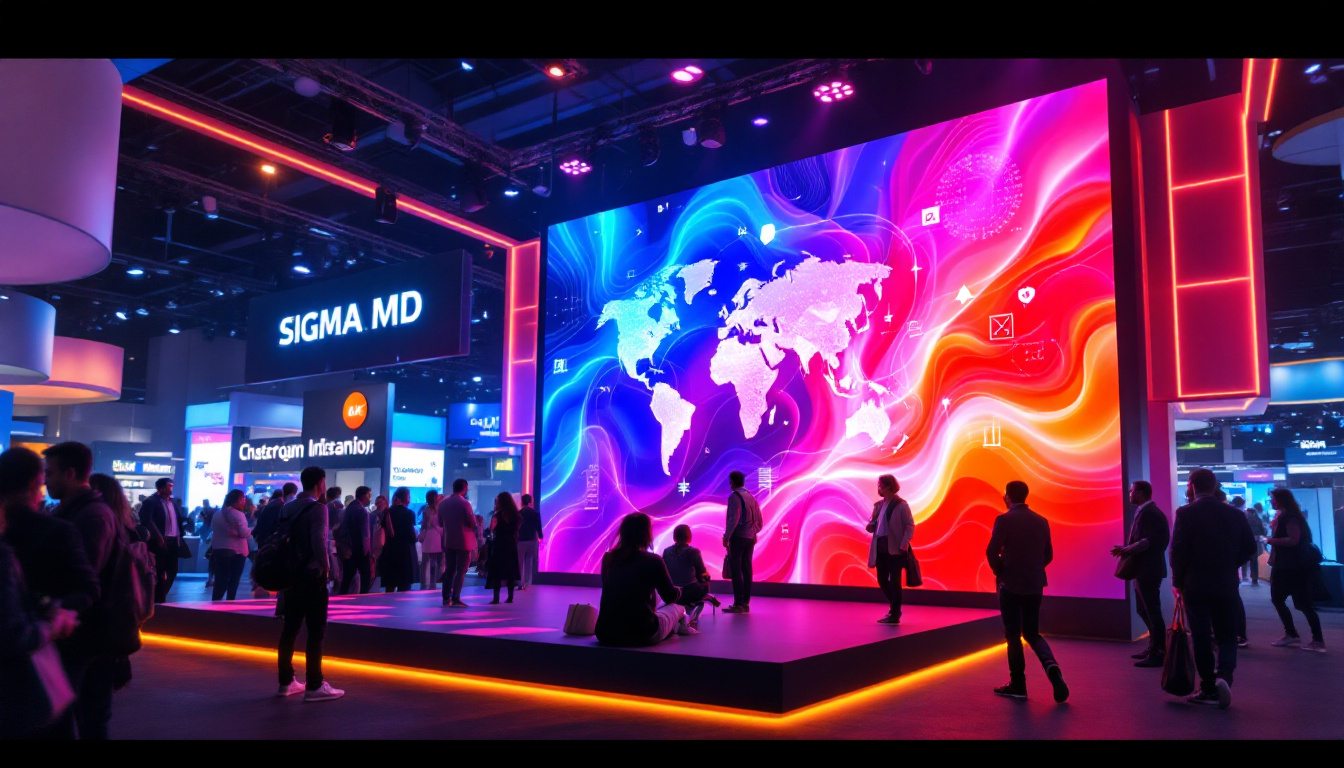
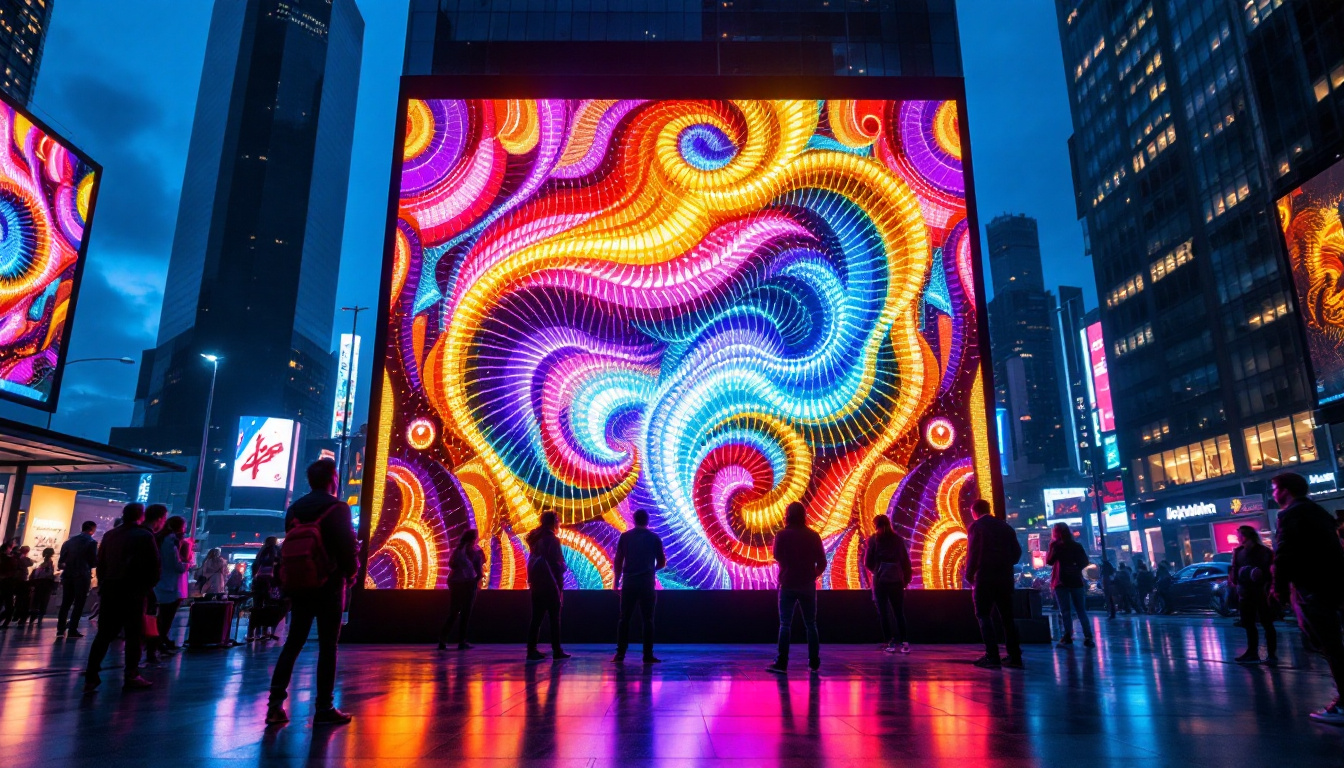
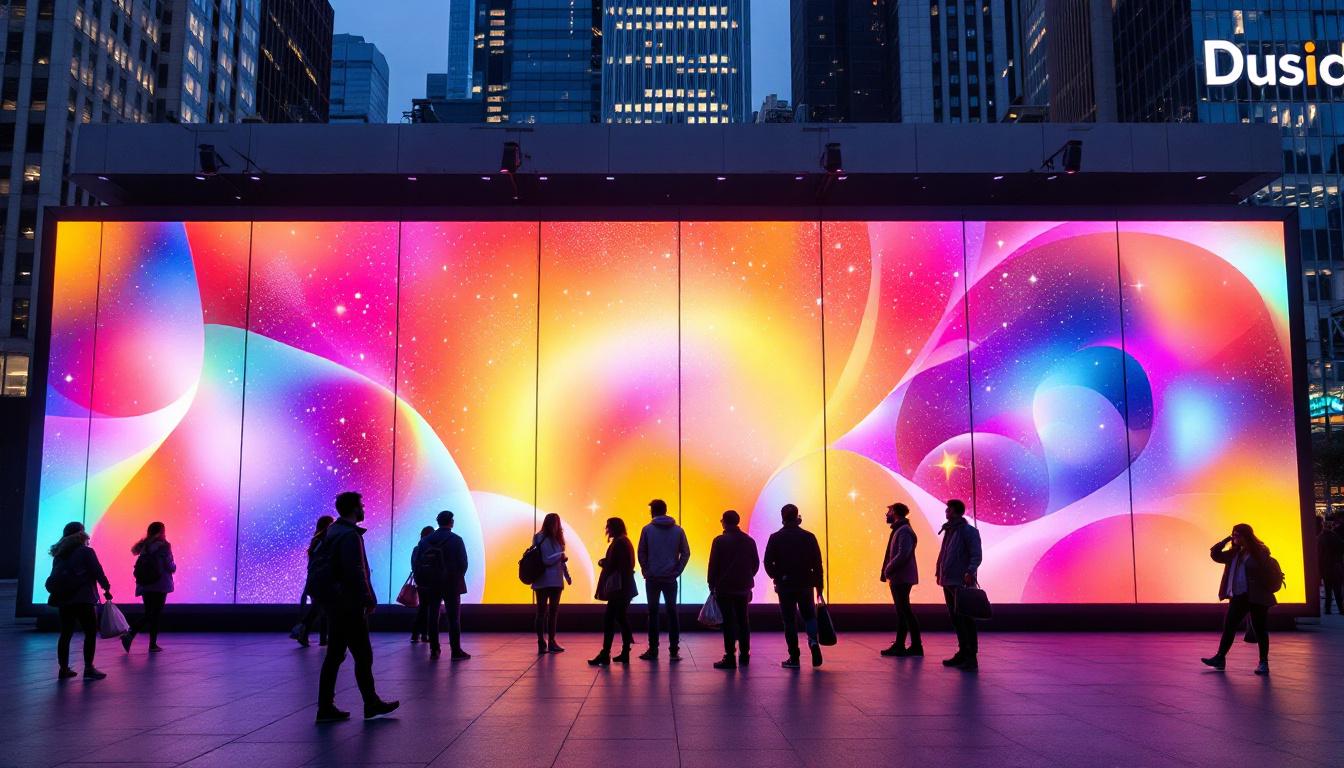
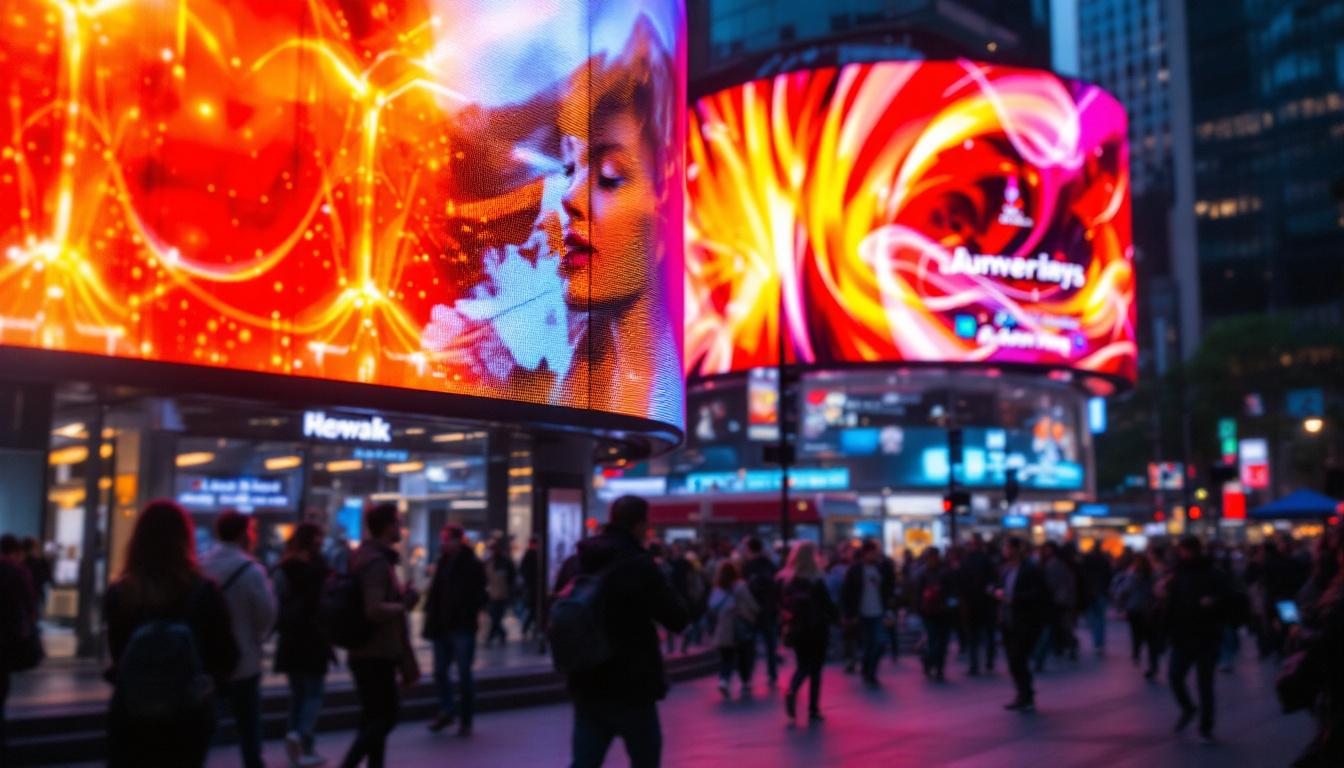
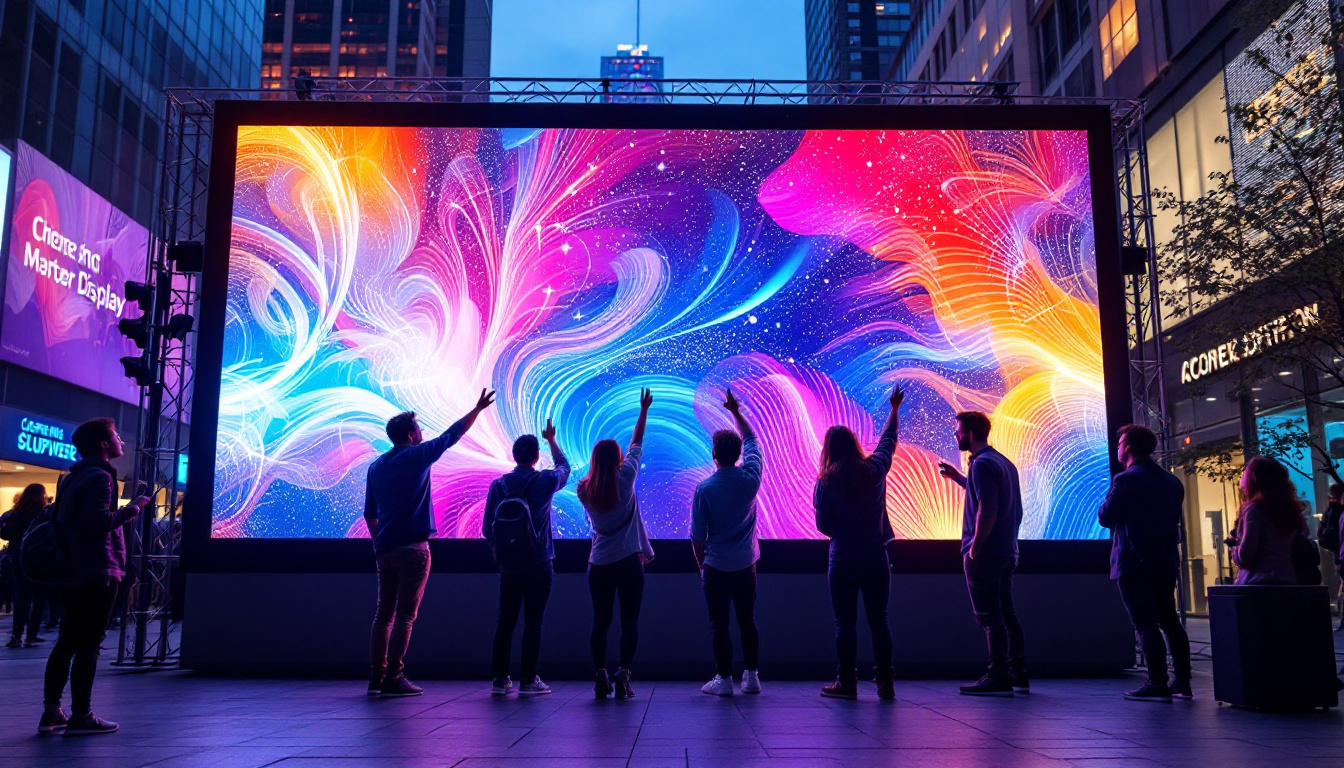
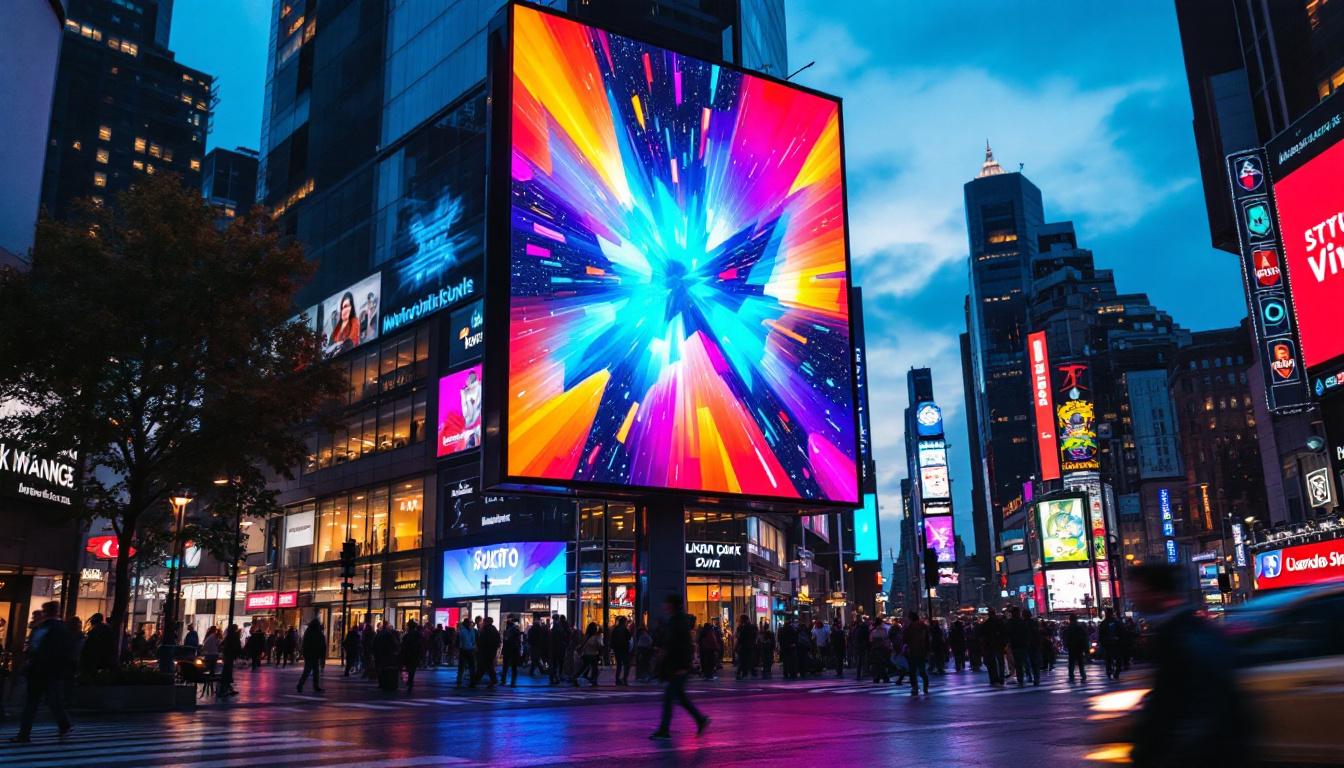
Municipalities and businesses employ large-scale outdoor LED displays for digital signage, public announcements, and advertising. These displays can be found in stadiums, shopping centers, transportation hubs, and city squares.
The ability to display dynamic, high-impact content in bright daylight conditions makes LED technology indispensable for effective communication in public spaces.
The Future of LED Technology in Outdoor Displays
As LED technology continues to advance, the capabilities and applications of exterior flat screen TVs are expected to grow significantly.
MicroLED and MiniLED Innovations
Emerging display technologies like MicroLED and MiniLED promise even greater brightness, contrast, and energy efficiency. MicroLED, in particular, offers the potential for ultra-high resolution and improved durability, making it an exciting prospect for future outdoor TVs.
Enhanced Smart Integration and Interactivity
Future outdoor displays will likely feature deeper integration with smart home systems, augmented reality (AR), and interactive capabilities. This could enable personalized content, gesture controls, and seamless connectivity with other devices.
Sustainability and Energy Solutions
With growing emphasis on sustainability, manufacturers are focusing on reducing the environmental impact of LED displays. Innovations in low-power designs, solar-powered installations, and recyclable materials will shape the next generation of exterior flat screen TVs.
Conclusion
Exterior flat screen TVs equipped with LED display technology represent a significant leap forward in outdoor entertainment and information dissemination. Their superior brightness, durability, and image quality make them ideal for a wide range of applications, from residential patios to large-scale public displays.
When selecting an outdoor LED TV, it is essential to consider factors such as screen size, weatherproofing, connectivity, and energy consumption to ensure a satisfying and long-lasting experience. As LED technology continues to evolve, the future holds exciting possibilities for even more immersive and sustainable outdoor viewing solutions.
Discover LumenMatrix’s Advanced LED Display Solutions
Ready to elevate your outdoor entertainment and advertising with cutting-edge LED technology? LumenMatrix is at the forefront of LED display innovation, offering a wide array of solutions tailored to meet your needs. From vibrant Outdoor LED Wall Displays to dynamic LED Sports Displays and beyond, our products are designed to deliver unparalleled visual impact. Experience the difference with LumenMatrix and transform your space into a captivating visual experience. Check out LumenMatrix LED Display Solutions today and take the first step towards revolutionizing your visual communication.