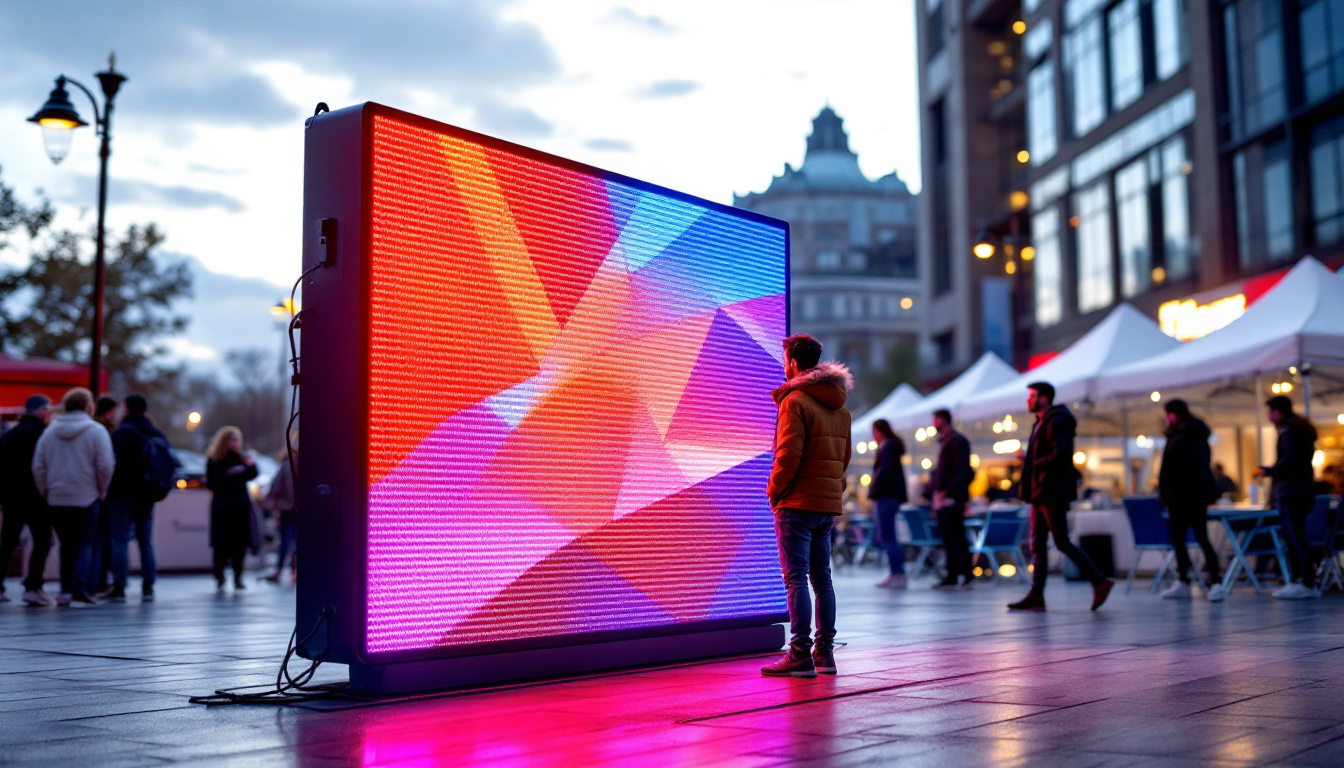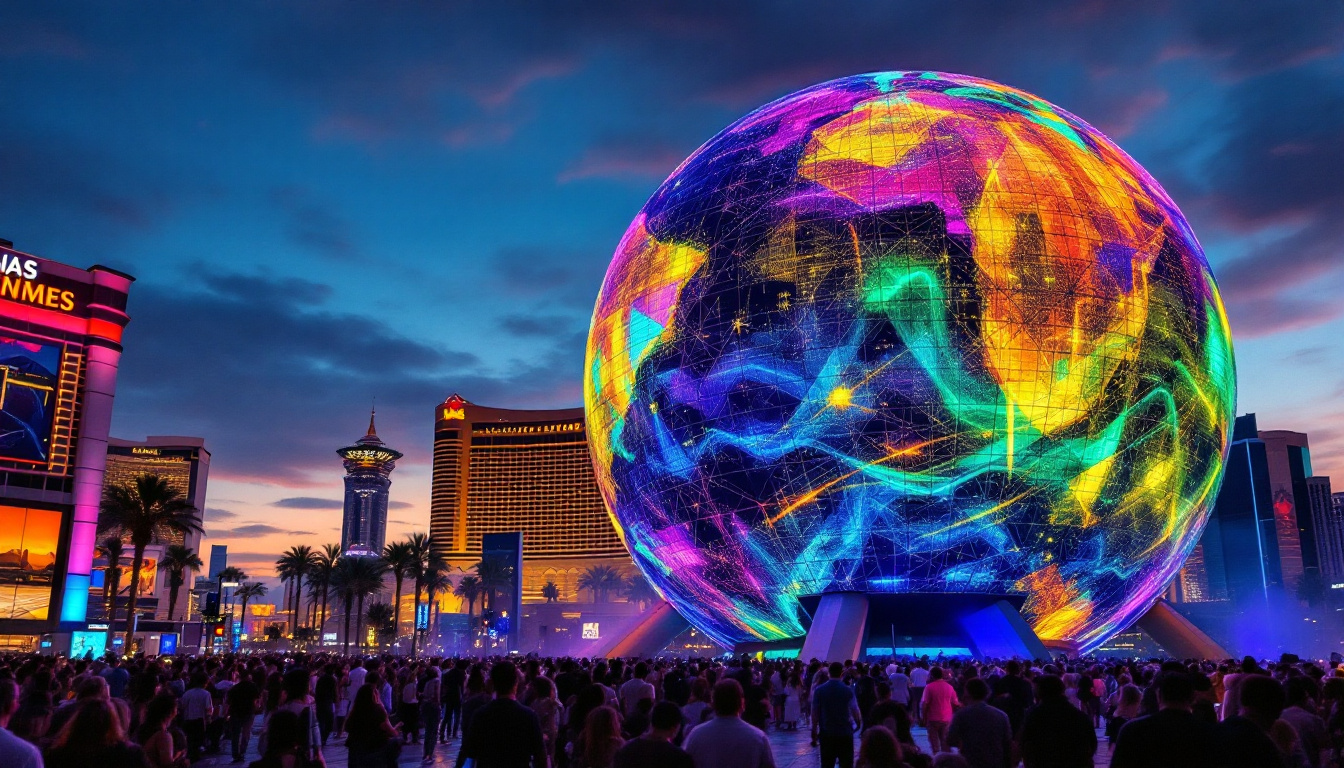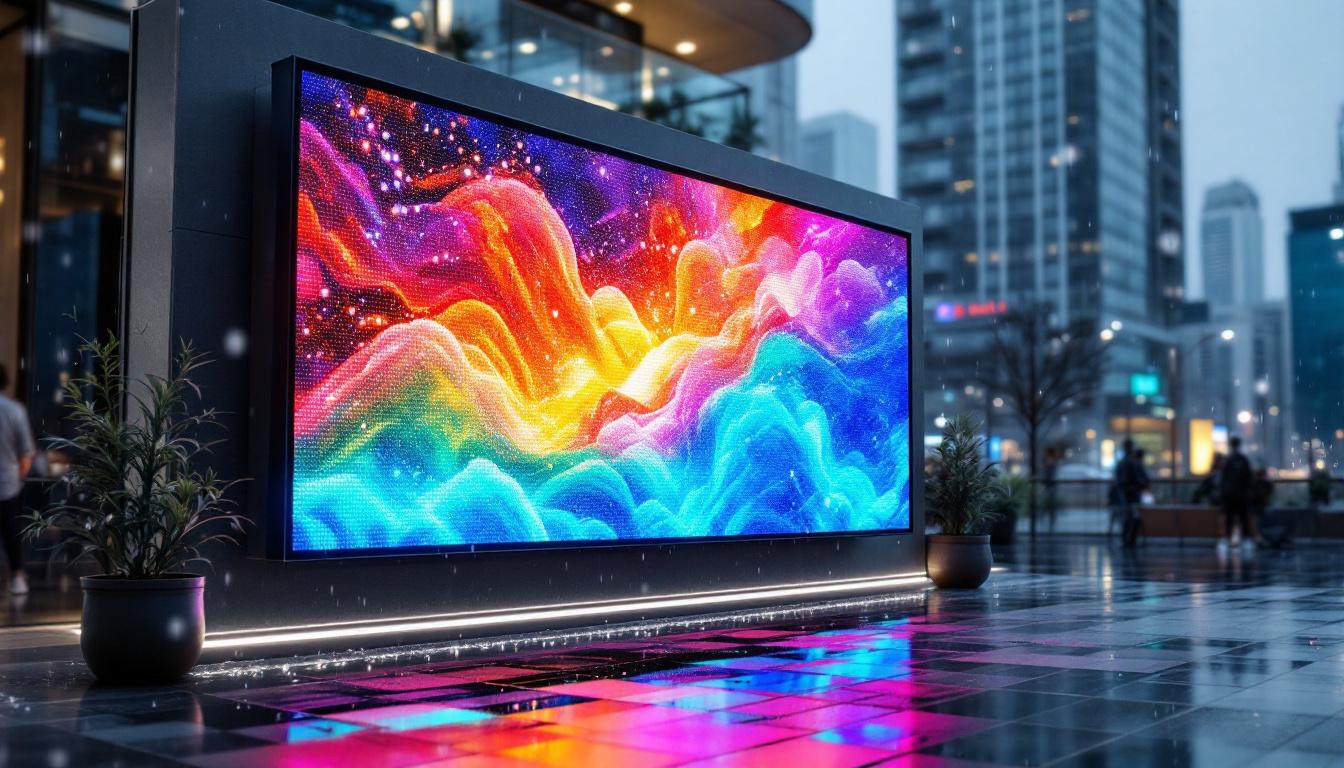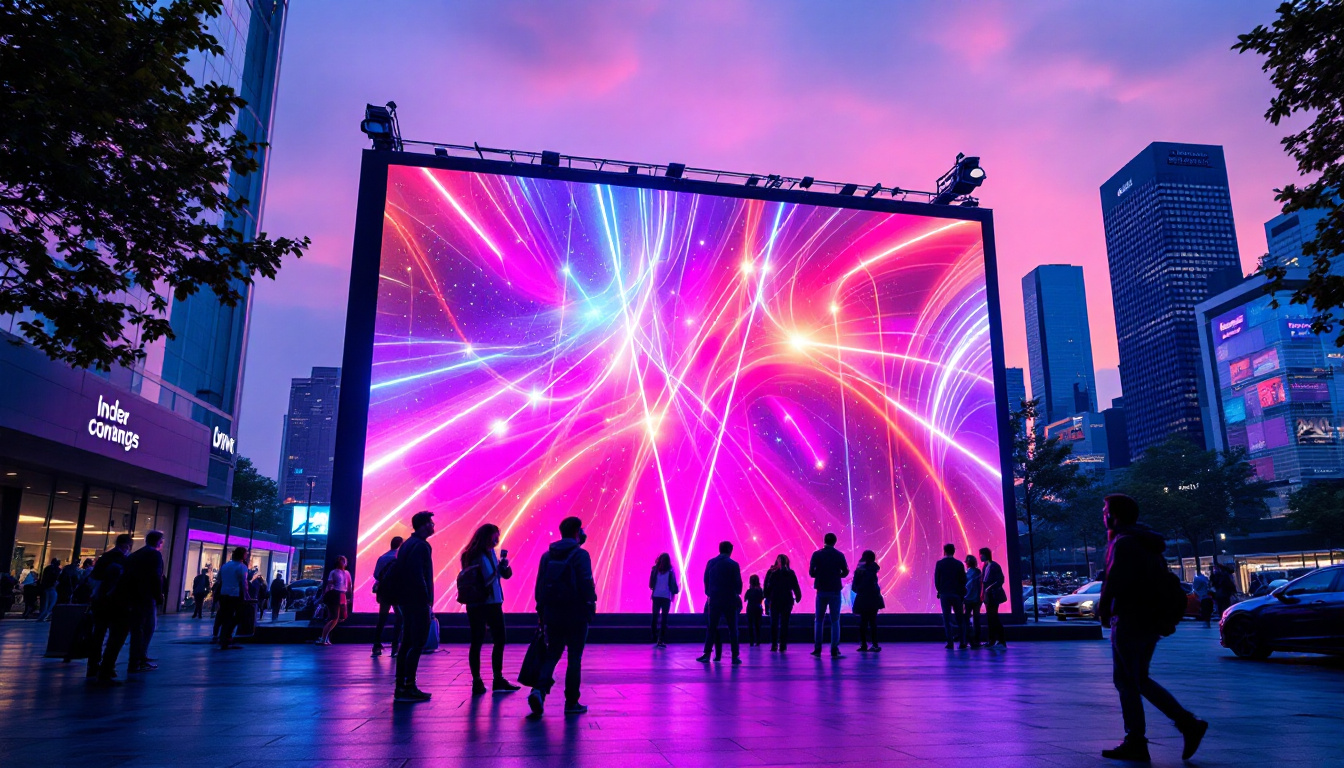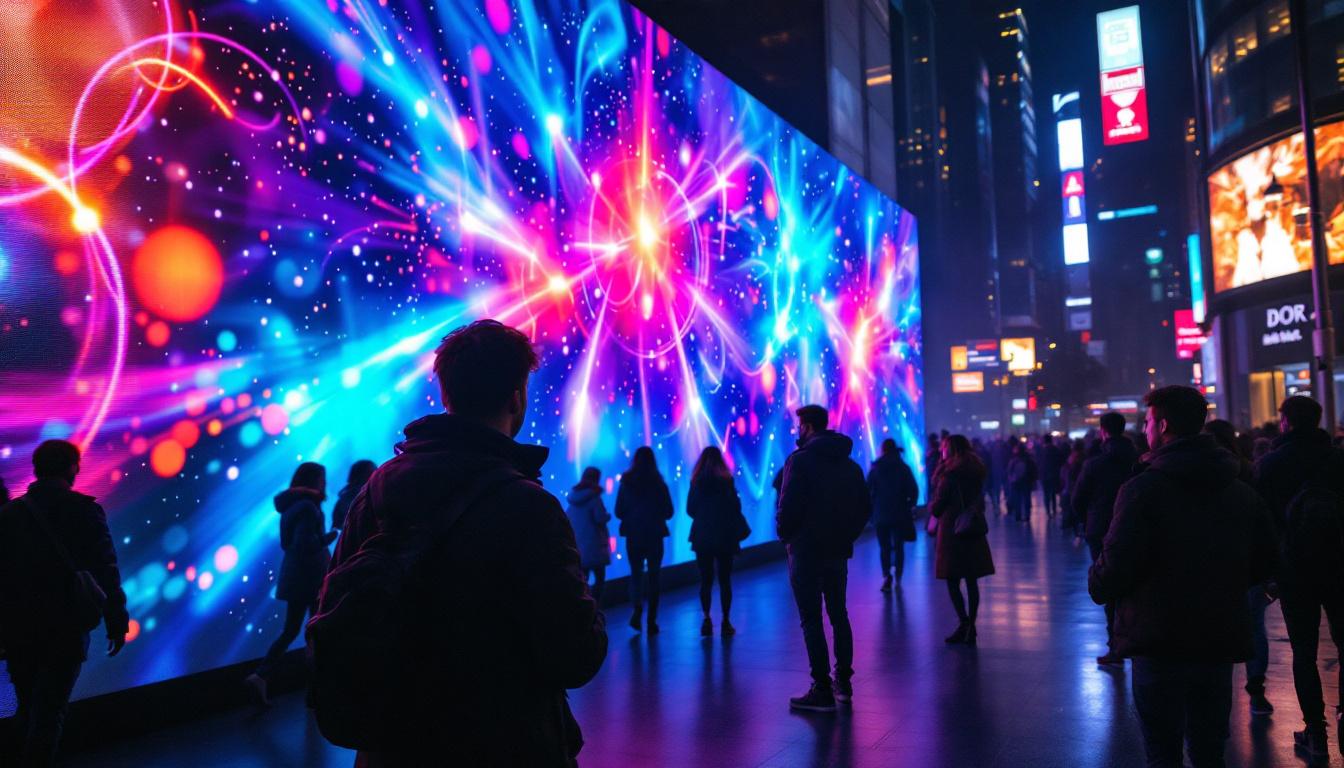
In today’s fast-paced digital world, LED displays have become an essential tool for vendors looking to capture attention and communicate effectively with their audiences. From vibrant advertising billboards to dynamic retail signage, LED technology offers unparalleled brightness, flexibility, and energy efficiency. This comprehensive article explores the fundamentals of LED displays, their applications in vendor settings, and the key considerations when selecting the right LED display for your business needs.
Understanding LED Display Technology
What is an LED Display?
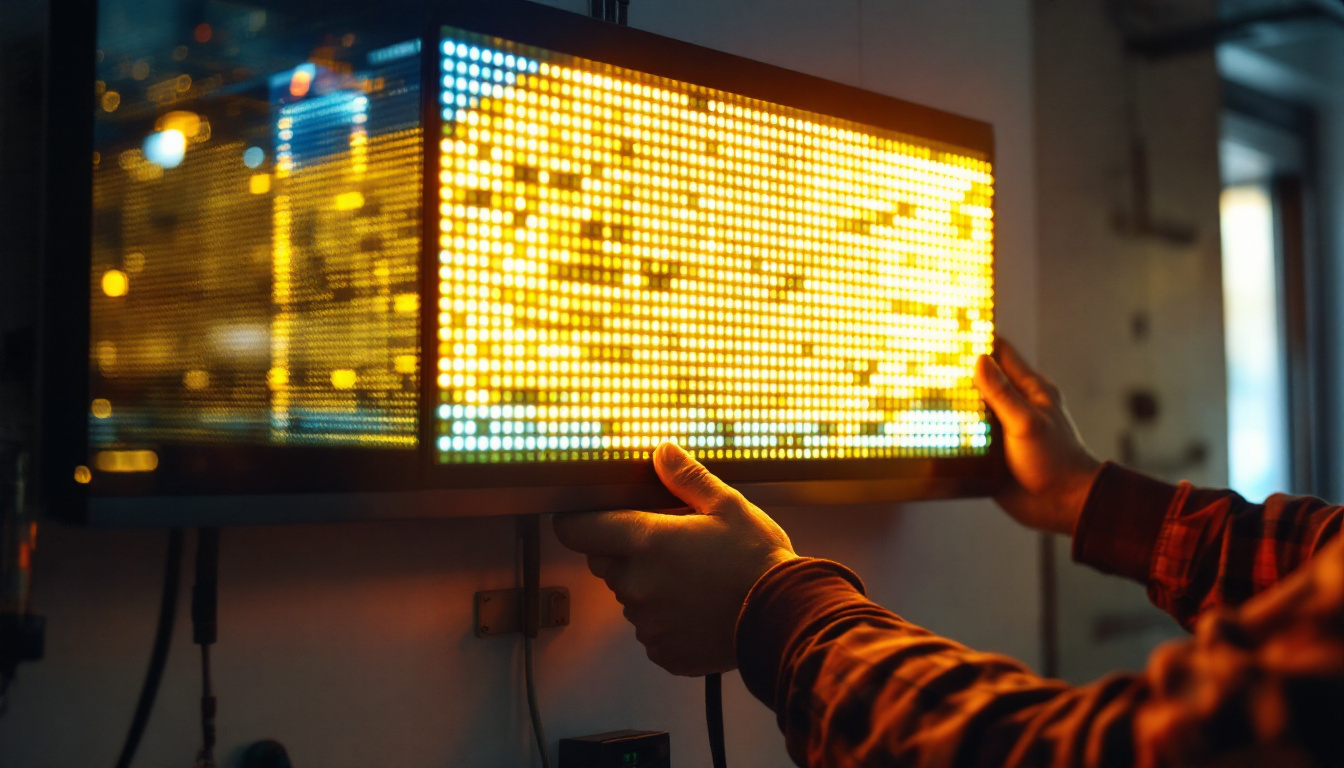
LED stands for Light Emitting Diode, a semiconductor device that emits light when an electric current passes through it. An LED display is composed of numerous tiny LEDs arranged in a matrix to form images, text, or videos. These displays are known for their high brightness, vivid colors, and excellent visibility even in direct sunlight, making them ideal for both indoor and outdoor use.
The technology behind LED displays has evolved significantly over the past decade. Modern LED panels use surface-mounted device (SMD) LEDs, which combine red, green, and blue diodes in a single package to produce a full spectrum of colors. This advancement has improved image quality, viewing angles, and energy efficiency. Additionally, the lifespan of LED displays has increased, with many units now lasting over 100,000 hours, which translates to years of uninterrupted service, making them a cost-effective choice for businesses and event organizers alike.
Types of LED Displays
LED displays come in various forms, each suited to different vendor applications:
- Indoor LED Displays: Designed for controlled lighting environments, these displays have higher pixel density for sharper images and are commonly used in retail stores, trade shows, and corporate events. They often feature advanced features such as touch interactivity, allowing customers to engage with the content displayed, thereby enhancing their shopping experience.
- Outdoor LED Displays: Built to withstand weather conditions, these displays feature higher brightness levels (often exceeding 5,000 nits) to remain visible under direct sunlight. They are popular for billboards, stadium screens, and public information boards. Moreover, many outdoor displays are equipped with advanced cooling systems and protective coatings to ensure they operate efficiently in extreme temperatures and resist the effects of rain, dust, and other environmental factors.
- Transparent LED Displays: These innovative displays allow light to pass through, making them perfect for storefront windows where vendors want to maintain visibility both inside and outside while showcasing dynamic content. This technology not only enhances advertising potential but also creates an interactive experience for passersby, drawing them into the store.
- Flexible and Curved LED Displays: Vendors can utilize these displays to create unique shapes and immersive experiences, enhancing brand engagement and customer interaction. The flexibility of these displays allows for creative installations, such as wrapping around columns or creating stunning visual backdrops that can transform any space into an engaging environment.
Applications of LED Displays for Vendors
Retail and Point-of-Sale Displays
In retail environments, LED displays are powerful tools for attracting customers and driving sales. Bright, colorful signage can highlight promotions, new products, or brand messages effectively. Studies show that digital signage can increase customer engagement by up to 47%, making LED displays a worthwhile investment for vendors aiming to boost foot traffic and conversion rates.
Moreover, LED displays at the point of sale can influence purchasing decisions by showcasing dynamic content such as product demonstrations, customer testimonials, or real-time social media feeds. This interactive approach enhances the shopping experience and encourages impulse buying.
Events and Trade Shows
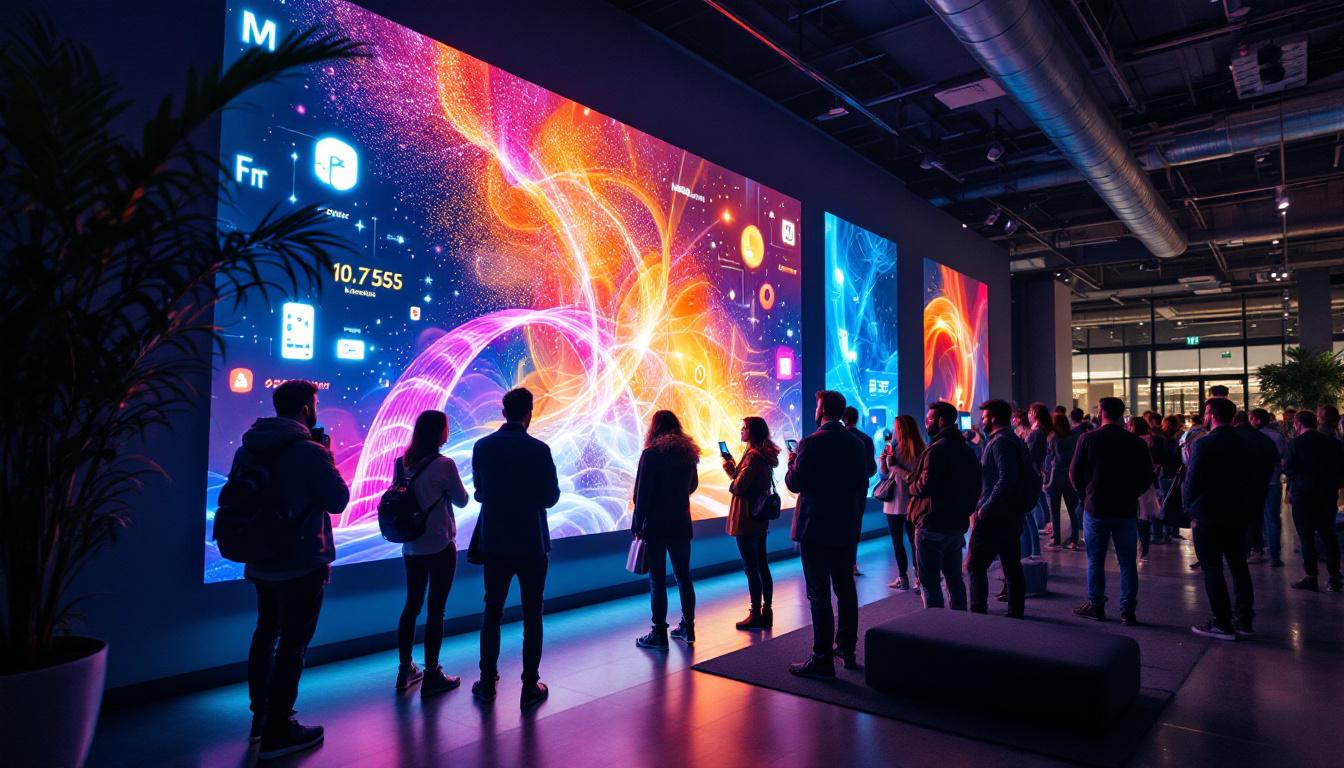
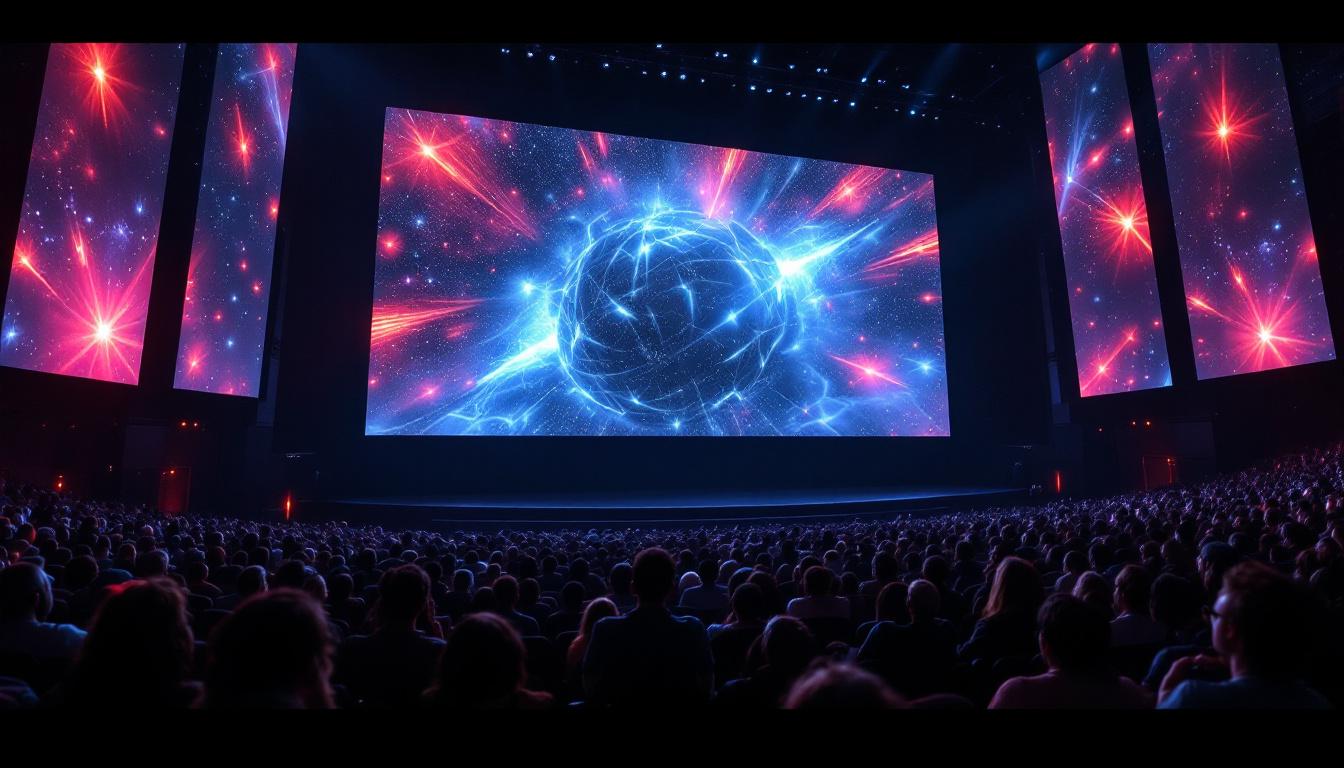
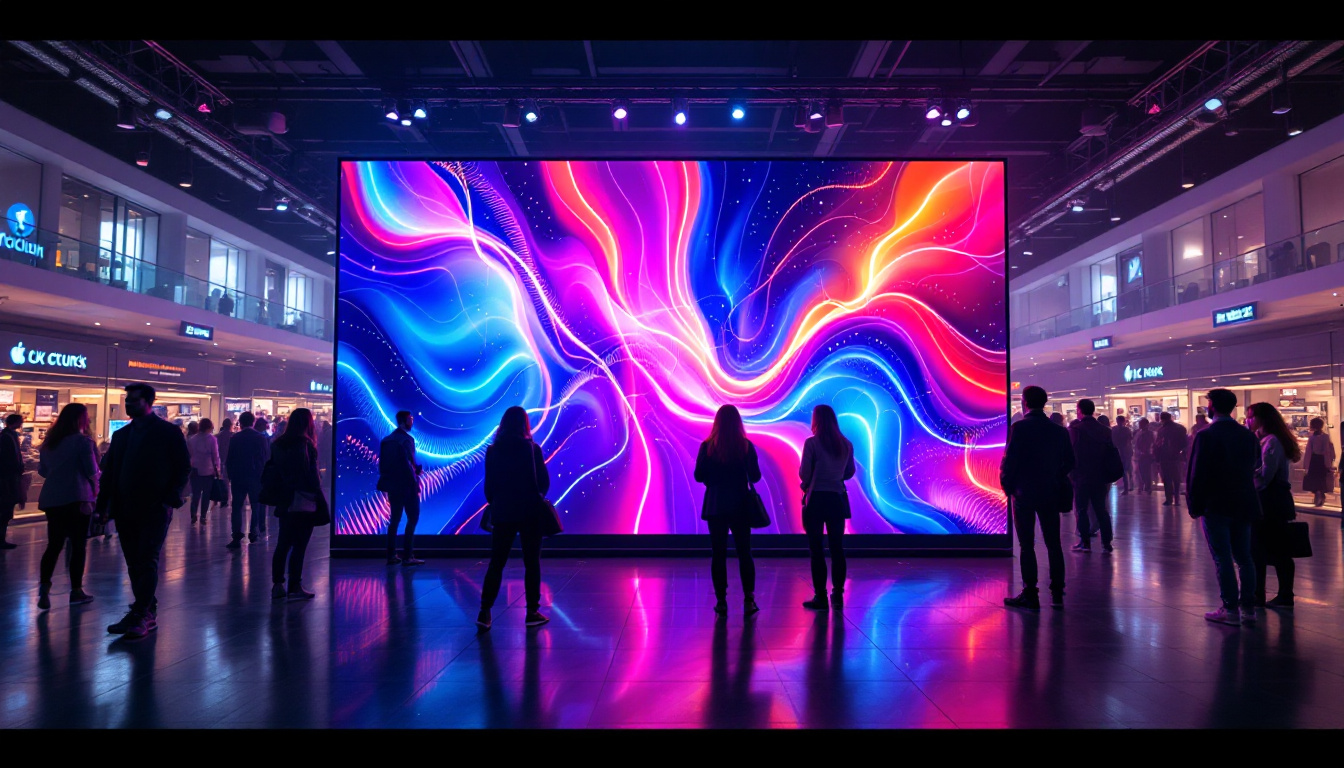
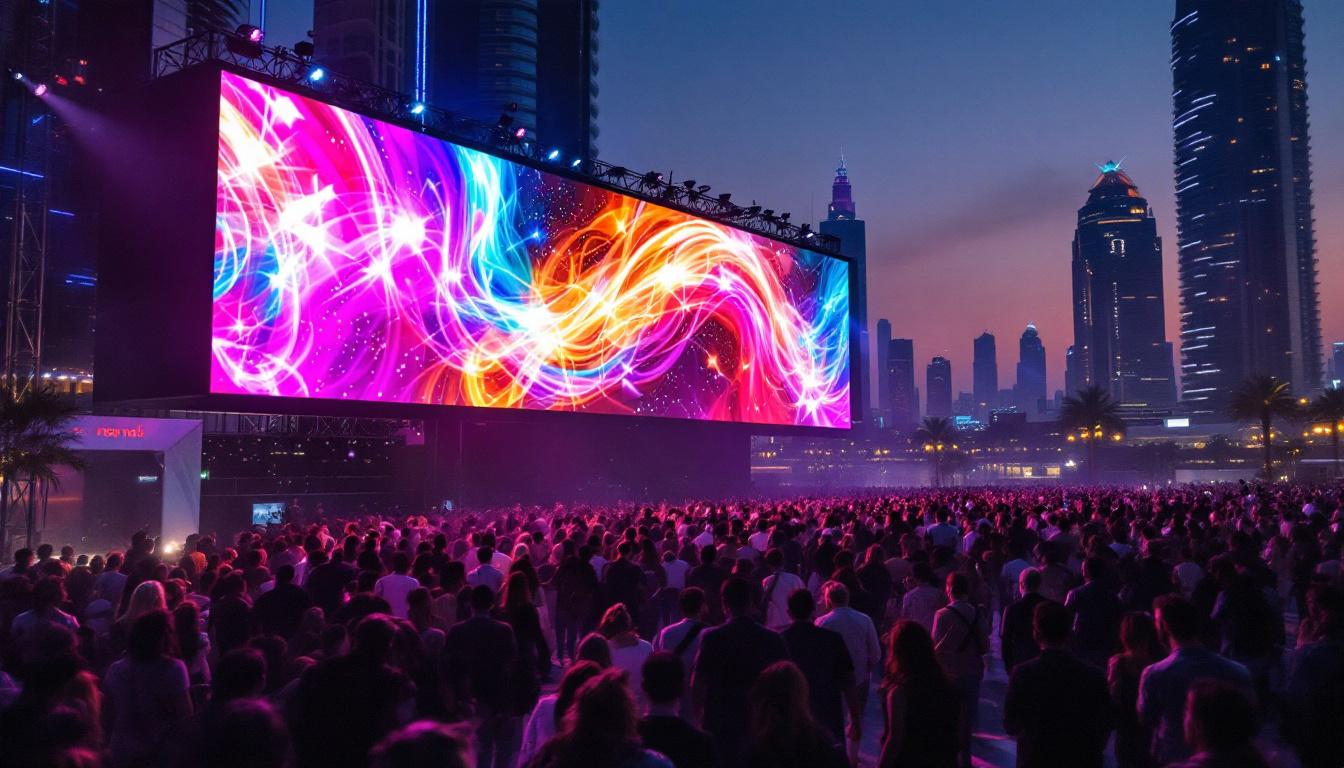
Vendors participating in trade shows and events benefit significantly from LED displays due to their portability and high visibility. Large LED walls can be used to create immersive brand environments, display product videos, or stream live demonstrations. The ability to customize content quickly also allows vendors to tailor their messaging to different audiences throughout the event.
Outdoor Advertising and Public Spaces
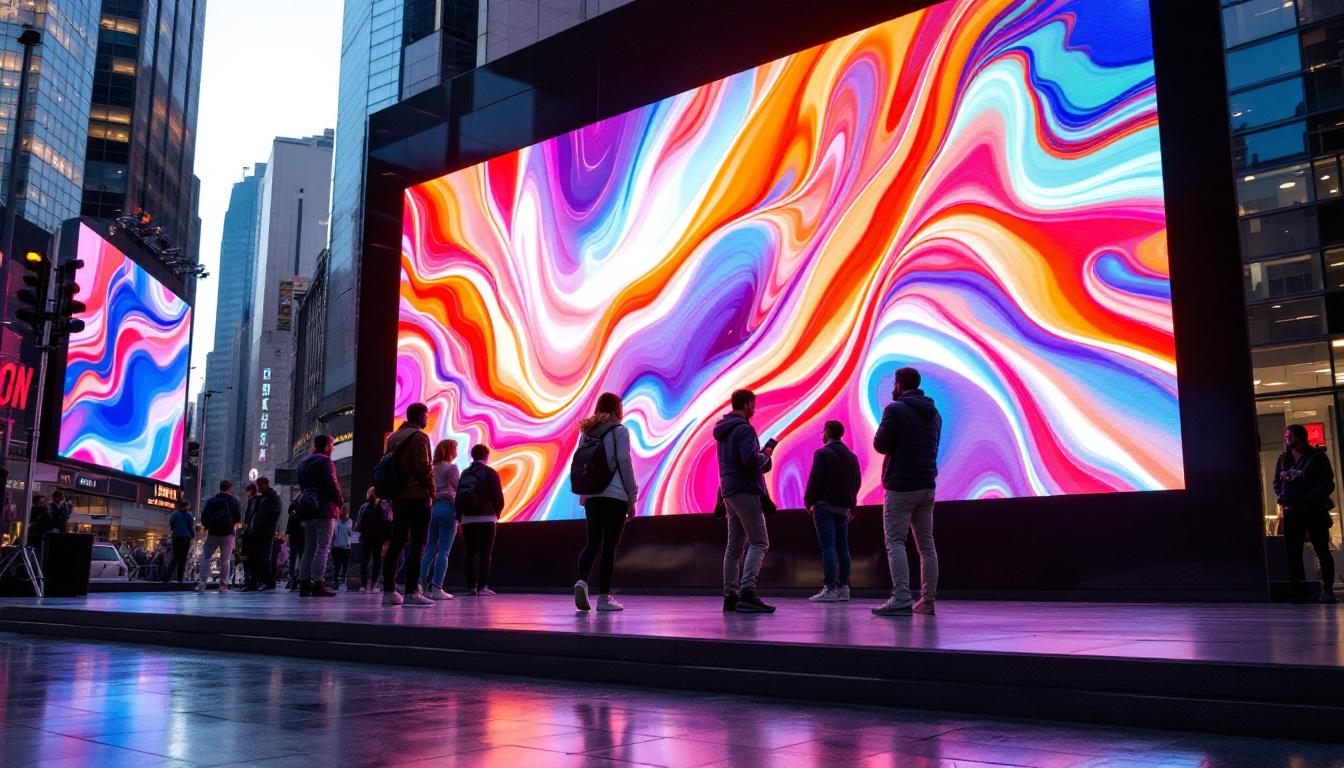
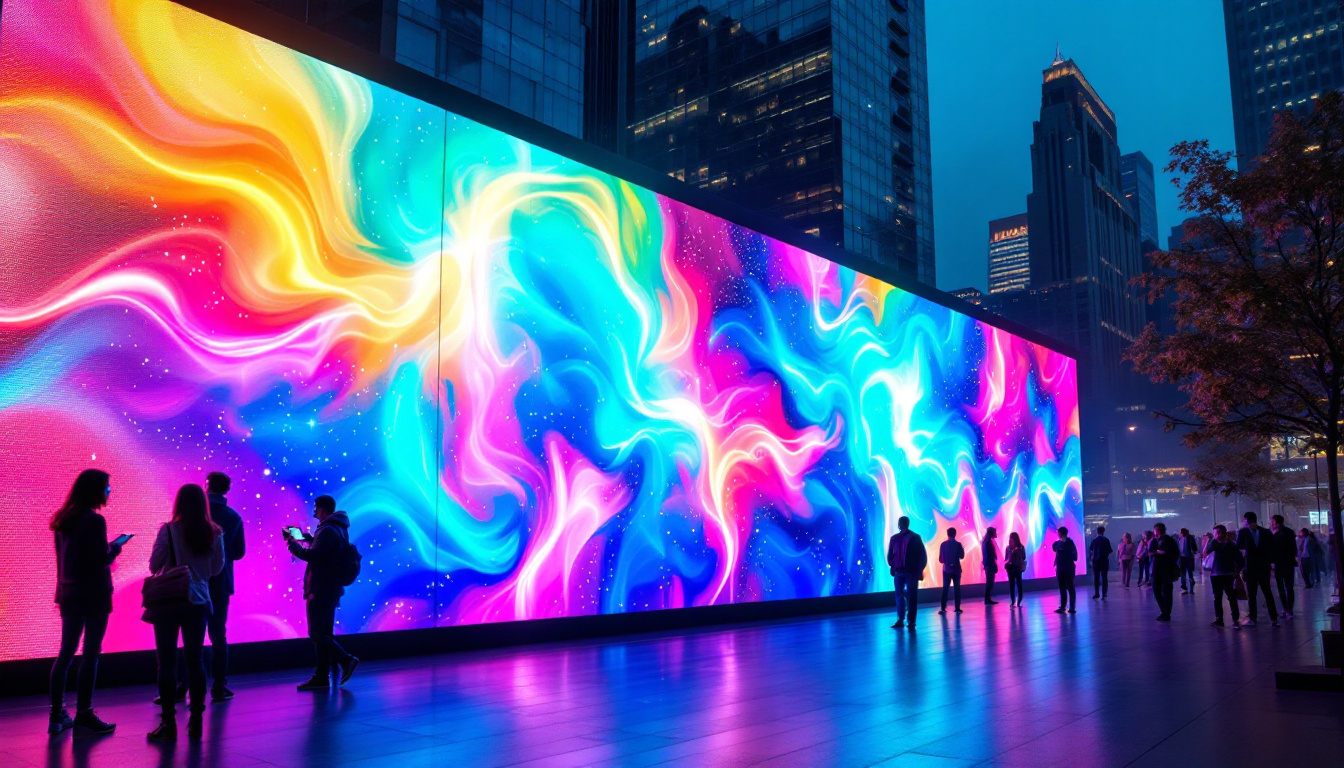
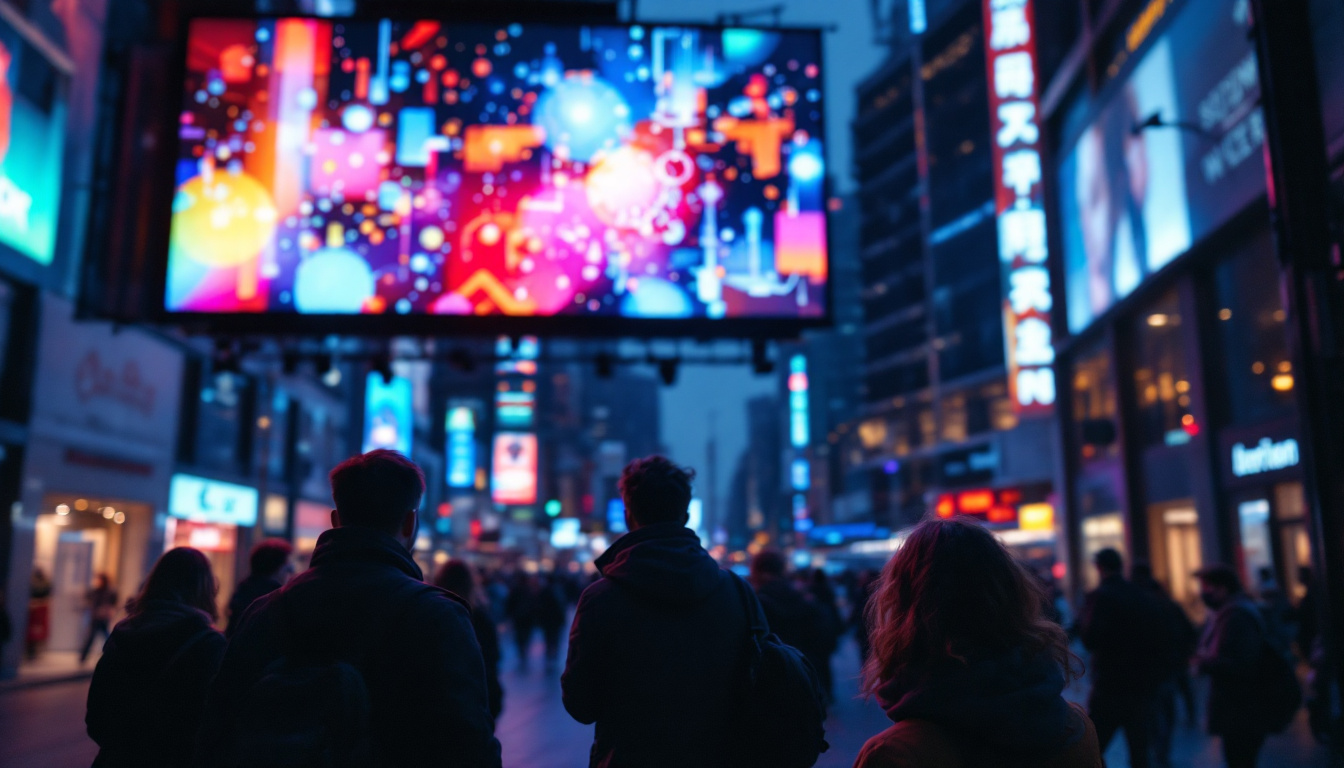
Outdoor LED displays are a staple in urban advertising, providing vendors with a platform to reach large audiences. Whether it’s a digital billboard on a busy highway or an LED screen in a shopping district, these displays offer high-impact visibility 24/7. Their durability and brightness ensure consistent performance regardless of weather or lighting conditions.
Additionally, LED displays in public spaces can be used to share important information, such as event schedules, emergency alerts, or community announcements, thereby enhancing vendor reputation and community engagement.
Key Features to Consider When Choosing an LED Display
Resolution and Pixel Pitch
The resolution of an LED display is determined by its pixel pitch, which is the distance between the centers of two adjacent pixels. A smaller pixel pitch means higher pixel density, resulting in sharper images and finer detail. For indoor displays viewed at close range, pixel pitches as low as 1.2mm to 2.5mm are common. Outdoor displays typically have larger pixel pitches (4mm to 10mm) since they are viewed from greater distances.
Choosing the right pixel pitch depends on the intended viewing distance and the type of content to be displayed. Vendors should balance resolution with budget, as higher resolution displays generally come at a higher cost.
Brightness and Contrast
Brightness is a critical factor, especially for outdoor LED displays. Measured in nits, brightness levels of 5,000 nits or more ensure visibility even in direct sunlight. Indoor displays require lower brightness (typically 800 to 1,500 nits) to avoid glare and eye strain.
Contrast ratio, the difference between the brightest whites and darkest blacks, affects image clarity and color vibrancy. High contrast ratios enhance the overall viewing experience, making content more appealing and easier to read.
Durability and Weather Resistance
For outdoor vendors, durability is paramount. LED displays must be rated for water resistance (usually IP65 or higher), dust protection, and temperature tolerance. Robust enclosures and quality components ensure longevity and reduce maintenance costs.
Energy Efficiency
Energy consumption is a significant operational cost for vendors using LED displays. Advances in LED technology have led to more energy-efficient panels that consume less power while maintaining brightness and performance. Selecting displays with energy-saving features such as automatic brightness adjustment can further reduce electricity bills.
Content Management and Connectivity
Modern LED displays come with sophisticated content management systems (CMS) that allow vendors to schedule, update, and customize content remotely. Connectivity options include Wi-Fi, Ethernet, and cellular networks, enabling real-time content changes and interactive capabilities.
Ease of use and compatibility with various media formats are important considerations to ensure smooth operation and maximize the display’s impact.
Benefits of LED Displays for Vendors
Enhanced Visibility and Engagement
LED displays provide bright, eye-catching visuals that stand out in crowded environments. Their ability to display dynamic content such as animations, videos, and live feeds captures attention more effectively than static signs.
This increased visibility translates into higher customer engagement, brand recall, and ultimately, sales. Vendors can leverage LED displays to create memorable brand experiences that differentiate them from competitors.
Flexibility and Customization
Unlike traditional signage, LED displays offer unparalleled flexibility. Content can be updated instantly to reflect promotions, seasonal campaigns, or special events. This adaptability allows vendors to respond quickly to market trends and customer preferences.
Cost-Effectiveness Over Time
While the initial investment in LED displays may be higher than traditional signage, the long-term benefits often outweigh the costs. LED technology has a long lifespan (typically 50,000 to 100,000 hours), requires minimal maintenance, and reduces printing and installation expenses associated with static signs.
Energy-efficient models also help lower operational costs, making LED displays a sustainable choice for vendors focused on both performance and budget.
Challenges and Considerations
Initial Investment and Budgeting
The upfront cost of high-quality LED displays can be significant, particularly for large or high-resolution installations. Vendors should carefully assess their budget and expected return on investment (ROI) before committing to a purchase.
Financing options, leasing, or phased installations can help manage costs while still benefiting from LED technology.
Content Creation and Management
Effective use of LED displays requires compelling content tailored to the target audience. Vendors may need to invest in professional content creation services or train staff to manage digital signage platforms effectively.
Technical Support and Maintenance
Maintaining LED displays involves regular cleaning, software updates, and occasional hardware repairs. Partnering with reputable vendors who offer comprehensive support services ensures minimal downtime and optimal performance.
Future Trends in LED Display Technology
Mini-LED and Micro-LED Innovations
Emerging technologies like Mini-LED and Micro-LED promise even higher resolution, better color accuracy, and improved energy efficiency. These advancements will enable vendors to deliver stunning visuals with thinner, lighter displays.
Integration with AI and IoT
Artificial intelligence and Internet of Things (IoT) integration are transforming LED displays into smart devices capable of personalized content delivery, audience analytics, and interactive experiences. Vendors can leverage these capabilities to optimize marketing strategies and enhance customer engagement.
Eco-Friendly and Sustainable Solutions
As sustainability becomes a priority, manufacturers are developing LED displays with recyclable materials, lower power consumption, and reduced environmental impact. Vendors adopting these solutions can align their brand with eco-conscious values.
Conclusion
LED displays have revolutionized the way vendors communicate with their audiences, offering vibrant, flexible, and cost-effective solutions for a wide range of applications. Understanding the technology, selecting the right features, and leveraging the benefits can significantly enhance brand visibility and customer engagement.
As LED technology continues to advance, vendors who invest in these dynamic displays will be well-positioned to stay ahead in a competitive marketplace, delivering impactful messages that resonate with today’s digitally savvy consumers.
Discover LumenMatrix’s Innovative LED Solutions
Ready to elevate your vendor display to the next level? Explore LumenMatrix’s comprehensive range of LED display solutions, designed to captivate your audience and amplify your message. From Indoor and Outdoor LED Walls to specialized displays for vehicles, sports, and custom installations, LumenMatrix is at the forefront of creating visual experiences that truly stand out. Embrace the future of visual communication with our cutting-edge technology. Check out LumenMatrix LED Display Solutions today and transform your brand’s visibility.