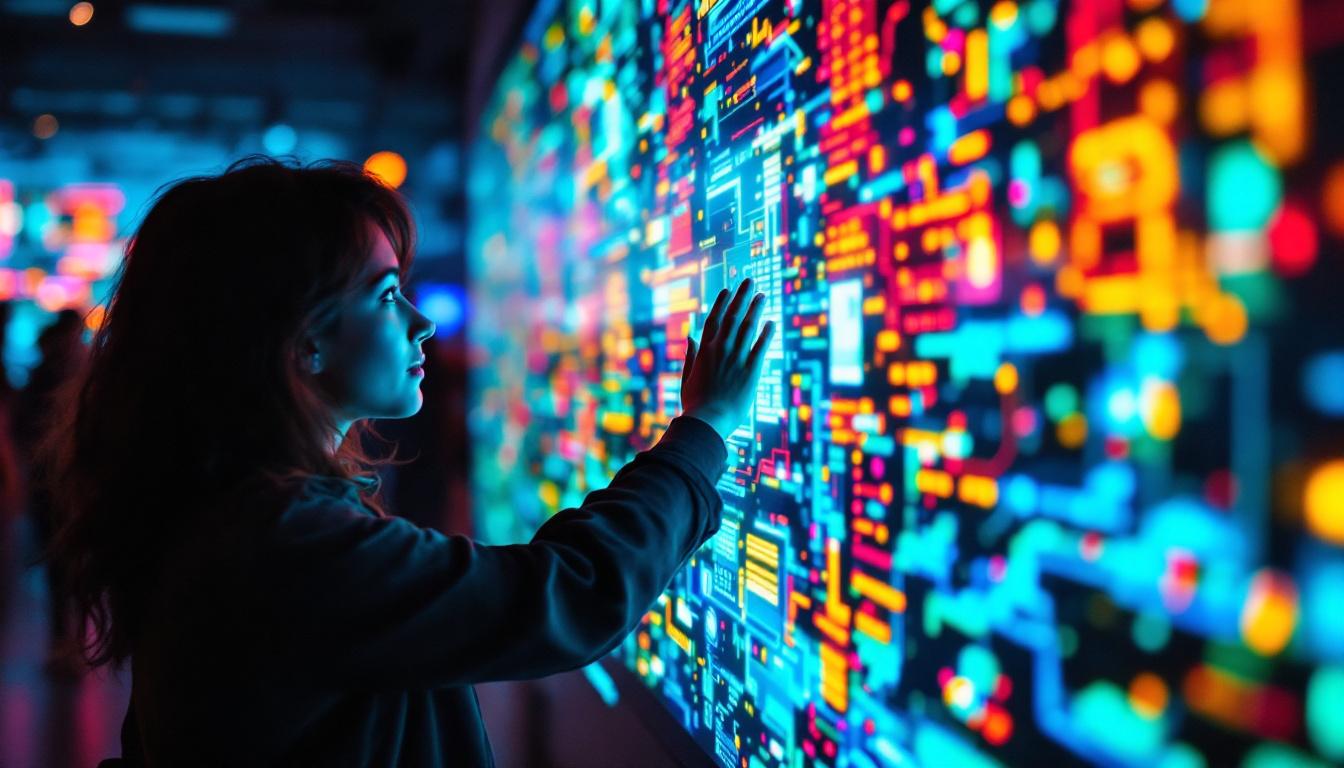
In the rapidly evolving world of digital displays, LED technology has emerged as a dominant force, transforming everything from advertising billboards to immersive entertainment experiences. Understanding how LED displays work, their advantages, and their applications is essential for businesses, event organizers, and technology enthusiasts alike. This article delves deep into the intricacies of LED displays, explaining their technology, benefits, and future trends in a clear and comprehensive manner.
What is an LED Display?
LED stands for Light Emitting Diode, a semiconductor device that emits light when an electric current passes through it. An LED display is a flat panel display that uses an array of light-emitting diodes as pixels to create images and videos. Unlike traditional LCD or plasma screens, LED displays use these tiny diodes to produce bright, vivid colors and high contrast images. This technology not only enhances the visual experience but also contributes to energy efficiency, making LED displays a popular choice for both commercial and personal use.
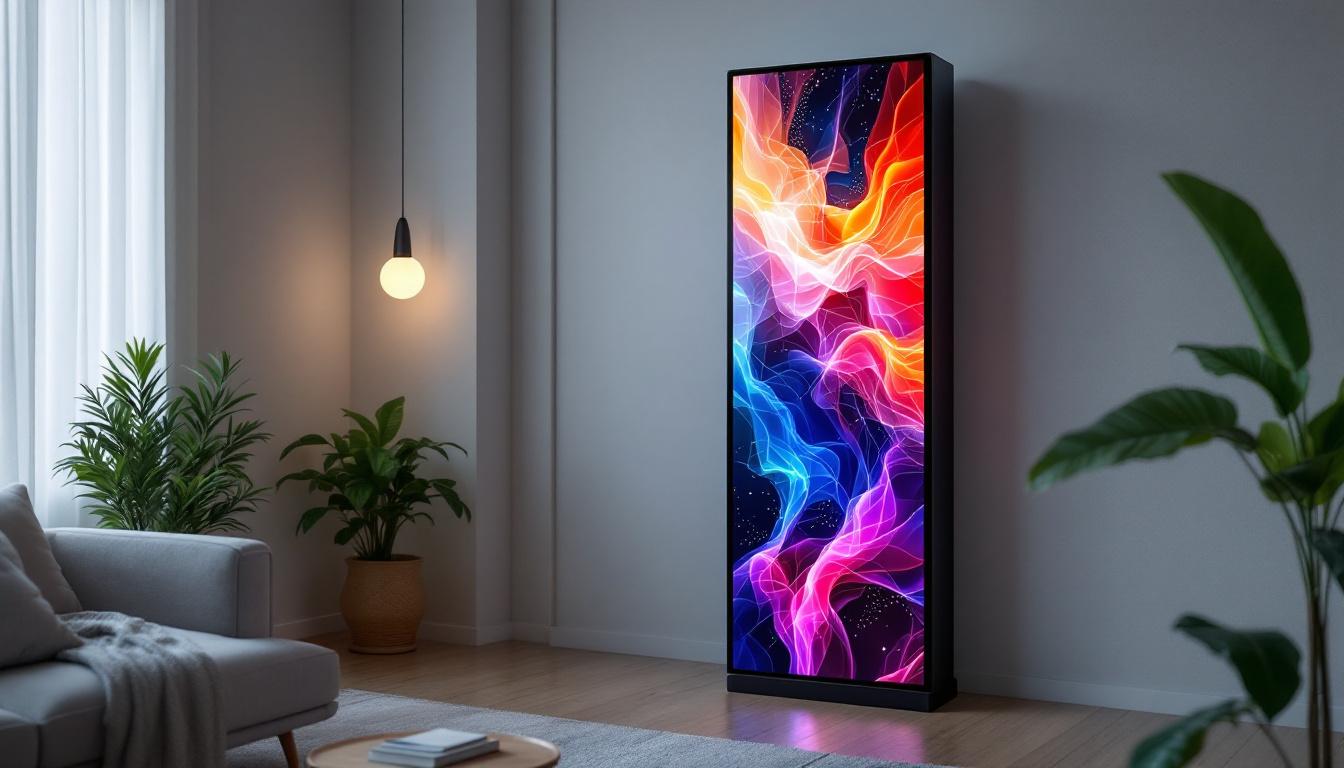
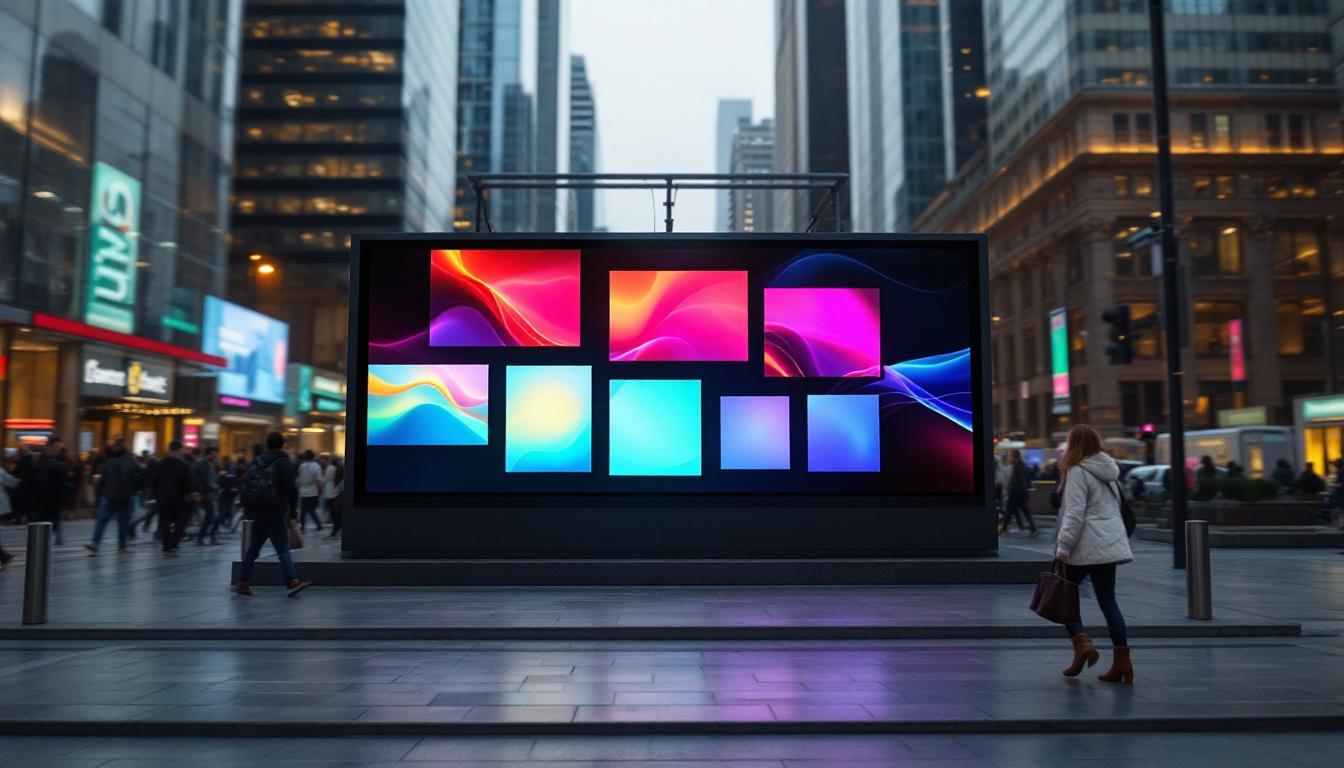
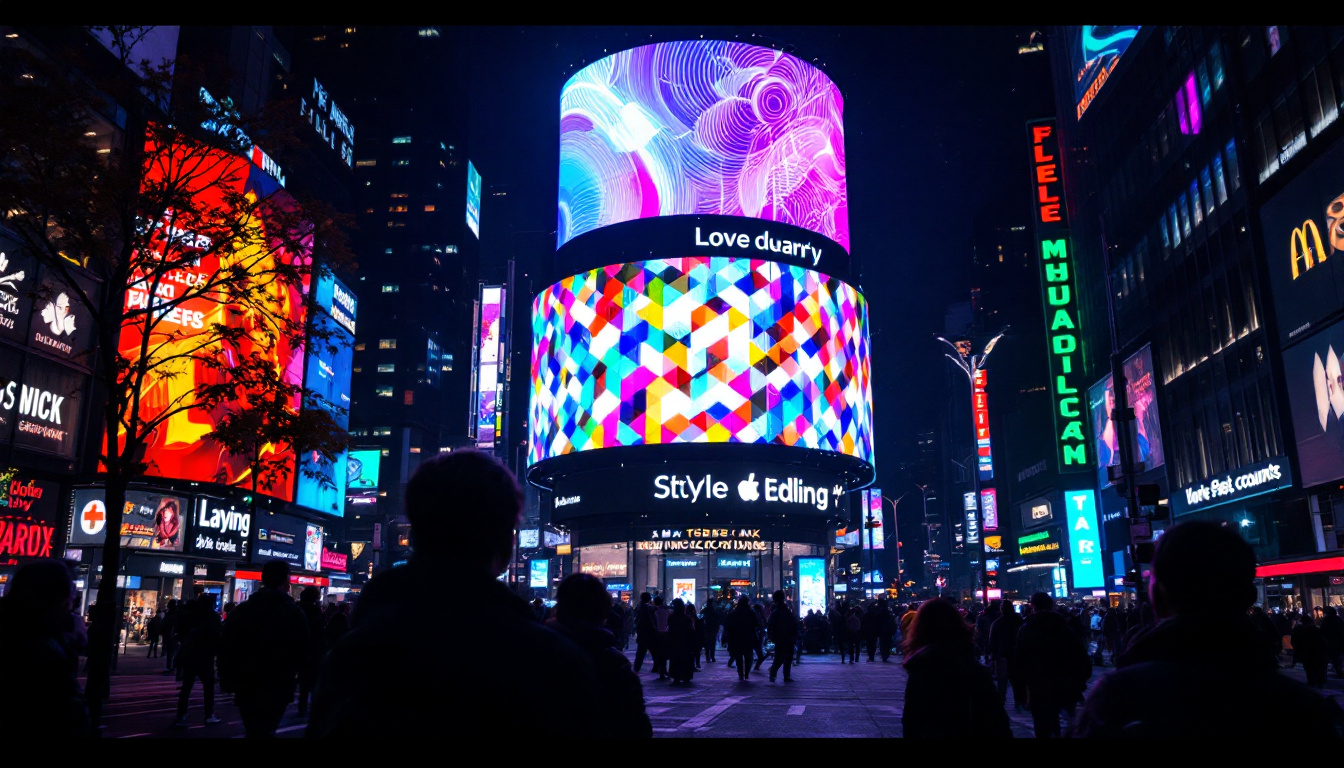
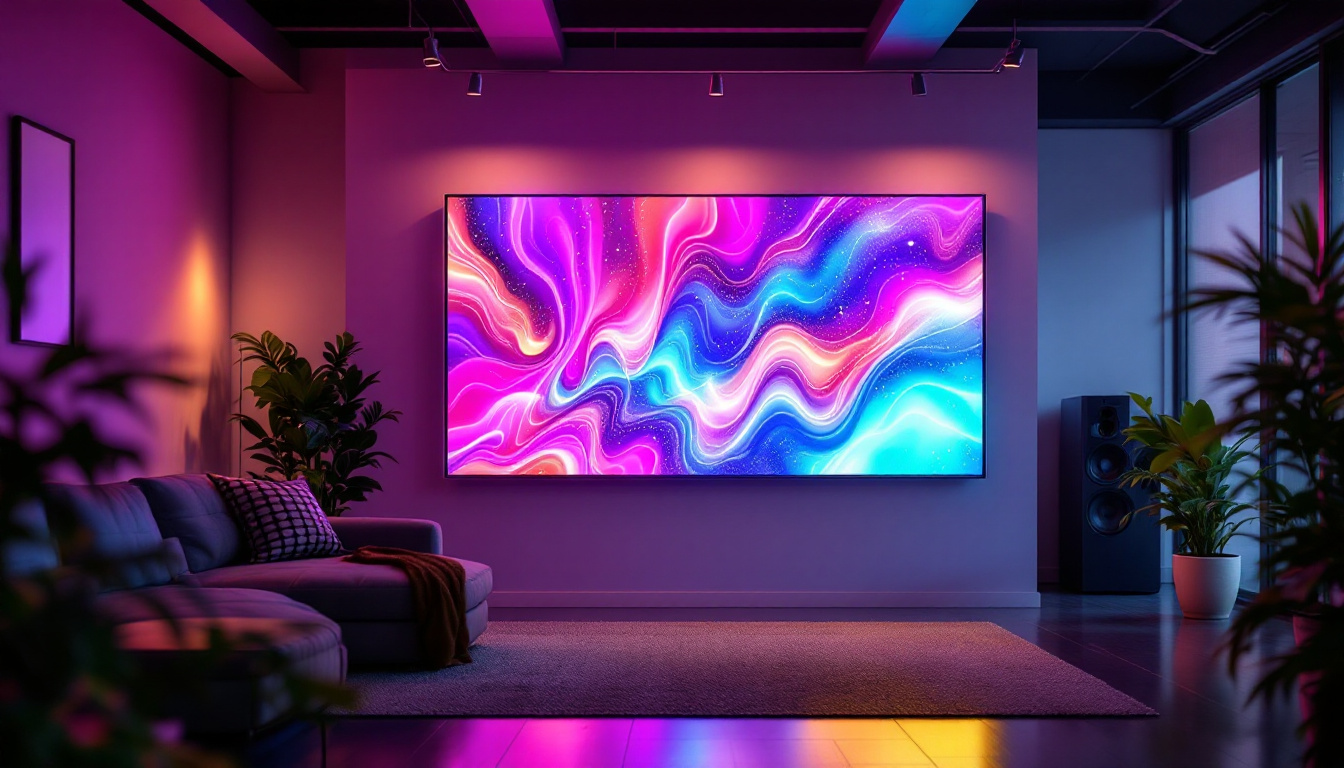
LED displays come in various forms, including indoor and outdoor screens, flexible panels, and even transparent displays. Their versatility and scalability make them suitable for a wide range of applications, from small retail signage to massive stadium screens. For instance, outdoor LED displays are designed to withstand harsh weather conditions, featuring protective casings that shield them from rain, wind, and extreme temperatures. Meanwhile, indoor displays offer high resolution and brightness, making them ideal for environments like shopping malls, airports, and conference centers where clear visibility is crucial.
How Does an LED Display Work?
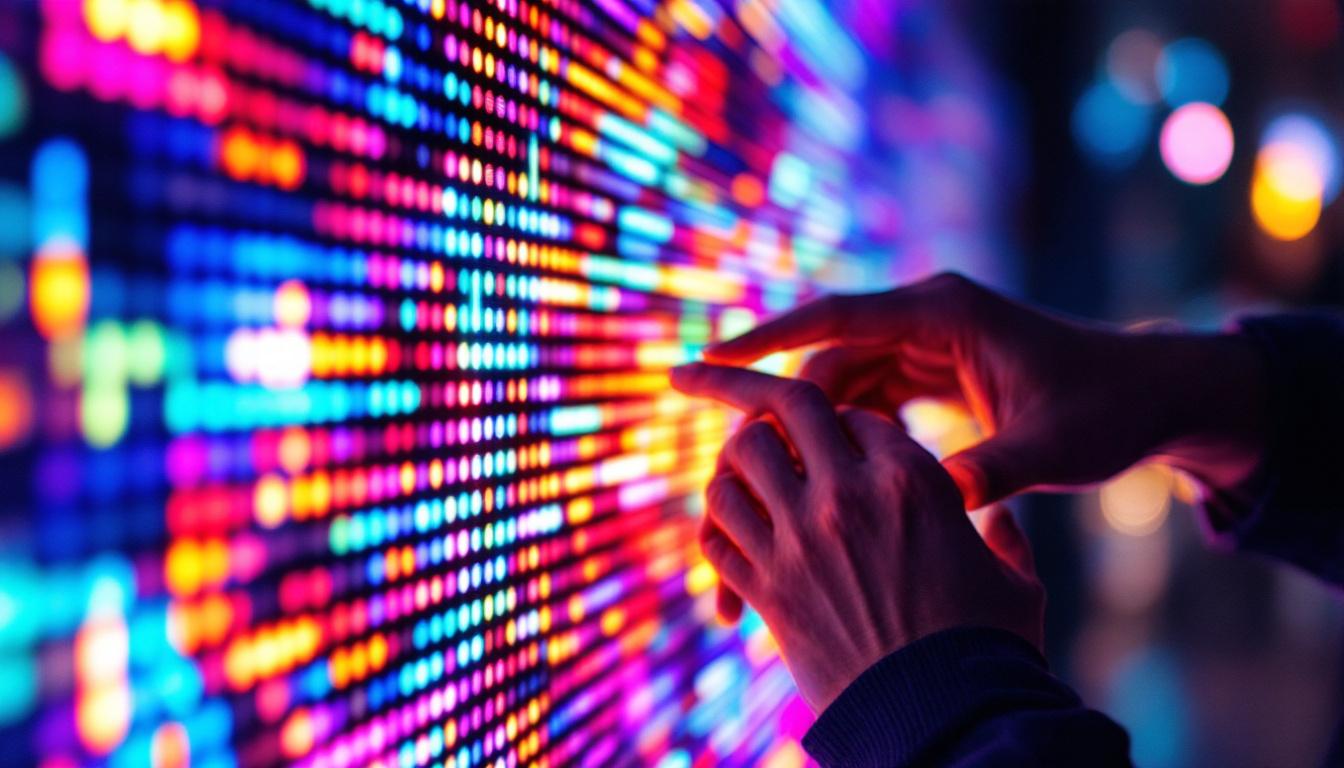
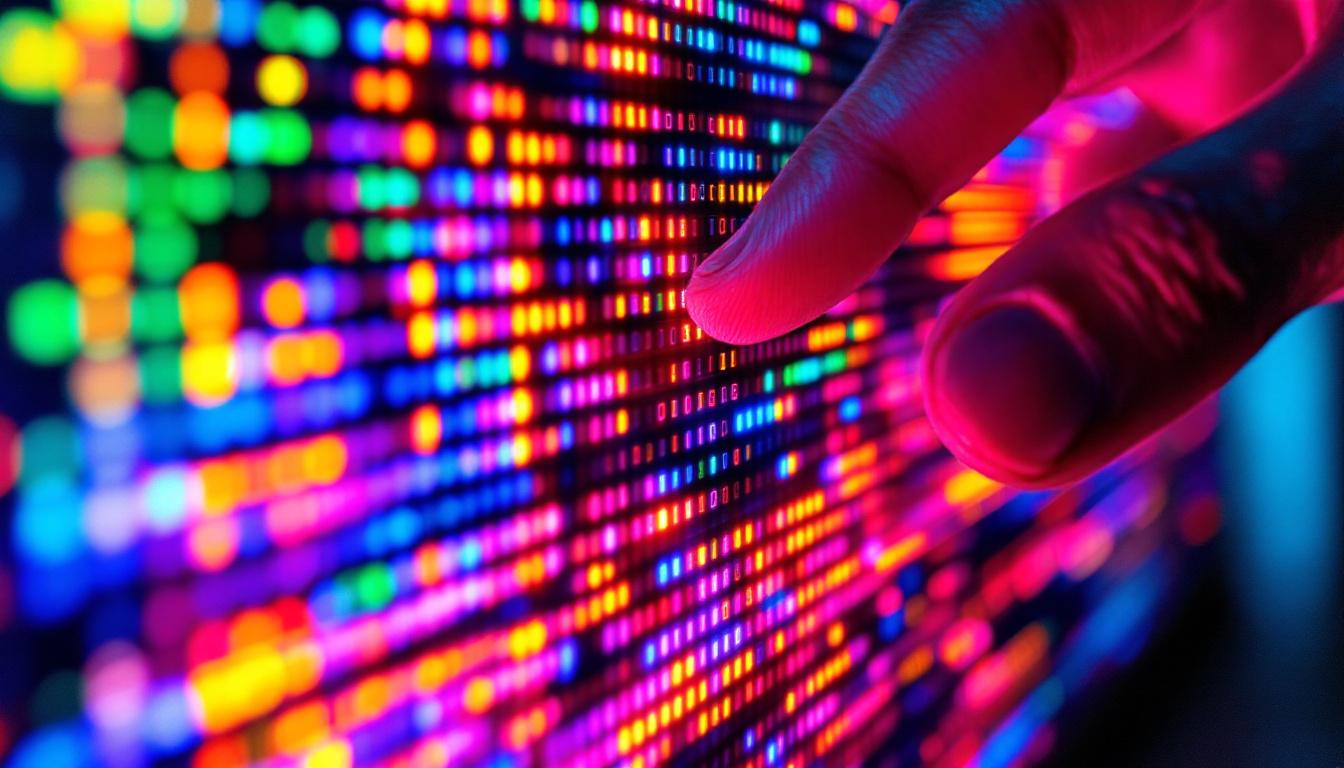
At the core of an LED display is a matrix of tiny LEDs arranged in a grid. Each LED acts as a single pixel or part of a pixel, illuminating in different colors and intensities to form an overall image. The display is controlled by a driver circuit that regulates the current and voltage to each LED, allowing precise control over brightness and color. This intricate system of circuits ensures that the display can respond quickly to changes in content, providing a seamless viewing experience.
Modern LED displays typically use red, green, and blue LEDs in each pixel, which combine to produce a full spectrum of colors through a process called additive color mixing. By adjusting the brightness levels of these three LEDs, the display can render millions of colors with remarkable accuracy. Additionally, advancements in technology have led to the development of features such as high dynamic range (HDR) and wide color gamut (WCG), which further enhance the visual quality by providing deeper blacks and more vivid colors. As a result, LED displays are increasingly being used in high-end applications, including digital art installations and immersive environments, where visual fidelity is paramount.
Types of LED Displays
LED display technology has evolved into several distinct types, each optimized for different uses and environments. Understanding these types helps in selecting the right display for specific needs.
1. Direct View LED Displays
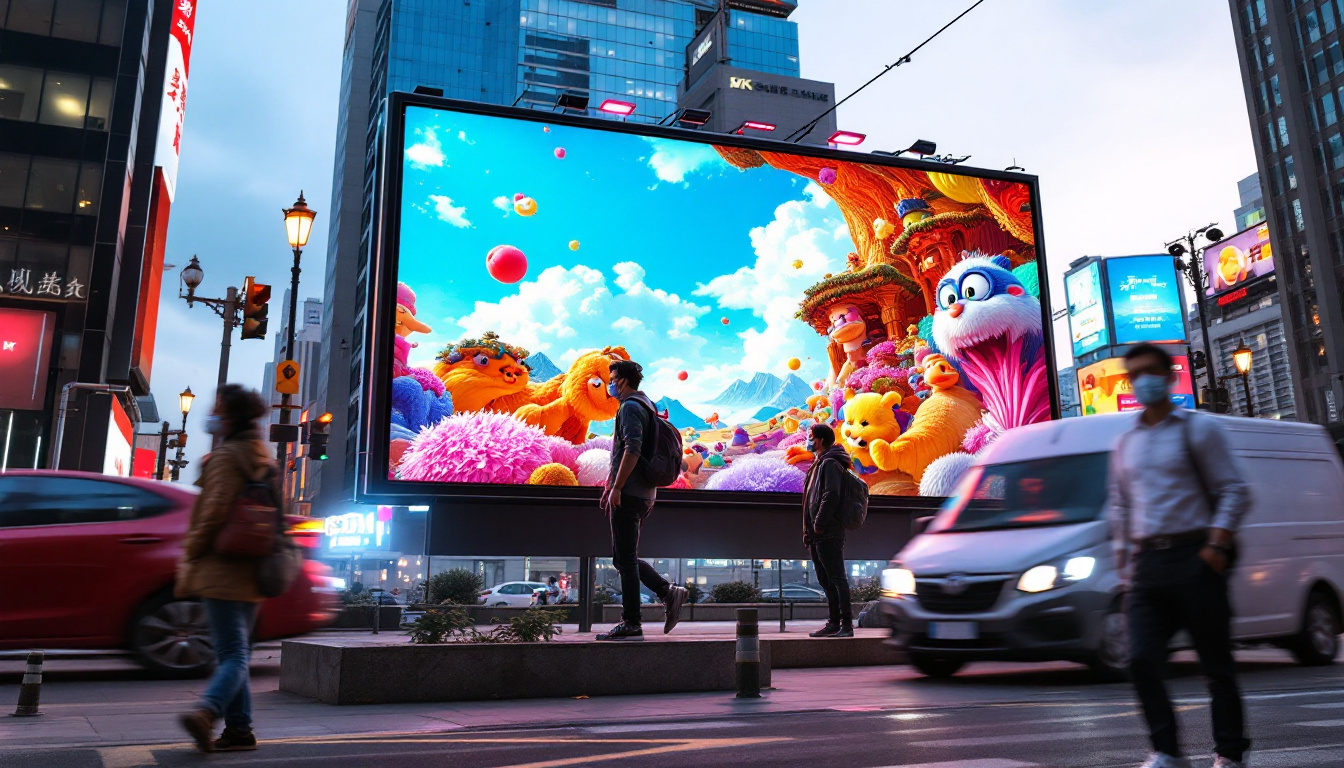
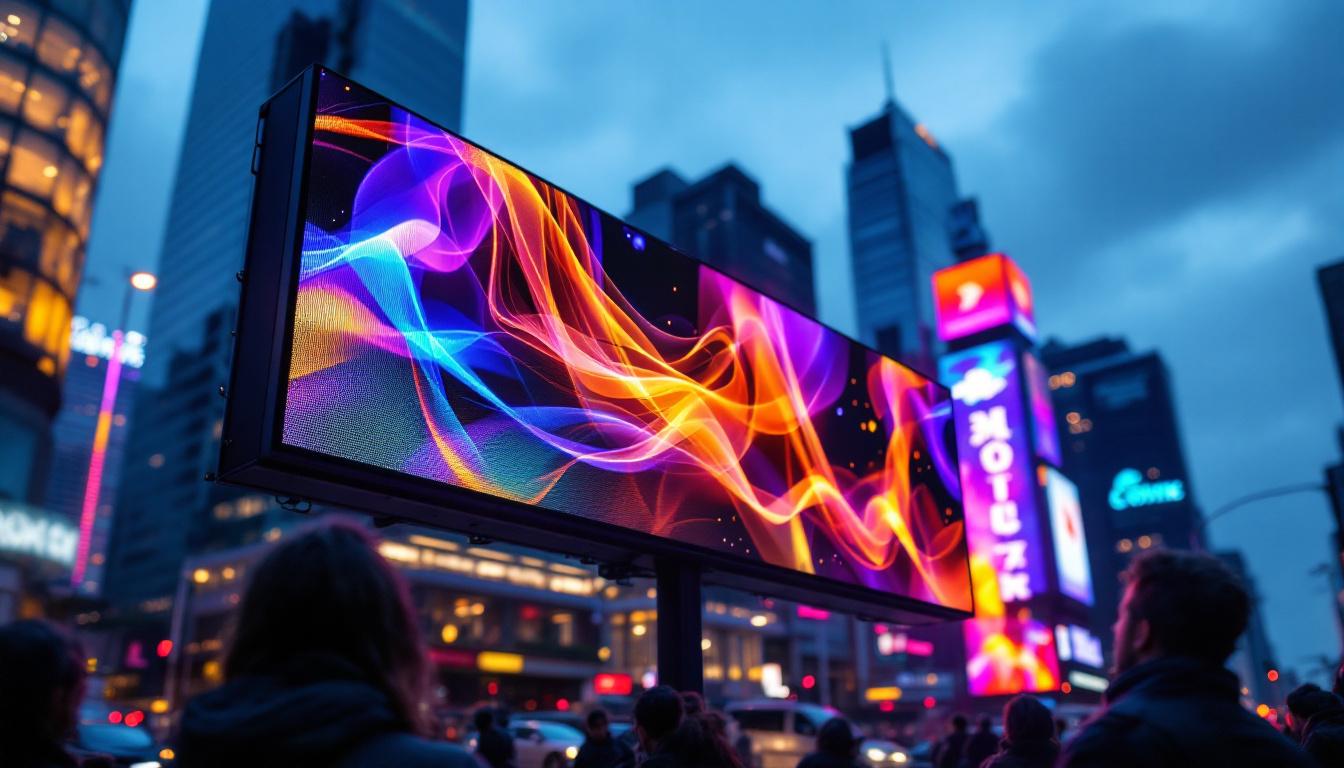
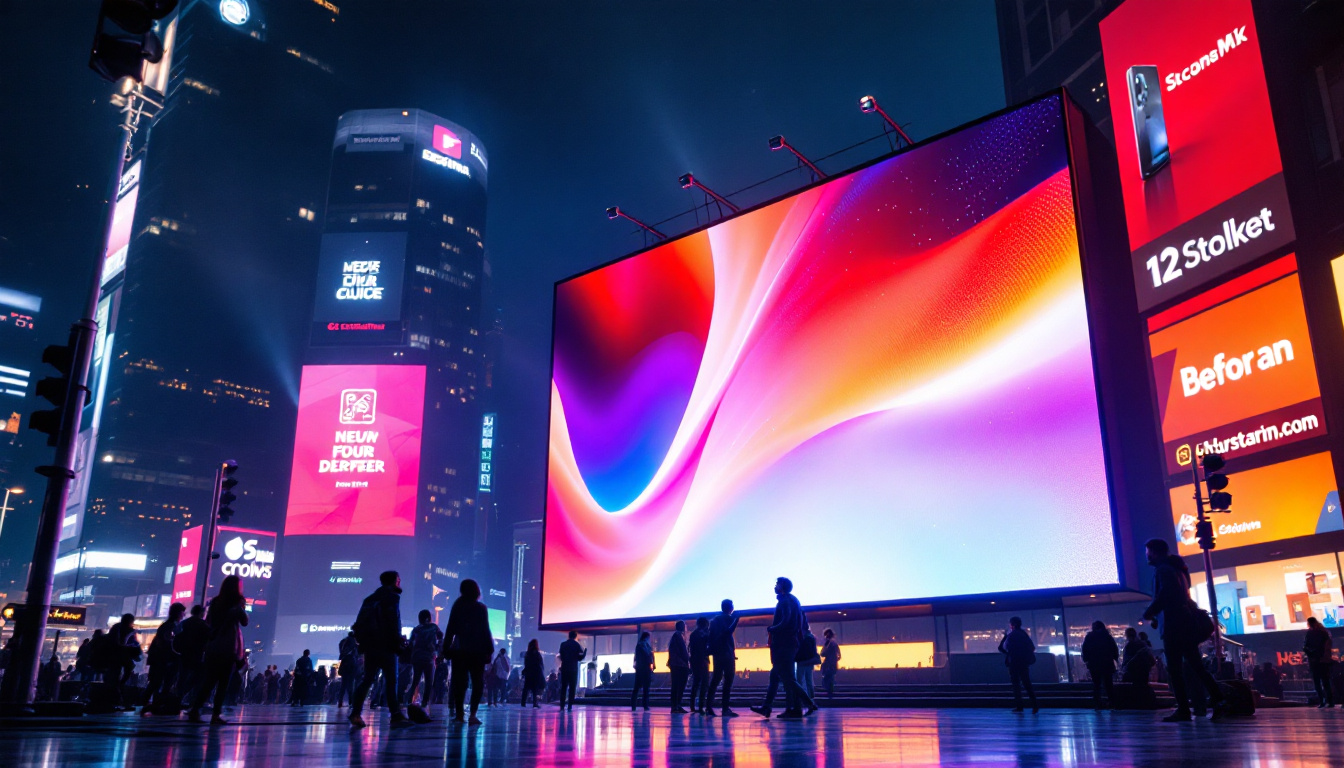
Direct view LED displays are composed of individual LEDs that emit light directly to the viewer. These are the most common type of LED screens used for large-scale applications such as outdoor billboards, sports arenas, and concert stages. Their high brightness levels make them easily visible even in direct sunlight.
Because the LEDs themselves produce the light, direct view displays offer superior contrast and color vibrancy compared to backlit technologies like LCDs. They can also be manufactured in very large sizes without loss of image quality.
2. LED Backlit LCD Displays
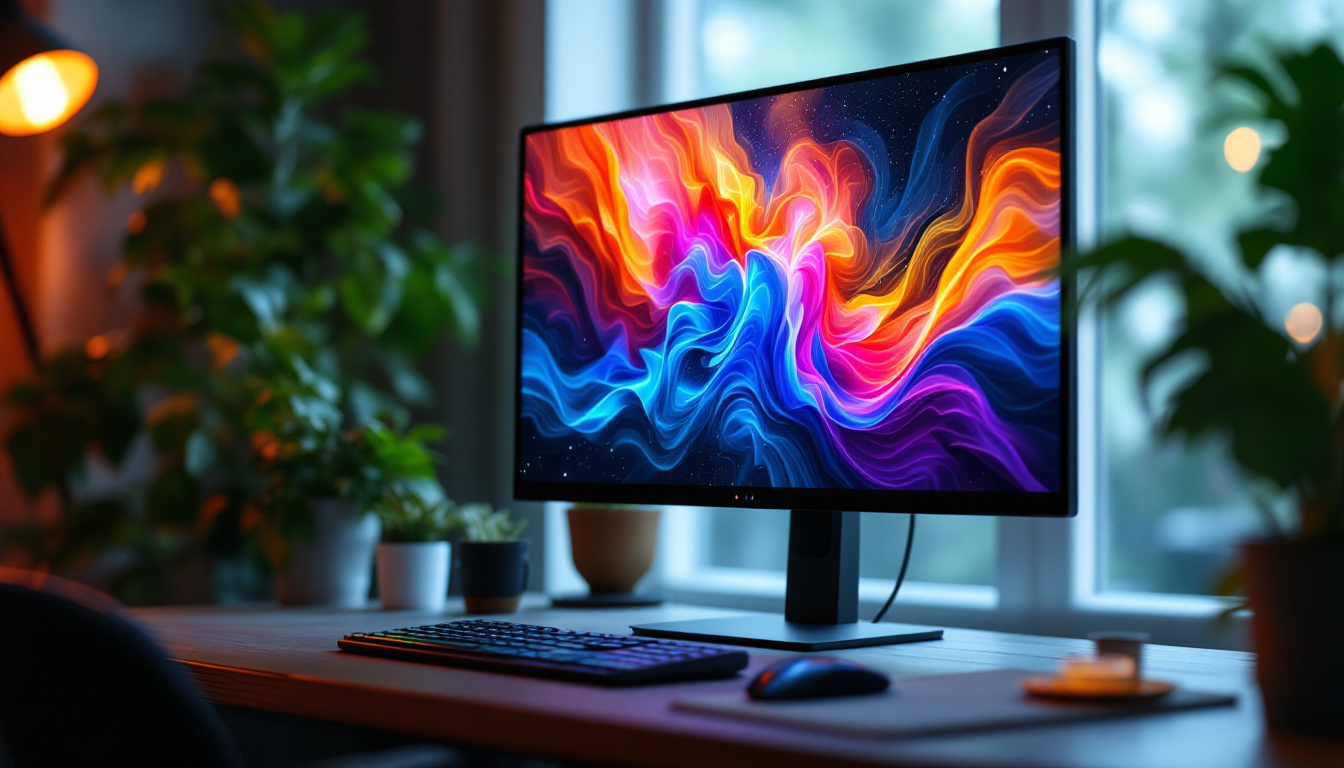
Many modern LCD screens use LED backlighting to illuminate the liquid crystal panel. In this setup, LEDs are placed behind or around the edges of the LCD panel, providing a more energy-efficient and brighter light source than traditional fluorescent backlights.
While these displays are not true LED displays in the sense of direct view technology, the use of LED backlighting significantly improves image quality, color accuracy, and power consumption in devices such as televisions, monitors, and smartphones.
3. MicroLED Displays
MicroLED technology represents the next frontier in LED display innovation. These displays use microscopic LEDs as individual pixels, combining the benefits of direct view LED and OLED technologies. MicroLEDs offer exceptional brightness, color accuracy, and energy efficiency, while avoiding issues like burn-in that affect OLED screens.
Though still in the early stages of commercial availability, MicroLED displays are expected to revolutionize consumer electronics and large-scale digital signage in the coming years.
Key Advantages of LED Displays
LED displays offer several compelling benefits that have driven their widespread adoption across industries. These advantages make them ideal for both indoor and outdoor applications.
Brightness and Visibility
One of the most significant benefits of LED displays is their brightness. Outdoor LED screens can reach brightness levels of up to 7,000 nits or more, ensuring clear visibility even in direct sunlight. This makes them perfect for advertising billboards, sports scoreboards, and public information displays.
Indoor LED displays also benefit from high brightness levels, providing vivid images that stand out in brightly lit environments such as shopping malls, airports, and conference centers.
Energy Efficiency
Compared to traditional display technologies, LEDs consume less power while delivering higher brightness and better color quality. This energy efficiency translates into lower operating costs and reduced environmental impact, which is increasingly important for businesses aiming to meet sustainability goals.
Durability and Longevity
LED displays are known for their robustness and long lifespan. High-quality LED panels can operate continuously for 50,000 to 100,000 hours before significant degradation occurs. Additionally, LEDs are resistant to shock and vibration, making them suitable for outdoor and mobile applications.
Flexibility and Scalability
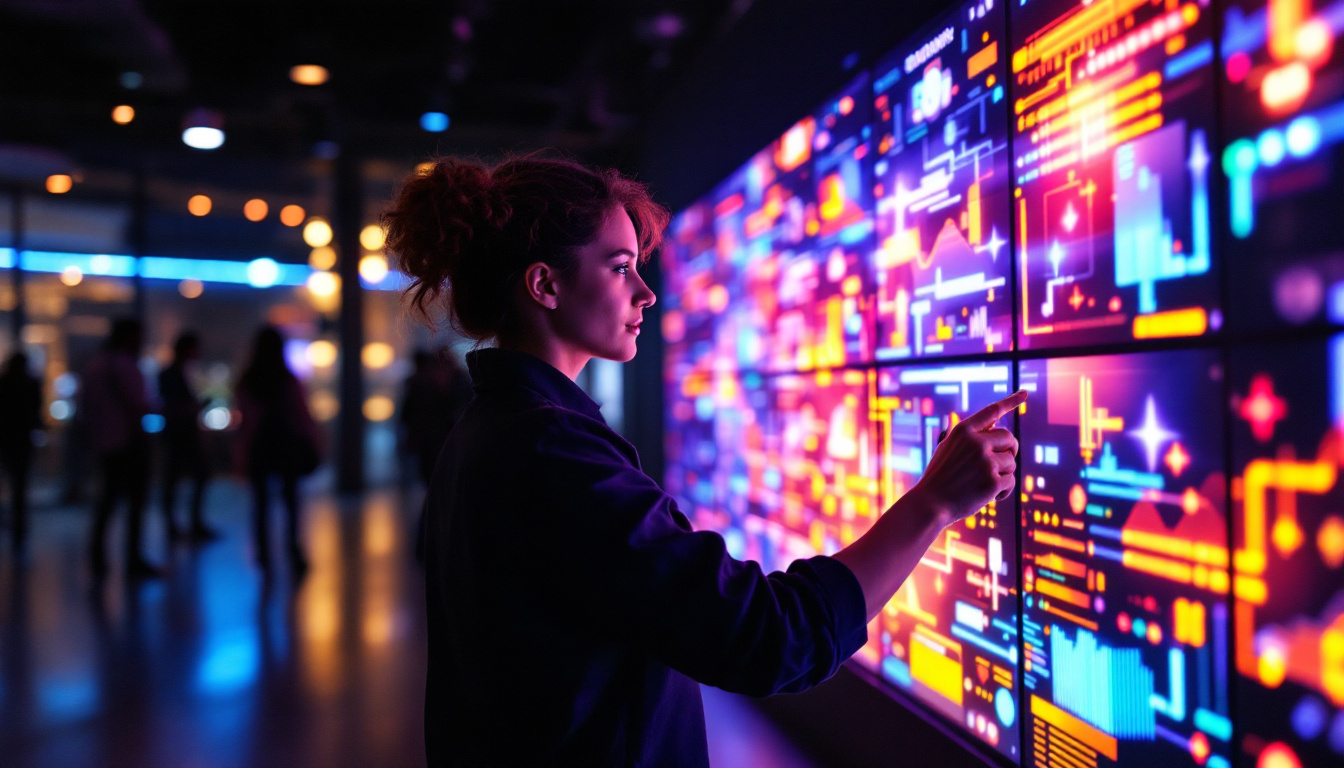
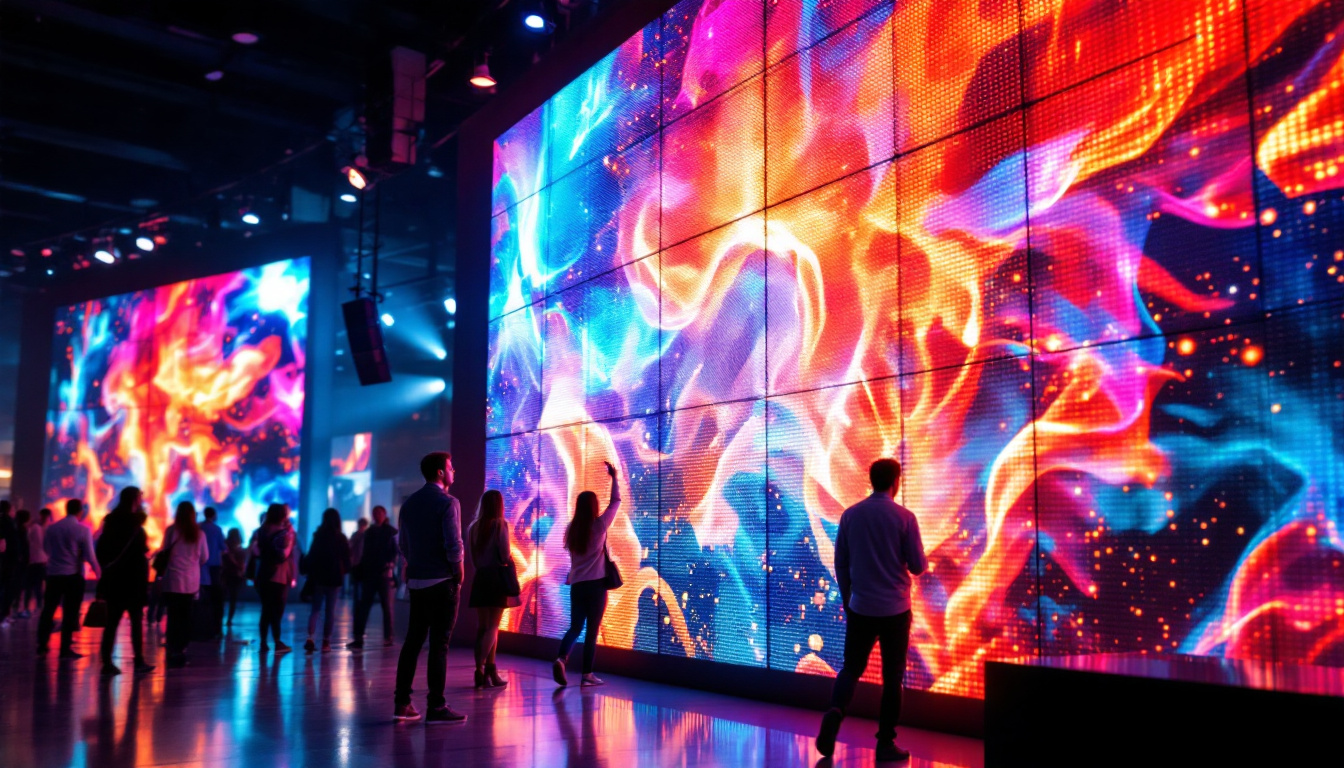
LED technology allows for the creation of displays in virtually any size and shape. Modular LED panels can be seamlessly combined to form massive video walls or curved and flexible screens. This scalability enables creative and impactful visual experiences tailored to specific environments and purposes.
Applications of LED Displays
The versatility of LED displays has led to their adoption across a diverse range of sectors. Each application leverages the unique strengths of LED technology to engage audiences and convey information effectively.
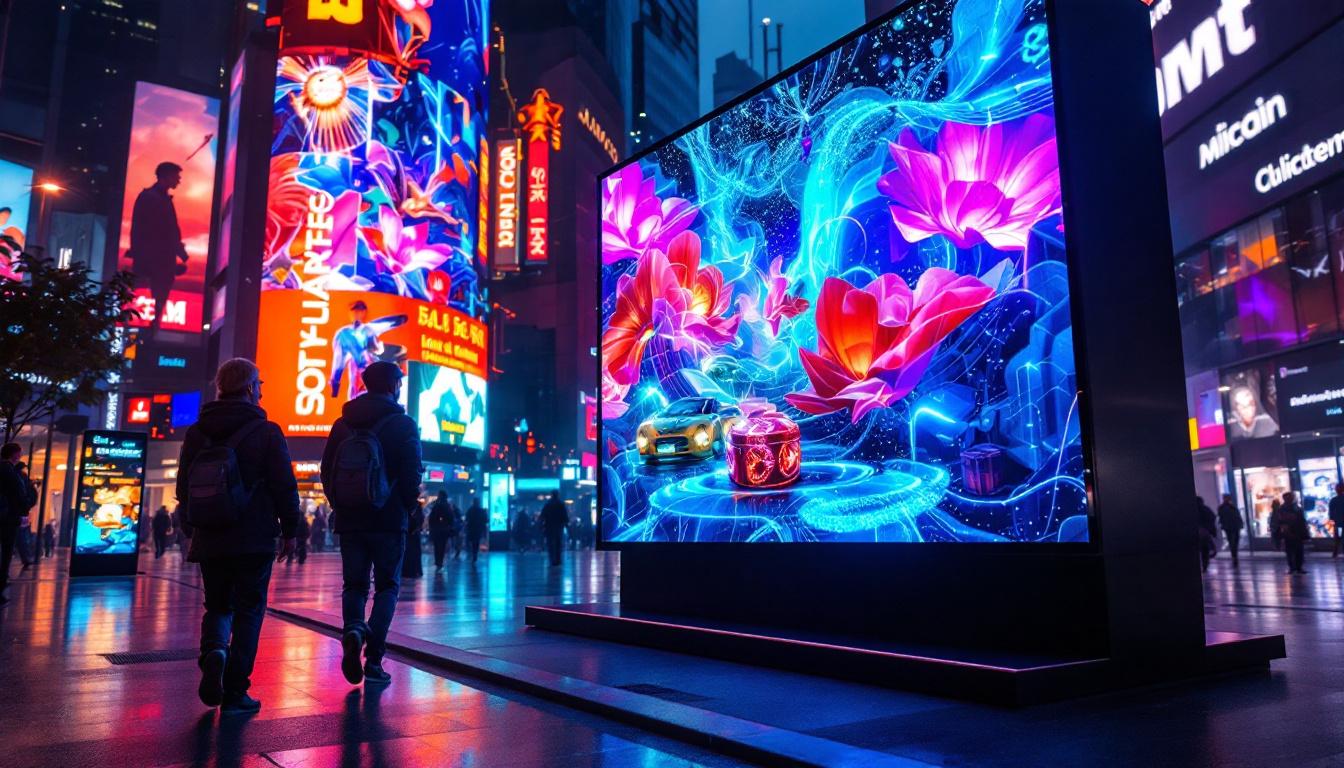
Advertising and Digital Signage
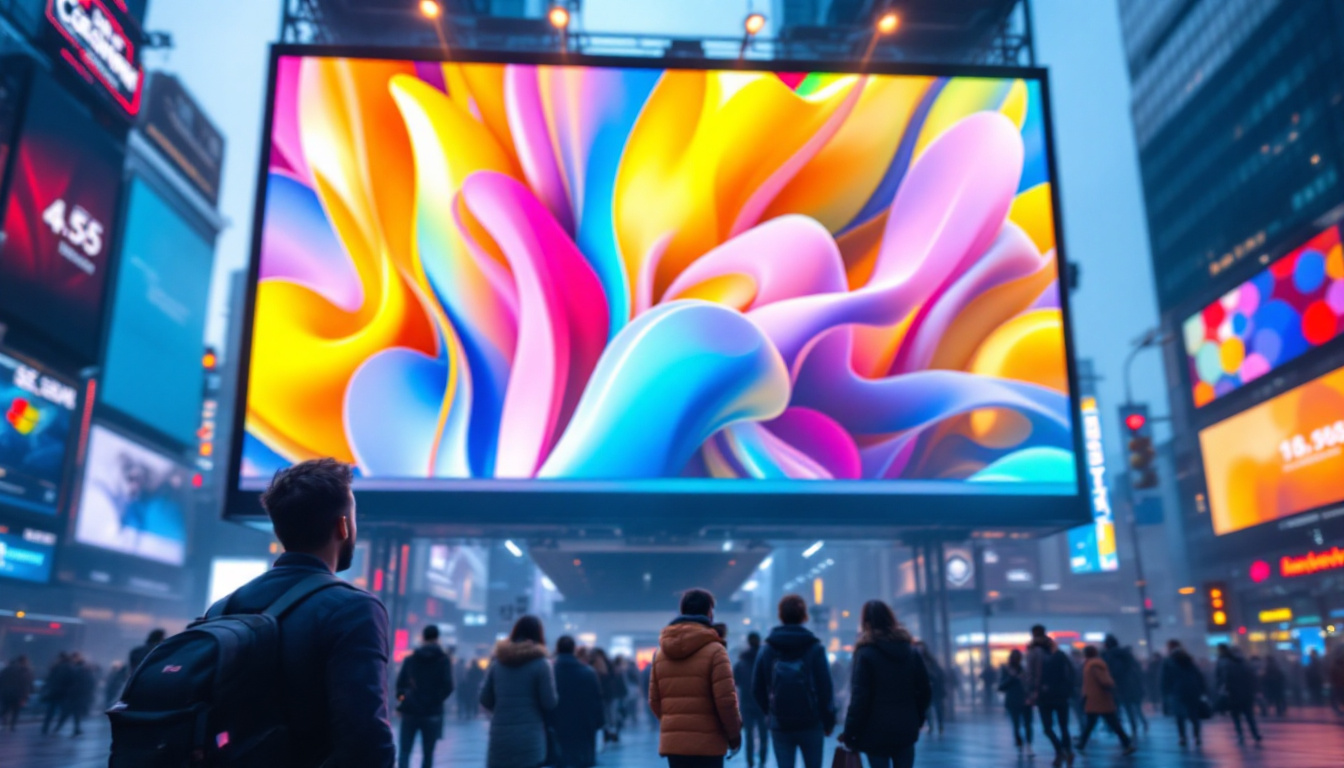
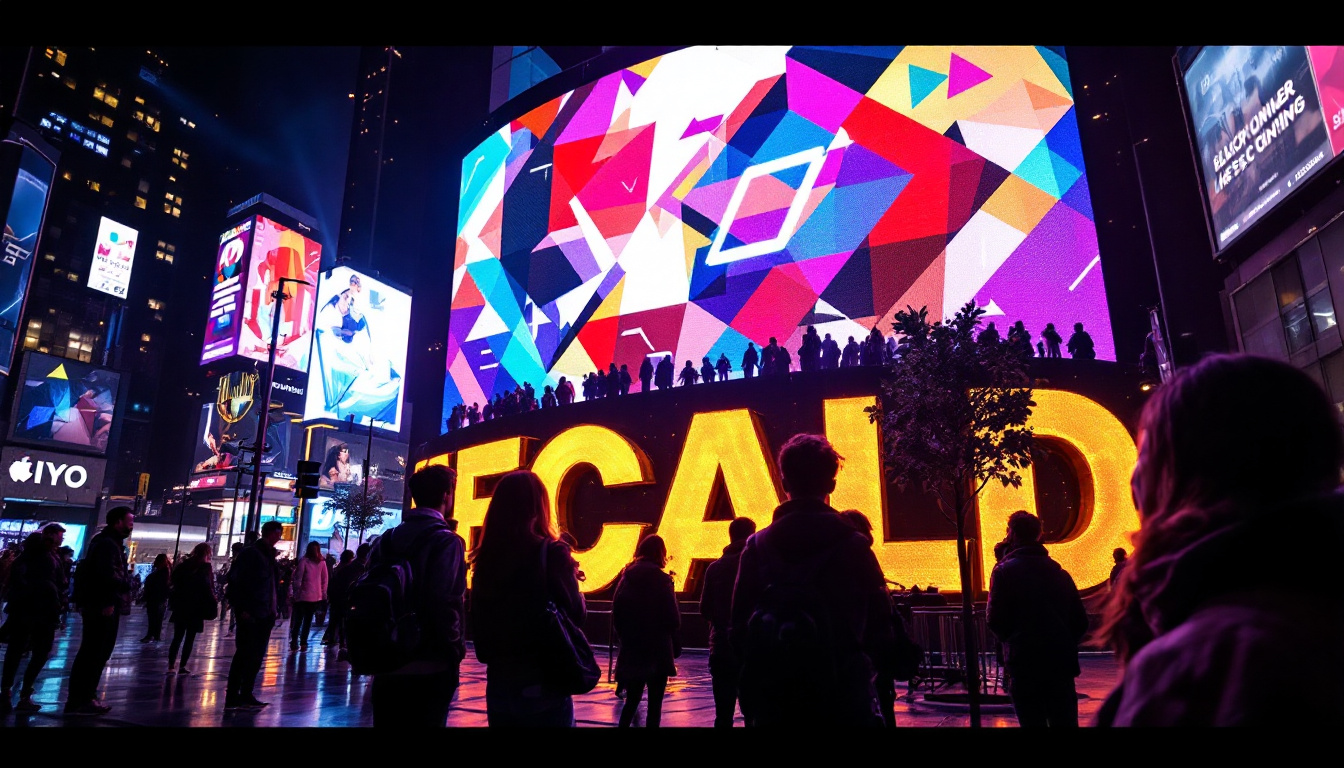
Outdoor advertising has been transformed by LED billboards, which offer dynamic, eye-catching content that can be updated in real time. According to a 2023 report by Grand View Research, the global digital signage market is expected to grow at a CAGR of 8.2% through 2030, driven largely by LED technology advancements.
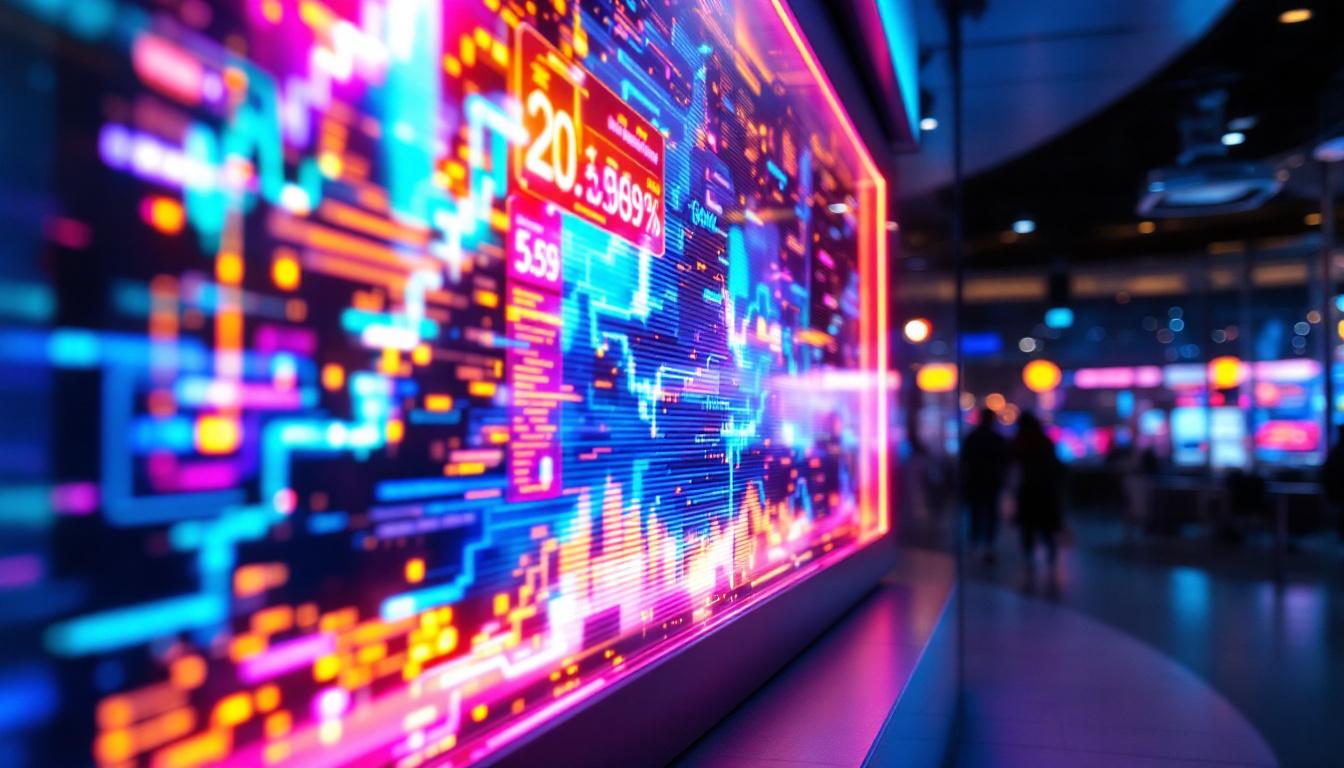
Retailers use LED displays to attract customers with vibrant promotions, while transit hubs employ them for real-time scheduling and alerts. The ability to deliver targeted, high-impact messages makes LED signage a powerful marketing tool.
Entertainment and Events
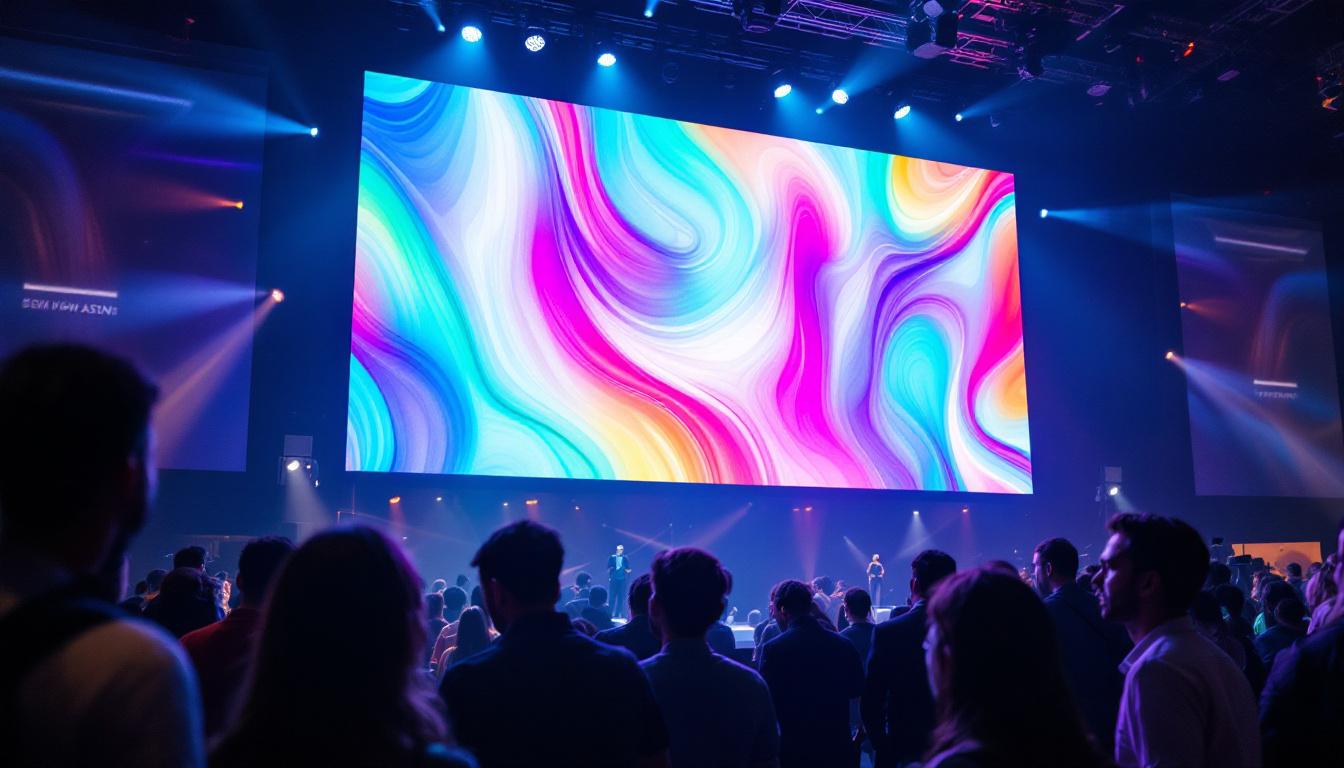
Concerts, festivals, and sports events frequently utilize large LED screens to enhance the spectator experience. These displays provide close-up views of performers, instant replays, and interactive content, ensuring that even attendees far from the stage or field remain engaged.
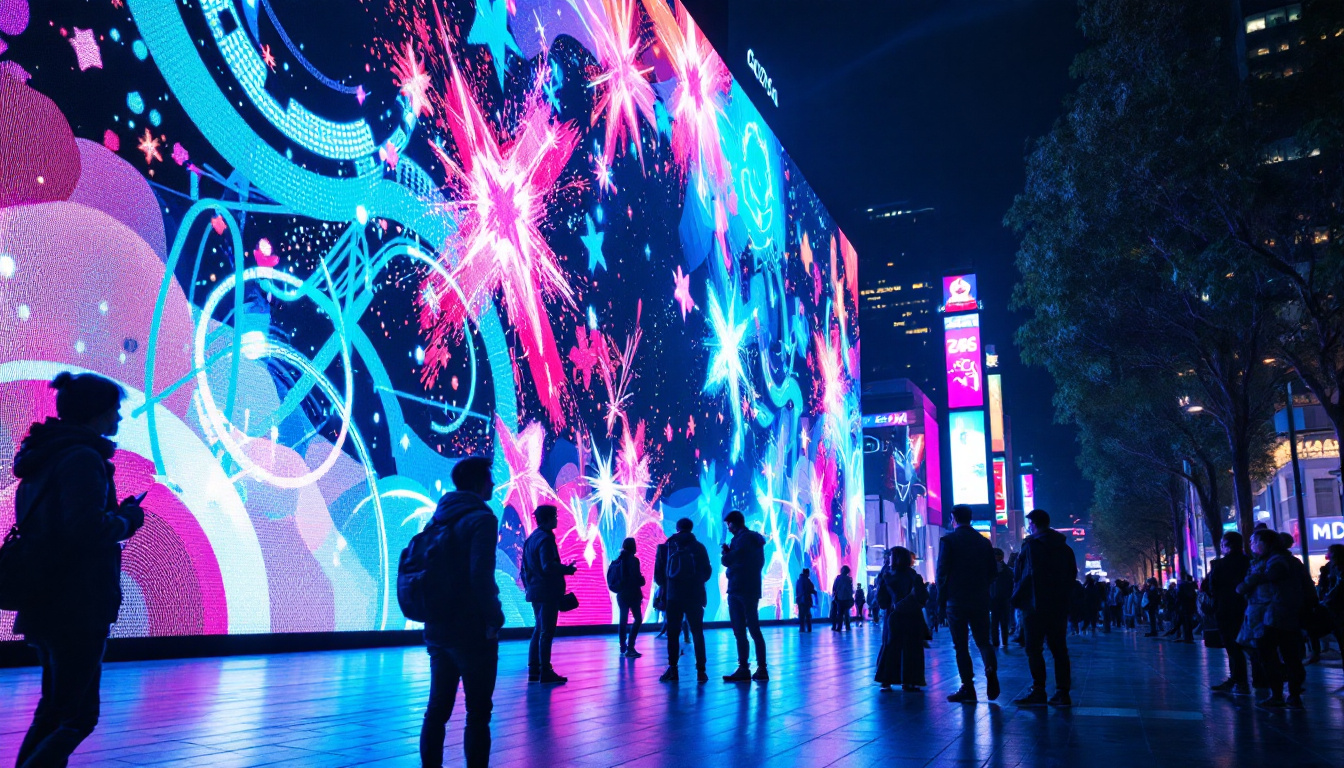
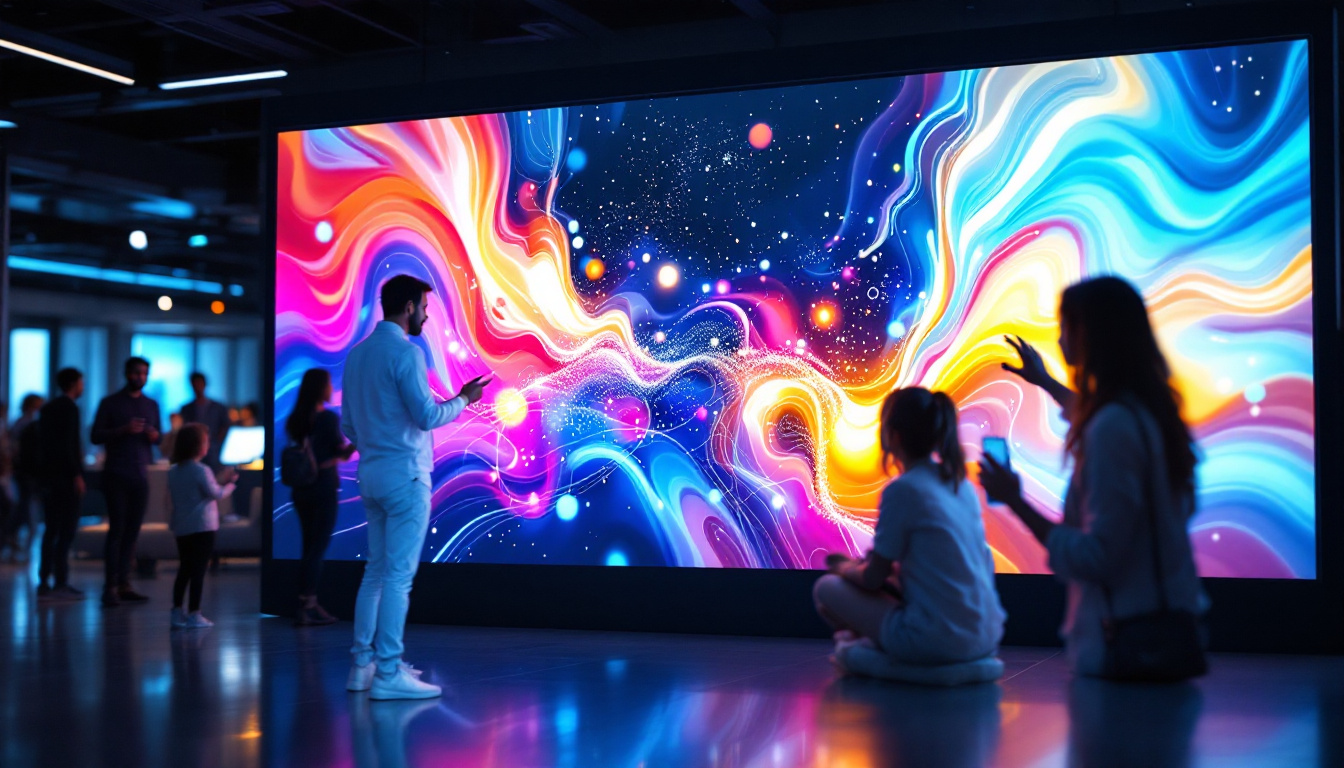
Innovative uses include immersive LED walls and floors that respond to movement, creating dynamic environments that blur the line between physical and digital spaces.
Corporate and Educational Use
In corporate settings, LED displays are used for presentations, video conferencing, and digital whiteboards. Their clarity and responsiveness improve communication and collaboration. Educational institutions also benefit from LED technology by integrating interactive displays into classrooms and lecture halls.
Transportation and Public Information
LED displays are essential for public transit systems, airports, and highways, providing travelers with timely updates and safety information. Their reliability and visibility under various weather conditions make them indispensable for these critical applications.
Understanding LED Display Specifications
Choosing the right LED display requires familiarity with key technical specifications that affect performance and suitability for specific environments.
Pixel Pitch
Pixel pitch refers to the distance between the centers of two adjacent pixels, usually measured in millimeters. A smaller pixel pitch means higher resolution and sharper images, which is crucial for close-viewing environments like indoor displays.
For example, an indoor LED screen might have a pixel pitch of 1.5mm to 3mm, while outdoor displays typically have larger pitches ranging from 6mm to 20mm or more, balancing resolution with viewing distance.
Brightness
Brightness is measured in nits (candelas per square meter) and determines how well the display performs under different lighting conditions. Outdoor LED displays require higher brightness levels (5,000 to 7,000 nits or more) to remain visible in sunlight, whereas indoor screens generally operate at 800 to 1,500 nits.
Refresh Rate
The refresh rate indicates how many times per second the display updates its image, measured in Hertz (Hz). Higher refresh rates (above 1,000 Hz) reduce flicker and improve the viewing experience, especially for video content and fast-moving images.
Viewing Angle
The viewing angle defines the range within which the display maintains consistent brightness and color accuracy. Wider viewing angles (up to 160° horizontally and vertically) ensure that images look good from various positions, which is important for public displays.
Future Trends in LED Display Technology
As LED technology continues to advance, several exciting trends are shaping the future of digital displays.
Miniaturization and MicroLED
MicroLED technology promises to deliver unprecedented image quality with tiny LEDs that can be individually controlled. This innovation will enable ultra-high-resolution displays with improved energy efficiency and durability, suitable for everything from smartphones to massive video walls.
Flexible and Transparent Displays
Flexible LED panels are becoming more common, allowing screens to bend, fold, or wrap around surfaces. Transparent LED displays, which can be integrated into glass windows or storefronts, are opening new possibilities for advertising and architectural design.
Integration with AI and IoT
Smart LED displays connected to the Internet of Things (IoT) and powered by artificial intelligence (AI) can deliver personalized content, optimize energy use, and provide interactive experiences. This integration is expected to revolutionize retail, public spaces, and entertainment.
Conclusion
LED displays have fundamentally transformed how information and entertainment are delivered in the modern world. Their brightness, energy efficiency, durability, and versatility make them an ideal choice for a wide array of applications. As technology progresses, innovations like MicroLED and flexible displays will further expand the possibilities, creating more immersive and engaging visual experiences.
Whether for advertising, entertainment, corporate use, or public information, understanding the technology behind LED displays empowers businesses and consumers to make informed decisions and harness the full potential of this dynamic medium.
Discover the Future of Visual Experience with LumenMatrix
Ready to elevate your visual communication to the next level? LumenMatrix is at the forefront of LED display innovation, offering a diverse range of solutions that cater to every need. From mesmerizing Indoor LED Wall Displays to robust Outdoor LED Wall Displays, and from dynamic Vehicle LED Displays to sleek LED Poster Displays, our technology is designed to captivate and engage. Explore our cutting-edge LED Sports Displays, interactive Floor LED Displays, and the revolutionary All-in-One and Transparent LED Displays. Join us in the revolution of visual storytelling and Check out LumenMatrix LED Display Solutions today to create unforgettable experiences and share your message with the world.